Posted originally on CTH on May 10, 2026 | sundance
Secretary of Energy Chris Wright appears on CBS Face the Nation to discuss the current status of the conflict with Iran. As supplemented by additional confirmation from President Trump, Secretary Wright notes the Iranian military apparatus has been defeated but the goal to end the Iranian nuclear ambition remains. VIDEO and TRANSCRIPT Below:
[Transcript] – MARGARET BRENNAN: We’re now joined by U.S. Secretary of Energy, Chris Wright, good to have you here.
SEC. CHRIS WRIGHT: Great to be here. Happy Mother’s Day.
MARGARET BRENNAN: Oh, thank you for that. President Trump said that he expected a response from Iran. He said this yesterday. Has one been received and what is the U.S. going to do with it?
SEC. CHRIS WRIGHT: Not that I’m aware of, but I suspect we will get a response very soon. Things are tough for the leaders of Iran right now, and I think they’re- they get growing motivation to make it- make a deal, but we know where this is going to end. We don’t know the route to there, but at the end of the day, we’ll have free flow of traffic through the Straits of Hormuz, and we will have an end to the Iranian nuclear program. The end point we know. The route, we don’t.
MARGARET BRENNAN: The goal is there, but Prime Minister Netanyahu told my colleague Major Garrett, the war is not over. He said there’s still work to be done, ballistic missiles, nuclear program. President Trump told Congress that hostilities had been terminated. So is the U.S. view that the war itself is over?
SEC. CHRIS WRIGHT: Well, the military objectives that we set out to achieve, and we guided the world to four to six weeks, and it took about five weeks to achieve. Those are achieved. The ending of the Iranian nuclear program is a different matter, and that’s what still needs to be achieved, and again, most likely achieved by negotiation, but doesn’t necessarily have to be achieved by negotiation.
MARGARET BRENNAN: So the goal of a conflict has not been achieved yet, is what you’re saying?
SEC. CHRIS WRIGHT: Well, one of the major goals was to degrade their ability to produce missiles, to produce drones, their sort of industrial complex that supports their military, that has been wiped out. Their Navy has been ended. Their Air Force has been ended. Their air defense forces across their country have been ended. Those were critical because that was the porcupine that protected their nuclear program in the middle of all that. Those have been largely wiped out.
MARGARET BRENNAN: You run America’s nuclear program, and- and Prime Minister Netanyahu told- said on- on CBS that Trump wants to go in and get the enriched uranium in Iran. But he did say it’s best if you first have an agreement to go in and take it out. So what does that plan look like? Is that UN nuclear inspectors going in and grabbing the enriched uranium? Are those your employees and the Department of Energy going in? Is that the U.S. military?
SEC. CHRIS WRIGHT: We don’t know. That’s what- that’s what’s still yet to be determined. It could be any of those, but yeah, it definitely would involve people from the Department of Energy. The nuclear expertise in the United States is within my department. They are ready, they’ve been monitoring what’s happening in Iran, and they’ve been involved in the dialogues about, how would we handle this material? Where would we take it? What would we do with it? But that is a critical thing. Iran has nearly 1000 pounds of uranium enriched to 60%, so close to weapons grade, way higher than any potential commercial use of it. They’ve lied all along that it’s for a civil nuclear program. It’s for their own energy. It was never about that. It was always about weapons, and the world just can’t live with a nuclear armed Iran.
MARGARET BRENNAN: Well, you know, Iran says they’re not pursuing and never have, but the IAEA says that’s all questionable, of course. But what you just said there, are you saying the goal for President Trump is getting Americans on the ground in Iran to get that enriched uranium, perhaps the inspectors who work for the Department of Energy?
SEC. CHRIS WRIGHT: No, it’s to end their nuclear program. If it’s pulled out by the International Atomic Energy Agency, that’s fine too. We need to remove the nuclear material from Iran and end their enrichment activities to produce more of it. There’s many ways that that can be achieved, but that must be achieved.
MARGARET BRENNAN: And that’s open for discussion now. Let’s talk about what’s happening with the energy markets. It was just three days ago that three American destroyers were harassed by Iranian small boats in the strait. Overnight, we did see a Qatari vessel with liquefied natural gas cross through the Strait successfully. Another one was buzzed by a drone. So exactly what is the status of this transit point?
SEC. CHRIS WRIGHT: So the United States is blocking all traffic to and from Iranian ports, and Iran continues to harass all other ship traffic through the Gulf. So there’s two ways the Hormuz thing can end. One is, just like with the nuclear thing, one is an agreement with Iran to reopen the traffic and for them to stop their harassment activities.
MARGARET BRENNAN: This is their main card that they’re playing.
SEC. CHRIS WRIGHT: That’s their- that’s their only card, essentially. So the U.S. destroyers there and ships starting to come out, is a great message to Iran, that one way or another, we will re-establish free flow of commercial traffic through the Strait of Hormuz.
MARGARET BRENNAN: So they’re not going to give up that card, though, right? If that’s their one thing to play, that is their point of leverage. So I want to come to this because it has been. Unclear how the Strait of Hormuz is going to be. The stalemate there is going to be resolved. Last Sunday, President Trump announced Project Freedom. He said that U.S. ships would guide other vessels out of the waterway, starting the following day. May 5, Project Freedom, less than 48 hours later, was called off at Pakistan’s request, according to the President. And then we saw that a day later he said, if Iran didn’t open the strait, the bombing would restart at a higher level and intensity. Then we saw this harassment that we just talked about. And then on May 8, the President was asked if project freedom would resume. He said, I don’t think so. We may go back to Project Freedom, but it would be Project Freedom Plus others. So as of this morning, is the United States military going to begin clearing the strait?
SEC. CHRIS WRIGHT: We are actively clearing the strait today, but we did stop Project Freedom at Iran’s request. As you said, it’s their only card if we militarily reopen the strait, which is a challenge. It’s not a one or two day endeavor that’s- that’s an effort to do that. They said, wait a minute, wait a minute, let’s make a deal. Let’s make a deal, we’ll agree to reopen it. Let’s engage in the talks about the nuclear program, and let’s make a deal. So this pausing of that military effort to open the straits is to get a negotiated settlement with Iran. And if we can get a successful negotiated settlement with Iran, that’s great. That’s a good end to the conflict, if we can.
MARGARET BRENNAN: But that takes time. A negotiated settlement takes time. We’re just talking about letters going back and forth with a memorandum of understanding. So is the U.S. military going to clear that strait? Is Project Freedom going to resume anytime soon,
SEC. CHRIS WRIGHT: If it’s- if it’s clear in the next few days that there’s not a good path to a negotiated settlement, we’ll go back to the military method to open the strait. The economic pressure on Iran right now is increasing dramatically. Not only is their government in the country losing their main export revenues because of our blockade, but also Economic Fury operation that we launched, starting just a few weeks ago, is collecting the monies of the corrupt IRGC leaders that they’ve squirreled away abroad. We are turning the economic pressure up on the leaders of Iran to drive their motivation to come to the table.
MARGARET BRENNAN: But then we’re also cutting a deal with those same IRGC leaders that would allow them to stay in power, which is sort of at odds with this argument that they are corrupt and horrible and have been for 50 years. But the all-time record high in gas prices was five bucks back during the Biden administration in 2022. It lasted, that real spike, for about eight weeks time. With this conflict, you had said last month that prices had already peaked. You advised the president. What are you advising him now?
SEC. CHRIS WRIGHT: The main advice we’re giving right now is 47 year long conflict, the world simply cannot live with a nuclear armed Iran. Everyone in this government knows it. In fact, everyone in the opposition party in our country knows that as well. That is the- that is the overall objective, not just for peace and freedom, but for energy markets. A nuclear armed Iran could threaten a major oil and gas producing region forever.
MARGARET BRENNAN: You’re not- you’re not saying you’re- you’ve got to come to a nuclear agreement before the Strait of Hormuz is opened, because that could take a lot of time. As you know, nuclear deals are really complex.
SEC. CHRIS WRIGHT: Well- Obama made a complex deal because it didn’t end their program. Well, you get to keep the program. You keep enriching but do it a little bit slower and we’ll send you a bunch of money. That was clearly a failed thing. President Trump is a much clearer, black and white, stronger leader, which means we’re going to end your nuclear program. It’s not a crazy long negotiation. It may take a week, it may take a few weeks, but that’s not a many months long negotiation. We’re going to end the nuclear program.
MARGARET BRENNAN: But gas prices have not peaked at this point.
SEC. CHRIS WRIGHT: I don’t know the future of gas prices.
MARGARET BRENNAN: Well, they climbed over the past week. We’re also hearing from the airline lobby. Ticket prices aren’t going to go down in the summer or the fall. Saudi Aramco CEO said reopening routes is not the same as normalizing a market deprived of a billion barrels of oil. None of these problems are going to end quickly.
SEC. CHRIS WRIGHT: Ending the Iran nuclear program is a tough challenge, as you’re rightfully pointing out. Is there short term dislocation from that? Absolutely, but we need to make that trade off, or we have a long term threat to peace in the region, long term threat to energy supplies, long term threat to Americans.
MARGARET BRENNAN: Energy Secretary Wright, thank you for your time this morning.
Posted originally on CTH on May 10, 2026 | sundance
President Trump sits down with Sharyl Attkisson for a one-on-one interview. The ‘Sinclair Media’ interview ranges in topics from the recently attempted assassination to the war in Iran, to the midterm elections and the government’s investigation into the NFL. WATCH:
Posted originally on CTH on May 10, 2026 | sundance |
Today is the day when we celebrate Moms and give thanks. Without Moms none of us would be here. Thank You!
To all the moms, grandmoms, stepmoms and women who are trying to become moms, THANK YOU!
For all the things you do that are seen and unseen; for all the choices you make that are known or unknown; for all the times you showed up very visibly – or even with purpose, invisibly; for every sacrifice, tear, laugh, choice and correction; for every moment that created a memory and every moment that sits quietly in the background that no one knows about except you, THANK YOU.
We, the beneficiaries, cherish you.
Today is a day of great appreciation, recognition and thankfulness.
Posted originally on CTH on May 10, 2026 | Sundance
Bumped and Updated as more of the transcript is now available.
Reports are beginning to surface about Russian President Vladimir Putin saying the end to the special military operation in Ukraine is close. I am embedding the full press conference video below as only part of his remarks has been translated and transcribed.
President Putin is asked for his overall impressions of the Victory Day events, and the context of the ceasefire against the backdrop of a request by U.S. President Donald Trump. As with most things Russian, the nuance is often between the lines.
[RU Transcript] – “President of Russia Vladimir Putin: Good evening. Happy holiday once again, happy Victory Day.
Question: Let me start with today and the way you view it, if I may. Today is a great and momentous day. Earlier, US President Donald Trump came up with an initiative to declare a three-day ceasefire. You supported it, so did Zelensky. However, on the eve of May 9, there were still a number of grave and provocative statements coming from Kiev.
How would you assess today and the way events unfolded? Even the military parade was held in a somewhat reduced format due to security concerns. Could you share your overall assessment of the day? Were there any provocations?
Vladimir Putin: As for provocations, as you can see, I am here, and so far, the Defence Ministry has not reported anything of that nature to me, so I cannot comment on it.
Regarding the parade. You know that this year – which is not an anniversary year but nevertheless it is Victory Day – we decided that the celebrations would go ahead in any case but without a display of military hardware, and not for security concerns but primarily because the Armed Forces should focus on the decisive defeat of the enemy within the framework of the special military operation.”
“As for the provocative statements, all of those decisions had been made much earlier than all those provocative statements were issued, as you said.
As for the statements, we have responded to them, as you know. The Defence Ministry issued a certain initial statement – it is well known – that in case an attempt were made to disrupt our celebration events, we will respond with massive missile strikes on Kiev. Was there anything unclear about it? This is what was intended to be a response.
We did not limit ourselves to it. It was followed by a Foreign Ministry’s note, which is an official document, not just a declaration. But we did not stop there. We started working with our major partners and friends, primarily with our friends from the People’s Republic of China, India and some other nations, including with the US administration. What did this work involve? We simply presented our friends, colleagues, and partners with a picture of what the situation could develop into. We have no desire to worsen or damage relations with anyone. Such a situation could arise given that all the command and decision-making centres in Kiev are located in close proximity to the diplomatic missions of a number of countries – several dozen, in fact. That is precisely the issue. When we began this dialogue with the US administration, we drew their attention to this matter, outlined the potential consequences, and asked them to do everything necessary to ensure the security of their country’s diplomatic mission.
As a result of all these discussions, US President Donald Trump proposed an additional two-day ceasefire and a prisoner exchange during that period.
We immediately agreed to this proposal, particularly because, in my view, it was fully justified, motivated by respect for our shared victory over Nazism, and clearly humanitarian in nature.
By the way, a few days earlier, on May 5, we had also submitted a proposal for a prisoner exchange to the Ukrainian side and provided a list of 500 Ukrainian servicemen held in Russia. The initial response was that they needed to review the proposal more carefully – perhaps not all 500, but maybe 200 – and after that they effectively disappeared from contact and later stated directly that they were not prepared for such an exchange. They did not want it.
Therefore, when the proposal from US President Donald Trump was put forward, we, of course, immediately supported it. We hope that, in this case, the Ukrainian side will ultimately respond positively to the proposal of the US President. Unfortunately, so far, we have not received any response.”
SEGMENT 2
Alexei Konopko: Good afternoon. May name is Alexei Konopko, Rossiya Channel.
Mr President, you have held a veritable marathon of bilateral meetings. Can you tell us about the main issue addressed during these talks?
If I may, I would like to ask an additional question on a related subject.
Vladimir Putin: Go ahead.
Alexei Konopko: We often saw representatives of one more former Soviet republic, Armenia, at our Victory parades. They have not come this year. But several days ago, Pashinyan met with Zelensky, who used that opportunity to make threats towards Russia.
What is your attitude to this? How can relations with Yerevan develop?
Thank you very much.
Vladimir Putin: Speaking about my bilateral meetings and what they focused on, the main issue for Russia and for other countries, in this case, friendly countries, as we say, whose representatives have come to Moscow for celebration events, was Victory Day. Our conversations focused on it, on the common result we achieved in the fight against Nazism, on ways to perpetuate the memory of heroes of the Great Patriotic War and World War II, and on using this memory as the foundation for efforts to prevent a repetition of these events in the future.
Of course, we also discussed bilateral relations. Of primary importance are certainly our relations with our closest allies and partners – Belarus, Kazakhstan and Uzbekistan.
Our trade with Belarus is more than $50 billion. Isn’t this an impressive figure for a country with barely 10 million of population? There is a great deal we have to discuss; there are really many issues of mutual concern.
This is also true about Kazakhstan and Uzbekistan, which are rapidly developing economies. We have solid plans, including in investment. We have common interests with Kazakhstan in the framework of the EAEU. We also have common interests with the countries whose representatives I have held meetings with, for example, Laos. It is an important partner. Our mutual trade in US dollars is very modest, but the outlook is good, and the country is advantageously located. ASEAN is an important region for us.
There were issues to discuss in each particular case, and the talks were substantive and pragmatic.
As for the plans of Armenia and the Armenian authorities, you know that we have not specially invited anyone because this is not a jubilee. But we forwarded information to all countries saying that we would be glad if they will come, that we do not shut our door to anyone. No official invitations have been sent out, and so not only Armenia but also many other countries that are our good neighbours, partners and friends have not been represented here today. I do not regard this as anything strange.
However, those who have come here have demonstrated a degree of personal courage, because they only learned about certain arrangements, including President Trump’s initiative to extend the ceasefire period, exchange prisoners, and so on, they only learned about a certain easing of tensions after they have come here. They did not know about them before, yet they decided to be here with us, which deserves special respect. However, I would like to repeat that we do not regard the absence of other people as strange.
As for Armenia’s plans to join the EU, this certainly requires special consideration. We discussed it with Prime Minister Nikol Pashinyan on several occasions, and do not see anything strange about it. Actually, he can confirm that I have told him several times, and can repeat this in public now, that we will support everything that will benefit the Armenian people. We maintained special relations with the Armenian people for centuries. And if the Armenian people consider any decision as beneficial, we will certainly have nothing to say against it.
However, of course, we should keep in mind some circumstances that are important both for us and for our partners. What does this mean? For instance, our trade with Armenia has decreased now; it was much bigger last year and the year before last – $7 billion in 2025 was quite good. Given that the country’s GDP is $29 billion, this is a serious amount, and Armenia also enjoys considerable advantages in the EAEU. They concern agriculture, manufacturing, customs and other duties and so on and so forth. They concern migration. And I think it would be right with respect to the people, the Armenian citizens, and to us as its main economic partner, if a decision was made as soon as possible, for instance, at a referendum. This is not our business, but as a matter of principle it would be logical to ask the Armenian citizens what their choice will be. On seeing it we will make the relevant conclusions and take the path of a gentle, intelligent and mutually beneficial divorce.
We are currently living through everything that is happening in respect of Ukraine. And how did it start? It started with Ukraine’s joining or attempting to join the EU. They completed the first stage, only the first stage. Even then we started discussing it, including with the Europeans. We told them: listen, phytosanitary standards are absolutely different in your countries – in the EU – and in Russia. By the way, our phytosanitary standards are much stricter. It is impossible for your products to come to the Russian market via Ukraine. We cannot allow this – at that time we had free borders, a free trade zone with Ukraine – and we will have to close our borders. The same relates to many industrial goods.
Frankly speaking, I was surprised by such a tough, straightforward position on the Europeans’ part. They took a harsh stand: No, no, no on each issue. In the end, the then President Yanukovych read [the association agreement] more carefully, figured it out, and said: No, I am probably not ready for this yet. The reason is that it meant too much damage to the economy of Ukraine. He did not decline to join. He said: I should return to it once again and analyse everything. All this has later led to the state coup, to the Crimean story, to the stand taken by the south-eastern regions of Ukraine, and combat operations. That’s what it’s all led to. It is a serious question.
Therefore, they should not take it to the extreme; they just need to say in a timely manner that they will do this and that. There is nothing strange in it. Everything must be calculated. Both by the Armenian side and our side should do it. While I am answering I think that this issue may well be raised at the next EAEU summit.
Andrei Kolesnikov: Good afternoon. My name is Andrei Kolesnikov, Kommersant.
Vladimir Putin: Good afternoon.
Andrei Kolesnikov: Mr President, you said some time ago that you would announce a ceasefire from May 8.
Vladimir Putin: Yes.
Andrei Kolesnikov: And Zelensky immediately said that he would announce a ceasefire from May 6. You have not said anything to that. Why?
And one more thing. The media wrote that Robert Fico was to convey a message to you from Vladimir Zelensky. Has he conveyed it? Nothing has been said on this score. We don’t know anything. Maybe it is because you still need to force yourself to deal with Vladimir Zelensky?
Thank you.
Vladimir Putin: First, about the ceasefire. The issue of May 9 celebrations was raised during my latest telephone conversation with US President Trump. Incidentally, I think he spoke very well about that. He recalled our alliance in the fight against Nazism.
I told him about my plans to declare a ceasefire on May 8 and 9. Why May 8? Because victory is celebrated in Europe on May 8, and Ukraine has accepted this too, and I think that they now celebrate Victory Day on May 8.
But this is not important. What matters is that President Trump actively supported that initiative, which we made public a day later. However, our announcement has not produced any reaction. A day or two later, when Kiev considered the matter and saw that the US Administration supported our idea, they saw fit to react to it. How could they react? They probably deemed it unprofitable to simply accepting our initiative, and that is why they advanced their own idea, a ceasefire starting May 6.
You know that May 9 is not a comedy show combined with piano playing for us in Russia. It is a sacred day for us because every family has suffered. The Russian Federation has lost about 70 percent out of the 27 million lives laid on the altar of Victory in the Soviet Union. According to post-war documents, the Russian Federation lost nearly 70 percent or more precisely more than 69 percent.
How many lives has Russia lost if the total number is 27 million? Nearly 19 million lives. Of course, this is an event that concerns every citizen of the Russian Federation, every family. We are not playing games here.
We made our proposal, and there was no reaction for two days. And then they suddenly started playing games. We don’t play such games.
However, since the US President later proposed a prisoner swap, which we also suggested doing on May 5 – you can ask [FSB Director Alexander] Bortnikov, who won’t conceal that we sent a list of 500 names – we welcomed the idea and were ready to implement it. And we did so. We extended the ceasefire for two days hoping to exchange prisoners. I hope that we will ultimately do it.
What was the second part of the question about?
Andrei Kolesnikov: It is about the message.
Vladimir Putin: Yes, Mr Fico told me about it; he told me about his meeting. Actually, there was no special message, I just heard once again that the Ukrainian side, Mr Zelensky, is ready to hold a personal meeting. Yes, I’ve heard it. But this is not the first time that we hear it.
What can I say in this regard? That we have never refused, and I have not refused to hold it. I do not propose this meeting, but if someone does, we are ready for it. Let the one who proposes arrive. Let him come in Moscow, and we will meet.
We could meet in a third country, but only after reaching final understandings on a peace agreement, which should be designed for a long historical perspective, so that a meeting is held to sign it. However, it should be the final point, not negotiations themselves because we know what negotiations themselves are.
I was personally closely involved in this process in Minsk during the drafting of the Minsk agreements. You can talk for hours, endlessly, day and night, and all to no avail. Professionals should work everything out, doing everything to make the documents clear to both sides and coordinate all aspects of these understandings. In this case we can meet anywhere either to put the signature or to attend the signing.
Alexander Yunashev: May I ask for more details about Ukraine?
Vladimir Putin: You are welcome.
Alexander Yunashev: Alexander Yunashev, Live.
Good afternoon, Mr President. Happy holiday.
Vladimir Putin: Good evening.
Alexander Yunashev: In view of what you have said about negotiations, what do you think, in general, about continuing to work with the Americans on the settlement of the Ukraine conflict? The pause has been protracted; the last round of talks took place in winter. Given that Rubio said that maybe it is not worth investing time in it at all.
Vladimir Putin: Listen, this primarily concerns Russia and Ukraine. If someone wants to help us and is doing so, and we can see that the current US Administration and the US President are sincerely, I want to emphasise it, seeking a settlement – they obviously have no need for this conflict, and have many other priorities – then we can only be thankful to them. However, this is, above all, a matter for Russia and Ukraine.
Pavel Zarubin: Good evening. Pavel Zarubin, Rossiya Channel.
The developments around Iran have been the hottest international topic for the past two and a half months, of course. How will the situation in the Middle East, in the Persian Gulf will develop? Do you think there is a real possibility of a peace agreement between the United States and Iran?
I also can’t help but ask this question. You have recently said that the terrorist threat is growing, meaning the Kiev regime. We can see that such strikes are targeting cities located far away from the border, such as Yekaterinburg, Perm, and recently, Cheboksary. Is the West going too far? The West has admitted that the Kiev regime would not have survived several days without its support,
Thank you.
Vladimir Putin: What exactly is the West? I believe that it is the so-called globalist part of the Western elites. It is them who are fighting against us by proxy of Ukraine. They have it pretty good in this respect, of course, having provoked this conflict. I have already spoke about how it all started. I have not invented anything about the initial reference point. Strangely, it all began with Ukraine’s decision to join the EU. They could go ahead by all means, but this has led to a military conflict. Why has this happened? Because they had no regard for Russia’s interests whatsoever.
Moreover, seeking to use Ukraine as an instrument for attaining their geopolitical goals, these people in the West lied to everyone, as they have now openly admitted. They started to lie to us about the non-expansion of NATO to the east at the beginning of the 1990s. They told us that NATO would not move a single step eastward. Well, where are they now?
Taken together, all this has provoked the current situation. They are fighting against us, which has become clear to everyone, by proxy of Ukraine.
We have recently discussed this issue with our colleagues, remembering how it all started. We concluded an agreement with the Ukrainians and initialled it in Istanbul in 2022. And then one of my colleagues – frankly, it was Macron who did it – called me and said, “Ukraine cannot sign such documents with a gun to its head.” This is a direct quote; we have the tape of that conversation. I asked him, “What should we do?” He said, “Can you withdraw troops from Kiev?” We have done it. One member of the show business popped up, the then Prime Minister of Britain. What did he say? He said that the agreement cannot be signed because it is unfair. Who says what is fair and what is not? Why is it unfair if the head of the Ukrainian negotiating team has initialled the document? Who is the judge? Next, they promised assistance [to Ukraine] and started fostering confrontation with Russia, which is continuing to this day. I believe that the matter is coming to an end, but this is really a serious matter.
The question is why they are doing this. First, they expected a “crushing defeat” of Russia, as we know, the collapse of Russian statehood within a matter of several months. It did not work out. And then they got stuck in that groove, and now they cannot get out of it. That’s the problem. There are certainly clever people over there, those who certainly understand the essence of the current events. I hope that these political forces will gradually return to power or will take power into their own hands with support from the overwhelming majority of European countries.”
Regarding relations between Iran and the United States, this is a highly difficult and complex conflict. It places us in a sensitive position because we maintain good relations with Iran and, without exaggeration, friendly relations with the countries of the Persian Gulf. We remain in contact with all sides and hope this confrontation can be brought to an end as quickly as possible.
In my view, there are no longer many actors interested in prolonging this conflict. Of course, we understand that any agreements must take into account the interests of all nations and states in the region. There are different options, and while I would prefer not to discuss specific scenarios as we see them now, it is possible to imagine what form they can take and that they can be reached.
By contrast, if the situation continues to escalate into a higher level of confrontation, everyone stands to lose.
Segment 3
Rossina Bodrova: Happy Victory Day! Rossina Bodrova, Zvezda TV Channel.
Mr President, we know there is a “coalition of the willing” supporting Kiev and Ukraine, but recently there also seems to be a growing – or perhaps re-emerging – “coalition of the willing” interested in restoring contacts with Russia. The President of the European Council mentioned this yesterday, adding that they are looking for an ideal candidate to represent Europe in such contacts.
Question: Who would you personally prefer for negotiations? Do you think there are still pragmatic politicians left in Western Europe with whom dialogue is possible?
Vladimir Putin: Personally, I would prefer former German Chancellor Gerhard Schroeder. Otherwise, Europeans should choose a leader they trust, someone who has not badmouthed Russia. We have never closed the door to negotiations. It was not Russia that refused dialogue; it was our counterparts.
Anna Kurbatova: Good afternoon, Mr President. Anna Kurbatova, Channel One.
It is a difficult question, if I may, about what we are seeing now.
Vladimir Putin: Is it really necessary to ask a difficult question? Today is a holiday.
Anna Kurbatova: The skies over the Baltic region are now becoming a corridor for Ukrainian drones. The drones used in strikes against Russia are assembled in factories within the European Union. The Russian Ministry of Defence has even published locations and details. What does Russia intend to do with this information?
And another point – this question has already been asked, but I would like to elaborate: Russia has been expanding a security buffer zone in border regions, but drones continue to strike deeper inside Russia, including places such as Perm, the Leningrad Region, and Tuapse. Does this mean the security zone may need to expand further? Maybe to the western borders of Ukraine, where…
Vladimir Putin: You have answered your own question. Our objective is to ensure that no one can threaten Russia. That is what we will continue to pursue.
We know that Ukraine receives technology from Europe and that some systems are assembled there. They are playing for the upper hand, but judging by what has just been said, they are already seeking contacts with us, realising that this play for the upper hand could be costly.
Please go ahead.
Hassan Nassr: Thank you very much. Hassan Nassr, RT Arabic.
Mr President, I would like to return to the issue of the developments in the Persian Gulf. One of the strict demands the United States continues to insist upon is the removal of highly enriched uranium.
Russia previously offered its own territory as a site for that transfer, but the United States keeps rejecting the proposal. At the same time, Iran has stated that it wants to retain the uranium. Under these circumstances, what solution do you see to this deadlock?
Vladimir Putin: You know, I will let you in on something, although it is not much of a secret really.
Not only did we make such an offer; we already implemented it once before, back in 2015. Iran has complete trust in us, and not without reason. First, we have never violated any agreements, and second, we continue to cooperate with Iran on peaceful nuclear energy programmes. We built the Bushehr [nuclear power plant], which is now operational, and we are carrying on with our work there. Our cooperation in the field of peaceful nuclear energy continues regardless of the current developments. So, we already carried out this arrangement in 2015, and it became the foundation for the agreement reached between Iran and all the interested parties, playing a highly constructive role. We therefore have practical experience in this matter, and as I have already mentioned, we remain ready to do it again.
At the outset – and this is somewhat sensitive information – everyone agreed to the idea: representatives of the United States agreed, as did Iran and Israel. However, later the United States toughened its stance, insisting that the materials be transferred exclusively to its territory. In response, Iran also hardened its own position. Mr Ali Larijani visited [Russia]. Sadly, he has since passed away, which is a great loss. He was someone with whom it was possible to have a constructive dialogue; he listened carefully, and responded thoughtfully. So back then, he arrived and said: “You know, we have revised our position as well. We are no longer prepared to export this enriched uranium anywhere. Instead, we are proposing a new format of cooperation with Russia – establishing a joint venture on the Iranian territory and jointly diluting the uranium there.” I replied: “Okay, that is acceptable to us. The most important thing is reducing tensions.” But I also said that I doubted anyone else – neither the United States nor Israel – would agree to such a proposal. And that is what happened. Frankly speaking, the situation in this area has now reached an impasse.
Our proposals remain on the table, and I believe they are reasonable. Why? First, if everyone agrees to them, Iran could feel fully confident that the materials will be transferred to a friendly country – one that cooperates with Iran and intends to continue cooperating in the peaceful use of nuclear energy. Iran has repeatedly stated that it has no ambitions related to nuclear weapons or other military nuclear programmes. There is also the fatwa issued by the previous Iranian supreme leader, and we have heard repeated public statements on this matter. Moreover, the IAEA has never stated that it possesses evidence showing Iran is pursuing nuclear weapons. At the same time, I believe the other participants in the process could also be interested in such a solution and find it acceptable.
First, everyone would know exactly what materials exist, in what quantity, and where they are located. Second, everything would remain under IAEA supervision. And finally, the process of diluting the uranium would also take place under IAEA oversight, in a transparent and safe manner. For our part, we do not need anything from this. At the same time, we don’t need anything merely to, excuse the expression, flex political muscle and claim that nothing can be done without us. We simply want to make our fair share of contribution acceptable to all sides toward easing tensions.
And if this proposal does not suit everyone, then so be it. In any case, we will support any arrangement or solution that helps break the deadlock and opens the path toward a peaceful settlement. I also believe there are still nuances and areas where compromise is possible, although I will not go into those details right now.
First, Ukraine was/is apparently worried that returning prisoners may not be in alliance with Ukraine’s war effort. Second, it appears the diplomatic warning provided by President Putin to President Trump was the impetus for Trump suggesting an extended ceasefire. Third, from the way Putin is describing U.S. and Trump contact, it is reasonable to infer the lines of communication are very open.
[You can use the closed captioning option to review the full remarks if you want to get ahead of the FULL transcript release.]
Posted originally on CTH on May 9, 2026 | Sundance |
Reports are beginning to surface about Russian President Vladimir Putin saying the end to the special military operation in Ukraine is close. I am embedding the full press conference video below as only part of his remarks has been translated and transcribed.
President Putin is asked for his overall impressions of the Victory Day events, and the context of the ceasefire against the backdrop of a request by U.S. President Donald Trump. As with most things Russian, the nuance is often between the lines.
[RU Transcript] – “President of Russia Vladimir Putin: Good evening. Happy holiday once again, happy Victory Day.
Question: Let me start with today and the way you view it, if I may. Today is a great and momentous day. Earlier, US President Donald Trump came up with an initiative to declare a three-day ceasefire. You supported it, so did Zelensky. However, on the eve of May 9, there were still a number of grave and provocative statements coming from Kiev.
How would you assess today and the way events unfolded? Even the military parade was held in a somewhat reduced format due to security concerns. Could you share your overall assessment of the day? Were there any provocations?
Vladimir Putin: As for provocations, as you can see, I am here, and so far, the Defence Ministry has not reported anything of that nature to me, so I cannot comment on it.
Regarding the parade. You know that this year – which is not an anniversary year but nevertheless it is Victory Day – we decided that the celebrations would go ahead in any case but without a display of military hardware, and not for security concerns but primarily because the Armed Forces should focus on the decisive defeat of the enemy within the framework of the special military operation.”
“As for the provocative statements, all of those decisions had been made much earlier than all those provocative statements were issued, as you said.
As for the statements, we have responded to them, as you know. The Defence Ministry issued a certain initial statement – it is well known – that in case an attempt were made to disrupt our celebration events, we will respond with massive missile strikes on Kiev. Was there anything unclear about it? This is what was intended to be a response.
We did not limit ourselves to it. It was followed by a Foreign Ministry’s note, which is an official document, not just a declaration. But we did not stop there. We started working with our major partners and friends, primarily with our friends from the People’s Republic of China, India and some other nations, including with the US administration. What did this work involve? We simply presented our friends, colleagues, and partners with a picture of what the situation could develop into. We have no desire to worsen or damage relations with anyone. Such a situation could arise given that all the command and decision-making centres in Kiev are located in close proximity to the diplomatic missions of a number of countries – several dozen, in fact. That is precisely the issue. When we began this dialogue with the US administration, we drew their attention to this matter, outlined the potential consequences, and asked them to do everything necessary to ensure the security of their country’s diplomatic mission.
As a result of all these discussions, US President Donald Trump proposed an additional two-day ceasefire and a prisoner exchange during that period.
We immediately agreed to this proposal, particularly because, in my view, it was fully justified, motivated by respect for our shared victory over Nazism, and clearly humanitarian in nature.
By the way, a few days earlier, on May 5, we had also submitted a proposal for a prisoner exchange to the Ukrainian side and provided a list of 500 Ukrainian servicemen held in Russia. The initial response was that they needed to review the proposal more carefully – perhaps not all 500, but maybe 200 – and after that they effectively disappeared from contact and later stated directly that they were not prepared for such an exchange. They did not want it.
Therefore, when the proposal from US President Donald Trump was put forward, we, of course, immediately supported it. We hope that, in this case, the Ukrainian side will ultimately respond positively to the proposal of the US President. Unfortunately, so far, we have not received any response.”
First, Ukraine was/is apparently worried that returning prisoners may not be in alliance with Ukraine’s war effort. Second, it appears the diplomatic warning provided by President Putin to President Trump was the impetus for Trump suggesting an extended ceasefire. Third, from the way Putin is describing U.S. and Trump contact, it is reasonable to infer the lines of communication are very open.
[You can use the closed captioning option to review the full remarks if you want to get ahead of the transcript release.]
Posted originally on CTH on May 9, 2026 | Sundance |
Barbara Boyd argues Barack Obama helped politicize U.S. justice and led a “British intelligence-instigated” anti-Trump coup, then outlines three developments she says undercut his project: (1) UK local elections in which Keir Starmer’s Labour Party lost about 1,800 races and power in Wales and Scotland as Nigel Farage’s Reform Party surged on anti–open borders and anti–Net Zero messaging; (2) a 4–3 Virginia Supreme Court decision striking down Democrats’ fast-tracked redistricting referendum, keeping existing 2026 districts, alongside the U.S. Supreme Court’s April 29 ruling in Louisiana v. Callais against race-based gerrymandering; and (3) examples of “authentic” politics, citing J.D. Vance’s Iowa speech about deindustrialization and military sacrifice and viral AI ads boosting LA mayoral outsider Spencer Pratt’s critique of California leadership.
Posted originally on CTH on May 9, 2026 | Sundance
I have been requested to put some context behind a recent set of statements made by former President Barack Obama to Stephen Colbert. As many interested observers understand (some may gain deeper appreciation later on) statements -even defensive- made in furtherance of a conspiracy can be used later in court to highlight intent.
To encapsulate for those who requested, we first start with the recent statement by the former President. Listen closely:
Obama: "The White House shouldn't be able to direct the AG to go around prosecuting whoever the president wants prosecuted. You can't have a situation where whoever is in charge of the government starts using that to go after their political enemies or reward their friends." pic.twitter.com/zqkV1vPdfq
On May 19, 2020, Acting DNI Richard Grenell declassified the hidden paragraph of the Susan Rice memo that was hidden for three years. This enabled us to put a full context to the ‘memo to file‘ that was published by Susan Rice on January 20, 2017; an event that was timed to happen during President Trump’s inauguration.
The context was President Obama and Susan Rice holding a meeting with FBI Director James Comey during the transition period approximately two weeks before President Trump took office. On January 5, 2017, President Obama and Susan Rice were discussing incoming National Security Advisor Michael Flynn with FBI Director James Comey.
When you understand the context, you understand exactly why the Intelligence Community tried to keep this paragraph hidden. The motive to write the January 20, 2017, memo is clear. Also, the IC did not ever expect this to be released. Here’s the formerly hidden paragraph:
Within this paragraph we find the motive for Susan Rice writing it (emphasis mine):
“Director Comey affirmed that he is proceeding “by the book” as it relates to law enforcement.” … “Comey said he does have some concerns that incoming NSA Flynn is speaking frequently with Russian Ambassador Kislyak.” “Comey said that could be an issue as it relates to sharing senssitive information.” “President Obama asked if Comey was saying that the NSC should not pass sensitive information related to Russia to Flynn.” “Comey replied “potentially.”” “He added that he has no indication thus far that Flynn has passed classified information to Kislyak, but he noted that “the level of communication is unusual.”
Remember, the position of President Obama and Susan Rice is that they were never aware of any FBI investigation of Flynn (or the Trump campaign); nor did they have any involvement in directing it to take place.
The content of this January 5th meeting makes the first part of their claim challenging to accept. Thus, the need for Susan Rice to cover for it.
Here’s the full memo in context (including the redacted paragraph):
On January 5, 2017, James Comey officially put President Obama on notice about the FBI conducting an investigation and surveillance upon the Trump campaign. Obviously, Obama already knew this; however, at these moments in real time each of the participants was trying to protect themselves by documenting all of the activity and making sure the entire group was attached to the legal risk if anything went wrong.
Now it gets a little uncomfortable for the Obama White House here because just a few days earlier DNI James Clapper created a document trail from the FBI to the Office of The President. That trail created by Clapper was problematic, and that’s why the January 5th meeting was organized.
We learned from James Comey’s testimony, that a day or two prior to this January 5, 2017 meeting, DNI James Clapper briefed President Obama on the nature of the call between Russian Ambassador Sergey Kislyak and Michael Flynn.
James Clapper received raw “intelligence cuts” about the call from FBI Director James Comey and used them to brief President Obama.
James Comey knew he gave the information to Clapper, and James Comey knew Clapper went to the White House to brief Obama. As a consequence, it becomes very problematic for the Obama white house to claim they didn’t know about, nor direct, an FBI investigation of incoming President Trump or incoming National Security Advisor Michael Flynn given the fact they were briefed on the intercepted phone communications conveyed by the FBI, via DNI Clapper, to President Obama.
If the FBI wasn’t investigating Flynn, then why was the FBI intercepting his calls?
Understandably President Obama and NSA Susan Rice would be worried about being attached to a potentially very unlawful investigation of the incoming administration and NSA Michael Flynn; hence the ‘stay behind’ meeting.
As a result of prior briefing material given to President Obama, he knew the FBI was monitoring the Trump transition team and intercepting Flynn’s communication. The aspect of Obama questioning Comey about sharing sensitive information from Flynn; and Comey’s response; points to Obama/Rice knowledge of an FBI operation against Flynn.
This is an FBI operation against Flynn (and Trump) that Susan Rice knows she needs to claim she and Obama did not know about.
From a hindsight perspective it gets very sticky for Obama/Rice to deny knowledge with that 1/5/17 meeting content in the fray. That’s the purpose of the Jan 20th CYA memo to file. Think about it:
Question: Ms Rice how can you claim to have no knowledge of an FBI investigation when the FBI was providing the White House FBI with intercepts of Flynn communication?
Are you saying the FBI intercepts were not authorized by President Obama?
Rice’s CYA memo was essentially saying exactly that. She’s positioning FBI Director James Comey as rogue with his investigation, and that is a threat to James Comey. Hence, Comey giving DNI Clapper the information knowing he would walk it into the White House.
Without the memo FBI Director James Comey could claim President Obama and Susan Rice were well aware of the FBI’s Flynn operation.
With the memo Obama/Rice position themselves as having no idea until FBI Director Comey started talking.
That’s the purpose for the memo; Obama & Rice protecting themselves from Comey if things go sideways.
Now, to further illustrate this intent, it’s worth remembering the letter from Susan Rice’s lawyer, Kathryn Ruemmler to the Senate:
Note the second to last paragraph, Rice’s letter in 2018 is trying to deny knowledge of FBI operations, writ large, against the Trump campaign or incoming administration.
This letter from Rice’s lawyer to the Senate Judiciary Committee is false, demonstrably false. However, the written lie highlights that Susan Rice and Kathryn Reummler never expected that “classified paragraph” to ever be released.
….”President Obama asked if Comey was saying that the NSC should not pass sensitive information related to Russia to Flynn.”….
Go back and read that second to last paragraph from Susan Rice in February 2018, and contrast it against what Susan Rice wrote on January 5, 2017. See the problem?
When James Clapper walked directly into the White House with “intelligence cuts” on January 3, 2017, specifically from FBI Director James Comey, to share with President Obama, it is clear the white house legal team around Obama -specifically including Kathryn Reummler- went bananas.
DNI James Clapper was always a doofus, but usefully so. However, in this context doofus Clapper -with his FBI cuts in hand- just infected the White House with direct knowledge of an ongoing FBI investigation of the incoming administration. In that briefing Clapper just walked over their carefully assembled plausible deniability. Clapper carried the evidence into the Oval Office, removing Obama’s ability to say he was unaware of any FBI surveillance of Michael Flynn (and Trump).
The white house next move was to call for the January 5, 2017, meeting with FBI Director James Comey, and the January 20th Susan Rice memo-to-file was supportive material for the intention of again putting the issue onto Comey, not Obama. That is why Susan Rice memorialized the meeting as a cya to mitigate legal risk.
It must be emphasized that for three years the redaction of that key paragraph remained hidden. The DOJ/FBI, Intelligence Community and Robert Mueller’s crew were trying to keep James Comey protected, while simultaneously maintaining the offensive against the Trump administration.
Imagine if this fully unredacted Susan Rice memo had been released in 2017 or 2018? The sunlight would have been unbearable for a multitude of ongoing narratives. Robert Mueller could never have attempted to prosecute Flynn in 2017 against the backdrop of a known and fabricated FBI investigation to target Donald Trump and Michael Flynn. An investigation that President Obama was fully aware of despite his denials.
Posted originally on CTH on May 9, 2026 | Sundance |
The cruise ship MV Hondius (Oceanwide Expeditions) which has been trying to find a port following an outbreak of Hantavirus, will be permitted by Spain to transfer passengers at the island of Tenerife. There are 17 Americans on board who will be transferred by the CDC from Tenerife to the National Quarantine Center at the University of Nebraska, Omaha. Once there, they will remain in isolation for 42-days under observation.
(VIA CBS) – World Health Organization Director-General Dr. Tedros Adhanom Ghebreyesus arrived in Tenerife Saturday to personally oversee the painstaking process of evacuating more than 100 people from a cruise ship dealing with an outbreak of the rare and deadly hantavirus.
Addressing the people of the Canary Islands, where the ship will anchor off the coast of its largest island, the WHO chief said the public’s concern is legitimate after what the world experienced in 2020 during the global coronavirus pandemic.
“This disease is not COVID,” Tedros said, reiterating a letter he wrote earlier Saturday. “The risk to the local population is low.”
Tedros said that the nature of the hantavirus is not the same as the coronavirus, but “that trauma is still in our minds.”
“That’s why also I came here,” he said. “To be on the side of the people because saying things from far could be easy. But I had to change my plans to come here because this is very, very important to the whole world and to the people of Tenerife as well.”
Eight people on the cruise ship had confirmed or suspected cases of the hantavirus and three people have died, the WHO said on Friday. None of the 147 people currently on board, including 60 crew members, are symptomatic, according to Oceanwide Expeditions, which owns the vessel.
Tedros estimated Saturday that there will be six evacuation flights headed for the EU and four for non-EU countries.
There are 17 Americans on the MV Hondius, according to Oceanwide Expeditions, who will be taken off the ship in a small boat, taken to shore and immediately to a plane on the runway waiting for them. The plane, provided by the U.S. government with oversight from the Centers for Disease Control and Prevention, will take the Americans to the National Quarantine Center at the University of Nebraska, Omaha, according to the CDC.
“I’m sure they’re very anxious to get home, but (we need) to make sure they do that in the most safe way possible,” Maria van Kerkhove, WHO’s acting director of the Department of Epidemic and Pandemic Preparedness and Prevention, said at a press conference on Saturday.
Each country with passengers on board the ship will proceed with a similar evacuation to awaiting planes, according to the Spanish Health Ministry.
The WHO said it was recommending each country keep the passengers removed from the ship in isolation for 42 days from the last point of exposure to the virus. (Read More)
Posted originally on CTH on May 9, 2026 | Sundance
Be of good cheer. As Canadian Prime Minister Mark Carney meets with Barack Obama, Alex Soros, and a mix of global figures and intelligence operatives in Toronto, the number of people who grasp the true purpose of this gathering is far greater than the attendees might imagine.
The gathering, officially dubbed a “think tank” meeting, was closed to the media. Barack Obama gave the keynote address, and the assembly of political leftists took place as the U.S. and Canada remain at odds over differing worldviews and an economic dispute surrounding the USMCA trade agreement.
That said, the global audience of pragmatic ‘noticers’ understand that following Prime Minister Carney’s recent remarks in Europe and Canada about the next era of globalism being strengthened by the joint efforts of the British Commonwealth (Canada, Australia, U.K) and Europe, while putting the travels of Obama into context with his continued meetings at Number 10 Downing Street, the content of the ‘think tank’ assembly is transparent.
All of the figures are aligned in common interest to strategize ways to defeat their indefatigable nemesis known as Donald J Trump. It is both the policy of economic nationalism and the outcomes of seismic shifts in geopolitical alignment that cause the brain trust of leftists to assemble with urgency. There is a myriad of Trump victories recently that have begun to destroy their precious systems of control.
President Trump is using the combined power of the U.S. Treasury, U.S. Military and U.S. Economy as a wrecking ball against one-hundred years of Euro-centric control operations. Heck, even the recently paused tariffs against EU automobiles is connected to the larger objective of ending the never-ending Marshal Plan. And, then there’s that little reference point of King Charles failed recent tour, against the backdrop of Starmer’s electoral collapse.
I doubt very much the arrival of Pete Buttigieg and Elissa Slotkin (CIA) will offset the leftist defeats in the redistricting effort. But, well, sure, I guess assembling to try and organize internal operations against Godzilla Trump may benefit from Soros and his Bazooka Joe glasses.
In the economic competition, Canada faces the biggest vulnerability, as its entire system of investment, banking, and production relies heavily on maintaining trade preferences that benefit from the $30 trillion U.S. economy. Prime Minister Carney’s control measures are ultimately futile attempts to counter Trump’s insistent and justified reciprocity stance. This push for control stems from a place of fear.
Canada and the EU are trying to use China as a counterbalance and shield against Trump’s direct hits to their interests. However, along with all of those who can see the big picture behind the leftist assembly, Big Panda (Beijing) and Big Grizzly (Russia) well understand what is happening. Remember, all varieties of bears are omnivorous, and while Pandas may be cute the Kamchatka is very underrated.
Thankfully, a God in control of all things doesn’t give us a President we need, He anoints a President He needs. The audience disliked Moses immensely, and the same can be said for David; however, each served His purpose.
Like I said at the beginning, be of good cheer. Prime Minister Carney may have blocked and controlled visibility on the assembly by restricting media access, but given what is very visible and viral on social media, a Great Awakening is very evident.
Canada and Europe are united in our values of pluralism, the rule of law, and democracy. On Europe Day, we’re building on that foundation to forge new strategic partnerships, deepen our trade, and stand steadfast with Ukraine.
Posted originally on CTH on May 8, 2026 | sundance |
On May 7, 2026, Director of National Intelligence Tulsi Gabbard addressed the 2026 Independent Women’s Policy Summit in Washington, D.C. Given her current position at the tip of the IC accountability spear, it is worth reviewing DNI Gabbard’s remarks. The transcript of her speech is below.
[Transcript] – “Thank you so much for the introduction. Carrie, thank you for your leadership and all of the hard work that goes into making this day possible, and, of course, thanks to all of you for being here and for your support of the tremendous work that IWF does. I’m trying to remember what year I kind of first started getting involved. It might’ve been around the end of my time in Congress, but it’s been incredible to see the trajectory just over the last five, six years and the impact that IWF has had, and how much it has sparked and inspired people, women and girls, people all across the country, to take it upon themselves to really be the solution and confront the grave and serious and historic challenges that we are facing today. I think the focus of this summit today is around leadership, which is essential.
I have found too often in my time in politics, now that has spanned over 20-something years, my time serving in the military in different capacities, you know, the challenge and opportunity of leadership is a perpetual one. I find it now in the Office of the Director of National Intelligence and the Intelligence Community across the board. And too often, what I see, especially in some of our young women and girls, but even some of the moms groups that I’ve met over the years, is a concern or question around not being qualified to lead.”
“Whether it’s running for office or taking on an organization, or going and testifying before Congress or before a school board meeting, people who haven’t done it before, never imagined themselves to be in this position, often say, “Well, you know, someone else can do it. Someone else will be better to do it. Someone else is more experienced. Someone else has the right qualifications and meets that criteria, for example, to be a candidate for office.”
And my response to them is always to focus on the most important characteristic that we should all look for in a leader, and that we should strive for in the leaders whom we choose to elect and that we choose to support. And that characteristic is someone who cares. If you care about serving and making a positive impact on your community, your state, your country, you will therefore then care about telling the truth.
You’ll care about standing up for what is right. And the courage that we see, especially in this vitriolic political environment that we are in, that courage is necessary because of the radical responses that we all get when we do very simple, common-sense things like stand up for the truth and speak the objective truth.
And obviously, the foremost example, and the one that’s been really gratifying to see the progress around, is the truth of the biological difference between men and women and girls and boys, and that, you know, girls should be able to play sports against girls. It’s a perfect case study. I think the fundamental issue is so much greater than this example because this whole fight and this whole challenge is impacting a generation. But when you look at what’s really at stake, the existence and acceptance that there is such a thing as objective truth is really the issue. And so this is the current fight over this, and the progress that’s been made here in the US and around the world with a lot of these international sporting entities is truly incredible. But it all drives down to the implications of what happens when we live in a society that rejects the existence of objective truth.
It erodes and removes the guardrails that must exist in our society, that there is such a thing as truth, that we expect our lawmakers and our leaders to understand that there is such a thing as truth, and that we expect our media to understand that there is such a thing as truth. How does a journalist, a true, honest journalist, which is a rare breed these days–I know we have a few in the room, thank you for being here. How does a journalist report on the truth if they, the journalist or their outlet, reject the existence of truth?
You can apply this almost universally across the board, but all of this comes back to courage. When we care about each other, when we care about our country, when we care about the consequences of the decisions being made by policymakers, when we care about our Constitution, our fundamental freedoms, the bedrock of this republic that we are citizens of, that is the qualification that we need to step up and lead and to make that difference.
I went through my own version of facing these constant challenges and questions in the ways that I have tried to and chosen to serve over the last few decades, where people constantly told me, “You are too young. You are not qualified. You don’t have an Ivy League degree. You don’t have a degree at all,” back in the day. But I– I’m grateful to my parents for this, they homeschooled us– I’m the fourth of five kids. They instilled this ethic of service and being the solution to a problem that you see, that no matter the detractors who came my way, even those who meant well, who said, “Oh, you know, you’re too young to run for Congress.”
I was 31 at the time. “You’re too young to run for Congress. You know, the other guy who’s running, he’s got all the money, he’s got all the endorsements, he’s gonna win. Just hang back and try again in 20 years,” And they thought they were giving me good advice and were being helpful. And I smiled, and this is Hawaii, so I said, “Thank you, aloha.” And then proceeded to ignore their very helpful feedback.
But they were looking at all of the wrong things. They were looking at what they viewed as, like, the political resume, the political establishment requirements, rather, and fundamentally forgetting the most important thing, which is we step up to serve the people, period. And in my race for Congress, that was the big difference. I was running against a candidate who was highly funded, had all the endorsements, and nearly a hundred percent name recognition. He had just run a statewide race and lost. And my seat was essentially a statewide seat. He thought he was gonna win the big final debate night that we had.
I remember we were in two different green rooms right next to each other, about to walk out in the debate. I’d known him forever. It’s Hawaii, you know, we know everybody. And as he walked out two minutes before me, he was singing a song. He’s a former basketball player, probably like 6’8”. And he looked back over his shoulder at me as I was about to walk out, singing the Black-Eyed Peas song. And he looked at me, and he was like, “Tonight’s gonna be a good night.”
And I smashed him in the debate… because he took it for granted. He took the people for granted. He took me for granted. And so he didn’t prepare. I am a prepper. I did the work, and I came with the goods, and I was running on a very clear platform based on substance and how I could best serve my community. So, fast forward, I had like 3% name recognition when we started this race. Five months before the election, I had, I think, 20% in the polls. He had 60%. And there were a couple of other candidates who kind of had broken out the rest of the margins. He was already interviewing staff that he planned to hire for his office in Congress at that point in time. And then I ended up winning the race and beating him by a 22% margin.
We spent the same amount of money, but arguably, on paper, he was the candidate who was definitely going to win. As he was interviewing his future staff, I was going island by island, holding town halls, knocking on doors, standing outside the supermarket, introducing myself to people, and saying, “I’m interviewing for a job to work for you. How can I serve you? What do you care most about? Here’s what I care about and here’s what I stand for.” And I point to this story often as I’m talking to folks who are thinking about running for Congress, who are thinking to themselves, like, “How can I get involved? I don’t even know where to start.” And usually always going back to, “Well, I don’t have the resume that’s required. I don’t have the money. I can’t self-fund. I don’t know how to pick up the phone and call a donor to ask for support.”
And I tell them my story because it’s a real one. Because that was me. That was me. And when we focus on having that servant’s heart guiding us, inspiring us, giving us that courage every single day, and focusing on those whom we are trying to serve and positively impact, this goes back to the vision that our founders had for our country. Truly, how do we have a government of, by, and for the people?
We have real people, not those who’ve been handpicked by the powers that be. We have real people who care and who want to serve, who are stepping up and responding to one of my favorite verses in the Bible from Isaiah 6:8, when the Lord says, “Whom shall I send? Who will go for us?” “Here I am, Lord, send me.” He didn’t ask for a resume. He didn’t say, “Well, are you qualified?”
He said, “Who will go for us?” He said, “Here I am, send me.” And that, to me, is the fundamental question. It’s one that I ask and reflect on myself on a daily basis: how can I best serve? How and where can I make that most positive impact? And continuously reflecting on that throughout my life, it’s taken me in a lot of different interesting directions. It’s taken me in different political positions.
I started out in the State House when I was 21 years old, and then to Congress. When I got elected to Congress, the Democratic Party somehow rolled out the red, red carpet. I was named a, you know, the rising star. CNN was talking about who was gonna play me in the movie. True story. I was like, “I don’t know what’s going on here.” Vogue Magazine wanted to do a spread and, like, all of this stuff.
And I was like, “Hmm, this is interesting. How can I use any of these opportunities as a platform to be able to make the positive impact that I wanted to make?” The problem with them was that they really thought I was gonna be a puppet for them, and that whatever they were dangling in front of me was somehow going to entice me into allowing them to control what I was there to do. It didn’t last long.
Within a few months, then-President Obama was coming to Congress and wanted to start a new war in the Middle East, this time in Syria. And I was the first Democrat, that’s maybe the only one, I don’t remember, but the first Democrat who came out publicly and opposed his request and gave very specific reasons why. I was on the House Foreign Affairs Committee at the time, which was based on my own experience of having deployed to the Middle East twice and understanding the implications of what he was asking Congress to approve.
And the fact that the very most basic questions that we should always ask, especially when you’re talking about sending our men and women in uniform into harm’s way, is what is the objective?
At that time, John Kerry was the Secretary of State, and he came before the committee, and I came in with an open mind, saying, “Hey, if this is something we have to do to secure our nation, we have to take a hard look at it.” But when I asked what was the objective, they said, “Oh, well, we wanna go in and deliver a punch in the gut to the Syrian regime. Not a pinprick, not a decapitation. We wanna deliver a punch in the gut.”
I was like, “Okay, that’s not a clear objective. How does that serve our best interests as a country? How does that secure our nation? How does that make the American people more safe? And what’s the plan?” I asked. “When they punch back, or their friends punch back?” “Oh, we don’t think they will.” Like, also not a good plan. “We don’t think they will.”
But by taking that step and asking the tough questions, doing the work, and coming out in opposition to President Obama’s request at that time, the red carpet was quickly rolled up and taken away. I got a very quick call from the White House saying, “How dare you go against your president?” They had no questions and no statements to make about the substance of the issues and questions that I had raised. And that was the first of many examples that would follow over the eight years that I was in Congress, where I realized that they weren’t actually interested.
You know, they made a big deal. “I’m a veteran. I deployed twice to the Middle East.” They weren’t actually interested in hearing what I had to say or drawing on the experience that I had. And ultimately it became about their own, their own partisan politics.
It became evident again, you know, the Democratic Party used to call themselves the party of women, the party that champions women. I found out at a number of women’s events that they only like a certain kind of woman that will say certain things and had no problem dismissing other women, women candidates, women of color.
I experienced this a lot when I ran for president in 2020. There was a forum where they had all of the female candidates there, and it was called She The People. The Washington Post covered the event, and I was not mentioned anywhere in the article. And so I had my press person call ’em up. They’re like, “Hey, Tulsi was there.” He was like, “Yeah, I know.” Like, “Okay, so why wouldn’t you report all of the female candidates that are there?” He was like, “I have no obligation to do so.”
One of many examples I could tell you about the bias of, you know, the so-called mainstream media. But all of it, again, pointing back to my initial message, that when we have people who care more about power than they do about the people, then everything starts to fall apart.
We’ve got tremendous leaders now, and I give so much credit to President Trump and the cabinet that he’s assembled, really hand-selecting people to lead each of these different agencies and saying, “Okay, I’m giving you this privilege of service and giving you this responsibility to lead. Now go out and deliver results.” And as you all know, the man does not rest. He is sprinting every single day, and he expects those results to be delivered, but he empowers the leaders on his team to actually go out and do the work.
And when we look at the high tempo across the board, whether you’re talking about Kelly Loeffler, who’s, you know, featured this week, it’s Small Business Week. But what a lot of people don’t see is the tremendous work she’s doing behind the scenes.
You have Sean Duffy, who’s going out and really, really doing a long-overdue revamp of the Department of Transportation, which, by the way, little side story there, he shared with me in his first conversations with his predecessor, Pete Buttigieg, you know, they’re doing a handoff. And Pete told him, Pete told Sean Duffy, he’s like, “Don’t worry about it. The organization basically runs itself.”
But you look at what Sean has done, you know, Sean and Rachel are great friends, but you look at what Sean has done, what he has uncovered with the infrastructure that we all rely on just to travel across the country, the safety of Americans. And you look at what happens and the difference when you have leaders who care and who are leaning into that mission of service, focusing on that mission every single day, versus those who are in it just for the optics or just for the resume bullet. And that’s where IWF has done and continues to do such tremendous work in bringing up, supporting, and empowering leaders across the country.
In 2024, I had the opportunity in the fall to go. I was in Reno and went to watch one of the girls’ basketball and volleyball games there. And this was one of the teams that was taking a very principled and courageous stand to not play against any of the volleyball teams that had a biological male on the women’s team. And it was so cool just to be there to offer our support.
Markwayne Mullin was there with me to offer our support to these young women. And then to see them, we invited some of them. This was right before the Madison Square Garden rally, the final, the big Trump rally. And to then see them go on and start doing media interviews, and to see them then go on and start to do things they never ever thought that they’d be capable of doing. And seeing how they, along with Riley Gaines and all of these incredible young women, really demonstrated the power of their voice and their personal experience that helped to trigger and inspire truly historic change that we’re continuing to see unfold.
And that’s really where, when we look at the opportunity that all of you, whether you’re donors or supporters, or your candidates, or those who are working on policy issues on the Hill, while we may not see results as quickly as we would like, this is a moment that requires all of us to not only look at ourselves in the mirror every day and say, “How can I do more? How can I be a part of the solution?” But in doing so, recognize that the decisions and the actions that we take, whether we realize it or not, are inspiring others to do the same. Where they may say, “If she can do that, maybe I can too.” I’ve been grateful to have experienced this over and over and over again and to help be that supporting voice, to encourage people to step outside of their comfort zone, to not be afraid of that discomfort, and to remain truly rooted in a spiritual foundation, recognizing the great responsibility that we have.
People don’t believe me when I tell them this, but my younger sister would attest to it. But growing up, fourth of five, my head was buried in books. I did martial arts. I was surfing, but I was extremely shy and am a textbook introvert. And so when I first decided to run for office in Hawaii when I was 21, I will never forget the first speech I gave. It was in an elementary school cafeteria in Waipahu on the island of Oahu. And I had to give a three-minute speech telling people, “This is who I am, this is why I’m running.” It seems pretty simple. I felt so sick, so sick leading up to that. I was standing outside that cafeteria door. They had all these candidates sweating beyond belief as they went through.
I had borrowed my mom’s dress to wear to this. And I don’t remember anything that I said, to be honest, but I did not walk out–I did what I had to do–I did not walk out of there thinking like, “Easy, I got this.”
It took years of knocking on doors and experiencing those nerves, experiencing that fear, that anxiety, that insecurity, not once, not twice, but every single day as I knocked on thousands of doors in that district every single day. And after each conversation, realizing, “Oh God, that was so nice. They were just such nice, nice people. What’s the problem?” And then all of the anxiety comes back in, like, “Oh, the next one’s gonna be the tough one,” then the next one, then the next one. And ultimately, I had to confront this because it was not productive, and I had to figure out a way through it.
And I definitely, you know, learned the hard way. But I had to ask myself like, “What’s your problem? What are you so afraid of? Why is this causing you so much anxiety?” And what I realized was that all of my fears and anxiety were ultimately coming from a pretty selfish place of like, “What if I look stupid? What if they ask me a question I don’t know the answer to? What if I don’t say the right words?”
But in all of my own responses to that, it was all about I, I, I. That word was repeating itself way too much, especially given what I was there to do. And my mission was, “How can I serve you? What can I do for you and your family? Tell me about your concerns.” And so when I talk about a spiritual foundation, for me, that was a spiritual realization that my aim and my goal and my purpose is to try to be of service to God, and how best to serve God than to be of service to God’s children.
And to try to make that positive impact. And it changed everything for me from where I used to walk into a room like this, just like, “Nobody talk to me. I’m just gonna stand in the corner and, you know, do what I gotta do, and then I’m gonna leave.” But instead of that, being able to walk into a room like this and recognize like, “Hey, I have the opportunity to share a kind word, to share respect, to share thanks, to maybe share a story that might encourage someone else,” and see what can I offer and how can I make a positive impact, even if I’m only having an interaction with someone for 30 seconds, that could be the thing that changes that person’s outlook or causes them to ask a question or may have that positive impact. And that, to me, is really collectively, yes, what IWF is about and has been making a positive impact for so long in this country. Yes, for women and girls, but we can’t talk about women and girls without talking about our husbands and our fathers and our brothers and our society as a whole.
And so I’ve personally gone through my own journey and learned the hard way and run into a bunch of brick walls. But I’m grateful for IWF because I didn’t have a group of supporters and mentors and those who were out doing the tough work and having the tough conversations on the TV when I was learning and figuring out how can I best serve.
So all of that is really just to say, I’m grateful to be here and really grateful for the work that IWF does and the support that they are getting from all of you, however you are contributing to this cause. We face some of the greatest challenges right now to the fundamental fabric of our country. And it is up to every single one of us as citizens of this great country to be the one who steps up and says, “Here I am, send me,” and every day asking, “Okay, I’m doing things I didn’t think I would do. What more can I do? How can I best serve? How can I make a greater impact?”
And we are making that impact, whether it be individually but certainly collectively. We’ve seen the power of change when enough patriots, leaders, and citizens who care stand up for what is right. Stand up for common sense, stand up for the truth, and stand up for those fundamental principles that make this country the great country that it is, those principles enshrined in our Constitution as they are being challenged every single day.
Thank you all so much for the opportunity to be here and share this time with you. Thank you.” [SOURCE LINK]
I have created this site to help people have fun in the kitchen. I write about enjoying life both in and out of my kitchen. Life is short! Make the most of it and enjoy!
This is a library of News Events not reported by the Main Stream Media documenting & connecting the dots on How the Obama Marxist Liberal agenda is destroying America

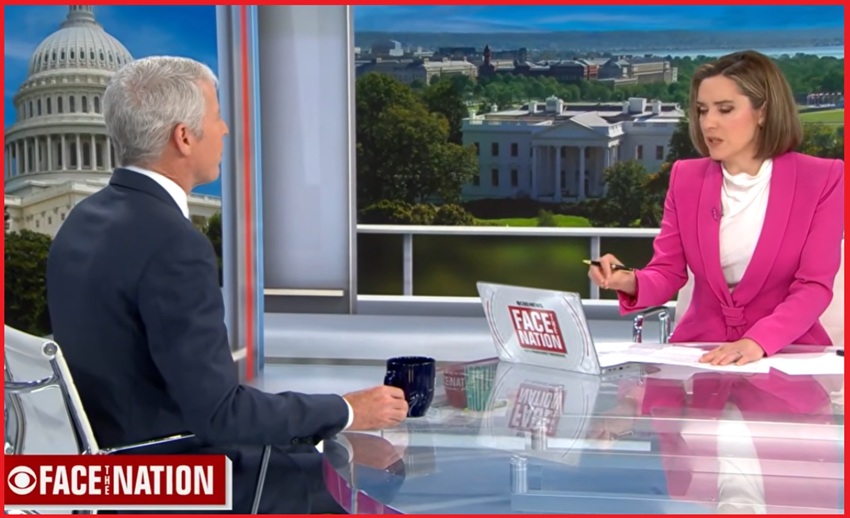
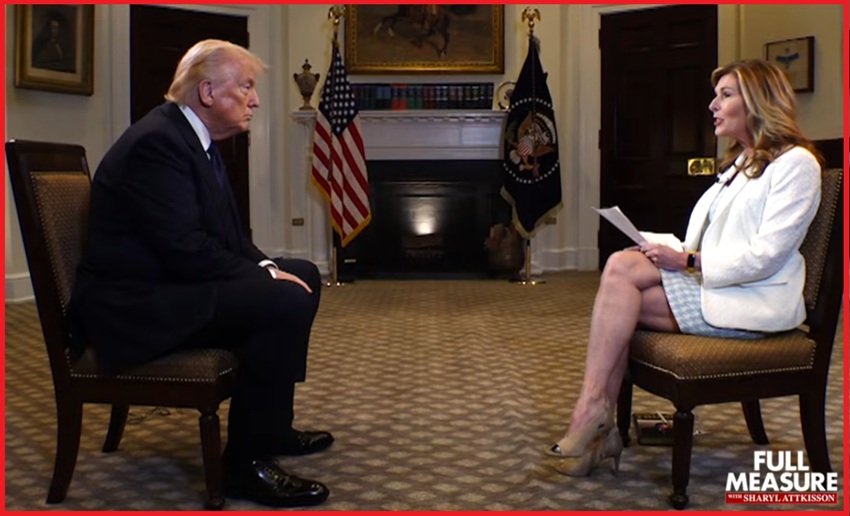

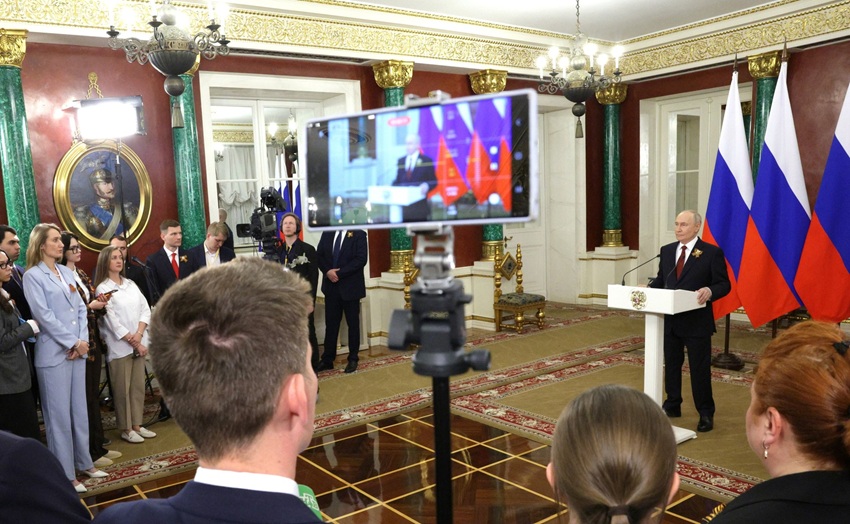
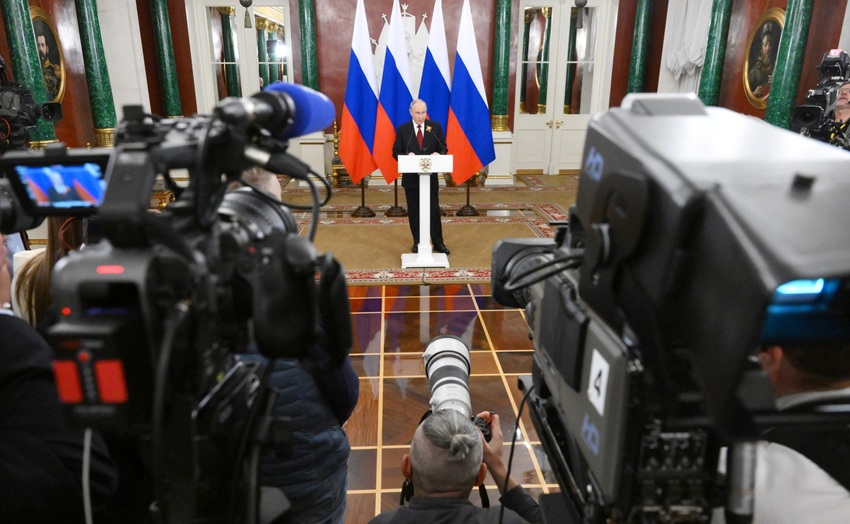
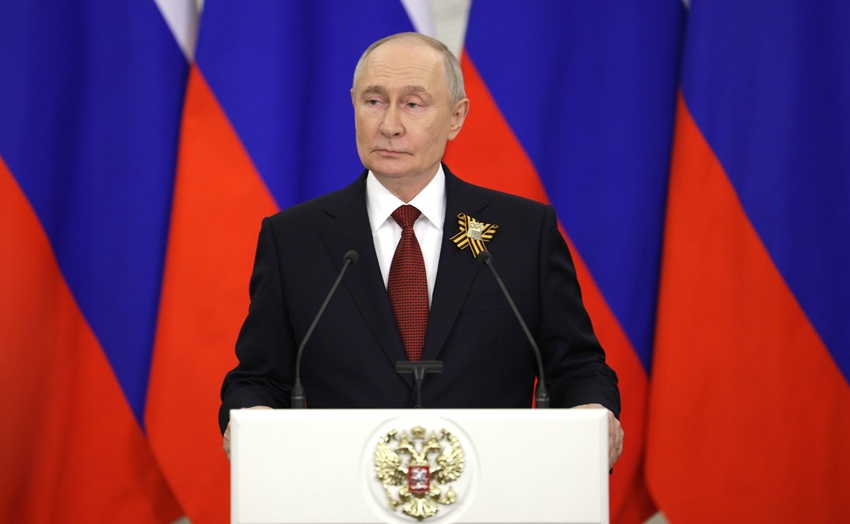
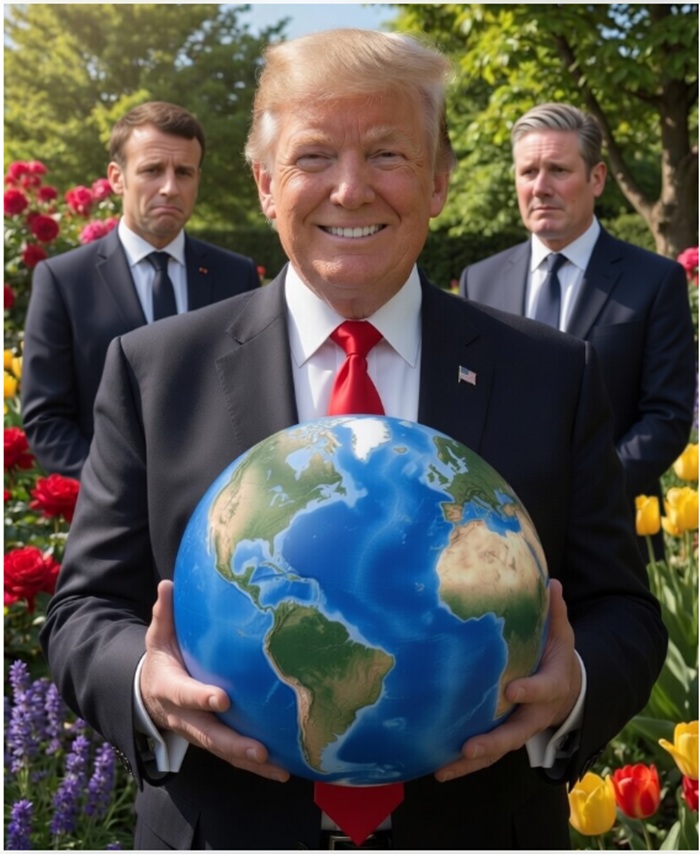
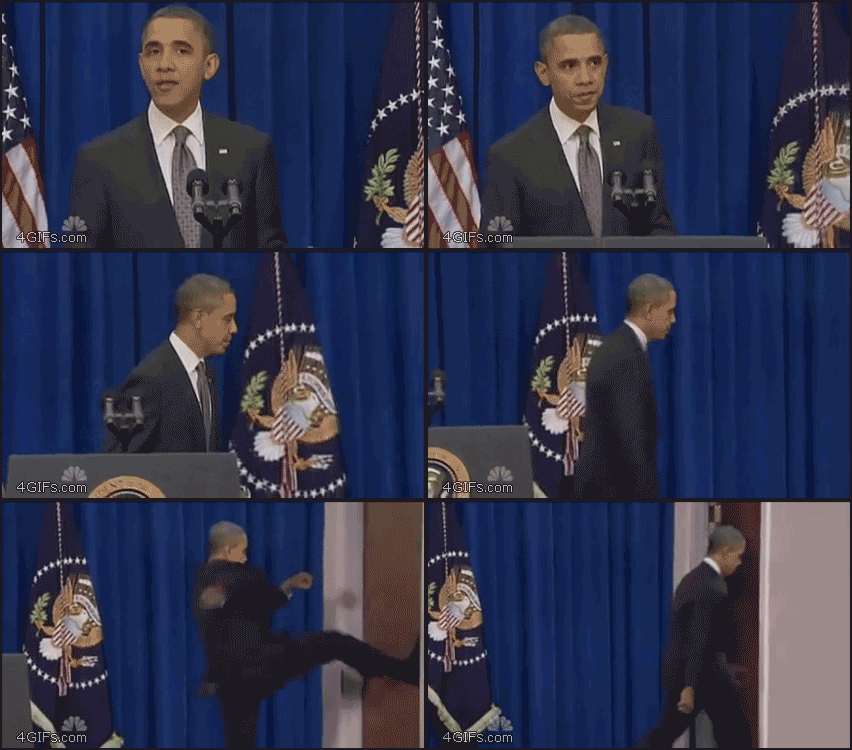

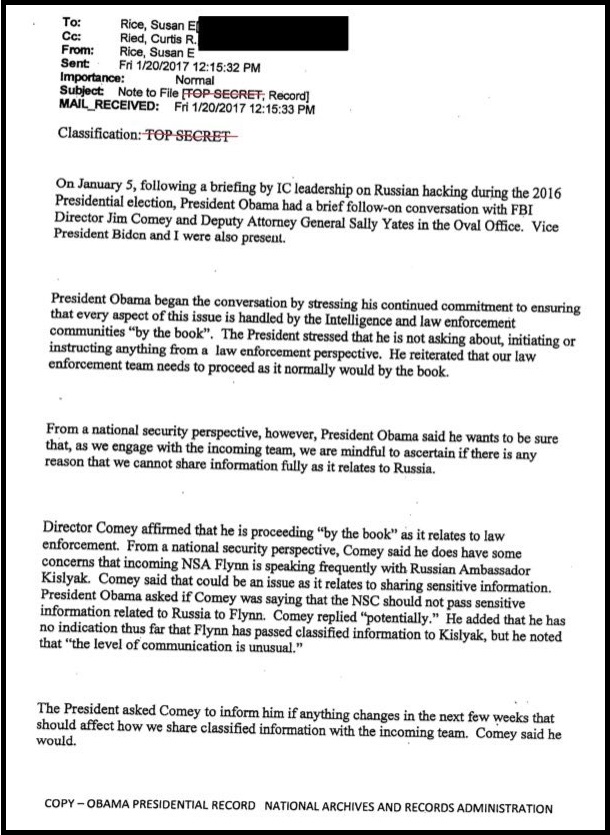
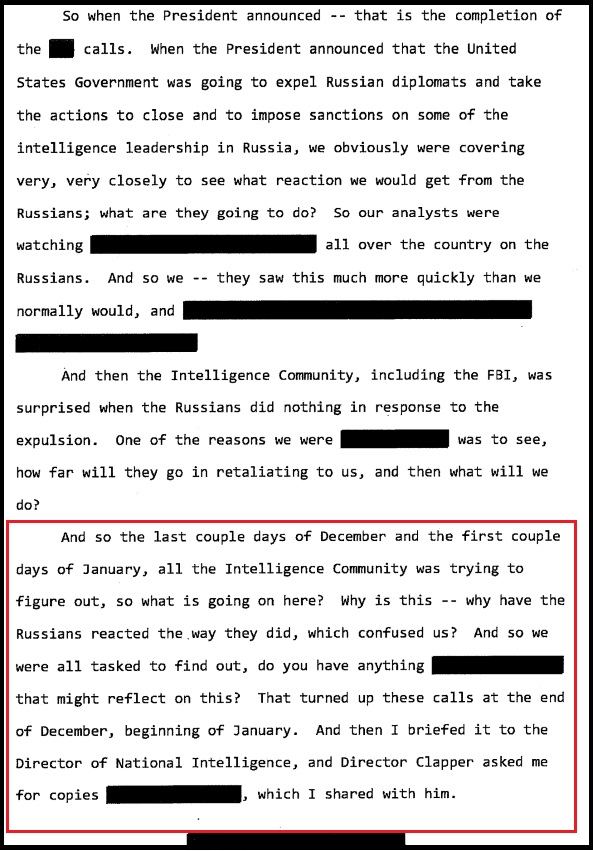

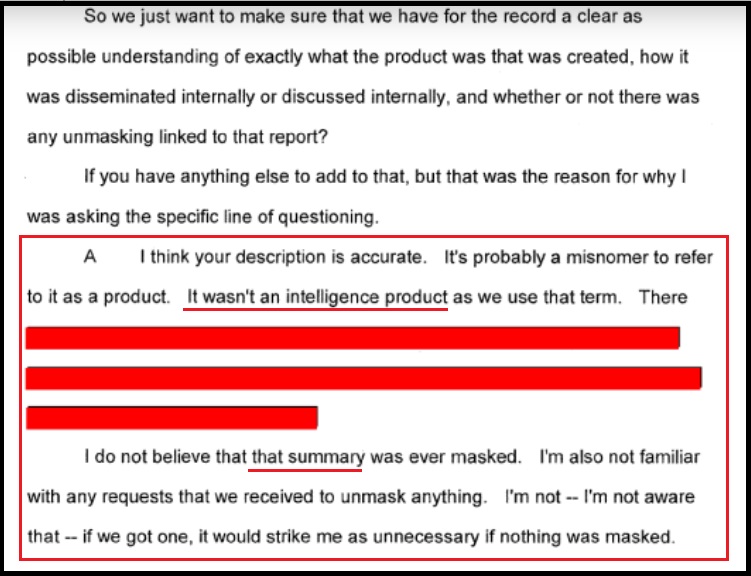
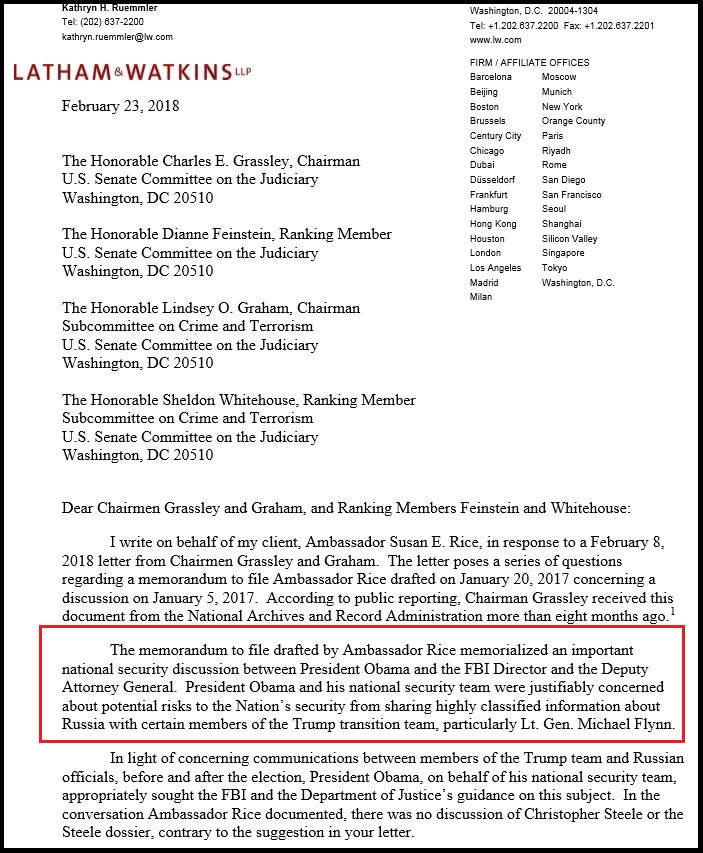
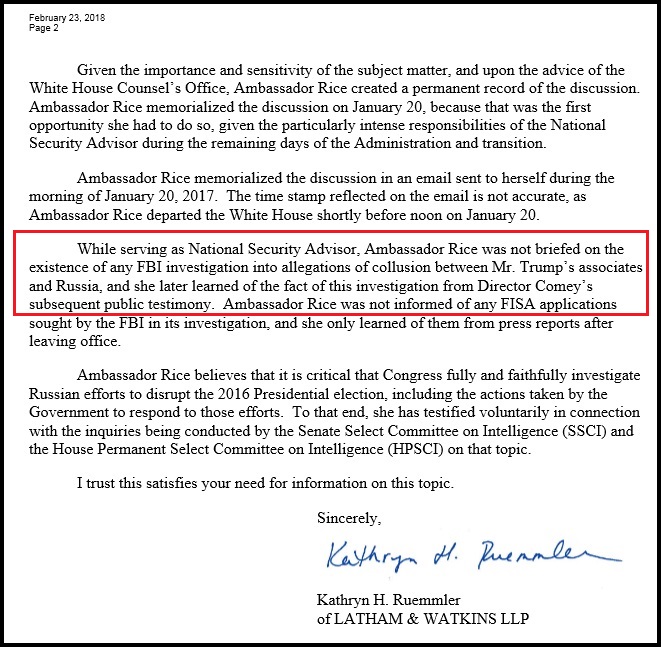

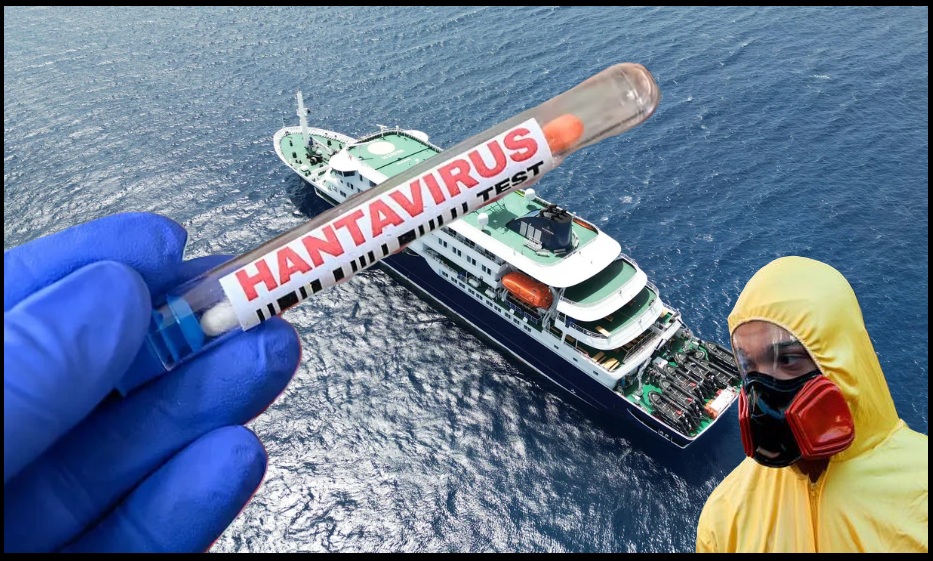
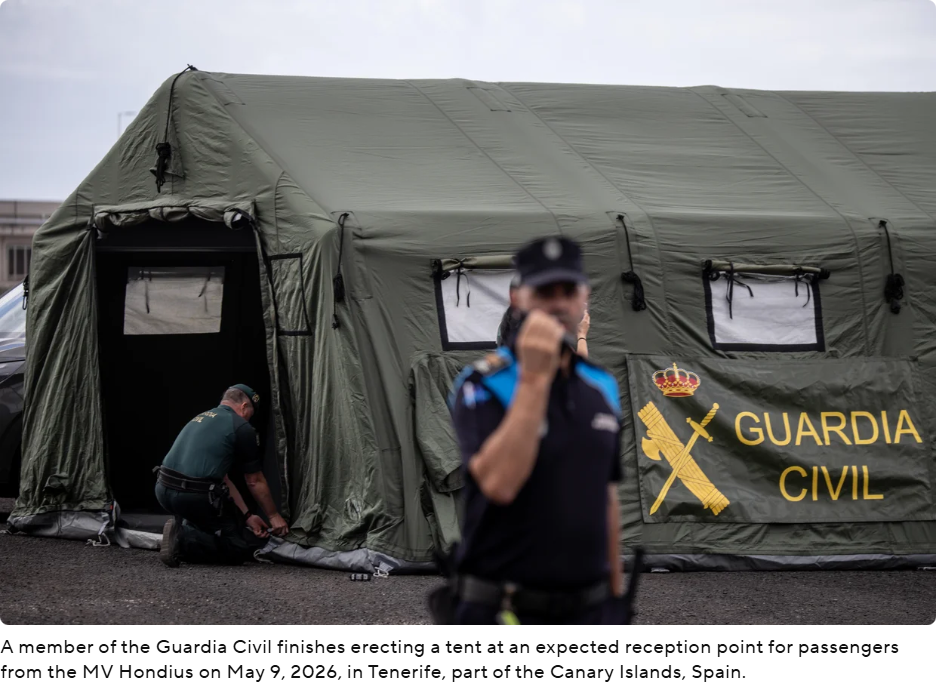
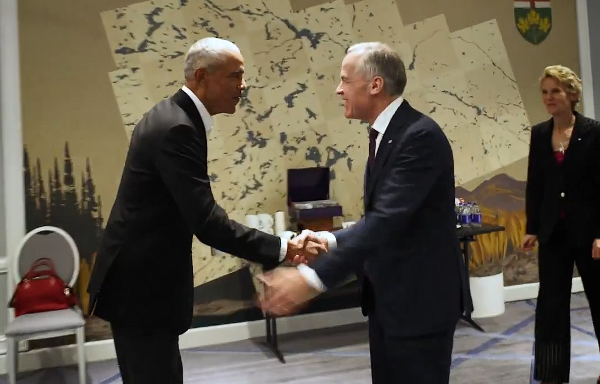
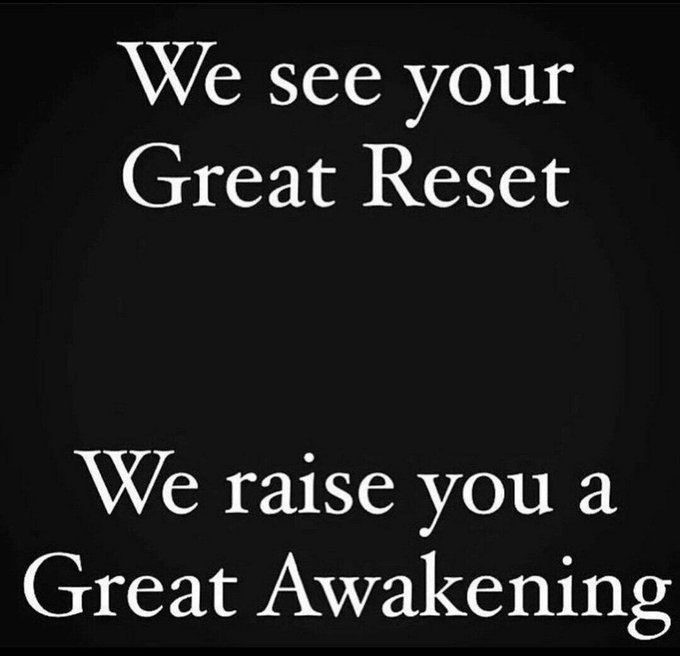
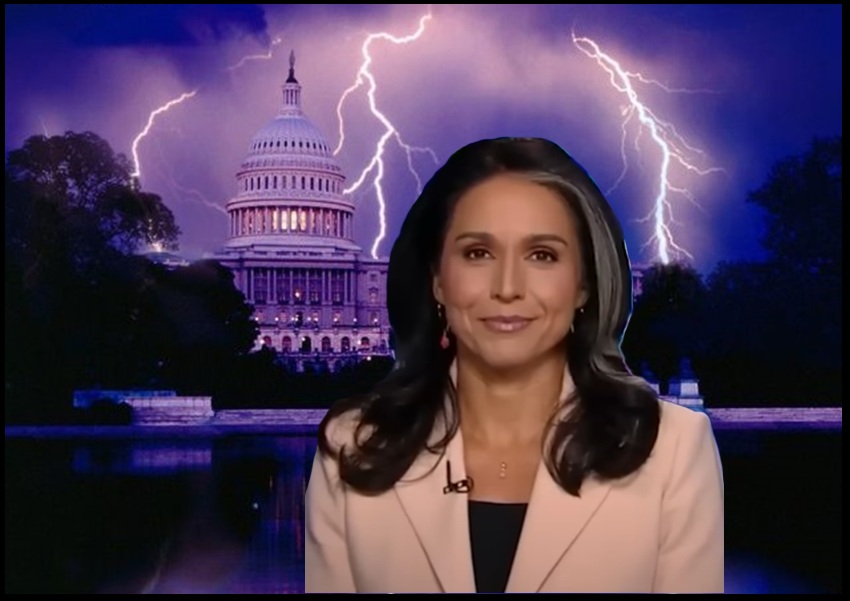


 Centinel2012