Subprime Auto Lenders Folding


Posted  originally on Oct 28, 2025 by Martin Armstrong |  

reposessioncarautos

PrimaLend Capital Partners filed Chapter 11 bankruptcy protection, beckoning the start of America’s personal loan crisis. The subprime auto lender catered to those “buy-here-pay-here” dealerships that cater to those with bad credit. The people cannot pay their loans and the subprime lenders are folding. Delinquencies are rising, repossessions are surging, and the auto-loan market is signaling stresses in the broader economy.

The same issue happened in September with Tricolor Holdings when it filed for Chapter 7 bankruptcy liquidation. Primalend Capital Partners’ assets and liabilities are estimated to be between $100 million and $500 million, as this was no small lender. The auto loan market in the US has seen balances double over the past 12 years. Subprime borrowers have faced the steepest repercussions, with 6.6% of borrowers currently 60 days past due on auto loans, or the highest rate of delinquency on record.

Auto lenders have $1.66 trillion in outstanding loans across the nation, 5% of which are at least 90 days late, up 12.6% YoY. Vehicle costs have soared in recent years, with the average price for a new vehicle coming in at $50,000. Twenty percent of new car owners are paying over $1,000 monthly for their autos.

New car loans have hit 9%, but used cars have hit nearly 14% and buyers seeking buy-here-pay-here loans are willing to take on an even higher fee. Expenses on car repairs alone have soared 33% since the beginning of the pandemic in 2020.

Vehicle repossessions are at their highest level since 2009 during the Great Recession. The trend naturally correlates to historic highs in consumer debt, which spreads into every facet of the economy. The big banks like Barclays and JPMorgan are also taking on hundreds of millions in losses related to these failures and credit stress is on the rise. Cars are essential for employment in the majority of the nation and subprime borrowers are willing to take on more debt, even when they do not have the funds, to access transportation. This is a massive red flag, especially given the rising rate of unemployment. Consumers have been stretched too thin and it will cause a ripple effect throughout the economy.
Japan to Remove Defense Export Ban


Posted  originally on Oct 28, 2025 by Martin Armstrong |  

SanaeTakaichiJAPAN

Japan has strictly regulated, if not banned, the majority of defense exports for over three decades. Japan recently outbid Germany for a lucrative contract to export submarines to Australia, marking the first major defense contract in years. Japan also assisted the US in creating Patriot missiles that have been in high demand since the start of the war in Ukraine. Under new leadership, Japan plans to remove bans on defense exports.

The Liberal Democratic Party was aligned with the Buddhist Party Komeito and essentially took a pacifist stance. Critics accused Komeito of falling under Beijing’s influence and prioritizing amity to prevent the nation from increasing its adherence to and loyalty to NATO and the West.

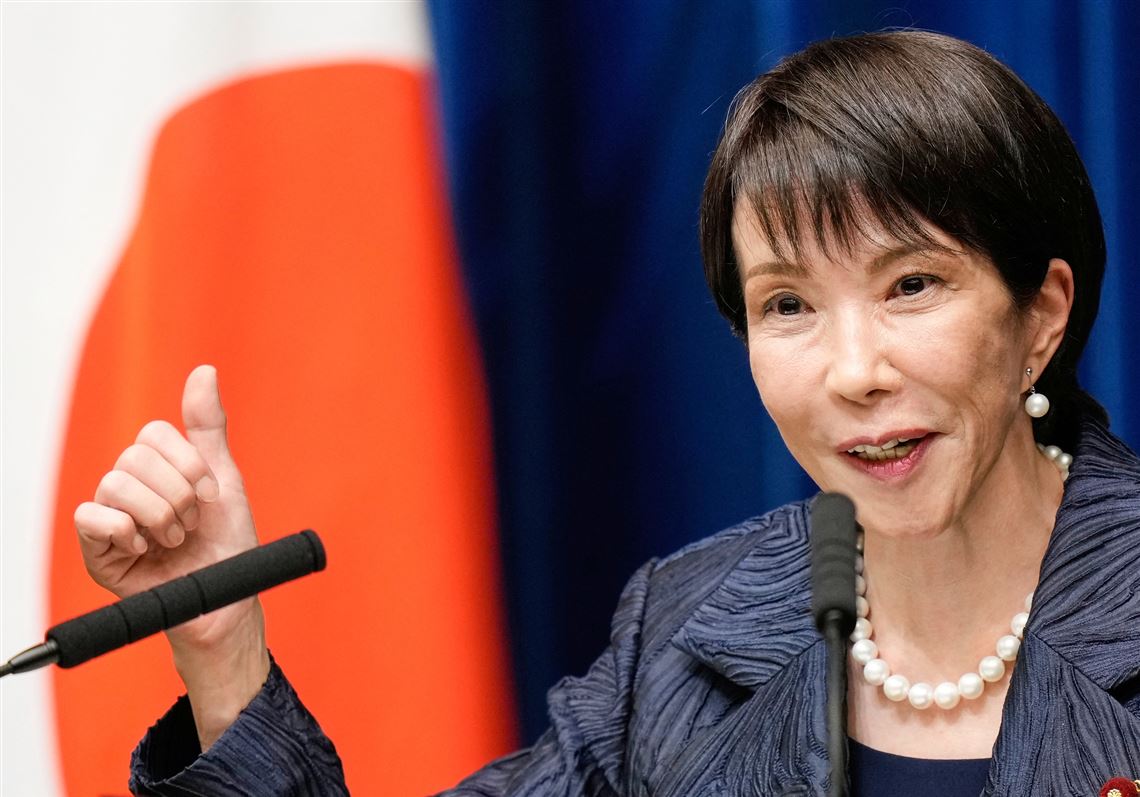
Prime Minister Sanae Takaichi and her coalition partner, the Japan Innovation Party, have taken a nationalist stance and plan to abolish any defense export restrictions. The “Three Principles on Transfer of Defense Equipment and Technology” currently provides guidelines for Japan’s defense trade.

The Three Principles:

Prohibition Principle: Transfers are prohibited in specific cases—such as when they would violate Japan’s treaty obligations, U.N. Security Council resolutions, or are destined for countries involved in international conflicts or subject to UN measures for peace and security.​

Permissible Cases Principle: Transfers may be permitted only if they promote international peace, cooperation, or Japan’s own security, and must undergo rigorous, transparent examination. This process aims to support humanitarian assistance, disaster relief, peacekeeping, counter-terrorism, anti-piracy operations, and capacity building.​

Control Principle: Every transfer requires strict controls against the equipment being repurposed for unauthorized uses or being transferred to third countries. Recipient governments must obtain Japan’s prior consent for any change in use or third-party transfers.​

Japan must go through third parties to transfer or export weapons. Politicians must craft creative rhetoric to pretend that all defense trade adheres to the Three Principles. New PM Takaichi would like Japan to operate as a “normal” country that does not need to restrict defense to peacemaking obligations. China, Russia, and North Korea are now openly viewed as a threat.

Japan will not become a mega defense manufacturer overnight, but the move is quite a historic break from decades of postwar pacifism. The new administration plans to increase spending on military and defense to 2% of GDP by March 2026 as it prepares to protect itself beyond the shield of the US.

One in 10 Americans on SNAP


Posted Oct 28, 2025 by Martin Armstrong |  
WelfareState

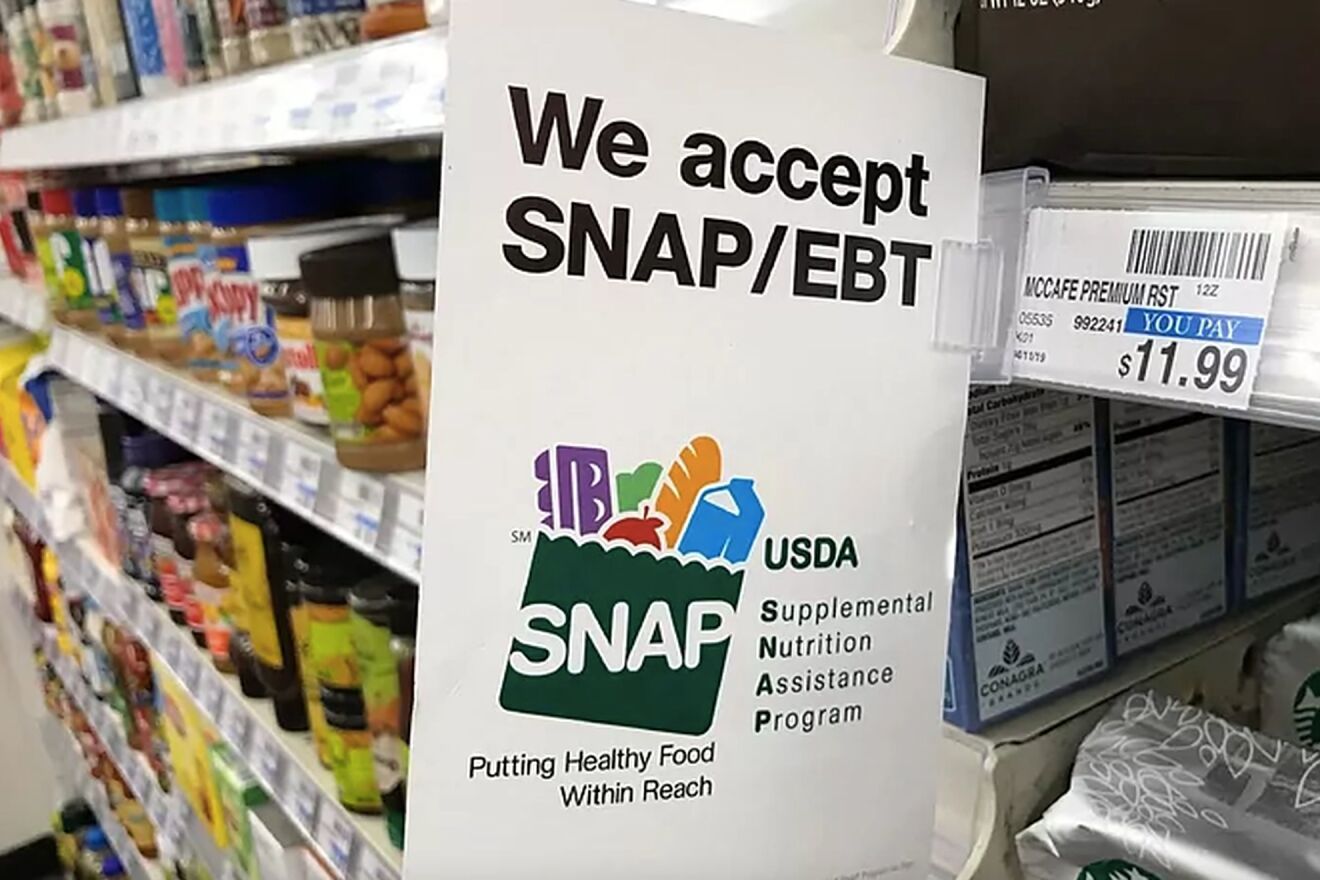
There are 42 million Americans at risk of losing access to SNAP food stamp benefits due to the prolonged government shutdown. The U.S. Department of Agriculture (USDA) does not have the ability to continue funding the program and funds will run dry on November 1. It is more alarming that one in ten Americans currently receives some form of government aid.

The USDA cannot pull funds from other sources such as school meals or formula for infants, despite the Democrats’ insistence that it taps into the $5 billion fund to cover the gap. “The contingency fund is a source of funds for contingencies, such as the Disaster SNAP program, which provides food purchasing benefits for individuals in disaster areas, including natural disasters like hurricanes, tornadoes, and floods, that can come on quickly and without notice,” the USDA pointed out. There is no national emergency; there is a political clash that has halted all funding.

“Senate Democrats have now voted 12 times to not fund the food stamp program, also known as the Supplemental Nutrition Assistance Program (SNAP),” the memo continued. “Bottom line, the well has run dry. At this time, there will be no benefits issued November 1. We are approaching an inflection point for Senate Democrats. They can continue to hold out for healthcare for illegal aliens and gender mutilation procedures or reopen the government so mothers, babies, and the most vulnerable among us can receive critical nutrition assistance,” the department said.

SNAP

The federal government spends $9 billion per month to fund SNAP food assistance programs. Again, one out of every ten Americans is receiving aid from this program, up 12.3% on an annual basis. SNAP is the largest social support program in the United States. The average recipient receives around $190, but the payout largely depends on household size, geographic location, and certain deductions. The government believes that the average participant should spend 30% of their income on food, and benefits are typically calculated by subtracting 30% of net income from the federal maximum for household size.

For fiscal year 2025, a household of one qualifies with a net monthly income up to $1,255 and a gross monthly income up to $1,632, while a household of two qualifies with a net monthly income up to $1,704 and a gross income up to $2,215. Around 73% of households receiving benefits live at 100% below the poverty line. Two-thirds of households receiving benefits include children living with a single parent. Only 28% of households have earned income, while 61% receive additional unearned aid from the government.

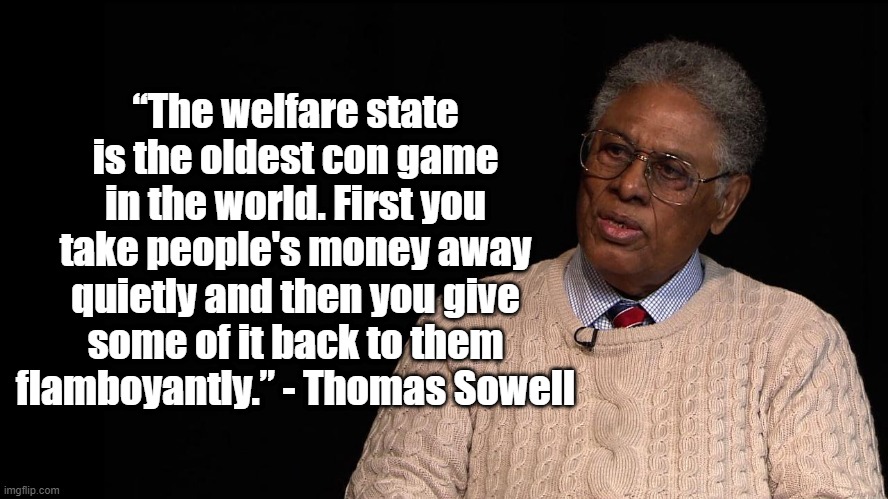
There is a welfare crisis in this nation. There are those who need assistance due to age, disability, or a temporary supplement due to loss income or personal crisis. However, most of the people living on government welfare are not working full-time jobs. Kids have become currency for the welfare state as people receive more for reproducing. Two-thirds of SNAP recipients have children in the household. Those with children under 14 years of age do not need to work to receive benefits. Everyone else can either work part-time for 20 hours per week, volunteer, or continue education to receive government aid.

The national debt continues to reach record highs while the welfare state increases. Americans have the option to simply not work and live off of other taxpayers. There are those who need the assistance as they cannot work or paid into the system and need temporary reprieve. Yet, 1 in 10 Americans living off Uncle Sam is wholly unsustainable and indicative of a failed society.

Mamdani to Reform NYC – Wall Street Moves to Miami


Posted Oct 27, 2025 by Martin Armstrong |  

Andrew Cuomo’s campaign just posted — and quickly deleted — this AI-generated ad depicting “criminals for Zohran Mamdani.”

1975 NYC Ford_to_City_Drop_Dead

It is 50 years since NYC had its last bankruptcy crisis in October 1975. President Gerald Ford initially opposed a federal bailout, leading to the famous October 30, 1975, New York Daily News headline: “FORD TO CITY: DROP DEAD.” We will run the models using the Mamdani method for a possible victory. It looks like such a victory will deliver New York City its just dues as 2026 appears to be a fiscal crisis, and it will be 51.6 years from the 1975 Crisis.

Wall Street has been moving to Miami – the equivalent of NYC with sun, minus all the extreme Marxism that infects NYC.

Categories:Politics

President Trump Attends Formal Welcome Ceremony in Japan, Hosted by Prime Minister Sanae Takaichi


Posted originally on CTH on October 27, 2025 | Sundance

U.S. President Donald Trump received a grand welcome from Japan’s first female Prime Minister, Sanae Takaichi, in Tokyo before the two leaders held a bilateral meeting focused on trade, defense and regional stability.

Video segments below, as presented, starting with the formal welcome ceremony.

.

At the grand Akasaka Palace, President Donald Trump met Japan’s Prime Minister Sanae Takaichi for a historic U.S.–Japan summit. The leaders celebrated shared achievements, discussed new trade and defense commitments, and promised a stronger alliance for peace and prosperity.

President Trump delivered very touching remarks about former Prime Minister Shinzo Abe, Mrs Takaichi’s friend and mentor in politics.

.

The signing between the two leaders below.

.

President Donald Trump Participates in a Bilateral Meeting with Japanese PM Sanae Takaichi at Akasaka Palace in Minato, Japan


Posted originally on CTH on October 27, 2025 | Sundance

Tremendous warmth surrounds President Donald J Trump participating in a bilateral meeting with new Japanese Prime Minister Sanae Takaichi at Akasaka Palace in Minato, Japan.

.

.

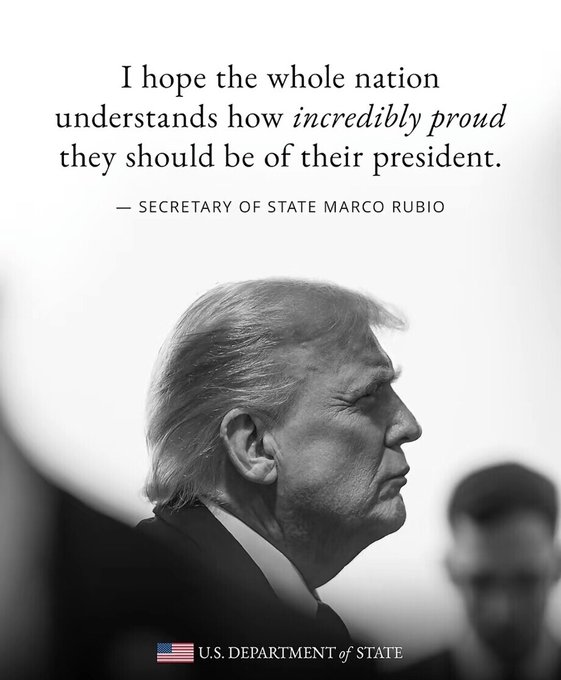
Secretary Marco Rubio Reacts to President Trump Saying He’s a Great Candidate for 2028


Posted originally on CTH on October 27, 2025 | Sundance

There are going to be three MAGA groups:  ♦Group one, team Rubio.  ♦Group two, team Vance – Musk/Thiel.  ♦Group three (alligator emojis) team DeSantis – Ellison/Murdoch.   It looks like Trump wants team one and team two to work together, avoiding team three.

Watch Rubio in video.

.

Keep watching.

Canada Likely to Take Chinese EV Production as Offset to Lost U.S. Trade


Posted originally on CTH on October 27, 2025 | Sundance 

As previously outlined, Canada is so entrenched with their ‘orange man bad’ syndrome, they just cannot get out of their own way on stupid trade decisions.  {GO DEEP}

You might remember Mexico retreating from Chinese electric vehicle (EV) development following the November 2024 election of Donald Trump.

China was on the cusp of investing $5 to $7 billion in new EV manufacturing in Mexico, when President Trump announced he would impose massive tariffs to block any import of Chinese EVs made in Mexico. Trump won the election and together China and Mexico scrapped their plan.

Europe then stepped on the Chinese EV rake and began purchasing carbon credits from Chinese EV companies to avoid the “climate change” auto goals and subsequent fines to EU car companies for not hitting EV production targets. In essence, Europe is paying Chinese EV companies for carbon credits, thereby subsidizing lower priced Chinese EVs in Europe. The EU is paying China to destroy their own auto industry.

Now, it’s Canada’s turn.

As a result of President Trump asserting tariffs against imported autos, the large auto companies are abandoning plans to build or expand auto manufacturing in Canada. The Canadians are angry, and the professional political class in Canada is doing everything they can to continue ramping up opposition to Donald Trump.

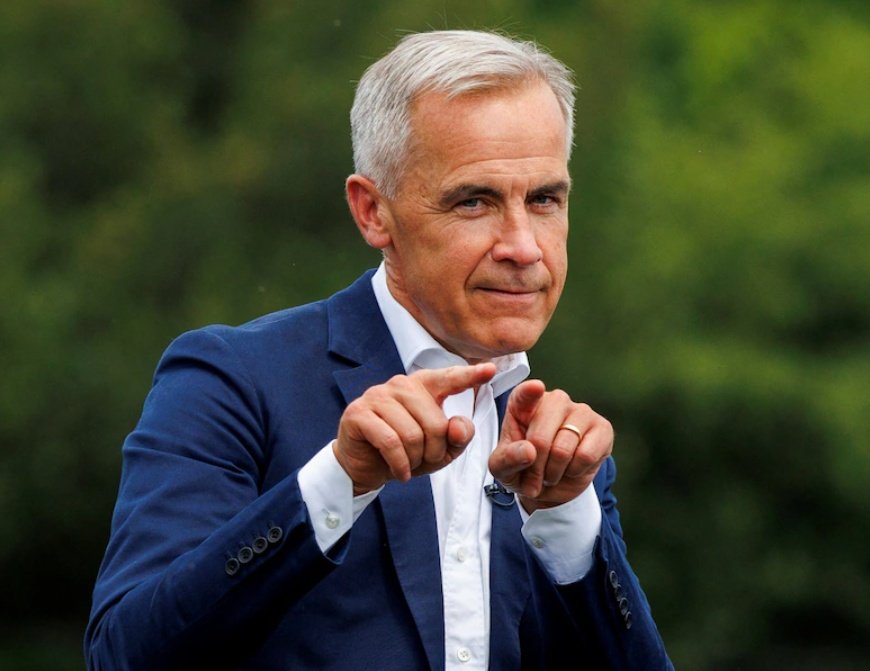
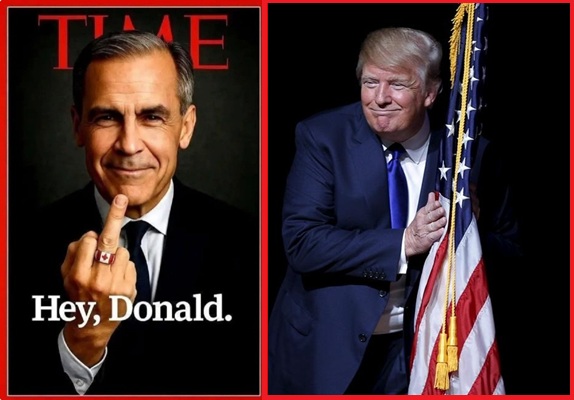
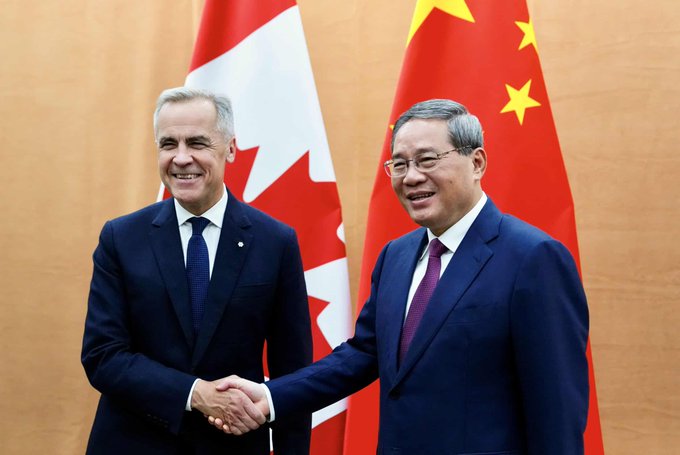
With increased tariffs against Canada, and with the likely dissolution of the USMCA (CUSMA) coming in the near future, the Canadian govt of Mark Carney has been traveling the world to find alternative markets for their goods and services. The main targets for new Canadian economic and trade relations are the U.K, EU and China.

In a deal to expand the trade relationship with China, the Canadian government of Mark Carney is now proposing to drop tariffs against Chinese EVs in a deal to sell more pork and canola oil. That’s correct, in essence Canada will take the EV auto business abandoned by Mexico.

This was Canadian Prime Minister Mark Carney’s grand plan as he attended the ASEAN summit in Malaysia.

Keep in mind, as we have outlined all along during Trump’s trade reset, the USMCA is going to be abandoned in favor of two bilateral free trade agreements; one with Mexico and one with Canada.

As outlined in the Mexican decision to cancel EV investment, Mexico is aligning for a favorable trade relationship with President Trump and the USA.

The Mexican govt can see the benefits and accepts their regional dependency to the world’s largest consumer market. However, Canada is doing exactly the opposite and increasing the disconnect between Canada and the United States on key sectors of trade and commerce.

Canada may benefit in the short term from sales of pork and canola to Beijing, while simultaneously gaining Chinese investment in cobalt mining and auto development for EVs. But those EVs will never be permitted to cross the border into the USA and any effort to enhance Chinese EV sales in Canada will only disconnect them more from trade with Donald Trump and the USA.

[BACKGROUND HERE] – [Canada/Chinese EV Deal Here]

Canada Likely to Take Chinese EV Production as Offset to Lost U.S. Trade


Posted originally on CTH on October 27, 2025 | Sundance 

As previously outlined, Canada is so entrenched with their ‘orange man bad’ syndrome, they just cannot get out of their own way on stupid trade decisions.  {GO DEEP}

You might remember Mexico retreating from Chinese electric vehicle (EV) development following the November 2024 election of Donald Trump.

China was on the cusp of investing $5 to $7 billion in new EV manufacturing in Mexico, when President Trump announced he would impose massive tariffs to block any import of Chinese EVs made in Mexico. Trump won the election and together China and Mexico scrapped their plan.

Europe then stepped on the Chinese EV rake and began purchasing carbon credits from Chinese EV companies to avoid the “climate change” auto goals and subsequent fines to EU car companies for not hitting EV production targets. In essence, Europe is paying Chinese EV companies for carbon credits, thereby subsidizing lower priced Chinese EVs in Europe. The EU is paying China to destroy their own auto industry.

Now, it’s Canada’s turn.

As a result of President Trump asserting tariffs against imported autos, the large auto companies are abandoning plans to build or expand auto manufacturing in Canada. The Canadians are angry, and the professional political class in Canada is doing everything they can to continue ramping up opposition to Donald Trump.

With increased tariffs against Canada, and with the likely dissolution of the USMCA (CUSMA) coming in the near future, the Canadian govt of Mark Carney has been traveling the world to find alternative markets for their goods and services. The main targets for new Canadian economic and trade relations are the U.K, EU and China.

In a deal to expand the trade relationship with China, the Canadian government of Mark Carney is now proposing to drop tariffs against Chinese EVs in a deal to sell more pork and canola oil. That’s correct, in essence Canada will take the EV auto business abandoned by Mexico.

This was Canadian Prime Minister Mark Carney’s grand plan as he attended the ASEAN summit in Malaysia.

Keep in mind, as we have outlined all along during Trump’s trade reset, the USMCA is going to be abandoned in favor of two bilateral free trade agreements; one with Mexico and one with Canada.

As outlined in the Mexican decision to cancel EV investment, Mexico is aligning for a favorable trade relationship with President Trump and the USA.

The Mexican govt can see the benefits and accepts their regional dependency to the world’s largest consumer market. However, Canada is doing exactly the opposite and increasing the disconnect between Canada and the United States on key sectors of trade and commerce.

Canada may benefit in the short term from sales of pork and canola to Beijing, while simultaneously gaining Chinese investment in cobalt mining and auto development for EVs. But those EVs will never be permitted to cross the border into the USA and any effort to enhance Chinese EV sales in Canada will only disconnect them more from trade with Donald Trump and the USA.

[BACKGROUND HERE] – [Canada/Chinese EV Deal Here]

Mohamed El-Erian Outlines Stunning Success of President Trump’s Tariff, Trade and Economic Policy Agenda


Posted originally on CTH on October 27, 2025 | Sundance

Wharton Professor and noted economist Mohamed El-Erian appeared on Fox News to discuss the jaw-dropping success President Trump is having with his global trade reset.

As noted by El-Erian no one, including El-Erian himself, expected President Trump to be able to navigate a global trade and economic reset with such stunning success.  The entire economic policy is being driven by the personal influence of President Trump as he leverages tariffs and policy incentives to the benefit of the USA economy exclusively.

The scale of Trump’s agenda is difficult to overstate, and China is now positioned to feel incredible pressure to align Beijing policy with the requests of President Trump.  “We thought there would be a massive retaliation against the US, there hasn’t been” El-Erian noted.  “We’re collecting $800 Billion of tariff revenue” and “inflation has waned,” he said.  This is a remarkable situation that few economists could accurately predict.  WATCH:

This is not a surprise to readers here as we have discussed the Trump trade agenda with clear, non-pretending eyes.  The ASEAN trip by President Trump is a masterclass in leveraging trade relationships and creating isolation for China.  The downstream consequences for Canada continue to build as the Carney administration doubles down on their entrenched and futile opposition.

If President Trump can formulate a strong, actionable and enforceable free trade agreement with Chairman Xi, it will undercut the ability of Canada to assemble cheap component goods not available in the U.S. manufacturing equation for total cost of goods.  This puts Trump in an even stronger position heading into the 2026 USMCA (CUSMA) dissolution phase.

Additionally, despite the mainstream thoughts to the contrary, putting distance between Russia and China is not averse to the interests of Russian Federation Vladimir Putin, who would strategically prefer to do business with the ‘West’ over Beijing.  However, China does not want to see their Biden-created tentacle weakened in Russia.

China retains a vision of a global financial market option beyond the dollar, and Xi plays that long-term strategy game with Putin quite effectively.  It is only President Trump who holds the key to weakening that strategy, and Chairman Xi likely reminds everyone -through his emissaries- that they can wait out the Trump administration.

However, during the ASEAN conference, again we see President Trump drawing heavily on the personal factor as a part of his strategic influence operation to push distance between Southeast Asia and Beijing.  Cunning Panda can undoubtedly see that play, however, culturally they may underestimate the strength of the dynamic.  President Trump leverages the world’s biggest market with a smile.  The world’s biggest sellers want and need to keep that smile on the face of their #1 customer.

President Donald Trump is a friendly dealmaker, until he is not. Southeast Asia understands this dynamic very well.