
Posted originally on CTH on January 14, 2026 | Sundance
The Bureau of Labor and Statistics (BLS) released the December price information on Tuesday 1/13/26 [DATA HERE]. Overall, the topline inflation number is moderate at 2.7% much lower than economists projected.
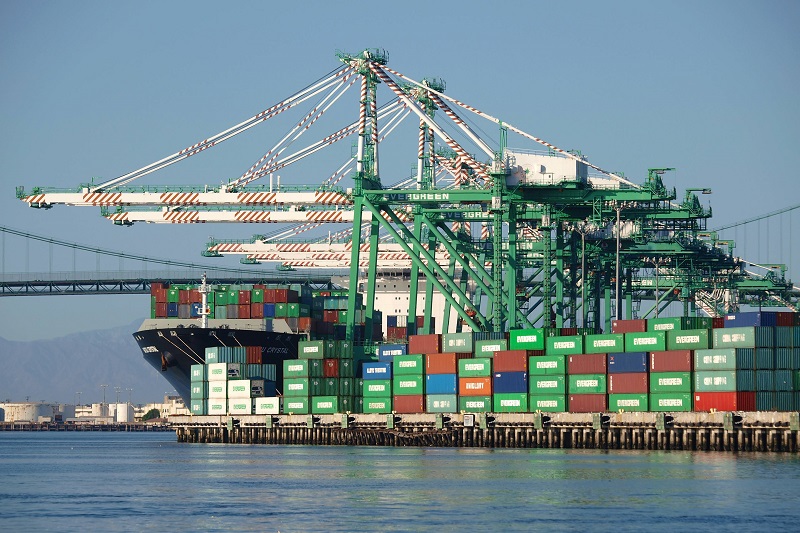
However, that’s not the only important element. To get an understanding of the impact from tariffs to imported consumer goods, you can look at TABLE-2 [DATA HERE]. As you skim the categories we import the most, electronics, television, sporting goods, apparel, shoes, tools, furniture, etc. what you will note is that the prices are stable with negligible inflation impact noted.
What this means is that tariffs are not creating any upward price pressure on the imported good. The December ’25 imported good prices are stable despite massive tariffs applied in the second and third quarter of 2025. As expected, based on history from 2018/2019, the exporting nation (and company) are absorbing most of the wholesale price increased due to tariffs.
The imported goods are reaching the consumer with no substantively changed price. Some domestically generated goods (food and housing) are still driving the overall inflation number, particularly in the year-over-year calculation, but no substantive price pressure is coming from the import sector.
Export dependent nations are squeezing their own productivity, their governments are subsidizing the critical industries, and the tariffs are being absorbed before the products leave the docks. This is the USA “rust belt” in reverse. The same scenario played out in the USA for decades as domestic manufacturers tried to retain U.S. industry. Now the foreign countries are experiencing their own economic squeeze.

President Trump has been cutting waste, fraud and abuse in runaway government spending; slashing costly regulations across all sectors of the economy and ending Green New Scam energy policy in favor of drill, baby, drill. As noted by NEC Chairman Kevin Hasset, Trump has reduced deficit spending overall.
There’s still a long way to go, but significant MAGAnomic progress is being made.
That skyrocketing “tariff inflation” the same shocked pundits proclaimed was sure to happen this time, well, that has not surfaced; just like it didn’t surface in 2018 or 2019 when the tariffs were applied the first time.
It was Joe Biden’s economic, monetary and energy policies that created two years of massive inflation. That inflation skyrocketed the cost for goods and services. Those high prices became the baseline and were then handed to the entering Trump administration, under the narrative of the “affordability crisis.”
Having gaslit the American electorate over the issues of Joe Biden’s economic/energy policy which created record inflation, the same media who ran cover for Joe Biden then switched during the Trump administration to calling the subsequent high costs an “affordability” crisis.
In essence, Biden’s economic, energy and monetary policies drove 2021/2022 inflation to record levels, this made all prices rise massively. Those high prices are now the “affordability problem” all U.S. consumers are dealing with.
 Centinel2012