Posted originally on CTH on April 20, 2026 | Sundance
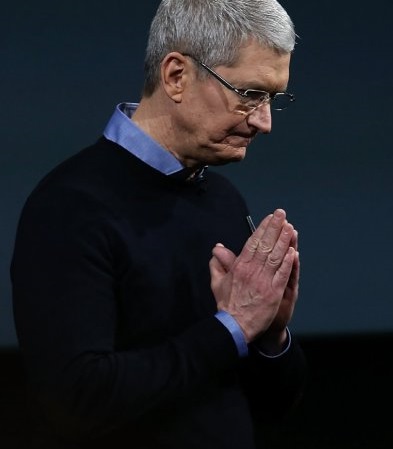
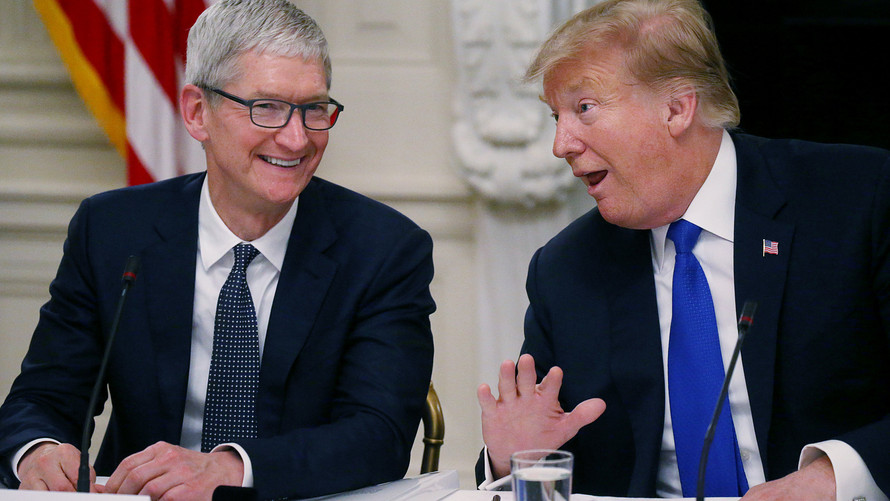
While our politics are divergent, I have a lot of respect for Tim Cook as a CEO of Apple. Taking the CEO role after the death of Steve Jobs in 2011, Tim Cook has worked within Apple for almost 30-years. Cook will remain active as board chairman in the organization.
SEATTLE – […] John Ternus, the senior vice president of Hardware Engineering, will become Apple’s new CEO, according to a release from the tech giant. Ternus will take office on Sept. 1.
According to Apple, the decision was approved unanimously by the board of directors.
In a statement, Ternus said:
“I am profoundly grateful for this opportunity to carry Apple’s mission forward. Having spent almost my entire career at Apple, I have been lucky to have worked under Steve Jobs and to have had Tim Cook as my mentor. It has been a privilege to help shape the products and experiences that have changed so much of how we interact with the world and with one another. I am filled with optimism about what we can achieve in the years to come, and I am so happy to know that the most talented people on earth are here at Apple, determined to be part of something bigger than any one of us. I am humbled to step into this role, and I promise to lead with the values and vision that have come to define this special place for half a century.”
Cook will continue his role as CEO through the summer as he assists Ternus with the transition, Apple wrote.
In a statement, Cook wrote:
“It has been the greatest privilege of my life to be the CEO of Apple and to have been trusted to lead such an extraordinary company. I love Apple with all of my being, and I am so grateful to have had the opportunity to work with a team of such ingenious, innovative, creative, and deeply caring people who have been unwavering in their dedication to enriching the lives of our customers and creating the best products and services in the world. John Ternus has the mind of an engineer, the soul of an innovator, and the heart to lead with integrity and with honor. He is a visionary whose contributions to Apple over 25 years are already too numerous to count, and he is without question the right person to lead Apple into the future. I could not be more confident in his abilities and his character, and I look forward to working closely with him on this transition and in my new role as executive chairman.”
As chairman, Cook will still be involved with certain aspects of the company, particularly with policymakers. (read more)
Posted originally on CTH on April 19, 2026 | Sundance |
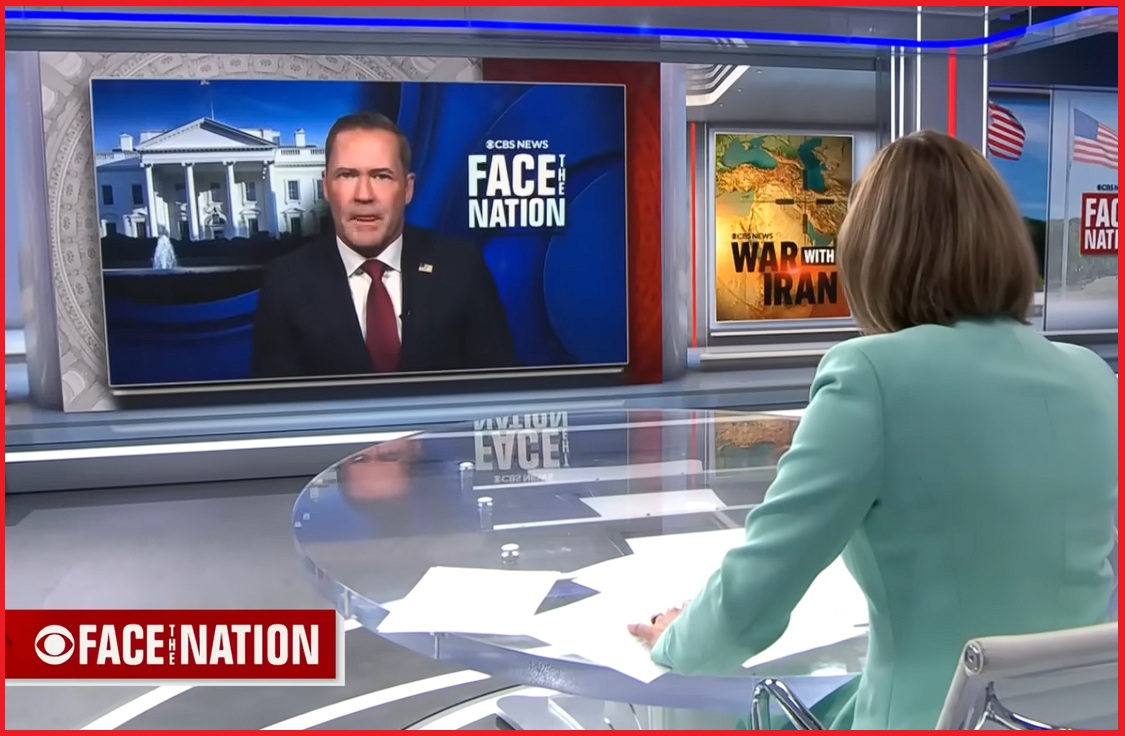
U.S. Ambassador to the U.N. Mike Waltz appears on CBS Face the Nation to discuss the difficulty of negotiating with Iran, a regime based on fanatical religious zealotry and control. The video and transcript are below:
[Transcript] – MARGARET BRENNAN: Imtiaz Tyab reporting from Dubai. We turn now to the U.S. Ambassador to the United Nations, Mike Waltz, who joins us this morning from New York. Welcome back to Face The Nation, ambassador.
AMBASSADOR MIKE WALTZ: Thank you, good to be with you.
MARGARET BRENNAN: So the President said Iran broke the ceasefire, but he is still offering them a deal. Is this a presentation of terms, or should we expect an actual, prolonged negotiation?
MIKE WALTZ: Well, I think this will be a continuation of the terms that the vice president offered a week ago. And look, we have to take a step back here in that – President Trump, the US Navy is controlling what is coming out of the straits. We’ve had the highest level engagement in the history of the Iranian regime, with the vice president leading. We have historic ceasefire talks going on between the Israelis and the Lebanese. The markets are up. Oil prices are relatively stable. The Iranian economy is devastated, and they’ve never been, I can tell you here at the United Nations, they’ve never been more diplomatically isolated. So Iran does not have the cards, and we are confident they will come to the table and finally give up their obsession with having a nuclear weapon.
MARGARET BRENNAN: Well, Iran has not yet announced that it’s sending a delegation to Islamabad. I know there’s this back and forth all morning long about whether the vice president would be leading it or not. CBS, as you just heard, is reporting he will be but why is it important that he be there in person? Is it because Iran has refused to send anyone with decision making authority, unless he is there?
MIKE WALTZ: Well, you’ve seen the chaos, I mean that you just pointed to on the Iranian side. The last 48 hours, you have their foreign minister announcing that they’re going to stop attacking shipping. Then you have the IRGC saying that they will and then doing so, as President Trump pointed out, an absolute violation. So the Iranian side is in a bit of chaos. This is absolutely due to the devastating strikes on their leadership. But I think the vice president leading shows the level of engagement from the US side that we are absolutely serious. And I for one, thank God for future generations that we are arresting a problem before it’s too late. We’re not waiting until the US has no options —
MARGARET BRENNAN: Well —
MIKE WALTZ: and Iran has some kind of breakout, which would lead to a nuclear breakout all over the Middle East.
MARGARET BRENNAN: Let me follow up on what you just said, though, because that’s important, the Iranian side is in chaos. So how do you know you’re negotiating with the right person? It’s been reported, The Institute for the Study of War says that the IRGC Commander General the Vahidi has secured control over the negotiations and the military within the past 48 hours. Does that mean Foreign Minister Araghchi is not the person to be sitting across the table from? Who’s in charge?
MIKE WALTZ: Well, look – again the Iranian regime, we’ve put them in chaos, but at the same time, we are never going to take an approach of trust. Any deal that comes out of this will have to absolutely be verifiable and be enforceable. I can tell you, from sitting in my seat at the UN we’ve been in extensive discussions with the International Atomic Energy Agency, the IAEA, which would have ostensibly a key role in ensuring Iran lives up to any deal that it signs to, this – signs up to, there is no trust on this side. There is verified and enforceable provisions that are that are on the table from the US to ensure they never have a nuke.
MARGARET BRENNAN: Okay, that’s important in terms of enforcement. Does that mean if you actually get to a negotiated deal, and the UN’s nuclear watchdog would be very much in those details of going in and perhaps securing that enriched uranium. Does this mean you’re going to put a deal for approval before the United Nations? Is it going to be codified like that?
MIKE WALTZ: Well, I’ll tell you, there are dozens and dozens of resolutions over the years, not just the United States, the entire world, saying Iran cannot have a nuclear weapon.
MARGARET BRENNAN: Right.
MIKE WALTZ: We had snap back provisions that are in place now for global sanctions and that Iran cannot enrich so anything that would would change those resolutions would then need to come back before but let’s not get ahead of ourselves. Let’s see if the Iranians actually sign up to a very reasonable offer that is sitting on the table from the United States —
MARGARET BRENNAN: Yeah —
MIKE WALTZ: which is an off ramp from them, and also will ensure the region, the United States, Europe and the world, is never threatened by a regime with its hand on a nuclear button.
MARGARET BRENNAN: Okay, so, but back to the point of who’s in charge. President Trump says he hopes they take the deal, that was the post this morning. But on Friday afternoon, he spoke to my colleague, Weijia Jiang, and he gave us an incredibly optimistic read. He said Iran had quote, agreed to everything, including to stop enriching uranium forever and to stop backs – backing all proxy groups like Hezbollah. He made it sound like it’s all been sorted out. So which is it? Was there an agreement with certain parts of the Iranian government, but now there are others in charge, or was he just, you know, I don’t know, speculating about something he hopes comes true?
MIKE WALTZ: Margaret, anybody who has dealt with the Iranians will tell you it is often two steps forward, three steps back. They’re incredibly slippery. They can’t be trusted. They cheated over the years, which is one of the reasons that President Trump withdrew us from the JCPOA. They were hiding sites. They were hiding capabilities, and this is why he made the bold decision —
MARGARET BRENNAN: Yep —
MIKE WALTZ: last year in operation midnight hammer, to just end it once and for all. And again, we have to take the perspective that we’re not waiting. We’re not trusting. We are reducing their capabilities. Their military is in shambles. Their missile program is in shambles, and now, hopefully diplomatically, they will do it the easy way, rather than the hard way, of finally giving up on this illegal ambition.
MARGARET BRENNAN: The Defense Intelligence Agency told Congress this past week, Iran has thousands of missiles and one way attack drones that can still threaten the United States. So there’s still a threat in certain ways. General Caine said on Thursday, the US is going to pursue Iranian flagged vessels or any vessel providing support, including those carrying Iranian oil. Beijing is the top customer. Are you going to start boarding vessels headed to to China? When do these operations begin?
MIKE WALTZ: Well, I’m not going to give – get into operational timelines, but I’ll tell you all options are on the table. The President is prepared to escalate, to de-escalate, he means it. When he said nothing that benefits Iran is coming out of the strait. And then on top of that, Secretary Bessent announced operation economic fury, where we are prepared to put secondary sanctions on banks who are transacting in illegal Iranian oil dollars. So we are truly putting maximum pressure on every aspect of the Iranian economy, and at some point they are going to see some level of common sense and pragmatism and say enough is enough with this nuclear obsession.
MARGARET BRENNAN: Is that the first step before you go back to combat? Because President Trump was talking about bombing power plants. Are the sanctions and the seizing of vessels —
MIKE WALTZ: Well, we’ve taken —
MARGARET BRENNAN: step one?
Mike Waltz: Well we’ve taken, you know, again, I’m not going to publicly sequence the steps, but the blockade was, was a tremendous step and has been tremendously effective, with dozens of ships turned around. Others that are already out on the water, our Pacific Command is prepared to interdict. We’re going after the banks. We’re going after this shadow fleet, one of which was run by a relative of Khamenei. So we are taking a number of steps. We’re even looking – our acting attorney general has made it very clear, he is going to start aggressively prosecuting, our threat finance unit is going —
MARGARET BRENNAN: Yeah —
MIKE WALTZ: after their illegal dollars. So this is a whole of government, full on press. I hope we don’t have to go back to a military option but President Trump’s made it very clear. And by the way, bridges, power plants that are run by the IRGC, which runs the entire military, are absolute legitimate military targets, not only now, but have been historically. That is a false, fake and ridiculous notion that this is some type of war crime.
MARGARET BRENNAN: Well, we’ll talk about that, and we’ll see if that happens. But Germany and other allies have said they will help the United States with that navigation through the Strait of Hormuz, eventually, once combat ends, but they said they need cover. They need an international mandate at the United Nations. Will Russia and China get on board? Are you trying to do that at the UN?
MIKE WALTZ: Well, as our Gulf Arab allies made it very clear at the UN, I guess that would be nice to have after the conflict, but they need help and are ready to take action now, particularly Bahrain, UAE, Qatar, Kuwait, Saudi Arabia, we had a historic resolution to the UN with 135 —
MARGARET BRENNAN: Yeah —
MIKE WALTZ: nations condemning Iran for its attacks on civilian infrastructure, on resorts, civilian airports, ports, shipping. That was truly tremendous. It’s disappointing the Russians and Chinese chose to side with Iran rather than our Gulf Arab allies —
(CROSSTALK BEGINS)
MARGARET BRENNAN: And you still lifted sanctions on Russia.
(CROSSTALK ENDS)
MIKE WALTZ: and freedom of navigation, but you’re going to see – yeah, you’re going to see continued action this coming week. The entire world is united that you – that a country cannot hold an international waterway and cannot hold the world’s economies hostage because it has a conflict with another country. You don’t see that in the Straits of Gibraltar, the Bering Strait, the Straits of Malacca, or any other international waterway. Iran is absolutely in the wrong here from a legal, diplomatic and economic standpoint.
MARGARET BRENNAN: Let me ask you about Lebanon. President Trump posted Friday that quote, Israel will not be bombing Lebanon any longer. They are prohibited from doing so by the USA. Enough is enough. How is the US prohibiting ally Israel from bombing in Lebanon? And what is the United States doing to confiscate weapons from Hezbollah like, how are you helping the Lebanese military do that?
MIKE WALTZ: Well to answer your last question, first, the US contributed over $250 million to the Lebanese Armed Forces. This is a tremendous historic opportunity for Lebanon, the Lebanese government led by President Aoun, a former general, the head of the Lebanese Armed Forces, to take their country back. Finally, with Iran on its back foot and militarily devastated, with Syria —
MARGARET BRENNAN: Yep.
MIKE WALTZ: in a much better place, with the fall of the Assad regime and the effective diplomacy that we’ve had there, and from the pager and beeper operation to now, Hezbollah has never been in a worse place. This is a true moment, and it was a real honor for me to be at the opening of the —
MARGARET BRENNAN: Yeah.
MIKE WALTZ: first Israel – Israel Lebanon talks, first ever —
MARGARET BRENNAN: How are you going to prohibit Israel from bombing?
MIKE WALTZ: in modern history. So, we have – look, but Maragaret, we have diplomacy on the march in a number of places —
MARGARET BRENNAN: Uh-huh.
MIKE WALTZ: Backed, of course, by military strength —
MARGARET BRENNAN: Okay.
MIKE WALTZ: but we have to take a moment to understand the magnitude of what’s going on.
MARGARET BRENNAN: Ambassador Waltz, we will be watching to see what happens in the coming days. Thank you for your time. This morning, Face the Nation will be back in a minute. Stay with us.
Posted originally on CTH on April 17, 2026 | Sundance
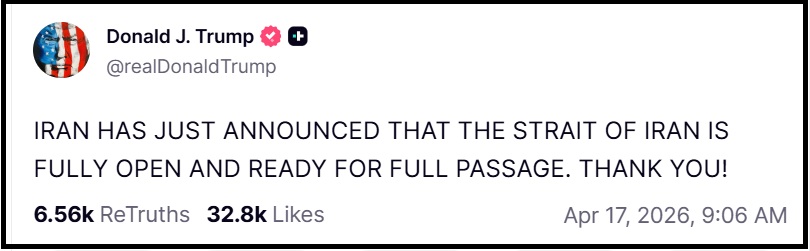
In a series of posts on Truth Social, President Trump has announced that a deconfliction deal with Iran has been agreed.
It appears the blockade was successful in finally convincing Iran they had very few options. Additionally, as we all well understand here, the blockade was halting oil shipments to China. It is very likely that Beijing was also putting pressure on Iran to reach a deal.
“THE STRAIT OF HORMUZ IS COMPLETELY OPEN AND READY FOR BUSINESS AND FULL PASSAGE, BUT THE NAVAL BLOCKADE WILL REMAIN IN FULL FORCE AND EFFECT AS IT PERTAINS TO IRAN, ONLY, UNTIL SUCH TIME AS OUR TRANSACTION WITH IRAN IS 100% COMPLETE. THIS PROCESS SHOULD GO VERY QUICKLY IN THAT MOST OF THE POINTS ARE ALREADY NEGOTIATED. THANK YOU FOR YOUR ATTENTION TO THIS MATTER!” ~ PRESIDENT DONALD J.TRUMP
“The U.S.A. will get all Nuclear “Dust,” created by our great B2 Bombers – No money will exchange hands in any way, shape, or form. This deal is in no way subject to Lebanon, either, but the USA will, separately, work with Lebanon, and deal with the Hezboolah situation in an appropriate manner. Israel will not be bombing Lebanon any longer. They are PROHIBITED from doing so by the U.S.A. Enough is enough!!! Thank you!” ~ President DJT
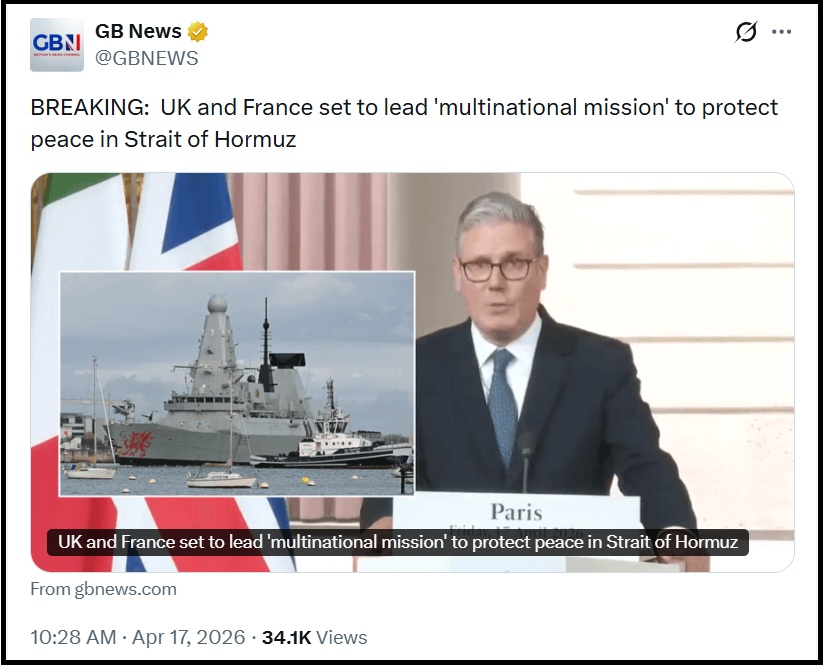
“Now that the Hormuz Strait situation is over, I received a call from NATO asking if we would need some help. I TOLD THEM TO STAY AWAY, UNLESS THEY JUST WANT TO LOAD UP THEIR SHIPS WITH OIL. They were useless when needed, a Paper Tiger!” ~ President DJT
“Thank you to Saudi Arabia, UAE, and Qatar for your great bravery and help!” President DONALD J. TRUMP
“Iran, with the help of the U.S.A., has removed, or is removing, all sea mines! Thank you!” President DJT
“Again! This deal is not tied, in any way, to Lebanon, but we will, MAKE LEBANON GREAT AGAIN!”
“Thank you to Pakistan and its Great Prime Minister and Field Marshall, two fantastic people!!!” President DONALD J. TRUMP
Posted originally on CTH on April 16, 2026 | Sundance
President Trump pauses to answer the screeching press pool as he departs the White House. Against the backdrop of a tenuous agreement with Iran that may lead to another round of negotiations, and against the background of a successful naval blockade, President Trump outlines the current status with the conflict.
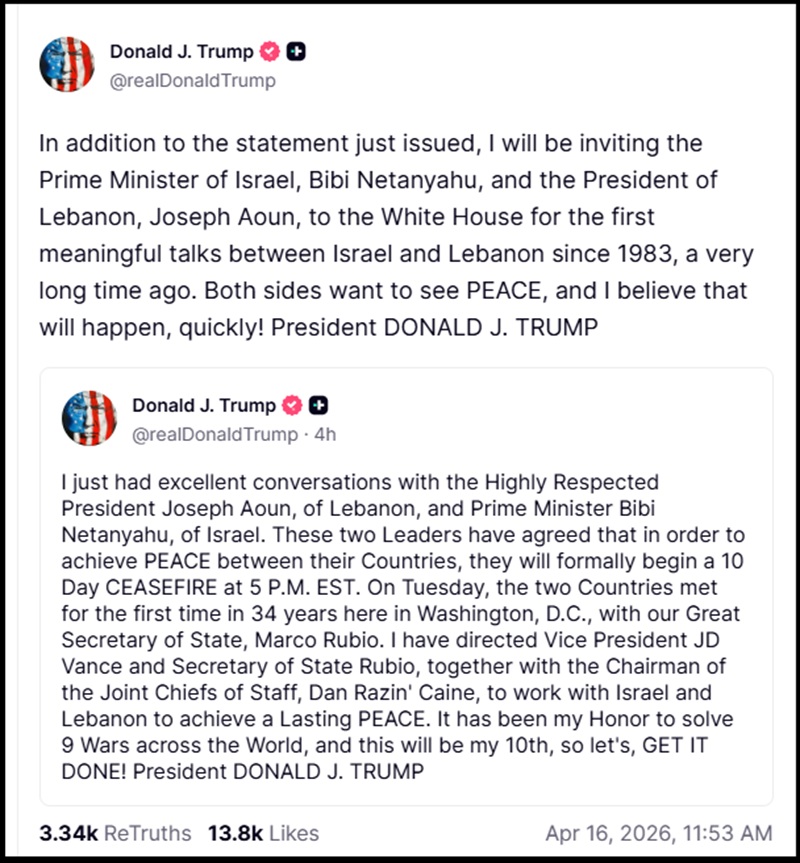
President Trump also spoke about his discussions with Lebanon and Israel earlier today and there is a likely White House meeting between Prime Minister Netanyahu and President Joseph Aoun being scheduled [See Truth Social]. WATCH:
Posted originally on CTH on April 15, 2026 | Sundance
President Trump talks with Maria Bartiromo about Iran and the U.S. economy. Part II
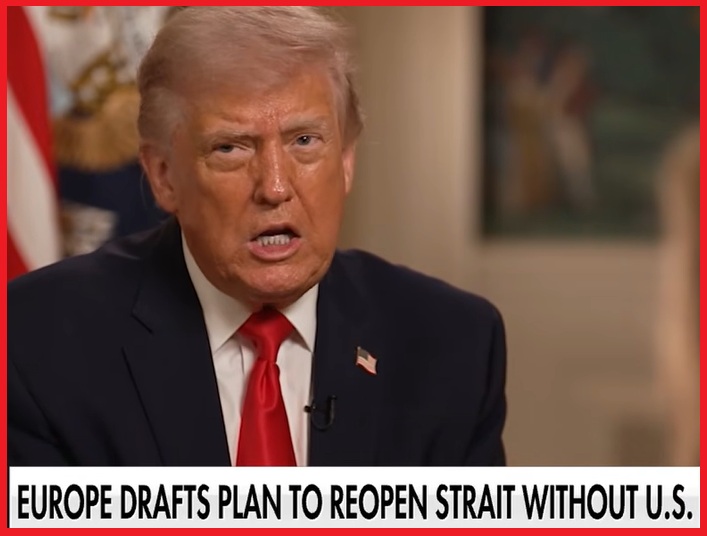
In this section of the interview, President Trump outlines the ongoing conflict with Iran, what it means on a geopolitical level, and his new perspective on how Trump views the European/NATO allies against their refusal to engage in eliminating the Iran nuclear threat they all consistently debated and claimed to be important.
In short, President Trump no longer looks at the EU allies through the prism of an alliance. As a loyal member of the Council on Foreign Relations (CFR) Maria Bartiromo quickly, VERY QUICKLY, changes the subject. Don’t take my word for it, WATCH:
Posted originally on CTH on April 15, 2026 | Sundance
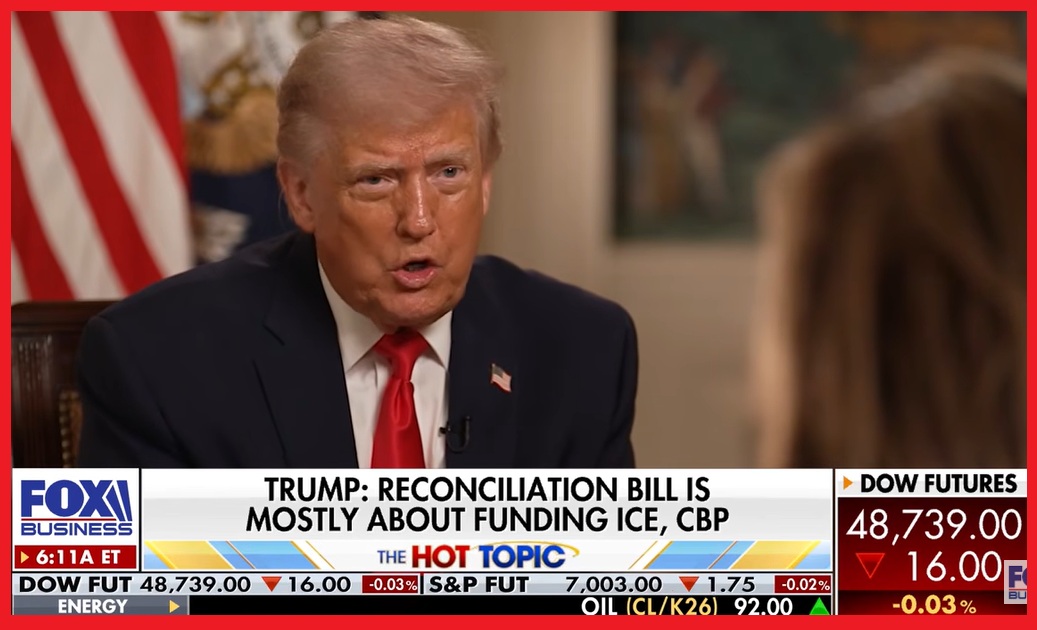
President Trump appeared for an extensive interview with Maria Bartiromo on Fox Business. The interview is essentially broken down into two interrelated contexts, the Iran conflict and the overall economic issues. There are two segments, in this post we focus on the first segment.
Here President Trump is discussing the overall economy and there is an unusual dynamic in the background. As the Iran conflict unsettles the oil/gas markets and the overall global energy sector, there are two facets to the USA impact.
On one hand, say the Main Street side, President Trump understands the price of gasoline is being impacted by the overall price of oil. For Americans the increase in gasoline price is moderate compared to the rest of the world; however, each dollar spent on gasoline is a dollar the middle-class doesn’t have to spend on something else. That can have a negative impact on GDP overall, but the dollar spent stays in the U.S. economy.
On the other hand, say the Wall Street side, President Trump also understand as more global markets seek to export U.S. oil, the U.S. energy sector expands GDP through increased export value. In my estimation, the Quarter #2 GDP is expanding at a much higher rate (due to the export of Oil/Gas) than the internal impact from higher gas prices. I expect to see significant increases in GDP growth as a result. Those Q2 calculations will come at the end of July this year.
President Trump also hits on a good -albeit politically incorrect-point about the preceding illegal alien influx, supported by Joe Biden. The economic migrants who entered the country illegally were not -as a whole- the type of migrant looking to be responsible for their own economic outcome. These were illegal aliens comfortable with govt handouts and govt subsidies. This is why it remains critical for the U.S. economy to capture and deport those who entered illegally during that period.
Posted originally on CTH on April 8, 2026 | Sundance
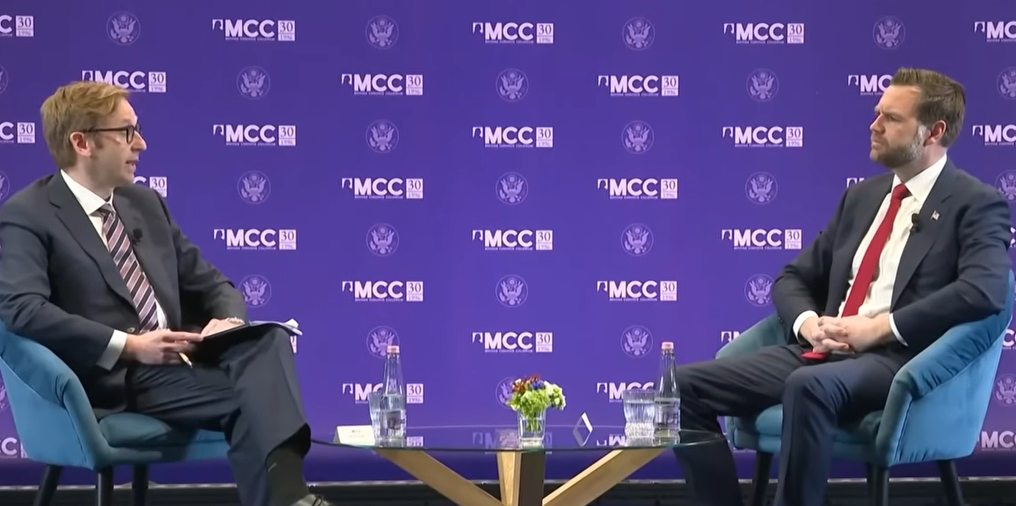
Vice President JD Vance was previously scheduled to appear at the Mathias Corvinus Collegium in Budapest, Hungary, when the truce deal with Iran was made public. During his appearance, the Vice President was asked about his perspective on the negotiations. WATCH:
Full discussion is included in the full video below.
U.S. Vice President JD Vance deliver impactful remarks at the Mathias Corvinus Collegium in Budapest, Hungary. The private Hungarian institution welcomed VP Vance as he spoke on U.S.-Hungary relations, leadership, and international cooperation.
Posted originally on CTH on April 7, 2026 | Sundance
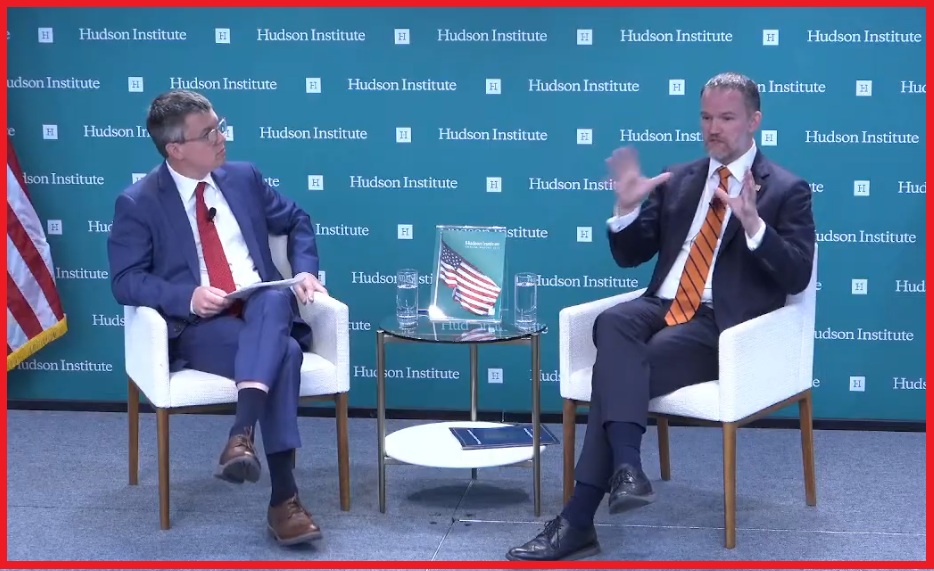
During an appearance at the Hudson Institute, U.S. Trade Representative Jamieson Greer is asked to summarize the administration’s approach to upcoming USMCA (CUSMA) renegotiations.
USTR Greer emphasized the focus is on outcomes in review of the USMCA, not focusing on the previous trade structure itself. The results carry more weight than reviewing what was intended. On June 1st Greer anticipates telling congress that the U.S. intends withdrawal, pending unilateral negotiations with both Canada and Mexico to resolve conflict.
Greer describes two different protocols within any negotiation to deal with the structural differences between both Canada and Mexico. Those differences include a completely different import/export profile with each country, different sectors of goods, difference in the wage rates within each country and a structural difference in the way each country is establishing their own, independent free trade agreements with other third-party countries. These baselines form the reason to tell congress of the dissolution, and on July 1st inform both Canada and Mexico about it.
In the interim, the points of conflict are currently being negotiated with Mexico toward resolution. The same negotiation is expected later between the U.S. and Canada; however, it sounds like that engagement will take place after congress is informed of the points of conflict. WATCH (prompted):
Posted originally on CTH onApril 7, 2026 | Sundance
During an appearance at the Hudson Institute, U.S. Trade Representative Jamieson Greer is asked to summarize the administration’s approach to upcoming USMCA (CUSMA) renegotiations.
USTR Greer emphasized the focus is on outcomes in review of the USMCA, not focusing on the previous trade structure itself. The results carry more weight than reviewing what was intended. On June 1st Greer anticipates telling congress that the U.S. intends withdrawal, pending unilateral negotiations with both Canada and Mexico to resolve conflict.
Greer describes two different protocols within any negotiation to deal with the structural differences between both Canada and Mexico. Those differences include a completely different import/export profile with each country, different sectors of goods, difference in the wage rates within each country and a structural difference in the way each country is establishing their own, independent free trade agreements with other third-party countries. These baselines form the reason to tell congress of the dissolution, and on July 1st inform both Canada and Mexico about it.
In the interim, the points of conflict are currently being negotiated with Mexico toward resolution. The same negotiation is expected later between the U.S. and Canada; however, it sounds like that engagement will take place after congress is informed of the points of conflict. WATCH (prompted):
I have created this site to help people have fun in the kitchen. I write about enjoying life both in and out of my kitchen. Life is short! Make the most of it and enjoy!
This is a library of News Events not reported by the Main Stream Media documenting & connecting the dots on How the Obama Marxist Liberal agenda is destroying America