
Posted originally on Feb 12, 2026 by Martin Armstrong |
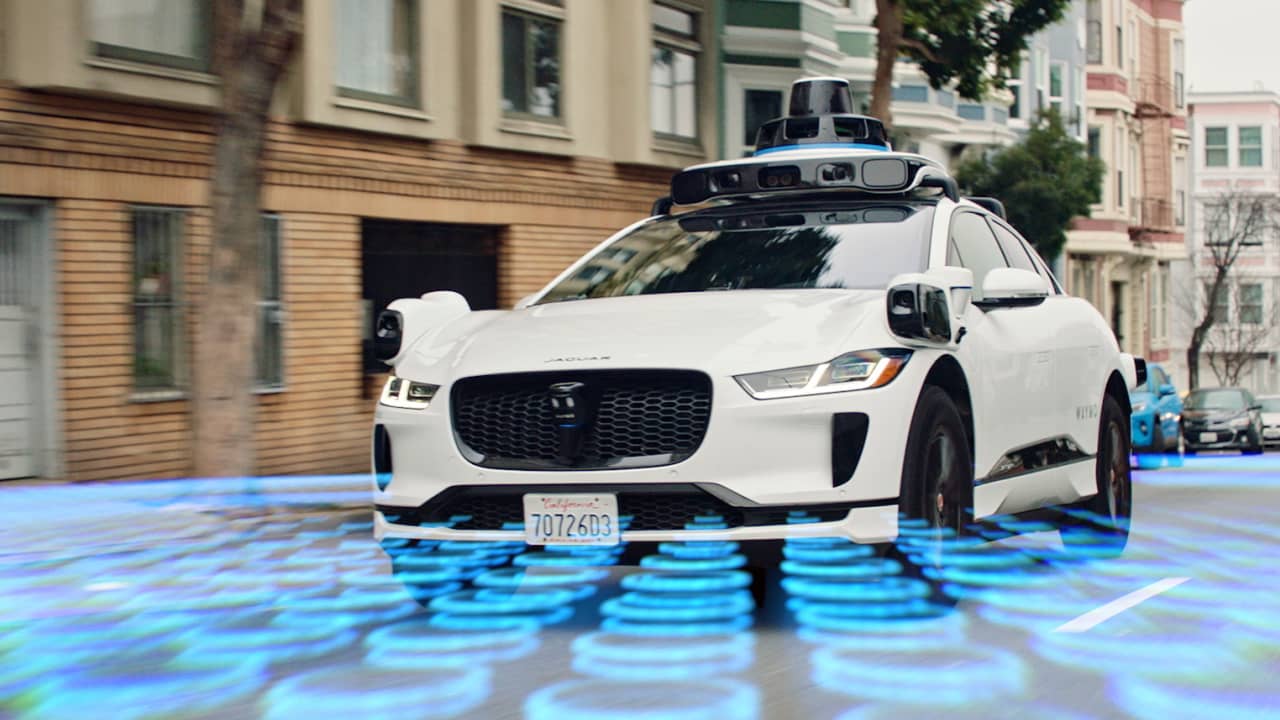
Touted as cutting-edge AI technology, Waymo’s autonomous self-driving technology is actually based on a group of human operators based in the Philippines. A top executive at Waymo acknowledged before the US Senate that its robotaxis sometimes call upon remote workers to assist when the vehicle encounters a situation its algorithms cannot handle. These workers are described as “fleet response agents,” but the reality is that these cars are not autonomous.
The AI revolution walks a tight line between human labor and autonomous computing. Training AI models requires data that is often supported by cheap overseas labor. Capital is once again propelled by labor wherever it is cheapest, but now, to create the appearance of automation.
When AI was first touted as the next industrial revolution, even institutions like the International Monetary Fund warned that as many as 40% of jobs worldwide could be affected by its spread. That warning now appears less like a speculative fear and more like a description of the cycle of transformation we are entering. It is no accident that today’s labor market shows signs of weakening job growth even as corporations and AI developers report rising profits and productivity.
I worked with Dragon System back in the eighties when it was hardware you put into a slot in an IBM XT. It would allow the computer to talk. My daughter was fascinated by it. I wrote a program just to be able to hold a conversation with her and taught it how to be a politician. If it ventured into an area it did not know, it would just change the subject. I still remember she came home from school one day, and I had the computer apart, and she began crying that I had killed it. I used my kids to teach me how to write natural language so it would understand the words in a conversation. The good old days.
Big Tech claims AI will enhance the workforce rather than replace it. Yet, one of the easiest ways to eliminate or reduce labor costs is to outsource it to algorithms. But it takes humans to create those algorithms, and any job position can only produce at the worker’s capacity. It seems that most AI still requires human intervention at this point in time.
Waymo is not passing along once human-driven positions to AI, but rather, it is sending jobs overseas to Manila where labor costs are cheaper. Nothing about this structure preserves domestic employment. We are entering a period where AI will further compress the demand for human labor because capital seeks to displace labor wherever possible to preserve profits and valuations.
Government data published recently from the Federal Reserve Bank of New York shows that adoption of AI to date has not yet caused widespread layoffs. “Businesses reported a notable increase in AI use over the past year, yet very few firms reported AI-induced layoffs,” New York Fed economists wrote in the blog in September 2025. “Indeed, for those already employed, our results indicate AI is more likely to result in retraining than job loss, similar to our findings from last year,” and so far the technology does not point to “significant reductions in employment.”
We are witnessing a transition that will redefine how economies work and how societies survive. The “retraining” noted by the New York Fed is part of adaptation, and adaptation will be crucial during this wave of creative destruction.
 Centinel2012