Posted originally on Sep 23, 2026 by Martin Armstrong
Not a single word has been fact-checked—not even by simply Googling the facts. This nonsense that Russia is trying to take all of Ukraine and that the Ukrainian people are fighting for their freedom is so outrageous that it amounts to plain propaganda, which only leads to war. There is no rational discussion here. There is no solution but war, because no matter what, Europe will simply NEVER accept peace with Russia, and people are too stupid to realize that this Finnish politician cannot possibly be this stupid and uninformed.
Since the AfD won two elections and the CDU was below 5%, so they did not even get a seat, Brussels and NATO are in a state of panic. They are pushing for all-out war because they fear that if the AfD takes Germany, they are anti-war and anti-Brussels. The only way to retain power is to start a war as soon as possible.
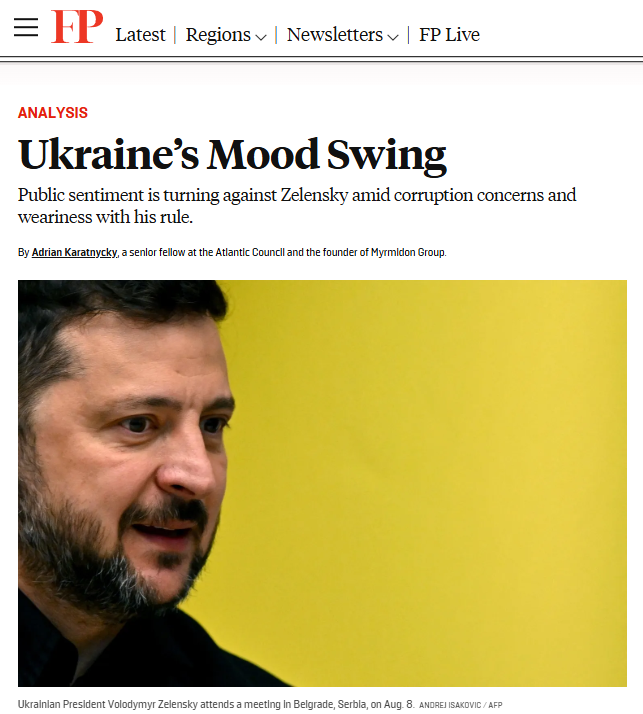
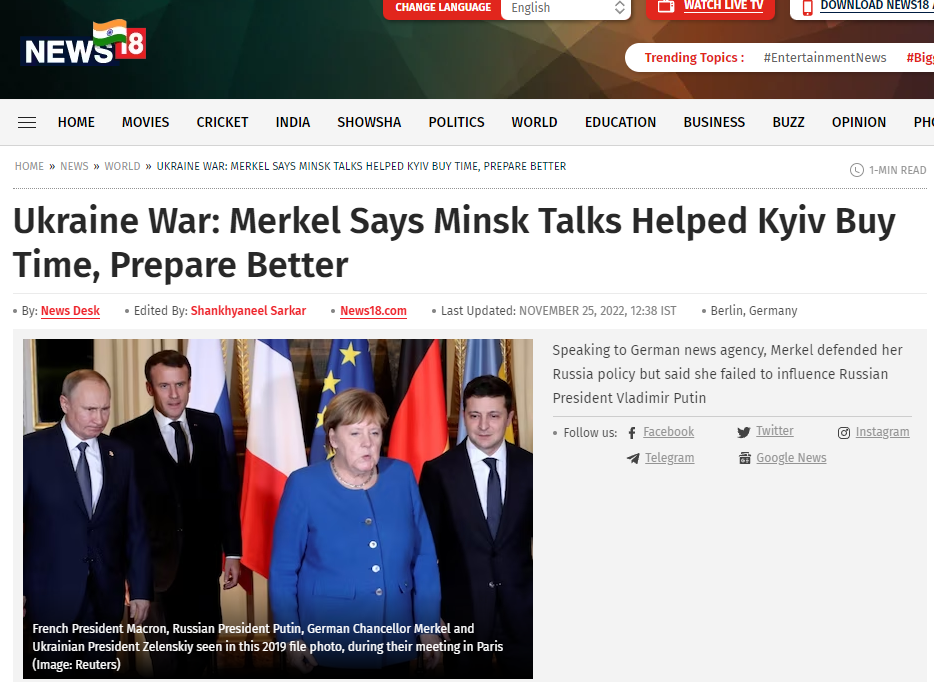
The Ukrainian people want an election. Zelensky lied and promised peace, and has been doing nothing but carrying out his personal hatred of Russians. Reliable sources from Ukraine report that (1) the factories are being run by women since men are sent to the front line, and (2) they are actually handcuffing men in transport to the front line to prevent them from fleeing. My discussions with members of Congress know that Zelensky is the problem and that Putin has agreed to peace. All they have to do is honor the Minsk Agreement that Europe and Ukraine both signed to allow the Donbas to vote if they want to separate from Ukraine after they started this civil war attacking the Donbas by an unelected government on the orders of the Neocons.
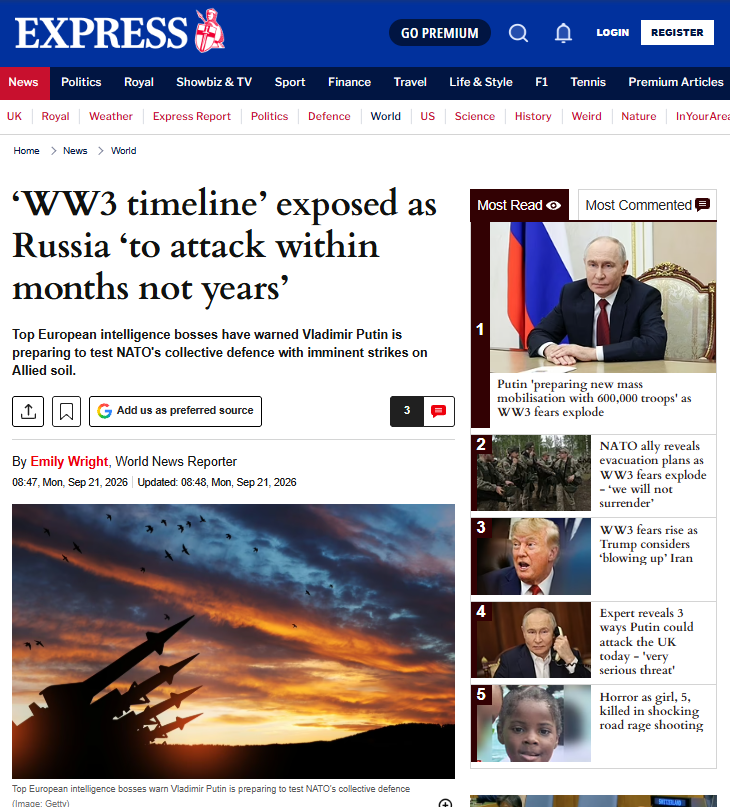
Everything in the CNN broadcast was a total lie. Not a single word was the truth. They are propelling the world into World War III and do not care about anything but their own hatred of Trump that blinds them to what is taking place around the world.
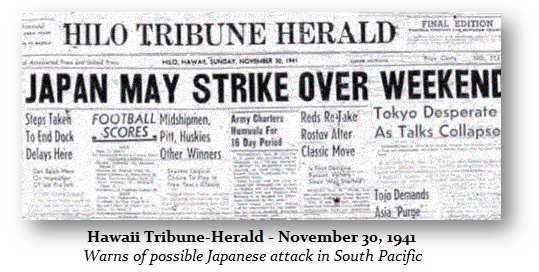
To sell us WWI, they hid arms in a passenger ship the Lusitania knowing the Germans would sink it to get the US into WWI. They swore there were no arms, then in 1987 the found it and pulled up ammunition proving they lied again. To get us into WWII, they instigated Japan and pretended the attack was unprovoked when it was even leaked to the newspaper that they would be hit that weekend. FDR pulled out the aircraft carriers and let thousands die claiming this would be a day in infamy.
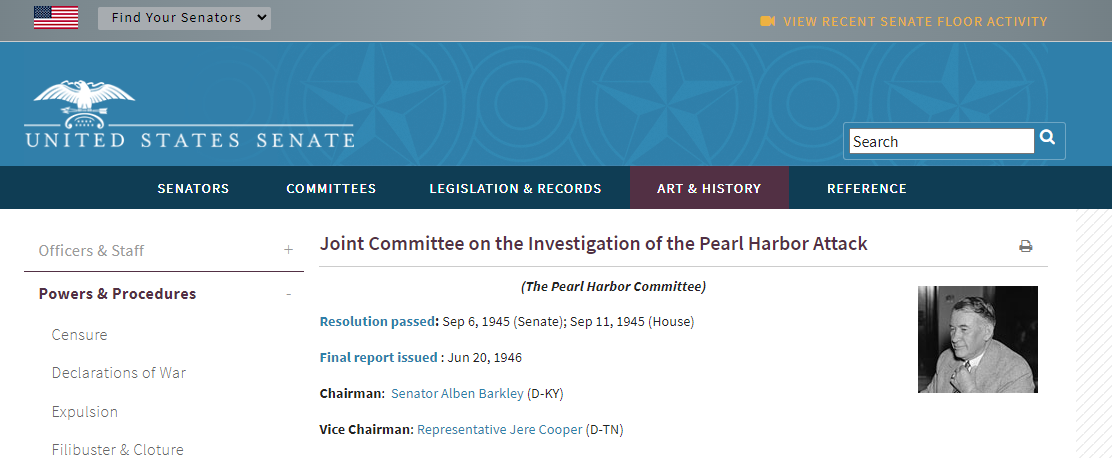
There was so much outrage over the truth that FDR lied to the country to get the US into war that the Senate was forced to investigate. They admitted the government knew about the coming attack, but claimed they could not confirm FDR personally knew. They used the same excuse on 911.
They have lied about every war. For Vietnam, we were told the BS that we were fighting communism and Russia was behind it. That was a lie and Robert McNamara before he died wanted to clear his conscience. He said Russia was not involved and it was just a civil war. Some 58,000 Americans died for that one.
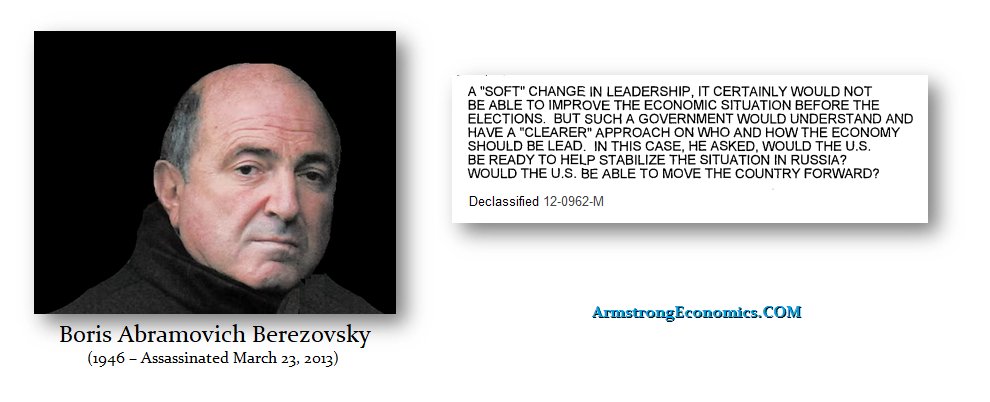
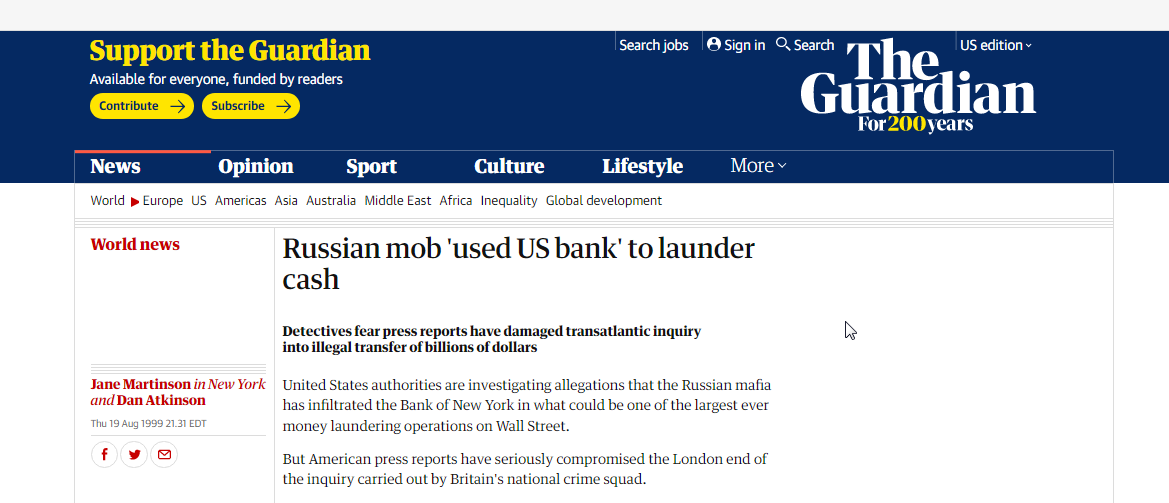
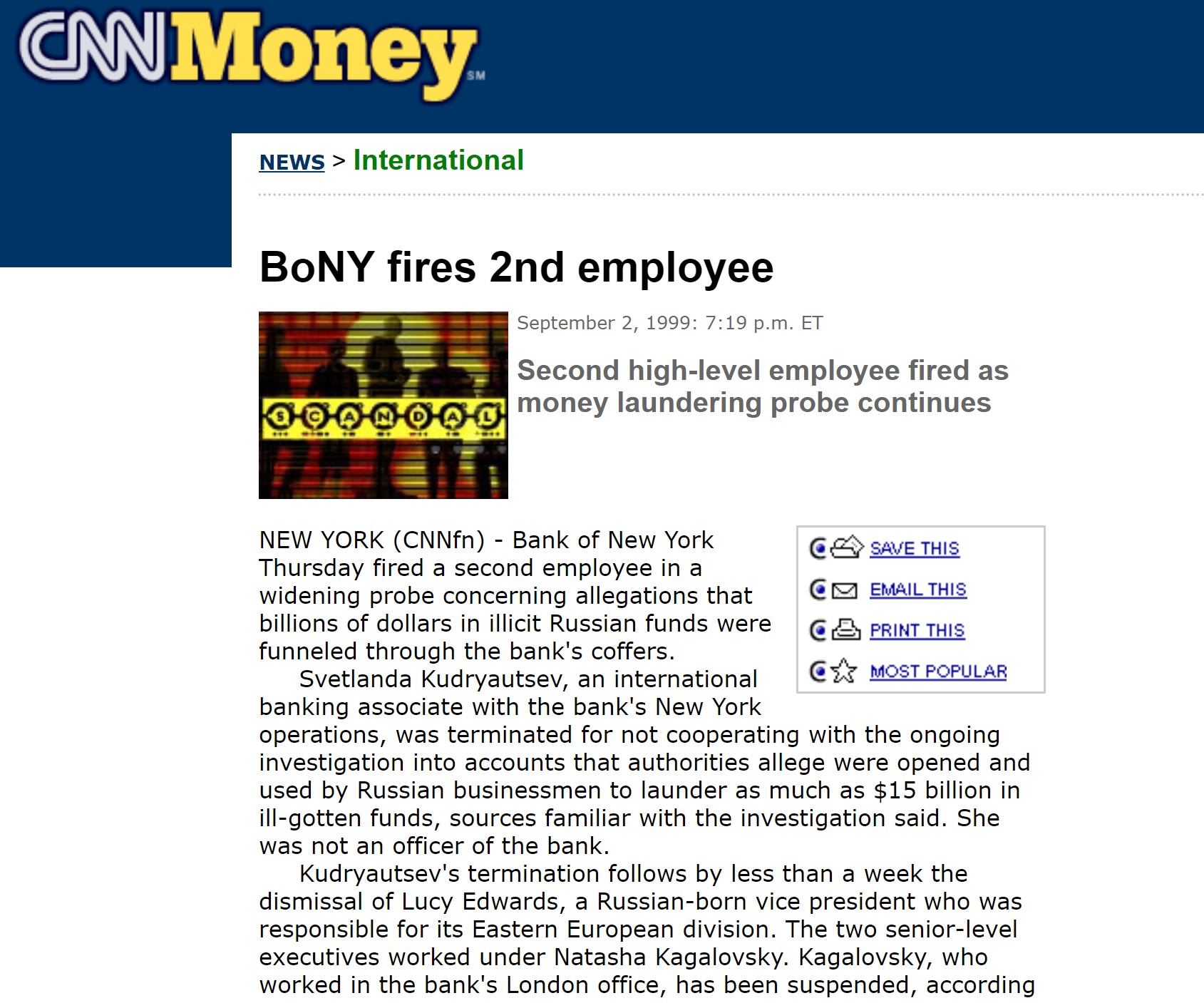
Even in my case, they were in league with the bankers to pull off a regime change of Russia by blackmailing Yeltsin insisting he appoint their stooge, Boris Berezovsky. Yetsin turned to Putin. Here is a declassified background showing their involvement.
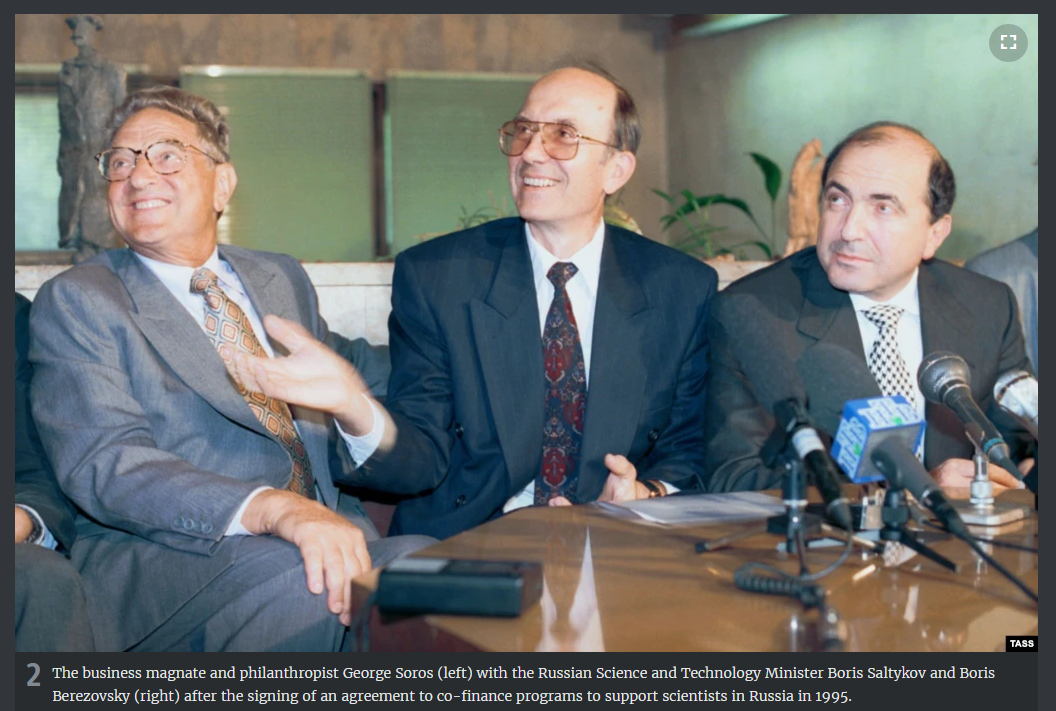
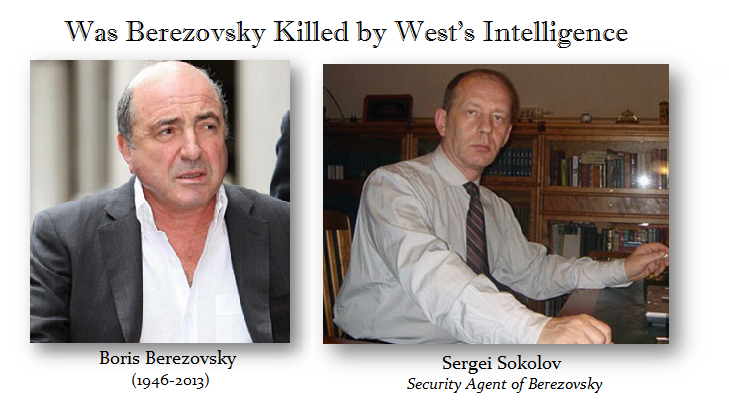
Here is Berezovsky with none other than George Soros, Treasury Secretary Bessent’s role model.When the regime change failed, they claimed he committed suicide. His bodyguard said he was assassinated to cover it all up.?
Categories:PressWarSep 23, 2026 by Martin Armstrong |
Not a single word has been fact-checked—not even by simply Googling the facts. This nonsense that Russia is trying to take all of Ukraine and that the Ukrainian people are fighting for their freedom is so outrageous that it amounts to plain propaganda, which only leads to war. There is no rational discussion here. There is no solution but war, because no matter what, Europe will simply NEVER accept peace with Russia, and people are too stupid to realize that this Finnish politician cannot possibly be this stupid and uninformed.
Since the AfD won two elections and the CDU was below 5%, so they did not even get a seat, Brussels and NATO are in a state of panic. They are pushing for all-out war because they fear that if the AfD takes Germany, they are anti-war and anti-Brussels. The only way to retain power is to start a war as soon as possible.
The Ukrainian people want an election. Zelensky lied and promised peace, and has been doing nothing but carrying out his personal hatred of Russians. Reliable sources from Ukraine report that (1) the factories are being run by women since men are sent to the front line, and (2) they are actually handcuffing men in transport to the front line to prevent them from fleeing. My discussions with members of Congress know that Zelensky is the problem and that Putin has agreed to peace. All they have to do is honor the Minsk Agreement that Europe and Ukraine both signed to allow the Donbas to vote if they want to separate from Ukraine after they started this civil war attacking the Donbas by an unelected government on the orders of the Neocons.
Everything in the CNN broadcast was a total lie. Not a single word was the truth. They are propelling the world into World War III and do not care about anything but their own hatred of Trump that blinds them to what is taking place around the world.
To sell us WWI, they hid arms in a passenger ship the Lusitania knowing the Germans would sink it to get the US into WWI. They swore there were no arms, then in 1987 the found it and pulled up ammunition proving they lied again. To get us into WWII, they instigated Japan and pretended the attack was unprovoked when it was even leaked to the newspaper that they would be hit that weekend. FDR pulled out the aircraft carriers and let thousands die claiming this would be a day in infamy.
There was so much outrage over the truth that FDR lied to the country to get the US into war that the Senate was forced to investigate. They admitted the government knew about the coming attack, but claimed they could not confirm FDR personally knew. They used the same excuse on 911.
They have lied about every war. For Vietnam, we were told the BS that we were fighting communism and Russia was behind it. That was a lie and Robert McNamara before he died wanted to clear his conscience. He said Russia was not involved and it was just a civil war. Some 58,000 Americans died for that one.
Even in my case, they were in league with the bankers to pull off a regime change of Russia by blackmailing Yeltsin insisting he appoint their stooge, Boris Berezovsky. Yetsin turned to Putin. Here is a declassified background showing their involvement.
Here is Berezovsky with none other than George Soros, Treasury Secretary Bessent’s role model.When the regime change failed, they claimed he committed suicide. His bodyguard said he was assassinated to cover it all up.?
Posted Originally on Sep 10, 2026 by Martin Armstrong |
2026.
Le Pen has finally said what European leaders are terrified to admit: there must be an end to this perpetual blank check for Ukraine. She has called for France to stop further military and financial aid to Kyiv if she comes to power and return to what statesmen were once supposed to do when wars became catastrophic: negotiate. Le Pen has called for a “major peace conference” aimed at bringing a diplomatic conclusion to what she rightly calls “this horrific war.” Naturally, the establishment immediately screams that stopping the money means helping Putin. That is their answer to everything. Anyone who dares suggest peace has sdenly become an agent of Russia.
The establishment insists that Ukraine’s security is France’s security. Édouard Philippe attacked Le Pen’s position and claimed ending aid would mean “serving Russia.” This is the childish mentality that has prevented any serious discussion of peace. There are only two choices in their world: keep paying for the war or you love Putin.
This is where these people have lost all sense of humanity. What good has perpetual war done for the Ukrainian people? Cities have been destroyed, families scattered across Europe, millions displaced, and an entire generation of men has been fed into a conflict that political leaders refuse to bring to an end. Ukraine has been forced to continually tighten mobilization because there are not enough men willing or available to keep this going forever. Men subject to military obligations have faced restrictions on leaving the country. Europe is now even debating how military-age Ukrainians abroad should be treated while Germany’s foreign minister has suggested sharing information that could allow Kyiv to contact Ukrainian men living there regarding military service.
You do not save a country by wiping out its youth. You do not save a nation by destroying its demographic future. You do not defend democracy by telling Ukrainian men they cannot leave while politicians safely sitting in Paris, Brussels, London, and Berlin demand that the war continue. Every Ukrainian killed is somebody’s son, father, husband, or brother. Yet these politicians discuss human beings like inventory. Another weapons package. Another mobilization. Another billion. Another year.
National Rally MP Laurent Jacobelli put it plainly: “We stand with Ukraine, but not at the expense of France’s financial health (…), of our debt and the taxes paid by the French people,” RN MP Laurent Jacobelli said on Saturday. “At a time when the French are being asked to make sacrifices on pensions and healthcare, when France is on the brink of bankruptcy, we cannot put our country’s future at risk.”
The European political establishment has spent years pretending that peace means surrender because admitting otherwise would require acknowledging the catastrophic consequences of its own policies. They believed sanctions would collapse Russia. They believed endless weapons would produce victory. They believed economic warfare would force Moscow to its knees. Instead, the war continues, Ukraine continues needing enormous outside financing, and Europe continues digging deeper into its own pockets.
Now Ukraine says it needs another €27 billion just to close a defense-funding gap in 2026, while it is also securing around 1,000 Patriot missiles with allied support and an EU loan. Where does this end? That is the question nobody wants to answer. Another €27 billion? Another thousand missiles? Another hundred thousand men? Another five years? At what point is someone permitted to say that perhaps diplomacy deserves as much effort as finding the next weapons package?
Le Pen is right to demand that France change course. France should be using whatever influence it possesses to drag both sides toward a negotiating table, not endlessly writing checks that perpetuate the battlefield. That is not pro-Russian. It is pro-French and, frankly, far more humane toward the Ukrainian people than pretending another generation can simply be sacrificed until politicians finally get the outcome they promised years ago. Peace is not weakness. The refusal even to pursue it while other people’s children die is cowardice.
Posted originally on the CTH on September 7, 2026 | Sundance |
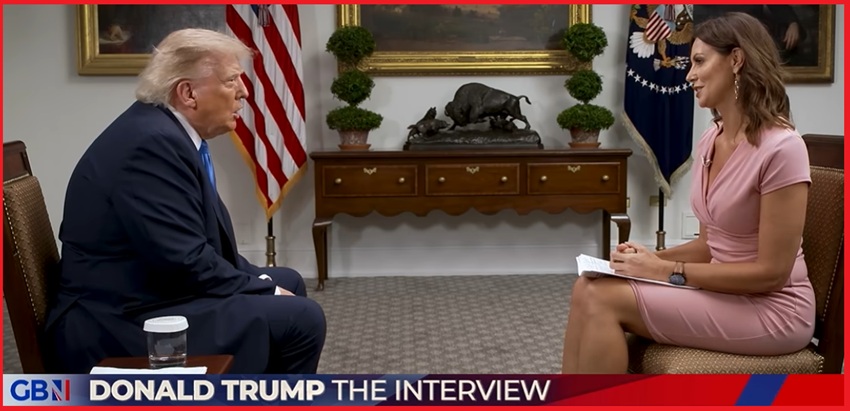
Against the popular uprisings currently taking place in Great Britain, this interview takes on additional context. Last week, just before the civil protests broke out on the shores of the U.K, President Trump sat down for an interview with GB News about issues and current events that hit both sides of the Atlantic.
President Trump answers questions about topics that pertain to both the United Kingdom of Great Britain and Northern Ireland as well as the interconnectivity of the relationship to the United States. The interview is pragmatic, focused and deliberate as President Trump presents his perspectives on the challenges that face both nations.
Obviously one of the key policy issues facing the U.K is the topic of migration, and President Trump puts the issue into a factual framework of government accepting the problem. These are choices being made by political leadership against the interests of their citizens. The interviewer, Bev Turner, is fraught with political correctness and somewhat stunned by President Trump’s lack of pretense. WATCH:
I have created this site to help people have fun in the kitchen. I write about enjoying life both in and out of my kitchen. Life is short! Make the most of it and enjoy!
This is a library of News Events not reported by the Main Stream Media documenting & connecting the dots on How the Obama Marxist Liberal agenda is destroying America