Posted Originally on: Oct 9, 2026 by Martin Armstrong |
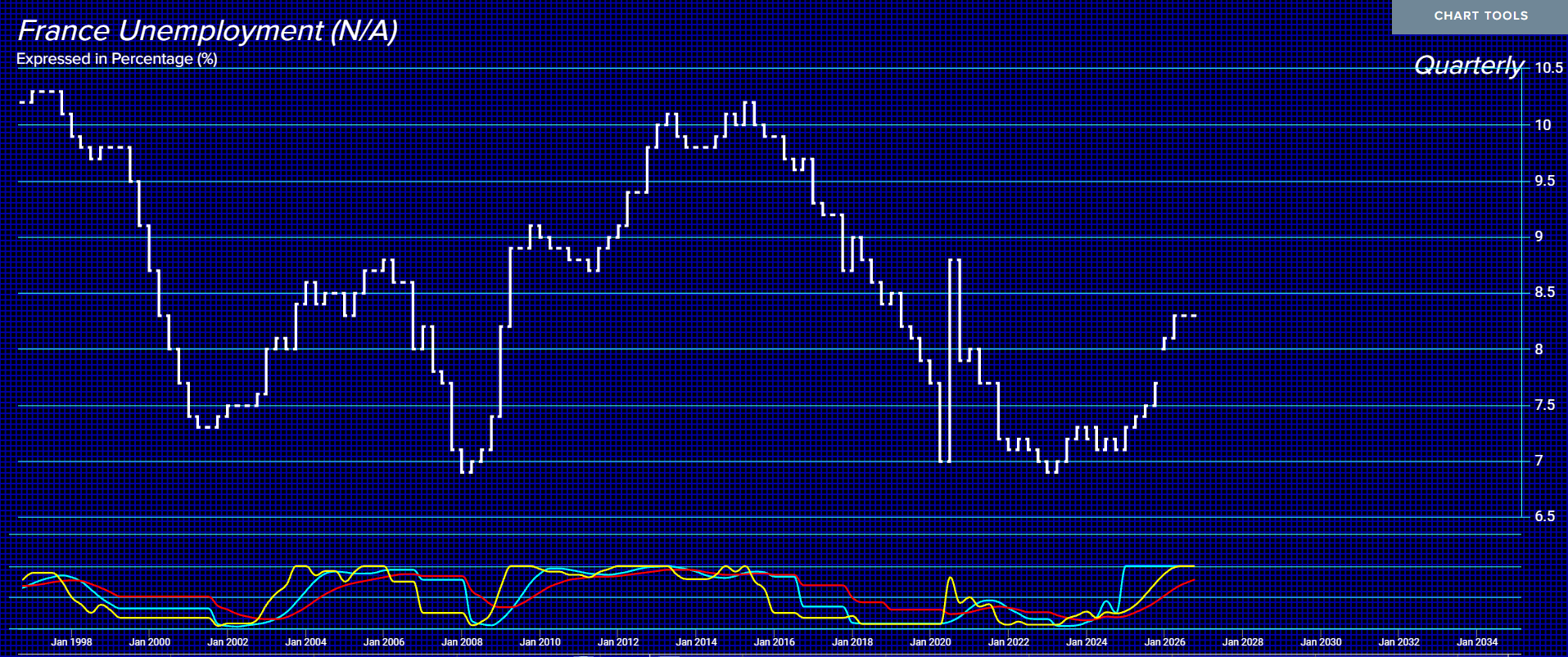
QUESTION: Marty, I just have to complement you on Socrates. You created the only unbiased forecast of geopolitical issues and the economy with no partisan spin. Do you see unemployment in france continuing to rise in 2028?
P
ANSWER: Yes. Moving to war will help. I suppost the climate activists are claiming all the fires in Europe and the result of Climate Change. There is serious questions concerning France and that the government desperately needs a return to strong growth if it is to contain its rapidly rising debts. This does NOT seem likely into 2028.
Posted Originally on: Oct 9, 2026 by Martin Armstrong |
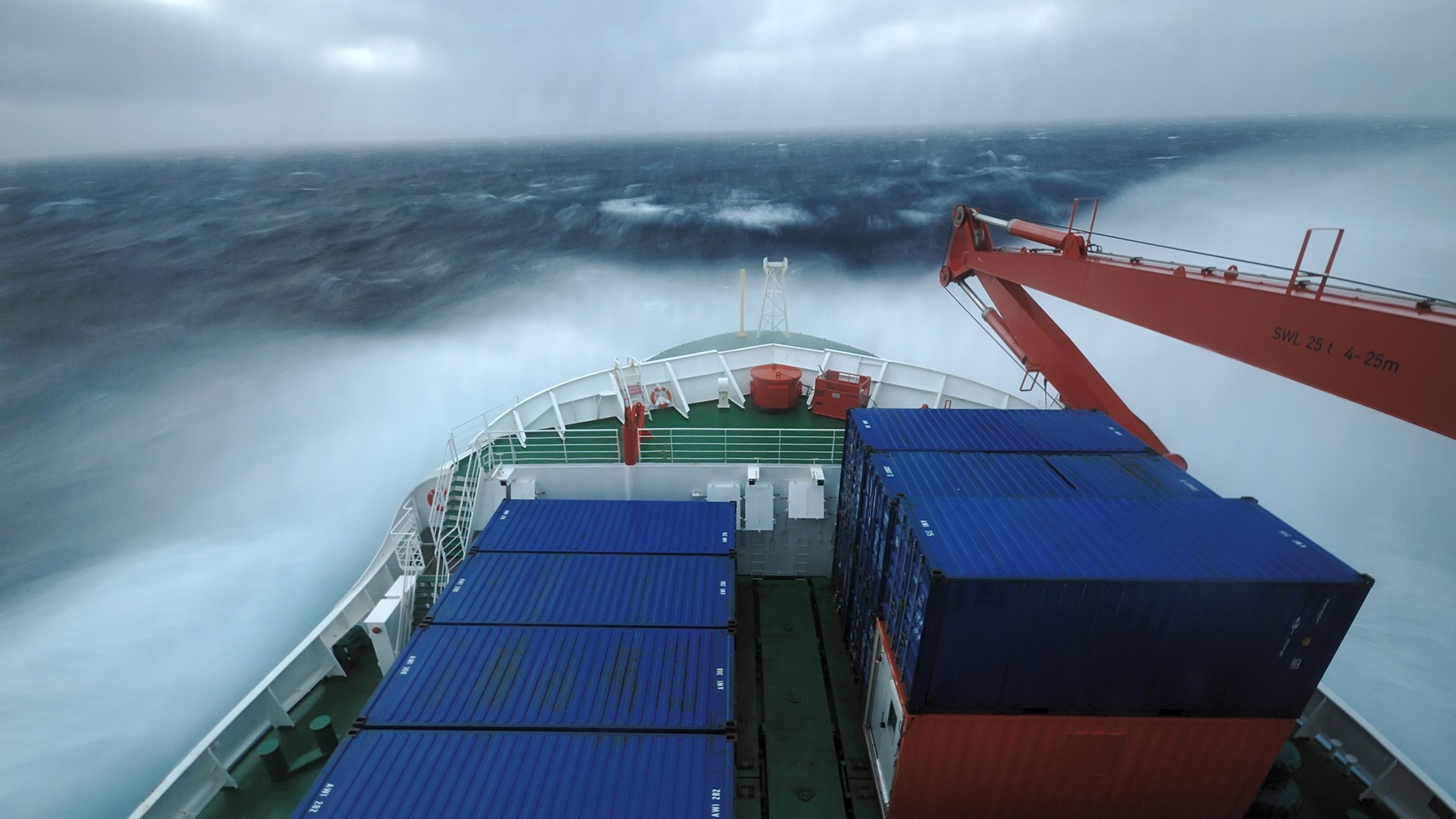
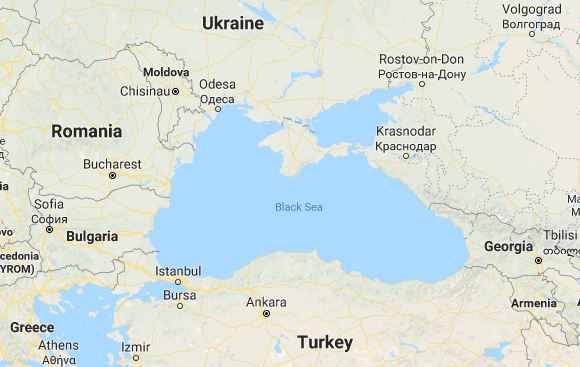
The Black Sea is rapidly becoming too dangerous for international commerce. Commercial vessels have been attacked near Romania, Bulgaria, Ukraine, and Russia within days of one another. Ships carrying agricultural products and petroleum are being dragged into a war. Politicians seem to forget that global trade depends on moving goods safely between nations. Once commercial shipping becomes a target, the economic consequences extend far beyond Russia and Ukraine. Insurance premiums rise, freight rates increase, and eventually those additional costs are passed directly to consumers who have absolutely nothing to do with this war.
On October 5, a commercial vessel caught fire and sank off Romania, killing two people. The following day, two additional merchant vessels were struck by drones inside Bulgaria’s exclusive economic zone, with one reportedly sinking. Another vessel carrying agricultural oil was attacked near Odesa, while an oil tanker was struck off Russia’s Black Sea coast. Responsibility for some of these incidents remains disputed, but the economic consequences do not depend on which side launched the drones. Shipping companies must now calculate the possibility of losing an entire vessel and its cargo. Insurers must price that risk, and nobody in this business operates on charity.
People do not understand how quickly the cost of war moves through the global economy. A ship owner facing increased war-risk insurance premiums will demand higher compensation to enter dangerous waters. Charter rates rise, cargo owners seek alternative routes, and ports become increasingly expensive to operate. If insurance becomes unavailable at a commercially reasonable price, vessels simply stop sailing certain routes. Every additional expense becomes part of the final price, whether that means wheat, cooking oil, gasoline, or the thousands of other products.
The Black Sea is particularly important because Russia and Ukraine are major agricultural exporters. Egypt, Turkey, and numerous countries across Africa and the Middle East depend on grain moving through this region. These governments cannot simply replace millions of tonnes of wheat overnight without paying more. We have already seen how disruptions to food supplies can contribute to political instability. The Arab Spring was not merely some spontaneous movement for democracy. Rising food prices, unemployment, and deteriorating living standards helped create the conditions for unrest. When people cannot afford to feed their families, political stability becomes impossible.
The Black Sea provides access to important oil terminals and shipping routes, fueling the energy crisis. Attacking tankers and energy infrastructure increases the cost of transporting petroleum regardless of whether the underlying supply has been destroyed. Insurance companies do not distinguish between political propaganda and the actual probability of a vessel being struck.
What makes this especially absurd is that Europe is already struggling with the consequences of its own energy policies, sanctions, and declining industrial competitiveness. Germany has watched energy-intensive industries suffer while Brussels continues demanding greater military expenditure. Now the same geopolitical confrontation threatens to increase the cost of transporting energy and agricultural commodities. The public is expected to pay higher taxes to finance the war, higher energy bills because of the war, and higher food prices as the commercial consequences spread. These people in government never seem to consider that ordinary citizens must somehow pay for all of this.
The Black Sea does not have to be formally closed for the economic damage to become serious. It only has to become dangerous enough that commercial operators begin questioning whether the profits justify the risks. Once that happens, the market will make decisions that politicians cannot reverse with another press conference. The War Cycle is intensifying, and the consequences will not remain confined to the battlefield.
Posted Originally on: Oct 9, 2026 by Martin Armstrong |
At least 16 trucking, delivery, and transportation companies entered bankruptcy proceedings between late August and September 21. These filings extend across general freight, construction materials, agricultural hauling, and even an Amazon delivery contractor. Some are seeking Chapter 11 protection to reorganize; others have entered Chapter 7 liquidation. We should not pretend every filing means a company has closed, but we should certainly ask why businesses moving the goods this economy depends upon are struggling to remain solvent.
Globemaster reported between $500,000 and $1 million in assets against liabilities ranging from $1 million to $10 million. Pacer Transport listed less than $50,000 in assets against $1 million to $10 million in liabilities. FreightWaves also points to rising diesel prices and elevated operating costs. A trucker cannot pay for fuel with a politician’s speech about how well the economy is doing.
I keep coming back to the distinction between spending and prosperity. A household spending more money to obtain the same necessities has not become wealthier. Neither has a business whose revenue rises while its expenses rise faster. You can move more dollars through an economy while leaving the people doing the work with less. That is why aggregate figures can look respectable while the operator sitting at his kitchen table discovers there is nothing left after paying everybody else.
If customers resist higher freight charges, the carrier absorbs the pressure until there is no margin left. Borrowing may buy time, but another loan does not repair an operation that cannot consistently earn enough to meet its obligations. Eventually, the creditor wants cash.
Energy costs are part of this squeeze. Fuel must be paid for immediately, while payment for hauling a load may come later. A carrier can collect a fuel surcharge and still face a cash shortage before that money arrives. Add truck payments, insurance, maintenance, and wages, and there is very little room for error. If freight revenue cannot keep pace with those bills, running the truck may produce activity without producing a profit. That is how a business can remain busy right up to the day it goes bankrupt.
When smaller operators disappear, surviving businesses may acquire their equipment and customers. That can help restore balance in an overcrowded market, but the adjustment comes through lost businesses, damaged credit, and interrupted livelihoods. The man who spent years building a fleet does not experience this as an encouraging economic correction. He experiences it as the destruction of everything he worked for.
These bankruptcies alone do not prove the entire country is in recession. They do show why I would pay attention to the businesses carrying the goods rather than accept every reassuring national average at face value. An economy needs people willing to take risks and enough profit to justify taking them. Keep squeezing that profit and eventually the trucks, the jobs, and the tax revenue go with it. Washington can roll over its debts and congratulate itself on another spending package. The private businessman has to make payroll on Friday.
Posted Originally on: Oct 9, 2026 by Martin Armstrong |
Ryanair chief Michael O’Leary says jet fuel is now about 50% more expensive than before the Iran war and expects those elevated costs to persist for another 12 to 18 months. Reuters reports that he has previously warned ticket prices could rise by as much as 20% next summer. These are forecasts, but the pressure on airline margins is already here. “We are all facing an enormous cost challenge next year,” O’Leary said.
People assume that once the fighting stops, everything returns to normal. A ceasefire does not repair a refinery or restore damaged infrastructure overnight. Nor does a retreat in crude oil automatically produce an equivalent decline in the price of usable aviation fuel. Airlines need the finished product, delivered where their aircraft operate. You cannot fly a plane on a press release announcing that the oil market has stabilized.
Fuel hedging can buy an airline time, but it cannot permanently insulate the business from higher costs. As those contracts expire, management must decide how much it can pass to passengers and which routes remain worth operating. Raise fares too far and customers reconsider the trip. Absorb the increase and profitability suffers. Cheap tickets depend upon the economics of providing them, however much politicians would like to pretend otherwise.
Lufthansa is facing the same squeeze. CEO Carsten Spohr expects this year’s additional fuel costs to exceed the €1.5 billion previously projected, despite extensive hedging. The airline maintained its operating profit forecast, but rising costs are weighing on its turnaround plans. You can have passengers willing to fly and still struggle to improve profitability when the cost of carrying them keeps climbing. Hedging buys time; it does not manufacture fuel or permanently remove the expense. Those who believe an airline can simply absorb every increase should try running one.
EasyJet is already responding by cutting flights. The Financial Times reports that the airline will remove another 600,000 to 700,000 seats from its winter schedule, following an earlier reduction of about 700,000, to limit spending on expensive fuel. Routes that made sense at one fuel price become less attractive at another, and management pulls back. Fewer seats mean fewer opportunities to travel, with potential consequences for the hotels, restaurants, and businesses waiting for those visitors. Governments authorize military operations, and a holiday business hundreds of miles away discovers that its customers have fewer flights available to reach it. The consequences reach well beyond the airline. That is how an energy shock works its way through an economy, taking income from one business after another.
I have little patience for governments that discuss war as though its economic consequences can be contained within the country being attacked. Energy moves across borders, and so does the damage when its supply is disrupted. The public pays through fuel bills, freight charges, food prices, and now the cost of visiting family or taking a holiday. Officials can authorize another operation with a signature. The businesses trying to remain profitable must work out how to pay for the consequences.
Posted originally on the CTH on October 8, 2026 | Sundance |
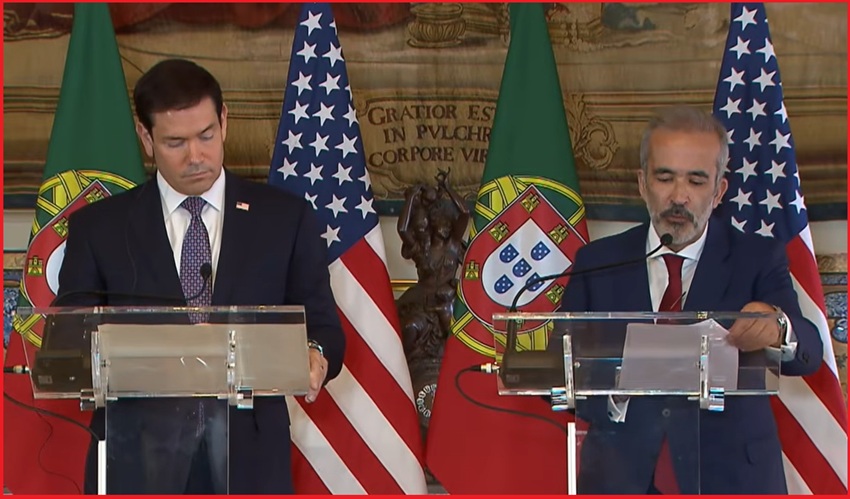
Secretary of State Marco Rubio is in Portugal on the third stop of his NATO alliance tour. Portugal is very strategic and holds as strong intelligence network through its well-regarded diplomatic corps. [Listen to what Rubio says about the narcotrafficking operation that Portugal and the USA conduct together.]
Secretary Rubio held a press conference with Portuguese Foreign Minister Paulo Rangel. Video and Transcript below:
[Transcript] FOREIGN MINISTER RANGEL: Welcome to Lisbon, Secretary Marco Rubio.
(Via interpreter) Portugal and the United States are historic allies which together have enjoyed a lengthy relationship which defends state of law, democratic values which represent the free world, and we have strong links in economy, defense, economy, and culture.
Obviously, I want to once again highlight the 250 years of American independence, remembering that the independence was done with Portuguese wine from Madeira, and we were the third country in the world which recognized the independence of the United States of America. This historic friendship of allies consolidated in ‘95 with the cooperation agreement and defense agreement, which brings together the bilateral commission, which is functioning on a permanent basis. And this bilateral commission has been a diplomatic channel of privilege for dialogue with a legal basis on many areas of our relationships, and with the military presence of the United States in the Lajes air base.
This visit takes place at a time of great, big developments in our bilateral relations, especially in key areas like the economy and tourism. The interest of the United States and of United States citizens and their companies to Portugal continues to grow. In ‘25, United States visitors brought in 11 percent of revenue from tourism, and in the first quarter of ‘26, U.S. citizens were ranked third as visitors to Portugal.
In the economy, our companies increasingly present in the United States, whether in renewable energies, pharmaceuticals, car industry. And we have also increased investment of – United States investment in Portugal like Goldman Sachs, Aquaterra, UPS, IBM, AWS, Google have a very strong presence in our country and obviously the United States, for us, our strategic partner. And as a member of the EU, Portugal is surely one of the countries which is a champion of the priorities that Europe should give to the transatlantic relationship.
As part of that transatlantic relationship, Portugal agrees and agreed with your appeal from the United States for Europeans, members of NATO, to guarantee their responsibilities for their defense. And so we have been made a effort in our budget, which has reached 2 percent of GDP in ‘25, and so a transition of 1.6 to 2 percent in a very difficult year. And we will continue to comply with objectives of NATO, which are the 5 percent objective in medium-term future, with 3.5 in defense and 1.5 in investments related to defense sector. For us, NATO is a fundamental pillar of our defense and our safety, our security, and so is one of our priorities in foreign policy.
Obviously, we continue to believe that our relationship with the United States is fundamental. We have always supported Ukraine, and we believe that the contribution of the United States is decisive in that conflict to reach a long-lasting and fair peace. In the Middle East, we recognize the threats and the risks created by Iran and their proxies. We defend full respect for the integrity of our friends, states in the Gulf, and we have to – essential to recover free maritime movements in Hormuz and total respect for the rule of the sea. And the contribution of the United States is essential to solve this conflict.
When we prepared our mandate for the Security Council, we established relations and contacts with all members of the Security Council and other states of the United Nations, and obviously we have been discussing and preparing our presence with the United States, where obviously the majority of our positions converge.
Today, which is so important for our bilateral relationship, I’d like to welcome you especially – the important Portuguese community that lives in the United States; and they’ve been from one coast to the other – and welcome the new, enormous, and dynamic, visible U.S. citizen community in Portugal that have contributed to a new stage, a new dynamic thrust to our 50-year relationship – 243, in fact. Thank you, Marco Rubio.
SECRETARY RUBIO: Well, thank you. I almost understood everything he said. I almost – like, I got very close because it’s very similar to Spanish. And so I almost turned this thing off but I said no, let me just finish it. So anyway, but thank you. I appreciate you having me here in your beautiful country, and I’m glad to be here. It’s my first visit ever and I hope it will not be my last. And I appreciate the welcome you’ve given us – not just in this extraordinary setting but the opportunity to meet with you and obviously, of course, to meet previously with – before this meeting with the prime minister.
Our two countries have accomplished many things together in the past, and we look forward to deepening and building that relationship in the future. In the past, for example, we’ve worked very closely on forging the arsenals of our allied forces. We together built your F-16 fleet, strengthening not just our two nations’ security and defense, but frankly strengthening NATO as a result of it. This is through decades of shared maintenance and training and joint operations, and we know that that will continue.
We applaud you, by the way, on the work – and I know it’s difficult, but the commitment that you’ve made that you’re living up to in spending more – and I don’t even want to use the term spending more – in investing more on defense, and for being on track to meet all of the commitments that were made at The Hague in – by the year 2035. And I always highlight this, because people sometimes view this call to invest more in defense as a hostile thing. It is not a hostile thing. On the contrary, what we are arguing is that NATO is important. For NATO to matter, NATO has to be strong. For NATO to be strong, NATO’s member-states need to be strong. And for members – for NATO’s member-states to be strong, they have to have capabilities.
Now, every country is of a different size and proportion. Some countries can contribute more than others. But every country in NATO needs to be as strong as they can possibly be. Because the stronger the members of NATO are, the stronger NATO is, the stronger the Alliance is, and the stronger the deterrence is. NATO exists, more than anything else, as a defensive Alliance that acts as a deterrent against hostility, and it has served us well for decades. And if we want it to continue to serve us, we need to make sure that it is strong.
So we look forward to the burden – to the – we look to share the burden of defense in the future, and we look forward to collaborating on constructing the next generation of weaponry that’s going to be needed and advanced military technology that’s going to be needed in order to deter the adversaries of the future. I believe working together, along with all of our Allies and partners in NATO, we can make our nations and our continents safer from foreign threats and more secure for our people.
Now, I don’t want to focus this relationship solely on our defense cooperation, because what happens between our countries goes far beyond that. And I want to talk a little bit about the economic realm, where Portugal plays an integral role in fostering U.S. commerce and in delivering U.S. technology to the European continent and beyond. As an example, Portugal’s undersea cables, affordable energy, critical mineral reserves, and hyperscale data centers make it the ideal gateway – the ideal gateway from a geographic and economic perspective – the ideal gateway for American technology companies to enter Europe.
I think it’s also important to point to the amount of investment that’s going on in our respective countries. Last year, investors from the United States invested over $20 billion in Portugal. And Portuguese companies invested over $2 billion in the United States, which is a big number for a country of this size. So if you think about that, that’s only going to grow and we have ideas on how that’s going to continue to grow.
And so our governments are going to continue to make the necessary pathways for future investment in the critical industries – things like super intelligence and aerospace and defense and other strategic sectors. And one way we intend to do that, hopefully very soon, is through a CEO forum that I know our ambassador – who is doing a great job – has been working on. It’s a forum that gives businesses in our two respective countries a mechanism to cut through the red tape, cut through any sort of bureaucratic impediments that exist, and turn the existing connections into more investment, into more jobs, into more economic growth on both sides of the Atlantic.
Together, we have many opportunities to expand the commercial diplomacy and relations between our two countries in ways that will bring not only profit and prosperity to our people, but I think also bring resilience and the security that comes with resilience against future economic and technological risks.
I also want to point, for a moment, to the number of U.S. travelers that come here. The number is stunning. And what I learned even earlier is that, despite how many direct flights we have from the United States here, if they added more flights they could fill more seats. So a lot of Americans want to come and visit here and not just to do business, but to visit and to see the beauty of your country and all that it has to offer and the richness of its history and so forth, and I hope that that will continue. We also have a growing number of American retirees that are coming here as well, and I hope – that’s an important component, and I know our embassy does an excellent and hard – it’s a hard but excellent job of – in consular services and responding to all of that.
Finally, let me say this. I want to complement Portugal – something we don’t talk enough about, and that is on your growing and successful efforts to combat narcoterrorism, not just in your country but around the world. In the last two years, Portugal has seized nearly 200 tons of cocaine, including approximately – what is that? A robot? Was that – did you see that? Okay. Sorry. I’m easily distracted, guys. We’re talking about cocaine, so let’s go back to that. (Laughter.)
For nearly two years – so 200 – Portugal has seized 200 tons of cocaine, including approximately 47 tons to date in 2026. And they’ve done that in partnership with the Drug Enforcement Agency of the United States. And in addition, Portugal’s been partnering with multiple countries in the Western Hemisphere to combat drug trafficking and transnational criminal drug organizations. So we applaud you and we thank you for your serious response to these threats to national security.
We’ve been partners for a very long time, as you pointed out. Our consulate in Ponta Delgada has been there since 1795. And that makes it the oldest continuously operating American consulate in the world – in the world. So I look forward to future centuries of American-Portuguese collaboration as we create a more secure, stronger transatlantic alliance and foster a more prosperous future for our people. Thank you.
MODERATOR: (Via interpreter) Now, as agreed, we will have questions from the press, United States press first, Eric Martin from Bloomberg and then Alex Raufoglu from Radio Free Europe.
SECRETARY RUBIO: Oh, I hate this guy. This guy always speaks the language of the country we’re going to. Do you know Portuguese? (Laughter.)
QUESTION:Um pouquinho.
SECRETARY RUBIO: Okay.
QUESTION: Secretary Rubio, in the economic realm that you just mentioned, the U.S. has encouraged countries in the EU to work to reduce dependencies on China. I’m wondering if that’s something you discussed with Minister Rangel or Prime Minister Montenegro here in Lisbon, or in the meetings with Greek officials this week. And do you and your European counterparts see the challenge differently?
(Via interpreter) One question for Minister Rangel. You have invested in key sectors, including renewable energy. The question of investment in these strategic infrastructure in Portuguese state companies, as Secretary of State has mentioned – are you going to impose new restrictions on these strategic sectors?
Thank you.
SECRETARY RUBIO: What a show-off. This is good? Is it a good – is he good in Portuguese?
FOREIGN MINISTER RANGEL: Yes.
SECRETARY RUBIO: Okay, good. I understood. He’s asking basically same question. So let me start first, and that is – look, here’s our thing. Because you focused on China, let me just say it this way. We think it’s not good for us, for Portugal, for any country in the world to present – to depend on any country for 95 percent of anything, your pharmaceuticals, your – we think there needs to be diversity.
And we learned that the hard way during COVID. You saw during the pandemic, there were things that we took for granted that weren’t available to us – not because of tariffs, not because of an embargo, not because somebody – they got cut off because the supply chains were disrupted. And we learned how dangerous it is to be over-reliant on any single part of the world for everything we get. It is why we have spent so much time diversifying our energy portfolio.
And even now recent events remind us that we can’t continue to rely on X percent – large percentage of the globe’s – of the world’s energy coming from a part of the world that’s often finds itself in conflict. So I think there’s a desire on our part, as I think there is on the part of many countries, to diversify where we source things – whether it’s critical minerals or key technologies and things of that nature.
Added to that, there is always the concern that there are certain industries that are so critical to our national security that we have to be careful about who we allow or what kind of companies we allow to invest in our economies. This is particularly sensitive in biotechnology, but it’s also sensitive in telecommunications. Because if your telecommunications are vulnerable to foreign companies that respond to a foreign government’s demands, then you’re – everything you do is vulnerable, because all your ability to communicate.
And by the way, the threats to these things aren’t simply from a trade realm; they’re also kinetic. The undersea cable security – it’s something people don’t think a lot about because you don’t see them. Now, the undersea cables are increasingly being threatened all over the world by bad actors that are trying to access them and cut them in a time of conflict, or even as a point of leverage.
So this comes up in every meeting we do around the world, simply because I think it’s a shared value and a shared concern that we have with many, if not all of our allies.
FOREIGN MINISTER RANGEL: Well, I’ll answer you in Portuguese, once you have sympathy to put the question in Portuguese.
(Via interpreter) Just to underline what Secretary of State Marco Rubio stated, and for Portugal, the security of underwater cables is essential. There is no meeting in which I’m present where this topic isn’t on the table. It’s one of our major concerns exactly because we are a gateway of many undersea cables which link both sides of the Atlantic.
Also, in answer to your question, as you know, the Portuguese relationship with China goes back 500 years. But investment – investment in Portugal – follows our own screening, and all countries. And that is laid down by the EU. And to answer your question, what happens is that the EU has just approved in July and enforced new rules for screening, for screening investments. And these rules are very sophisticated and demanding more than in the past. And at the moment, several different ministries are working based on this new legislation, which we’ll implement this EU regulation, and which will obviously strengthen our ability to control from the point of view of security, our national interests, and vital interests, whether economic or of another nature. And so that will be implemented as soon as this legislation is ready. And that applies to all countries. So it’s not just geared or directed to one.
So we follow EU legislation and policy in this matter. And they are discussing on a commercial basis their relations with China; there’s a Franco-German proposal. And in that environment, we will follow the EU standards and rules. But as regards investment, we will wait for this new legislation, which will apply to all countries. It doesn’t affect one country or the other; it’s a European legislation, and they’re very similar to what the United States has adopted in this field.
QUESTION: Thank you so much. Alex Raufoglu, Radio Free Europe. Mr. Secretary —
SECRETARY RUBIO: No, no, you have to answer – you have to ask your question in Portuguese. I’m sorry. (Laughter.)
QUESTION: My best in English.
SECRETARY RUBIO: All right. It was worth a try.
QUESTION: Mr. Secretary, yesterday you urged Europe to wake from its long slumber and defend its borders. With Russia today killing at least 33 in Ukraine, threatening Europe beyond its borders, Belarus pressuring Latvia, and a U.S. troops drawdown looming, can NATO’s eastern flank still count on —
SECRETARY RUBIO: U.S. troops what? U.S. troops what? I didn’t hear.
QUESTION: Drawdown looming. Can the Allies rely on American support moving —
SECRETARY RUBIO: Yeah. Well, first of all – yeah – my speech yesterday wasn’t simply about protecting the borders. That’s certainly critical. When I said we want Europe to reawake from its slumber, we want Europe to recognize and remember who we are. We are the West. We have a lot to be proud of in our history and what our civilization has provided to the world. And it’s something not only should we be proud of, we should be defend – we should defend. I don’t just mean militarily defend it; I mean culturally defend it. I mean remember who we are as a nation, remember who we are nations, remember who we are as a civilization. That was the point of the speech.
Now, your question about what’s happening with Russia and Ukraine – yes, this is a very dangerous war. It’s an extremely dangerous war because, frankly, right now it seems to be at a stalemate. And stalemates are very dangerous. Because stalemates only end one of two ways: number one, you have a negotiated settlement, one in which each sides have to give up something in order to get peace. And we have tried, and we will continue to try, and do what we can to facilitate a negotiated settlement to the end of that war.
The other way that stalemates end is through escalation. One side or the other, or both, escalate what they are doing in order to try to break the other side and break the stalemate. And that’s very dangerous. That’s very dangerous in the context of the Russia-Ukraine war, because that – that escalation could wind up being a sabotage campaign in neighboring countries that are members of NATO. It could be the strikes that you’re pointing to. It could be a number of other things that could happen that could quickly turn what is a war between two countries into a much broader and far more dangerous regional conflict.
So I think and I hope that the risk of escalation is one of the things that will bring both sides to the table and willing to negotiate a settlement to this war. In the end, we do not believe that there is a military solution to this conflict, to this war. We think this war needs to end in a negotiated settlement, the sooner the better. The United States stands ready to facilitate that. We have tried, we will continue to try, but we’re also not going to invest in pointless processes if we can’t make progress. In many cases, it’s proven to be counterproductive. But we’d love to see a negotiated settlement to this war that is permanent, enduring, and fair. And that’s what we’re committed to continuing to do.
QUESTION: If I may, the same question goes to the foreign minister as well. If you would like to weigh in of today’s Russia’s deadly attack on Ukraine, I will be grateful. Thanks so much.
FOREIGN MINISTER RANGEL: Well, I think that in my first address, I really answered to your question. So Portugal sees the aggression of Russia as a big danger for the world, for the multilateral system, for the charter of the United Nations, for the international law. We stand by Ukraine in a very, very clear manner. The support in our public opinion is very, very high, probably one of the highest, in spite we are the most distant country from Ukraine in Europe.
Then let me say that we fully agree that there’s a need to a diplomatic solution, and we support all the efforts that the United States that in this moment are, I think, the only interlocutor that is capable to find sustainable and fair peace deal. And so of course we support these efforts and we really would like to have a solution because everybody agrees that the situation is very difficult. We are in a stalemate in terms of the war on the ground, and the attacks, especially to Ukrainian civilians, are becoming more and more aggressive. And so of course this shows that there’s a need to have a ceasefire, and in the meanwhile, appropriate peace agreement where these two countries can live respecting the sovereignty of each one. And that is our message.
MODERATOR: (Via interpreter) Now the Portuguese part from Reuters and CNN, two Sergios. First question.
QUESTION: (Via interpreter) Minister, question. The new agreement to replace the old F-16s. So the question is – has the Portuguese Government decided with political criteria or based on political criteria and not just military (inaudible), because some people say about the Portuguese air force prefers the F-35s. And the fact that we have competition from European fighters, does that put the F-35s at a disadvantage in this tender?
(In English) And another question for you, Mr. Secretary. It’s the same question, obviously. Are you confident Portugal will ultimately choose the F-35 to replace its aging F-16 fleet? What advantages can the F-35 offer to the Portuguese air force? And again, are you confident that the F-35 will be chosen?
FOREIGN MINISTER RANGEL: (Via interpreter) Easy answer. The decision hasn’t been taken, and it’s not the foreign minister that will take that decision. It’s all the government, including the minister of defense, that will have to answer your question. But I can tell you obviously Portugal will decide based on our national interest. So the criteria will be the national interest. That will always be the underlying criteria.
Having said that, let me add that obviously we are looking at the United States’ proposal regarding the F-35. We are looking at it in a serious fashion like we look at others. So I can’t add anything else because that’s not my responsibility alone. And as you know, the minister of defense will have a large part in this decision; obviously this will be a whole government collective decision. And because of that I can’t add anything further.
SECRETARY RUBIO: I would just add the following. Number one is the plane that they decide to buy for their air force to replace the F-16 is going to be up to this government, the elected representatives of the people of this country through the process they select. They’re going to make the decision about what’s best for them.
Now, you’re asking me as the Secretary of State of the United States which plane I think they should buy. We think they should buy the F-35 because we think it’s the best fighter jet in the world. And we – all we ask is a fair chance, and I think we’ll get one, to make a presentation and a proposal that will be very competitive with every other plane that is offered on the table. In the end, they will make that decision. Obviously, I’m not here to promote the airplanes made by some other country, so we want them to buy the F-35 and we think it’s the best plane in the world, and we’ve made these sales.
But this sort of decision is made all over the planet. I mean, many other countries have bought them from us as well. So we recognize they will decide the process by which they make the selection; we just want an opportunity, and I believe we will receive the opportunity to make a very competitive presentation on why we think the F-35 is the best one. But ultimately, they will get to choose, and we’re going to have a good relationship.
Now, I will say there’s advantages to interoperability, having the F-35, because it’s the same system we use and we understand it. But the choice will be theirs to make. We think the F-35 is the best plane in the world. We want them to buy it. We’ll make a very good presentation. But they’ll make the choice.
QUESTION: Good afternoon, Mr. Secretary. Boa tarde, Senhor Ministro. My first question is for the Secretary of State and it’s regarding the Lajes airfield during Epic Fury. The public attorney has opened an inquiry regarding the use of the air base, and with concerns of violating international laws. And Amnesty International said that Portugal should not support war crimes and the way to war crimes. My question is: You said that Portugal – and you gave an example – didn’t even ask for what was the mission that was passing through Lajes. They immediately gave the authorization for that – those flights that were made by KC-35s refuelings, also F-18 Growlers, also some drones. My question is: Did you inform the Portuguese Government about the nature of that mission? Because those planes flew to Lajes before and after the start of Epic Fury.
SECRETARY RUBIO: Yeah —
QUESTION: I would like to —
SECRETARY RUBIO: I got it. So I can’t comment on your public – who was it again? Your public —
QUESTION: Attorney.
SECRETARY RUBIO: — the prosecutor, yeah. Yeah, I can’t comment on that. That’s your internal process, so that’s not up to us to comment on.
I – Amnesty International is a fraud. If you’re asking me what I think what Amnesty International thinks, you know what I think Amnesty International should be focused on? An Iranian regime that murdered, in cold blood, tens of thousands of people in the streets of Tehran and in other parts of the country. What Amnesty International should focus on is how the Iranian regime goes into hospitals – when protesters are injured – and murders the people in their hospital bed, and by the way sometimes murders the doctors or the nurses who treated them. So they should focus on them. Those are war crimes. Those are crimes against humanity, and those are crimes they’re committing against their own people.
As far as your other questions, we have a strong, regulated relationship with Portugal, as we do with every one of our NATO Allies, and we follow those protocols every single time. We follow those protocols. We would never violate the sovereignty of any country. We don’t violate the – that’s not how allies behave. So I’m not going to get into the details of conversations that happened or didn’t happen. Suffice it to say that we have existing protocols that govern our presence here and how we use our bases, and we always follow them out of respect and out of compliance with the agreements that we have with our NATO Allies.
One of the advantages of the NATO Alliance – okay – I’ve been a longtime supporter of NATO, going back to my time in the Senate, because one of the arguments I always made was that NATO allowed us to have a presence in this part of the world, in Europe, that allowed us to project power in a time of crisis or contingency into other parts of the world. That is one of the reasons why NATO is valuable to the United States.
Not every country has sort of behaved in that way in the past. They’ve not understood that in terms of their treatment of us. Portugal’s been a great ally. And we’ve had others that have been great allies, but Portugal has been a great ally. But it’s always been a great ally within the construct of the rules and the agreements that we have in place that regulate our presence here and the use of our bases.
QUESTION: (Via interpreter) (Inaudible) the base in the Azores, the Lajes Air Base, and strengthening your presence in the future and the strategic position it occupies. What’s the (inaudible)?
FOREIGN MINISTER RANGEL: (Via interpreter) We didn’t discuss the future of the Lajes Air Base today. Our agenda was directed to economic issues, trade, tourism, and also dealt with a review of the major international topics. So the bilateral relations in defense, we didn’t discuss it today because we have a bilateral commission that does that, which meets on a regular basis, as I told you at the beginning.
And so it wasn’t discussed today because the agreement in force, the treaty in force between the two countries, has served both parties equally and fairly, so there’s no justification to talk about that. But anything regarding the future will also be dealt with by the permanent bilateral commission, and then it will go on to a political level. We have the right place to discuss those issues, so we didn’t need to do that today. Thank you.
MODERATOR: (Via interpreter) Thank you for your presence. The press conference has come to an end.
Posted originally on the CTH on October 8, 2026 | Sundance |
Many of us have watched each step in the process as President Trump executes a deliberate strategy to reindustrialize American manufacturing.
In this video Mike Steger examines plans for new shipyards, submarine production, and advanced manufacturing at Sparrows Point and across the country. He contrasts this rebuilding effort with the collapse of Bethlehem Steel and Baltimore’s industrial economy, arguing that restoring basic industry is essential to America’s future.
The discussion then turns to Henry Kaiser, whose World War II shipyards transformed American production through workforce training and new construction methods. Mike connects that history to today’s shipbuilding ambitions, steel investments, and the industrial foundation needed to support both naval strength and space exploration.
From American shipyards to SpaceX’s stainless steel rockets, Mike makes the case that industrial growth can renew the confidence and purpose of Western civilization. Drawing on Marco Rubio’s remarks in Athens, the symbolism of Prometheus, and John Paul Jones’s refusal to surrender, he argues that America’s greatest achievements may still lie ahead. WATCH:
Chapters
00:00 America’s Revival of the West 01:25 A New Era at Sparrows Point 03:10 Rebuilding America’s Shipyards 04:55 Bethlehem Steel and Baltimore’s Decline 07:10 Henry Kaiser and Freedom’s Forge 09:10 The Ship Built in Under Five Days 10:00 Rebuilding American Steel 11:10 From Shipyards to Starships 12:35 Prometheus and the Torch of Progress 13:35 John Paul Jones: “I Have Not Yet Begun to Fight”
I have created this site to help people have fun in the kitchen. I write about enjoying life both in and out of my kitchen. Life is short! Make the most of it and enjoy!
This is a library of News Events not reported by the Main Stream Media documenting & connecting the dots on How the Obama Marxist Liberal agenda is destroying America