Posted originally on Mar 30, 2026 by Martin Armstrong |
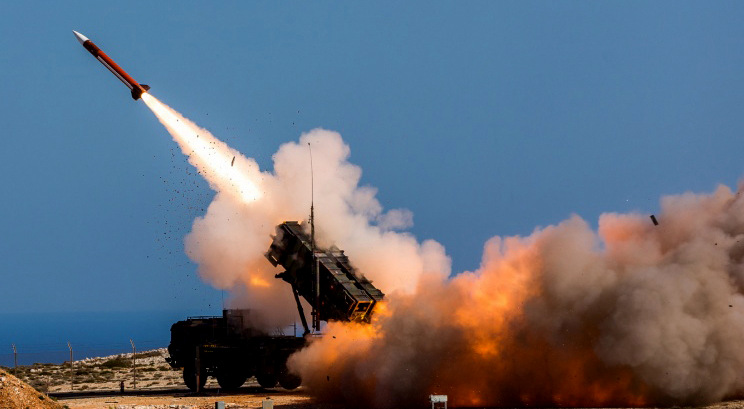
The latest report underscores growing concern within NATO itself over whether weapons intended for Ukraine are actually reaching their destination, as Finland has now moved to audit deliveries amid uncertainty. US Secretary of State Marco Rubio stated that Washington “is not redirecting NATO-purchased weapons for Ukraine to the Middle East,” but notably “stopped short of ruling out the possibility.” At the same time, Donald Trump offered a broader and more revealing explanation, saying the United States is “constantly moving weapons between different parts of the world.”
The question of why NATO is fully committed to Ukraine yet far more restrained when it comes to Iran is a window into how modern geopolitics actually functions beneath the surface. What you are witnessing is not about morality, democracy, or even alliances in the traditional sense. It is about capital flows, regional control, and the strategic priorities of those directing policy behind the curtain.
From everything I have written over the years, the war in Ukraine has always been about Europe, not Russia. The objective has been to isolate Russia economically while simultaneously forcing Europe into dependency. By cutting off Russian energy and pushing sanctions, the EU effectively destroyed its own industrial base. Capital began to flee Europe and flow into the United States. That was the real outcome. The war became a mechanism to redirect capital flows, and that is why NATO is “all in.” Ukraine is the lever being used to reshape Europe.
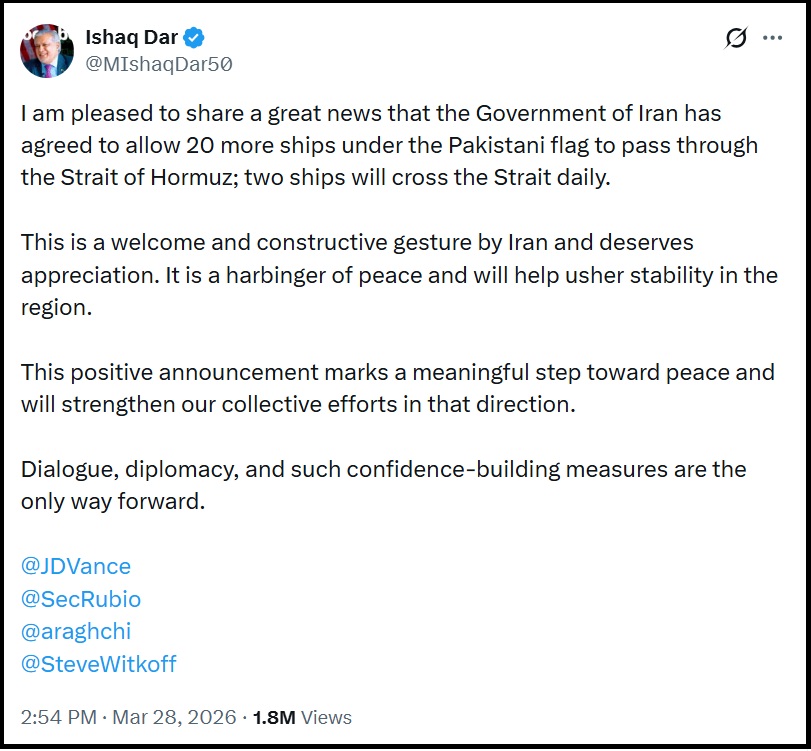
Iran is a completely different equation. A direct, unified NATO engagement against Iran would risk destabilizing the entire Middle East in a way that cannot be contained. You are dealing with the Strait of Hormuz, through which a significant portion of global oil flows. Any escalation there immediately impacts energy prices worldwide and risks triggering a broader regional war involving multiple actors. This is not Ukraine, where the conflict can be geographically contained. This is a choke point for the global economy.
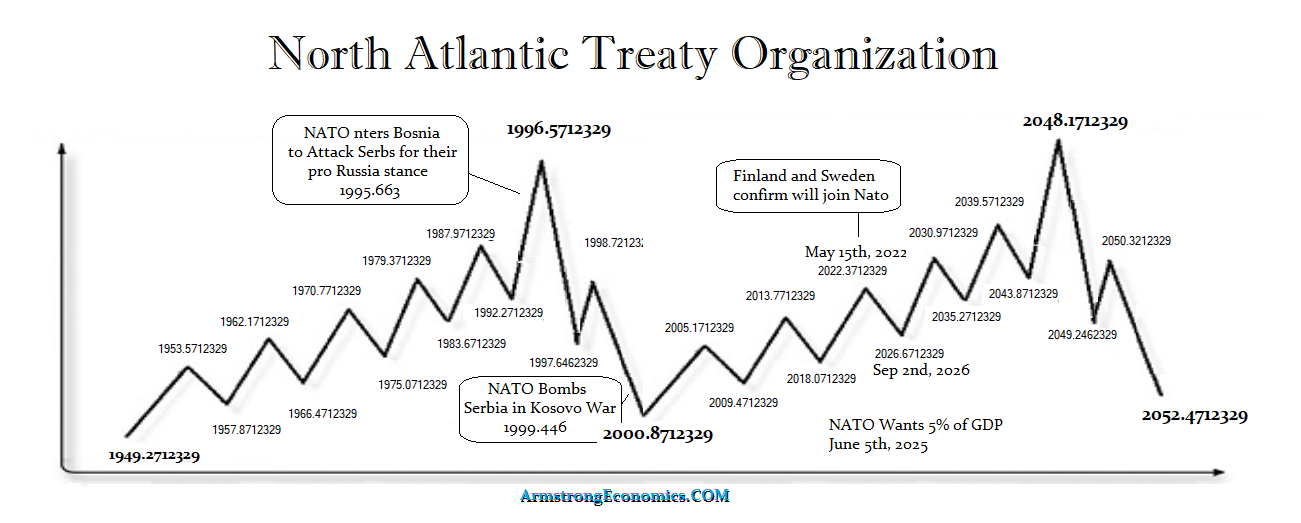
Historically, NATO has always been strongest when operating within a clearly defined regional framework tied to Europe. Ukraine fits that model. Iran does not. Iran sits at the crossroads of competing interests involving not just the West, but also China, Russia, and regional powers. A unified NATO front against Iran would risk fracturing the alliance itself, particularly as Europe is already under severe economic strain. They simply do not have the capacity to sustain another major conflict.
There is also the issue of public tolerance. Europe can justify its involvement in Ukraine under the narrative of defending its borders and countering Russia. That argument resonates politically within NATO countries. Iran does not present the same narrative framework. A direct war with Iran would be far more difficult to sell domestically, especially given the economic consequences that would follow.
But the real underlying factor, as I have consistently explained, is confidence. The global system is being held together by confidence in governments, currencies, and institutions. Ukraine has been used as a controlled conflict to manage that system, to justify spending, to redirect capital, and to consolidate political power. Iran represents an uncontrolled variable.
Finnish Defense Minister Antti Häkkänen reinforced Europe’s role in undying support for Ukraine. “What has been promised to Ukraine must reach Ukraine,” Häkkänen stated. “We constantly assess how funds are being spent, and we believe the mechanism works. Of course, if problems arise, we will have to review this.”
Despite decades of the United States funding and effectively underwriting NATO’s military power, Europe has largely refused to join direct offensive operations against Iran. President Trump openly criticized NATO allies for failing what he called a “loyalty test,” pointing out that after trillions spent defending Europe, the alliance was “not there” when the United States needed support in the Middle East. The response from Europe has shown that NATO is not united.
This is where the future of NATO itself comes into question. If the United States continues to shoulder the financial burden while Europe selectively participates only when it serves its own interests, then the entire premise of the alliance begins to break down. Trump has already made it clear that alliances must provide tangible benefits, not just political symbolism. If Washington concludes that NATO is no longer a mutual defense pact but a one-sided obligation, then the pressure to reassess or even exit will intensify. Alliances do not collapse overnight, they erode when confidence disappears and when one side no longer sees value in maintaining the relationship. Should that realization take hold in the United States, the possibility of stepping back from NATO is no longer unthinkable.
Posted originally on Mar 30, 2026 by Martin Armstrong |
Virginia is allowing 22-year-old grown men, illegal migrants who don’t speak English, to enroll in public high school with your 14- and 15-year-old daughters. Mind you, American kids get booted at 20.
Reports emerging out of Virginia confirm that migrants, including those in the country illegally, are being allowed to remain in high schools up to the age of 22, placing adult individuals into classrooms with minors. What is being justified under the banner of “education access” has effectively created a loophole where grown adults can legally sit alongside teenage students. Yet another example of Democrats prioritizing open borders above all else.
We now have a situation where individuals far beyond what any reasonable person would define as “school age” are being kept inside high schools, funded by taxpayers, and justified under a complete distortion of the law. The 1982 Supreme Court decision was meant to ensure that children, not adults, would not be denied a basic education. It was about minors, about protecting kids, not opening the door for fully grown adults to sit in classrooms with 13- and 14-year-olds. Yet that is exactly what this has become. Virginia Code § 22.1-5 was intended to help non-English-speaking students integrate. Meanwhile, American youth legally must leave public school by the age of 20, or an extra two years after traditional graduation. Policymakers have twisted a child-protection measure into a loophole that now places adult migrants, including those here illegally, into environments designed for minors. You now have 12-year-olds sitting in classrooms alongside adult men from entirely different backgrounds and cultures, and we are told this is normal. It is not. This is a fundamental breakdown in the purpose of the law and a reckless abandonment of the very students it was meant to protect.
Virginia Code § 22.1-5(D) explicitly states: “School boards may accept and provide programs for students for whom English is a second language who entered school in Virginia for the first time after reaching their twelfth birthday, and who have not reached 22 years of age on or before August 1 of the school year. No tuition shall be charged such students, if state funding is provided for such programs.”
What could go wrong? In Fairfax County, a 19-year-old migrant has been accused of sexually assaulting multiple female classmates. These young girls were assaulted in the confines of their school, a place that should be a safe haven. Our children are no longer protected by the law. In fact, this new legislation outright puts children in danger and denies students the ability to learn in a safe environment. Even unvetted migrants who do not have proper documentation are permitted to attend high school in Virginia so long as they claim to be under 22. Any grown, able-bodied, working-age man can now collect government benefits under the guise of desiring a high school diploma.
Virginia lawmakers are actively moving to codify policies that ensure access to public education regardless of immigration status. The state receives funding for ESL programs, and open border policies are emboldened. Despite the molestation charges and obvious risks, lawmakers in Virginia are not concerned about the safety of children.
Parents cannot pick up their children from school without presenting proper ID and signing waivers. They cannot even walk inside the school without going directly to the main office where they are vetted. Now, schools are being asked to simply accept stated ages and backgrounds at face value while permitting ANY semi-youthful presenting individual to attend classes. You are effectively placing unverified adults into daily contact with minors and hoping nothing goes wrong. These migrant students will likely be older than the teachers in many classrooms. No serious institution would operate this way, yet this is now being normalized by the far-left who are using children as political social experiments.
Schools are supposed to be controlled environments where minors learn among peers. Now, children will be placed in proximity to adults whose backgrounds, histories, and intentions are completely unknown. No parent sends their child to school expecting that the system has quietly redefined who belongs in that environment. The Democrats are effectively weaponizing public schools, endangering children, and forcing taxpayers to foot the bill. What horrors must occur before this law is repealed?
Parents send their children to school under the assumption that it is a controlled, safe environment. You cannot maintain a functioning society if people no longer trust its institutions to provide basic safety.
Posted originally on Mar 30, 2026 by Martin Armstrong |
What Iran is doing right now is something we have seen repeatedly throughout history whenever a currency begins to die. Governments start issuing larger and larger banknotes because the existing denominations no longer function in daily life. This took place in the Weimar Republic hyperinflation, where trillion-mark notes were printed, and again in Zimbabwe hyperinflation, where 100 trillion dollar notes became commonplace. The pattern is always the same. The currency loses purchasing power, prices rise uncontrollably, and instead of fixing the underlying problem, governments simply add more zeros. Iran introducing a 10 million rial note is the same historical signal that the currency is worthless.
The introduction of a 10 million rial banknote, now the highest denomination in the country’s history, is being presented as a practical measure to “facilitate transactions.” In reality, it is an admission that the currency itself has failed. When a nation must print larger and larger notes just to keep commerce functioning, that is not stability, it is a monetary breakdown.
The new 10 million rial note is reportedly worth roughly $7 USD at current exchange rates. A “million” denomination has become meaningless. People no longer think in terms of value but in terms of survival. The numbers grow larger, but purchasing power collapses.
The reality on the ground confirms this collapse in confidence. The Iranian rial is now trading around 1.4 to 1.6 million per US dollar on the open market, levels that reflect a dramatic erosion in trust. At the time of the 1979 revolution, the exchange rate was roughly 70 rials per dollar, meaning the currency has lost tens of thousands of times its value over time. Even in the past year alone, the decline has accelerated, showing that this is not a slow deterioration but a rapid phase of collapse.
Official figures place inflation near 48–50%, with food prices rising even faster. This is where the destruction becomes visible to the average person. Prices rise faster than wages, savings are wiped out, and the middle class disappears. When you combine a collapsing currency with inflation approaching 50%, what you are really seeing is purchasing power being annihilated. People are not becoming poorer because they earn less. They are becoming poorer because their money no longer holds value.
What is even more telling is the government’s response. Before introducing the 10 million note, they rolled out a 5 million rial note worth only a few dollars. First, the denominations increase incrementally, then they accelerate as confidence disappears. These are all clear signs of a failed currency.
There have long been reports of people rushing to withdraw cash, fearing further currency weakness and potential restrictions. The public knows their currency is worthless. People have withdrawn whatever they could, spent it quickly, or converted it into hard assets or foreign currency.
The underlying cause here is not mysterious. Iran has been financing deficits through money creation for years while facing sanctions and internal corruption. This combination destroys confidence in both the government and the currency. Printing money does not create wealth. It simply dilutes what already exists.
When governments lose control of their finances, they always turn to the printing press. But printing money does not solve the problem. The introduction of a 10 million rial note is not a solution. It is a symptom. Iran is now in a phase where the currency is no longer trusted, and the entire economic system is at risk.
Posted originally on CTH on March 29, 2026 | sundance |
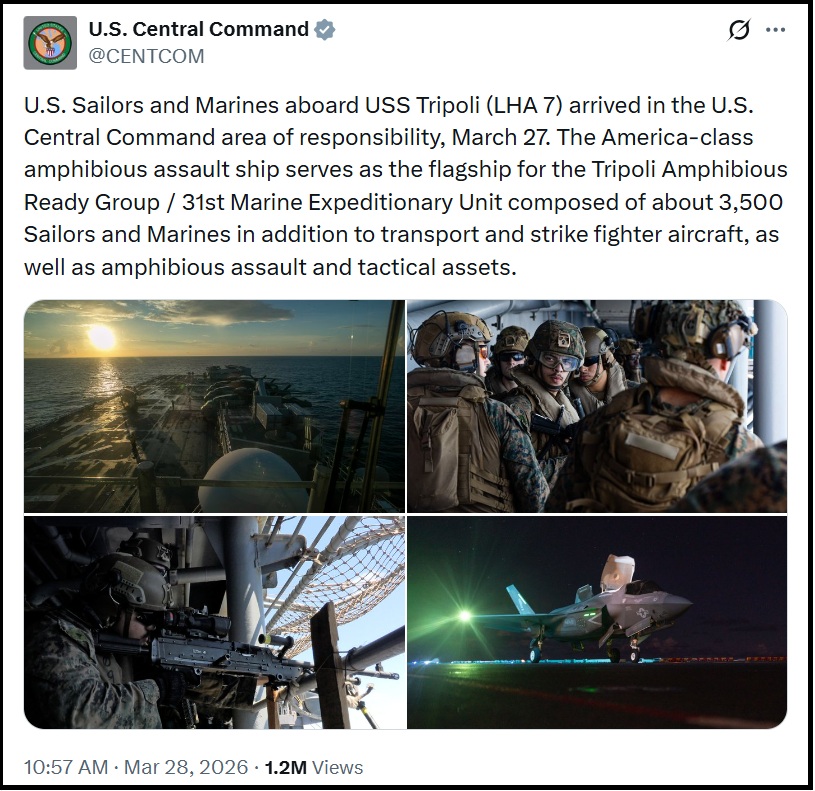
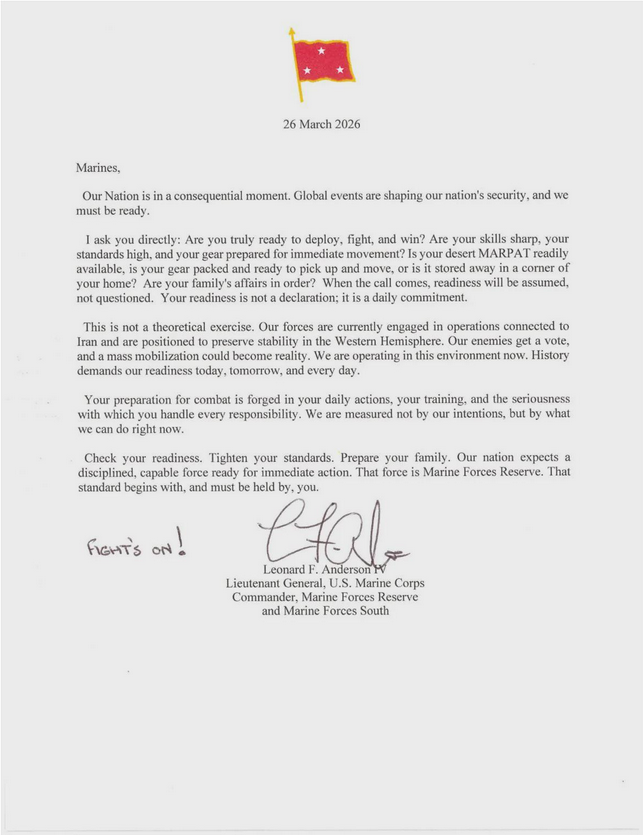
As the ongoing Operation Epic Fury military engagement continues, CENTCOM announces the arrival of 3.500 Marines from the 31st Marine Expeditionary Unit into forward position.
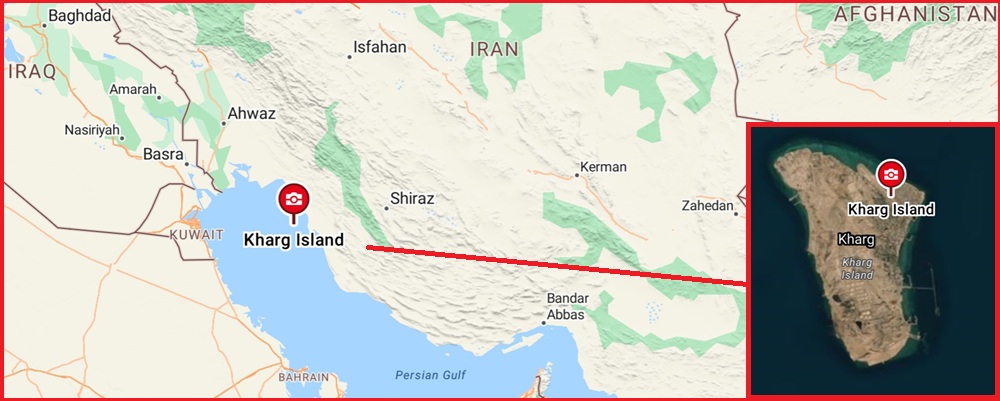
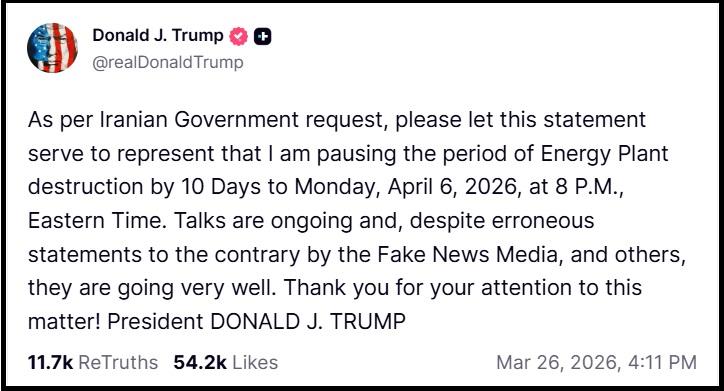
As negotiations with Iranian leadership are reported to be ongoing, it would appear that options are now present for President Trump to make a decision on the potential seizure of Kharg Island, a crucial oil export hub off Iran’s coast.
(Via Wall Street Journal) – The Pentagon is looking at sending up to 10,000 additional ground troops to the Middle East to give President Trump more military options even as he weighs peace talks with Tehran, Department of Defense officials with knowledge of the planning said.
The force, which would likely include infantry and armored vehicles, would be added to the roughly 5,000 Marines and the thousands of paratroopers from the 82nd Airborne Division who have already been ordered to the region.
It is unclear where precisely forces will go in the Middle East, but they will likely be within striking distance of Iran and Kharg Island, a crucial oil export hub off Iran’s coast.
Trump has repeatedly said he will open the Strait of Hormuz, with or without the help of U.S. allies. (read more)
Posted originally on CTH on March 29, 2026 | sundance
The video will likely be downloaded upon arrival in DC, for now the audio of the interview is available. President Trump speaks to media aboard Airforce One as he travels to Washington, DC. AUDIO BELOW:
Posted originally on CTH on March 29, 2026 | sundance
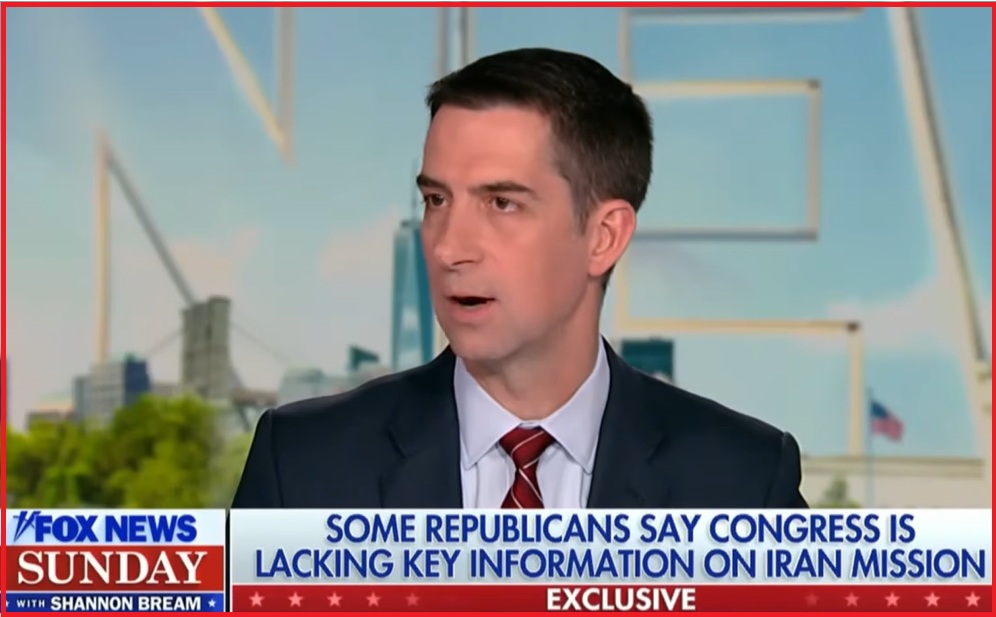
Senator Tom Cotton is the Chairman of the Senate Select Committee on Intelligence (SSCI), and in that position Cotton is an intelligence Gang of Eight member who receives regular updates and briefings at essentially the same level as the President.
Senator Cotton states that from everything he has seen and been briefed about, Operation Epic Fury continues to proceed on a timeline that he feels is confident to accomplish the task in weeks, not months. WATCH:
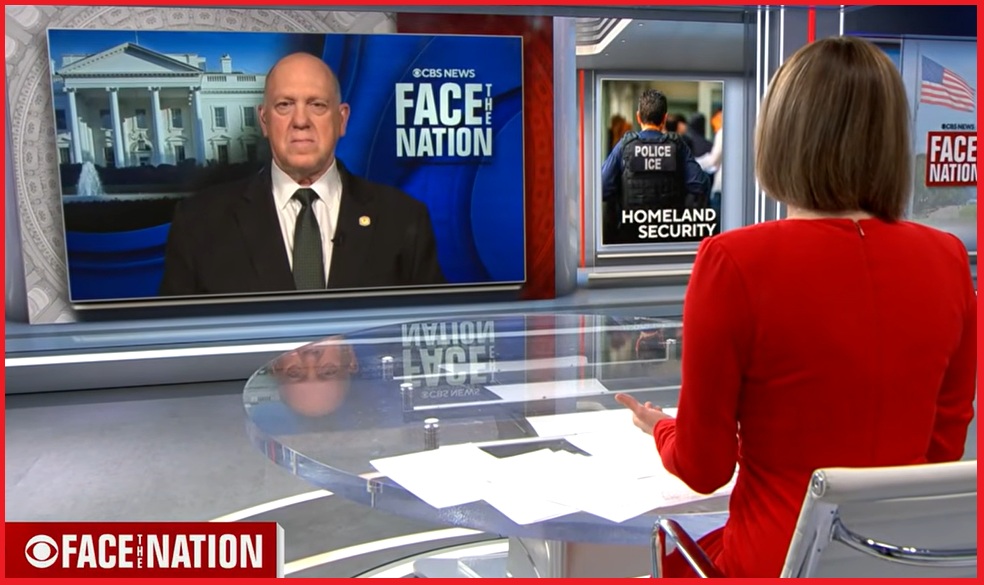
Border Czar Tom Homan appears on CBS Face the Nation to discuss the current impasse as Democrat and Republican Politicians have left Washington DC for a two-week vacation without funding the Dept of Homeland Security (DHS).
[Transcript] – MARGARET BRENNAN: We begin with White House Border Czar Tom Homan, who was tasked by the president to help oversee ICE efforts following the killings of Renee Good and Alex Pretti earlier this year out in Minneapolis. Good morning to you, sir.
TOM HOMAN: Good morning.
MARGARET BRENNAN: So Congress is gone until mid-April. Will the president compel them to come back and sort this out?
HOMAN: Well, look, I hope so. I mean, they got to- they got to fund the Department of Homeland Security. Again, we’re talking about the Department of Homeland Security, and we’re in an increased threat posture right now because what’s going on in the world, we’ve got to keep this country safe, which means we got to we got to fund the members of the Coast Guard and, and CISA and- and Secret Service and all these other agencies within the Department of Homeland Security. I know the president found a way to pay TSA workers so we can get the American public through those lines and he also came up with the idea of sending ICE agents to the airport, which has had an impact. So we just need to get the department funded. They want to talk about, you know, immigration policies. We can talk about that. But, why do you got to hold the rest of the DHS hostage to do that? Let’s sit down and talk. I’ve been talking to them for the last two weeks.
MARGARET BRENNAN: Yeah, but just to be clear, the president is not forcing lawmakers to come back to Washington now. He’s going to wait until mid-April to do this?
HOMAN: Look- and the American people hold Congress responsible. They’re on vacation right now while tens of thousands of DHS employees aren’t being paid —
(CROSSTALK)
MARGARET BRENNAN: — Right. But Republicans control both chambers –
HOMAN: — And that’s what happened at the airports —
MARGARET BRENNAN: — That’s the- this is the president’s party.
(CROSSTALK ENDS)
HOMAN: The Democrats shut, the Democrats shut down DHS. They voted to shut down DHS because they simply won’t fund DHS, because they want to change ICE policies, so ICE is less effective in the interior. Remember why we’re here. We’re here because the last four years of an open border, millions of people are in this country illegally, many public safety threats, national security threats, and we’re out seeking them and arresting them. And they simply don’t like ICE enforcing the law.
(CROSSTALK)
MARGARET BRENNAN: — Well
HOMAN: They proved that the last four years.
MARGARET BRENNAN: — The bill that —
HOMAN: — They didn’t – let ICE enforce the law.
(CROSSTALK ENDS)
MARGARET BRENNAN: – The bill that passed the Senate was bipartisan, and it did have a lot of the funding for the agencies you just laid out there. The issue was specific to parts of ICE, but- but it seems like the White House really didn’t force your party to get in line here, because that Republican controlled Senate did pass a funding bill. The White House didn’t get the House of Representatives leadership on board with that. In fact, the Speaker, Mike Johnson, said that bill was a joke. Why wasn’t the White House able to get both parties- both heads of the party, the president controls on the same page?
HOMAN: Look, I’ve been up on the hill. I’ve been in these meetings. I’ve met with lawmakers from both sides. This isn’t a White House issue. This is the Democrats shutting down the Department of Homeland Security.
(CROSSTALK)
MARGARET BRENNAN: — So did you support the Republican bill in the Senate that passed?
HOMAN: — I’ve been in these meetings, they, they —
(CROSSTALK ENDS)
HOMAN: I support Congress opening up the entire government, the entire DHS, and not holding people in DHS hostage because they don’t like–
(CROSSTALK)
MARGARET BRENNAN: — So no.
HOMAN: — immigration enforcement.
MARGARET BRENNAN: — You weren’t onboard with the Senate bill?
HOMAN: — I support opening up the entire government, I’m with the president.
MARGARET BRENNAN: Okay. Well —
HOMAN: — I missed that. Say that again, ma’am.
(CROSSTALK ENDS)
MARGARET BRENNAN: So you were not in favor of the bill that passed the Senate, which the Republican leaders I got it–
HOMAN: — I support the president of the United States in getting DHS fully funded and operating.
MARGARET BRENNAN: Okay, so tell me- so the President did direct DHS to use other pots of emergency cash to pay these TSA officers, and they’re supposed to receive paychecks as early as tomorrow. Does that mean that the system is going to become unclogged. Do they actually have to show up to work to get paid?
HOMAN: Yeah, I think it’s certainly going to help, because TSA agents have left the job because they got it, you know, whether it’s driving Ubers or finding other jobs so that- so they can feed their families and pay the rent. So I’m hoping with this- this change that President Trump put in place with- was with Secretary Markwayne Mullen, that more will come back to work. Until then, ICE will remain in airports to take those jobs that to secure the airport and check- check identification and check exit lanes where people enter to exit. To do the jobs that don’t require the enhanced TSA screening so we can get more TSA screeners on the X-ray machines, to open up more lanes, so ice is there to do the job, to get TSA screeners back to the line, and hopefully open more lines, get the American public through the airport.
MARGARET BRENNAN: Okay. Well, there’s like, 500 TSA officers who have quit. Do you expect to be able to rehire them, and we have some big events like the World Cup coming up in June. Are we going to have problems at airports for the foreseeable future?
HOMAN: Look, we’re going to continue a nice presence there, and until the airports feel like they’re in- they’re in 100% you know, in a posture where they can do no normal operations. If less TSA agents come back, that means we’ll keep more ICE agents there. The President has been clear. He wants to secure those airports, especially, as I said earlier, in an increased threat posture, we need to secure those airports. ICE is there to help our brothers and sisters in TSA. We’ll be there as long as they need us, until they get back to normal operations and feel like those airports are secure.
MARGARET BRENNAN: Okay, so the- you referenced some of this earlier, the reason that we got to this political standoff is because of the differences between Democrats and Republicans on the policy part of this. And back in January, those two Americans, Renee Good and Alex Pretti, were shot during immigration actions. Democrats point to that and say this is why they need to force change. We saw that letter you signed, and in it you were very willing. You told lawmakers to expand the use of body cameras to limit enforcement activities at locations like schools and hospitals and require officers to identify themselves. So if you’re willing to make those changes, what’s the harm in legislating them?
(CROSSTALK)
HOMAN: We already made those changes. We already made those changes. You–
MARGARET BRENNAN: But why not put them in law then? If you’re–
(CROSSTALK ENDS)
HOMAN: Matter of fact. Matter of fact. The bill- the bill- the bill they’re holding up right now actually gives $120 million to buy more cameras. I’ve already talked to them. They want to- they want to, you know, talk about policy and legislative policy. Look, if they want to change the law, change the law. We’re enforcing laws they enacted. Because I told them–
MARGARET BRENNAN: Well, they are trying to write new law.
HOMAN: Name- No, give me- give me one instance. And there’s not one Democratic lawmaker that can give me one example. One. A single one, where ICE arrested an illegal alien inside of a hospital. When have we ever arrested an illegal alien inside of a church? The only one that violated the sanctuary of a church was Don Lemon and that group. You know, we- we have not made those arrests, and even though we don’t have a sensible location policy, the men and women of ICE have common sense. They don’t go into schools. You know- not- not- I want to make a caveat here. If you’re a significant public safety threat and national security threat, you have no sanctuary. But they- they can’t point to one instance where ICE has made arrests in those what they call sensible locations.
MARGARET BRENNAN: Well, but there was a policy change in January 2025 where the Trump administration said they weren’t going to be, you know, have their hands tied in terms of those sensitive locations. So- so that was a shift.
HOMAN: Because- because- because, as I said, a significant public safety threat or national security threat does not have a sanctuary in this country. We’re going to find them. We’re going to arrest them. However, you can’t point to one instance when we actually went into a church and school because we try very hard to wait for people to leave places. We wait for them. We arrest them in their home or arrest them in their community. We try very hard not to go into those sensitive locations because we know there’s an issue there. So that’s what I’ve been telling the members on the Hill. As far as body cameras, the first thing I did in Minneapolis is bring many body cameras there so everybody had a body camera. There is a plan in place right now for CBP and ICE to go body cameras across the entire agency. However, the money to do that is sitting with the Congress fighting over the shutdown.
MARGARET BRENNAN: Okay. Well, one of the policy changes has to do with warrants, requiring specifically ICE to secure a judicial warrant from a judge before entering a home to make an arrest. And that would be a change to the current ICE policy of relying on some administrative warrants. Listen to the DHS secretary during his confirmation hearing.
(START SOUND ON TAPE)
HOMELAND SECURITY SECRETARY MARKWAYNE MULLIN: I said, we will not enter a home or a place of business without a judicial warrant, unless we’re pursuing the individual that runs into a place of business or a residence- or a- or a house.
(END SOUND ON TAPE)
MARGARET BRENNAN: So the Secretary agreed to that change. When does that take place?
HOMAN: I- I think we’re already in discussions on that. You know, there are certain sections of law on a Section I-205, where it’s legally- you are illegally able to enter a home and a district court has- has upheld that. But these are discussions we’re having right now. I’m talking- I talk to Secretary Markwayne Mullin every day, several times a day. We’re talking with members of the White House. We’re already working all these policies, not really policy and how we- it’s about execution. Again, the laws are the laws. If they don’t like the law to allow us entry into the home, then change the law. But it’s also they want an arrest warrant to just arrest an illegal alien. There’s nothing in federal law says that. Matter of fact, the law that Congress wrote says you can arrest an illegal alien with an administrative warrant. That’s what the federal statute says. Again, but they want- they want judicial warrants just to arrest an illegal alien. They’re asking for changes in policy. That’s really about changes in the law. Again, if they don’t like what ICE is doing, they can change the law. It’s that simple.
MARGARET BRENNAN: Well, I appreciate your argument about changing the law. There are many who would like to but there’s also the question of interpretation of existing law, and the acting ICE Director, Todd Lyons, had sent a memo in May saying: “DHS counsel reinterpreted existing law to allow for agents to make arrests without a judicial warrant.” When we heard the new secretary say they won’t enter without a judicial warrant- was Secretary Mullin stating the current policy? Are you changing the Trump policy going forward from where it was in May?
HOMAN: I’m not going to speak for Secretary Mullin, but I think it was clear he’s looking at he wasn’t the Secretary made that statement. I think he’s looking forward. But one of the first things I did, I’ve asked for a full legal review on that reinterpretation. I want to know exactly what I’m- not, I’m not a lawyer, but I’ve asked DOJ to do a full review on that, and we’ll see where it comes. But I think Secretary Mullin meant what he said. I think he is looking for the future.
MARGARET BRENNAN: Well, we will see where they land. Mr. Homan, thank you very much for your time this morning. Face the issue. Will be back in a minute. Stay with us.
Posted originally on CTH on March 29, 2026 | sundance
For the first time in centuries, the Catholic mass at the Church of the Holy Sepulchre in Jerusalem commemorating Palm Sunday, was stopped as a result of security concerns. Palm Sunday commemorates Jesus’ triumphant entry into Jerusalem and launches the Holy Week commemorations for Christians which culminates in Easter.
Pope Leo XIV, at the end of Palm Sunday Mass in St. Peter’s Square, prayed for all Christians in the Middle East who he said were living through an “atrocious” conflict. He said that “in many cases, they cannot live fully the rites of these holy days.” (source)
Luke 19: 28-40 The Entry into Jerusalem.
Jesus proceeded on his journey up to Jerusalem.
As he drew near to Bethphage and Bethany at the place called the Mount of Olives, he sent two of his disciples.
He said, “Go into the village opposite you, and as you enter it you will find a colt tethered on which no one has ever sat. Untie it and bring it here. And if anyone should ask you, ‘Why are you untying it?’ you will answer, ‘The Master has need of it.’”
So those who had been sent went off and found everything just as he had told them. And as they were untying the colt, its owners said to them, “Why are you untying this colt?” They answered, “The Master has need of it.”
So, they brought it to Jesus, threw their cloaks over the colt, and helped Jesus to mount.
As he rode along, the people were spreading their cloaks on the road; and now as he was approaching the slope of the Mount of Olives, the whole multitude of his disciples began to praise God aloud with joy for all the mighty deeds they had seen.
They proclaimed: “Blessed is the king who comes in the name of the Lord. Peace in heaven and glory in the highest.”
Some of the Pharisees in the crowd said to him, “Teacher, rebuke your disciples.” He said in reply, “I tell you, if they keep silent, the stones will cry out!”
I have created this site to help people have fun in the kitchen. I write about enjoying life both in and out of my kitchen. Life is short! Make the most of it and enjoy!
This is a library of News Events not reported by the Main Stream Media documenting & connecting the dots on How the Obama Marxist Liberal agenda is destroying America