UK to Monitor Citizens’ Emotions through CCTV Footage


Posted originally on Dec 15, 2025 by Martin Armstrong |  

CCTV.UK_.Surveillance

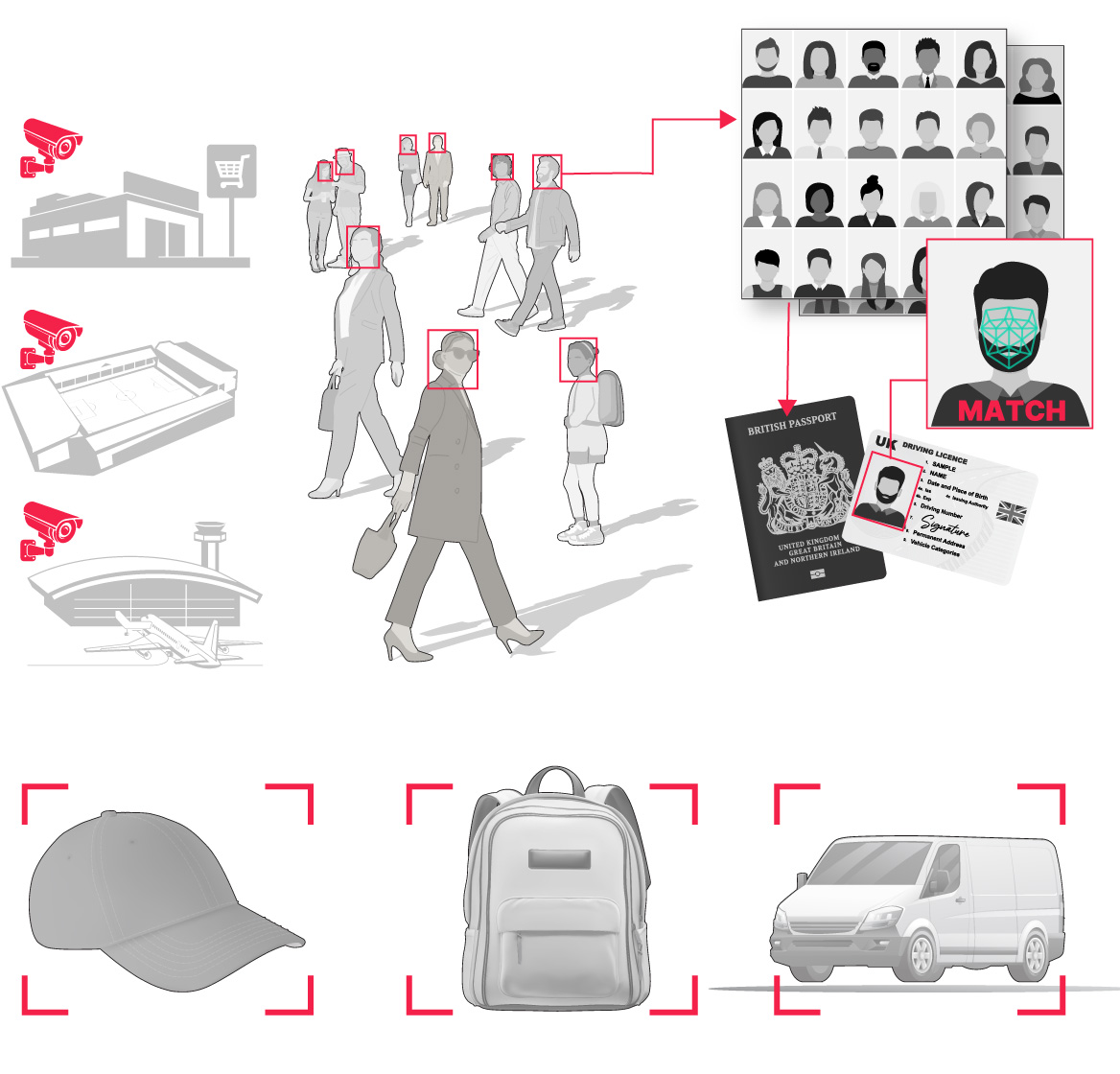
Your speech and social media usage could land you in jail in the United Kingdom, but now, authorities will be monitoring your emotions. Technology has enabled nations to become increasingly Draconian, with eerily detailed information available to government agencies at all times. Residents around the UK are well aware of the CCTV cameras monitoring their every move. The Home Office would now like to use that footage to monitor civilian behavior and facial expression to identify criminals.

The technology may be employed at known suicide hot spots to identify anyone who may seem distressed. Yet, the example was merely discussed as it is the most palatable. Facial recognition technology will be cross-referenced with mugshots in the national crime database. Everyone is a potential criminal—your face and likeness exist within a government database, and your file is ever-expanding.

Ministers would like police to have full access to citizens’ information, from passports to drivers’ licenses, that will be stored in a centralized database. There’s no need to ask for identification since the authorities will already know who you are before approaching you. These cameras will identify the clothes you wear, hats, bags, accessories, and of course, your vehicles.

Crime and Policing Minister Sarah Jones said, “Confident, safe, and consistent use of facial recognition and similar technologies at significantly greater scale requires a more specific legal framework. This will ensure law enforcement can properly harness the power of this technology whilst maintaining public confidence.” I highly doubt this move will “maintain public confidence,” instead, citizens will undoubtedly know that the government sees them as a potential threat and their guards must be up at all times.

The Association of Police and Crime Commissioners asked for access to doorbell cameras and body cameras when crime scenes are searched, even if that occurs in a private domicile. “’These technologies are increasingly invasive and sophisticated. If they are to gain the trust and support of the public… they require robust and independent assessment prior to deployment, meaningful oversight and accountability to the public when things go wrong,” the agency commented.

There has not been an instance in history when increased government surveillance led to a safer or happier nation. Governments are desperate and see control and confidence fading from their grip. The West will become increasingly Draconian as we move through this private wave because they believe the people are responsible for their crises.

Governments to Begin Collecting DNA at BIRTH


Posted originally on Nov 20, 2025 by Martin Armstrong |  

Birthing Person

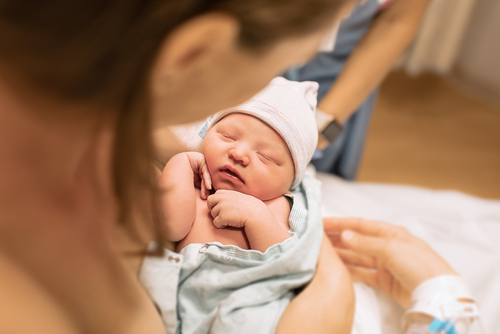
El Salvador passed a law that requires newborns to submit their DNA to a government-wide database. President Nayib Bukele claims genetic verification is necessary to ensure the paternity of the child. “This is not a law against women, but against lies: there will be no more fathers raising children who are not their own,” the president declared. Yet, this initiative has become global. Of course, the majority of governments will not label these initiatives as DNA collection.

England’s NHA will offer whole-genome sequencing to every newborn beginning in 2026. The initiative is part of a 10-year “Generation Study” pilot program that aims to have every baby’s DNA sequenced at birth. The government claims that the data will be used to assess health risks and enable early preventative care.

The NHS will use blood or umbilical cord samples to collect data that will then be handed over to the government’s AI software that identifies disease risk. Everyone’s individual DNA genome will be analyzed and stores by the government. The National Genomic Research Library plans to use this data for future research.

The US conducts a heel prick test at birth as well to test for genetic defects. Parental consent is not required as it is considered standard care. A few states do permit parents to opt-out of this testing on religious grounds. However, the US has not stated that would be compiling a database to store biometric data.

Italy, Spain, Australia, India, Israel, and most developed countries perform some form of blood testing at birth, but that data was never collected and stored by the government until now. Governments will say that advanced technology is allowing scientists to study genetic conditions to ensure the optimal health of the nation. No one agreed to be part of a study or to permit the government to collect their child’s health information. Governments are labeling children as their own from the moment they enter the world. Unique data on every human born within the health care system will be permanently stored and used as governments see fit.

US Collecting Biometric Data for Canadian Visitors


Posted originally on Nov 19, 2025 by Martin Armstrong |  

biometricData

Governments use national security as the premise for increased surveillance. Due to a law passed in April, Canadians visiting the US must submit biometric data in order to enter the US if they wish to stay longer than 29 days. Beginning next month, everyone will be forced to submit their data to the government. We heard from a Canadian WEC guest who was taken aback when asked to submit these forms, as it was not required last year.

The Canadian government may issue an I-94 electronic record to air passengers ahead of arrival if you plan on an extended stay. Visit the US Customs and Border website to determine if you have an I-94 form on file. This form should be valid for the next six months. The rules are a bit stricter for those driving across the border, but it is possible to pre-apply online to avoid waiting at the border. For either method, the US government will require fingerprints and a photograph that will be kept on file.

Those kicking off snowbird season at the start of the conference may have the ability to register with the U.S. Citizenship and Immigration Services (USCIS) by filling out an online form called G-325R. You must provide your US address but this is the only method to avoid submitting biometric data. If you stay in the US for more than 29 days, you will need to resubmit this form to avoid submitting your fingerprints and image.

Beginning December 26, Canadians must submit biometric data when entering and exiting the US. “This technology compares your live facial features with the photo in your travel documents to verify your identity, creating a more seamless, secure, and safer travel experience,” Customs and Border Patrol notes on its website. “CBP is leading the way in innovative identity verification through its use of facial biometric comparison technology. This technology compares your live facial features with the photo in your travel documents to verify your identity, creating a more seamless, secure, and safer travel experience.”

Biometric kiosks are appearing at airports across the globe. Not only will your government have your biometric profile, but EVERY nation you visit will soon have your unique profile on file. You can no longer avoid this process by entering the US by land or sea as border agents will simply not let anyone in unless they surrender their data.