
Posted originally on Feb 19, 2026 by Martin Armstrong |
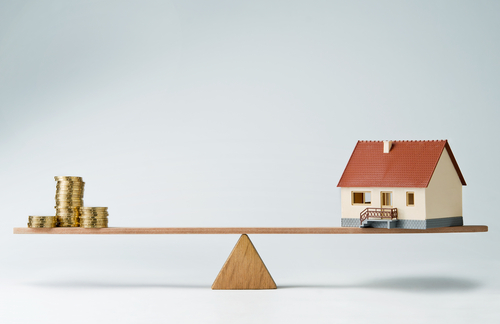
Zillow is now openly acknowledging a shift in the US housing market that most analysts are still refusing to properly interpret. They are framing it as a “trend change” in homebuyer preferences toward smaller, adaptable, and more functional homes rather than large status properties, but this is not a lifestyle trend. It is an economic consequence of declining affordability and a structural shift in purchasing power.
During the peak years of cheap money, the housing market was driven by excess liquidity. Low interest rates inflated asset prices and encouraged buyers to stretch into larger homes, oversized layouts, and high-maintenance properties that projected wealth. Now that mortgage rates remain around 6% instead of the artificially suppressed levels of the pandemic era, the entire psychology of the housing market is changing.
Zillow notes that monthly mortgage payments are already about 8.4% lower than a year ago as rates eased slightly, yet affordability remains constrained. What they are describing as buyers prioritizing “adaptable” and “functional” homes is, in reality, the market adjusting to the end of an artificially inflated cycle. When carrying costs rise from insurance, taxes, maintenance, and utilities, then buyers tend to see big homes as big liabilities.
“Homes featured dramatic two-story foyers, arched doorways, decorative columns and complex rooflines designed to project prosperity from the street,” Zillow wrote. “Listings highlighted formal living rooms and formal dining rooms, spaces reserved for special occasions rather than everyday use. Home theaters were status upgrades: the bigger the screen, the better,” Zillow continued. “Oversize primary suites, Jacuzzi tubs and walk-in closets were must-haves, while energy efficiency and climate resilience were rarely mentioned.”
This fits perfectly with historical real estate cycles I have discussed in my reports and in Real Estate Outlook. Real estate does not crash immediately after a bubble; it transitions into a stagnation phase where prices stabilize, inventory rises, and buyer behavior shifts toward practicality.
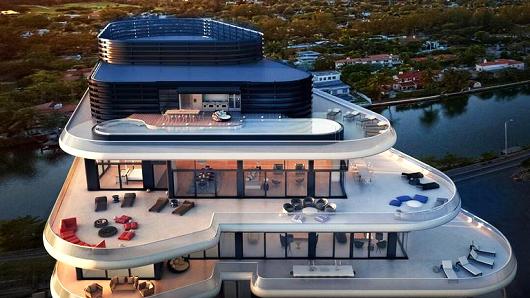
Zillow also expects only modest home value growth in 2026 ,roughly in the low single digits, while mortgage costs still consume a large share of household income. When buyers begin prioritizing resilience, efficiency, and flexibility over luxury, it signals uncertainty about the future.
We must also understand the demographic and economic layer beneath this shift. Millennials and younger buyers are entering the market with significantly higher debt loads, higher insurance costs, and elevated living expenses. Starter homes are less practical. Entering the housing market in general is a stretch for many young potential buyers.
At the same time, older homeowners are locked into low mortgage rates and are reluctant to sell. This creates a supply distortion that keeps prices firm even as demand weakens. That is more of a classic stagnation model rather than a 2008-style collapse.
Zillow’s narrative that homes will become more “intuitive, personal, and adaptable” over the next 20 years is essentially a polite way of saying the era of excess housing consumption is ending. Consumers are concerned that larger purchases will lead to “house poor” finances.
 Centinel2012