
Posted originally on Mar 26, 2026 by Martin Armstrong |
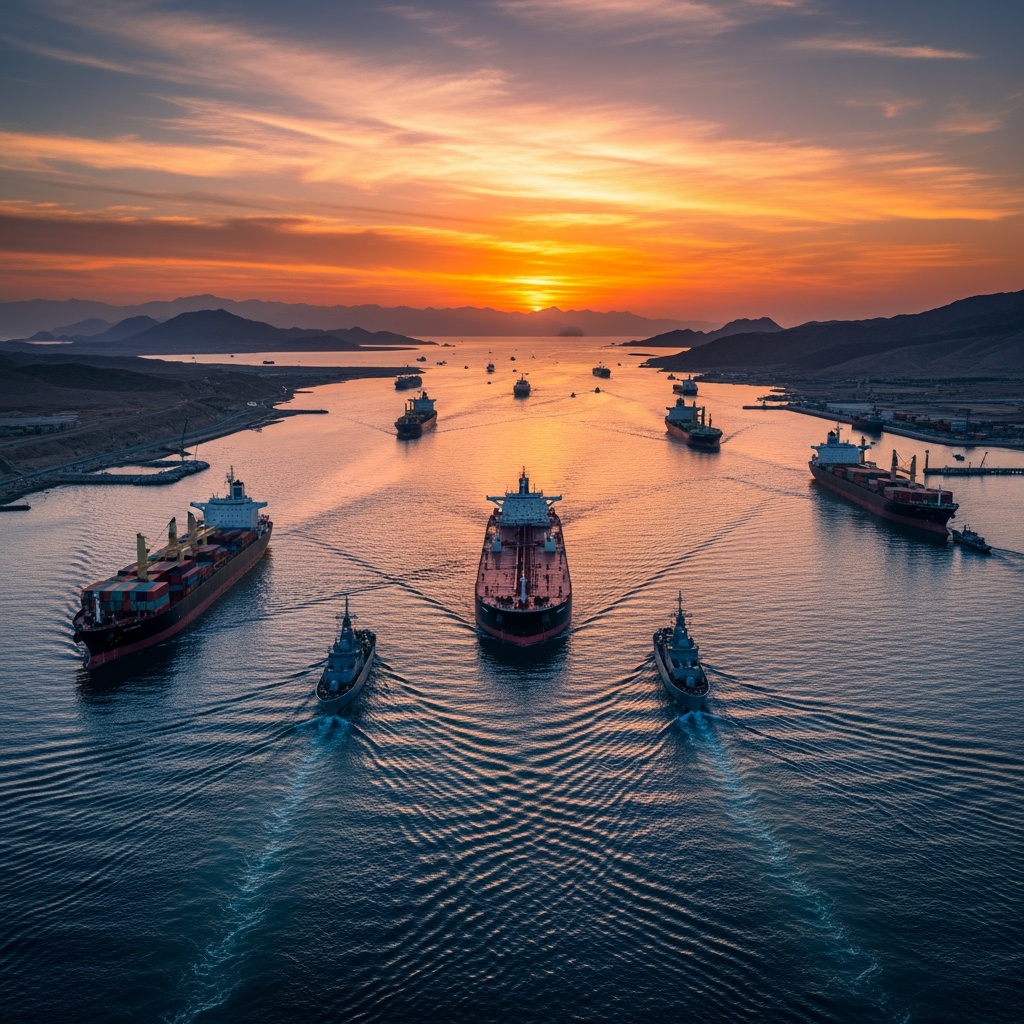
What is taking place in the Strait of Hormuz right now is not simply a disruption to shipping, but a transformation of a natural chokepoint into a political weapon, and this is exactly what history shows always happens when a strategic passage falls under the control of a single power during a period of war.
Iran has now effectively asserted control over the Strait, restricting access, threatening vessels, and even considering or reportedly imposing transit fees on tankers, with some reports indicating charges as high as $2 million per vessel for passage, which turns one of the most critical points of global trade into a toll route under geopolitical control rather than a neutral international waterway.
Roughly 20% the world’s oil supply passes through this narrow channel, along with a substantial portion of global liquefied natural gas, meaning any disruption immediately impacts energy markets, inflation, and ultimately the global economy.
What has unfolded is not just tension but a near shutdown, with ship traffic collapsing, vessels being attacked, insurance costs surging, and many operators refusing to transit altogether due to the risk of drones, mines, and missile strikes, while others only pass under specific conditions approved by Iran, often tied to political alignment.
Iran has made it clear that access is no longer unconditional, stating that only “non-hostile” vessels may pass. This introduces a new dimension in which global trade is filtered through geopolitical loyalty.
Now add the idea of a transit tax and you begin to see the real picture, because this is no longer just about restricting access but monetizing control, turning geography into revenue while simultaneously exerting leverage over nations dependent on energy flows. This is precisely how strategic chokepoints have been used throughout history from the Suez Canal to the Bosporus.
Events of this nature drives volatility, because when a critical supply route becomes unstable, capital begins to shift rapidly into safe havens. Inflationary pressures build, hence why you are seeing immediate reactions across global markets as oil surges and bond yields follow.
The key point is that this is not temporary in the way the press tends to frame it, because once a chokepoint is weaponized, it never fully returns to neutrality, since the precedent has been set that access can be restricted, priced, or controlled based on political conditions, and that permanently alters the risk calculation for global trade.
This also exposes the fragility of the entire system. A single narrow passage can disrupt nearly a fifth of the global energy supply, showing how concentrated and vulnerable the system has become.
Controlling trade routes has always been one of the most powerful tools in geopolitical conflict, and once that tool is actively deployed, it indicates that the situation has moved beyond rhetoric into structural change.
 Centinel2012