
Posted originally on Jul 7, 2026 by Martin Armstrong |
Cuba’s national electrical grid suffered yet another total collapse on July 6, leaving nearly the entire island without electricity. According to the report, the outage began after a failure at the Diezmero substation near Havana triggered a chain reaction that shut down power generation across the country. This marks the fourth nationwide grid collapse in less than a year, underscoring just how fragile Cuba’s electrical infrastructure has become. Authorities estimate nearly 10 million people were affected as engineers once again struggle to restart an electrical system that has become increasingly unstable.
Many immediately blame socialism alone, but the reality is more complicated. Cuba has endured decades of economic isolation, sanctions, fuel shortages, and chronic underinvestment. None of that excuses Havana’s policies, yet pretending that American policy has played no role ignores history. Washington has maintained one of the longest embargo regimes in modern history while successive administrations tightened restrictions on fuel shipments and financial transactions. The result has been an economy unable to obtain the capital, spare parts, and financing necessary to modernize infrastructure that was already decades old.
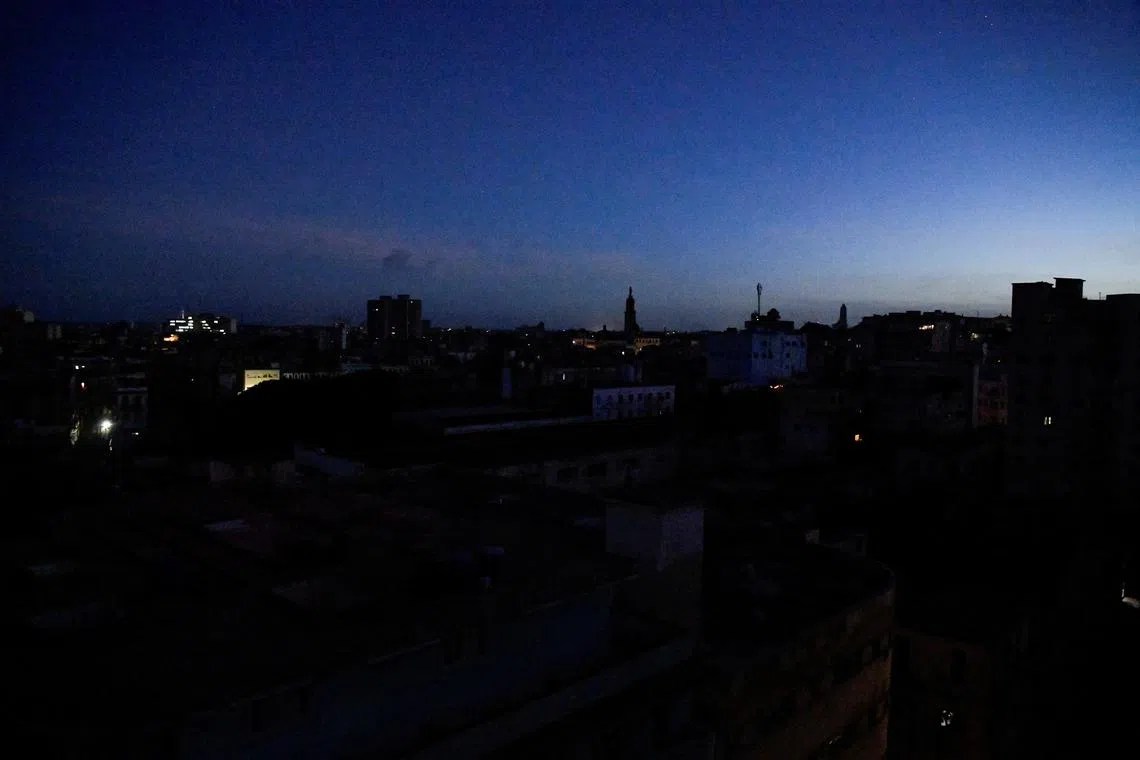
Cuba’s electrical grid has become one of the clearest examples of what happens when infrastructure is sacrificed to politics. Most of the country’s thermoelectric plants were built during the Soviet era and continue operating well beyond their intended lifespan. Mechanical failures have become routine rather than exceptional. The country imports much of its fuel, and when shipments from allies such as Venezuela declined because of their own economic collapse, the entire system became even more vulnerable. You cannot maintain a twentieth-century electrical grid indefinitely without investment. Eventually transformers fail, transmission lines deteriorate, and power stations simply reach the end of their useful lives.
Infrastructure does not suddenly collapse overnight. It deteriorates after years of deferred maintenance, declining investment, and governments that continually choose short-term politics over long-term planning. Whether the system is socialist or capitalist makes little difference if there is no capital available to maintain the foundation upon which the economy depends.
The sovereign debt crisis I have discussed for years ultimately produces exactly these types of failures. Governments borrow to fund current consumption while neglecting productive investment. The public notices little at first because the lights still work. Then one day they do not. Cuba simply reached that point sooner than many others because it lacked access to both capital and reliable energy supplies. Every nation that neglects its infrastructure while diverting resources elsewhere eventually discovers that economic decline begins long before the markets recognize it. The blackout is not the crisis. It is merely the symptom of decades of economic decay.

