
Posted originally on Jul 13, 2026 by Martin Armstrong |
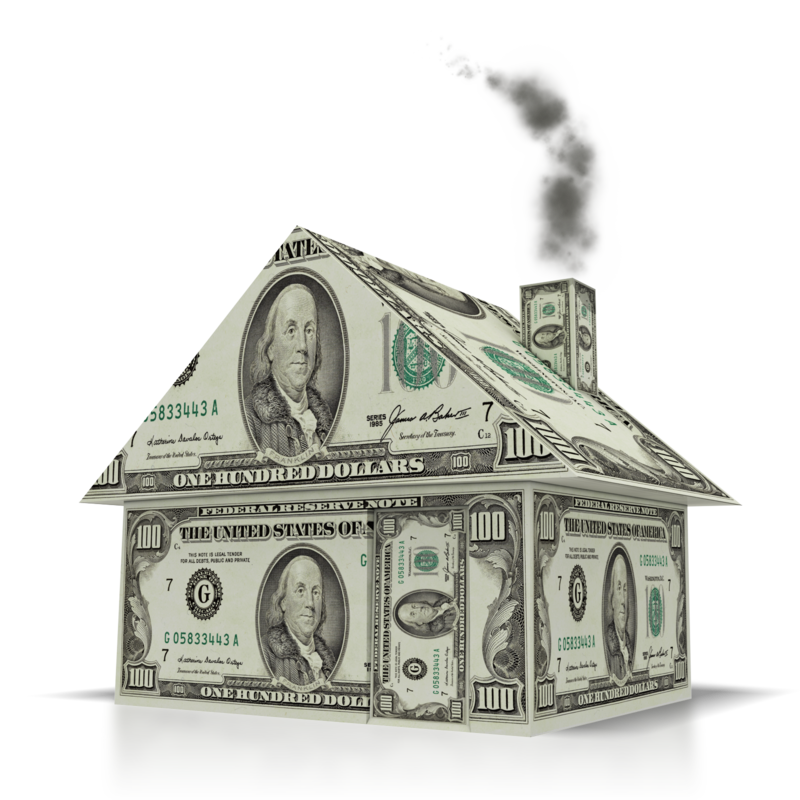
Existing home sales in the US unexpectedly fell 2.4% in June to a seasonally adjusted annual rate of 4.09 million units, missing expectations for a summer increase. At the very same time, the median existing home price reached another all-time record of $440,600, marking the 36th consecutive month of year-over-year price gains. Sales are falling because buyers cannot afford today’s prices, yet prices refuse to break because governments and central banks spent years distorting the market with artificially low interest rates and endless liquidity.
Families who bought before 2022 are sitting on mortgages below 3% and have little incentive to sell. The result is a frozen market where supply remains constrained, buyers cannot qualify, and prices remain historically elevated despite weakening demand.
Governments created this crisis through decades of intervention. They subsidized mortgages, manipulated interest rates, expanded sovereign debt, and encouraged speculation. Now everyone acts surprised that a young family earning a middle-class income cannot purchase the average American home.
Notice where the market is actually functioning. According to the National Association of Realtors, sales of homes priced above $1 million continue to outperform the lower end of the market, while first-time buyers remain historically underrepresented despite a modest improvement to 33% of June purchases. A healthy market normally sees about 40% of transactions coming from first-time buyers. When the entry level disappears, the entire housing ladder begins to fail because existing owners have fewer buyers to sell to.
Real estate moves in long cycles of confidence. Markets never travel in straight lines forever. The frenzy created after the pandemic was fueled by cheap money, not by sustainable economic growth. Now we are living through the adjustment phase. That does not necessarily mean a dramatic nationwide collapse in prices, because inventory remains constrained, but it does mean transactions will continue to suffer as long as governments refuse to allow markets to clear naturally.
The broader danger extends well beyond housing. When an entire generation cannot afford to buy a home, confidence in the economic system begins to erode. That is why support for wealth redistribution, rent controls, and socialism continues to grow. Governments created the housing crisis through intervention, and their answer is predictably more intervention.

