
Posted originally on Jul 24, 2026 by Martin Armstrong |

Germany spent decades building one of the most productive workforces in the world. It trained engineers, scientists, technicians, physicians, and business leaders under the assumption that education, sacrifice, and hard work would provide a better standard of living. That social contract is now breaking apart. The people who followed the rules are discovering that the government regards their success as taxable property.
Euronews reported that more than 288,000 German citizens moved abroad within a single year. Germany recorded roughly 97,000 more German citizens leaving than returning, the largest net loss since 2017. This is no longer limited to retirees looking for sunshine. The skilled and productive are searching for an escape from a system that increasingly punishes them for working.
An Indeed survey found that 54% of respondents with household net income of at least €6,000 had applied for jobs abroad or investigated the international labor market during the preceding 12 months. Two-thirds said they generally considered taking employment abroad, while 77% of those interested in leaving expected to remain outside Germany for several years or permanently.
The politicians will pretend that this is about the weather or some desire to experience another culture. The survey tells a very different story. Around 51% cited higher income, another 51% wanted a better quality of life, and 42% were seeking a lower burden of taxes and social contributions. Seventy percent said Germany’s tax burden was too high relative to income and that personal commitment at work did not pay sufficiently.
This is precisely what happens when government destroys the connection between effort and reward. A person working full-time at Germany’s 2026 minimum wage of €13.90 per hour earns approximately €2,409 gross per month. Depending on personal circumstances, that can leave around €1,700 to €1,800 after deductions. There is absolutely nothing wrong with that worker earning a living wage. The disgrace is what happens to the person who spends years obtaining an advanced degree and accepts greater responsibility.
A single employee earning approximately €70,000 gross annually may retain only around €3,500 per month. That income places the worker somewhere around the upper 15% to 20% of individual earners, depending on the population and measurement used. Yet the take-home pay is barely twice that of someone earning the statutory minimum.
The professional may have spent five or six years at university, accumulated debt, delayed starting a family, and accepted a job requiring specialized knowledge and long hours. The government then steps in and compresses the reward until the difference becomes almost meaningless. At some point, people begin asking why they made the sacrifice.
Official figures demonstrate just how low Germany’s salary ceiling has become. The median full-time employee earned €54,066 gross in 2025. The threshold for entering the top 10% was €100,719. Employees with academic qualifications earned a median of €5,916 gross per month in 2024, which might produce roughly €3,500 to €3,700 net for a single worker. Someone considered highly successful on paper may therefore live like an ordinary middle-class employee after taxes, housing, energy, transportation, and food.
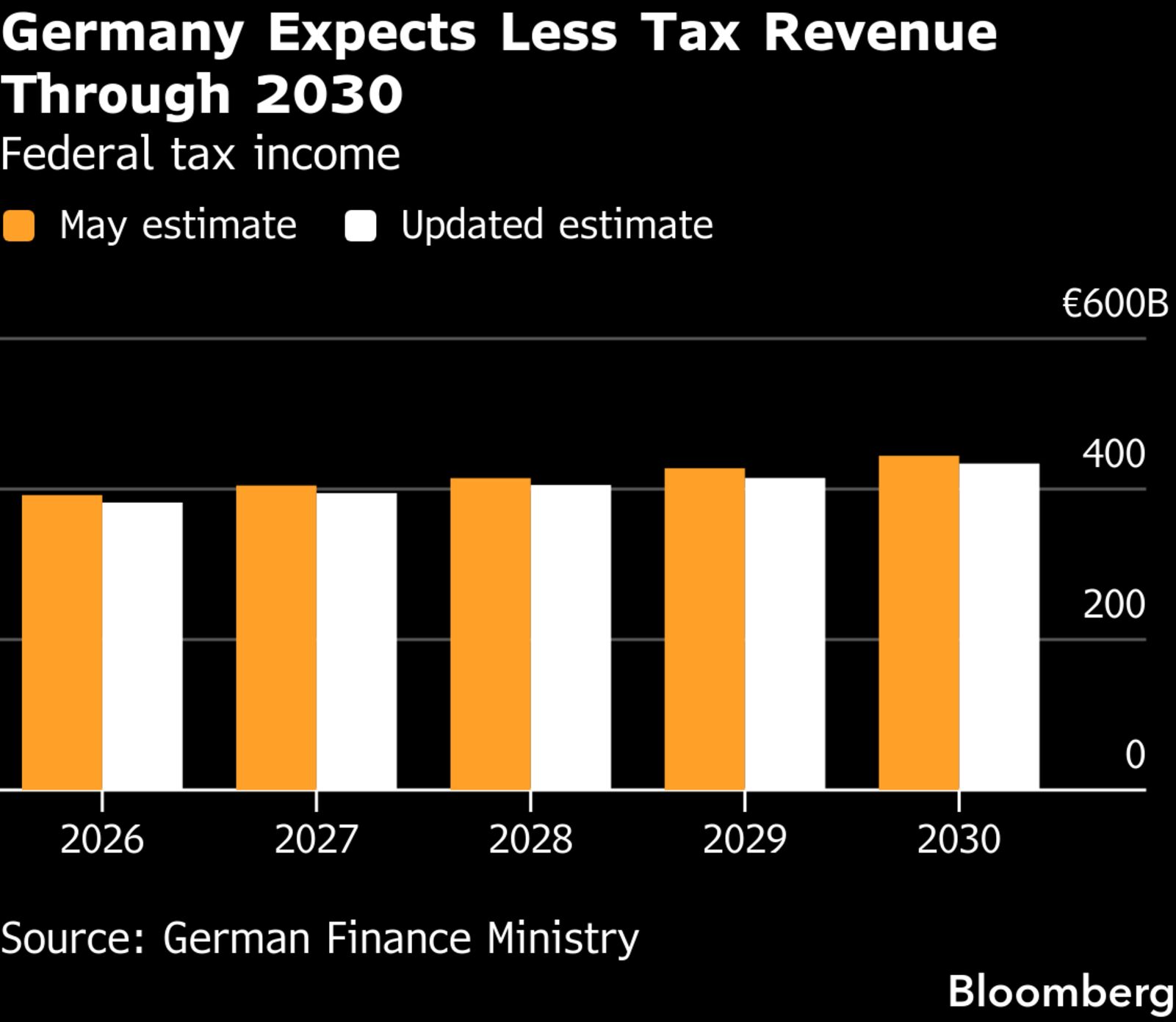
Germany has created one of the heaviest tax wedges in the industrialized world. Euronews noted that an average single employee retains only €50.70 from every €100 spent by the employer on labor. The remainder disappears through income taxes and the social contributions paid by both employer and employee. The OECD placed Germany’s tax wedge for an average single worker at roughly 49.2% in 2025, compared with an OECD average of 35.1%.
This is not capitalism. Capitalism rewards productivity and permits individuals to accumulate capital. Germany has constructed a bureaucratic redistribution machine in which the state consumes nearly half the economic value of labor before the worker can save a single euro. Then the same politicians express surprise when skilled Germans cannot afford homes, delay having children, and begin looking abroad.
The United States remained the most frequently searched foreign destination in the survey, accounting for 14.4% of queries, although interest declined from the prior year. Britain and Switzerland each represented 13.6%. Searches involving the United Arab Emirates and India increased by 24%, while interest in Britain rose by 38%.
Switzerland offers higher compensation in numerous professional fields and generally lower taxation, although the burden varies by canton. The United Arab Emirates offers something European governments can barely comprehend: no general tax on personal employment income. The United States is not universally a low-tax country, since federal taxes apply and state burdens differ, but it still offers a deeper labor market and a far higher salary ceiling for technology, finance, medicine, engineering, and entrepreneurship.
Merely obtaining a remote job from an American, Swiss, or Dubai-based company will not solve the problem if the employee continues living in Germany. German tax residency normally means German taxation regardless of where the employer is located. To escape the system legally, the individual generally must establish genuine tax residency elsewhere. This is not simply remote work. It is the physical migration of productive people, their families, their spending, their knowledge, and eventually their capital.
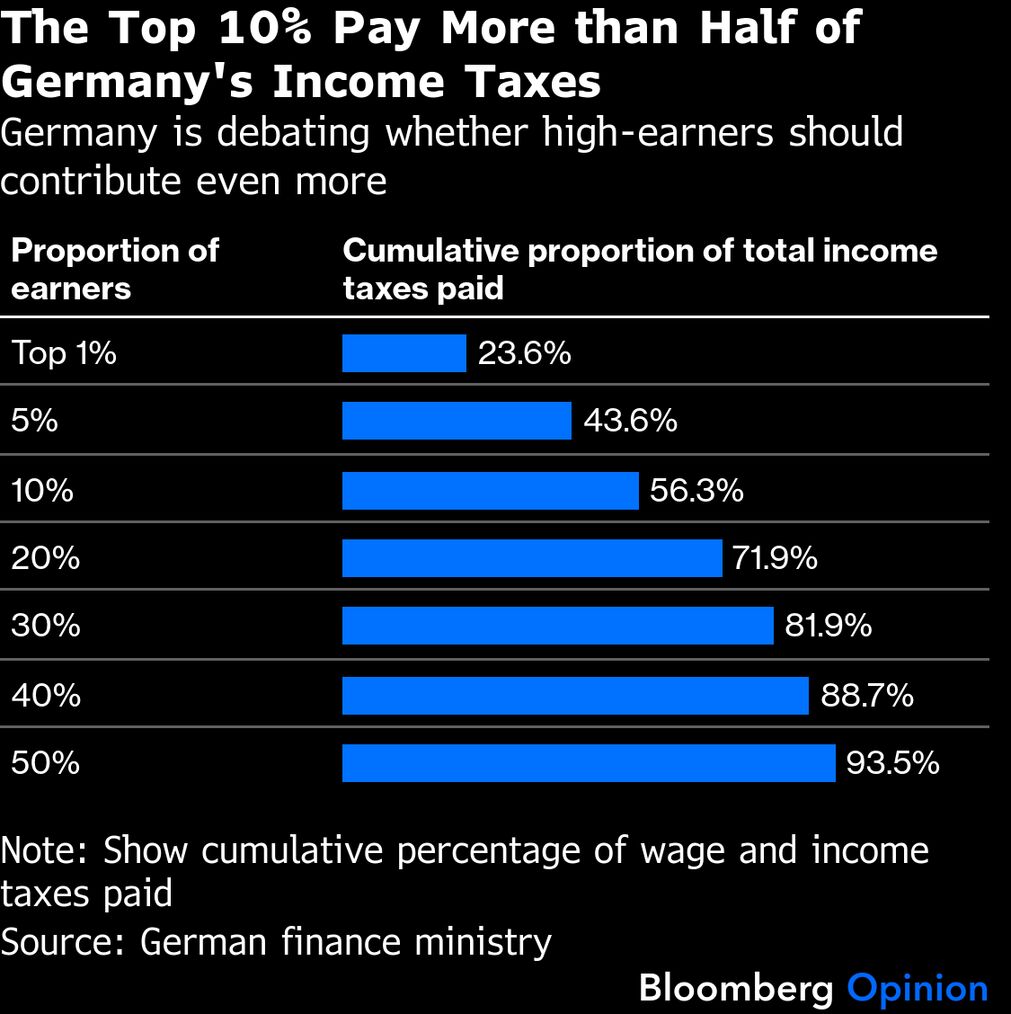
Germany’s remaining attractions reveal the problem. Sixty percent of survey respondents cited the social environment as an advantage, 47% mentioned employment protection, and slightly under 35% named the welfare system. Those are benefits built around security, but security cannot substitute for opportunity forever. A country that protects people from failure while removing the rewards of success eventually produces stagnation.
Brussels has compounded Germany’s domestic mistakes. The European Union has imposed layers of regulation, climate mandates, compliance costs, and energy policies that make European workers and businesses less competitive. Germany destroyed its access to dependable Russian energy, abandoned nuclear power, embraced Net Zero, and watched major industries reduce production or move investment elsewhere. The worker is expected to pay higher taxes while the employer pays higher energy, labor, and regulatory costs. Both sides are being squeezed to finance a political experiment that is failing in plain sight.
This is how a nation enters economic decline. The welfare state requires an expanding base of productive taxpayers, but the state treats those taxpayers as an inexhaustible resource. Germany recorded net immigration of more than 200,000 non-German citizens while simultaneously losing a net 97,000 German citizens. Immigration by itself cannot replace the departure of experienced professionals, entrepreneurs, and highly productive taxpayers.
Capital and labor always migrate away from hostile conditions. Politicians can erect barriers around money, but they cannot force ambitious people to remain where their efforts are treated as a public resource. When more than half of the country’s higher-income households are already looking abroad, this is not a warning for some distant future. The productive class has begun examining the exits, and once families establish new lives elsewhere, they rarely return merely because Berlin promises another tax reform.

