
Posted Oct 23, 2026 by Martin Armstrong |
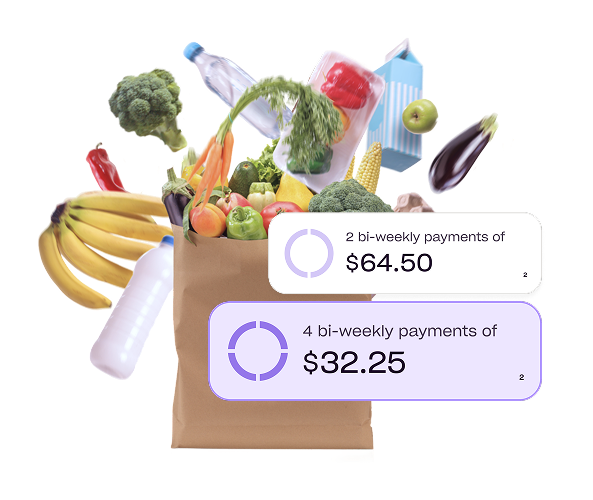
Americans are increasingly financing the basic necessities of life because their paychecks are no longer stretching far enough. Buy-now-pay-later financing has exploded into a $160 billion industry, according to research cited by the Associated Press, with the use of short-term pay-in-four loans increasing nearly 80% since 2023. What began as a convenient way to purchase electronics or clothing is now being used for groceries, transportation, household bills, and even rent. We have reached the point where people are borrowing against their next paycheck to purchase things they need to survive today.
The Federal Reserve’s latest household survey found that 16% of American adults used buy-now-pay-later services in 2025, compared with only 10% in 2021. Among households earning between $25,000 and $49,999, the participation rate reached 23%, compared with 12% among those earning $100,000 or more. The Fed also found that 30% of users identified affordability as the single most important reason for using installment financing. Another 20% reported using these services for groceries or food delivery. Think about what those numbers are telling us. Millions of Americans are dividing relatively small purchases into installments because paying the entire amount upfront would place too much pressure on their finances.
The situation becomes even more alarming when examining repayment problems. The Fed found that 26% of buy-now-pay-later users made at least one late payment during 2025. Among users earning less than $25,000, that figure reached 40%, while 33% of those earning between $25,000 and $49,999 fell behind. Compare that with only 11% of users earning $100,000 or more. These are enormous differences that demonstrate how lower-income consumers are increasingly struggling to manage even short-term obligations. Of those who paid late, 64% reported being charged additional fees. The people least able to absorb another expense are often the very people being penalized for falling behind.
The Consumer Financial Protection Bureau uncovered another troubling pattern. Its study of 2022 borrowing found that approximately 63% of buy-now-pay-later borrowers had multiple simultaneous installment loans, while 33% borrowed from more than one provider. The average borrower originated 9.5 loans during the year, and roughly one in five borrowers took out more than one loan per month on average. This is how relatively small obligations accumulate into a serious financial burden. A consumer may believe that four payments of $25 are manageable, but what happens when that person has ten separate payment schedules running simultaneously? The money has already been committed before the next paycheck even arrives.
The Federal Reserve’s October 2026 Survey of Consumer Finances reveals that this financial deterioration extends far beyond installment purchases. The share of American families reporting that they were behind on loan payments increased from approximately 12% in 2022 to nearly 20% in 2025. Families devoting more than 40% of their income to debt payments increased from 6.5% to 8.6%, the highest share since 2013. The median debt-payment-to-income ratio climbed to 15.4%, while the overall debt-to-income ratio reached 94.9%.
The Fed reported that real median family income increased 7% between 2022 and 2025, reaching $82,200, yet median net worth increased only 2% after adjusting for inflation. The bottom quarter of households experienced a staggering 50% decline in net worth, while the wealthiest households continued benefiting from appreciating financial assets. Among families holding stocks, median stock holdings increased 36% to $77,400. This is why the stock market can continue making new highs while millions of people struggle to pay their bills. The financial press looks at rising asset prices and declares prosperity, but a family with no meaningful investments receives absolutely no benefit from that rally.
We must also understand what inflation has done to the average household since 2020. Prices surged during the pandemic, and those increases were NEVER reversed. The politicians continue discussing inflation as though a decline in the annual rate somehow restores purchasing power. It does not. A family that was spending $1,000 on necessities before the pandemic may now need approximately $1,300 to purchase a comparable basket of goods and services, depending on the items involved. Another 3% or 4% inflation increase comes on top of that already elevated expense.
The latest retail sales figures provide another example of how misleading the economic statistics have become. September retail sales increased 0.8%, but gasoline station sales surged 7.1% as energy prices rose. The retail sales control group used in GDP calculations increased only 0.1%, below expectations. Retail sales are reported in nominal dollars, meaning that higher prices can inflate the sales figures without consumers purchasing additional goods. When gasoline becomes more expensive, Americans still have to drive to work. The government records higher spending, but the consumer has less disposable income available for everything else. This is hardly evidence of improving living standards.
Bank of America Institute reported this week that nearly one in five households using buy-now-pay-later financing had repayments exceeding $500. Its analysts did not characterize the overall trend as an immediate crisis, but the growing reliance on installment financing deserves attention when combined with weakening labor conditions and rising household delinquencies. A person who uses credit strategically to avoid interest is in a very different position from someone who must finance groceries because there is insufficient money in the checking account.
We are developing two entirely different consumer economies. Those with substantial assets, investment income, and mortgages locked in at 3% can continue spending while benefiting from rising markets. Those dependent upon wages face higher rents, expensive vehicle financing, mounting insurance premiums, and increasingly difficult choices about ordinary household expenses. The latest Federal Reserve data show that nearly one in five families have fallen behind on loan payments, while the use of installment financing continues expanding. These people are not purchasing luxury yachts or speculating in the stock market. Many are simply attempting to maintain a standard of living that their income no longer supports.
The financial industry has discovered how to divide an unaffordable purchase into four manageable-looking payments, but it has not solved the underlying problem. Every installment is a claim against future income, and when enough of those claims accumulate, the household loses the flexibility to absorb even a minor emergency. Americans are being encouraged to finance the present with money they have not yet earned, while Washington continues spending money it must borrow. The numbers reveal an economy where financial pressure is building beneath the surface, and the people experiencing that pressure are increasingly the ones who can least afford another setback.

