Posted originally on Mar 18, 2026 by Martin Armstrong |
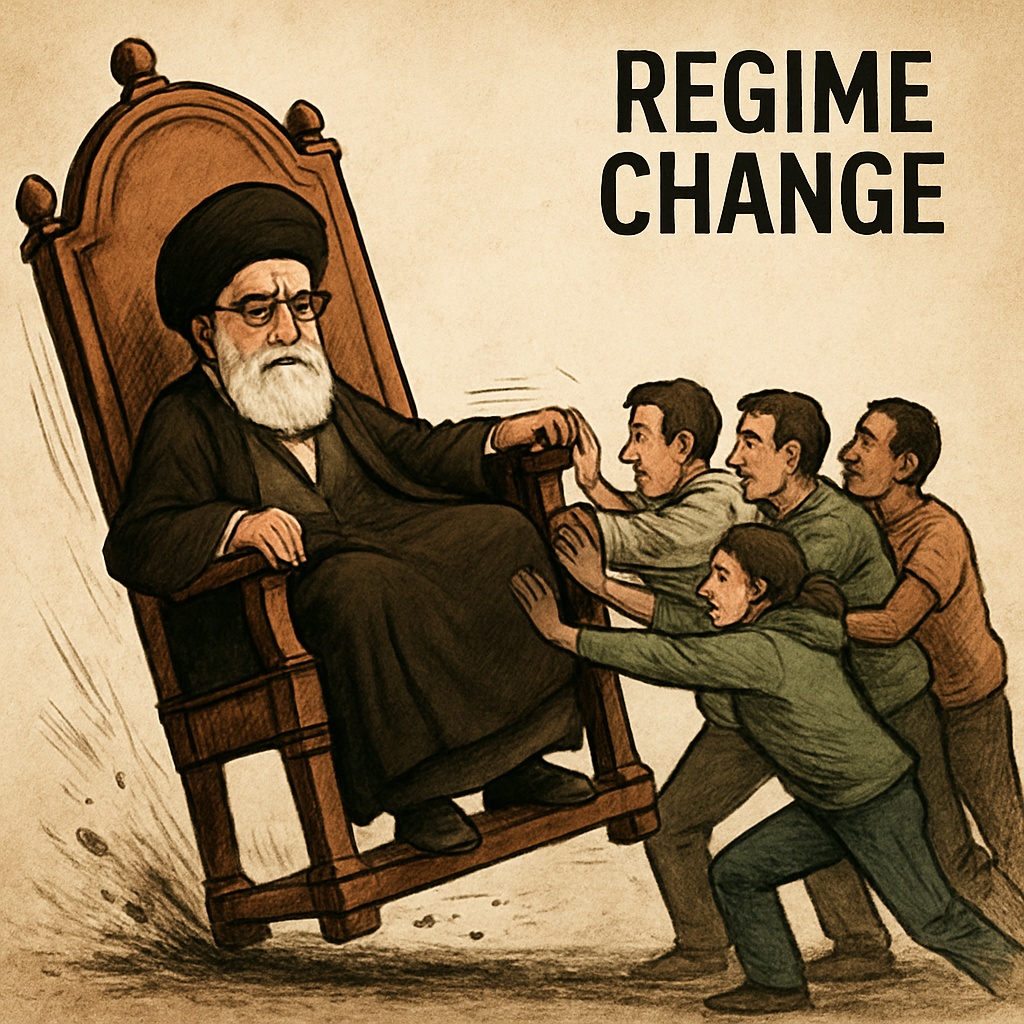
When a government fails to properly compensate its military, loyalty begins to fracture. From the late Roman Empire, when unpaid legions turned on the state, to more modern examples in which soldiers defected or abandoned regimes under economic stress, the outcome is always the same. You can maintain power through force for a time, but if the men holding the guns begin to question their future, the system becomes unstable from within.
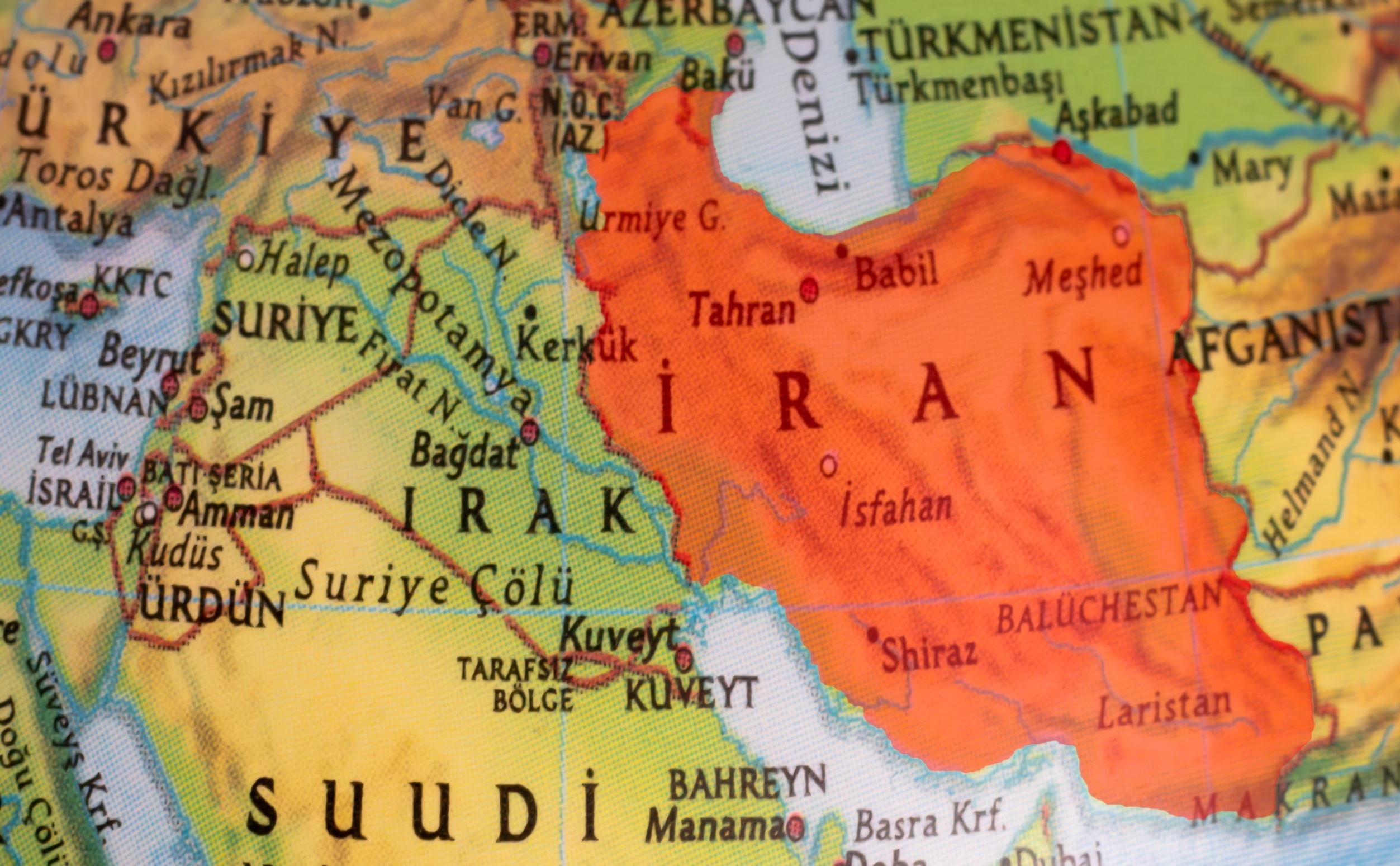
Now look at Iran. The data is staggering when you compare military pay to the broader economy. Conscripts earn roughly $60 to $180 per month, while the average income in Iran ranges from about $150 to $250 per month. In real terms, due to currency collapse and inflation, average wages have fallen to roughly $120 per month in purchasing power. That means many soldiers are effectively earning at or below the poverty line. Even IRGC personnel, often seen as the elite force, have reported salaries around $300 per month, which is still modest compared to skilled civilian professions.
At the same time, Iran has a compulsory military system. All men at age 18 are required to serve roughly 18 months to two years, and they have no real choice in where they are deployed. This is not a purely voluntary force motivated by pay or career advancement. It is a system built on obligation, reinforced by religious ideology, and sustained through control. The Revolutionary Guard, in particular, is not just a military institution; it is a political and religious arm designed to protect the Islamic system itself.
This is where religion becomes critical. In Iran, the military, especially the IRGC, is tied directly to the preservation of the Islamic Revolution. Loyalty is not simply to the state, it is framed as loyalty to God, to the system, and to the survival of the revolution. That ideological component compensates for the lack of financial incentive. Historically, regimes that cannot afford to pay their military rely increasingly on ideology, fear, or both. The problem is that ideology alone does not pay for food, housing, or families. When economic conditions deteriorate, even deeply ideological forces begin to crack.
There is already evidence of strain. Inflation has eroded wages dramatically, government salaries have not kept pace, and economic frustration has spread across all sectors, including the military. At the same time, Iran has been known to pay significantly higher salaries to proxy fighters abroad than to its own domestic forces, creating resentment within the ranks. This imbalance has historically been one of the most dangerous factors for any regime, because it signals to soldiers that their sacrifice is not valued equally.
History is very clear on what happens next if these trends continue. In the late Roman Empire, unpaid soldiers began to declare their own emperors. During the French Revolution, economic hardship within the military contributed to the collapse of royal authority. In more recent times, we have seen military defections play a decisive role in regime change when internal confidence collapses. The key is not whether soldiers are unhappy, but whether they believe their future is tied to the survival of the regime.
This is why the situation in Iran must be understood beyond headlines about war. If conflict escalates and economic pressure intensifies, the strain on the military will increase. A system that depends on compulsory service, low wages, and ideological loyalty can hold together for a time, but history shows that when confidence breaks, it breaks quickly. The real risk is not simply external war. It is internal instability if the men tasked with defending the system begin to question whether that system is still worth defending.
Posted originally on Mar 18, 2026 by Martin Armstrong |
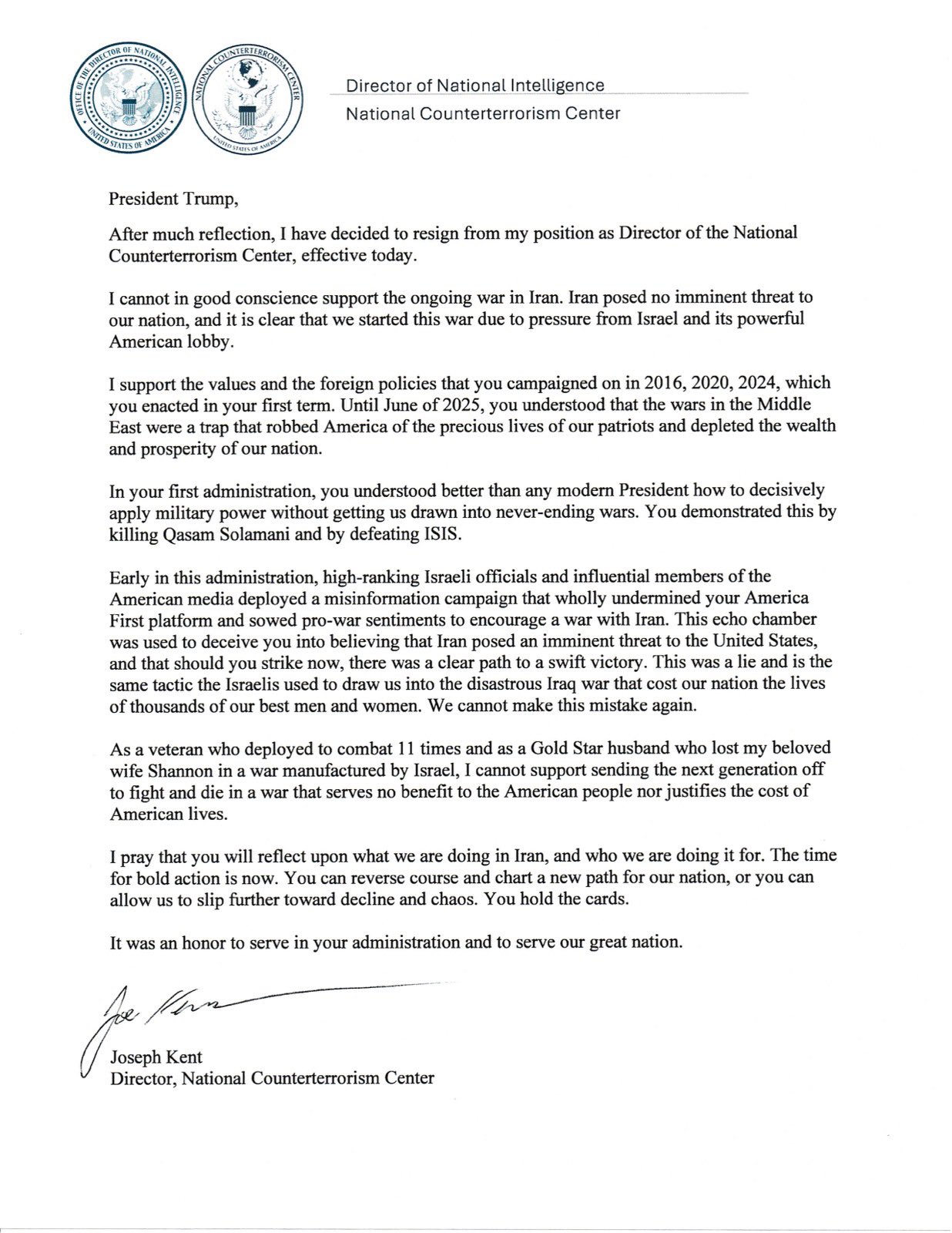
🔥🚨 BREAKING: Joe Kent, Director of the National Counterterrorism Center, has RESIGNED over the war in Iran
“I cannot in good conscience support the ongoing war in Iran. Iran posed no imminent threat to our nation, and it is clear that we started this war due to pressure from… pic.twitter.com/tiEwlONqlS
I touched on this story yesterday when the news broke. Listen, when the Director of the National Counterterrorism Center resigns and publicly states he cannot support a war because there was “no imminent threat,” you are no longer dealing with politics as usual. You are looking at the beginning of a fracture inside the system itself. Joe Kent stepping down is a warning sign that those inside the intelligence community are starting to distance themselves from what they know is being sold to the public as something it is not.
“I cannot in good conscience support the ongoing war in Iran,” Kent said. “Iran posed no imminent threat to our nation, and it is clear that we started this war due to pressure from Israel and its powerful American lobby.”
I have warned for years that the Neocons never left Washington. They simply change parties, change faces, and reinsert themselves into every administration. It does not matter if it is Republican or Democrat. These people operate behind the curtain and push the same agenda over and over again. Endless war. Regime change. The illusion that the United States can reshape the world at will. We saw this with Iraq. We saw this with Libya. We saw this with Syria. And now we are watching the exact same script play out with Iran.
What is unfolding now is even more dangerous because the people inside the system are beginning to recognize it. When intelligence officials start walking away, it means they know the narrative does not match reality. You cannot claim imminent threat when your own counterterrorism chief is saying the opposite. That is when confidence begins to break, and once confidence breaks, it never unfolds in a neat and controlled fashion.
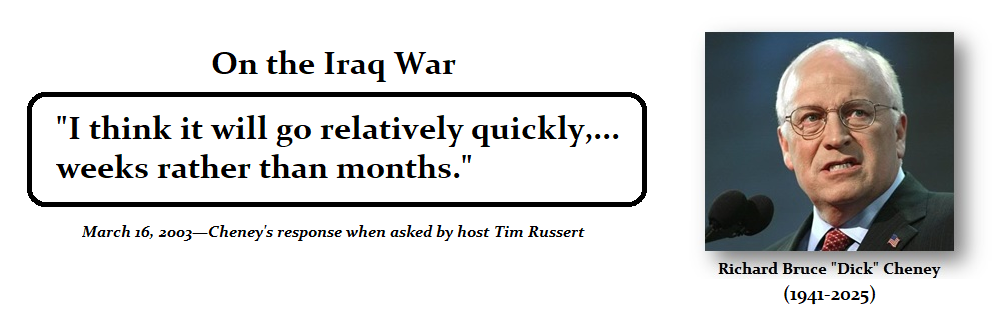
These wars are sold as quick operations, clean interventions, necessary for national security. I have pointed to Iraq countless times. Cheney said it would take weeks. Bush stood on an aircraft carrier and declared, “Mission accomplished!” That war dragged on for eight years. Thousands of lives lost, trillions spent, and in the end nothing was resolved. Now we are watching the same people, or at least the same ideology, pushing the country down the exact same path again.
The reality is that those who can see what is happening are beginning to step away. They understand that this is not about protecting the United States. This is about geopolitical strategy, influence, and an agenda that has been in motion for decades. The problem is that once these people gain control of policy, they create momentum that is very difficult to stop. When someone in Kent’s position walks away and tells you there was no imminent threat, you should pay attention. That is confirmation that what we are being told and what is actually happening are two very different things.
The most dangerous part is that the public is always the last to know. By the time resignations like this happen, the decision has already been made and the machine is already moving. The Economic Confidence Model has been warning that we are entering a period of rising geopolitical instability into 2027 and beyond. This is exactly how it begins, not with a declaration of world war, but with a series of decisions that escalate step by step until the situation is beyond anyone’s control.
Posted originally on Mar 18, 2026 by Martin Armstrong |
QUESTION: Marty, I just watched the Why Files about a computer at MIT that predicted the end of society by 2040. It was commissioned by the Club of Rome. I think it was in Frankfurt where you were asked about the Club of Rome and you admitted that you did have contact with them and the Bilderberg Group. You have talked about the World Economic Forum. Did they also go to you about 2032 not just MIT?
DL
ANSWER: Yes, I was asked about the forecast for 2032. I told them that I did not agree with the MIT forecast that it was all nonsense and based on the same theory of Global Warming and Malthus population prediction from the 18th century. My model warned that the corruption within government would bring down Republican forms of government. This is what has brought down every government for thousands of years not resources and polution.
The MIT forecast produced what they wanted to hear. What history shows is that this all just complete fiction. Civilization collapses from internal corruption, which is why no empire, nation, or city-state has ever survived. Monarchy eventually leads to Tyranny because the power becomes hereditary not based on talent. That gives was to Aristocracy (Rule by the Best), which evolves into an Oligarchy driven by self-interest. Then you see a revolution where you get a Republic, which is pretend representative government that is always worse than a preferable Democracy (Rule by the Many). The corruption of self-interest continues and you end up with an Ochlocracy (Mob Rule) and the cycle starts all over again.
They do not want to believe that for at the core lies Marxism. This idea that government can control society. You end up with the idea of the EU that one government will eliminate war when in fact it becomes tyrannical overruling the culture of the people and attempting to force one-size-fits-all, which is what brought down Communism.
The MIT model blames over-population, society, and resources so the solution is always more government. This forecast has never taken place even once in thousands of years and my research demonstrated the exact opposite that the greatest evil which torments society is always government that constantly seeks more and more power as they feel their power slipping through their fingers. This is what leads to sovereign debt crisis and revolutions, not polution and over-population.
Thus these people seek world domination to suppress all dissent and prefer the MIT model. It should be no surprise why these various groups do their best to try to discredit me in hopes of preventing people from looking at my solution rather than theirs. This is why mainstream media will NEVER review our forecasts and certainly will NEVER explain what is 2032 all about. That would mean less government not more.
Posted originally on Mar 17, 2026 by Martin Armstrong |
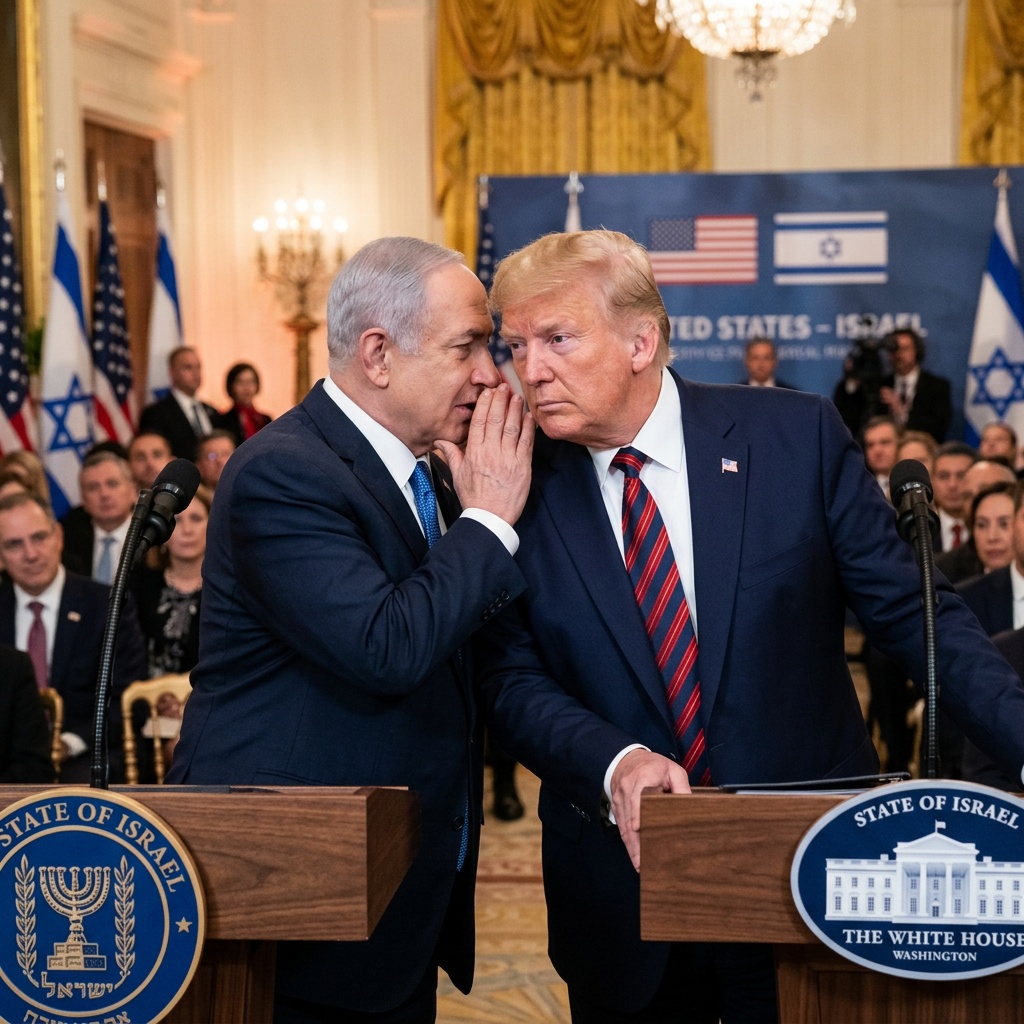
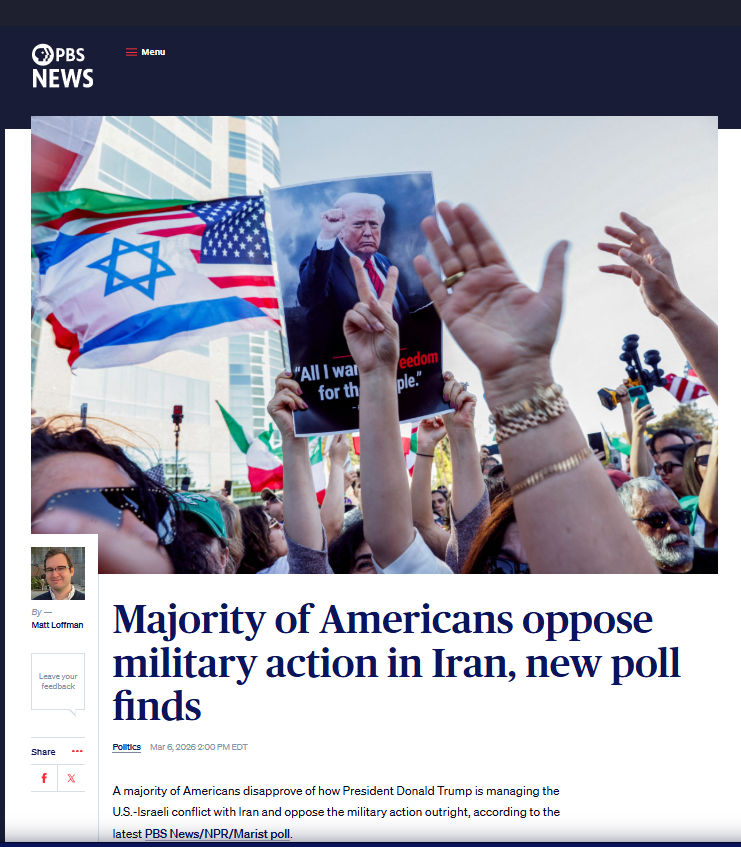
This letter of resignation is absolutely correct. None of my sources agree with this war and everyone I know of has once again pointed to Netanyahu and his manipulation of the Trump Administration. It is time to flood Congress and the White House with letters of objection. All of NATO has refused to come to the aid of Trump in the war on Iran. Trump has to step back and distance himself from Netanyahu or his legacy will be flushed down the drain for forget MAGA, he will be remember for this fiasco.
Posted originally on Mar 17, 2026 by Martin Armstrong |
For years, I have warned that geopolitics moves in cycles just as markets do. The Economic Confidence Model has been projecting that the period around 2026 would become a geopolitical turning point, leading to rising confrontation toward the Panic Cycle in 2027 and ultimately the 2028 Panic Cycle year. What we are now witnessing is the early stage of that alignment. The conflict with Iran is no longer merely a regional war. It is evolving into something far more significant as alliances that previously existed quietly in the background are now being acknowledged publicly.
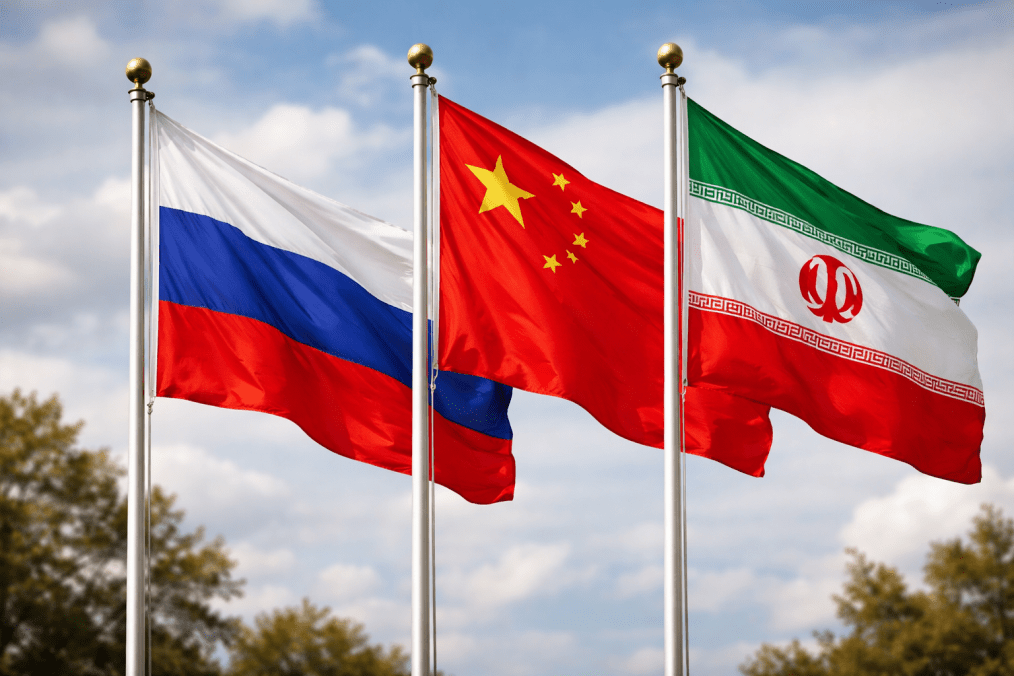
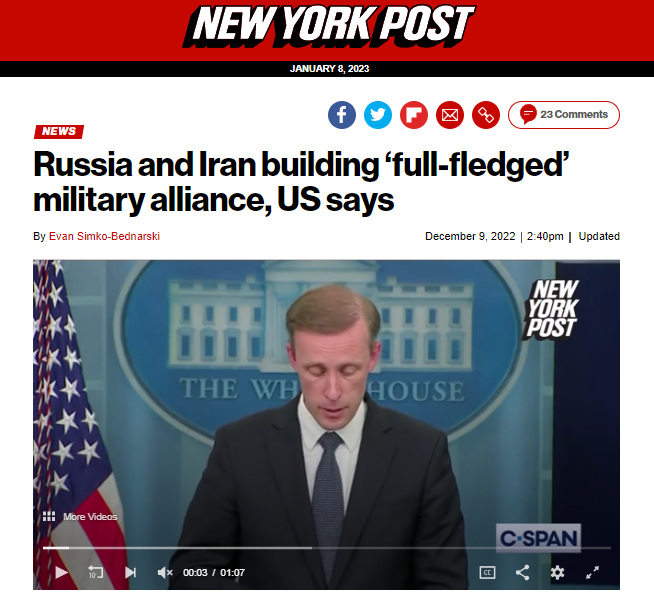
Iran’s foreign minister has now openly stated that Russia and China are providing military cooperation to Tehran during the war with the United States and Israel. He emphasized that these relationships are part of long-standing strategic partnerships that now include intelligence sharing and other forms of support as the conflict escalates. This matters enormously because once cooperation becomes official rather than discreet, it changes the geopolitical landscape. The declaration of alignment is a signal to the world that a new bloc is forming.
Reports indicate that Russia’s support has included intelligence assistance and battlefield data, while China has focused on diplomatic backing, logistical assistance, and the protection of energy flows through the Strait of Hormuz. At the same time, Chinese naval assets have appeared near the Strait while Russia and China have coordinated diplomatic efforts at the United Nations to challenge the legitimacy of the strikes against Iran. None of this is accidental. These powers are not rushing troops into battle, but they are positioning themselves strategically while allowing the United States to become entangled in another prolonged conflict.
In the modern era, direct confrontation between nuclear powers is avoided, but support flows through intelligence, logistics, technology, and diplomacy. Russia and China are effectively helping Iran sustain resistance without crossing the line into direct war with the United States. Analysts already note that intelligence sharing and electronic warfare assistance have improved Iran’s ability to track U.S. military movements in the region. The result is a conflict that can drag on far longer than policymakers initially expect.
From the perspective of the Economic Confidence Model, this is exactly what a Panic Cycle environment looks like. Confidence begins to shift away from government institutions, geopolitical tensions escalate, and alliances begin to harden. The ECM has shown that 2026 represents the pivot year. Pressure builds into 2027, where the Panic Cycle raises the probability of sudden geopolitical escalation, and the cycle then carries forward into the 2028 Panic Cycle year. When these cycles align, history shows that global alliances restructure and the world moves toward a new balance of power.
Energy routes make the situation even more dangerous. The Strait of Hormuz remains one of the most critical chokepoints in global oil supply, and disruptions there have already sent energy prices sharply higher as the conflict intensifies. China’s interest in securing passage through the strait and Russia’s strategic positioning highlight that the battle is not only military. It is economic. Whoever controls the energy corridors and trade routes ultimately controls leverage over the global economy.
The key takeaway is that the official acknowledgement of cooperation among Iran, Russia, and China goes beyond wartime rhetoric. It signals that the geopolitical chessboard is shifting. What began as a regional confrontation now sits within a larger strategic framework that the ECM warned about years in advance. When alliances begin to crystallize during a Panic Cycle phase, the risk is not simply prolonged conflict. The risk is that the world divides into opposing blocs once again, and history shows that such realignments rarely unfold quietly.
Posted originally on Mar 17, 2026 by Martin Armstrong |
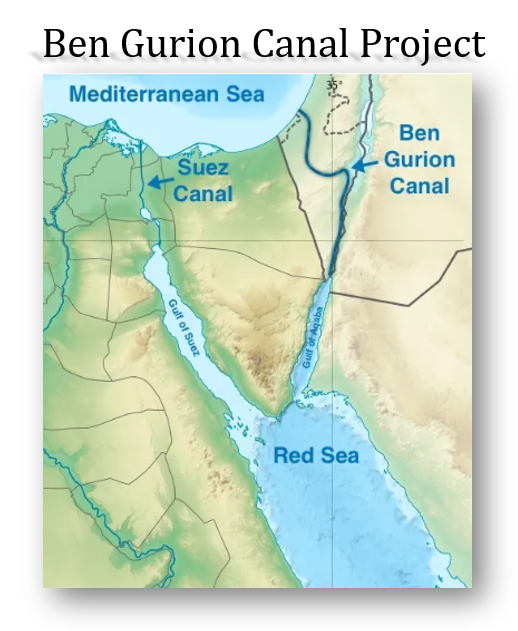
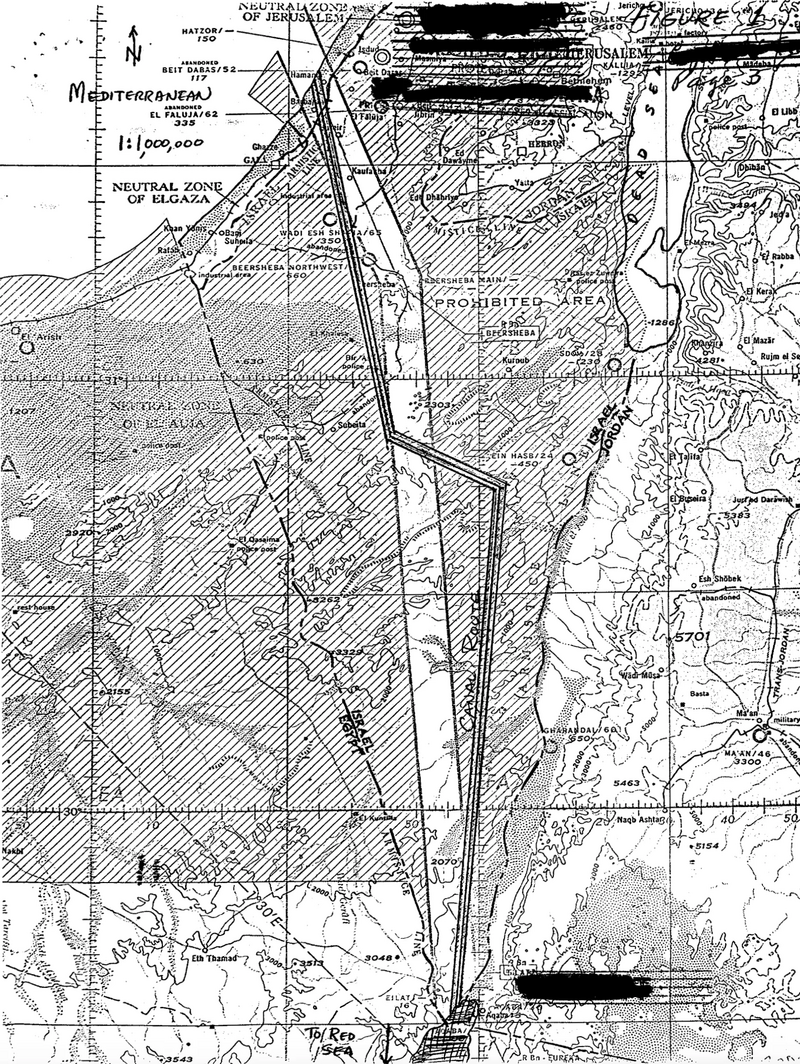
Many people are looking at the conflicts in Gaza and Iran strictly through the lens of religion, terrorism, or regional politics. But history has shown that wars are rarely about what the headlines claim. Beneath the surface lies economics and control of trade routes. One project that has quietly resurfaced in strategic discussions is the Ben Gurion Canal, an alternative shipping route connecting the Red Sea to the Mediterranean that would rival the Suez Canal. The proposal dates back to the 1960s and would run from the port of Eilat through Israel and eventually connect to the Mediterranean near Gaza, providing a strategic bypass of Egypt’s Suez Canal.
Declassified U.S. documents revealed that planners studied using hundreds of underground nuclear explosions in the Negev Desert to carve the canal. The proposal noted that such a route would be a “strategically valuable alternative” to the Suez Canal and could transform regional trade. Around 20% of global trade moves through the Suez Canal today, giving Egypt enormous influence over global supply chains. Any disruption, whether political or accidental, has massive economic consequences.
This is where the geopolitical puzzle begins to fit together. The proposed canal route runs extremely close to the Gaza Strip and, in some versions, could even pass through territory adjacent to it. From a purely strategic perspective, no major global shipping route could run alongside an area capable of launching rockets or drones. Control and stability in Gaza, therefore, are prerequisites for any such infrastructure project. Analysts have noted that renewed interest in the canal has coincided with Israel’s war against Hamas, raising questions about whether the long-standing project could become viable again if the region is brought under full military control.
Now look at this through the lens of the Economic Confidence Model. The ECM has consistently shown that 2026 is a geopolitical turning point, leading to rising tensions toward the 2027 Panic Cycle and ultimately the 2028 Panic Cycle. These shifts historically coincide with wars, trade disruptions, and major changes to the global economic order. When the confidence wave turns downward, governments seek strategic advantage in infrastructure, energy routes, and trade chokepoints. The Suez Canal itself has repeatedly triggered geopolitical crises from Nasser’s nationalization in 1956 to modern blockages that froze billions of dollars in trade overnight.
The second layer of the strategy involves the Strait of Hormuz. A large percentage of the world’s oil flows through that narrow passage between Iran and the Arabian Peninsula. Any conflict with Iran threatens that chokepoint and exposes how fragile global energy transport really is. If Hormuz becomes unstable while Suez remains under Egyptian control, the West’s supply lines become vulnerable. A new canal controlled by Israel and its allies would provide an alternative strategic corridor linking the Red Sea and Mediterranean without relying on Egypt or risking disruption from regional adversaries.
When you step back, the sequence begins to look less like random events and more like long-term geopolitical positioning. The war in Gaza removes a security obstacle along the proposed canal route. Escalation with Iran highlights the dangers of relying on existing trade chokepoints such as the Strait of Hormuz and the Suez Canal. Meanwhile, the ECM shows that this entire period sits within a cycle of rising geopolitical tension leading into a Panic Cycle phase. History teaches us that major infrastructure projects that control global trade rarely emerge during peaceful periods. They appear during times of crisis when nations reposition themselves for the next economic order.
Posted originally on Mar 17, 2026 by Martin Armstrong |
New York has always been known as the city that never sleeps. The glowing skyline is not simply decoration; it reflects commerce, tourism, finance, and the constant economic activity that built the city into a global capital. Now lawmakers are pushing the New York State Dark Skies Protection Act, which would impose strict limits on outdoor lighting across the state. The official explanation is environmental, to reduce light pollution, save energy, and protect wildlife. Yet in a city whose entire identity is built around 24/7 activity, there is clearly more behind this proposal than simply wanting to see the stars.
The legislation would require outdoor lights to be shielded so they point downward rather than upward, and would restrict lighting between roughly 11 p.m. and 5 a.m. unless specific events are taking place. Businesses and municipalities would be forced to install motion sensors or automatic shutoff systems, while parks, recreation facilities, and venues would have to reduce illumination overnight. Supporters say this will reduce wasted electricity and help the environment. Cities like New York exist precisely because they do not shut down at night. The skyline, Times Square, Broadway, and countless businesses operate around the clock because visibility attracts people and commerce. The Big Apple was once the most bustling city in the world, the ultimate point of comparison for any other city in the world. Now, politics are erasing the very culture that helped shape NYC and the rest of America for that matter. Yet another reason why blanket legislation always fails.
Studies estimate that roughly 30% of outdoor lighting in the United States is “wasted energy.” Governments see this as an opportunity to reduce electricity consumption and meet energy reduction targets without openly raising taxes. But forcing businesses to replace lighting systems, install sensors, and comply with new restrictions is not free. For commercial buildings, retail districts, and entertainment venues, this becomes another compliance cost. In reality, this acts like a giant indirect tax on corporations and small businesses alike, imposed through regulation rather than legislation.
The economic implications go further. Tourism, nightlife, restaurants, theaters, and advertising depend on lighting to create an atmosphere that keeps people on the streets. Limiting illumination reduces the visual energy that attracts visitors and investment. New York’s nighttime economy generates billions of dollars annually, yet policymakers seem willing to chip away at the very infrastructure that supports it. The left-leaning voters in the city are also overriding votes from the rest of the state.
This is part of a broader cultural shift that is dismantling what made New York famous in the first place. Businesses that built the city are being pushed out by rising costs and regulations, while the nightlife culture known worldwide is steadily being suffocated. This is clearly cultural assassination, erasing the very identity that made New York thrive. The city that once proudly stood as a symbol of Western commerce and cultural confidence is being transformed. What is their end goal? What will New York City look like when the cost of business is no longer feasible, and capital continues to flee?
The irony is that policymakers often treat these measures as harmless environmental policies. Yet historically, when governments begin regulating the very elements that define economic vitality, whether lighting, nightlife, or advertising, it signals deeper economic stress. Energy costs are rising, infrastructure is under pressure, and governments are looking for ways to reduce consumption. Turning off the lights in the city that never sleeps may be sold as environmental protection, but economically, it reflects a far larger issue: how governments increasingly shift costs onto the private sector while claiming to save the planet.
Posted originally on Mar 17, 2026 by Martin Armstrong |
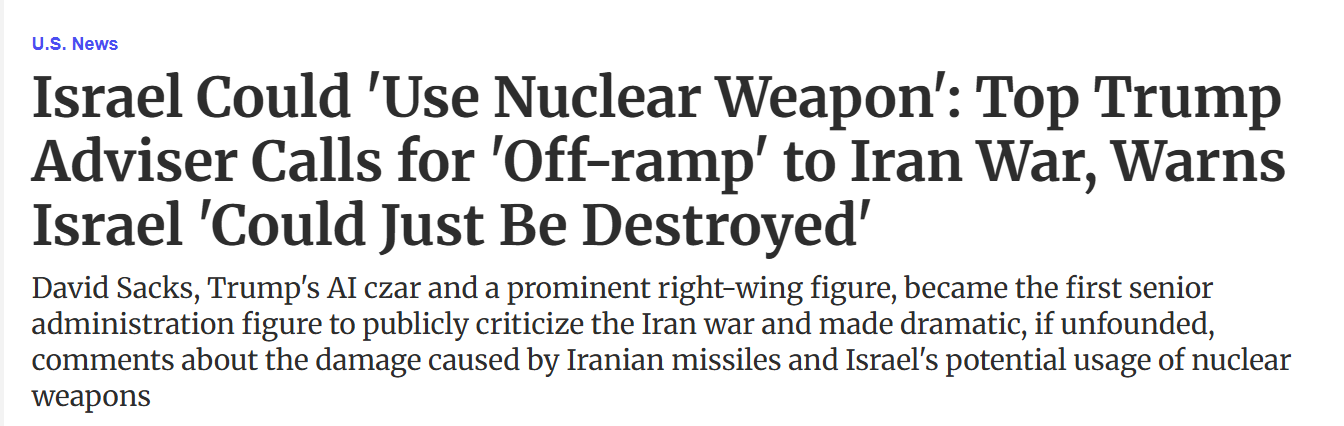
QUESTION: Well, it looks like David Sachs has publicly stated that there can be nuclear war if Israel runs out of ammo and is on the verge of being defeated. You warned about this. You have not commented on whether Netanyahu is dead or if Iran has sunk an American destroyer. The Supreme Leader they killed had agreed no nuclear weapon and said that was against his religion. It seem Netanyahu is the dark devil in the mix who is intentionally leading the world into the end times. Nobody has contacts like you nor are they as objective. Would you address these questions?
Frank T.
ANSWER: There is no question that AI is complicating everything. I do not believe Netanyahu is dead. I have said he is a very dark soul and a staunch Neocon who wants the destruction of Iran no matter what. There is NO WAY Israel would admit that Netanyahu is dead publicly for that would create Panic to say the least. The same is true about Iran reporting that they did sink a destroyer. There is no way the Pentagon will publicly admit to that either.
We know that Iran has amassed a major stockpile of balistic missiles and drones and they would use them to overwhelm the Israeli defense pushing them to the point that they are running out of interceptors. They can inflict massive economic losses on Israel and strike at the very heart of their morale.
Let’s make one thing clear. The Neocons in league with Netanyahu have pushed Trump into this war with the promise it will be short and sweet. It always the same scenario. Even look at Vietnam. President Lyndon B. Johnson was not told the war would brief. When he committed the first ground troops in 1965, he stated the initial deployment would last only about six months.
There was ZERO planning for the closing of the Strait of Hormuz. Of course they knew this would be a chokepoint. They problem is that they assumed that they would score an easy fast victory. Granted, they struck some 7,000 target and have degraded Iran’s conventional capabilities. However, a single terrorist with a shoulder-mounted missile can take out a ship. Iran has been reduced to missile warfare, terrorism, activating terrorist cells, and cyber warfare. Even with Iraq, taking down the leadership did not end the war.
While President Trump wants NATO allies to join the fight to keep the Strait open, most are rejecting his call like Australia. Sending in the military to try to keep the Strait open is not going to be some short gig. This will become an open-ended war commitment all because the Neocons always lie to just get their wars going. That’s all they care about. Get it started and then nobody wants to admit defeat so it drags on like Iraq, Afghanistan, and Vietnam. It’s always the same set of lies, This is why wars are so unpredictable.
Trump has even said he is not interested in a deal because he does not know who he is dealing with after they killed the leadership. This is precisely why I was against killing the Ayatolla. Netanyahu always wants to kill the leadership assuming everything will collapse. In military strategy, you NEVER kill the leadership because there is then nobody to negotiate with. Trump has listened to Netanyahu who is a very dark soul and we are now trapped into a mess that I believe eventually the world will come to blame Netanyahu and Israel. I have warned that history clearly shows that assassination in war always fail. I am deeply concerned that Trump is not being given legitimate advice.
Economic Warfare
In the beginning of the American Revolution, General George Washington tried to fight the British the “proper” way—with a traditional European army lining up and exchanging volleys. This almost led to the complete destruction of the Continental Army. After a series of near-disasters, Washington and his commanders realized that to win, they had to adapt. They couldn’t beat the British at their own game. Instead, they used the landscape and their knowledge of the territory to their advantage.
The Americans employed several classic guerrilla tactics. The adopted Hit-and-Run Attacks. Instead of standing and fighting, American militia and light infantry would ambush British patrols, shoot from behind trees and stone walls, and then melt back into the countryside before the British could form up and respond effectively.
For the life of me, I cannot fathom what idiots these Neocons are. They even sold their nonsense to Secretary of War Pete Hegseth. All they do is assume victory because US has the strongest military. They learned nothing from Afghanistan or Iraq that sheer military power alone does NOT guarantee victory. I think any history student would have figured out that Iran would adopt similar tactics of George Washington for the very same reason that they cannot hope to defeat the United States. Of course, they would attack the oil infrastructure to drive the cost of energy up knowing that this is economic warfare precisely what the USA, EU and NATO have done to Russia trying to cut off their energy sales to starve them out so they cannot wage war. Clearly, this is the same strategy Iran is now employing.
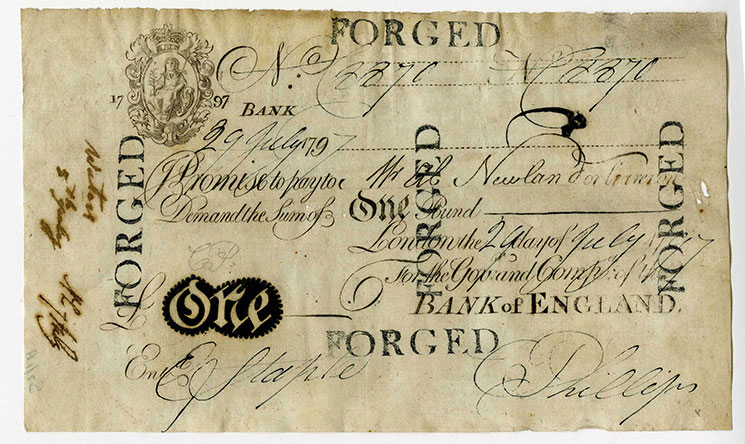
Economic warfare has been around for hundreds of years. Napoleon counterfeited British pounds to undermine their economy to defeat them in war. This has been a regular tactic.
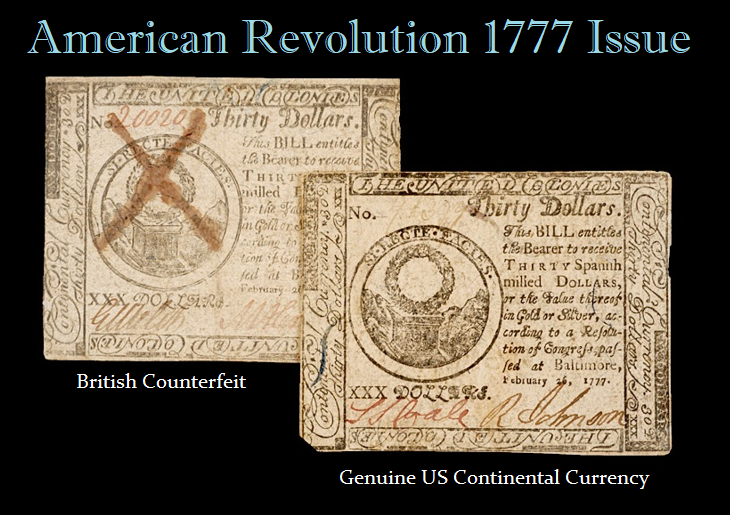
The British counterfeited American currency during the American Revolution all to create inflation and undermine the economy.
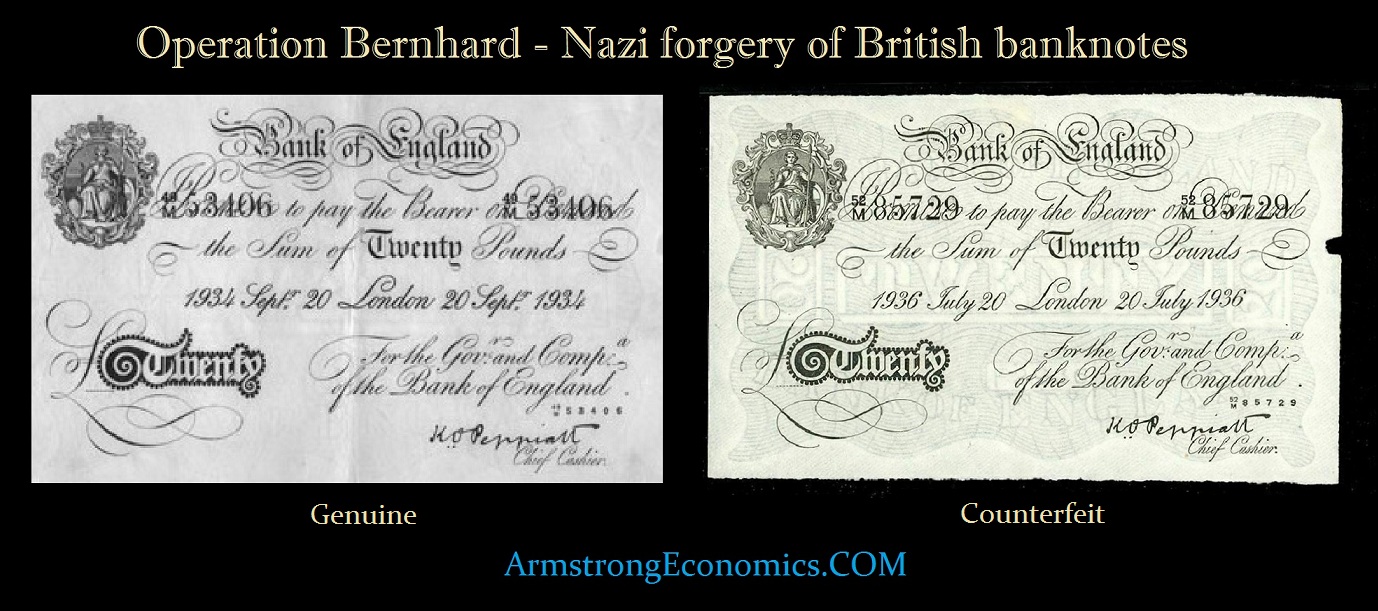
Operation Bernhard was a Nazi Germany in World War II counterfeited the currency of Great Britain to undermine the currency value as a tactic to win the war. Should we be surprised that Iran is attacking refineries and doing everything possible to send crude oil higher? That is a pretty straight forward war tactic that is by no means new. Washington knew he could not win fighting the British way standing in formation and shooting. Iran knows it too cannot hope to defeat the United States in a straight up military confrontation.
Tehran is waging economic war and is now proposing that vessels may be permitted to use the route if the oil trade is conducted in China’s currency, the yuan. While that will not really kill the dollar, it is a favorite conspiracy theory about the petrodollar.
It is a 24 hour drive from Tel Aviv to Tehran. Iran has stockpiled missiles and drones and has been overwhelming Israel’s defenses. Just as Netanyahu has been seeking to destroy the government of Iran, they too have the same goal for they know it does not matter, a cease fire will only allow Israel to prepare for the next war.
There was no objective from the start. Trump claimed the war was over on day one. If that were true, then it is strange that we are entering week three. Worse still, there is no exit strategy. This is where the risk of nuclear war enters. Iran knows there can be no ceasefire for that is not a long term solution. The goal of regime change and killing the Ayatolla has undermined the entire Middle East for how does that play out. Failing to achieve that means the end goal has not changed so there will be perpetual instability in the Middle East and I fear that is what the computer is warning about 2027 inro 2028.
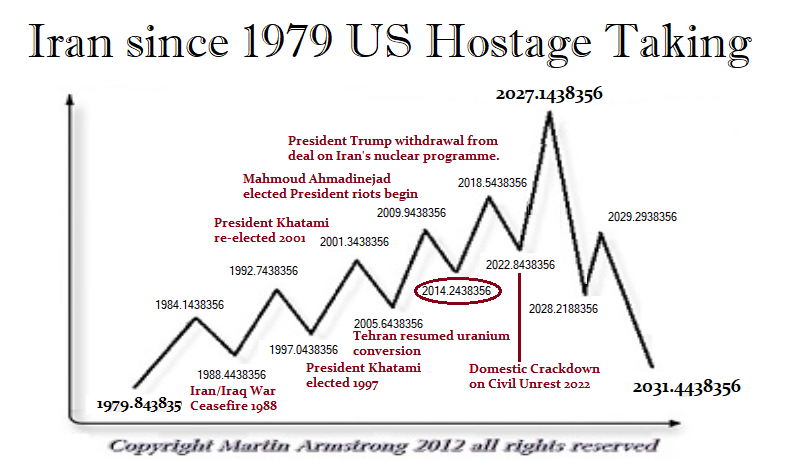
The first attack on Iran began in 2022 precisely on time for the final wave that peaks in ideally February 21st, 2027. From that turning point into 2031, this is not looking like a peaceful people. Our long0term models on Crude Oil tend to agree, with a Panic Cycle in 2028.
With about one-third concerned that this leads to armageddon and other cheering for it to bring the Second Coming, Trump may have stepped into something he had no idea where this would lead. The info from Israel will be biased and untrustworthy just as that coming from Iran. We ended up in a war where the United States is not fully in control. Trump was elected promising to end these Neocon Wars. They do not care about him or his legacy.
Because both sides hate each other and vow to utterly destroy the other denying their right to exist, the risk of nuclear war exists for Netanyahu has vowed his hatred of Iran for the ast 40 years. When they run out of interceptors and this war is not over in just a few weeks, then Israel will be at risk of destruction.
We can see that Netanyahu has spun this story that this will be a quick victory and it will not be another endless war.
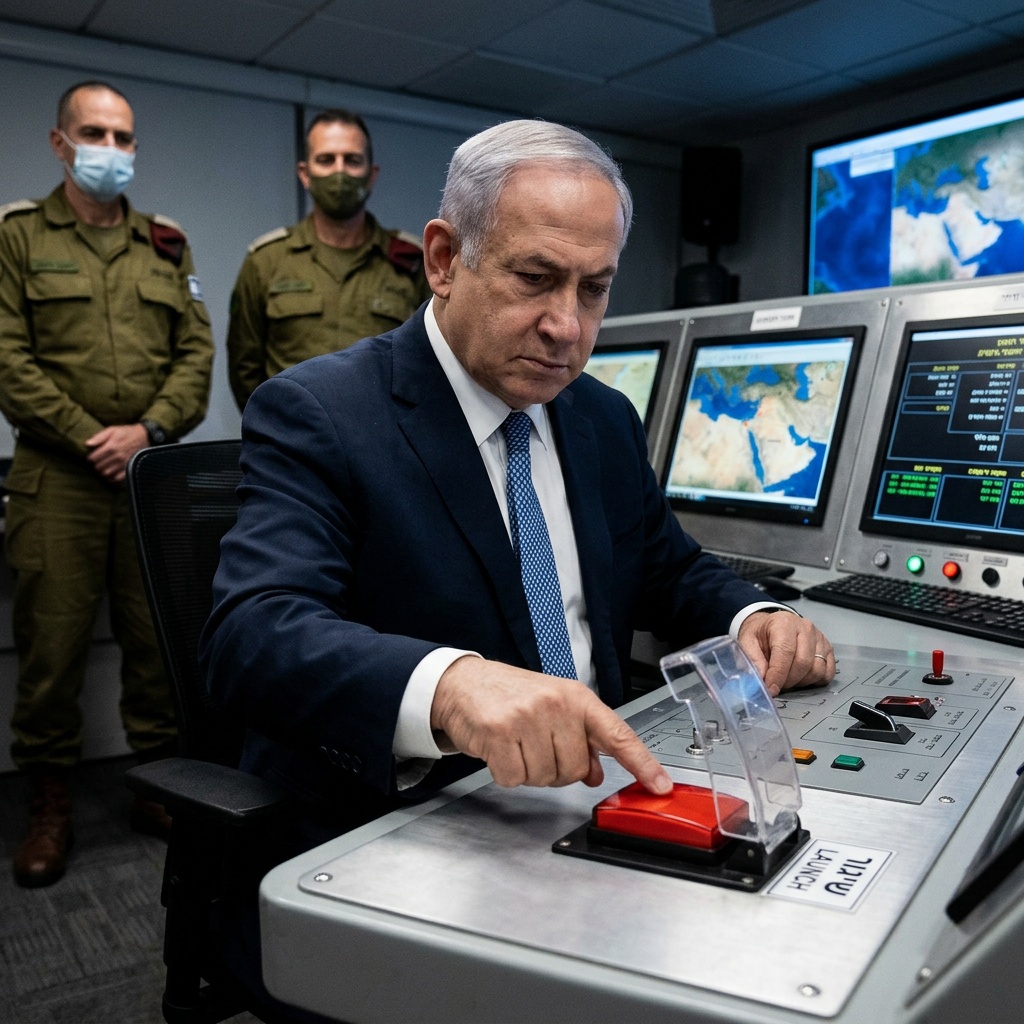
The question becomes at what point will Netanyahu push the button? Will he even tell Trump in advance?
I have studied history intently. The ONLY way to achieve peace is that you MUST listen to the other side’s demands for their security.This is why NATO and the EU refuse to come to terms with Russia because they refuse to listen to what security concerns Russia has regarding Ukraine. Here with Iran, why they are rejecting a ceasefire is simple. There is no negotiation whatsoever that listens to their concerns. They have articulated that the US should close all bases and exit the Middle East. I think you would sooner see John Bolton’s head spin around while spewing out green fluide.
The solution is not that hard. All th Gulf States where the US has bases have proven that instead of providing security, they have become targets. They have not benefited from having these bases and now they stand in the way of peace. So, how do we get around this problem? Those Gulf States must retake their sovereignty over those basis and guarantee that they will NOT be used to launch future attacks on Iran without their permission. The US keeps the bases, but they cannot operate unilaterally as in the case in Europe.
The only way to ensure lasting peace is that Israel must accept a Palestinian state. This has been even voted in the United Nations. The only reason it does not take place is because of the United States. Unless this is done, it is hard to see how there can ever be a lasting peace. This has been the primary reason why Netanyahu has wanted to overthrow Iran. He assumes that the elimination of Iran will prevent any Palestinian state. Let’s face the facts. Unless some state is established, there is no hope of ending terrorism and war. This documentary, The Heart of Jenin, about a Palestinian boy shot and killed by an Israeli soldier who thought the toy gun was real. Not everyone is filled with hatred.
I have created this site to help people have fun in the kitchen. I write about enjoying life both in and out of my kitchen. Life is short! Make the most of it and enjoy!
This is a library of News Events not reported by the Main Stream Media documenting & connecting the dots on How the Obama Marxist Liberal agenda is destroying America









 Centinel2012