LIVE: Trump Press Secretary Karoline Leavitt Holds Press Conference at White House…
Posted originally on: rumble on Bright Bart News Network on July 23, 2026
Germany’s Productive Class Is Looking for the Exit
Posted originally on Jul 24, 2026 by Martin Armstrong |

Germany spent decades building one of the most productive workforces in the world. It trained engineers, scientists, technicians, physicians, and business leaders under the assumption that education, sacrifice, and hard work would provide a better standard of living. That social contract is now breaking apart. The people who followed the rules are discovering that the government regards their success as taxable property.
Euronews reported that more than 288,000 German citizens moved abroad within a single year. Germany recorded roughly 97,000 more German citizens leaving than returning, the largest net loss since 2017. This is no longer limited to retirees looking for sunshine. The skilled and productive are searching for an escape from a system that increasingly punishes them for working.
An Indeed survey found that 54% of respondents with household net income of at least €6,000 had applied for jobs abroad or investigated the international labor market during the preceding 12 months. Two-thirds said they generally considered taking employment abroad, while 77% of those interested in leaving expected to remain outside Germany for several years or permanently.
The politicians will pretend that this is about the weather or some desire to experience another culture. The survey tells a very different story. Around 51% cited higher income, another 51% wanted a better quality of life, and 42% were seeking a lower burden of taxes and social contributions. Seventy percent said Germany’s tax burden was too high relative to income and that personal commitment at work did not pay sufficiently.
This is precisely what happens when government destroys the connection between effort and reward. A person working full-time at Germany’s 2026 minimum wage of €13.90 per hour earns approximately €2,409 gross per month. Depending on personal circumstances, that can leave around €1,700 to €1,800 after deductions. There is absolutely nothing wrong with that worker earning a living wage. The disgrace is what happens to the person who spends years obtaining an advanced degree and accepts greater responsibility.
A single employee earning approximately €70,000 gross annually may retain only around €3,500 per month. That income places the worker somewhere around the upper 15% to 20% of individual earners, depending on the population and measurement used. Yet the take-home pay is barely twice that of someone earning the statutory minimum.
The professional may have spent five or six years at university, accumulated debt, delayed starting a family, and accepted a job requiring specialized knowledge and long hours. The government then steps in and compresses the reward until the difference becomes almost meaningless. At some point, people begin asking why they made the sacrifice.
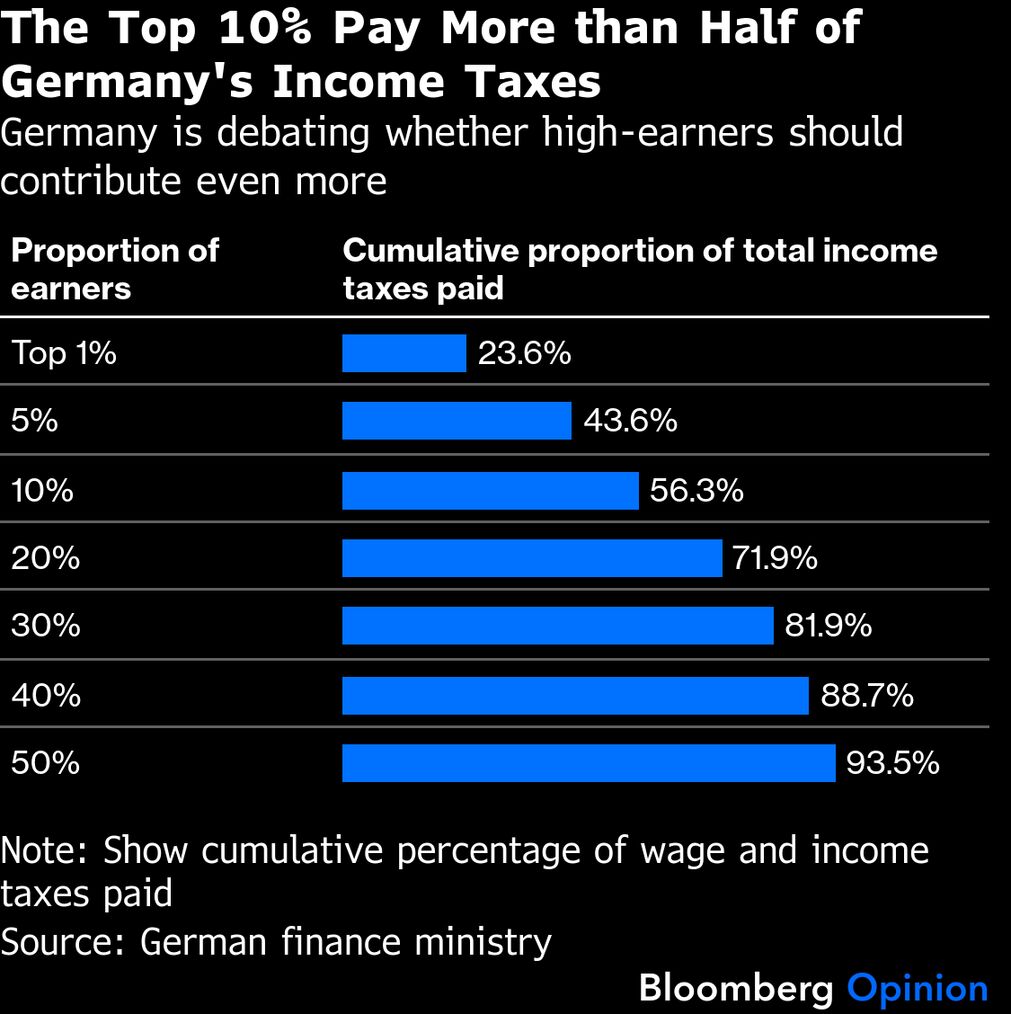
Official figures demonstrate just how low Germany’s salary ceiling has become. The median full-time employee earned €54,066 gross in 2025. The threshold for entering the top 10% was €100,719. Employees with academic qualifications earned a median of €5,916 gross per month in 2024, which might produce roughly €3,500 to €3,700 net for a single worker. Someone considered highly successful on paper may therefore live like an ordinary middle-class employee after taxes, housing, energy, transportation, and food.
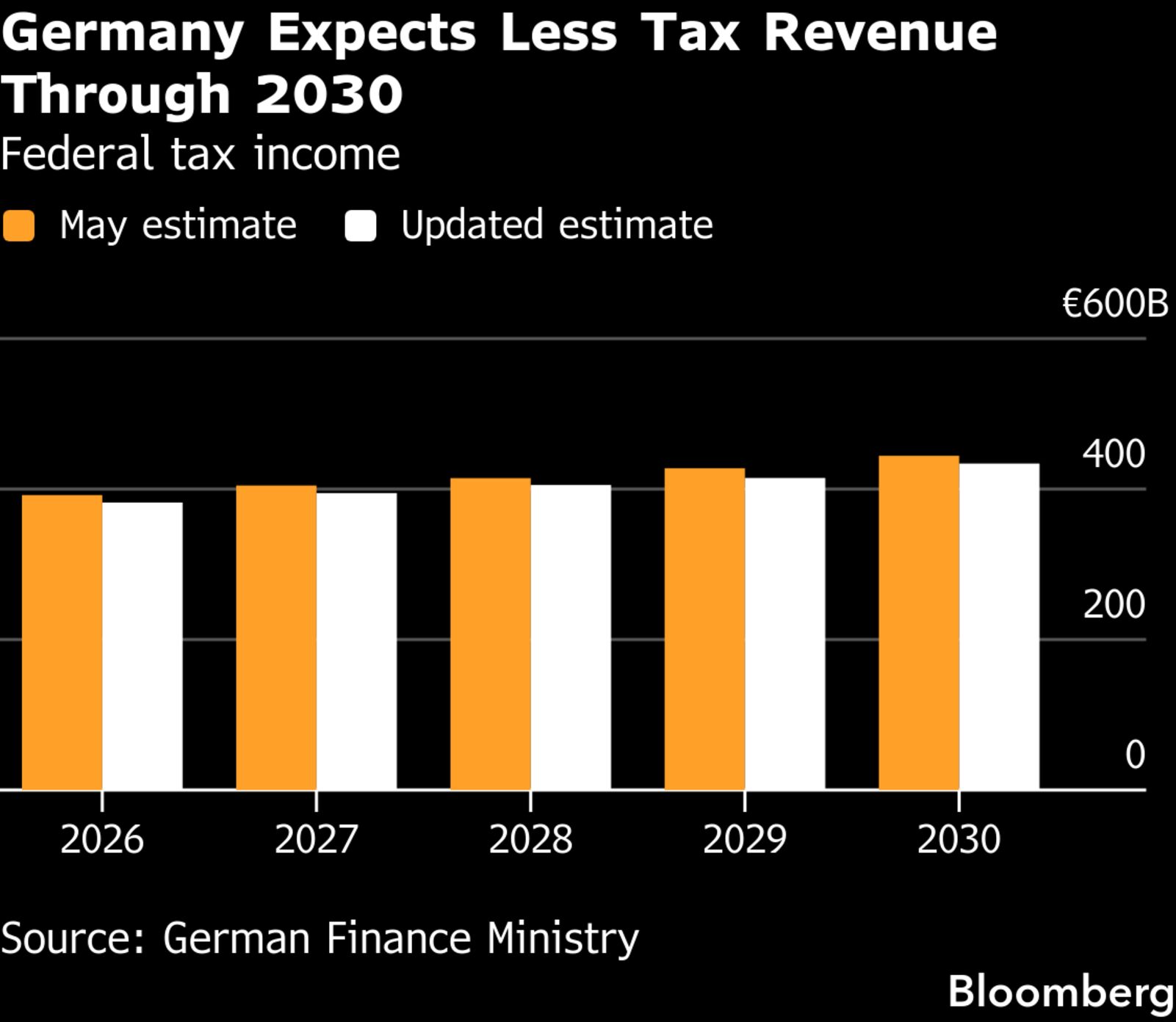
Germany has created one of the heaviest tax wedges in the industrialized world. Euronews noted that an average single employee retains only €50.70 from every €100 spent by the employer on labor. The remainder disappears through income taxes and the social contributions paid by both employer and employee. The OECD placed Germany’s tax wedge for an average single worker at roughly 49.2% in 2025, compared with an OECD average of 35.1%.
This is not capitalism. Capitalism rewards productivity and permits individuals to accumulate capital. Germany has constructed a bureaucratic redistribution machine in which the state consumes nearly half the economic value of labor before the worker can save a single euro. Then the same politicians express surprise when skilled Germans cannot afford homes, delay having children, and begin looking abroad.
The United States remained the most frequently searched foreign destination in the survey, accounting for 14.4% of queries, although interest declined from the prior year. Britain and Switzerland each represented 13.6%. Searches involving the United Arab Emirates and India increased by 24%, while interest in Britain rose by 38%.
Switzerland offers higher compensation in numerous professional fields and generally lower taxation, although the burden varies by canton. The United Arab Emirates offers something European governments can barely comprehend: no general tax on personal employment income. The United States is not universally a low-tax country, since federal taxes apply and state burdens differ, but it still offers a deeper labor market and a far higher salary ceiling for technology, finance, medicine, engineering, and entrepreneurship.
Merely obtaining a remote job from an American, Swiss, or Dubai-based company will not solve the problem if the employee continues living in Germany. German tax residency normally means German taxation regardless of where the employer is located. To escape the system legally, the individual generally must establish genuine tax residency elsewhere. This is not simply remote work. It is the physical migration of productive people, their families, their spending, their knowledge, and eventually their capital.
Germany’s remaining attractions reveal the problem. Sixty percent of survey respondents cited the social environment as an advantage, 47% mentioned employment protection, and slightly under 35% named the welfare system. Those are benefits built around security, but security cannot substitute for opportunity forever. A country that protects people from failure while removing the rewards of success eventually produces stagnation.
Brussels has compounded Germany’s domestic mistakes. The European Union has imposed layers of regulation, climate mandates, compliance costs, and energy policies that make European workers and businesses less competitive. Germany destroyed its access to dependable Russian energy, abandoned nuclear power, embraced Net Zero, and watched major industries reduce production or move investment elsewhere. The worker is expected to pay higher taxes while the employer pays higher energy, labor, and regulatory costs. Both sides are being squeezed to finance a political experiment that is failing in plain sight.
This is how a nation enters economic decline. The welfare state requires an expanding base of productive taxpayers, but the state treats those taxpayers as an inexhaustible resource. Germany recorded net immigration of more than 200,000 non-German citizens while simultaneously losing a net 97,000 German citizens. Immigration by itself cannot replace the departure of experienced professionals, entrepreneurs, and highly productive taxpayers.
Capital and labor always migrate away from hostile conditions. Politicians can erect barriers around money, but they cannot force ambitious people to remain where their efforts are treated as a public resource. When more than half of the country’s higher-income households are already looking abroad, this is not a warning for some distant future. The productive class has begun examining the exits, and once families establish new lives elsewhere, they rarely return merely because Berlin promises another tax reform.
The Rise of the Ellison Empire
Posted Jul 24, 2026 by Martin Armstrong |
There was a time when America’s industrial titans built railroads, steel mills, and oil companies. Today, influence is measured in data, artificial intelligence, cloud computing, media, and information. Few families illustrate that transformation better than the Ellisons.
Larry Ellison built Oracle from a small software company into one of the world’s largest technology firms. His background and rags-to-riches story are quite interesting. Today Oracle is one of the dominant providers of enterprise databases and cloud infrastructure, serving governments, financial institutions, healthcare providers, defense contractors, and many of the world’s largest corporations. Oracle’s software touches enormous portions of the global economy. When governments collect taxes, hospitals manage patient records, banks process transactions, or corporations analyze data, Oracle systems are often operating behind the scenes.
Larry Ellison’s personal fortune has placed him among the wealthiest individuals in the world for decades. His influence extends well beyond technology. He has invested billions in real estate, owns nearly all of the Hawaiian island of Lanai, has backed medical research, invested heavily in artificial intelligence, and has maintained relationships with political and business leaders from both parties. The TikTok debacle this year was solved when the power was handed over to Ellison’s conglomerate. The sheer data this family has access to is staggering. Wealth at that level naturally provides access to decision makers across government and industry.
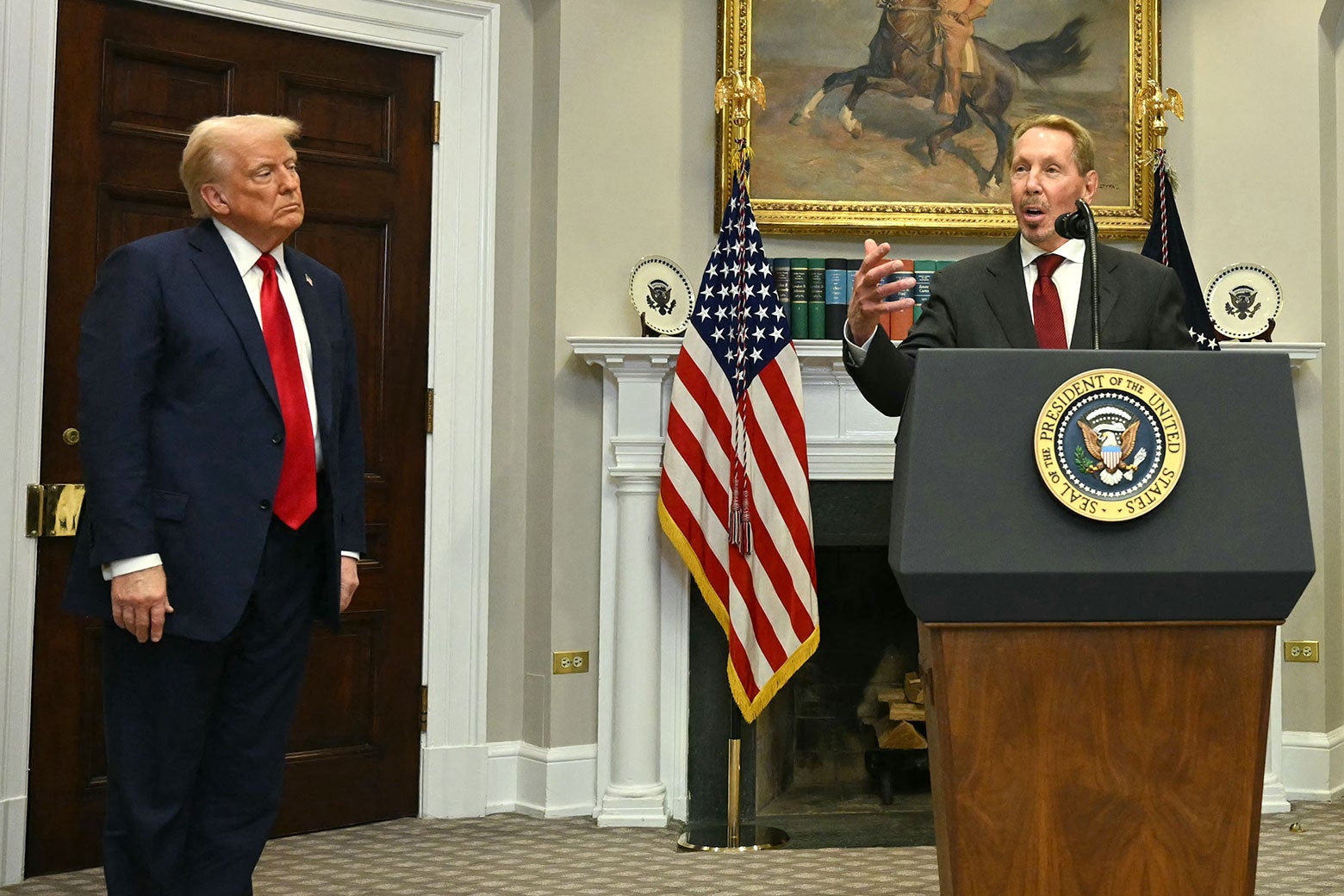


Then we come to his son, David Ellison, who founded Skydance Media in 2010. The company produced or co-produced major franchises including Mission: Impossible, Top Gun: Maverick, and Star Trek, before expanding into television, animation, gaming, and streaming. This was never merely a wealthy man’s son playing Hollywood producer. Skydance became the vehicle through which the Ellison family entered the machinery of American culture.
The Skydance takeover of Paramount for $8 billion brought CBS, CBS News, Paramount Pictures, Paramount+, Nickelodeon, MTV, Comedy Central, BET, Showtime, and decades of film and television rights into the Ellison orbit. The father built an empire around the storage and processing of information. The son moved into the business of selecting, packaging, and distributing information to the public. That combination should concern everyone, regardless of politics. Oracle occupies a critical position within the technological infrastructure used by governments and corporations, while Paramount reaches millions of people through news, entertainment, sports, children’s programming, and streaming. One side of the family empire helps manage the data. The other side can help shape the narrative.
This is how oligarchies emerge in the modern world. They do not need to abolish elections or openly seize control of government. They acquire the infrastructure, the platforms, the studios, the databases, and the channels through which society communicates. Politicians then come begging for access, favorable coverage, campaign support, or technological assistance.
I have written extensively about the growing surveillance state because data is the new instrument of political control. Oracle does not merely sell office software; its databases and cloud systems sit beneath governments, banks, hospitals, corporations, and defense institutions, processing information on countless individuals. This does not mean Larry Ellison personally searches through anyone’s private records, but it does mean his empire occupies a powerful position within the infrastructure where that information is stored and managed. Governments no longer need to kick down every door when they can pressure a handful of technology companies to surrender the data voluntarily or obtain it through the courts. Now his son controls a media empire capable of influencing what millions of Americans see, hear, and believe about that very system. The father’s world helps store the information while the son’s world can shape the public narrative, and anyone who cannot see the danger in combining those two forms of power is refusing to understand how a modern surveillance state is constructed.
Some will say there is no evidence that the Ellisons have committed any crime merely by owning these businesses. That misses the entire point. A concentration of power does not become dangerous only after somebody is convicted. The problem is creating a structure in which a handful of unelected families can exercise more economic, technological, and cultural influence than entire governments. America once feared monopolies because people understood that concentrated economic power eventually becomes political power.
The Ellisons did not invent this system, but they have become one of its clearest examples. Larry Ellison built the technological empire. David Ellison extended the family’s reach into media and culture. When one family can occupy both the infrastructure of information and the institutions that distribute it, we are no longer discussing ordinary entrepreneurial success. We are looking at the architecture of modern power.
The Truth About the S&L Crisis Caused by Government & Endless Taxation
Posted originally on Jul 24, 2026 by Martin Armstrong |

QUESTION: You mentioned that the S&L Crisis of the 1980s was caused by the Democrats winning Congress in 1984 and changing the tax code on commercial real estate. Could you explain that connection? Was the banking and real estate crisis primarily driven by Democratic policies at that time?
DD
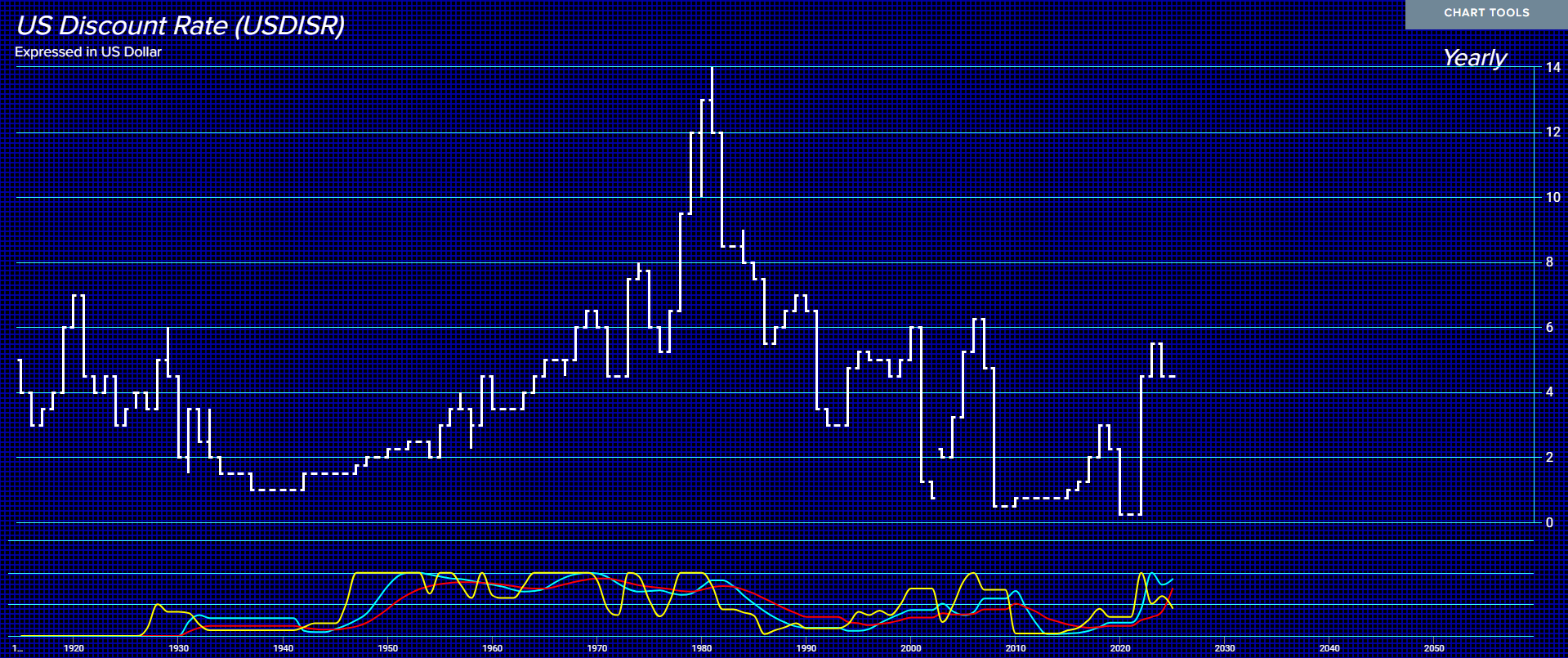
ANSWER: Oh, most definitely. But there were TWO insolvency waves. Because of the OPEC oil shock of the ’70s, that set in motion a cost-push inflation, which Paul Volker raised interest rates to 14% trying to reverse an inflation that had NOTHING to do with DEMAND. Drastically higher interest rates resulted in about one third of S&Ls becoming insolvent, which was the first wave of failures in 1981–1983. The number of insolvent S&Ls did not peak until 1985 that year with 21.7% of the industry in trouble.

As I have warned many times, that the solution to a problem adopted by politicians always becomes the problem for the next solution. S&Ls were being crippled by high interest rates of Volcker trying to stop cost-push inflation. Their business model, funding long-term, fixed-rate mortgages with short-term deposits, meant that when the Federal Reserve raised interest rates to fight inflation, they had to pay higher rates on deposits but were still earning low rates on their old mortgages, leading to massive losses that the politicians would always blame on the private sector.
Congress responded passing the Depository Institutions Deregulation and Monetary Control Act of 1980. This began the process of deregulation, primarily by removing the caps on the interest rates S&Ls could offer depositors (phasing out Regulation Q), but it didn’t yet give them new lending powers. This tried to allow them to compete with Commercial banking.
Failing to solve the problem, Congress passed the critical legislation that allowed S&Ls to make commercial and commercial real estate loans. This was the Garn-St. Germain Depository Institutions Act of 1982. This act was specifically designed to help S&Ls earn their way out of the crisis by expanding their asset powers to include commercial real estate and construction loans abandoning the restriction on exclusive residential mortgages. The hope was that the higher returns from these new ventures would offset their losses from residential mortgages.
The primary piece of legislation was the Deficit Reduction Act of 1984 (DEFRA), which included several provisions that directly impacted real estate. The act increased the depreciation schedule for real property from 15 years to 18 years. This change meant that investors could not write off the cost of a building as quickly, reducing a key tax benefit for real estate investment. The law introduced new rules targeting “imputed interest,” particularly concerning below-market loans provided by sellers to buyers. These rules made it harder to use creative, seller-financed deals that lowered the buyer’s interest rate in exchange for a higher purchase price. Congress and the Treasury Department viewed this as a tax loophole that allowed sellers to convert ordinary income into lower-taxed capital gains and gave buyers a higher depreciation basis. The new rules were expected to curtail such transactions, which were seen as tax shelters. As if this attack on the Democrat’s hated “rich” imposed restrictions on industrial development bonds and a reduction of tax benefits for property leased by tax-exempt entities. It created a one-way market with an avalanche of sellers and no buyers. Savings and loans, or thrifts, began in the private sector with the first institution of this kind was the Oxford Provident Building Association, founded in 1831 in Frankford, Pennsylvania. The idea was for a group of people to pool their money so members could buy homes, and this model spread across the country.
It was the Great Depression when the Democrats stuck their finger into the pie. The Federal Home Loan Bank Act was signed into law to provide a stable source of funds for mortgage lending trying the resurrect the real estate market. This established the Federal Home Loan Bank System to support S&Ls with low-cost funds for real estate. This was followed by the Home Owners’ Loan Act authorized the creation of federally chartered S&Ls, establishing a national framework for these institutions. The next year saw the Federal Savings and Loan Insurance Corporation (FSLIC) created to insure deposits at S&Ls, similar to what the FDIC did for banks, which helped restore public confidence. The following year, 1935, is often noted in this history because it marked the completion of this initial regulatory framework and usurped the independence of the Federal Reserve branches as Roosevelt installed a Chairman of the Fed replacing the Secretary of the Treasury. The Home Owners’ Loan Act was further amended in May 1935 to allow existing state-chartered S&Ls to convert more easily to federal charters, a trend that grew significantly that year.
The Democrats never saw a dollar they did not want to tax. They never once consider the implication of their endless greed for taxes and how that alters economic behavior. For decades, the primary function of S&Ls was taking in savings deposits and originating residential mortgages, and their powers to make other types of loans were limited.
The critical shift happened with deregulation in the early 1980s. The Garn-St. Germain Depository Institutions Act of 1982 expanded S&L powers significantly. For the first time, they were explicitly given authority to make commercial loans, consumer loans, and other non-residential investments. This move enabled them to make commercial real estate lending. The the greed of the Democrats altering the tax code on commercial real estate set in motion a bear market and when the commercial real estate crashed, they blamed the S&Ls for the crisis.
In the wake of the crisis, the government fundamentally reversed course in 1989. The Financial Institutions Reform, Recovery, and Enforcement Act of 1989 (FIRREA) was specifically designed to push thrifts back to their traditional role. It did this through a key mechanism called the Qualified Thrift Lender (QTL) Test requiring S&Ls to hold 70% of their portfolio assets in “qualified thrift investments,” which were almost entirely housing-related assets like residential mortgages. This was a dramatic increase from the 60% requirement before FIRREA and was implemented with the explicit intent of “pushing thrifts back towards their traditional housing role.”
FIRRE was designed to prevent the commercial and non-housing lending that had bankrupted the industry thanks to the Democrats’ greed for taxation targeting commercial real estate. They always think they can just grab money and never consider any influence and how it will alter society.
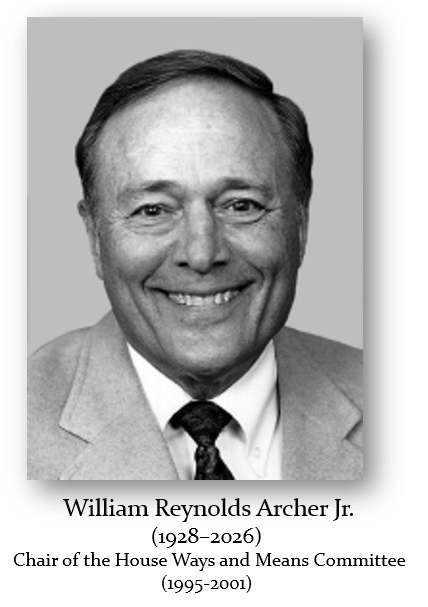
The Democrats created the S&L Crisis since they are ignorant of how the economy functions. I NEVER met a single Democrat, and most Republicans for that matter, with the exception of Bill Archer (1928-2026), who actually understand how the domestic economy functions no less the world economy. The only politician who understood was Bill Archer. Of course, nobody listened that altering the tax code on commercial real estate would result in a crash. When Bill became Chairman of the House Ways & Means Committee, Bill invited me to testify on the dollar and taxation.
Like Mandami in NYC thinks he can just grab money from whomever he pleases. Mayor Mamdani has taken actions targeting landlord misconduct, and various specific eviction pauses or restrictions have been proposed or implemented at different levels of government .
The city helped secure a moratorium on over 300 eviction cases at the Flatbush Gardens complex in Brooklyn. A bill has been introduced in the City Council that would raise fines for unlawful evictions from a maximum of $10,000 to $20,000 per violation, and would bar landlords found guilty of such evictions from receiving city tax breaks for five years.

In Berlin, Germany, a proposal to seize rental properties from large corporate landlords created significant political and legal uncertainty in the real estate market. There was NO BID. Prices did not “crash” because nobody would buy such properties in the face of confiscation. The leader of the Berlin parliamentary group Werner Graf ,
publicly pushed the Green agenda for expropriation “to achieve a housing market that is mostly oriented towards the common good.” It is always the same story, rob the rich and give it to me.
The expropriation proposal, stemmed from a 2021 referendum pushed by socialists, that created considerable uncertainty. The debate alone was seen as a risk that deterred investment and brought to a halt any construction of new housing, as the market relies heavily on private capital. No bank would even lend into such a market when the property could be confiscated as if it was the 1917 Communism Revolution all over again.
Finally, with massive economic damage being inflicted, a federal law was passed only in 2026 to prohibit such expropriations by state governments. This was seen as a key move that neutralized the political risk for property companies, providing them with much-needed legal certainty. The uncertainty contributed to a significant decline in large-volume transactions that collapsed by 82.3% in Q1 2025 compared to the same period in 2024. That was proof that this insanity of the LEFT taxing every dollar they can find to fill their own pockets always results in an economic collapse.
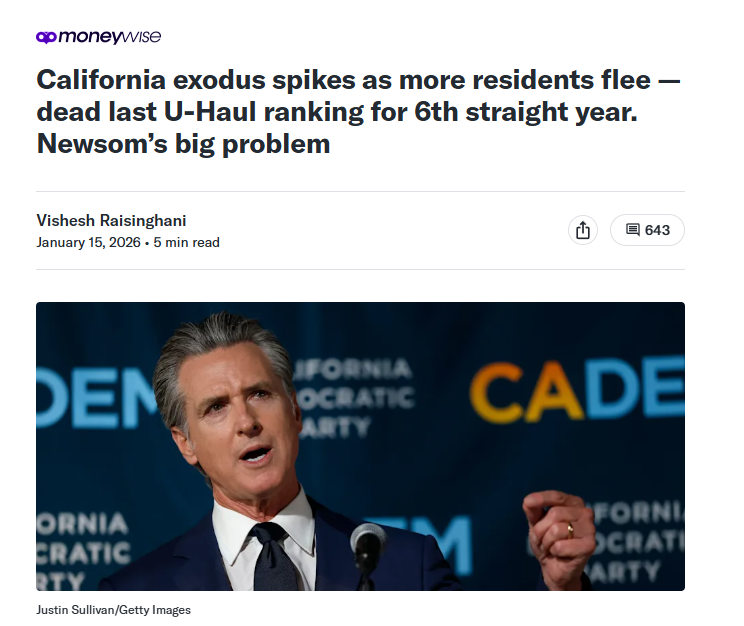
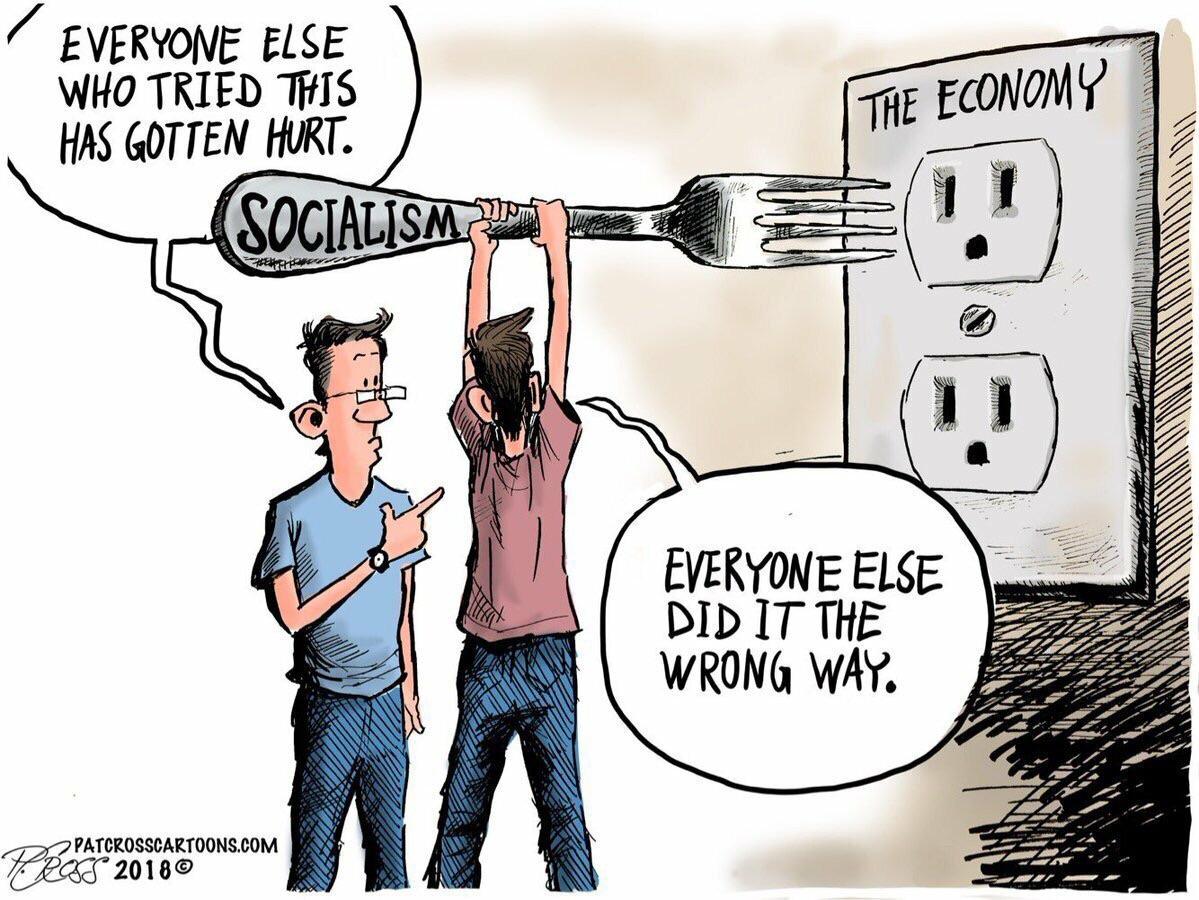
California has become the #1 state people are fleeing from and Newsom wants to become president? These people never look at the track record and how their constant attempt to just steal from people who have more than them to achieve a higher living standard by reducing that of others without having to work for it. The LEFT always tell the people they are the victims of the rich and count on the majority oppressing the minority, which is precisely against the founding principles of the United States, which had Constitutionally prohibited direct taxation to prevent this sort of legal persecution. The Marxist seized power toward the end of the 19th century and then pushed for a 16th Amendment to the Constitution to be allowed to engage in class-discrimination.
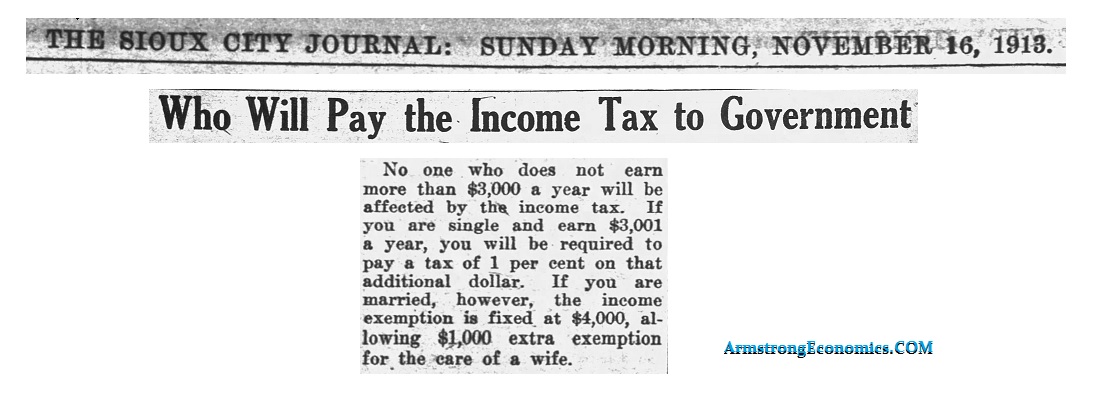
When the Socialists passed the Income Tax engaging in class-discrimination, by World War II, they instituted the Payroll Tax and today nobody escapes. Once the socialist seized control of the government, they ensured that the United States will suffer eventually the same fate as China and Russia.
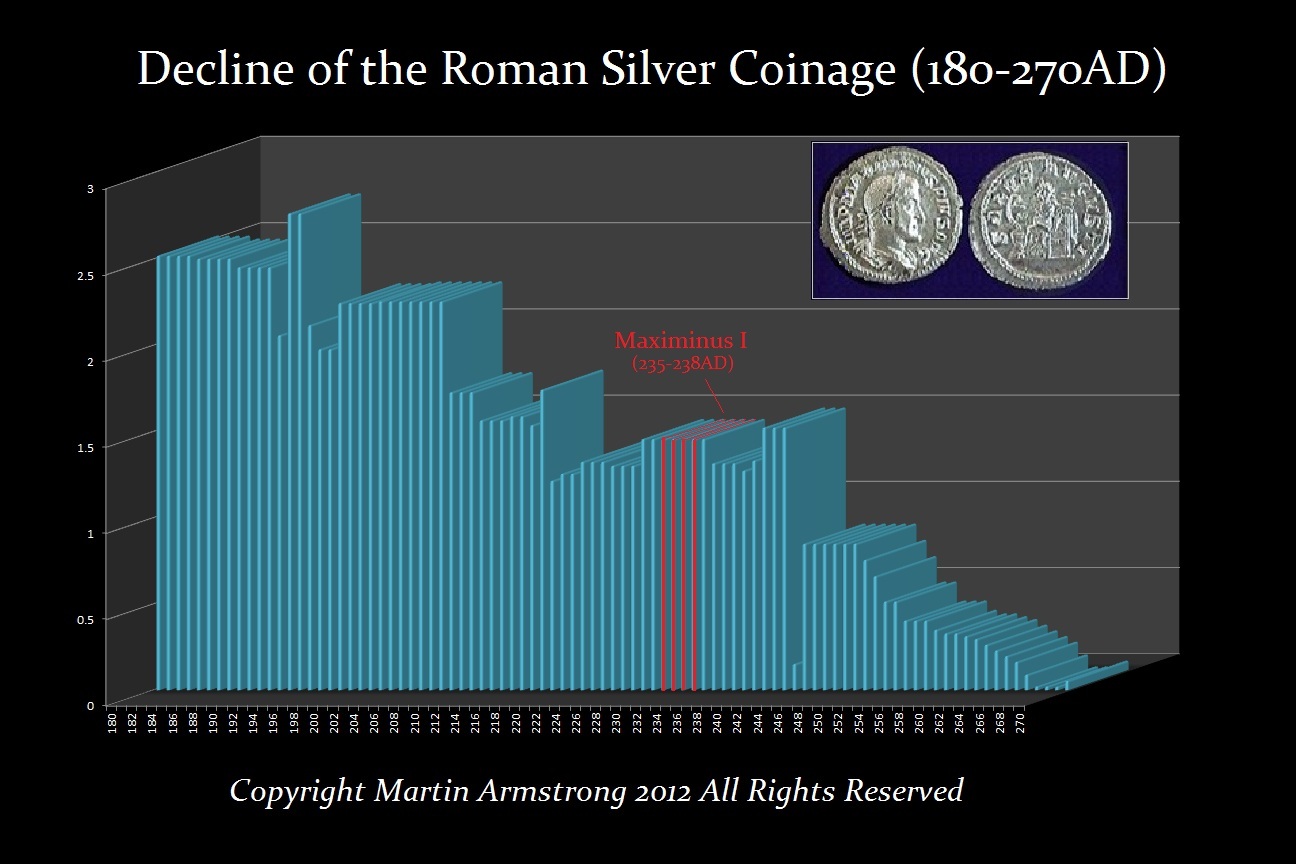
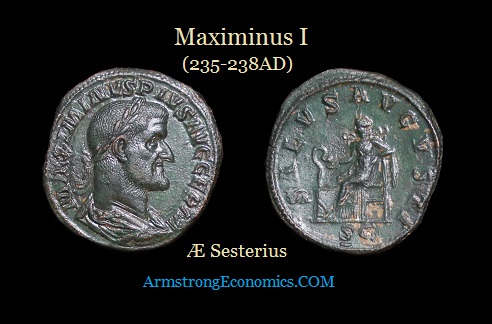
The greater the Marxist agenda, the lower economic growth, and eventually the country will collapse and split just as Rome did as well as the USSR. Maximinus I was to declare that all wealth belonged to the emperor in a communistic fashion. What took place, however, was the complete breakdown of society. Wealth was driven underground, and money was hoarded, causing VELOCITY to collapse as cash flow in circulation vanished and hoarding prevailed. This caused the economy to implode as commerce ceased, fostering an economic depression that naturally reduced tax revenues.
Maximinus I did not stop with simply private wealth. Maximinus I ordered the wealth of all temples to be confiscated as well. Countless died in defense of their religious beliefs. Not even the gods were respected by Maximinus I, whose view was that they never answered prayers because they did not exist.
Where there had once been golden statues of former Emperors, Maximinus ordered their seizure so they could then be melted down. The Rule of Law collapsed, and Historia Augusta tells us that he -“condemned all whoever came to trial” and that he “reduced the richest men to utter poverty.” The LEFT has been the curse of humanity. They always present the dark side of the human race.
Categories:EconomicsRegulationSocialist
The Books to be Handed Out at the Seminar Are In
USTR Greer Announces Results of Sec.301 Investigation – Tariffs on 60 Countries Including Canada, Mexico, Europe
Posted originally on CTH on July 23, 2026 | Sundance
As expected, U.S. Trade Representative Jamieson Greer has completed the Section 301 review of “forced labor practices” in manufacturing and trade. [USTR Announcement Here]

As a result of the findings, a tariff rate of 10% to 12.5% is being added to the goods from a host of countries evaluated. These 301 duties are in addition to currently existing tariff rates. [FACT SHEET] Trading partners that have made commitments to adopt, and effectively enforce, forced labor import prohibitions will have a 10% tariff, and trading partners that have failed to adopt a forced labor import prohibition will have a 12.5% tariff rate.
• The following 54 economies have failed to impose and effectively enforce a prohibition on the importation of goods produced with forced labor:
Algeria; Angola; Argentina; Australia; the Bahamas; Bahrain; Bangladesh; Brazil; Cambodia; Chile; China, People’s Republic of; Colombia; Costa Rica; Dominican Republic; Egypt; El Salvador; Guatemala; Guyana; Honduras; Hong Kong, China; India; Iraq; Israel; Japan; Jordan; Kazakhstan; Kuwait; Libya; Malaysia; Morocco; New Zealand; Nicaragua; Nigeria; Norway; Oman; Peru; the Philippines; Qatar; Russia; Saudi Arabia; Singapore; South Africa; South Korea; Sri Lanka; Switzerland; Taiwan; Thailand; Trinidad and Tobago; Türkiye; United Arab Emirates; United Kingdom; Uruguay; Venezuela; and Vietnam.
• The following six economies have failed to effectively enforce a prohibition on the importation of goods produced with forced labor:
Canada, Ecuador, the European Union, Indonesia, Mexico, and Pakistan.
After consideration for current Free Trade Agreement parameters and Most-Favored-Nation (MFN) reciprocity internals, the basic outcome is this:
- 10 percent is the appropriate rate of Section 301 duties for investigated economies that (i) impose a forced labor import prohibition; (ii) have committed to impose and enforce such a prohibition through an Agreement on Reciprocal Trade; or (iii) have imposed a partial regime with the effect of preventing the importation of certain forced labor goods. These economies are: Argentina, Bangladesh, Cambodia, Canada, Ecuador, El Salvador, Guatemala, Honduras, India, Indonesia, Jordan, Malaysia, Mexico, Pakistan, Sri Lanka, Trinidad and Tobago, and the United Kingdom;
- 10 percent or 12.5 percent, net of Most-Favored-Nation (MFN) rate is the appropriate rate of Section 301 duties for certain products of the European Union, Taiwan, Japan, Korea, and Switzerland that are not otherwise exempted, as explained in greater detail in the Federal Register Notice; and
- 12.5 percent is the appropriate rate of Section 301 duty for all other investigated economies.
- [SOURCE]

President Trump Welcomes the LA Dodgers, 2025 World Series Champions
Posted originally on CTH on July 23, 2026 | Sundance
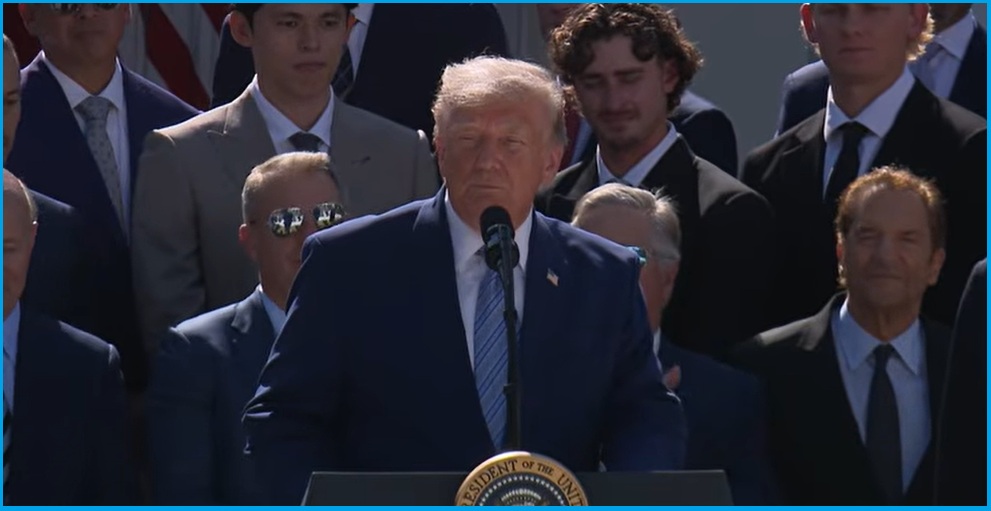
Earlier today President Trump welcomed the 2025 World Series Champion LA Dodgers to the White House to honor their championship victory. WATCH:
.
Canadian Government Cancels Joint Ceremony for Gordie Howe Bridge Opening Because Trump Hurt Their Feelings
Posted originally on CTH on July 23, 2026 | Sundance
The Canadian government has cancelled their participation in a joint U.S-Canada ribbon cutting ceremony because President Trump has hurt their feelings with a new tariff announcement.
It is the official position of the Canadian government not to join in any collaborative celebration. This comes on the heels of the Premier of British Columbia, David Eby, asking his staff to revoke the Canada statement celebrating America’s 250th Independence Day. Take that Trump! {{harrumph}}

CANADA – A planned joint ceremony on Friday between the U.S. and Canada marking the opening of the Gordie Howe International Bridge has been canceled after President Trump announced a 50 percent tariff on certain Canadian imports, including alcohol and dairy.
“In light of trade action threatened by the United States earlier this week, it would be inappropriate to proceed with a celebratory event between the two countries,” Jenna Ghassabeh, a spokesperson for Canadian Infrastructure Minister Gregor Robertson, said in a statement to the Associated Press.
“We remain committed to opening the bridge on July 27th, and to celebrating this milestone among Canadians on July 24th,” she continued. (read more)

BREAKOUT: Marco Rubio Asked About NDAA Sec.219, U.S-Israel Intelligence Collaboration
Posted originally on CTH on July 23, 2026 | Sundance
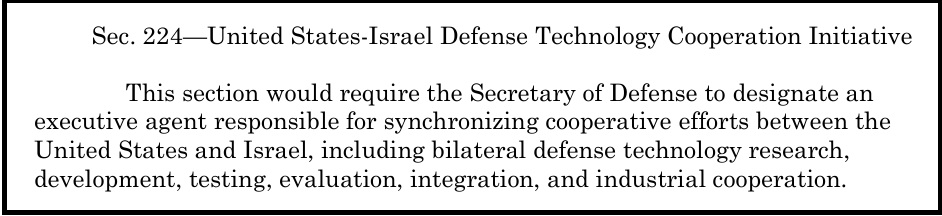
There are various points of view on a controversial section 219 within the National Defense Authorization Act (NDAA) bill that passed the House of Representatives last night and is heading to the Senate.
Section 219 (formerly Section 224) is part of the Fiscal Year 2027 NDAA. It directs the Secretary of Defense to designate a Pentagon executive agent responsible for overseeing the United States-Israel Defense Technology Cooperation Initiative, which aims to accelerate joint research, development, testing, evaluation, and industrial cooperation between the U.S. and Israel in defense technologies; specifically: missile defense, counter-drone systems, artificial intelligence, cybersecurity, quantum computing, directed energy, biotechnology, and autonomous systems.
Many people are mistakenly viewing this section as a merge of the military; that’s not the case. The issue is specifically about joint collaboration on missile defense systems and drone technology. Secretary Marco Rubio was asked about it today. Rubio’s response is outlined below:
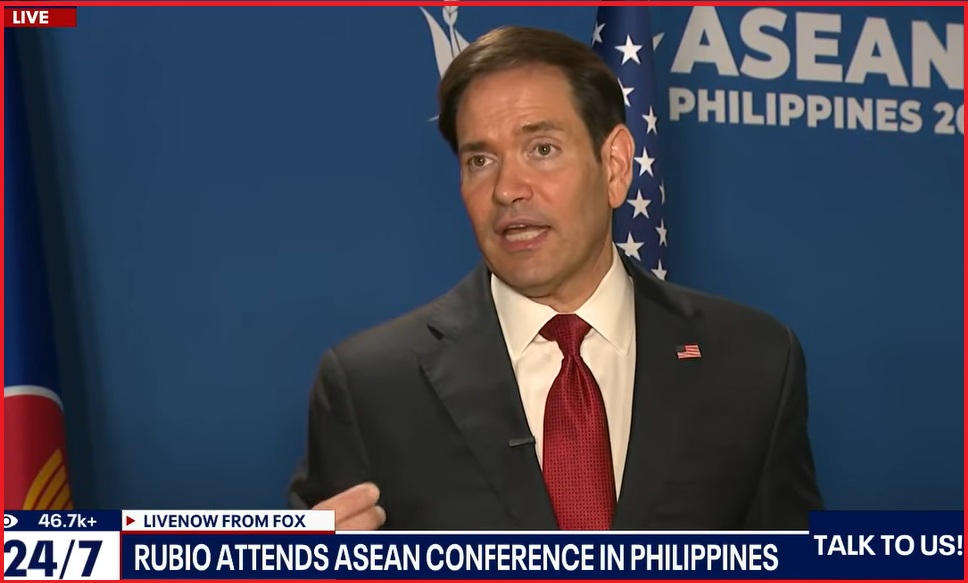
QUESTION: Mr. Secretary, you know the Senate better than most anybody. They’re debating the new military policy bill right now after the House passed it. One of the more controversial topics is about fusing the U.S. and Israeli military when it comes to co-production on things. Do you have any sovereignty concerns about that, if there are situations where the United States wants to send weapons? Iron Dome came up with Ukraine when the Israelis —
SECRETARY RUBIO: You’re asking about NDAA? Yeah, I mean, that – largely the Department of War manages that legislative portfolio, so I’m aware of the provision you’re discussing that involves cooperation on technology. And look, at the end of the day, the truth is we do that with countries all over the world.
QUESTION: So you support it?
SECRETARY RUBIO: I mean, if somebody – well, I haven’t read the specific provision in terms to tell you in detail. I understand – I understand the topic, though, because it’s not new. On air defense, for example, we’ve long cooperated with the Israelis. Look, if we have a breakthrough in our system or they have a breakthrough in theirs, we could share that in a way to improve our own systems as well. So if they’ve come up with some novel way of defeating drones, for example, of course we would want to have that and benefit from it. By the way, they’re not the only country in the world that we would do that with. We do that with other countries as well.
So I think that’s the provision you’re referring to, and that’s something we’re already doing. I mean, that’s something that already exists. But I don’t think there’s – that’s different from sovereignty. I mean, it’s not like U.S. forces are going to come under the command and control of a foreign general or anything of that nature.
QUESTION: But when Ukraine was asking for Iron Dome, the United States and some lawmakers, including Lindsey Graham, wanted the U.S. to send Iron Dome battery that was in the East Coast. Netanyahu vetoed that – that was co-production – he vetoed that —
SECRETARY RUBIO: Well – yeah, yeah, but any time you enter into co-production, we have those restrictions too. I mean, if we provide weaponry to a country and it’s part of an agreement, they can’t transfer that to a third country without our approval. That’s – we do the same thing. And Israel’s not the only country in the world that does it. Other countries do it with their systems as well. That’s just a normal way – when you do arms sales, part of the restrictions is you get to veto them passing it on to a third country. That’s not just us or Israel; it’s every country.
{SOURCE}