Hundreds of Thousands of British Rally to “Unite the Kingdom” in London


Posted originally on Rumble By The Salty Cracker on: May, 17, 2026

Creepy Lefty Gets Cop Fired Over Liking a “Racist comment” on Instagram


Posted originally on Rumble By The Salty Cracker on: May, 17, 2026

BLM Leaders Are Upset Netflix Airs George Floyd Joke


Posted originally on Rumble By The Salty Cracker on: May, 17, 2026

The Real Reason North Korea Fights for Russia


Posted originally on May 18, 2026 by Martin Armstrong |  

2024 06 19T192709Z_924838947_RC2JE8ASMPQ0_RTRMADP_3_NORTHKOREA RUSSIA 1024x681

Reports now estimate North Korea has earned roughly $14 billion through military cooperation tied to the war in Ukraine. That number is staggering when you realize North Korea’s entire GDP has been estimated at around $25 to $30 billion annually. This conflict may have generated revenue approaching half the size of the country’s entire economy.

People still cannot see what this war has become because they think North Korea entered Ukraine out of loyalty to Russia or some anti-Western alliance. That is childish analysis. North Korea entered this war because from Pyongyang’s perspective it would have been insane not to. While Washington believed sanctions would isolate Russia and cripple its partners, the exact opposite happened. The sanctions accelerated the formation of a wartime economic bloc stretching from Russia to Iran to North Korea. This is what governments never understand because they do not study history seriously.

North Korea was sitting on enormous Soviet-era ammunition stockpiles while NATO suddenly discovered its own industrial capacity was nowhere near prepared for a prolonged artillery war. Europe spent decades dismantling industrial infrastructure, outsourcing production, and obsessing over climate ideology while assuming major war on the continent was impossible. Then reality arrived.

But the real prize for North Korea is not merely money nor respect from power partners on the world stage. It is battlefield evolution. For decades, North Korea’s military doctrine remained trapped in Cold War thinking. Large infantry formations, rigid command structures, outdated artillery coordination, and Soviet-style battlefield tactics defined much of their strategic posture. Now, suddenly, North Korean units are being exposed directly to modern warfare against NATO-backed systems involving drones, electronic warfare, satellite surveillance, precision targeting, AI-assisted battlefield coordination, and real-time intelligence integration.

Reports already suggest North Korean forces initially suffered heavy losses because older assault tactics collided directly with modern battlefield realities. Then adaptation began appearing. Smaller formations, expanded drone deployment, improved artillery synchronization, faster communication systems, decentralized battlefield operations. Russia effectively trained North Korea’s military for modern warfare.

Meanwhile, the West keeps pretending this war is weakening its enemies when, in reality, it is training them. North Korea is now gaining direct exposure to Russian missile systems, drone technology, electronic warfare capabilities, loitering munitions, targeting systems, and battlefield intelligence it could never have developed this rapidly alone. Ukraine has effectively become a military laboratory where every major power is studying the future of warfare in real-time.

The battlefield laboratory has attracted all of the West’s adversaries. China is studying sanctions warfare and Western political fragmentation. Iran is studying drone integration and asymmetric escalation. Russia is adapting to NATO weapons systems. North Korea is observing modern battlefield coordination directly against Western-backed equipment. Even Europe is learning how catastrophically weak its own industrial base became after decades of globalization and political incompetence.

skynews kim jong un north korea_6725188

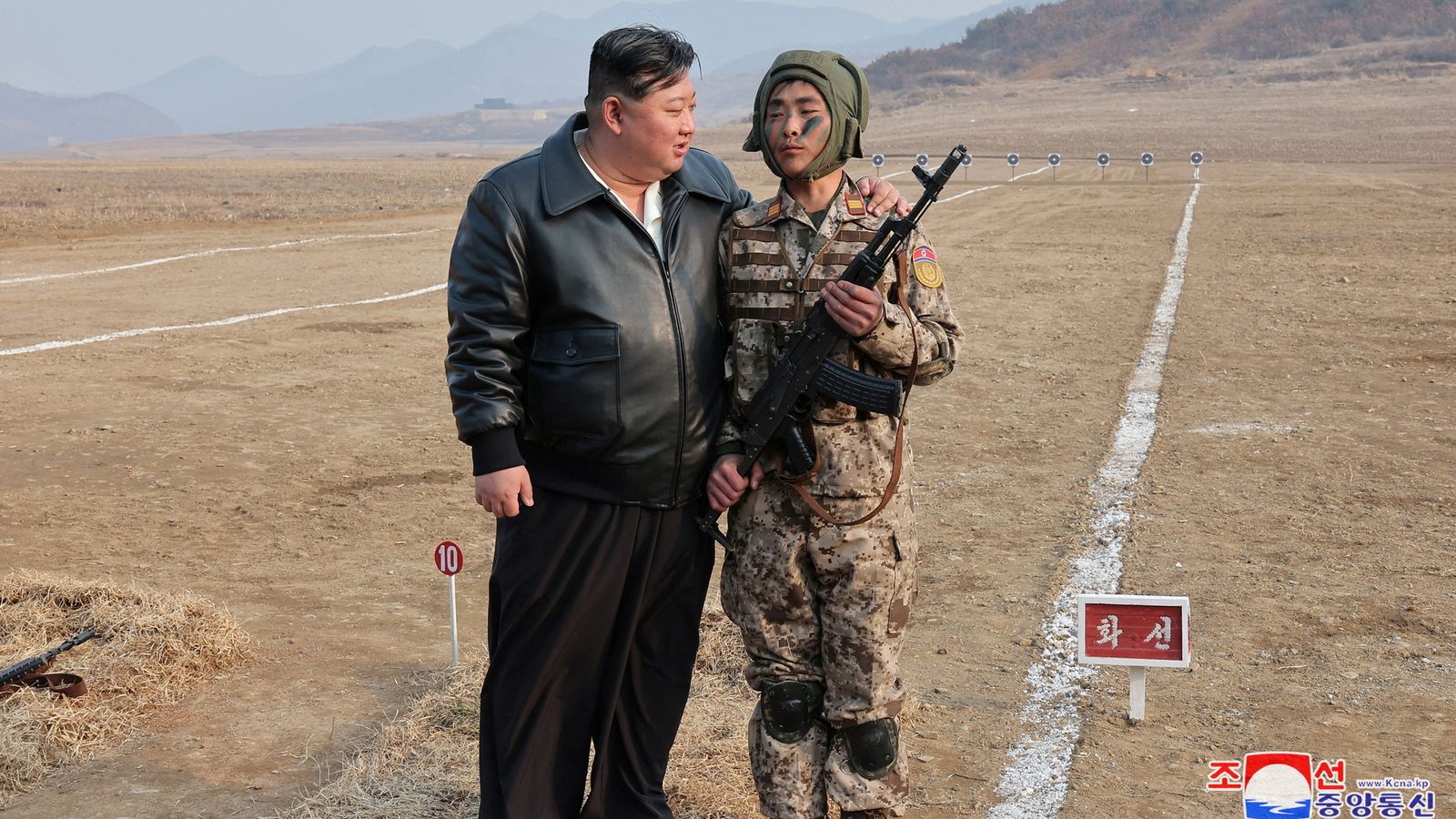
The political value inside North Korea matters as well because authoritarian systems require permanent confrontation to justify militarization. Kim Jong Un is already transforming dead North Korean soldiers into nationalist mythology through memorials and state propaganda. War creates purpose for regimes like this. It reinforces sacrifice, obedience, and state authority.

What should concern people most is that North Korean forces are now directly observing how Western systems actually function in combat. HIMARS deployment, NATO battlefield coordination, electronic warfare countermeasures, drone integration, satellite-guided artillery, all of it is being studied through live battlefield exposure rather than theoretical analysis.

North Korea did not enter this war because of friendship with Russia. Yes, the Hermit Kingdom programs its people to hate the West, but they did it for more than the love of the game. It entered because the conflict offered economic survival, military modernization, technological advancement, and direct exposure to modern warfare all at once. Nuke warfare may be enough to temporary ward off enemies, but did nothing to boost the economy. From Pyongyang’s perspective, this war is one of the greatest strategic opportunities the regime has encountered.

America’s Sovereign Debt Crisis Has Already Begun


Posted originally on May 18, 2026 by Martin Armstrong |  

Sovereign Debt Crisis Begins

The United States has crossed a threshold that historically marked the beginning of sovereign debt crises for empires throughout history. According to newly released figures, U.S. debt held by the public has now surpassed 100% of GDP for the first time since World War II, reaching roughly 100.2% as public debt climbed above $31.27 trillion while GDP stood near $31.22 trillion. Total national debt is meanwhile rapidly approaching a remarkable $39 trillion.

The media continues comparing current debt levels to the period following World War II, but the comparison is fundamentally misleading because the conditions today are entirely different. After 1945, the United States emerged as the dominant industrial power globally while much of the world rebuilt from destruction. Economic growth surged, demographics expanded rapidly, productivity increased, and debt ratios naturally declined over time. Today, the opposite dynamic is unfolding.

The federal government now runs deficits even outside recessions or major global wars. Congressional Budget Office projections show deficits remaining near 6–7% of GDP annually for years ahead while debt held by the public climbs toward roughly 108% of GDP by 2030 and potentially 120% within the following decade. Interest payments alone are moving toward or beyond $1 trillion annually, already rivaling or exceeding military spending itself.

There are no true budgets for government. The people in power do not care about the economy beyond their term in office. If they cannot find a reason to justify a larger spending package, then they’ll simply go over the allotted amount, fail every audit, and face zero repercussions.

Governments increasingly borrow simply to service existing obligations while politicians refuse to cut spending meaningfully because the entire system became dependent on perpetual debt expansion. Military spending rises, entitlement obligations grow, infrastructure demands increase, and governments are now layering industrial policy, migration costs, AI subsidies, climate initiatives, and geopolitical competition directly onto already unsustainable fiscal structures.

This problem is not limited to the United States since the nature of politicians is identical. Global debt recently climbed toward $353 trillion according to the Institute of International Finance, reaching approximately 305% of global GDP. China, Europe, Japan, and the United States are all trapped inside debt structures that require continuous monetary intervention and refinancing simply to remain stable. Problem is they cannot roll over these debts forever.

That capital flow advantage is the only reason the system has not fractured more violently already. Foreign capital continues flowing into Treasury markets because investors still view the United States as the least unstable major market globally. Even Federal Reserve officials recently acknowledged that demand for U.S. government debt remains relatively strong despite exploding borrowing levels.

The crisis is emerging gradually through declining purchasing power, rising interest burdens, slower growth, weakening middle classes, political fragmentation, and falling confidence in institutions. The average citizen already feels the consequences directly even if they do not fully understand the mechanics underneath.

Inflation destroyed purchasing power over recent years. Housing affordability collapsed across large portions of the country. Insurance costs surged. Property taxes rose sharply. Food, healthcare, utilities, and debt servicing all became materially more expensive. Younger generations increasingly feel locked out of long-term financial stability despite working harder than previous generations.

That is what sovereign debt deterioration looks like in practice. Governments now face an impossible trap. If interest rates remain elevated, debt servicing costs continue exploding higher while households, banks, and commercial real estate weaken further. If central banks suppress rates aggressively again, currencies weaken and inflation accelerates. Either path gradually undermines confidence and the massive debt rollover will eventually hit a wall.

This is why governments worldwide are simultaneously discussing CBDCs, unrealized gains taxes, wealth taxes, digital IDs, banking surveillance systems, and expanded financial reporting requirements. Yet they can NEVER tax the people enough to cover even a portion of these debts. Sovereign debt crises always push governments toward tighter control over capital because states cannot tolerate unrestricted wealth movement once fiscal conditions deteriorate severely enough. People often ask me when the soverign debt crisis will begin, but we have already reached that point. The system will continue to collapse until 2032 when we have the opportunity to perhaps get it right.

Medical AI Breakthroughs – The Future of Medicine


Posted originally on May 18, 2026 by Martin Armstrong |  

For years, many people dismissed artificial intelligence as little more than a threat to jobs or another speculative technology bubble. Yet beneath the political noise and media hysteria, one of the most important medical revolutions in modern history is quietly beginning to emerge. Artificial intelligence is now helping doctors detect diseases earlier, develop drugs faster, personalize treatments, and potentially save millions of lives that otherwise would have been lost under traditional medical systems.

One of the most important breakthroughs this year came from researchers at the Mayo Clinic, where a new AI system demonstrated the ability to detect pancreatic cancer up to three years earlier than doctors typically can using conventional scans. Pancreatic cancer remains one of the deadliest forms of cancer because symptoms often appear only after the disease has already advanced. The five-year survival rate in the United States remains near just 12% to 13%. The new AI model identified subtle structural abnormalities invisible to the human eye and successfully detected early-stage warning signs in roughly 73% of patients long before formal diagnosis occurred.

That is the critical point many people fail to understand about AI in medicine. The technology is not simply “thinking faster” than humans. It can analyze patterns across millions of data points that no physician could reasonably process alone. In imaging systems such as CT scans, MRIs, and X-rays, AI can detect microscopic irregularities years before symptoms emerge. Early detection changes everything because most cancers become dramatically more survivable when caught early enough. The AI hysteria skips out on the benefits the technology will bring to humanity.

We are also seeing AI dramatically accelerate drug discovery itself. Traditionally, developing a new drug could take 10 to 15 years and billions of dollars in research costs. AI systems are now capable of simulating molecular interactions, identifying promising compounds, and narrowing viable candidates in months rather than years. Researchers at St. Jude Children’s Research Hospital recently used AI-assisted genetic analysis to identify new cancer drug targets with lower risk of side effects, which could eventually improve treatments for multiple solid tumors.

Cancer treatment itself is also becoming increasingly personalized because of artificial intelligence. Instead of giving every patient identical therapies, AI systems can analyze genetic profiles, tumor mutations, immune responses, and patient histories to tailor treatments to the individual. Personalized cancer vaccines using mRNA technology are now advancing rapidly through clinical trials, particularly in melanoma and kidney cancer research.

Another major shift is taking place in robotic and AI-assisted surgery. Advanced robotic systems are beginning to combine real-time AI guidance with 3D anatomical modeling, allowing surgeons to operate with greater precision and fewer complications. Medical technology firms now openly discuss a future where surgeons may have instant access to dynamic “digital twins” of organs during operations, reducing risk and improving outcomes.

The aging Boomer population may ultimately benefit the most from these breakthroughs. AI-powered monitoring systems are already being developed that can predict cognitive decline, dementia progression, heart attacks, and fall risks before symptoms fully appear. Researchers reported that speech-analysis AI systems are now predicting Alzheimer’s progression with accuracy levels exceeding 78% in some studies.

Healthcare itself generates enormous amounts of data that humans alone struggle to fully interpret. Every scan, blood test, genetic sequence, pathology report, and patient history contains patterns. Determining how that data is collected in another topic.

What makes this so economically important is that healthier populations are more productive populations. Earlier diagnoses reduce long-term treatment costs, lower hospitalization burdens, and improve quality of life. The economic implications alone could reshape healthcare spending globally over the next decade. We have the ability to make computers work for us rather than against us. AI does not want to conquer the world as some sentient Terminator like monstronsity. The technology is there for our benefit if we know how to utilize it properly. There will be those who use AI to kill on the battlefield, and others will use it to save lives. Demonizing AI misses the mark. Technology simply helps human advancement and will be bent to accommodate human nature, which in itself could perhaps be demonized at times.

Beneath all the fear surrounding AI, there is another story unfolding. For the first time in modern history, medicine may be shifting from treating diseases after they emerge toward predicting and preventing them before they become fatal. That may ultimately become one of the most positive developments of this entire technological cycle.

Categories:AI ComputersDisease

Japanese Are Feeling the Economy Collapse in Real-Time


Posted originally on May 18, 2026 by Martin Armstrong |  

costoflivingcrisis

Japan spent decades trying to convince the world that endless debt, money printing, and zero interest rates could continue indefinitely without consequences. Now ordinary Japanese citizens are beginning to feel the pressure directly as inflation rises, wages fail to keep pace, and living standards steadily deteriorate underneath the surface.

For the first time in generations, Japanese households are experiencing sustained cost-of-living stress while confidence in economic stability weakens sharply. Recent polling showed more than 80% of Japanese households now believe prices are rising faster than their incomes, while consumer confidence remains near recessionary levels despite years of government stimulus and intervention. Food inflation, utility costs, transportation expenses, and housing-related costs have all risen materially as the yen weakened dramatically against the dollar over recent years.

The psychological impact inside Japan is enormous because the country spent decades living through deflationary conditions where prices remained relatively stable. Japanese consumers became accustomed to stagnant prices and low borrowing costs. Once inflation finally arrived, the shock to household budgets was immediate.

Rice prices alone surged more than 20% year-over-year at one stage while basic food staples, imported goods, fuel, and electricity all moved sharply higher. Japan imports enormous quantities of energy and raw materials, which means yen weakness translates directly into higher consumer prices across much of the economy.

This is exactly what I warned would eventually happen once central banks lose control of sovereign debt cycles.

Japan now carries government debt exceeding 260% of GDP, the highest among major industrial economies. For years the Bank of Japan artificially suppressed interest rates and monetized government debt through massive bond purchases. The BOJ effectively became trapped because allowing rates to normalize aggressively would destabilize the government’s own financing structure.

Now Japan faces the consequences of that trap.

The yen weakened substantially because interest rate differentials between Japan and the United States widened dramatically after the Federal Reserve raised rates. That currency decline temporarily benefited exporters but crushed household purchasing power because imports became far more expensive. Ordinary Japanese families are now paying materially higher prices for necessities while real wage growth remains weak.

The younger generation feels this particularly hard. Many younger Japanese workers already struggled with stagnant wages, temporary employment contracts, and rising urban living costs before inflation accelerated. Now household budgets are increasingly consumed by food, transportation, rent, utilities, and taxes while long-term financial security becomes harder to achieve.

An aging population means fewer workers to support expanding pension obligations, healthcare systems, and government debt burdens simultaneously. The country increasingly depends on monetary intervention to stabilize the system financially, but monetary intervention itself weakens the currency and fuels imported inflation.

The media continues portraying Japan as stable because social order remains intact and unemployment is relatively low, but confidence underneath the surface is weakening steadily. Consumer spending has softened repeatedly because households are becoming more defensive financially. Savings rates are under pressure. Retailers continue raising prices gradually after decades of avoiding increases entirely.

This is why the ECM projected sovereign debt instability as the defining issue globally into this decade. Japan was always the leading example of what happens when governments attempt to indefinitely postpone economic reality through debt expansion and monetary manipulation.

Japan avoided the violent banking collapse seen elsewhere during previous crises, but the long-term consequence has been decades of economic stagnation slowly eroding national vitality underneath the surface. Inflation is now exposing those structural weaknesses directly to the population.

The Japanese people are feeling the economy weaken in real-time because daily life itself is becoming more expensive while financial security becomes harder to maintain. Once households begin losing confidence broadly in future living standards, the political and economic consequences eventually follow.

Categories:Japan

Taiwan in the Crosshairs


Posted originally on May 17, 2026 by Martin Armstrong |  

Taiwanese_Dollar_Spot M 5 14 26

President Trump is recommending that chip manufacturers IMMEDIATELY move their manufacturing facilities to AMERICA. The conversations with Xi have confirmed how China will move to take over Taiwan. Chip manufacturing is essential for AI and technology in general. Taiwan is the world’s chip manufacturing center at the moment. That’s one of the main reasons China wants to take Taiwan, for it is also a geopolitical play.

Trump is saying that he would like to see everybody making chips in Taiwan come into America. He also expects that the USA will have 40% to 50% of the world chip business by the end of his term.

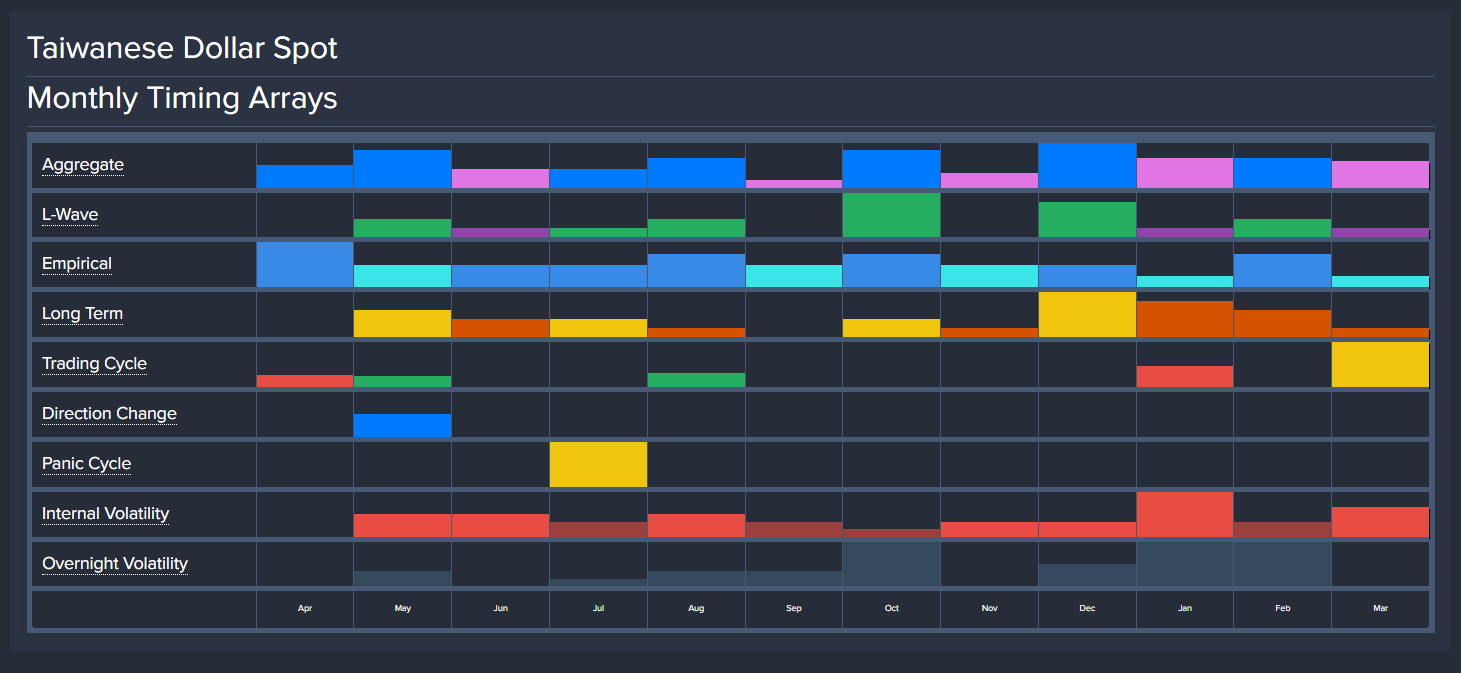
We saw May as a Directional Change and a Panic Cycle appears in July leading into August. Keep in mind that with the US tied up in Iran, I warned that this would be the time for a conflict over Taiwan. Macron visited China and told Xi they will NOT intervene with respect to Taiwan. The next major turning point in Taiwan is 2027.33.

The Lockdowns Begin


Posted originally on May 17, 2026 by Martin Armstrong |  

Modi

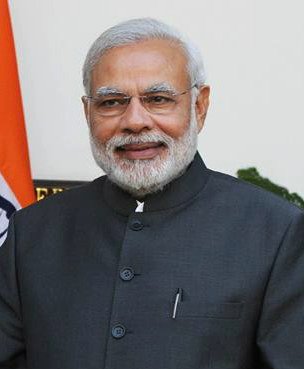
From our staff on the ground, they have reported that Modi has gone through with what many were suspecting – a lockdown to save energy.  Modi has officially announced a partial lockdown asking people to work from home, commute as little as possible, and use less cooking oil too as India must save its FOREX reserves.

We will expect this to unfold in Europe eventually.

Secretary Marco Rubio Delivers Message of National Faith and Witness During “Freedom 250” Rededication


Posted originally on CTH on May 17, 2026 | sundance 

Those of dark whispered voices are shrieking loudly today, directing their soulless vessels to shout opposition to the Christian rededication of our nation. They listen to the voices of betrayal telling them to shriek about “freedom of religion” as noted in the constitution, yet their arguments are twisted around the false premise that does not exist, “freedom from religion.”

Our constitution does not block the expression of religion; it blocks the favoring of one expression over another.

Freedom of religion is entirely different than freedom from religion, though both represent a moral choice.

.