
Posted originally on May 18, 2026 by Martin Armstrong |

Reports now estimate North Korea has earned roughly $14 billion through military cooperation tied to the war in Ukraine. That number is staggering when you realize North Korea’s entire GDP has been estimated at around $25 to $30 billion annually. This conflict may have generated revenue approaching half the size of the country’s entire economy.
People still cannot see what this war has become because they think North Korea entered Ukraine out of loyalty to Russia or some anti-Western alliance. That is childish analysis. North Korea entered this war because from Pyongyang’s perspective it would have been insane not to. While Washington believed sanctions would isolate Russia and cripple its partners, the exact opposite happened. The sanctions accelerated the formation of a wartime economic bloc stretching from Russia to Iran to North Korea. This is what governments never understand because they do not study history seriously.
North Korea was sitting on enormous Soviet-era ammunition stockpiles while NATO suddenly discovered its own industrial capacity was nowhere near prepared for a prolonged artillery war. Europe spent decades dismantling industrial infrastructure, outsourcing production, and obsessing over climate ideology while assuming major war on the continent was impossible. Then reality arrived.
But the real prize for North Korea is not merely money nor respect from power partners on the world stage. It is battlefield evolution. For decades, North Korea’s military doctrine remained trapped in Cold War thinking. Large infantry formations, rigid command structures, outdated artillery coordination, and Soviet-style battlefield tactics defined much of their strategic posture. Now, suddenly, North Korean units are being exposed directly to modern warfare against NATO-backed systems involving drones, electronic warfare, satellite surveillance, precision targeting, AI-assisted battlefield coordination, and real-time intelligence integration.
Reports already suggest North Korean forces initially suffered heavy losses because older assault tactics collided directly with modern battlefield realities. Then adaptation began appearing. Smaller formations, expanded drone deployment, improved artillery synchronization, faster communication systems, decentralized battlefield operations. Russia effectively trained North Korea’s military for modern warfare.
Meanwhile, the West keeps pretending this war is weakening its enemies when, in reality, it is training them. North Korea is now gaining direct exposure to Russian missile systems, drone technology, electronic warfare capabilities, loitering munitions, targeting systems, and battlefield intelligence it could never have developed this rapidly alone. Ukraine has effectively become a military laboratory where every major power is studying the future of warfare in real-time.
The battlefield laboratory has attracted all of the West’s adversaries. China is studying sanctions warfare and Western political fragmentation. Iran is studying drone integration and asymmetric escalation. Russia is adapting to NATO weapons systems. North Korea is observing modern battlefield coordination directly against Western-backed equipment. Even Europe is learning how catastrophically weak its own industrial base became after decades of globalization and political incompetence.
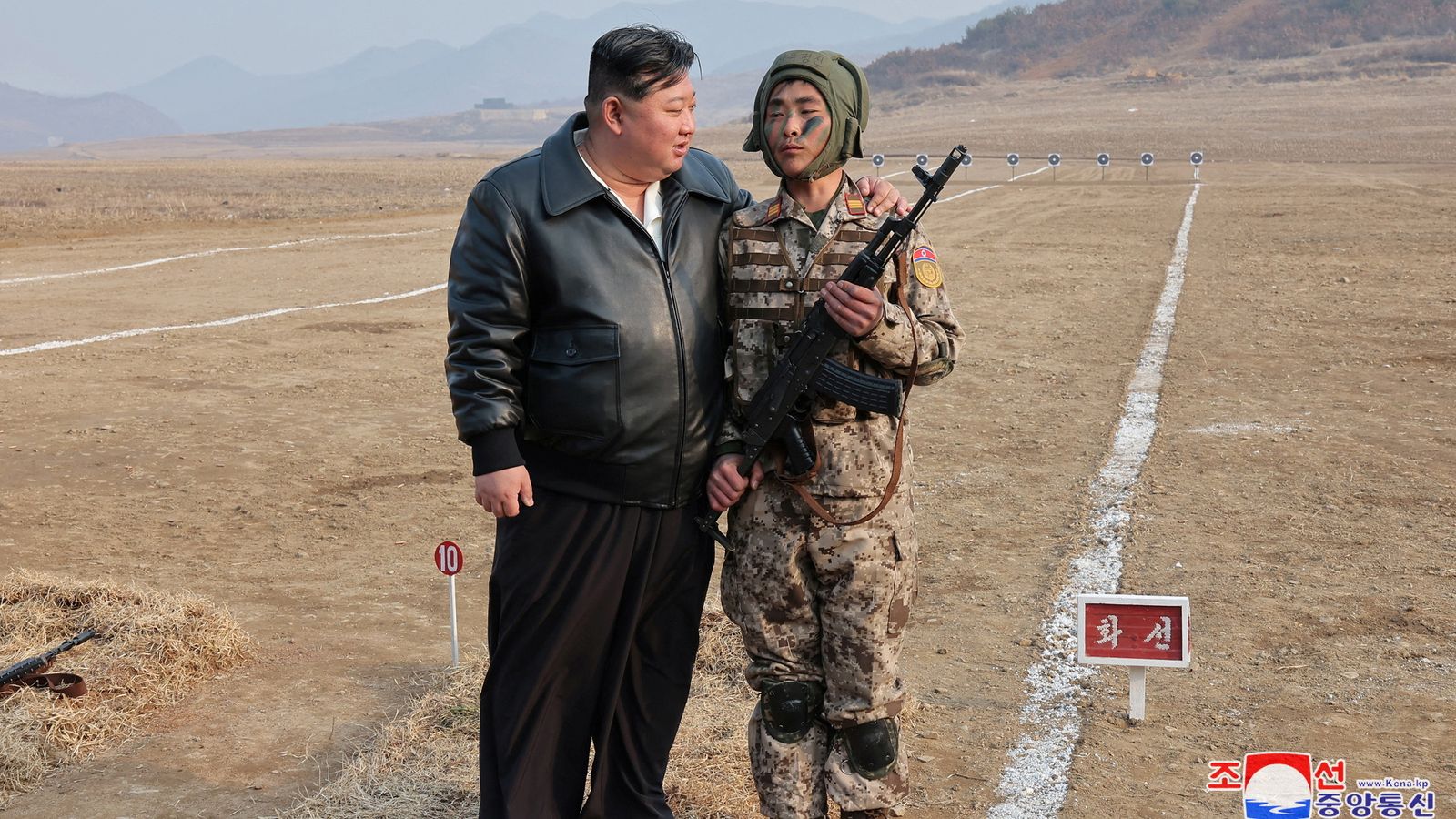
The political value inside North Korea matters as well because authoritarian systems require permanent confrontation to justify militarization. Kim Jong Un is already transforming dead North Korean soldiers into nationalist mythology through memorials and state propaganda. War creates purpose for regimes like this. It reinforces sacrifice, obedience, and state authority.
What should concern people most is that North Korean forces are now directly observing how Western systems actually function in combat. HIMARS deployment, NATO battlefield coordination, electronic warfare countermeasures, drone integration, satellite-guided artillery, all of it is being studied through live battlefield exposure rather than theoretical analysis.
North Korea did not enter this war because of friendship with Russia. Yes, the Hermit Kingdom programs its people to hate the West, but they did it for more than the love of the game. It entered because the conflict offered economic survival, military modernization, technological advancement, and direct exposure to modern warfare all at once. Nuke warfare may be enough to temporary ward off enemies, but did nothing to boost the economy. From Pyongyang’s perspective, this war is one of the greatest strategic opportunities the regime has encountered.

