Posted originally on Sep 28, 2026 by Martin Armstrong |
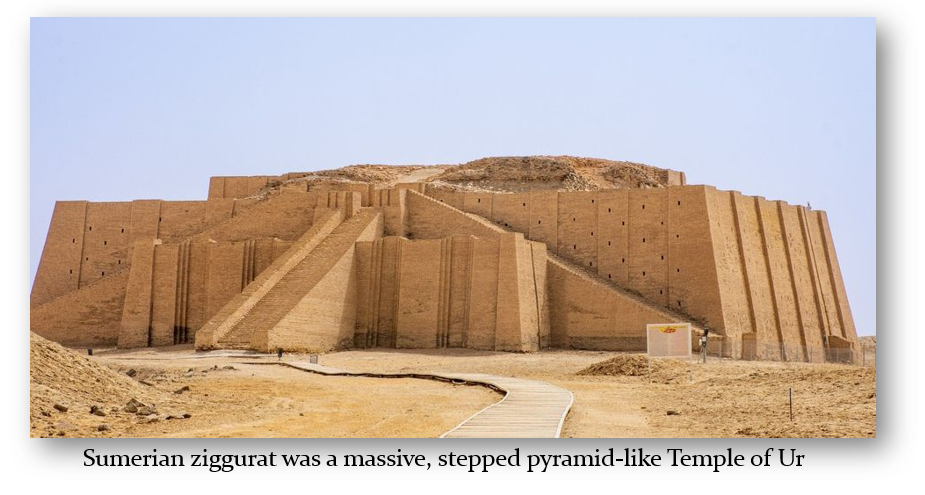
QUESTION: I believe you once said that 2032 would be the half-cycle of 4300 years from the Persian conquest of the city of Ur, which prompted Abraham to migrate to Canaan, and that 8600 years ago was the time of Noah and the great flood. Do I remember that correctly?
Ellis
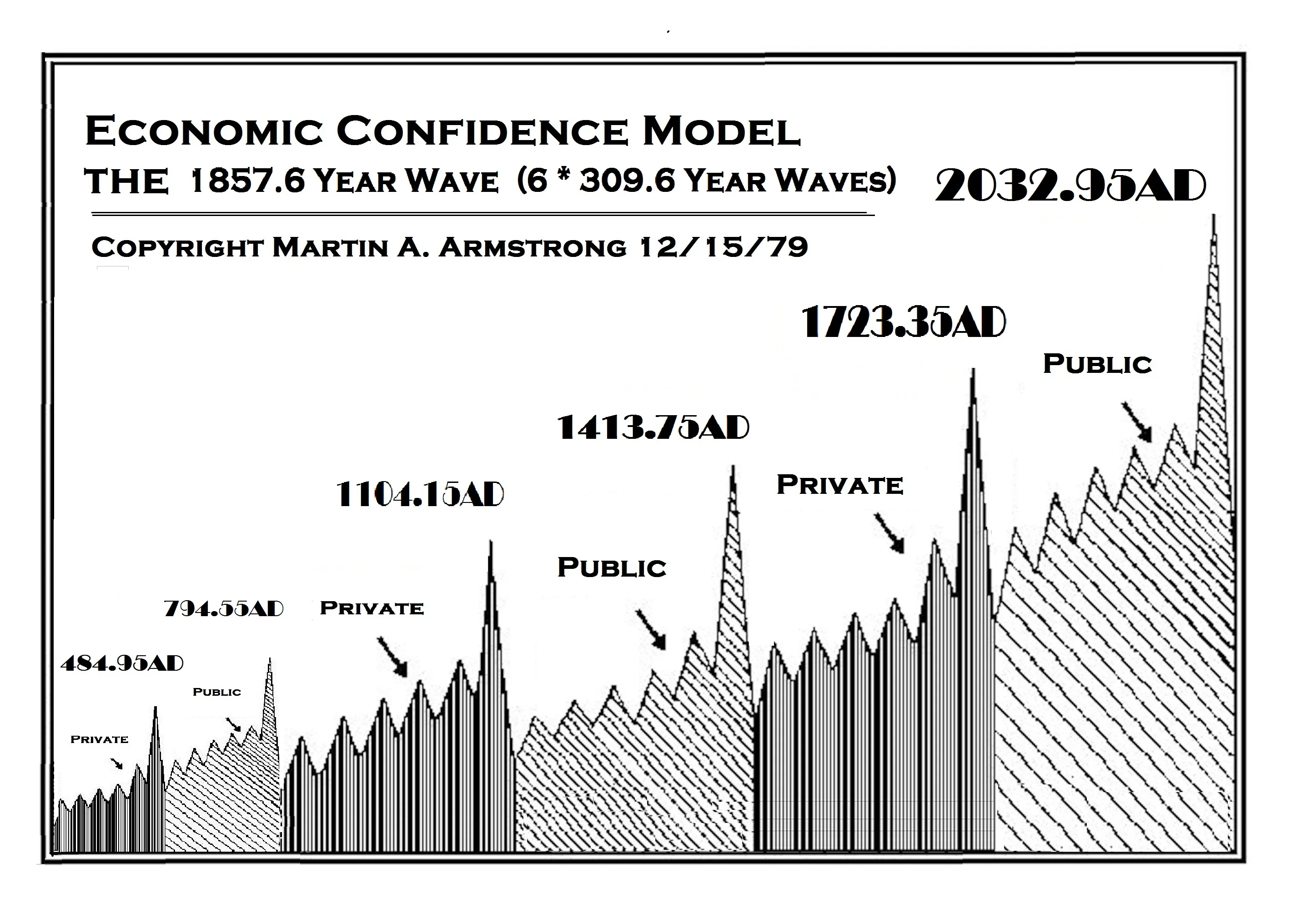
ANSWER: As far as the cycles are concerned, around 6500BC corresponds to th full cycle of 8600 years back from 2032. The story of the Great Flood exists in many cultures in the West as well as in Asia. The Hindu tradition features the story of Manu, who is warned by a fish (often an avatar of Vishnu) to build a boat and survive a great deluge, similar to other flood narratives. I would suspect that it was not simply rain for 40 days and nights.
For such a major event some have argued perhaps there was a meteor that his the earth. They do know that it has been hypothesized that an impact event created the Burckle Crater in the Indian Ocean. However, its proposed date is disputed with some claiming it was round 2800BC. It would logically assumed that a meteor impacting in the ocean would cause a massive tidal wave that could be a sudden flood type scenario.
A specific archaeological claim from the 1920s, by Sir Leonard Woolley who excavated a thick layer of river silt at the ancient city of Ur in Mesopotamia, which he dated to around 6500 years ago (roughly 4500 BC), and famously declared it evidence of Noah’s flood . What we do know is that the Egyptian inscription on the Merneptah Stele (c. 1207 BC) contains the earliest known reference to “Israel.” It mentions Israel as a people already living in Canaan, which some argue supports an earlier Exodus. This Egyptian victory monument provides the crucial textual anchor. Pharaoh Merneptah boasts: “Israel is laid waste, its seed is no more.” This single line tells us there was a group called “Israel” that already existed in Canaan. That takes us back about 3200 years.
Mesopotamia is called the “Cradle of Civilization” because it is one of the earliest places on Earth where humans transitioned from nomadic hunter-gatherer lifestyles to settled, complex urban societies. Located between the Tigris and Euphrates rivers (in modern-day Iraq, Syria, and Turkey), it saw the emergence of many “firsts” that laid the foundation for later civilizations. It gave rise to some of the world’s earliest known cities, including Uruk, Ur, and Eridu. By around 4000–3500 BC, Uruk had grown into a massive urban center with thousands of inhabitants, monumental architecture, and specialized labor—features that define a civilization. It is the City of Ur from which Abraham migrated and became the father of the Jews and Arabs.
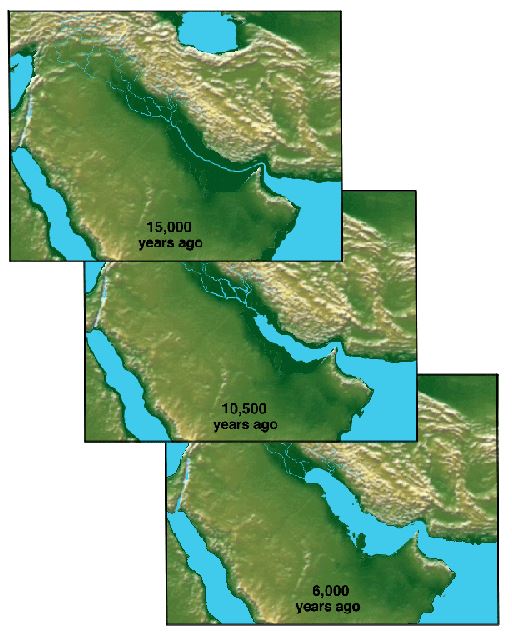
The Persian Gulf did not form in a single earthquake, but through a slow geological process driven by plate tectonics and sea-level changes. From a cyclical perspective, the last glacial maximum occurred around 18,000 years ago. Global sea level is believed to have been about 130 meters lower than it is today. Over the next 12,000 years, most of the ice melted off Canada and Scandinavia, causing sea level to rise and flooding the rims of all the dry lands. Some attributed this to the legendary Noah’s Flood. However, this may have been loosely connected, but that is far from certain.
Geologists agree that the Persian Gulf was formed by the collision of the Arabian and Eurasian tectonic plates, a process that has been ongoing for millions of years. For roughly 40 million years, the Arabian Plate has slowly rotated and moved northward, colliding with the Eurasian Plate. This collision crumpled the edge of the Eurasian Plate, creating the Zagros Mountains in Iran.
As the Arabian Plate pushed into the Eurasian Plate, the crust in the region was depressed and warped, creating a shallow, flooded basin. This basin is the Persian Gulf. The Gulf is essentially a tectonic depression, not a rift valley formed by a single earthquake.
Sea-level rise after the last Ice Age drove the basin’s final flooding. About 11,000 to 14,000 years ago, melting ice sheets caused global sea levels to rise significantly. This allowed water from the Indian Ocean and the Gulf of Oman to flow over the low-lying land and fill the basin, creating the modern Persian Gulf.
While the Persian Gulf’s formation is a geological fact, the idea that it is linked to Noah’s Flood comes from a scientific hypothesis that some researchers have proposed, not a proven connection. Some researchers have argued that the source of ancient flood stories. An ancient Babylonian map depicts Babylonia as being surrounded and submerged by the waters of the Persian Gulf, which some scholars have connected to the flood stories. Additionally, a geological study found evidence of a massive storm or flood in the Persian Gulf around 6,800 years ago, and some suggest it might correspond to the story of Noah, though this remains a hypothesis.
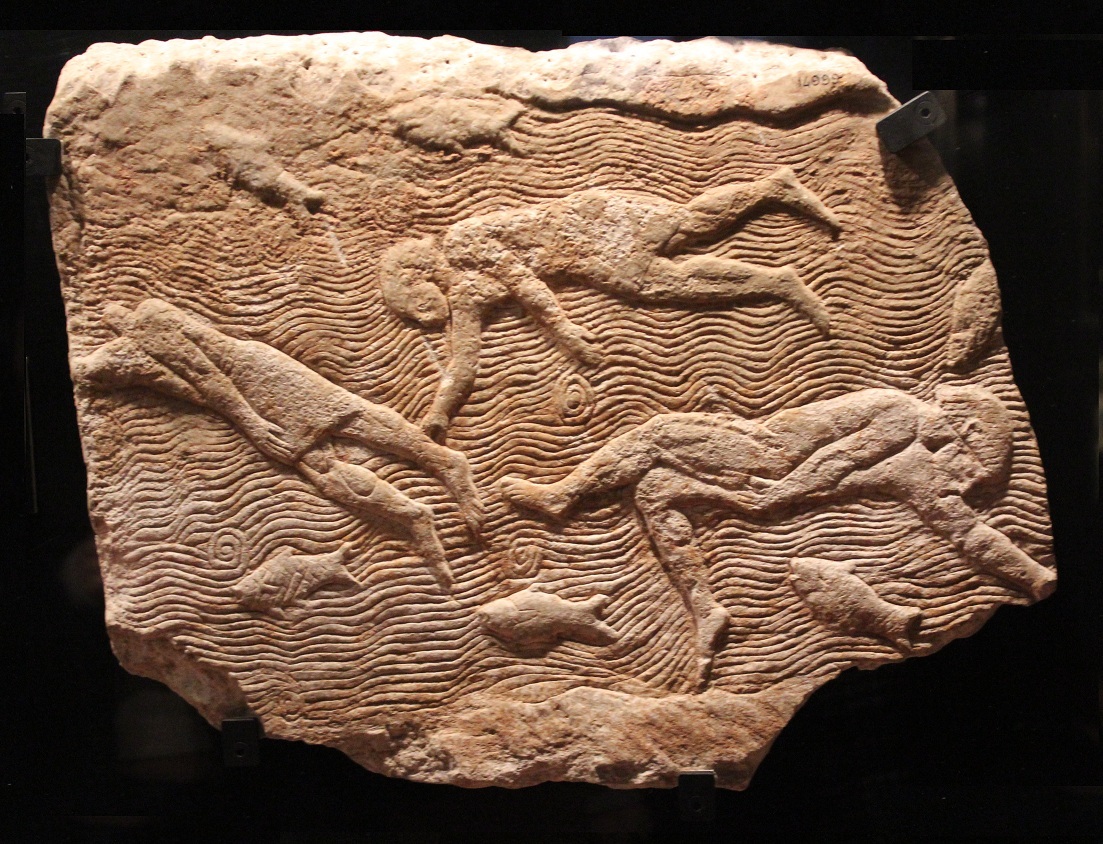
Other scholars argue that the biblical Flood was a regional event in Mesopotamia (the land between the Tigris and Euphrates rivers), not a global flood. The Persian Gulf basin, which once connected the Tigris and Euphrates rivers before sea levels rose, is one proposed location for the “Eden” described in Genesis. There are even surviving depictions of the Great Flood with bodies and fish.
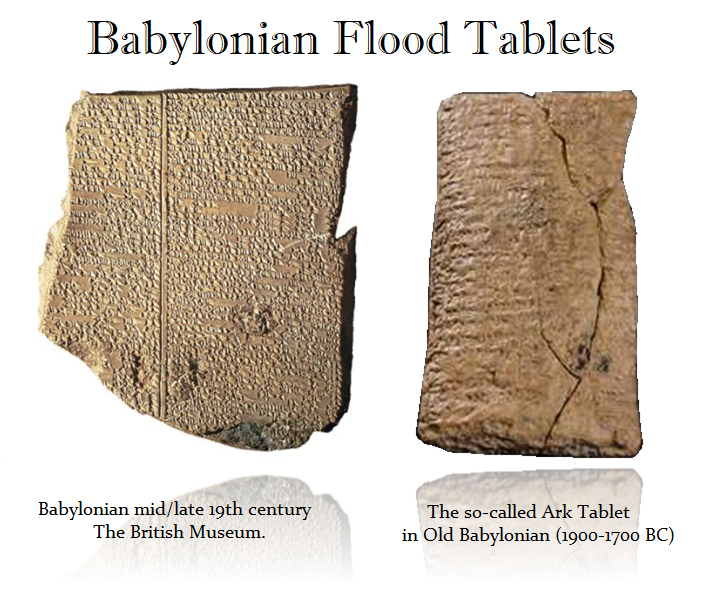
In ancient Mesopotamian stories, the city of Dilmun was the blessed, pure land where the flood survivor was taken to live forever. In the Sumerian flood story, the hero (known as Ziusudra) is granted eternal life by the gods and settled in a distant, sacred place. The text explicitly names this location as it is the Garden of Eden.
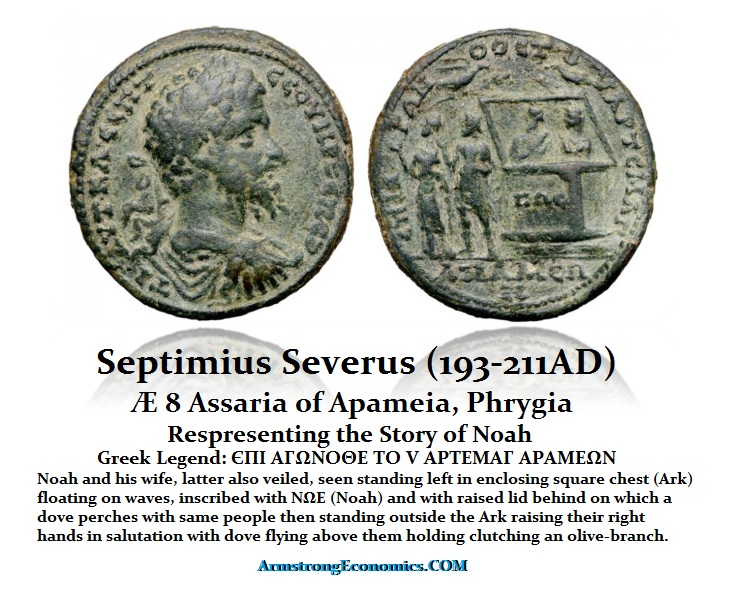
This story of Noah even appears on a Roman coin struck by Septimius Severus (193-211AD) long before Christianity became really a growing religion in Rome. The story is illustrated and even the name Noah appears on the Roman coin. This tends to verify that the story was well known outside of the Bible. The location there is called Noah’s National Park.
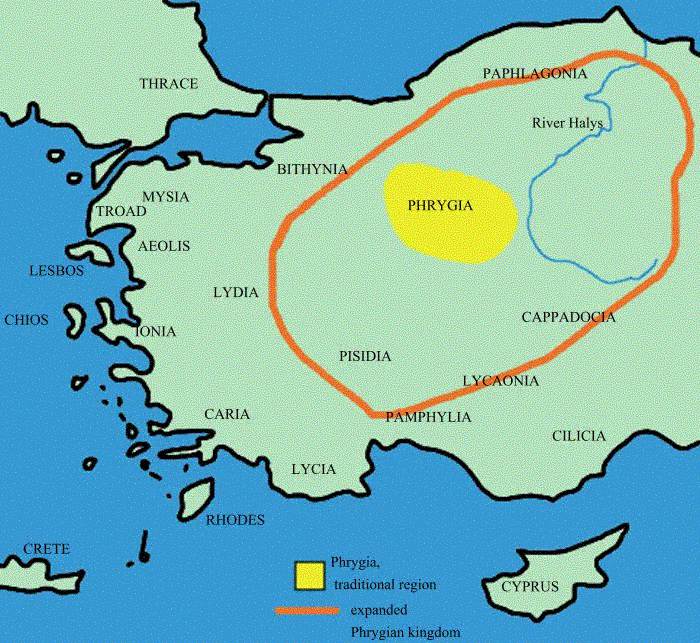
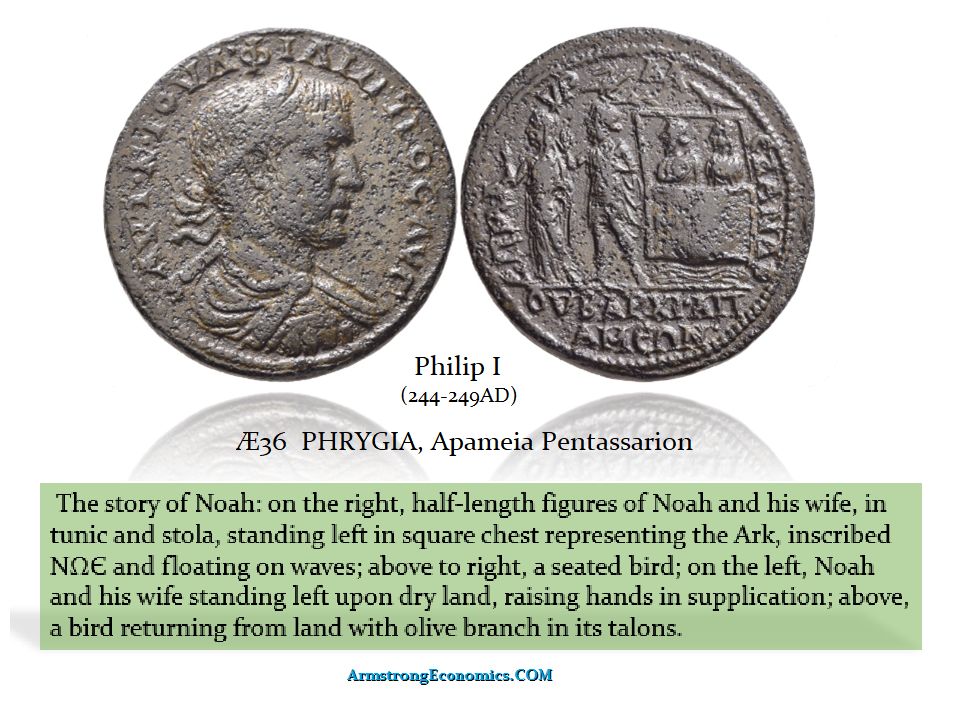
Here is a later Roman Emperor, Philip I (244-249AD), with another coin issued om Phrygia from the area where the story of Noah’s arc landed. The story has also been recorded in that region of Turkey on ancient Roman Coins. This has long raised independent evidence for the “story” of Noah external from the Bible, which the academics seem to go out of their way to discredit as history. The depiction of Noah on Roman coins struck in Phrygia come from the very area where Noah’s Ark was supposed to have rested. This demonstrates that this story comes from the very place where Noah’s Ark came to rest.
Alexander the Great cut the Gordian Knot at Gordium, which was the ancient capital of Phrygia, located in what is now central Turkey. The prophecy held that whoever loosened the knot would rule Asia, which Alexander went on to do. Historically, this was an important area.
The Persian Gulf is about 35 miles wide (56 km) at its narrowest, in the Strait of Hormuz. The Gulf is very shallow, with a maximum depth of 90 meters (295 feet) and an average depth of 50 meters (164 feet). The Persian Gulf was fertile dry land before the flood, which obviously contains very old cultures which may be older than anything known on dry land today. We do know that the Gulf has receded from where it once stood in ancient times following the flooding.
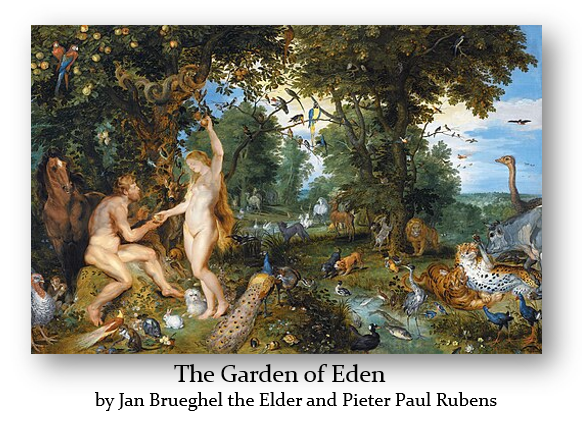
Garden of Eden
The legend of Dilmun (Telmun) is fascinating. It comes from Sumerian writings. This was an ancient Semitic-speaking city that is mentioned from the 3rd millennium BC onwards. Based on the records that have survived, Dilmun was located in the Persian Gulf. It was on a trade route between Mesopotamia and the Indus Valley Civilization. Dilmun was a major trading center which controlled the Persian Gulf trading routes. Dilmun was mentioned by the Mesopotamians as a trade partner and the major source of copper.
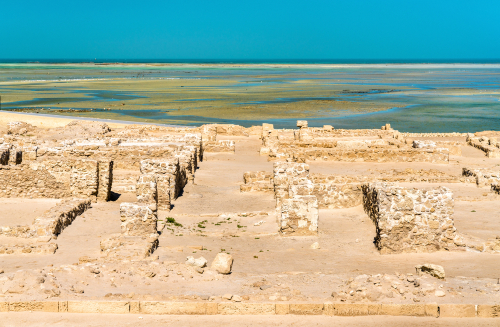
Ancient ruins at Bahrain Fort. A UNESCO World Heritage Site in the Middle East
There are two official letters from Dilmun dated about 1370 BC that were recovered from Nippur, during the Kassite dynasty of Babylon. There was some administrative relationship between Dilmun and Babylon at that time. There is also an early inscription that mentions Dilmun and speaks of the tribute that they brought to Ur-Nanshe, the first king of the first dynasty of Lagash, which was an ancient city located northwest of the junction of the Euphrates and Tigris rivers. Lagash (modern Al-Hiba) was one of the oldest cities of the Ancient Near East. The surviving inscriptions say:
“The ships of Dilmun from foreign lands, brought him (Ur-Nanshe) wood as a tribute.”
Kassite dynasty conquered and controlled Babylon between 1531 BC and until c. 1155 BC. After their collapse, the only mention of Dilmun comes from Assyrian inscriptions dated around 1150 BC which proclaimed the Assyrian king to be king of Dilmun as well.
Dilmun was a civilization that was quite an old civilization, yet because it appears to have been submerged in the Persian Gulf, it is much less famous than the four cradles of the civilization of the Old World, i.e. Mesopotamia, Ancient Egypt, the Indus Valley Civilization, and the Yellow River Civilization.
In literature, Dilmun occupies an important place in the mythology of Mesopotamia since it is in the second half of the Epic of Gilgamesh. Additionally, Dilmun is also mentioned in the myth of Enki and Ninhursag / Ninhursaja. In this story, Dilmun is presented as a sort of earthly paradise – the Garden of Eden where survivors of the Great Flood started over.
Archaeology has confirmed that Dilmun was a real, thriving civilization centered on modern-day Bahrain and parts of the eastern Arabian coast. It was a prosperous Bronze Age trading hub, famous for its sweet-water springs, date palms, and its role as a commercial entrepôt between Mesopotamia and the Indus Valley.
The Mesopotamians idealized Dilmun in their mythology as a pure, holy land—a virtual Garden of Eden where sickness and death did not exist. This literary image was likely inspired by the real island’s abundant fresh water and lush vegetation, which would have seemed miraculous to travelers from arid Mesopotamia.
Categories:Middle EastReligion