Bulgaria’s Government Resigns Amid Civil Unrest


Posted Dec 12, 2025 by Martin Armstrong |  

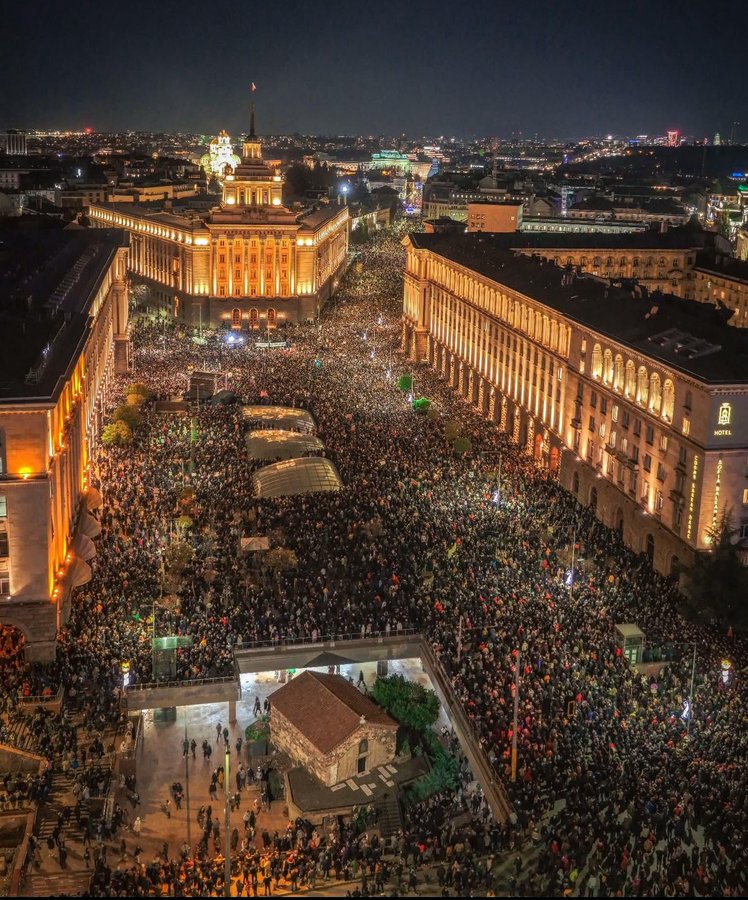
The entire Bulgarian government has resigned after nationwide protests following the government’s decision to join the European Union. “The government resigns today,” Rosen Zhelyazkov announced. “People of all ages, ethnic backgrounds and religions have spoken out in favour of resignation. That is why this civic energy must be supported and encouraged.”

The media portrayed the initial civil unrest as a reaction to the 2026 budget, but the root of the agitation lies with the nation relinquishing sovereignty to join the euro. The Bulgarian government resignation is symbolic; true power lies with the unelected bureaucrats in Brussels.

“The decisions of the National Assembly are meaningful when they reflect the will of the peopleWe want to be where society expects us to be,” Zhelyazkov said, referring to the anti-government protests. “We have no doubt that the government will receive support in the upcoming vote of no confidence. Regardless, the decisions of the National Assembly are important when they reflect the will of the sovereign,” the prime minister said.

There is massive corruption in the Bulgarian government, hence the need to hold seven snap elections after the 2020 uprising. The people will no longer have the ability to elect their representatives.  Citizens have no trust in their government and do not bother with voting, as voter turnout reached only 34.4% in June 2024. Yes, they may elect who rules Bulgaria, but the EU determines the direction the nation must take. Over 6.4 million citizens must convert to the euro on January 1.

Once Bulgaria joins, it will no longer be able to devalue its currency to remain competitive. That’s how small economies adjust in a floating system. But inside the eurozone, you’re stuck. All monetary policy decisions are made by the ECB in Frankfurt, which answers to no elected body. If Bulgaria experiences a downturn, they can’t cut rates or devalue—just like Greece in 2010. They will be told to cut pensions, raise taxes, and accept IMF mandates. That’s not sovereignty.

Bulgaria now has the luxury of taking on more debt through the European Central Bank. It may now join a war on behalf of the EU against a nation with which it had diplomatic ties throughout the years. Bulgaria is the poorest member of the union; Brussels is not going to allow it to sway the course of the EU agenda in any capacity.
Bulgaria Withdraws Budget After Protests


Posted originally on Dec 4, 2025 by Martin Armstrong |  

Civil unrest continues as tens of thousands of Bulgarians took to the streets last month to protest government spending, or at least that is what the headlines would lead one to believe. The government released its 2026 budget proposal, which included higher taxes and increased social security contributions, sparking nationwide outrage led by youth. Now, Parliament is withdrawing the budget unanimously, as citizens demanded the right to be heard. Yet, the true nature of the protests surrounds the forced adoption of the euro.

Prime Minister Rosen Zhelyazkov has been urged to resign; President Rumen Radev backed protesters while accusing violence as “mafia provocation.” Protestors set the entrance to the office of the European Commission on fire. Bulgaria is set to join the eurozone on January 1, 2026. The budget maxes out the 3% deficit as demanded by the European Commission. The people know that appeasing the European Commission is the main reason they want to increase taxes, and Bulgarians do not want to surrender their national identity to Brussels.

Image

But Bulgaria is set to join the eurozone as the 21st member despite political unrest. The euro was never created as a currency to enhance trade or economic efficiency. It was designed as a stepping stone toward federalizing Europe. Europe has always sought the benefits of a single currency without surrendering fiscal sovereignty. Brussels will accept Bulgaria even without a clear budget because it needs to feed a dying system.

Bulgaria will forego its sovereignty. Goodbye independent rate decisions. Bulgaria will not have a national currency to adjust during downturns. They will be forced into the one-size-fits-all monetary system centered around the top European economies that are on the decline. The EU is attempting to recruit Romania into its scheme as well. Then there is the matter of absorbing Ukraine into the mix. The centralized authority in Brussels has no plan for the sovereign debt crisis that awaits it next year going into 2028.

The Balkans – Always a Problem?


Posted originally on Nov 4, 2025 by Martin Armstrong |  

2025_11_03_19_22_40_Presentation1_PowerPoint

QUESTION: Is it true that the Romans found that this Balkan region would sign a treaty to end a war, regroup, and then start again, as they did with the Minsk agreement? If true, then what they say about the region goes back thousands of years.

BP

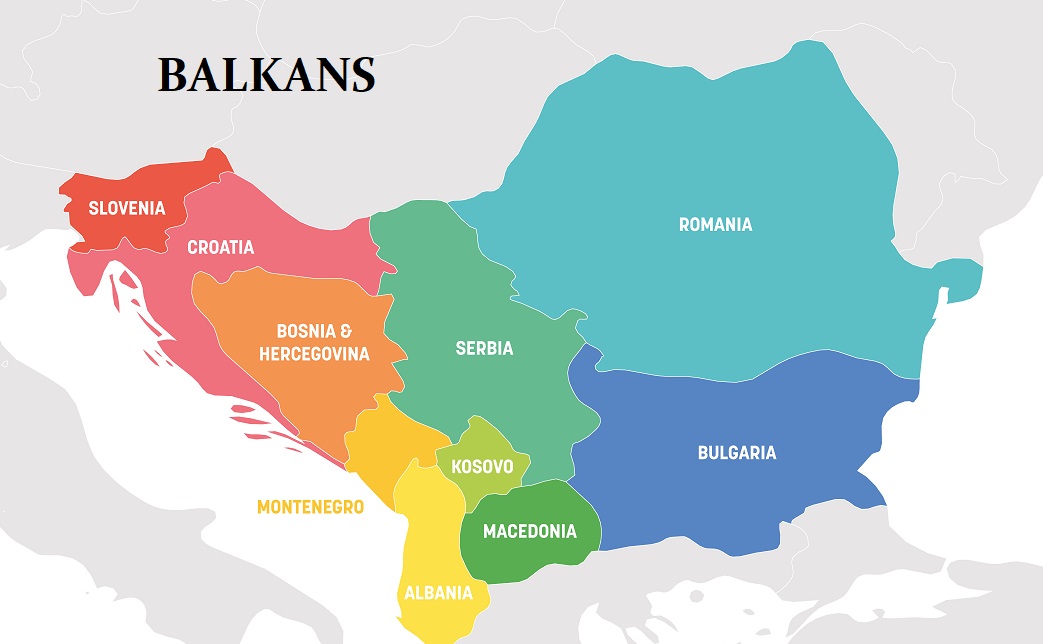
Balkans Map

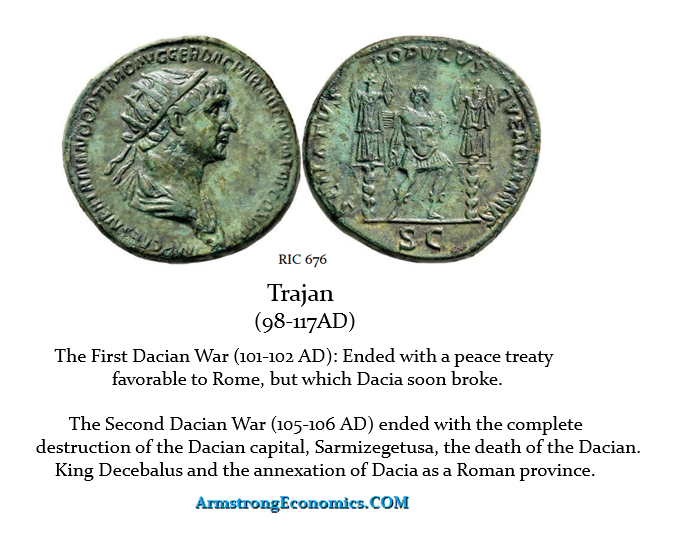
ANSWER: I guess you have been digging into ancient history. Yes, in fact, the Roman Emperor Trajan (98-117AD) even issued a coin showing him standing between two trophies representing the first Dacian War which ended in a peace treaty, which they then broke, and he launch a second campaign against them representing the second trophy.

Rome conquered the entire region, but it did not erase local identities. Instead, it created a new, overarching layer of identity: becoming part of the Roman Empire. The main divide was between the civilized Roman world and the “barbarian” outside. Within the empire, people were Romans or non-Romans, not primarily “ethnic” rivals.