
Posted originally on May 28, 2026 by Martin Armstrong |
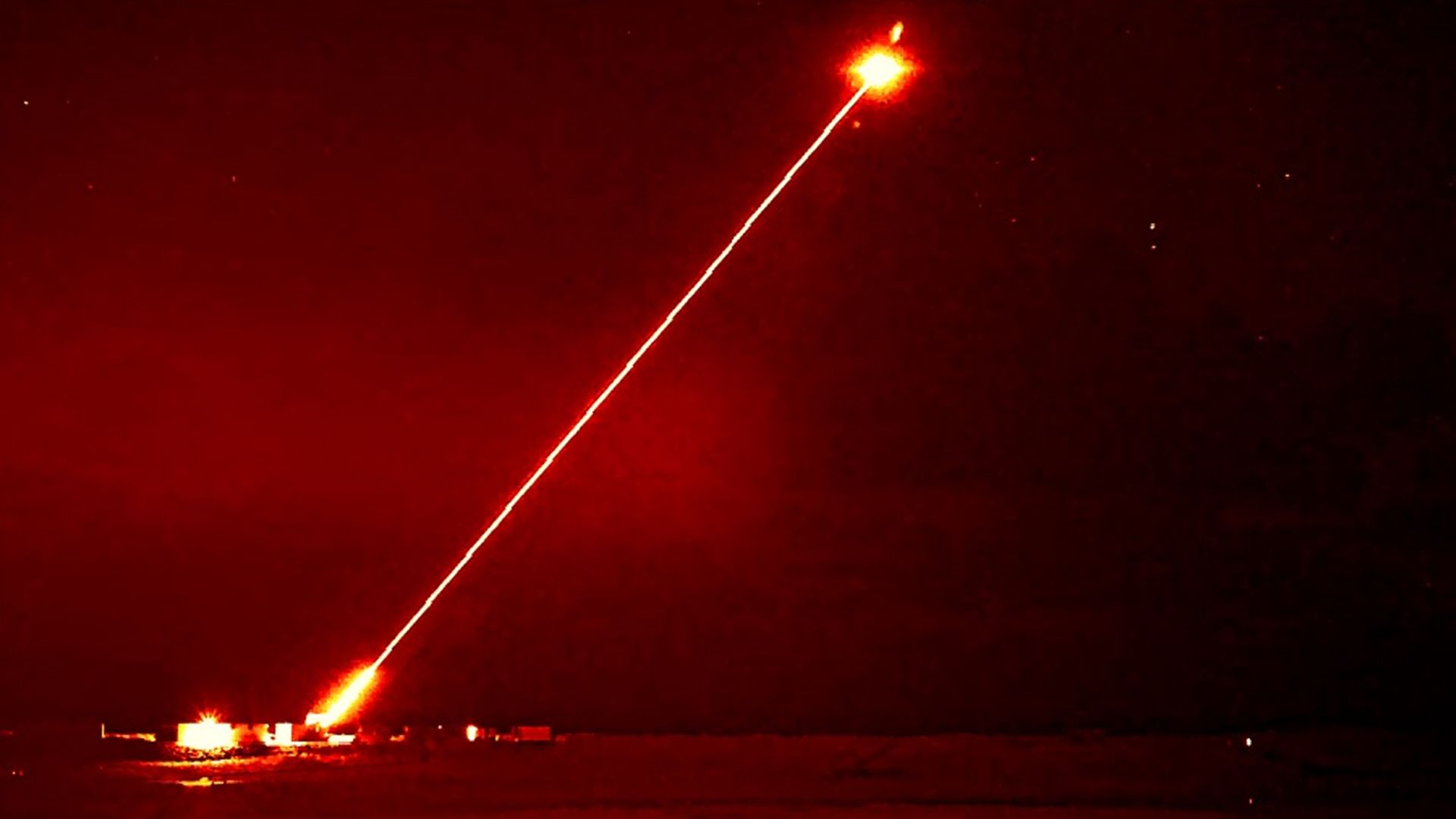
The line between civilian society and war is disappearing completely. That is the real story behind Russia now authorizing its central bank and Sberbank to operate anti-drone systems and arm personnel to defend financial infrastructure. A country’s banking system is no longer simply processing transactions or moving money. It is now becoming part of the battlefield itself.
Russia passed a new law allowing the central bank, Sberbank, and the Russian Cash Collection Association to deploy their own drone defense systems after repeated Ukrainian strikes deep inside Russian territory. Staff at these institutions can now reportedly be armed as well.
This is what happens when modern war evolves into economic warfare. I have warned repeatedly that World War III would not resemble World War II where armies simply lined up across borders. The entire economy becomes militarized. Banks, energy grids, payment systems, telecommunications, ports, railways, factories, and data centers all become targets because modern civilization itself depends on interconnected infrastructure.
Ukraine understands this perfectly. Their drone strategy has increasingly focused on striking oil facilities, energy infrastructure, logistics centers, and economic targets deep inside Russia because they know they cannot defeat Russia conventionally in a prolonged war of attrition.
What is extraordinary here is not merely the drone attacks themselves. It is the admission that the Russian state can no longer centrally defend everything. Moscow is effectively decentralizing air defense responsibilities and telling major corporations and financial institutions: defend yourselves. That is a major shift psychologically.
The Guardian even framed it bluntly: Russia is telling its banks to “shoot down drones yourself.”
This is precisely how long wars transform societies historically. Civilian infrastructure slowly merges with military infrastructure until there is barely any distinction left. During the later stages of major conflicts, factories become military targets, railroads become military targets, ports become military targets, and eventually financial institutions themselves become military targets because war is ultimately about resources and economic survival.
Sberbank is not some small regional bank. It is effectively intertwined with the Russian state itself. Sberbank controls roughly a third of Russian banking assets and acts as a pillar of the entire domestic financial system. The Russian central bank likewise sits at the core of wartime financing, sanctions management, currency stabilization, and capital controls.
Russia has pushed aggressively toward cashless payments, digital financial infrastructure, and central bank digital currency experimentation through the digital ruble system. But centralized digital systems become vulnerable during wartime because they create concentrated targets.
The more governments centralize financial systems digitally, the more vulnerable those systems become to cyberwarfare, EMP threats, sabotage, drone attacks, and infrastructure strikes. This is one reason governments are quietly preparing for a wartime financial environment globally.
What people fail to understand is that once banks become strategic military infrastructure, governments will justify virtually unlimited control over the financial system in the name of “security.” That is how capital controls are born historically. War always becomes the excuse for expanded government power.
The United States did exactly this during previous wars. Europe did exactly this. Gold confiscation, capital restrictions, currency controls, surveillance, transaction monitoring, frozen accounts, and restrictions on moving money abroad all emerge in wartime environments because governments become desperate to maintain internal stability.
Russia is already heavily centralized economically due to sanctions. But this trend is spreading globally. Europe is discussing CBDCs openly. Governments worldwide are building real-time payment surveillance systems. Financial privacy is disappearing everywhere because governments increasingly view the banking system as part of national security infrastructure.
Now we are reaching the next stage where banks themselves require physical anti-drone defenses. Imagine if JPMorgan or the Federal Reserve announced rooftop anti-drone missile systems surrounding Manhattan offices. That sounds absurd today, yet this is exactly where prolonged geopolitical escalation leads eventually.

