
Posted originally on Jun 23, 2026 by Martin Armstrong |

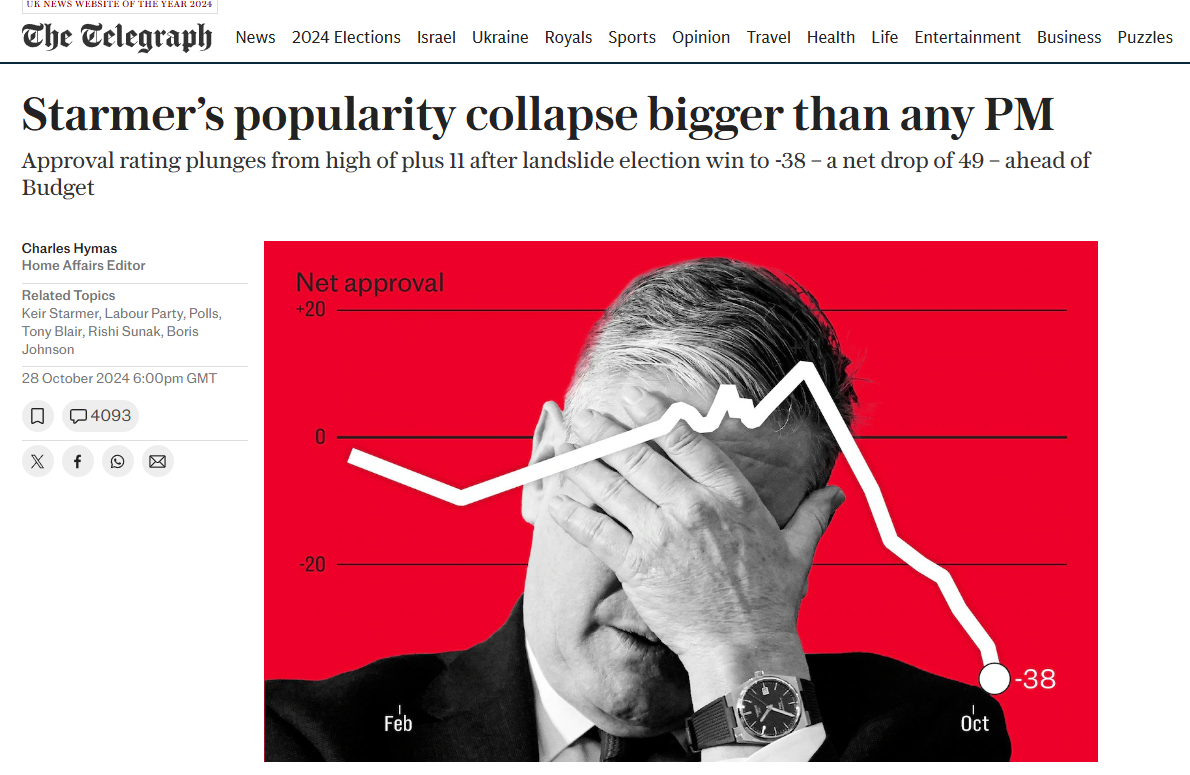
Keir Starmer’s resignation comes as absolutely no surprise. The shocking part is not that he quit, but that it took this long. The British people delivered one of the largest electoral victories in modern history to Labour in 2024, only to discover that changing the party did nothing to change the direction of government. The economy remained stagnant, the cost of living crisis continued, migration remained out of control, taxes rose, public services deteriorated, and confidence collapsed. Even members of his own party eventually concluded that Starmer could no longer survive politically.
What we are witnessing is not merely the failure of one politician. This is the collapse of confidence in the entire political establishment. Britain has now burned through six prime ministers in less than a decade. That level of turnover is not normal. It is a symptom of a government that no longer knows how to govern and a population that no longer believes anything politicians say. The old system is fracturing before our eyes.
The Labour Party spent years attacking the Conservatives, promising competence, stability, and growth. Once in power, they quickly discovered that slogans do not create prosperity. Britain remains buried under excessive regulation, soaring debt, rising taxes, and an economy that has struggled for years. Politicians continue pretending they can tax, borrow, and regulate their way to prosperity. History shows that every government eventually learns the same lesson. You cannot spend your way out of structural decline.
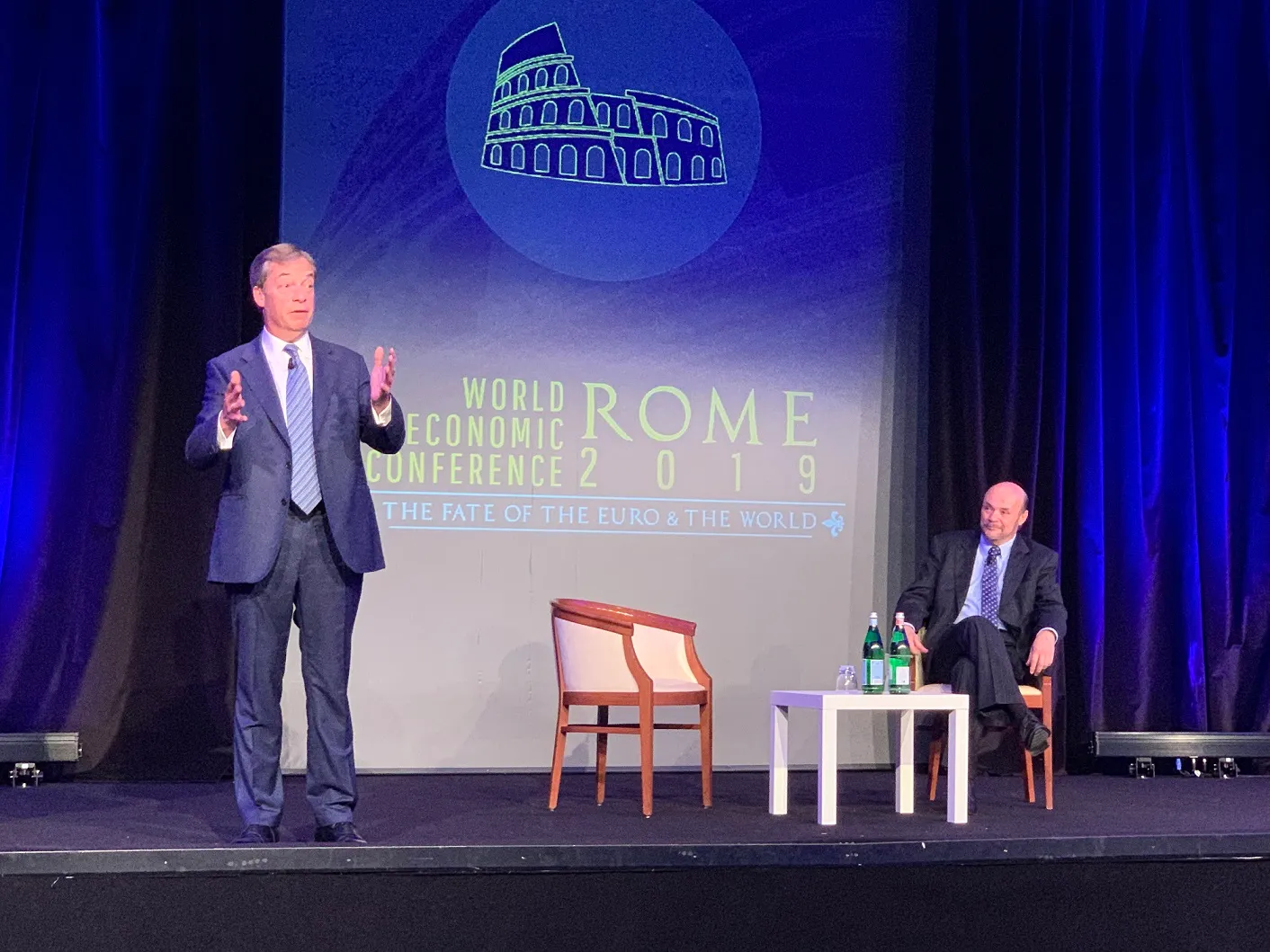
The most significant political development is not Starmer’s resignation. It is the continued rise of Nigel Farage. The establishment spent years treating Farage as a fringe figure while millions of voters quietly agreed with him. Reform UK has been leading national polls and delivered major gains in local elections because people are desperate for an alternative. They no longer trust either Labour or the Conservatives. Farage understood something that Westminster refused to acknowledge: ordinary people feel abandoned by the political class.
The establishment can dismiss Nigel Farage all it wants, but the numbers tell a very different story. Reform UK has spent much of the past year leading national opinion polls, something that would have been considered impossible only a few years ago. An Ipsos poll conducted in May placed Reform UK at 27%, seven points ahead of Labour at 20%. Even in April, Reform was leading both Labour and the Conservatives. For the first time in modern British political history, a party outside the Labour-Conservative duopoly has consistently held a national polling lead. That is not a protest vote. That is a political realignment.
The local election results confirmed what the polls had been showing for months. Labour lost more than a thousand council seats while Reform UK surged across England and established itself as the primary challenger to both traditional parties. Starmer’s resignation did not occur in a vacuum. It followed months of collapsing support, disastrous local election results, and growing fears within Labour that Farage was successfully capturing working-class voters who once formed the backbone of the party.
What is unfolding in Britain resembles the collapse of establishment parties across Europe. Voters are abandoning the old political order because they no longer believe it represents them. Immigration, the cost of living, energy prices, taxation, and declining public services have created a crisis of confidence that neither Labour nor the Conservatives have been able to address. Farage’s popularity is growing because he is benefiting from that anger. Whether the establishment likes it or not, Reform UK is no longer a fringe movement. It is increasingly viewed as a potential governing party.
The British establishment will now attempt to replace Starmer with another carefully selected manager and pretend everything has changed. We have seen this movie before. The names change, the speeches change, but the policies remain remarkably similar. Andy Burnham may become prime minister by September, but replacing the captain does not repair a ship that is already taking on water.
What I find remarkable is how closely Britain now resembles the broader crisis of confidence unfolding across the Western world. Voters are rejecting establishment parties from Germany to France, from Canada to Britain. This is exactly what our models have been warning about. The 2026 Panic Cycle was never simply about markets. It is about confidence in institutions. Governments everywhere are discovering that people have reached their limit.
Farage’s appeal is not that everyone agrees with him. His appeal is that millions of people believe he is at least willing to say openly what others refuse to discuss. Immigration, national sovereignty, the cost of government, energy policy, and the destruction of the middle class have become impossible to ignore. Whether Farage ultimately succeeds or not, the political trend is unmistakable. The British public is searching for an alternative to the establishment that has dominated politics for decades.

