
Posted Originally on Oct 2, 2026 by Martin Armstrong |

Everyone looks at the headline manufacturing number and moves on, but buried inside the September ISM report is something far more important. The Prices Index surged 6.8 points to 77.9 while the Backlog of Orders Index jumped 4.6 points to 56.4. When backlogs move above 50, unfilled orders expand, meaning manufacturers are receiving work faster than they can efficiently complete it. When that happens at the same time prices are surging, the supply chain is telling us there is still pressure in the pipeline.
ISM reported that 43.5% of respondents were paying higher prices while only 2.7% reported lower prices, so this is not merely a story about stronger orders. Costs are rising sharply while unfinished work accumulates.
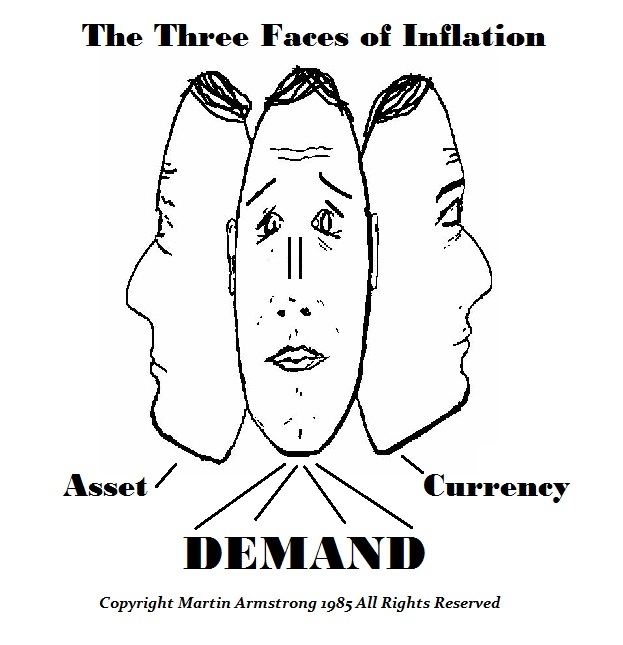
That combination can become inflationary because shortages change behavior. Companies begin ordering earlier because they fear they will not receive what they need later. Buyers become less concerned about negotiating the lowest price and more concerned about securing supply. Suppliers gain pricing power because customers cannot simply walk away when everybody else is waiting for the same materials. We saw precisely this during COVID when shortages encouraged businesses to order more inventory as protection against future shortages, making the bottlenecks even worse.
This is why the backlog matters more than most people realize. These are orders already sitting in the pipeline waiting to be completed, meaning they represent future production even if new demand begins to weaken. Consumer confidence can decline and the labor market can soften while manufacturers simultaneously face rising costs and unfinished orders. That is how you end up with economic weakness and inflation at the same time.
The Federal Reserve cannot fix this with another 25-basis-point move. Higher interest rates do not produce another barrel of oil, manufacture copper, eliminate tariffs, reopen shipping lanes, produce semiconductors, or build another factory. The Fed can suppress demand, but it cannot manufacture supply, and higher borrowing costs can actually make expanding productive capacity more expensive.
This is precisely why inflation can come in waves. CPI tells us what consumers have already paid, while manufacturing data can reveal pressure moving through the system before those costs reach the final customer. Manufacturers can absorb higher costs for a while by sacrificing margins, but eventually somebody pays. If the Prices Index remains elevated and backlogs continue expanding, businesses will increasingly attempt to pass those costs down the chain.
The September numbers should therefore be watched carefully. One month does not establish a trend, and backlogs could fall again, but a Prices Index of 77.9 alongside a Backlog of Orders Index at 56.4 is not a signal that inflationary pressure has simply disappeared. While Wall Street obsesses over every sentence from the Federal Reserve, the people actually producing goods are telling us something much more useful: their costs are rising while the work waiting to be completed is piling up.
Categories:USA Current Events

