Posted originally on Jun 16, 2026 by Martin Armstrong |
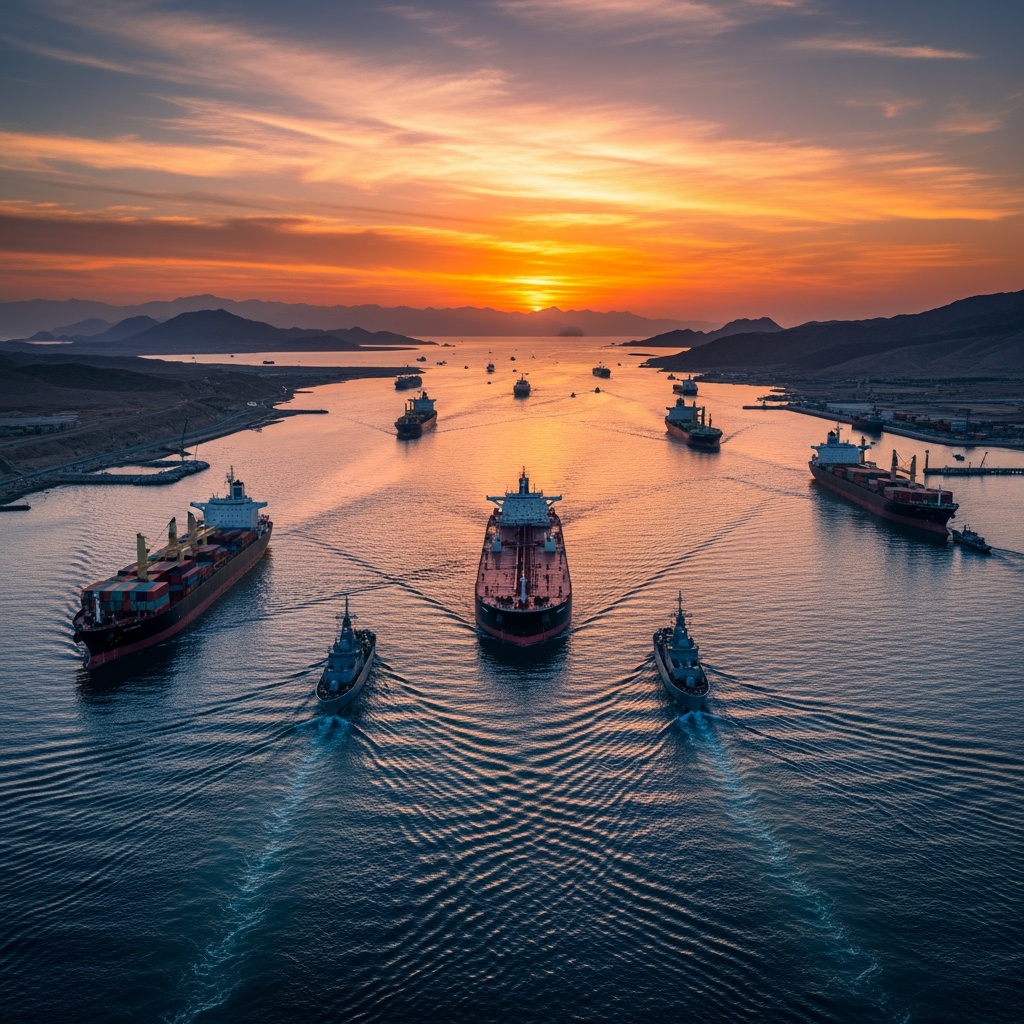
The financial press is celebrating reports that traders are betting shipping traffic through the Strait of Hormuz could begin returning to normal by August. Oil prices have fallen sharply on hopes of a U.S.-Iran agreement, and prediction markets are assigning better-than-even odds that vessel traffic will recover during the second half of this year. Yet when you look beneath the headlines, even the traders themselves remain skeptical.
The proposed agreement between Washington and Tehran contains several conditions that sound impressive on paper. Iran has reportedly agreed not to pursue a nuclear weapon, the Strait of Hormuz would reopen to commercial traffic, some $25 billion in frozen Iranian assets could be released, and a 60-day negotiation period would begin to address sanctions, uranium enrichment, and broader regional security issues. Oil markets immediately celebrated the news because roughly 20% of global oil flows through the Strait of Hormuz. The mere prospect of reopening the waterway sent crude prices lower as traders rushed to price in a return to normality. Yet the actual details remain incomplete, portions of the agreement have not been published, and multiple versions of the terms are already circulating.
Kalshi markets still show considerable doubt that traffic will fully normalize anytime soon, and major shipping firms are refusing to return to normal operations until mines are cleared, insurance costs fall, and security can be guaranteed. Reuters reports that many shipping companies believe a complete recovery may take many months, and some estimates extend into 2027 before flows return to pre-war conditions.

The first problem is that reopening the Strait is not as simple as issuing a press release. Reports indicate that mines must still be cleared, security guarantees must be established, and shipping companies remain cautious after months of disruption. Tanker operators, insurers, and cargo firms have all learned that one missile, one drone strike, or one political disagreement can instantly shut down the route again. Commerce may resume, but confidence takes far longer to rebuild than headlines would suggest.
The second issue is that the core dispute has not actually been resolved. The agreement merely opens a negotiation period regarding Iran’s nuclear program, sanctions relief, and uranium enrichment. These are the very issues that helped create the crisis in the first place. Israel is already criticizing the arrangement, arguing that it fails to address missiles, regional proxy groups, and broader security concerns. Iranian hardliners are attacking the deal from the opposite direction, claiming Tehran is giving away leverage for uncertain promises. When both sides are unhappy before the ink is dry, that is usually a warning sign rather than a guarantee of peace.
The mistake people continue to make is assuming that reopening a waterway ends a geopolitical crisis. It does not. The Strait of Hormuz is merely a symptom of a much larger conflict that remains unresolved. Roughly 20% of global oil and LNG trade passes through this corridor. The war exposed just how fragile the global supply chain has become. Alternative routes have already been developed, exporters have adjusted logistics, and shipping companies have learned the hard way that one political decision can disrupt trillions in commerce. Even if the Strait reopens tomorrow, the distrust remains. Insurance premiums do not instantly collapse. Tanker operators do not suddenly forget that vessels were attacked. Capital does not immediately return to a region once it has been burned.
From the perspective of the Economic Confidence Model and the broader war cycle, this was never about one shipping lane. The arrays have been warning that 2026 is a Panic Cycle year. We have entered a period where geopolitical tensions are expanding, not contracting. The public always wants to believe that one treaty, one summit, or one ceasefire will restore stability. History shows otherwise. The First World War was supposed to be over by Christmas. The Middle East has seen countless ceasefires that merely served as intermissions before the next round of conflict. The forces driving this confrontation remain in place, including regional rivalries, religious tensions, sanctions, energy competition, and the growing split between East and West. Those factors do not disappear because diplomats shake hands.
I do believe shipping traffic will eventually return. Commerce always finds a way because governments can wage war but businesses still need to move goods. Yet do not mistake this as the finale of the conflict. The war cycle points toward increasing geopolitical volatility into 2027. Markets are celebrating the reopening of Hormuz because they are focused on next week’s oil prices. The cycle is looking much further ahead. As long as the underlying disputes remain unresolved, this agreement risks becoming another ceasefire that lasts only until the next catalyst appears.