Europe Is Building China’s New Silk Road


Posted originally on Aug 13, 2026 by Martin Armstrong |  

Kazakhstan key 'Middle Corridor' linking China to EU | Euractiv

Europe has spent years talking about “de-risking” from China while the physical infrastructure connecting European consumers to Chinese production continues expanding in the opposite direction. The latest development is in Kazakhstan, where construction is underway on the new Beineu-Saksaulsk highway that will dramatically shorten the overland route connecting China with Europe. Kazakhstan’s Ministry of Transport says the project will eliminate almost 1,000 kilometers from existing transit routes, cut delivery times by as much as three days, and could increase cargo volumes along the route by 2.5 times. This is unquestionably good news for China because Beijing does not need Europe to embrace China politically when economics keeps pulling the two together.

The project involves roughly 800 kilometers of new highway running through Kazakhstan’s Mangystau, Aktobe, and Kyzylorda regions toward the Caspian ports of Aktau and Kuryk, with completion scheduled for 2029. From there, cargo can cross the Caspian into Azerbaijan, continue through Georgia and Türkiye, and enter European markets without traveling through Russia. This is part of the Trans-Caspian International Transport Route, better known as the Middle Corridor, which already stretches more than 4,000 kilometers from western China into Europe. What was once discussed as an alternative trade route is steadily becoming a serious piece of Eurasian infrastructure.

China benefits enormously from this development because transportation is one of the hidden costs determining whether manufacturing remains competitive. Saving nearly 1,000 kilometers does not merely shorten a line on a map. It reduces fuel consumption, driver time, equipment utilization, warehousing requirements, and potentially the amount of capital trapped inside goods while they are traveling between manufacturer and customer. If Kazakhstan succeeds in cutting three days from the journey while increasing capacity 2.5-fold, Chinese exporters gain another commercially viable route into one of the world’s wealthiest consumer markets.

This comes at exactly the right moment for Beijing. Western governments have spent the past several years trying to reduce their dependence on Chinese manufacturing, yet China remains extraordinarily difficult to replace because it possesses something politicians cannot recreate by legislation: an industrial ecosystem built over decades. China produces the machinery, batteries, electronics, chemicals, solar equipment, components, consumer goods, and increasingly the automobiles that foreign markets demand. Tariffs can make those products more expensive, but improving transportation networks work in the opposite direction by reducing friction between Chinese factories and foreign consumers.

The Middle Corridor has already undergone a remarkable expansion since the Ukraine conflict disrupted the traditional northern trade route through Russia. Cargo volume across the Caspian portion of the corridor increased more than 63% in 2024 alone to approximately 4.1 million tons, compared with roughly 500,000 tons before Russia’s invasion of Ukraine. Other estimates indicate freight traffic along the broader corridor has increased nearly tenfold since 2022. The countries along the route are now targeting 600 container trains originating in China and traveling through Kazakhstan during 2026. That is no longer some theoretical Belt and Road project sitting on a planning document. Commerce is already moving.

Kazakhstan may emerge as one of the largest beneficiaries because geography has become an economic asset. The country sits between China, Russia, the Caspian Sea, and the European market, giving it the ability to become a logistics bridge between East and West. Kazakhstan has established seven international road corridors and is investing heavily in railways, ports, highways, terminals, and digital infrastructure. President Kassym-Jomart Tokayev’s government clearly understands that controlling the roads through which international commerce moves can be almost as valuable as producing the goods themselves.

Europe is also pouring money into this corridor because Brussels wants transportation routes that bypass Russia. Kazakhstan and European partners announced another $462 million in Middle Corridor agreements in June, while EU investment in Kazakhstan has already exceeded $200 billion and bilateral trade reached $45.1 billion during 2025. Brussels sees this as strategic diversification away from Moscow, but China can use precisely the same infrastructure to deepen commercial access to Europe. The Europeans may believe they are constructing strategic autonomy, while Beijing sees another road leading directly from Chinese manufacturing centers toward European customers.

Beijing’s Belt and Road strategy was never merely about owning ports or financing foreign construction projects. The larger objective has been connectivity. Every additional railway, highway, pipeline, terminal, and logistics hub increases China’s access to markets while reducing dependence on maritime routes vulnerable to geopolitical disruption. China remains heavily dependent upon ocean shipping, and any confrontation involving Taiwan or the South China Sea would expose that vulnerability immediately. A functioning network of Eurasian land corridors therefore has strategic value extending far beyond the price of transporting another container of electronics to Germany.

There is also a lesson here for those who believe tariffs alone can reverse China’s manufacturing advantage. Europe can impose duties on Chinese electric vehicles and politicians can announce another investigation into Chinese subsidies, but European consumers will continue looking at price. If a Chinese manufacturer can produce an electric vehicle, battery, solar panel, or industrial component substantially cheaper than its European competitor and the transportation network becomes faster and more efficient, Brussels will find itself fighting economics with regulations. That becomes increasingly difficult when European industry is already burdened by high energy prices, taxation, environmental mandates, labor costs, and regulation.

China does not need to conquer Europe to increase its influence. Trade has always been far more powerful than political speeches because supply chains create relationships that governments eventually find difficult to unwind. The Middle Corridor is gradually constructing another economic artery across Eurasia, and Kazakhstan’s new highway removes nearly 1,000 kilometers from that system while potentially multiplying its cargo capacity. Europe may celebrate because the route bypasses Russia, Kazakhstan will profit because it becomes the bridge, but China gains something even more valuable: another faster road into the European marketplace.

Is There Ever a Fair Election?


Posted originally on Aug 13, 2026 by Martin Armstrong |  

McCain Maidan Youtube

QUESTION: Marty, do you have the video they took down from YouTube because it showed John McCain advocating revolution in Ukraine? You said the US overthrew the elected Iranian government and installed the Shah which is why they call the US the Great Satan.  You also posted that video with the former NSA head admitting the US interferers in other people’s elections. Do you have any idea how many?

ANSWER: Here is the banned McCain Video promising peace when they instantaneously then installed an unelected government and the instructed it to attack the Russian in the Donbas starting this civil war. Here is the infamous recording of Victoria Nuland selecting who should be president of Ukraine.

Between 1947 and 1989, the U.S. is estimated to have carried out 64 covert operations aimed at subverting foreign governments. This includes actions like the 1953 overthrow of Iran’s Prime Minister Mohammad Mosaddegh, which is the source of the term ” Great Satan ” for the USA. They also pulled off the 1954 coup in Guatemala.

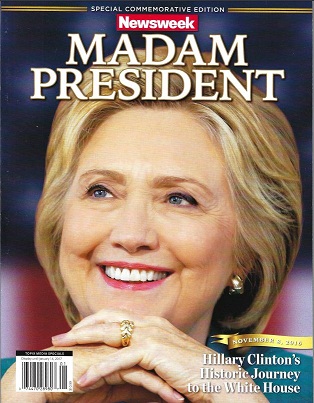
Newsweek Madam President Hillary Clinton R

I believe that Hillary blamed Putin for her loss in 2016 because she was behind the attempt to rig the Russian 2000 election. She then fabricated evidence to try to grab the presidency from Trump.

Mueller Defender of law

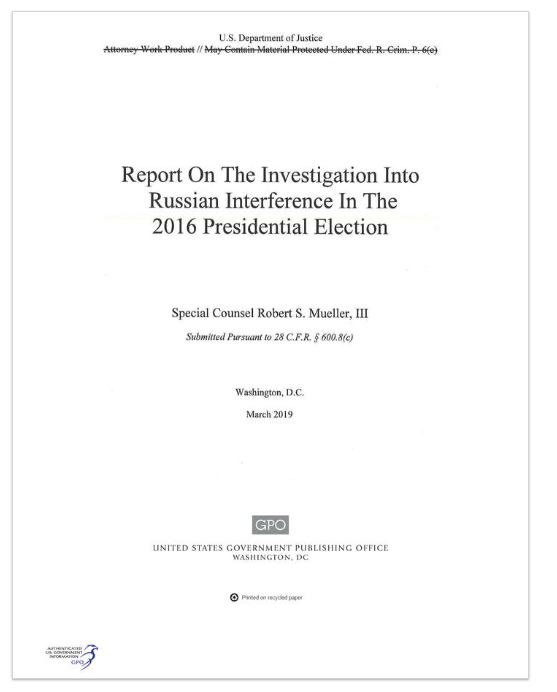
Mueller’s Report is what was expected. The entire proposed Russian hack was really simply gained by a fake email saying reset your password known as a phishing email. The report does conclude that the Trump campaign did not conspire with Russia during the 2016 election, according to the letter from Barr to Congress. It notes that Mueller’s investigation found the campaign was given “multiple offers from Russian-affiliated individuals to assist the Trump campaign” but no one within the campaign or “anyone associated with it” conspired with Russia.

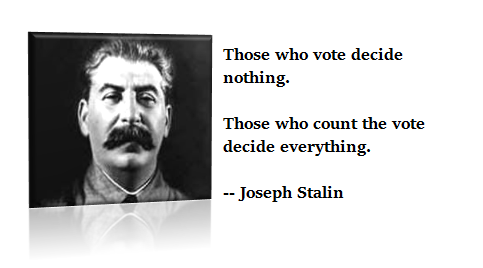
stalincountthevote

I am not surprised by the statement that there has not been a true election free of some trying to rig the outcome. Stalin was right about elections. It is always those who count the votes who decides, not the voters. To think that the United States is any more honorable than any other nation is delusional.

2016 Report_on_the_Investigation_Into_Russian_Interference_in_the_2016_Presidential_E

Understanding the World Economy


Posted originally on Aug 12, 2026 by Martin Armstrong |  

Next Generation WEC

I never considered myself an academic economist. I was a trader. That distinction has led me around the world with a front-row seat all because the floating exchange rate was born on August 15th, 1971 and even then it was supposed to be just temporary. Foreign Exchange futures just began trading in 1972. That only emerged when it was becoming obvious that what was intended to be temporary was becoming permanent. Consequently, none of this was ever taugt in school. When the first bank failure took place in 1974, Franklin National Bank, I knew a senior man in the bank and he knew I understood this new thing of floating currencies. This was all before hedging or understanding currency risk. The bank failed on a 10% move of the Italian lira. There were no academics to call in back then. After I looked at the problem, thereafter, whatever currency crisis that developed it came down to get the guy that did the Franklin National Bank one.

NEXT_Generation_Understanding_World_Economy July 25
Understanding the World Economy Index 1
Understanding the World Economy Index 2

This book is about how the world economy really functions. I have been called in from the Middle East even being on the phone in an OPEC meeting to being called by by the central bank of China during the 1997 Asian Currency Crisis. I have attended many board meetings of major multinational corporations and restructured companies to survive the new age of international capital flows.

I have tried my best to relay what I have experienced and learned over more than 50 years. I have witnessed the evolution of the world economy from every side and it has been a fascinating journey. This is a text book on how the world really functions with just over 600 pages fully illustrated in color.

It is also time to abandon domestically confined analysis and theories and understand how the world truly functions, for everything is interconnected.

Understanding the World Economy

Strait of Hormuz Nearly Deserted


Posted originally on Aug 12, 2026 by Martin Armstrong

Straight of Hormuz 1

The world seems to have learned absolutely nothing from COVID. Governments destroyed supply chains through lockdowns, shortages spread from semiconductors to automobiles, freight rates exploded, inflation followed, and politicians then acted surprised when consumers could no longer afford the same standard of living. We are now watching another supply-chain shock develop, except this time the source is not government lockdowns. It is WAR, and the Strait of Hormuz is rapidly becoming the choke point through which the economic consequences will spread.

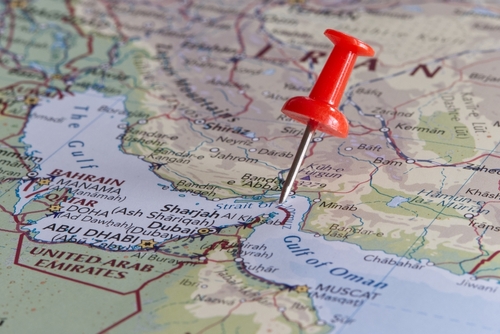
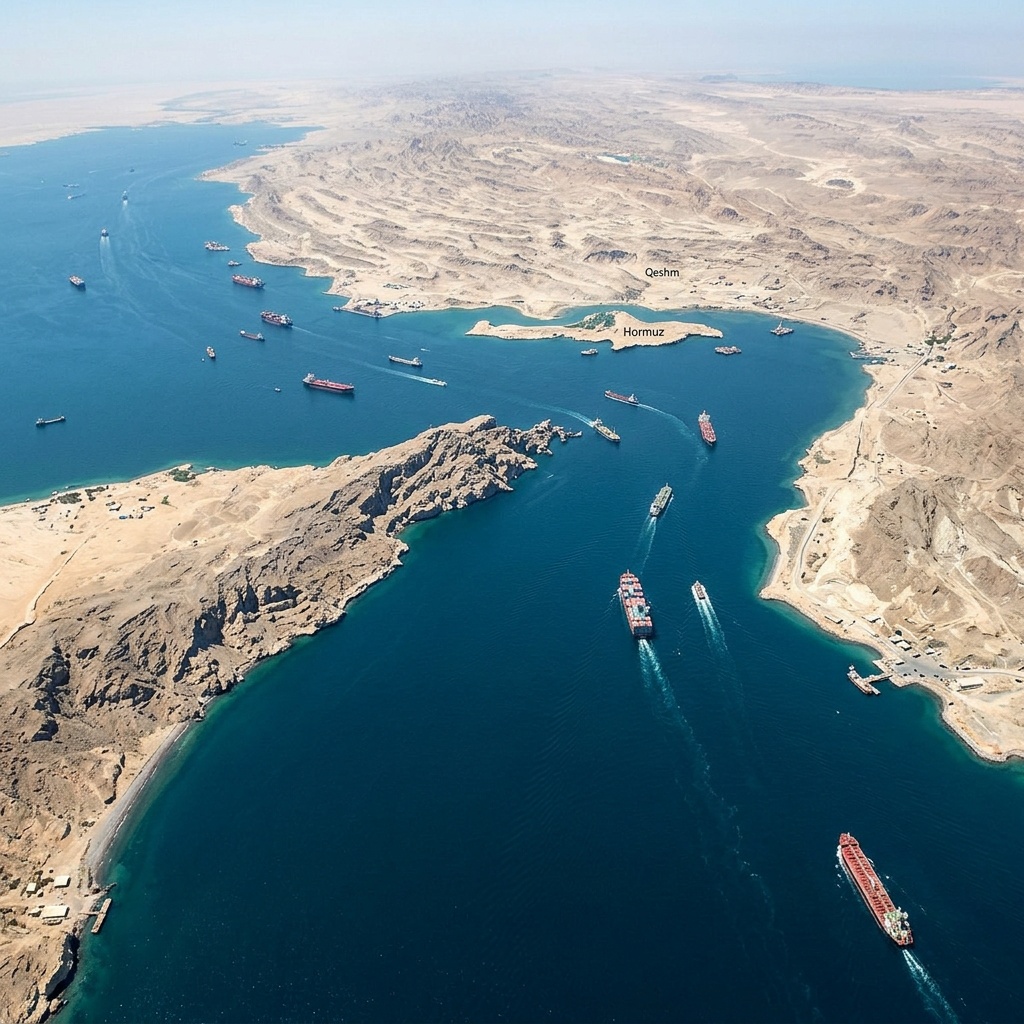
Reuters reported that only SIX vessels passed through the Strait of Hormuz on Monday. That compares with an average of about 11 during the previous 10 days, which is already disastrous when you understand what normal traffic looked like. Before this war, roughly 130 to 140 ships crossed the Strait every day.

The Strait of Hormuz is not merely about crude oil. The Persian Gulf is an artery connecting the global economy to oil, LNG, LPG, refined petroleum products, petrochemicals, fertilizers, aluminum, industrial materials, and countless products whose manufacturing costs depend upon cheap energy. Reuters reported that of the mere six vessels crossing Monday, four commodity vessels entered while only two departed. The outbound ships were carrying liquefied petroleum gas and residual fuels. This is becoming a bottleneck at the very foundation of industrial production.

Oil exports through Hormuz have already been severely reduced. Reuters reported separately that weekly oil exports through the Strait recently fell to about 3 million barrels per day from 4.4 million. Brent briefly touched $90.03 on Tuesday before pulling back, while WTI reached $84.61. Markets are still trading every rumor concerning negotiations between Iran, Oman, and the United States as if politicians can simply announce peace and everything instantly returns to normal. That is not how supply chains function.

Everything moves through transportation. Companies compensate by carrying additional inventory, which ties up capital. Manufacturers pay more for inputs and ultimately pass those costs downstream. Governments will blame corporations for “price gouging” because admitting that geopolitics created the inflation would require admitting responsibility for the policies that helped create the crisis.

Strait Hormuz

Then there is LNG. Europe spent years destroying its relationship with Russia and restructuring its energy supply under the assumption that replacement energy could simply be purchased somewhere else. Qatar became critically important to that strategy, particularly for LNG. Japan and other Asian economies are likewise heavily dependent upon imported energy. If Gulf LNG shipments remain constrained, Europe and Asia will increasingly compete for alternative cargoes, and that competition does not magically create additional natural gas. It simply raises the price.

The economic consequences extend far beyond gasoline. Natural gas is critical to fertilizer production. Petrochemicals feed plastics, packaging, pharmaceuticals, textiles, electronics, construction materials, and manufacturing. Energy is embedded in virtually everything you purchase. A sustained disruption therefore moves through the economy in waves. First energy. Then transportation. Then industrial inputs. Then manufacturing. Then food. Finally consumer prices.

This is why wars become economic events regardless of whether the fighting occurs thousands of miles away. There is also another major problem that few politicians understand. The world never truly rebuilt resilient supply chains after the pandemic. Corporations diversified some suppliers and governments suddenly discovered the phrase “supply-chain security,” but the fundamental structure remains dependent upon enormous volumes of goods moving through a handful of maritime choke points. Hormuz, Bab el-Mandeb, Suez, Malacca, and Panama are arteries of globalization. Disrupt one and costs rise. Disrupt several simultaneously and globalization itself begins to fracture.

Bab el-Mandeb remains operational for now. Reuters reported 25 vessels crossed there Monday, close to its 10-day average of 24. That does not eliminate the danger. The Houthis have already demonstrated that commercial shipping in the Red Sea can become a military target. We therefore have instability surrounding TWO critical maritime corridors connected to the Middle East while the Ukraine war continues disrupting another major source of energy, grain, fertilizer, and commodities.

This is precisely why the War Cycle matters economically. War is never isolated to the battlefield. Politicians calculate military objectives while capital calculates RISK. Capital does not care about patriotic speeches. Insurance companies do not insure vessels because some politician promises everything will be fine. Businesses do not invest billions based upon diplomatic rhetoric. Capital retreats when uncertainty rises, and once it retreats, governments discover that restoring confidence is considerably more difficult than destroying it.

The preliminary U.S.-Iran peace agreement reached in June has already broken down. Iran is demanding sanctions relief and compensation. Trump has responded with demands that Iran itself pay compensation for deaths arising from wars, attacks, and protests. Meanwhile, commercial vessels are disappearing from Hormuz while politicians negotiate over who owes whom money.

The world should be paying attention to the ships, not the speeches. When normal traffic is 130 to 140 vessels per day and suddenly we are counting SIX, something is profoundly wrong. If this persists, inventories will tighten and shortages will emerge unevenly across industries and countries. The public will probably not recognize the connection immediately. They will simply notice that another product takes longer to arrive, another manufacturer announces a surcharge, another utility bill rises, another airline increases fares, another food producer raises prices, and another government statistic claims inflation is somehow under control.

The next supply-chain crisis does not need to resemble 2020. There does not need to be empty toilet-paper aisles for the economic damage to be severe. This version can manifest through energy shortages, freight bottlenecks, fertilizer prices, industrial inputs, shipping delays, insurance costs, and another wave of inflation hitting households that have never recovered from the last one.

Watch Hormuz very carefully. Six ships where there were once 130 to 140 is not normal commerce. It is a warning.

Fauci KNEW COVID Jab Was Dangerous for Pregnant Women


Posted originally on Aug 12, 2026 by Martin Armstrong |  

image 3

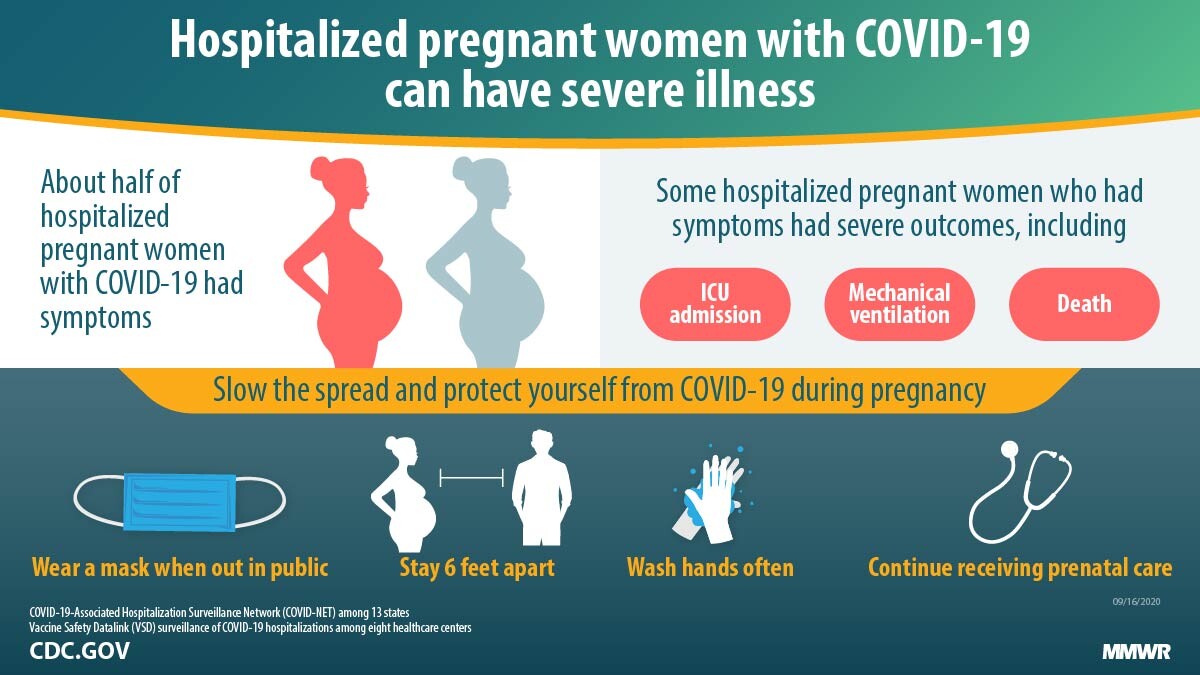
I find these newly released messages because they expose once again how differently these people spoke privately compared with the absolute certainty projected upon the public. Senators Ron Johnson and Rand Paul have now released an initial batch of messages recovered from Anthony Fauci’s government-issued iPhone, reportedly containing more than 34,000 texts. In January 2021, while officials were discussing vaccination during pregnancy, Fauci himself raised a concern about the second dose and wrote that it “theoretically could be associated with miscarriage in the 1st trimester.” That is Fauci’s language, not mine.

Fauci said the second jab specifically raised fever and what he called a “cytokine storm.” Vivek Murthy responded that Fauci had raised “a really good point” and said it was worth examining. Fauci also noted that more than 10,000 pregnant women had already received the vaccine without apparent “red flags,” but these women and unborn children were used as test subjects. Behind closed doors these officials were discussing uncertainty while the public conversation increasingly became one in which anyone asking difficult questions was treated like an idiot.

Pregnant women deserved to know precisely what government officials knew, what they did not know, and what they were privately debating. In January 2021, nobody possessed five or ten years of pregnancy data for these vaccines because that data could not possibly have existed. Instead, “the science” mandated these vaccines and insisted they were safe and effective for everyone from newborns to unborn babies in utero.

ACOG Promotes COVID-19 Vaccine Booster Safety | Duke Department of Obstetrics and Gynecology

By July 30, 2021, the American College of Obstetricians and Gynecologists and the Society for Maternal-Fetal Medicine were recommending vaccination for pregnant women, with ACOG saying there was evidence of “safe and effective use” during pregnancy. On August 11, the CDC went further and issued a statement literally titled “New CDC Data: COVID-19 Vaccination Safe for Pregnant People,” recommending vaccination during pregnancy after citing surveillance data showing no increased miscarriage signal.

By September, ACOG declared that its message “cannot be stronger or clearer” and described vaccination during pregnancy as “safe and effective.” In January, Fauci was privately discussing a first-trimester miscarriage concern surrounding the second dose; months later, America’s most powerful health organizations insisted upon vaccinations. The public deserved to understand how officials went from one position to the other, but asking questions during the COVID madness era was not permitted. You were to blindly follow “the science” and condemn anyone who dared to inquire.

image 5

A federal study was published in April 2021 depicting the miscarriage rate at around 12.6% for pregnant women exposed to the mRNA vaccine. The science decreed that remaining unvaccinated was a far deadlier risk to pregnant women and their unborn children. We know now that the vaccine failed to prevent against infection or transmission. FAR WORSE: the federal study actually documents a MISCARRIAGE RATE OF 82% for women who took the toxin in their second or third trimester. The study showed that the vaccination had the exact same rate of miscarriage as the abortion pill. WOMEN WERE MISLED TO ABORT THEIR CHILDREN. How is there not an absolute uproar over these findings?

Johnson and Paul say these messages are only an initial release from more than 34,000 recovered texts. Paul has already sought answers from Fauci concerning other aspects of the government’s pandemic response, while Johnson says additional records should be examined. Release them ALL. Stop protecting bureaucracies, pharmaceutical companies, politicians, Republicans, Democrats, or anyone else. The government spent years demanding transparency from ordinary Americans while treating its own internal deliberations as something the public had no right to see.

Health agencies across the world reiterated the “SAFE AND EFFECTIVE” messaging and actively targeted pregnant women in marketing campaigns.

Health Canada and PHAC on X: "(1/4) Q: Does getting the #CovidVaccine during #pregnancy increase the risk of miscarriages? Read on ? https://t.co/nHZnOVl0mo" / X
Incorrect information about the Covid vaccine and pregnancy is spreading online. Extensive data shows the vaccine is safe and highly effective for pregnant and breastfeeding women. Pregnant women will also be eligible
Vaccines and Pregnancy: 8 Things You Need to Know - StoryMD

The greatest scandal of COVID may ultimately be the destruction of trust. People were told to trust government officials because they possessed information ordinary citizens did not. Now, years later, internal emails and texts continue showing something much more human: officials debating uncertainties, questioning evidence, worrying about risks and sometimes disagreeing among themselves. That is actually how science is supposed to work. What was unacceptable was pretending before the public that such uncertainty barely existed.

People were making decisions about their bodies, pregnancies, livelihoods and families. They had every right to know what their government was discussing. Anything less was an abuse of public trust.

How scientific evidence evolves: A case study on COVID-19 in pregnancy -  Healthy Debate

C

Zelensky Complains About Foreign Missiles While Shopping the World for Missiles


Posted originally on Aug 12, 2026 by Martin Armstrong |  

UkraineWarDinosaurs

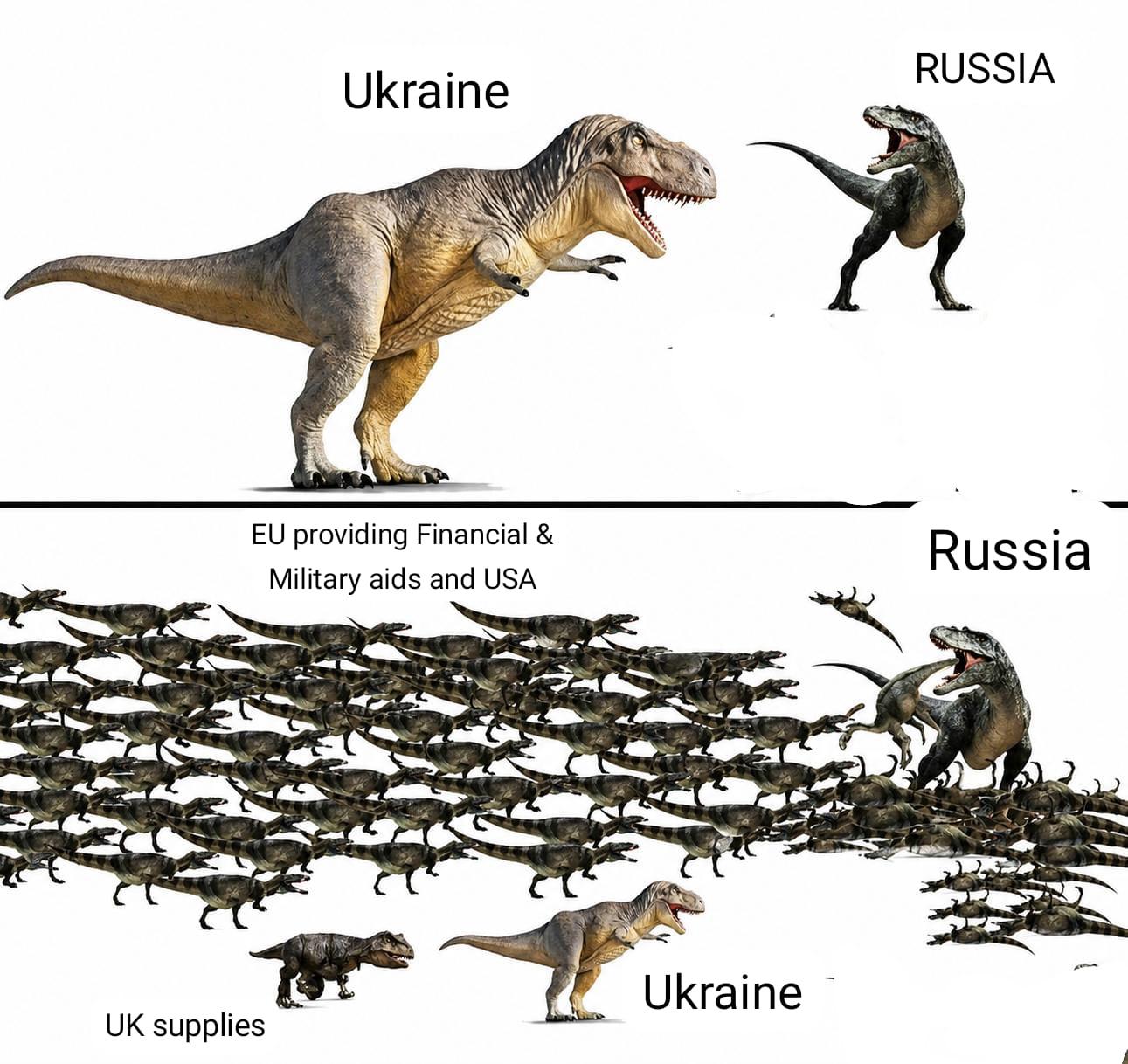
Zelensky is once again complaining that Russia is receiving ballistic missiles from North Korea. The Kyiv Independent reported that he accused Moscow of preparing to receive additional North Korean ballistic missiles, declaring that Russia cannot continue the war without Pyongyang’s assistance. North Korean missiles have reportedly been used in attacks that killed Ukrainian civilians, and that deserves condemnation. But there is an obvious hypocrisy: Ukraine has spent years shopping the world for missiles, ammunition, aircraft, artillery, intelligence, and financing. Apparently, foreign missiles become an unacceptable internationalization of the war only when they are pointed in the opposite direction.

Ukraine has received British Storm Shadow cruise missiles, French SCALP missiles and American ATACMS, and Western restrictions governing their use have progressively changed during the war. Kyiv is now reportedly purchasing another 70 American-made ATACMS missiles from Turkey, subject to U.S. authorization. Zelensky cannot demand additional foreign missiles capable of reaching deeper into Russia and simultaneously act astonished that Russia went shopping for foreign missiles of its own.

NATO threatens WWIII 2025_03_26
ISW Russia_is_preparing_for_WAR with NATO 3 25 24

The missile does not care what flag was painted on the shipping crate. This is how politicians play the war game. Britain supplies missiles and calls it defense, France supplies missiles and calls it defense, America supplies missiles and calls it defense. North Korea supplies missiles and suddenly everyone screams that the war is being internationalized. Moscow is guilty of precisely the same hypocrisy when it condemns NATO weapons while accepting North Korean missiles and ammunition. Every government has invented a moral exemption for its own escalation while condemning identical behavior from the other side.

Ukraine is developing longer-range weapons and celebrating strikes thousands of kilometers inside Russia while condemning Moscow for expanding its own foreign weapons supply. Support from North Korea can hardly be compared to support from the entirety of NATO.

The civilian deaths are the tragedy buried beneath all this political hypocrisy. Ukrainians die from Russian and North Korean missiles. Russians have also died during Ukrainian long-range attacks and drone strikes. Those civilians did not decide which country should manufacture the weapon that eventually landed near them.

Iran’s Strategy – Divide & Conquer


Posted originally on Aug 12, 2026 by Martin Armstrong |  

Athen oligarchs vs Democrats

QUESTION: You said Iran is playing 3-D Chess while we are playing checkers. That Iran is also using tactics to disrupt the Israeli and US elections. Can you provide any details to that assessment?

Jeb

Philip II AR Tetradram Mint State
philip ii Macedonia

ANSWER: There is never anything new under the sun. When the infighting with a country is dominant, an adversary can use that to prevent a unified decision of defense as they argue among themselves. This is the position the United States finds itself in and within Israel, the resistance toward Netanyahu is significant.

This tactic has been adopted through history in military confrontations. I remember I discussed that with the Citadel Military College of South Carolina back in the ’80s when the wanted to teach the ECM to their students. I am not certain if they ever taught this at West Point.

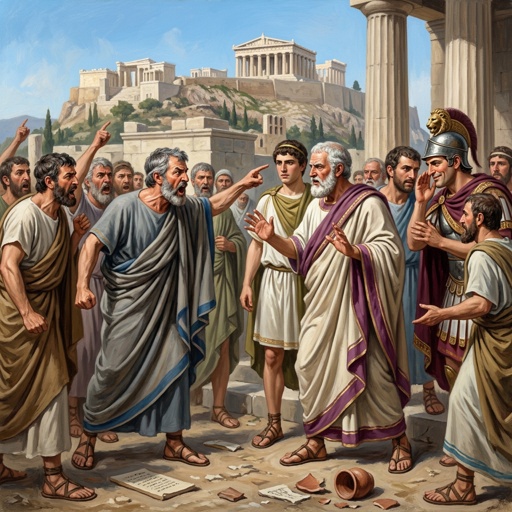
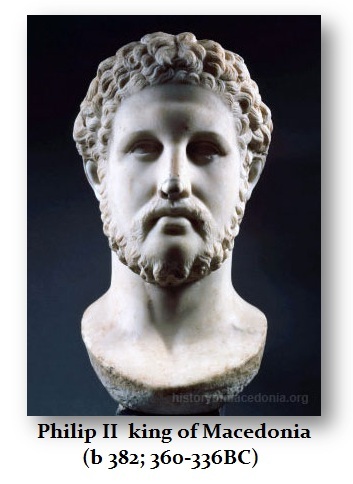
The example is Philip II of Macedon, Alexander the Great’s father. Philip brilliantly used this precise tactic to undermine Athens, which allowed him to conquer Athens and all of Greece. The political infighting in Athens significantly undermined its ability to respond to the rising threat of Macedon.

Iran is employing the same tactic today, knowing that the Democrats will champion their cause simply because Trump is the opposition. Fanning this division prevents any cohesive response to Iran as took place during the conquest of Greece by Philip II.

This polarization of politics within ancient Athens contributed directly to its loss of independence at the Battle of Chaeronea in 338BC. The city’s democratic system, while a source of strength, proved vulnerable to a combination of internal factionalism and the strategic exploitation of these divisions by Philip II of Macedon.

While Philip’s son, Alexander the Great, is famous for his military genius, his approach to conquering the vast Persian Empire was adopting this tactic. He primarily relied on decisive military force, but he was also highly strategic in cultivating political factions within conquered territories to secure his rule.

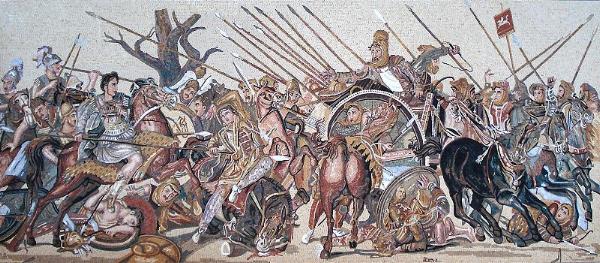
Alexander the Great Battle Issus Darius III

Alexander’s primary strategy was to decisively seek a military confrontation to shatter the enemy’s power. His goal was to bring the Persian King, Darius III, to battle and defeat him in a way that would make him the uncontested ruler of Asia. By winning decisive victories like those at Granicus and Gaugamela, he made himself the de facto King of Kings, which led to major cities like Babylon and Persepolis surrendering to him without a fight.

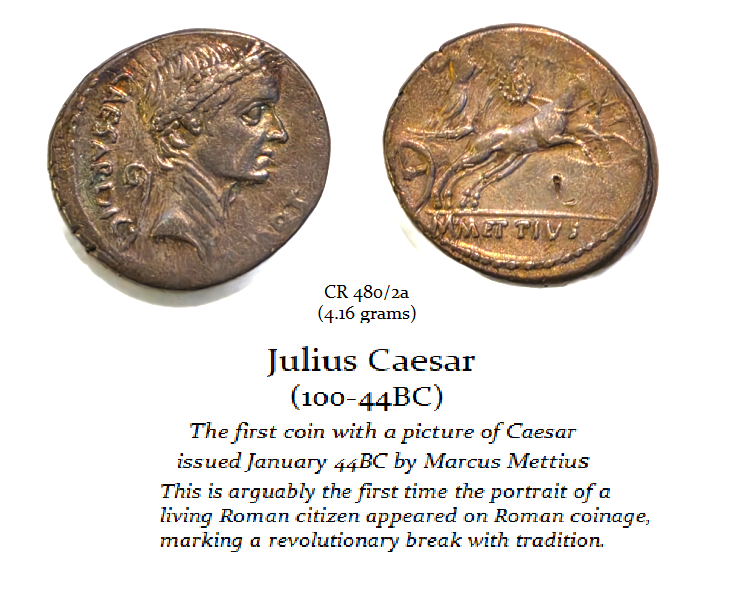
Julius Caesar AR Den CR 480 2a

Julius Caesar is closely associated with the “divide and conquer” (“divide et impera”) strategy, he adopted in his strategy during the Gallic Wars (58–50 BC). He faced a significant challenge: the Gauls were numerous and possessed formidable cavalry, but they were organized into dozens of small, independent, and often rivalrous tribes. Caesar brilliantly exploited this disunity. He actively sowed discord among the Gallic tribes, forming strategic alliances with some (like the Aedui and Remi) to help him defeat others.

Politics Left vs Right 2

Exploiting the division between Democrat and Republican is the key strategy to drag this out to undermine the Trump Administration and embarass it precisely as they did to Jimmy Carter. This is a well establish strategy to employ against an adversary. This seems to go over the heads of those in media because they are too busy reading the scripts written for them by the Neocons like the Institute Study for [Perpetual] War.

Europe Destroyed Its Auto Industry—China Did Not


Posted originally on Aug 11, 2026 by Martin Armstrong |  

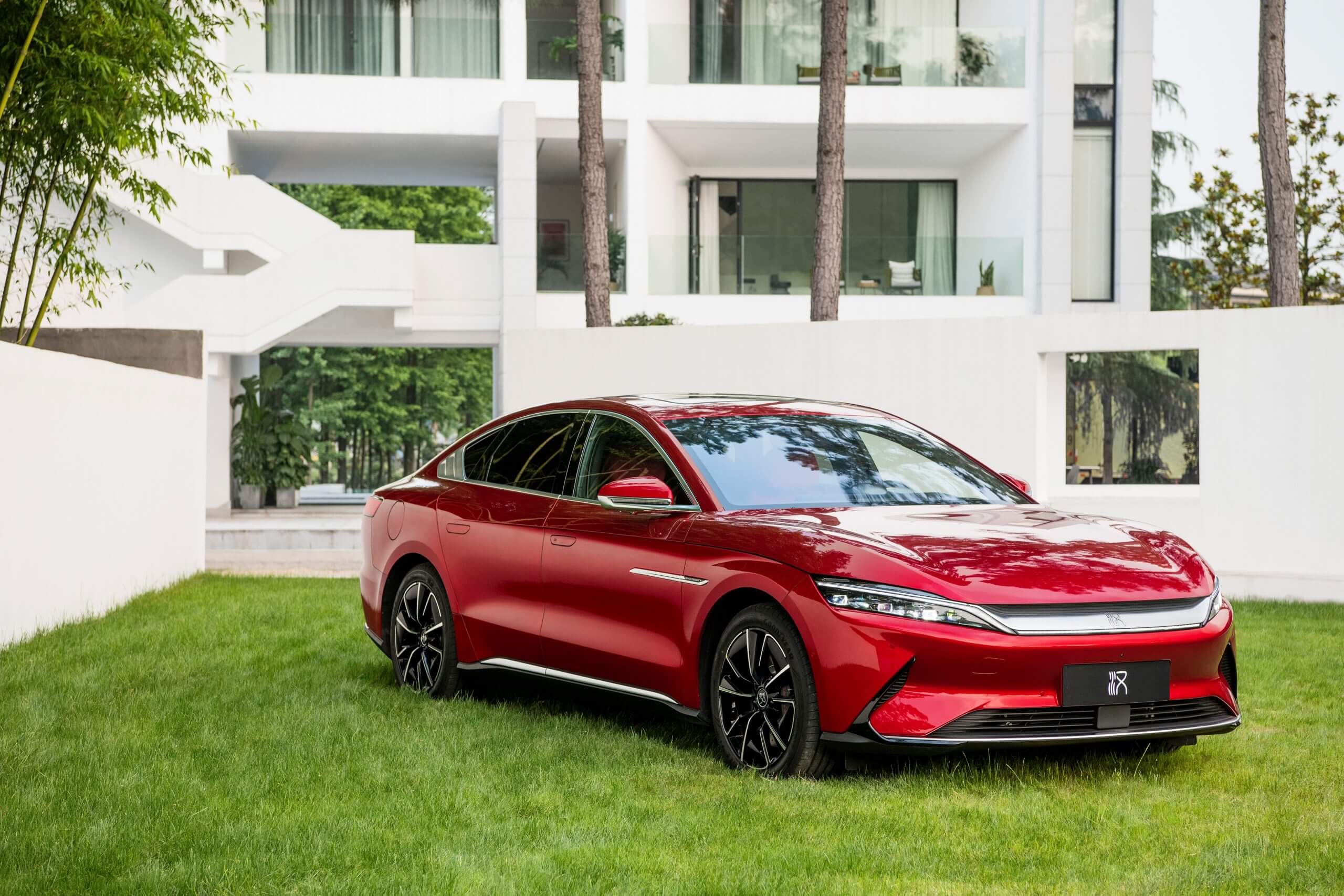
BYD supercars: 4 motors, 360° turns, and RMB 1m tags · TechNode

Chinese electric vehicle sales in Europe reached a record high during the first five months of 2026. Chinese brands sold 171,800 battery-electric vehicles across the 18 largest Western European markets, raising their market share from 9.4% to 14.2% in one year. One out of every seven EVs sold in Western Europe now carries a Chinese brand, despite additional EU duties of up to 35.3% on top of the standard 10% automobile tariff.

Brussels claims China is “dumping” state-subsidized vehicles, and there is no question that Beijing supported its EV industry. Yet Europe subsidizes battery factories, charging stations, renewable energy, manufacturers, and the consumers purchasing these cars. Italy’s incentives temporarily reduced the Chinese Leapmotor T03 to as little as €5,000. The difference is that China used industrial policy to build an efficient supply chain, while Europe spent public money creating regulations, mandates, compliance departments, and carbon-accounting schemes.

According to the International Energy Agency, producing a battery-electric vehicle in China costs more than 30% less than producing one in an advanced economy. China manufactured 70% of the world’s electric cars in 2025 and more than 80% of its battery cells. It also controlled approximately 85% of cathode-active-material production and more than 90% of anode-active-material production. Europe is attempting to compete with China while purchasing essential components from the same Chinese supply chain it supposedly intends to defeat.

Chinese battery packs were about 35% cheaper than European packs in 2025. Rhodium Group estimates that manufacturing a small EV in China costs nearly $10,000 less than producing the equivalent vehicle in Germany. Brussels can impose more tariffs and hold another emergency summit, but it cannot legislate away a $10,000 structural disadvantage.

China also embraced lithium-iron-phosphate batteries while Western manufacturers remained committed to more expensive nickel-based chemistry. LFP batteries are cheaper, safer, more durable, and do not require nickel or cobalt. Chinese companies spent years improving the technology until LFP represented more than 55% of global EV battery deployment in 2025. Europe debated environmental standards while China refined the chemistry, built the factories, secured the materials, and lowered the cost.

European car sales surge driven by influx of Chinese EVs

European manufacturers attempted to protect premium profit margins while Brussels ordered consumers to abandon combustion engines. They believed people would pay €40,000 or €50,000 for an electric car because regulators intended to eliminate the affordable alternative. That arrogance created an opening for BYD, Geely, SAIC, Chery, Leapmotor, and Xpeng.

Chinese manufacturers offered more than 120 electric models in Europe during the first five months of 2026, compared with roughly 100 European models. Around 30% of battery-electric models in China had an entry price below $20,000 in 2025, while fewer than 10% of European BEVs were available below $30,000.

Chinese electric vehicle makers lead the world, rivaling U.S. pioneers

Energy remains the issue Brussels refuses to confront. Europe surrendered cheap Russian energy, closed nuclear plants, imposed carbon taxes, restricted fossil fuels, and attempted to run an industrial economy on intermittent power. China expanded coal, nuclear energy, ports, railways, refining, chemical processing, and battery production. Europe lectures China about emissions while importing Chinese vehicles and batteries manufactured with the dependable energy Europe declared unacceptable.

Brussels responded with tariffs because government punishes consumers when its own policies fail. BYD faces an additional duty of 17%, Geely 18.8%, and SAIC 35.3%. These penalties may buy time, but they do nothing to reduce European production costs, improve software, accelerate development, or rebuild the battery supply chain.

Chinese manufacturers are also moving production into Europe. BYD is establishing manufacturing in Hungary, allowing it to avoid duties on vehicles assembled inside the EU. Chinese companies can bring their production methods, battery relationships, and supply-chain discipline directly into Europe. Brussels will then discover that the problem was never simply where the vehicle was assembled, but the efficiency of the entire industrial system.

Europe cannot allow its automobile industry to disappear. The sector supports millions of jobs and provides expertise essential to steel, chemicals, robotics, semiconductors, machine tools, AI, and defense. Europe is already heavily dependent upon China for solar panels and lithium-ion batteries. Permitting the auto supply chain to vanish would turn Europe into a consumer market living on tourism, taxation, and debt.

China's EV sales growth astonishingly increases by 50% per year

The public is not betraying Europe by purchasing an affordable Chinese EV. Brussels betrayed Europe by making European manufacturing uneconomic and then demanding that consumers personally pay the difference. If BYD provides more equipment and technology for thousands less than Volkswagen, a working family has no obligation to impoverish itself to protect executives and politicians who refused to adapt.

China did not steal Europe’s automobile industry. Europe handed it over through arrogance, regulation, and the delusion that government could decree prosperity.

Ukraine Is Taking the War Deep Into Russia


Posted originally on Aug 11, 2026 by Martin Armstrong |  

Ukraine’s latest strike inside Russia confirms the direction this war has been moving for some time. Ukraine is no longer limiting its attacks to border regions, occupied territory, or Russian military positions near the front. It is deliberately taking the war into Russia’s economic and industrial interior.

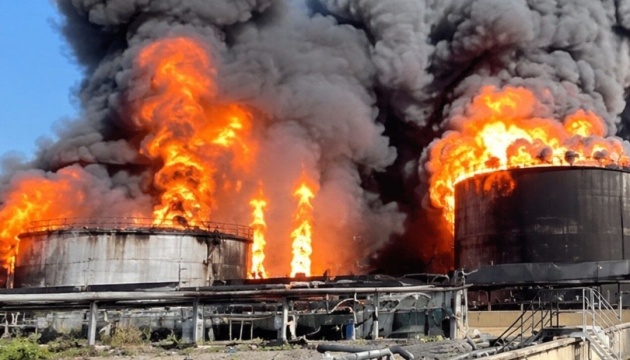
Ukrainian drones struck Nizhnekamsk in the Russian Republic of Tatarstan, roughly 1,200 kilometers or 750 miles from the Ukrainian border. Ukraine’s General Staff said it hit the TANECO oil refinery and started a fire. Russian authorities said the attack killed 13 people, including a child, and injured dozens more. The conflicting reports regarding the number injured range from 39 to 75, and the precise circumstances of the civilian casualties have not been independently established.

TANECO is not some minor roadside operation. It is one of Russia’s most advanced refineries and processed approximately 17 million metric tons of crude during 2024. Nizhnekamsk also contains another refinery and a major petrochemical complex. This was an attack on a critical industrial center that helps supply the Russian economy and, by extension, its war machine. The strike reportedly marked the third attack on the TANECO complex this summer. That alone demonstrates that these are not isolated raids. Ukraine has developed a sustained strategy intended to dismantle Russian refining, transportation, storage, and export capacity one facility at a time.

Ukraine cannot defeat Russia through a conventional war. Russia has more people, more territory, greater industrial depth, and more resources. Kyiv therefore shifted toward economic warfare, using inexpensive long-range drones to attack refineries, pipelines, ports, airfields, factories, warehouses, power systems, and logistics centers deep inside Russia.

ECM Ukraine Russia War

In November 2024, I wrote about Ukraine’s use of American and British weapons to strike inside Russia and the corresponding change in Moscow’s nuclear doctrine. The danger was never confined to whether an ATACMS missile crossed an imaginary distance on a map. The strategic change was the decision to make Russia’s interior part of the battlefield.

By May 2026, the Russian government had gone so far as to authorize the central bank, Sberbank, and cash-collection organizations to deploy anti-drone systems and arm their personnel. Banks were effectively being told to defend themselves. This confirmed that the war had spread beyond military installations and into the economic infrastructure of the state.

Russia cannot place a sophisticated air-defense system beside every refinery, pipeline junction, railway yard, warehouse, bank, port, power plant, and factory across 11 time zones. Even Russia does not possess enough defenses to protect a country of that size against thousands of cheap drones approaching from different directions.

The Nizhnekamsk attack also exposes the false argument that deeper strikes will somehow force a quick peace without escalating the conflict. Ukrainian President Volodymyr Zelensky said Russia’s war “will be felt more and more at their own home—in Russia.” That is not the language of de-escalation. It is an admission that Ukraine is attempting to turn Russian civilians against Putin by making the economic and human cost of war increasingly visible inside Russia itself.

The attacks may certainly cause Russia economic damage, but they can also produce the opposite political result. Bombing a population does not automatically cause it to overthrow its government. It can unify the people against the common enemy, as we saw in Iran years ago. Ukraine says it targets infrastructure supporting Russia’s military campaign. Russia says civilians and residential areas were struck. Once drones are flying into cities hundreds or thousands of miles from the front, civilian casualties become inevitable. Russia then uses those deaths to justify still larger attacks on Ukrainian cities.

Ukraine has already demonstrated that nearly no part of Russia can be assumed safe. In February 2026, Ukrainian drones struck the Kaleykino pumping station near Almetyevsk in Tatarstan, also around 1,200 kilometers from the border. Kaleykino is a critical junction within the Druzhba pipeline system, receiving and blending crude from Western Siberia and the Volga region before sending it toward Russian refineries and export routes.

At least six explosions were reported, followed by a major fire. Two storage tanks, each reportedly capable of holding 50,000 metric tons, were ignited. Russia’s pipeline monopoly Transneft subsequently reduced crude intake by approximately 250,000 barrels per day. The station itself has the capacity to handle around one million barrels per day.

The consequences extended beyond Russia. Druzhba remains important to Hungary and Slovakia, two EU and NATO countries that depend heavily on Russian crude because their refinery systems and pipeline connections cannot be replaced with slogans from Brussels. Ukraine’s attacks risk dragging neighboring countries into an energy confrontation with Kyiv and further splitting Europe over continued support for the war.

In June, Ukraine said it attacked the Lazarevo oil-pumping station in Russia’s Kirov region, approximately 1,300 kilometers from Ukrainian-held territory. That station serves the Surgut-Gorky-Polotsk pipeline, which moves Siberian oil westward toward Belarus. Once again, Ukraine was not targeting a tank near the battlefield. It was attacking the circulatory system of Russia’s energy economy.

Then came the July strike on the Omsk refinery in western Siberia, approximately 2,700 kilometers or 1,700 miles from Ukrainian-held territory. Omsk is Russia’s largest refinery, processing around 23 million metric tons annually, equivalent to approximately 460,000 barrels per day. Local Russian authorities confirmed that drones reached the industrial area. Ukraine said the attack caused a fire. Zelensky called it an “important achievement” and declared, “Siberia, too, is now within reach of Ukrainian precision strikes.”

That statement should have awakened every government in Europe. A war that began over eastern Ukraine had developed into attacks on Siberia. Yet NATO continues pretending that each new escalation can be contained and that Russia will never decide it has reached the final red line.

Special Operations Forces strike two oil refineries in Tatarstan

During the same July campaign, Ukraine said it struck the TANECO and TAIF-NK refineries in Tatarstan, the Saratov refinery, a military airfield at Borisoglebsk, a petroleum pumping station in Bashkortostan around 1,450 kilometers from Ukrainian-held territory, and nine oil tankers in the Sea of Azov. Ukrainian operations also reached the Russian Baltic ports of Ust-Luga and Vysotsk, two major oil-export facilities.

On August 6, drones caused a large fire at the Slavneft-YANOS refinery in Yaroslavl, which has an annual processing capacity of roughly 15 million metric tons, or about 300,000 barrels per day. Ukraine also confirmed an attack against the Bashneft-Novoil refinery in Bashkortostan. Days later, a warehouse belonging to Russian online retailer Wildberries burned in Yekaterinburg, more than 2,000 kilometers from the Ukrainian border.

The pattern is unmistakable. Oil production is attacked at the refinery. Transportation is attacked at pumping stations. Exports are attacked at ports and aboard tankers. Aviation is attacked at remote airfields. Industrial supplies are attacked inside factories and warehouses. Ukraine is attempting to impose economic attrition across the entire Russian state.

This strategy did not suddenly appear in 2026. In April 2024, Ukrainian drones struck facilities at Yelabuga and Nizhnekamsk in Tatarstan, more than 1,100 kilometers from Ukraine. Yelabuga housed a facility connected to the production of Shahed-type drones, while Nizhnekamsk contained the TANECO refinery. Those attacks demonstrated that Ukraine was already developing the capacity to penetrate far beyond Russia’s border defenses.

Operation Spiderweb in June 2025 made the strategy undeniable. Ukraine concealed small drones in trucks and prefabricated structures transported across Russia. The drones were launched near Russian airfields rather than flying the entire distance from Ukraine.

The operation targeted strategic aviation bases at Olenya, Belaya, Dyagilevo, and Ivanovo, among others. Ukraine initially claimed that 41 aircraft were hit. American officials offered a lower assessment, estimating that as many as 20 Russian military aircraft were struck and around 10 destroyed. Satellite imagery confirmed damage to valuable Tu-95 and Tu-22M3 bombers used to fire missiles against Ukraine.

Belaya Air Base is located in Siberia, thousands of kilometers from Ukraine. The operation proved that distance no longer provides security when drones can be smuggled into a country, hidden near their targets, and activated remotely.

Across the front in Ukraine's east, many roads now look like tunnels covered with nets. These are anti-drone nets, used to protect vital supply, evacuation, and civilian transport routes from Russia's FPV

This is why Russia has begun spreading anti-drone nets, electronic-warfare systems, armed guards, and localized defensive units across infrastructure that was never designed to become part of a battlefield. Reports even show Russia placing additional anti-drone protection over submarines at its Pacific base on the Kamchatka Peninsula, more than 4,500 miles from the Ukrainian front.

Damaging Russian refineries has not forced Putin to withdraw. Operation Spiderweb did not end Russia’s missile campaign. Striking Siberia did not bring peace. Each spectacular operation has instead been followed by additional Russian attacks, tighter internal controls, more militarization, and a deeper commitment by both governments to continue the war.

There is also a dangerous political calculation behind these attacks. Ukrainian officials believe that economic hardship and civilian fear will turn the Russian population against Putin. Yet Putin faces pressure from the opposite direction as well. Russian hardliners argue that he has been too restrained and that Moscow should retaliate more aggressively against Ukrainian government centers, transportation networks, energy infrastructure, and the Western systems enabling these strikes.

Russia has already lowered the threshold in its nuclear doctrine for responding to conventional attacks supported by nuclear powers. This does not mean Russia will automatically use a nuclear weapon, but it does mean NATO governments are recklessly testing a doctrine they did not write and cannot control.

The West supplies Ukraine with money, intelligence, satellite imagery, targeting assistance, components, and weapons. Western politicians then insist they are not participants in the war. Russia does not necessarily accept that legal fiction. If Western intelligence helps identify a target and a Ukrainian system attacks it, Moscow may eventually treat the sponsor and the operator as part of the same military structure.

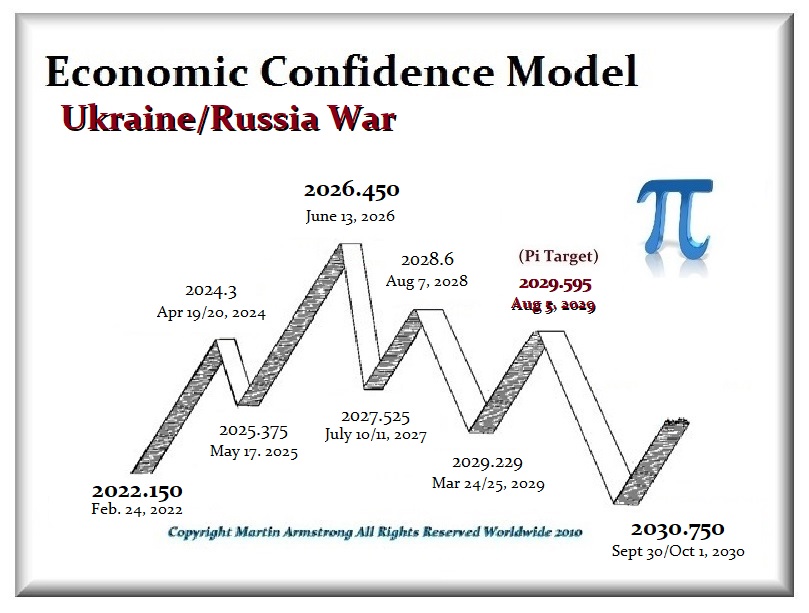
The War Cycle for 2026 never suggested peace. It indicated rising volatility and expansion, with extremes in both directions. There may be negotiations, ceasefires, or temporary gestures toward settlement, followed by renewed aggression. That is precisely what we are witnessing. Every attempt at diplomacy is undermined by another strike, retaliation, arms package, territorial demand, or political promise that neither side can accept.

No one is asking where this ends. That has been the fatal mistake from the beginning.

Iran’s Economy Is Unraveling


Posted originally on Aug 11, 2026 by Martin Armstrong |  

Iran: War-Time Governance & Macro-Securitization

Iran International reports that the average advertised monthly rent in Tehran has climbed to 723 million rials, or about $389 at the open-market exchange rate. Many Iranian workers earn only 200 million to 250 million rials per month, equivalent to $108 to $134. A worker must now surrender nearly three months of wages to pay one month of rent. That is the destruction of an entire population’s standard of living.

Rents have reportedly risen between 70% and 100% in parts of Tehran, despite the government’s 25% ceiling. Even Alireza Novin, a member of parliament’s construction committee, admitted that “the 25% rent increase is clearly not being observed.”

The IMF now projects that Iran’s economy will contract 5.4% in 2026, the worst annual decline in decades. Consumer-price inflation is projected to reach 68.9%. Estimates indicate that unemployment rose from 7.6% in the first quarter to 9.1% in the second, while industrial destruction and economic disruption may have eliminated around one million jobs.

The rial traded near 70 to the dollar at the time of the 1979 revolution. Iran International’s housing calculations now use an open-market rate of 1.86 million rials to the dollar. Iran’s government may issue a 10 million-rial banknote or remove zeros from the currency, but changing the numbers printed on the paper cannot restore the savings that were destroyed.

Food and beverages have risen 113.8% from the previous year, according to figures attributed to the Statistical Center of Iran. Bread and cereals increased 140%. Red meat and poultry rose 135%. Dairy products climbed 116.8%, while oils and fats surged 219%. Fruits and nuts increased more than 104%.

Rural inflation has reportedly reached 86.5%, compared with 69.3% in urban areas. The poorest citizens are being hit hardest because food, transportation, and household necessities consume nearly all their income. They do not own stocks, foreign property, or offshore bank accounts. Their entire wealth is their labor, and the government has destroyed the value of that labor.

Real income per person has fallen by approximately 47%, pushing the average Iranian’s purchasing power back toward levels last seen in the late 1990s. Poverty is estimated to affect about 36% of the population nationwide and as much as 50% in deprived regions. Iran is creating millions of working poor—people who still have jobs but can no longer afford to live.

The diet of the Iranian people is shrinking. Red meat supply has reportedly fallen to approximately 623,000 metric tons, about 20% below 2024 and nearly 39% below its 2010 level. Dairy consumption has declined to around 40 kilograms per person, roughly one-third of the global average. Families are not changing their diets for health reasons. They are abandoning meat and dairy because they cannot afford them.

Grocery workers have reported increasing theft of bread, cheese, butter, and meat. Medical patients are postponing treatment because they cannot afford medication. People are moving back in with their parents, sharing apartments with strangers, or fleeing Tehran for poorer outskirts.

Tindex estimates that the average advertised home in Tehran now costs more than 240 billion rials. A worker earning 250 million rials per month would need 80 years of gross wages to reach that price, assuming he never spent anything on food, rent, clothing, or taxes. Homeownership has become mathematically impossible for much of the population.

The war turned Iran’s prolonged decline into an active crisis. Factories, power plants, railways, airports, bridges, and industrial facilities have been damaged. Oil exports, the financial lifeline of the government, have reportedly fallen as much as 70% during periods of severe disruption. Some estimates place the economic cost of the blockade near $435 million per day.

The cumulative cost of the war has been estimated at around $144 billion, equivalent to roughly 40% of Iran’s prewar GDP. Whether every estimate proves exact is secondary to what Iranians can see: businesses closing, wages vanishing, investment stopping, and entire industries struggling to obtain materials or transport goods.

The government has compounded the damage by restricting the internet. Iran’s own communications ministry estimated that shutdowns cost the economy around 5 trillion rials per day at the official exchange rate. Other estimates placed the direct and indirect losses much higher. Online businesses lost customers, workers lost income, and private commerce was sacrificed so the state could suppress information.

Meanwhile, Iran’s rulers continue spending on missiles, proxies, internal surveillance, and political repression. The people are told to sacrifice for the revolution while those connected to the state preserve access to hard currency, property, and protected markets. The ruling class rarely eats the consequences of its policies. The people do.

Yet Washington and Israel should not celebrate this misery. Sanctions and blockades do not starve political elites first. Officials control state resources, smuggling networks, and foreign currency. It is the mother buying bread, the factory worker searching for an apartment, and the pensioner choosing between food and medicine who pays.

The neocons believe that enough bombing and deprivation will force Iran to surrender and produce a friendly democracy. They made the same argument in Iraq, Libya, Afghanistan, and Syria. Economic misery can produce revolution, but it can also produce repression, military rule, fragmentation, or civil war.

A government can manipulate inflation statistics and threaten landlords. It cannot hide an empty refrigerator or convince a worker that three months of wages should equal one month of rent. Many have turned to military service for survival, but what happens when the government cannot pay its troops? Iran’s people are watching their economy unravel in real time. Their wages have become scraps of paper, their savings have disappeared, and the idea of building a future is slipping beyond reach.