Mexico is Doing What Canada Is Ignoring – Preparing for 2026 USMCA Renegotiation


Posted originally on CTH on August 29, 2025 | Sundance

There are going to be two major stories in 2026 that we will have full context to understand.  Yes, the 2026 midterm politics are going to lead the headlines, but two other issues will have considerable impact.

The first, is the FISA (702) reauthorization, and there is a lot that will surface in the next several months likely to upend the best laid plans of the administrative UniParty [Tulsi Factor].  The second, is the USMCA reauthorization – the end of the trilateral trade agreement, and the structural shift into two separate free trade agreements.

As to the latter issue, while Mexico and Canada are currently in a state of economic flux, only Mexico is preparing to deal with the seismic shift that is about to unfold.  Canada is going to be caught completely off guard.

While Canadian Prime Minister Mark Carney is trotting around Europe trying to establish his relevance amid the pro-Ukraine coalition,  Mexican President Claudia Sheinbaum is spending time focused on her domestic economy.

Mexico is preparing to drop significant tariffs on Chinese imports, a proactive move to position Mexico in advance of the upcoming bilateral discussion.

Sheinbaum knows that right now for every deportation ICE executes, her economy is hit as remittances recede. Simultaneously, for every mile of border wall that is completed, the financial dependency model increases.  President Trump’s leverage in the upcoming bilateral trade negotiation against Mexico increases each day, week and month.

Claudia Sheinbaum is smartly focused on trying to get ahead of the issues, while Mark Carney ignores his vulnerability and is about to make Canada naked to the economic weaknesses created by Justin Trudeau.

CHINA POST – Mexico is preparing to raise tariffs on Chinese imports of automobiles, textiles and plastics, Bloomberg News reported on Thursday, under a proposal expected to be part of the 2026 budget to be submitted to the nation’s Congress next month.

If confirmed, the increase would mark one of Mexico’s sharpest trade shifts in recent years. Officials in Washington have urged the move as part of US President Donald Trump’s push to build a “Fortress North America” and reduce dependence on Chinese supply chains.

Trump has been a long-time critic of what he calls trade “loopholes” in the US-Mexico-Canada Agreement allowing Chinese goods to enter the US. During his election campaign last year, he railed against Chinese carmakers building plants in Mexico to export cars to the US.

Mexico’s imports from China exceeded US$51 billion last year, accounting for nearly one-fifth of the country’s total purchases abroad.

The rapid growth has turned Mexico into China’s top overseas market for vehicles, but has also left local manufacturers complaining of unfair competition from subsidised goods. The planned tariffs could also be extended to other Asian nations, although China remains the main focus. (read more)

Taken in context, Mexican President Claudia Sheinbaum is prepping to be in alignment with the goals and objectives of President Trump. Meanwhile Canada is completely ignoring the issue of Chinese trade, and the loopholes that anger President Trump within the USMCA exploitation.

We’ll keep watching, but this context will unfold. Slowly at first, then suddenly, all at once, come spring ’26.
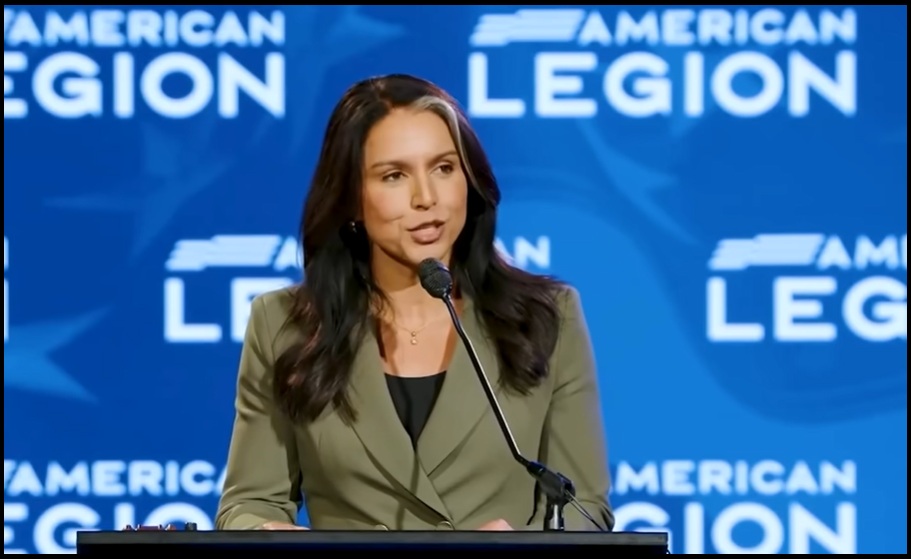
DNI Tulsi Gabbard Speech to American Legion


Posted originally on CTH on August 29, 2025 | Sundance

Director of National Intelligence Tulsi Gabbard delivers remarks to the audience during a keynote address at the American Legion conference. WATCH:

.

Dr. John Lott Breaks Down The Numbers Before And After President Trump Deployed Feds In D.C.


Posted originally on Rumble By Bannon’s War Room on: August 28, 2025

Bureau of Economic Analysis Revises 2nd Quarter GDP Upward to 3.3 Percent Growth


Posted originally on CTH on August 28, 2025 | Sundance

From an initial report of 3.0% to a revised report of 3.3% second quarter growth. [BEA report HERE]  Not a surprise, when we factor in the prediction we presented after the first quarter GDP.

However, it is nice to see the BEA finally admit, “The increase in real GDP in the second quarter primarily reflected a decrease in imports, which are a subtraction in the calculation of GDP.”  I digress.

WASHINGTON (AP) — The U.S. economy rebounded this spring from a first-quarter downturn due to fallout from President Donald Trump’s trade wars.

In an upgrade from its first estimate in July, the Commerce Department said Thursday that U.S. gross domestic product — the nation’s output of goods and services — expanded at a 3.3% annual pace from April through June after shrinking 0.5% in the first three months of 2025. The department had initially estimated second-quarter growth at 3%.

The first-quarter GDP drop, the first retreat of the U.S. economy in three years, was mainly caused by a surge in imports — which are subtracted from GDP — as businesses scrambled to bring in foreign goods ahead of Trump’s tariffs. That trend reversed as expected in the second quarter: Imports fell at a 29.8% pace, boosting April-June growth by more than 5 percentage points.

The Commerce Department reported that consumer spending and private investment were a bit stronger in the second quarter than it had first estimated.

Consumer spending, which accounts for about 70% of GDP, grew at a 1.6% annual pace, lackluster but better than 0.5% in the first quarter and the 1.4% the government initially estimated for the second. (read more)

The recession will have to wait, as the economy continues to grow, and while receipts from tariffs continue to pay down the federal debt companies are investing in U.S. at a historic rate.

Press Secretary Karoline Leavitt Holds a Press Briefing – 1:00pm ET Livestream


Posted originally on CTH on August 28, 2025 | Sundance |

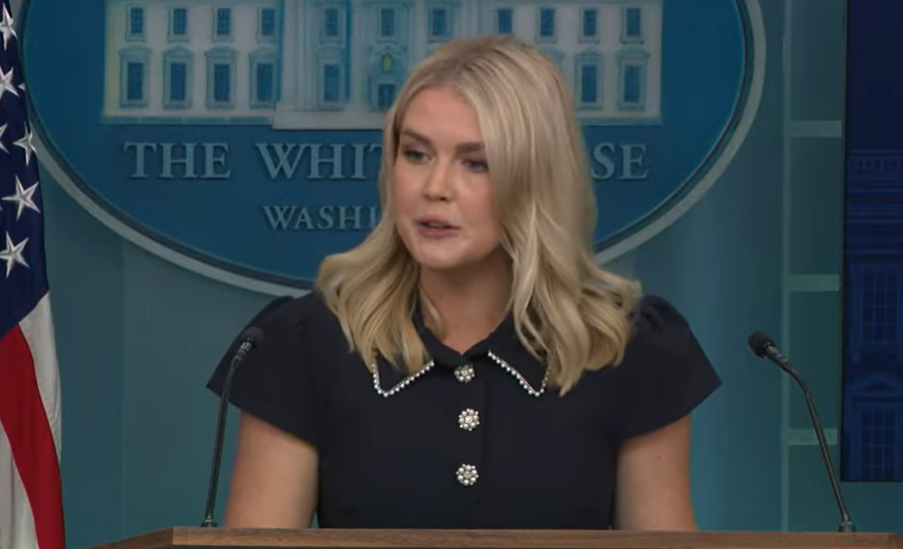
White House Press Secretary Karoline Leavitt holds a press briefing from the Brady Room.  The anticipated start time is 1:00pm ET, with livestream links below:

.

.

.

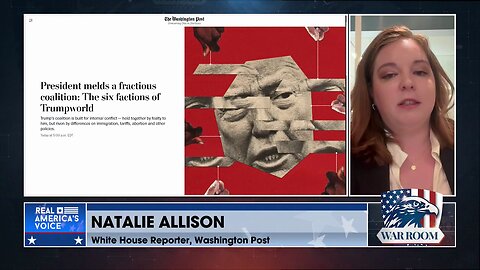
Episode 4736: The Six Factions Of Trump World; Keeping Kentucky MAGA


Posted originally on Rumble By Bannon’s War Room on: August 27, 2025

WREN: Trump’s Coalition Is Diverse, But Big Tech Is The Unifying Threat. Millions Of Jobs Destroyed, Free Speech Throttled, Power Handed To Palantir & Silicon Valley


Posted originally on Rumble By Bannon’s War Room on: August 27, 2025

NATALIE ALLISON: Trump’s Movement Isn’t A Mystery Anymore. He Brought In Voters Republicans Haven’t Reached In Decades


Posted originally on Rumble By Bannon’s War Room on: August 27, 2025

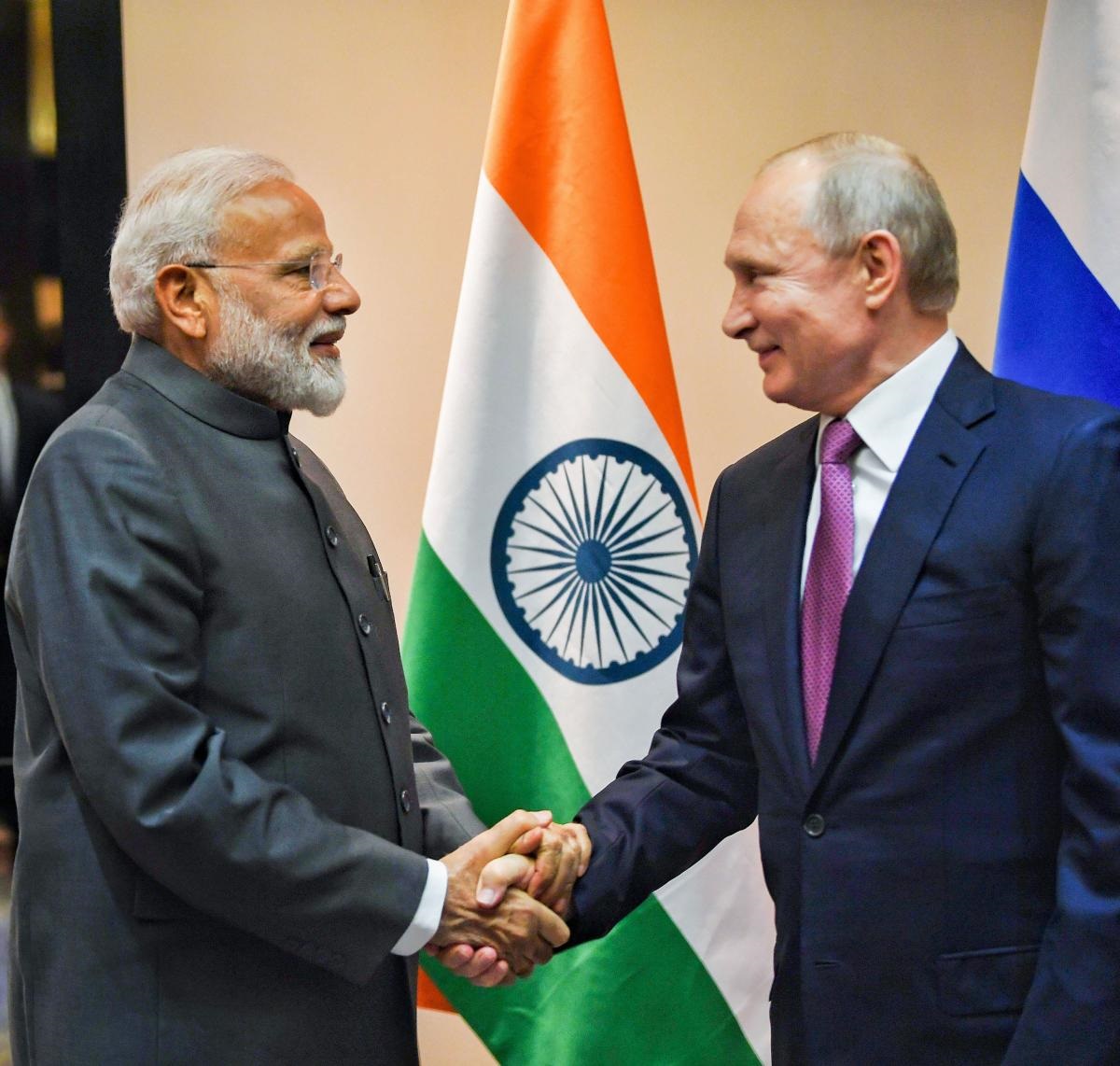
India Rejects President Trump Tariff Pressure, Pledges to Continue Purchasing Russian Oil


Posted originally on CTH on August 27, 2025 | Sundance

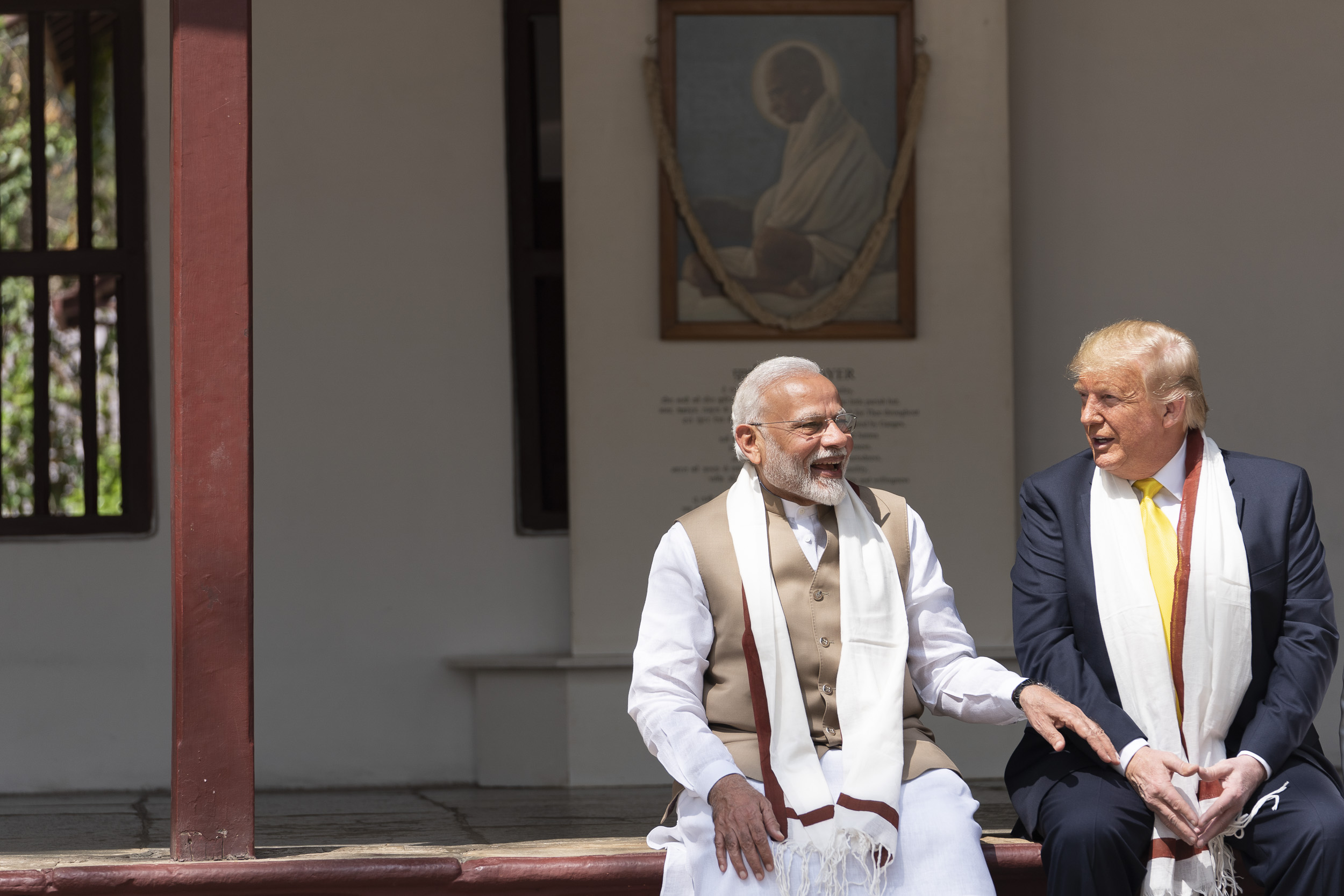
India is now facing a 50% import tariff against the majority of their goods (electronics and pharmaceuticals exempted). However, Indian Prime Minister Narendra Modi has vowed not to yield to the pressure. Modi said the world was witnessing a “politics of economic selfishness.”

For approximately a decade many western countries including the U.S. have heaped effusive praise on India as corporations viewed the massive Indian population, the world’s largest democracy, as both workers and consumers.  However, after the western sanctions against Russia were delivered, India -a BRICS nation- began pulling back from western alignment and influence.

Western sanctions map against Russia (yellow = agree with USA).

What we are witnessing now is one of the ramifications of the U.S. forcefully putting an “us or them” aspect into the strategic economic relationship, where “them” is Russia.  Currently, India is not flinching.

One could make the argument that undeveloped regions in Brazil, Russia, India, China and South Africa (BRICS) contain the majority of the valuable rare earth minerals and magnets the ‘western’ nations need for manufacturing.  BRICS has a pressure point to apply leverage, but no global trade currency, if the trade conflict escalates.

INDIA – Steep U.S. tariffs on a range of Indian products took effect Wednesday, threatening a serious blow to India’s overseas trade in its largest export market.

President Donald Trump had initially announced a 25% tariff on Indian goods. But earlier this month he signed an executive order imposing an additional 25% tariff due to India’s purchases of Russian oil, bringing the combined tariffs imposed by the U.S. on its ally to 50%.

The Indian government estimates the tariffs will impact $48.2 billion worth of exports. Officials have warned the new duties could make shipments to the U.S. commercially unviable, triggering job losses and slower economic growth.

India–U.S. trade relations have expanded in recent years but remain vulnerable to disputes over market access and domestic political pressures. India is one of the fastest-growing major global economies and it may face a slowdown as a result.

Estimates by New Delhi-based think tank Global Trade Research Initiative suggest labor-intensive sectors such as textiles, gems and jewelry, leather goods, food and automobiles will be hit hardest.

“The new tariff regime is a strategic shock that threatens to wipe out India’s long-established presence in the U.S., causing unemployment in export-driven hubs and weakening its role in the industrial value chain,” said Ajay Srivastava, the think tank’s founder and a former Indian trade official. (read more)

Keep in mind, India is a very poor albeit populated country with the average person living substantially below the poverty line.  That sounds like bad news for India until you realize if they lose export trade to the USA, the majority of Indians will not notice the difference in their life.

Politically President Trump and Prime Minister Narendra Modi always appeared to have a very good relationship.  However, on the issue of sanctions against Russia, President Trump is stepping into the middle of the BRICS relationship.

Modi feels strong due to a decade of effusive praise from all countries. Trump feels strong due to current effusive praise from all countries.  Two hippos are facing each other.

There are multiple dynamics at play including President Trump’s Indo-Pacific strategy, a counterbalance to the influence of China, which is dependent on India.  Prime Minister Modi appears to be calling President Trump’s bluff.

Sea Island Hits President Trump and Tech Bros on H1B Vulnerability


Posted originally on CTH on August 27, 2025 | Sundance 

The Sea Island banking and finance community are strategic.  They know how to hit the nerve of their opposition in tune with popular sentiment.  However, the key to seeing the strings is to notice the pattern.

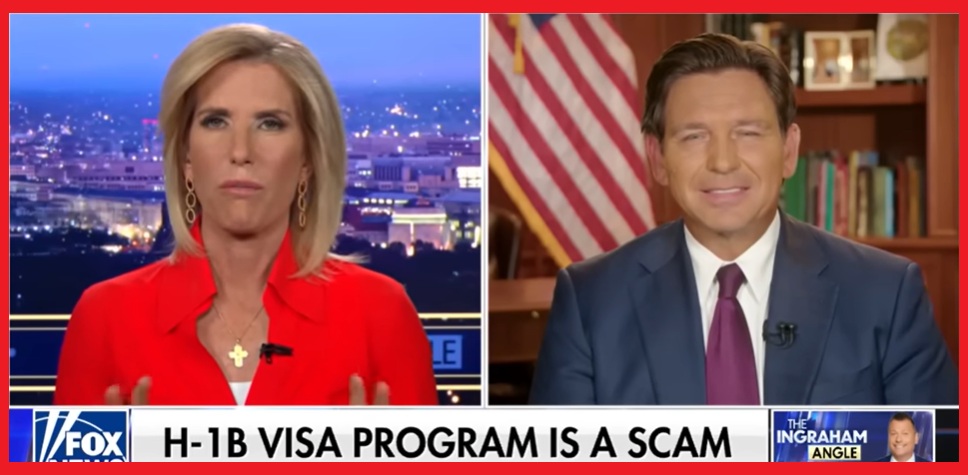
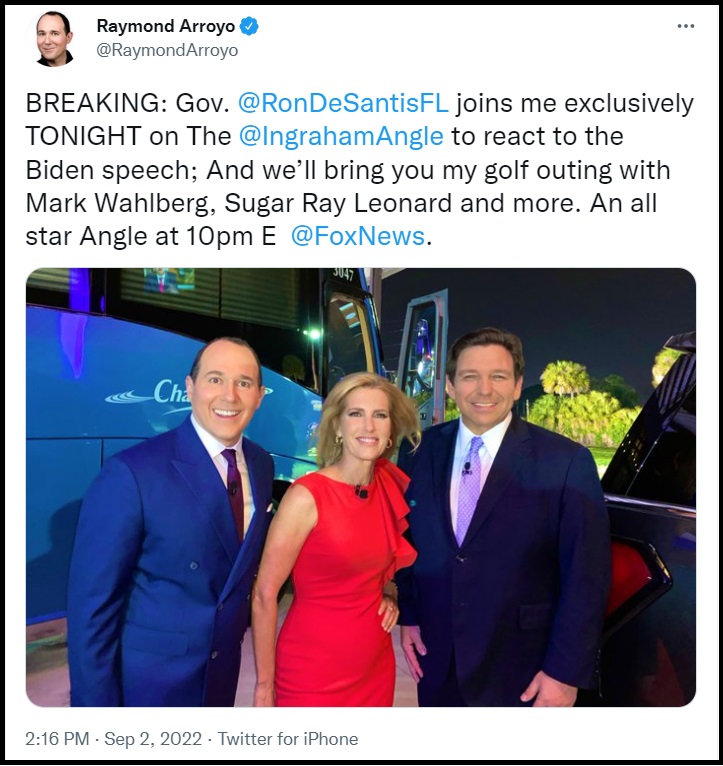
When the Sea Island group are out of power or diminished influence, they wait for opportunities; then they dispatch their purchased voices to hum the sirens song.  DeSantis only has another year of high-visibility influence before he ends up in the dead space leading up to 2028.  He and his allies need to stay relevant after ’26.

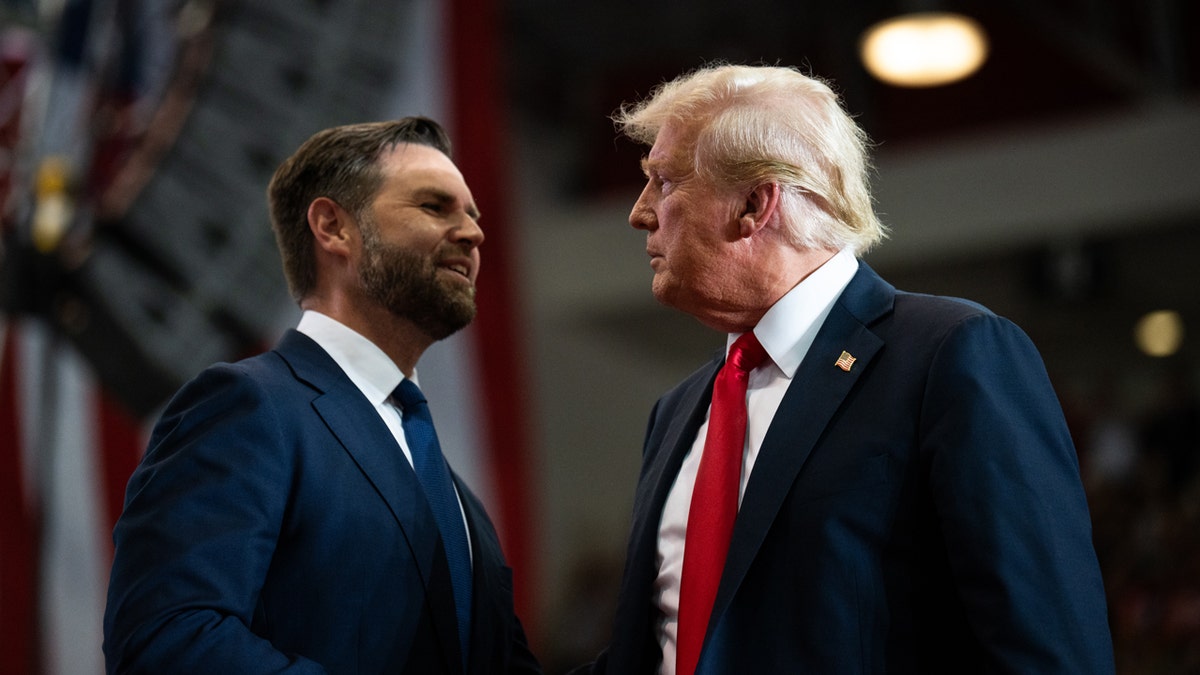
Trump-Vance is currently aligned with the Silicon Valley tech team and Crypto community, the alternative to the traditional Sea Island confab.  However, Silicon Valley has a disconnect from populism on the issue of H1B visas.  Sea Island exploits the moment.  WATCH:

Beyond independent Trump, once you stop looking at the presented puppets and start focusing on the puppet masters, you start to clear the fog of the theatrics, and you can see the patterns.  The ‘out of power’ group promotes the issues that are popular as they seek to cleave the audience (classic splitter strategy).

Silicon Valley corporations and investors, emboldened by President Trump’s embrace of the technology and crypto industries, have pledged up to $200 million to two new super PACs that are aimed at forcing out politicians whom they see as insufficiently supportive of the push into artificial intelligence.

One of the new PACs, Meta California, is funded by tens of millions of dollars from Meta, which owns Facebook and Instagram and has been investing heavily in A.I. The second super PAC, Leading the Future, is backed initially with $50 million from the A.I. investor Andreessen Horowitz and $50 million from Greg Brockman, a co-founder of OpenAI, and his wife, Anna.

[…] The up to $200 million that is being committed is likely to immediately make the new groups, and the issue of A.I., somewhat central to the 2026 midterm elections. The groups promise to support both Democrats and Republicans.  (more)