
Tag Archives: China
China, Russia, Iran, and Europe along with the rest of the World are Free to Vote in US Elections
Posted originally on Jun 24, 2026 by Martin Armstrong |
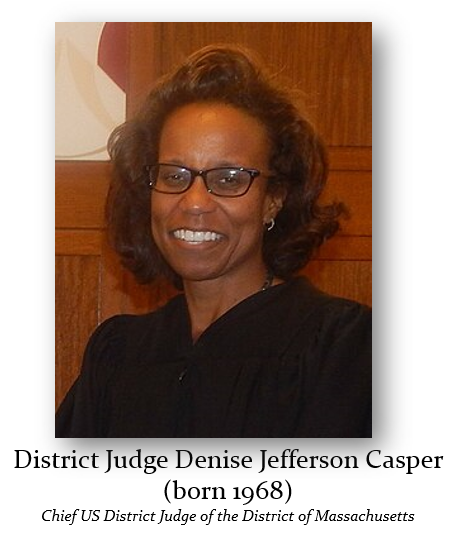
America, we have a problem. This is one judge who went out of her was to rule against Trump desperate to find not law, but an opinion that is a disgrace to the nation and she should be removed from office as a national security threat. In an order issued Wednesday, U.S. District Judge Denise L. Casper wrote that federal law and the Constitution give power to a president to manage elections.
“Our Constitution vests control over federal elections in the States, subject to some oversight by Congress.” She added: “While the Constitution vests the President with ‘executive power’ and commands him to ‘take Care that the Laws be faithfully executed,’ it does not grant the President any specific powers over elections.”
The ruling by Casper effectively converts a preliminary injunction that she had issued a year ago, in which she temporarily blocked many of Trump’s efforts to overhaul elections, into a permanent ban. She is not ruling that illegal aliens can vote, she is claiming Trump has no power to prevent non-Americans from voting. It figures, she is from Massachusetts and just because Trump is a republican he has to rule against him. She obviously has no problem allowing the entire world to now vote in US elections since the present has no authority to enforce the Constitution. Since the President has the duty to “faithfully” execute the law, then she is explicitly stating that there is no law to prevent the rest of the world from voting in US elections. Everyone is welcome.
I hope the Federal Court of Massachusetts get inundated with complaints. She should be disbarred for she is incapable of being not just impartial, but competent in comprehending the Constitution. Claiming there is no explicit clause to say only an American can vote, then what the hell, there is also noting to say someone cannot vote in every state simultaneously with mail-in ballots. When the Founding Father wrote the Constitution, they did not assume it applied worldwide.
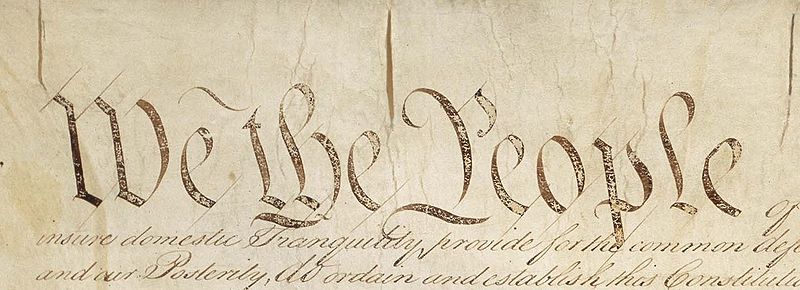
This phrase, “We the People,” is of paramount importance. We must look at the entire objective of creating the Constitution to fully comprehend its true meaning. If you were English and committed a crime in France, the French king could not punish you, for you were the property or “subject” of the English king. France would send you back in chains to England, explaining what you did, for only your sovereign had the jurisdiction to punish you – not where the crime occurred. This is incredibly important to understand.
Since the American Revolution was against the monarchy, why would they comply with international law at that time and send someone back to England for a crime committed in America to be punished by a king they did not recognize? The American Constitution established territorial jurisdiction for the first time. So, someone convicted of a crime would be punished in America for his crime in America. Now, the problem has become a question of rights under the Constitution. Did a foreign citizen have a right to a fair trial? The definition of “We the People” had to extend to anyone tried in America, regardless of their citizenship. There is nothing to indicate that this extended to a right for non-Americans to vote.
She has fulfilled our model. People will not longer trust any election because of people like her determined to impose their Marxist Agenda to destroy the American economy like Europe. Without CONFIDENCE in government, people will not buy the debt, sovereign defaults then follow, and pension funds are wiped out. Just like Marx and Lenin, everything has to be their way or no way. So, the world can now vote in America no problem. She is allowing illegals to vote because there is no clause that says they cannot. There is no indication that the Founding Fathers ever contemplated allowing Britain to interfere in American elections.
Cut Off the Money – U.S Military Will Start Enforcing Embargo of Product No One Is Supposed to Be Buying
Posted originally on CTH on April 12, 2026 | Sundance
The headline is the reality of the thing.

Oil and gas sales from Iran are under international sanction and not supposed to be taking place. However, oil and gas sales from Iran -violating the sanctions- have been taking place.
CENTCOM is announcing that the U.S. military will now ensure the oil and gas from Iran doesn’t move.
The U.S. will physically enforce the pre-existing global sanctions. A blockade begins tomorrow morning.
TAMPA, Fla. — U.S. Central Command (CENTCOM) forces will begin implementing a blockade of all maritime traffic entering and exiting Iranian ports on April 13 at 10 a.m. ET, in accordance with the President’s proclamation.
The blockade will be enforced impartially against vessels of all nations entering or departing Iranian ports and coastal areas, including all Iranian ports on the Arabian Gulf and Gulf of Oman. CENTCOM forces will not impede freedom of navigation for vessels transiting the Strait of Hormuz to and from non-Iranian ports.
Additional information will be provided to commercial mariners through a formal notice prior to the start of the blockade.
All mariners are advised to monitor Notice to Mariners broadcasts and contact U.S. naval forces on bridge-to-bridge channel 16 when operating in the Gulf of Oman and Strait of Hormuz approaches. (SOURCE)
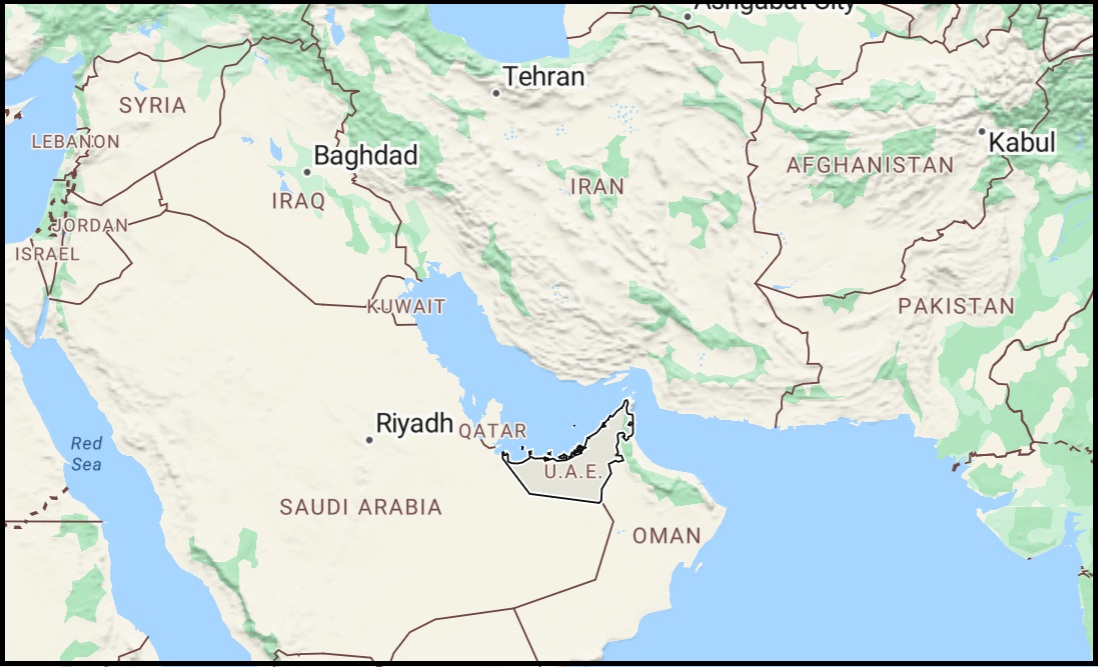
Oil and gas from Kuwait will be allowed transit and passage. Oil and gas from the UAE, Saudi Arabia, Bahrain and Qatar will also transit without issue. However, oil or gas from Iran will be blocked. China takes the biggest hit, again.
The target now is to cut off the Iranian money supply.
This blockade is happening against the little discussed backdrop of Dubai (UAE) targeting Iranian money changers.
DUBAI – The arrest of dozens of IRGC-linked money changers in the United Arab Emirates is one of the most serious blows yet to Tehran’s sanctions-evasion network, laying bare how heavily the Islamic Republic has depended on Dubai as an economic lifeline.
Sources familiar with the matter told Iran International that UAE authorities detained dozens of money changers tied to financial entities linked to Iran’s Revolutionary Guards, shut down associated companies and closed their offices.
The crackdown follows days of mounting regional tensions and comes after other measures targeting Iranian nationals, including visa revocations and tighter travel restrictions through Dubai.
For years, Dubai has served as Iran’s main offshore financial artery, where oil proceeds, petrochemical revenues and rial conversions were turned into dollars, dirhams and euros beyond the reach of the country’s battered domestic banking system.
“This is going to be a real problem for Tehran because Dubai was an economic lung for the Iranian regime,” Jason Brodsky of United Against Nuclear Iran told Iran International.
“That is economic pressure and diplomatic isolation in a way that the UAE is able to employ against the Iranian regime, and it will have a very considerable impact.” (more)
Susan Kokinda on Trump’s Gambit: Civilizational Expansion or Nihilistic Western Decline
Posted originally on CTH on April 9, 2026 | Sundance |
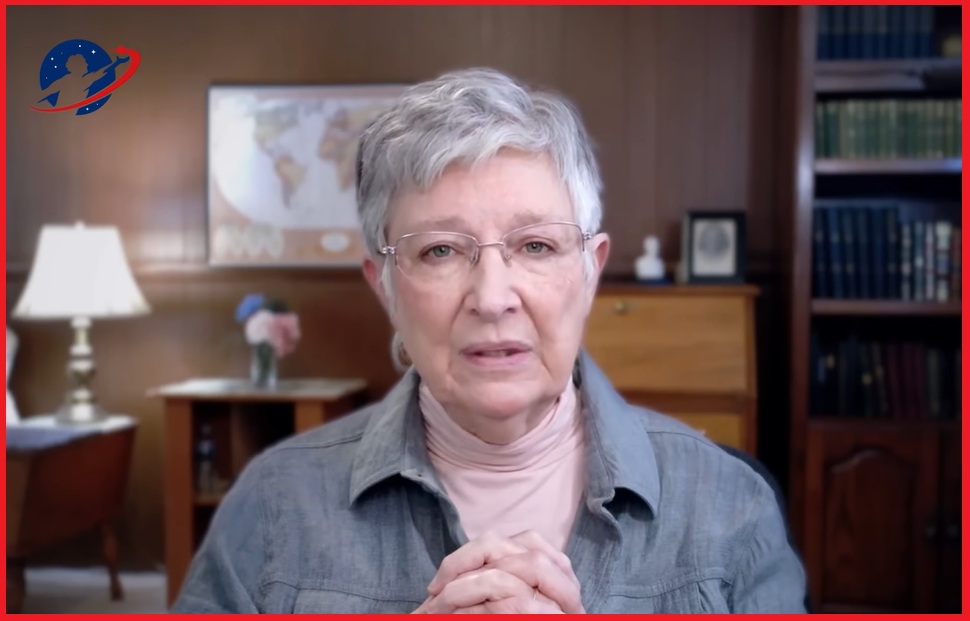
Susan Kokinda from Promethean Action gives her perspective on the negotiated ceasefire with Iran. Kokinda notes the key players were Pakistan, Saudi Arabia, Qatar and Turkey (she missed China).
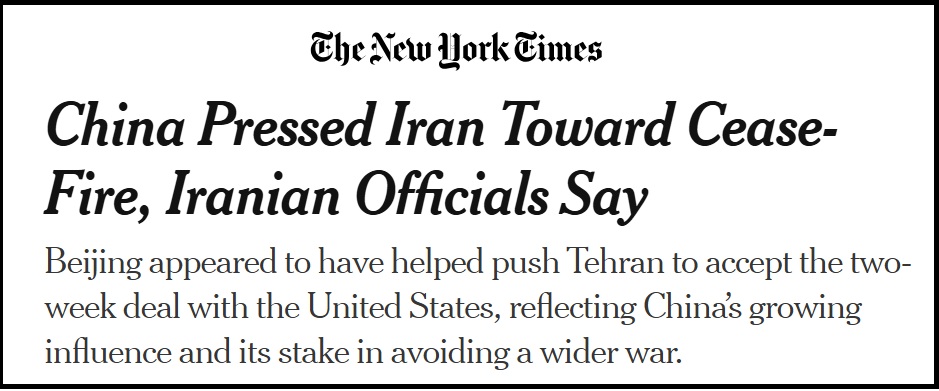
In a lesser reported part of the background, Chairman Xi Jinping summoned the Pakistani negotiators to Beijing prior to the terms of agreement with Trump. The summoning happened right after Trump said he was going to target the full force of the U.S. military against Iranian infrastructure.
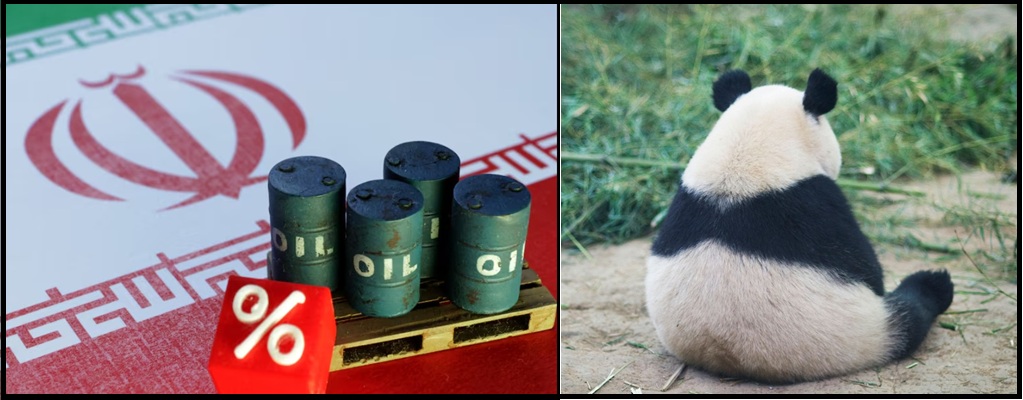
Why does that matter to China? Belt and Road. Beijing has built a railway from China into Iran for the transport of goods and raw materials (including energy products) out of Iran (sanctions avoidance) in exchange for shipments of weapons. If President Trump targeted the railway infrastructure, in combination with the oil shipments being hampered, ¹China would be in a very bad place. Hence the summoning to get a ceasefire.
Focusing too narrowly on the British Empire as the source of all problems and you miss things. Mrs Kokinda missed this:
[SOURCE]
¹China in a bad place due to the middle east in crisis, means China becomes more dependent on Russia for oil, gas and ultimately fuel. Internally, Russia isn’t a big fan of their Chinese dependencies.
If FUBAR in Iran remained the statis, the two countries not in any crisis would be the USA and Russia, both with oil/gas and extra refining capacity. The countries/regions in biggest crisis would be China, Europe and Southeast Asia.
The U.S. and Russia less affected. China and the EU more affected. A significant geopolitical paradigm shift, all things considered…. and it appears that Beijing saw it coming.
Sen. Cotton: China, Iran Are Allies in Fighting U.S. Leadership of International Order
Posted originally on Rumble on, Brightbart News Network, March 28, 2126
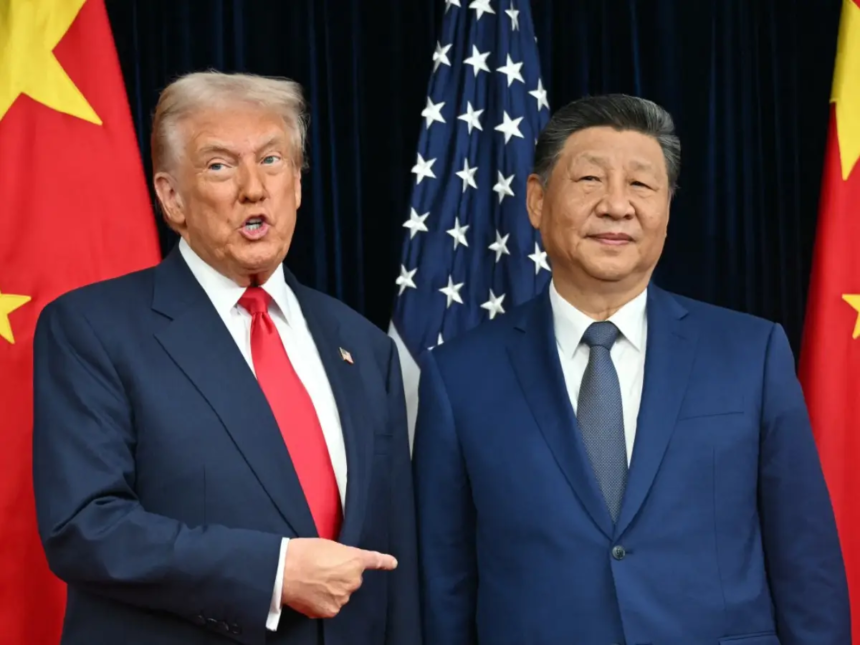
President Trump Summit with Chairman Xi Now Scheduled for May 14th and 15th
Posted originally on CTH on March 25, 2026 | Sundance
This is good news from the standpoint of us wanting to see President Trump continue to make MAGAnomic progress on trade as well as geopolitical alliances.
It will be a very interesting summit against the backdrop of Venezuela, Iran, oil/gas energy shifts, the previous Alaska summit with Russian Federation President Vladimir Putin, the renegotiation of the USMCA and the Chinese auto deal in Canada…
There are a lot of important topics within a Trump-Xi summit.
PRESIDENT TRUMP – “My meeting with the Highly Respected President of China, President Xi Jinping, which was originally postponed due to our Military operation in Iran, has been rescheduled, and will take place in Beijing on May 14th and 15th.”
“First Lady Melania and I will also host President Xi and Madame Peng for a reciprocal visit in Washington, D.C., at a later date, this year. Our Representatives are finalizing preparations for these Historic Visits. I look very much forward to spending time with President Xi in what will be, I am sure, a Monumental Event. Thank you for your attention to this matter!” ~ President DONALD J. TRUMP
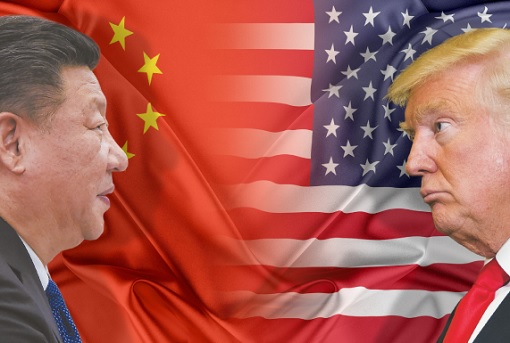
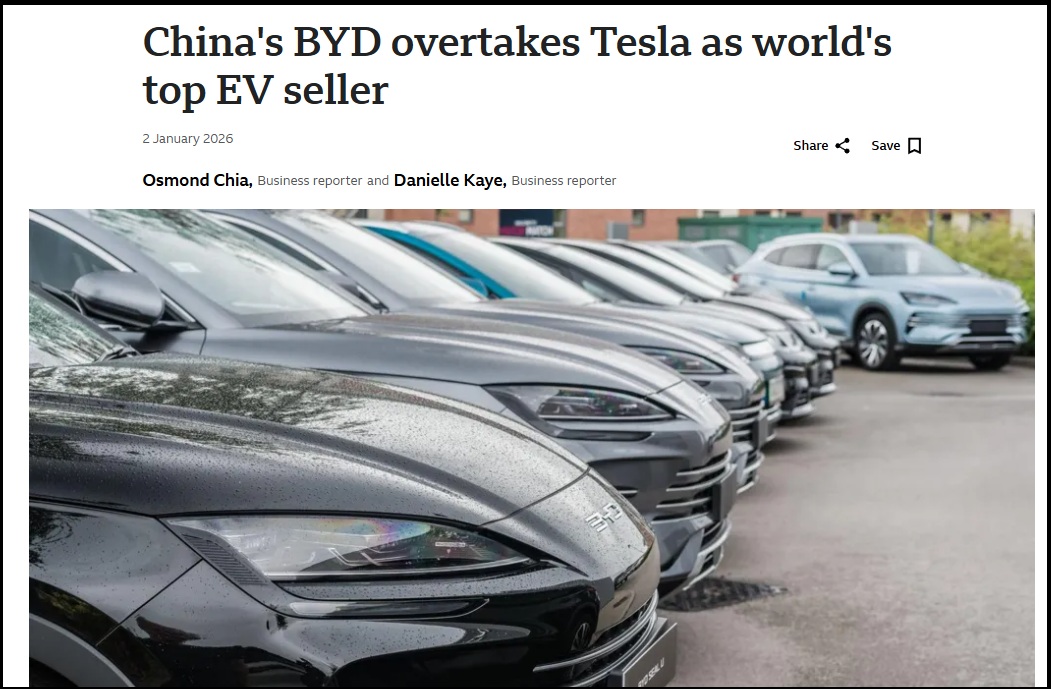
Put this in the USMCA (CUSMA) elimination/negotiation file. Europe has already been the visible example of what happens when you open your market to low price Chinese EVs.
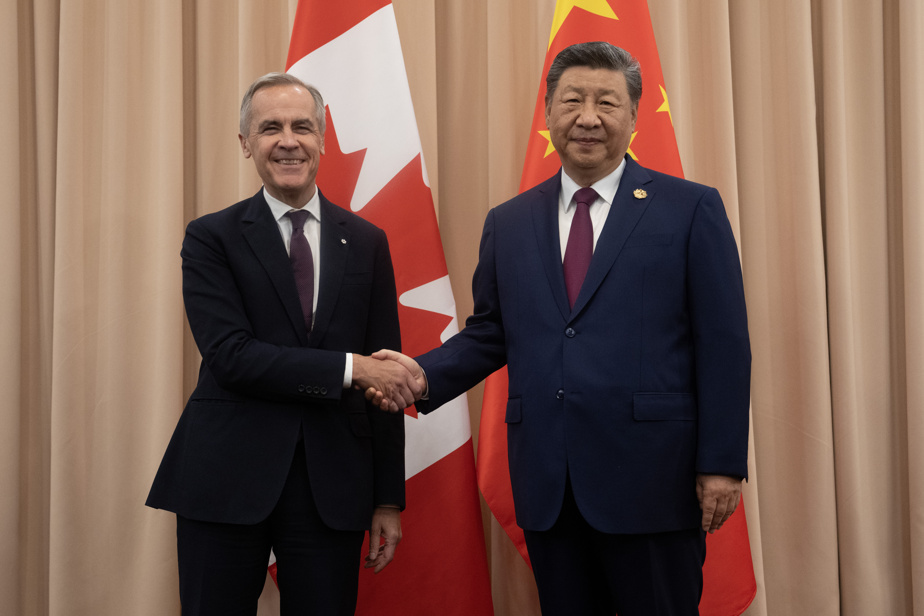
With the recent agreement by Canadian Prime Minister Mark Carney, Chinese auto manufacturers are now rushing to establish the dealerships, before the Beijing-Canada deal becomes an issue in the USMCA negotiation.
China is NOT going into Canada because they foresee a great market of Snow Mexicans purchasing their low price EVs. They are going into Canada as a proactive measure to establish a North American footprint with an eye toward the USA.
(VIA MSM) – BYD and Chery are accelerating plans to establish a dealership network in Canada after the country introduced a quota allowing tens of thousands of Chinese-made EVs to enter at reduced tariffs. The rollout will begin in Toronto before expanding to other major cities, with BYD targeting about 20 dealerships in its first year. This marks a significant new front in North American EV competition, as Chinese automakers seek growth outside the U.S., where prohibitive tariffs keep them out.
Canada’s updated trade policy allows 24,500 Chinese-made EVs annually at a reduced 6.1% duty, giving BYD and Chery a rare North American entry point. This follows China’s surge to become the world’s top vehicle exporter, with similar pushes into Mexico, Europe, and Latin America. The quota’s scale is modest but strategically valuable for testing market response and building brand awareness.
The companies will launch in Toronto before moving into Vancouver, Montreal, and Calgary. BYD aims for around 20 dealerships in its first year, using consultants and internal teams to secure prime sites. While the network could strengthen visibility in key urban markets, experts warn the quota’s limited volume may test the viability of multiple outlets.
With U.S. tariffs exceeding 100% effectively barring entry, Canada offers Chinese automakers a platform to establish presence, gauge consumer interest, and potentially influence future trade talks. Similar strategies have been used in Europe, where Chinese EV makers have gained ground despite strong local competition. Success in Canada could pave the way for local assembly or increased quotas. (read more)
Karoline Leavitt Confirms President Trump China Trip Indefinitely Postponed
Posted originally on CTH on March 18, 2026 | Sundance
This is very interesting because Treasury Secretary Scott Bessent and U.S. Trade Representative Jamieson Greer went to Paris last weekend to meet with their Chinese counterparts and organize the deliverables for the upcoming summit between Chairman Xi Jinping and President Trump.
At roughly the same moment that Bessent and Greer were meeting with China, President Trump sent out the Truth Social message requesting Chinese ships to come to the Strait of Hormuz and escort their oil. I said at the time of Trump’s message that Chairman Xi was going to have to negotiate through this issue carefully because it was very obvious that President Trump was not going to maintain any diplomatic pretenses when he met with Chairman Xi.
Yesterday, during the St Patrick’s Day celebration President Trump said the summit was cancelled. “We’re resetting the meeting and it looks like it’ll take place in about five weeks,” President Trump told reporters in the Oval Office in an event with Micheál Martin, the Irish prime minister.
Today, Press Secretary Karoline Leavitt confirmed there is no scheduled replacement date for the cancelled summit.
.
Keep watching. Bessent and Greer didn’t go to Paris for nothing.
Iran, Russia, China, and the Emerging Axis
Posted originally on Mar 17, 2026 by Martin Armstrong |
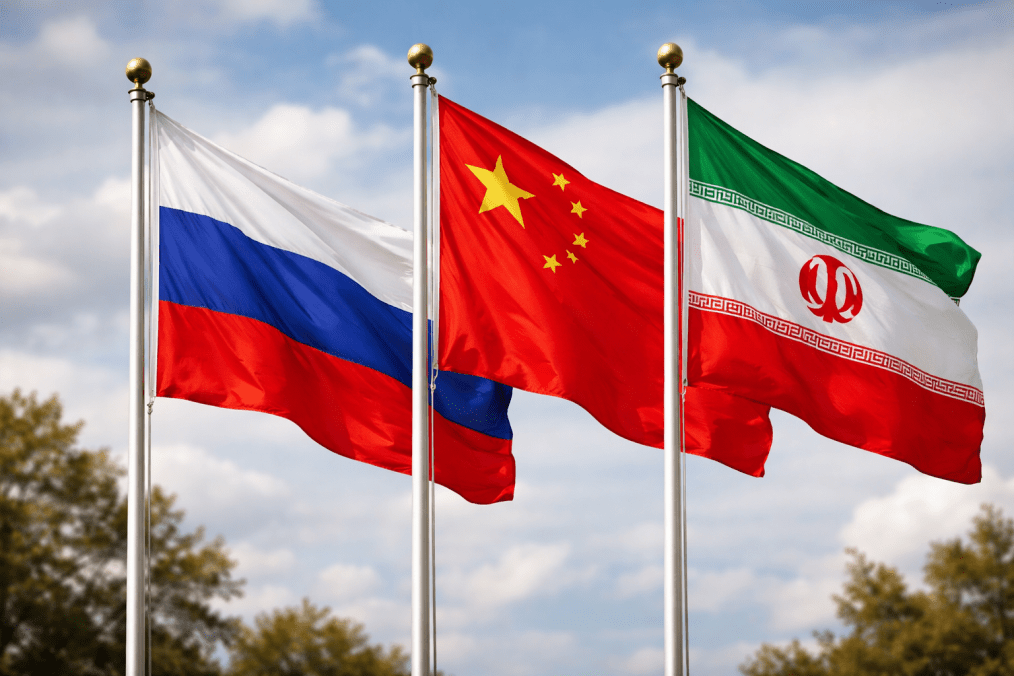
For years, I have warned that geopolitics moves in cycles just as markets do. The Economic Confidence Model has been projecting that the period around 2026 would become a geopolitical turning point, leading to rising confrontation toward the Panic Cycle in 2027 and ultimately the 2028 Panic Cycle year. What we are now witnessing is the early stage of that alignment. The conflict with Iran is no longer merely a regional war. It is evolving into something far more significant as alliances that previously existed quietly in the background are now being acknowledged publicly.
Iran’s foreign minister has now openly stated that Russia and China are providing military cooperation to Tehran during the war with the United States and Israel. He emphasized that these relationships are part of long-standing strategic partnerships that now include intelligence sharing and other forms of support as the conflict escalates. This matters enormously because once cooperation becomes official rather than discreet, it changes the geopolitical landscape. The declaration of alignment is a signal to the world that a new bloc is forming.
Reports indicate that Russia’s support has included intelligence assistance and battlefield data, while China has focused on diplomatic backing, logistical assistance, and the protection of energy flows through the Strait of Hormuz. At the same time, Chinese naval assets have appeared near the Strait while Russia and China have coordinated diplomatic efforts at the United Nations to challenge the legitimacy of the strikes against Iran. None of this is accidental. These powers are not rushing troops into battle, but they are positioning themselves strategically while allowing the United States to become entangled in another prolonged conflict.
In the modern era, direct confrontation between nuclear powers is avoided, but support flows through intelligence, logistics, technology, and diplomacy. Russia and China are effectively helping Iran sustain resistance without crossing the line into direct war with the United States. Analysts already note that intelligence sharing and electronic warfare assistance have improved Iran’s ability to track U.S. military movements in the region. The result is a conflict that can drag on far longer than policymakers initially expect.
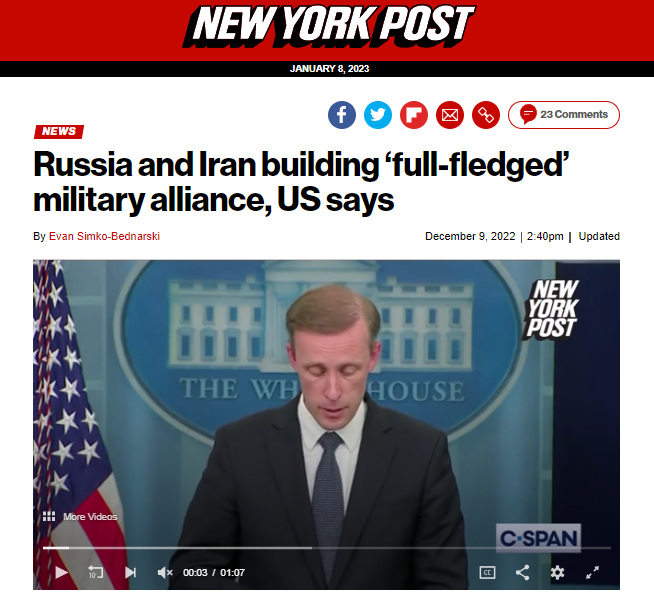
From the perspective of the Economic Confidence Model, this is exactly what a Panic Cycle environment looks like. Confidence begins to shift away from government institutions, geopolitical tensions escalate, and alliances begin to harden. The ECM has shown that 2026 represents the pivot year. Pressure builds into 2027, where the Panic Cycle raises the probability of sudden geopolitical escalation, and the cycle then carries forward into the 2028 Panic Cycle year. When these cycles align, history shows that global alliances restructure and the world moves toward a new balance of power.
Energy routes make the situation even more dangerous. The Strait of Hormuz remains one of the most critical chokepoints in global oil supply, and disruptions there have already sent energy prices sharply higher as the conflict intensifies. China’s interest in securing passage through the strait and Russia’s strategic positioning highlight that the battle is not only military. It is economic. Whoever controls the energy corridors and trade routes ultimately controls leverage over the global economy.
The key takeaway is that the official acknowledgement of cooperation among Iran, Russia, and China goes beyond wartime rhetoric. It signals that the geopolitical chessboard is shifting. What began as a regional confrontation now sits within a larger strategic framework that the ECM warned about years in advance. When alliances begin to crystallize during a Panic Cycle phase, the risk is not simply prolonged conflict. The risk is that the world divides into opposing blocs once again, and history shows that such realignments rarely unfold quietly.
All Things Considered – A Good Geopolitical Recap
Posted originally on CTH on March 15, 2026 | Sundance
Some additional contexts not included in the British-centric financial review below.
(1) Japanese Prime Minister Takaichi Sanae will be at the White House next week. This meeting was scheduled several weeks before Operation Epic Fury began. The timeline continues to indicate that President Trump’s primary geopolitical focus is on China, not necessarily the U.K-EU angle, although that is a materially significant overlay.
(2) “A major U.S. weapons package for Taiwan worth about 14 billion dollars is awaiting approval from Donald Trump and could be announced after his planned visit to China later this month, according to sources familiar with the discussions. The proposed deal would be the largest U.S. arms sale ever to Taiwan and comes as military tensions between China and the self-ruled island continue to rise.” {SOURCE}
.
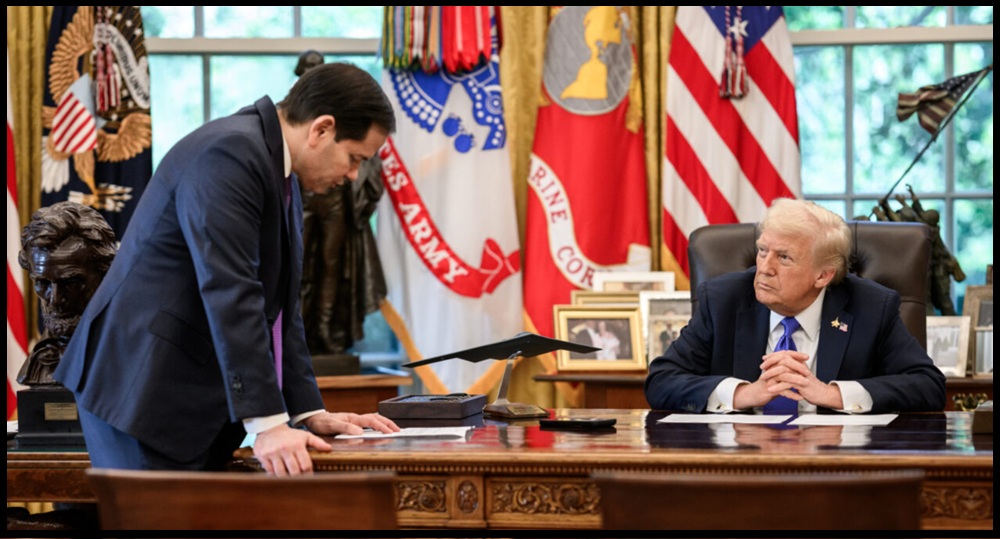
Heavenly Father, we ask for You to protect our leadership’s intent through value-driven stewardship. Keep arrogance and pride far from the heart of our leadership and help them to listen well. Dear God, we ask that You provide spiritual protection and intellectual discernment; provide calm through troubled waters, and space for wisdom to enter the hearts and minds of our national leadership keeping their bold influence aligned with Christ’s example. ~ Amen

