Posted originally on Feb 20, 2026 by Martin Armstrong |
If we are honest, the current international world order is crumbling and it has demonstrated its inability to effectively resolve crises when financial gain is at stake. The EU is desperate to become relevant again as a world power being overshadowed by Russia, China, and the USA. This is leading to some starting to rethink strategic balances and rapid evolution in geo-economic relations. How wars are going to be fought is also changing before our eyes. Traditional threats are becoming increasingly hybrid in nature, and this is causing tremendous uncertainty among intelligence agencies. The Biden Administration assumed that Ukraine could easily defeat Russia and US would quickly establish bases there. That policy failed. Their sanctioning Russia removing it from SWIFT, was a monumental mistake that has divided the world economy creating BRICS.
The war between Russia and Ukraine has reached a strategic impasse between Western military support and Russia’s strategy of industrial exhaustion. The US won World War II because we had the manufacturing base to turn out weapons including planes and tanks. Today, Russia is able to replenish assets and China’s manufacturing base is in the position that the US was during World War II. China could replenish lost ships, planes, and tanks faster than the USA or Europe for that matter.
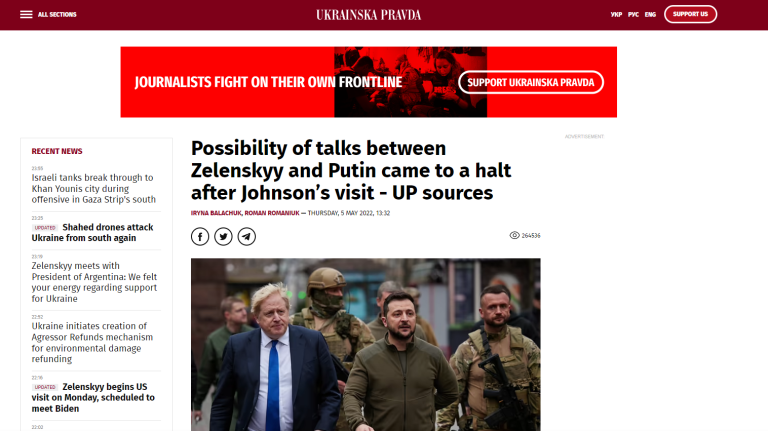
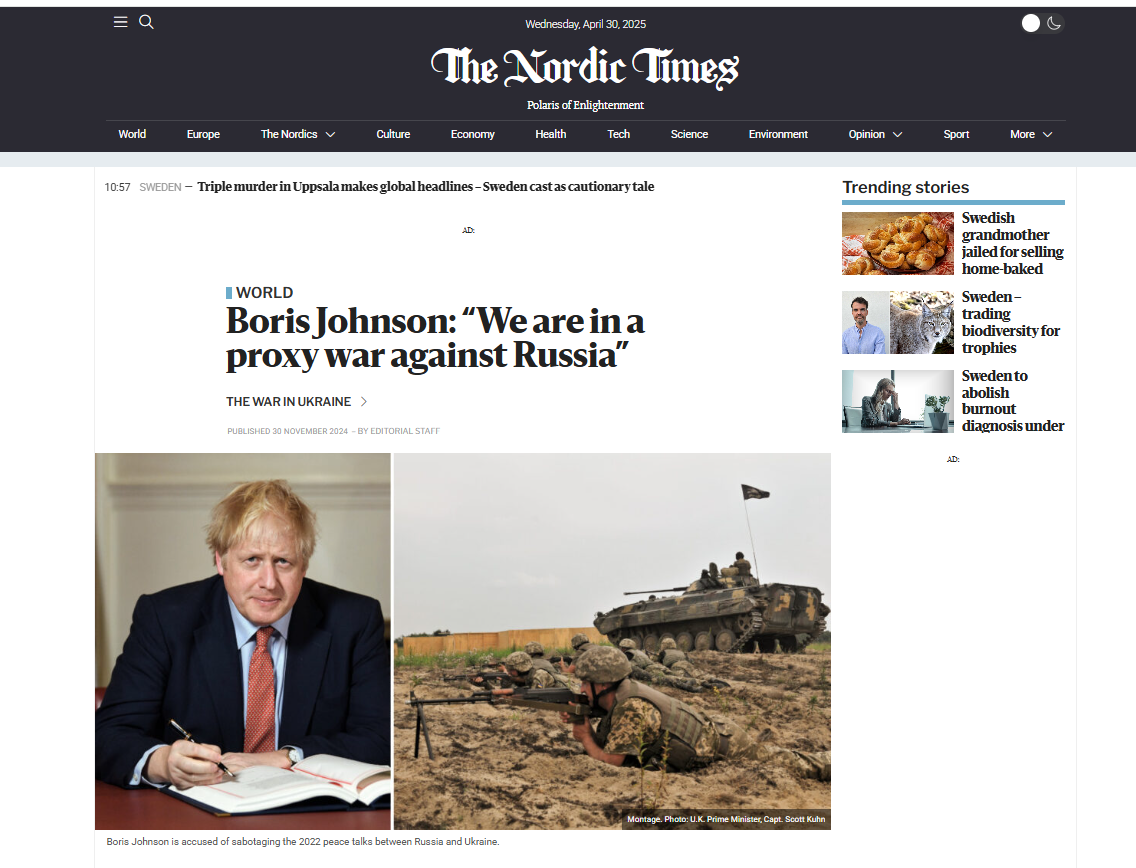
The EU and NATO have called the shots and have refused to allow Ukraine to seek peace every time. According to our sources, despite signing the Minsk Agreement that was to allow the Donbas to vote, the West has negotiated that in bad faith and instructed Zelensky not to make any territorial concessions. The nature of the war is rapidly evolving towards nuclear confrontation and the increasing use of autonomous weapon systems. NATO and the EU do not care about Ukraine or its people. This has always been about the conquest of Russia itself. Even assuming the claims that Russia is weak are true and NATO can walz in with no casualties, then it is time to push the button.
Meanwhile, The New York Times writes Vladimir Putin remains confident of his superiority on the front lines. The claims are that he is banking on a protracted war and is prepared to continue fighting for at least another two years to establish complete control over the entire territory of the Donbas region. There is NO WAY Putin can back down. If he did, he would be overthrown in a coup and then you will get a Russian Neocons who will be just as eager to push the button to wipe out NATO.
Posted originally on Feb 7, 2026 by Martin Armstrong |
QUESTION: Marty, you said this is a perfect storm behind the metals between sovereign debt and war. I believe you said that the EU wants war with Russia or keeps up the appearance of war so they can keep the $350 billion they stole from Russia that included personal assets of Russians not all government assets. I think I remember that you also said Ukraine suspended all payment on its sovereign debt. Am I on the right track?
WP
ANSWER: Absolutely. At least 40% of the “Russian” assets seized by the EU are private assets like houses and yachts belonging to anyone who was just Russian. The EU is broke and they do not care about international law. They pretend that seizing private assets of Russian citizens is lawful when it is outright theft.
They are now stirring up hatred against Americans as well and they will use war to freeze any American private investments in the EU as well using war as the excuse. There is a large anti-American sentiment that they are fueling for they need to justify defaulting on American investors that are private assets as well. Europeans should get some assets out of the EU for they are desperate to save the bureaucracy – not the people. The EU is a failure. Listen to Merz speak at Davos and you will see the fragmentation unfolding. They are shutting down free speech fearing that the people will wise up and storm their Parliament.
Ukraine suspended payments on approximately $20 billion in international bonds in 2022, and bondholders agreed to a two-year payment freeze Kiev. In September 2024, Ukraine completed a restructuring of about $20.5 billion in international bonds with over 97% bondholder participation. The representative bondholder committee, comprised some of the world’s largest asset managers and other long-term investors in Ukraine.
The restructuring involved bondholders accepting a 37% write-off of their claims, with new bonds issued at reduced interest rates that will gradually increase over time. Only a fool would buy Ukrainian assets or debt. Any fund investing in Ukraine should be sold.
The Group of Creditors of Ukraine includes Canada, France, Germany, Japan, the United Kingdom, and the United States, with observers including Australia, Austria, Belgium, Brazil, Denmark, Finland, Ireland, Israel, Italy, Korea, the Netherlands, Norway, Spain, Sweden and Switzerland.
These official creditors extended their debt service suspension until the end of March 2027 U.S. Department of the Treasury, while the private bondholders completed their restructuring in 2024. My sources report that Ukraine also has smaller amounts owed to companies like Cargill Financial Services International, but refuses to provide a comprehensive list of all specific bondholders.
The European Union is now moving forward rapidly with the issuance of stable coins through a consortium of major banks, aiming to create a euro-pegged stable coin called Qivalis, which is expected to launch in the second half of 2026. This initiative is part of a broader effort to regulate digital assets under the EU’s Markets in Crypto-Assets Regulation (MiCA). It is also a way to issue debt. They hope with a euro-backed stabble coin, they will be able to sell this in Asia, Africa, and North America for as they beat the war drums, you have to be out of your mind to buy euro debt.
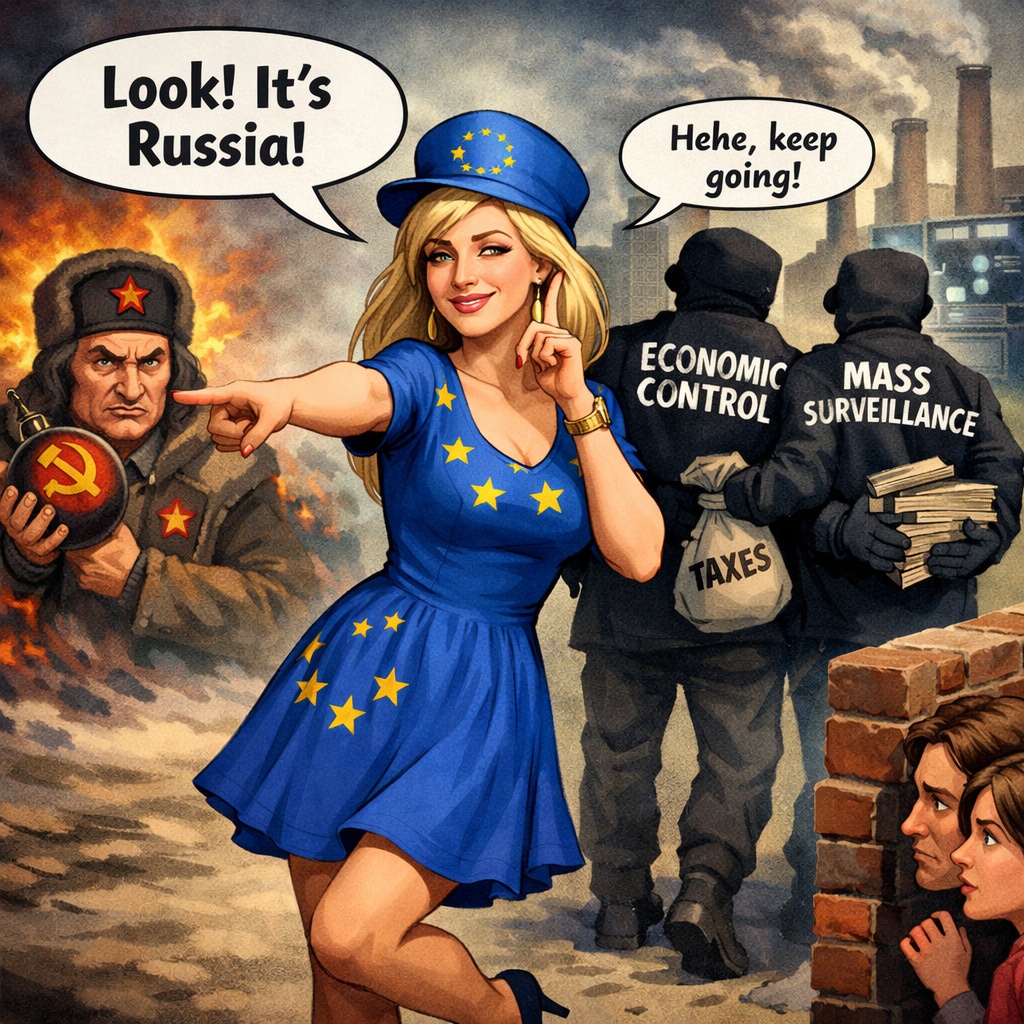
The EU stable coin seems to be the backup for their unpopular digital euro, which most now see as 100% total control. They have pushed for making it criminal to buy anything with €1,000 euros in cash. They trust nobody and they are desperate for money. If you pay in cash, you are a criminal in their view. As the EU experiment is failing, they become desperate to retain power. They have transformed Europe from a free society to the modern version of USSR. This proves that the EU will not survive and they are desperate at this time. This is all about money. Everyone is guilty. You are just now a serf and you must prove where you got that money from to your new master.
This the the oldest game in the book. When you have a domestic crisis, find an external enemy to blame. It’s like the kid who tells the teacher that they did the homework, but the cat ate it, and then an illegal migrant ate their cat.
COMMENT: Marty, you are not the only one who can’t beat Socrates. Every time I swore the high was in place, Socrates said no, he won, I lost. A close friend of mine who works at one of the major investment banks told me that Wall Street has tried to fight you, and you usually win. Socrates is the only model that can adapt to a parabolic move that nobody has ever seen. Thank you for opening Socrates to the world. That has been your greatest revenge.
Darrell
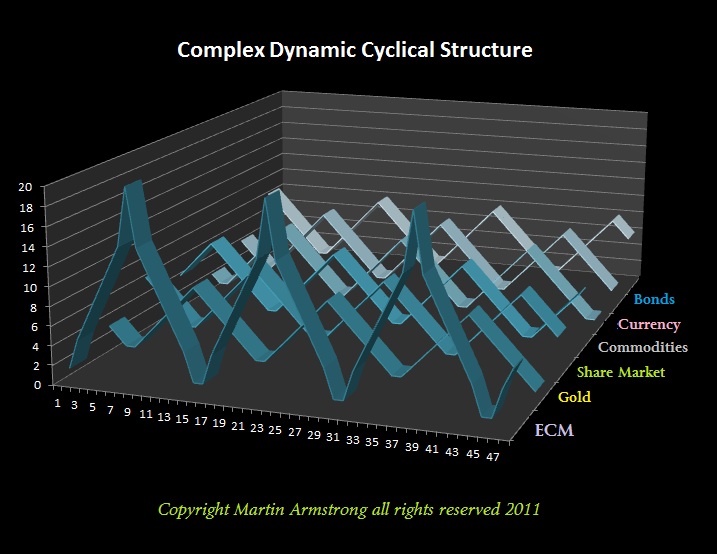
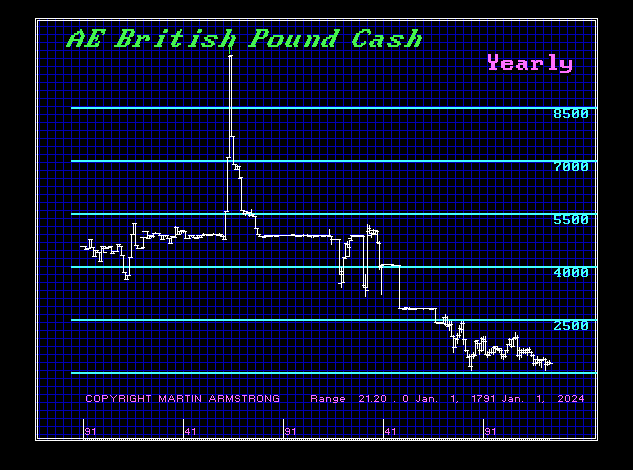
REPLY: Even a former employee said that when he inquired about me with Goldman Sachs. Look, first of all, I spent tens of millions in gathering data. I had a team at the Royal Newspaper Library in London recording all the foreign exchange data that nobody has.
Here is the British pound against the US dollar from 1789. The computer has a database that is UNPARALLELED. I have recreated the entire world monetary system going back thousands of years.
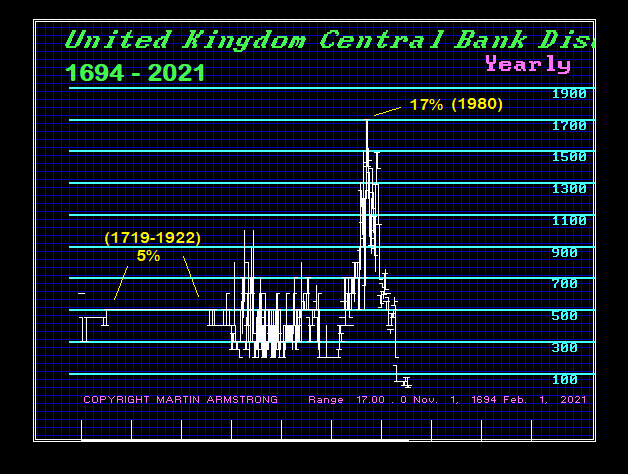
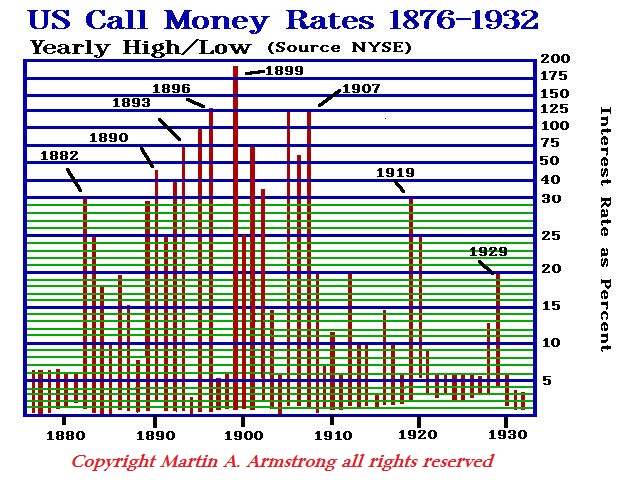
To understand the Panic of 1899 who most people never heard of, US interest rates nearly hit 200% on the NYSE. To comprehend that, it required a global database because the Panic was the result of actions by the Bank of England.
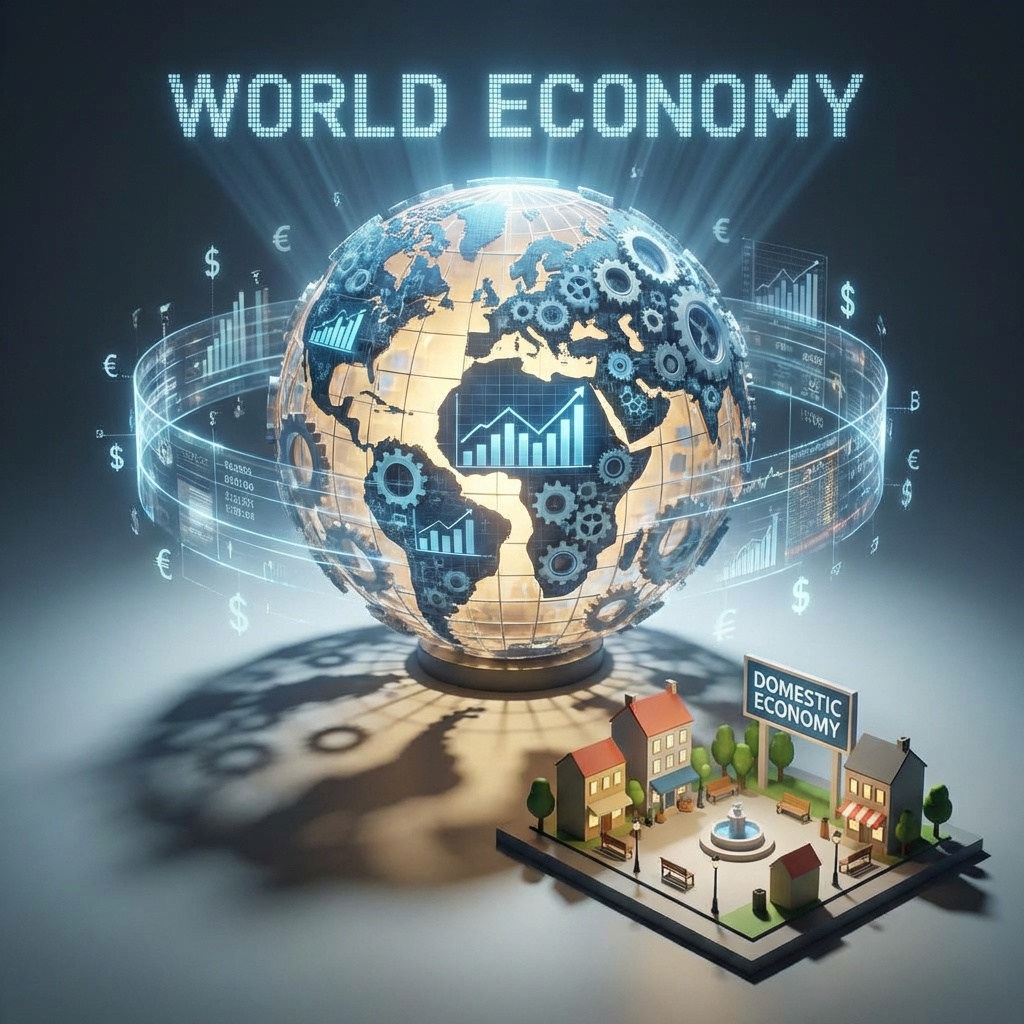
The reason 99.9% of the standard economic theories are failing is because they are ALL domestic oriented. That is because academics promote government intervention to eliminate the business cycle. Wesley Mitchell and Karl Marx both agreed that capitalism was indeed inherently unstable. They both did not like the business cycle. Keynes provided the theoretical justification for aggressive, discretionary fiscal policy (deficit spending) to directly manage aggregate demand during a economic recession/slump. It was a powerful macroeconomic lever, not just gradual reform. It justified socialism.
The explosive move in precious metals we are witnessing is not merely another bull market rally. Gold reaching $4991.4 and silver clearing $103.53 represents a fundamental breakdown in confidence in the world monetary system that has been building since the 2008 financial crisis. This is the market screaming that the debt spiral has reached terminal velocity intermixed with war that is likely to push the euro off the edge and we see the signs of stress in Japan as well.
We are entering this first quarter of 2026 as a Perfect Financial Storm. Those in power will only act in their own self-interest. They are not interested in their own countries no less even considering reform.
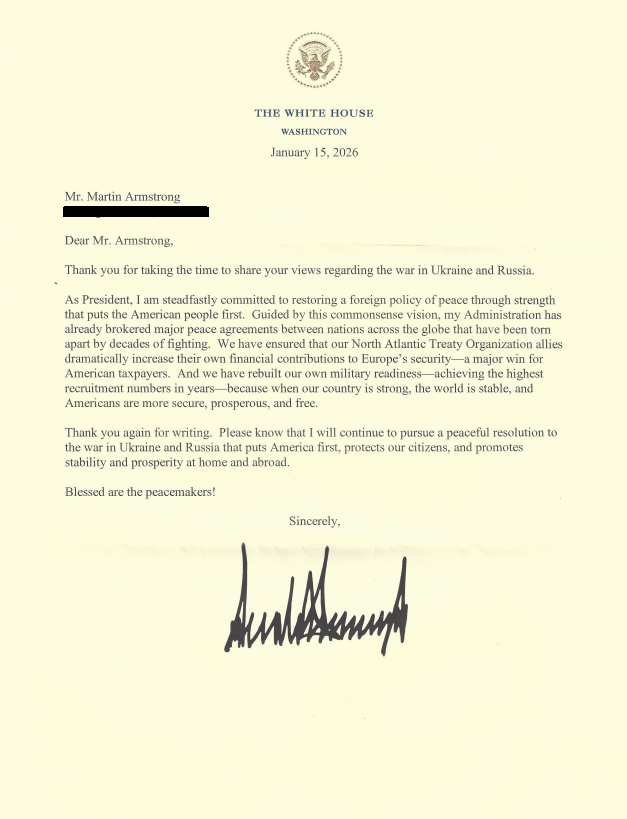
I assume that readers have been writing to Trump and other heads of state because this just came in the mail and I did NOT write to Trump recently. Trump should invoke Article 5 and compel NATO to come protect the US border and see if they show up. NATO is a one-sided arrangement. Nevertheless, the computer DOES NOT like what it sees into early February. I will be doing an extensive update on the precious metals for the private blog tomorrow.
Posted originally on Jan 6, 2026 by Martin Armstrong |
QUESTION: You said this invasion of Venezuela set s precedent. Would you please elaborate.
Mikki
ANSWER: Russia could then kidnap Zelensky and point to Venezuela. China is already demanding Manduro be returned to Venezuela immediately. The computer is showing that this is by no means over. The computer has been showing this would begin the first week of January and this goes into the 1st week of Feb and then look out for April. We are entering geopolitical chaos in 2026.
Posted originally on Jan 4, 2026 by Martin Armstrong |
COMMENT: You said these podcasts that Venezuela had the oil but the big question is China. Would like to expand on that now? Socrates showed the dollar taking off in October 2024 and the fourth quarter was a turning point. But it now shows volatility rising from February on. It looks like this is not over as you say until the fat lady sings.
FDS
ANSWER: OK. I suppose I can now give the bigger picture that headlines miss. Trump’s comment throws in energy secondly. He does not mention drugs. Most of the drugs come in through Mexico. As I have said, China is the #1 client of Venezuela. This all depends on the takover of those oil assets by the American oil companies and do they cut off China. That may not be in the cards just yet because Venezuela owes a lot of monet to China. However, overlooked here is the connection to Russia. That is the real issue nobody is taking about and this has been a goal of Rubio for a very long time.
Russian lawmaker Alexei Zhuravlyov told Gazeta.ru on November 1st, 2025 that Russia MAY supply Venezuela with its new Oreshnik and Kalibr missiles, stating “I see no obstacles to providing our friendly nation with new systems such as the Oreshnik or the well-proven Kalibr missiles.” This wasn’t merely hypothetical posturing but a direct response to U.S. military buildup in the Caribbean. This threat was taken seriously. The Oreshnik, with a reported maximum range of about 3,400 miles, could theoretically threaten much of the continental United States as well as Puerto Rico. The Kalibr is thought to have a range of between 930 and 1,550 miles, which could possibly threaten the southern continental U.S., as well as facilities throughout the Caribbean.
From Venezuelan territory, the missile could target most of South America, the Caribbean, Mexico, and large portions of the United States—with Washington likely among its primary targets, given the tense relations between the US and Maduro’s regime. Even parts of Canada could fall within its range.
The relationship between Venezuela and Russia and China represented one of the most significant geopolitical realignments of the 21st century, built on anti-American sentiment, oil-for-loans arrangements, and mutual opposition to U.S. hegemony. This trilateral dynamic evolved from modest beginnings under Hugo Chávez into a comprehensive strategic partnership that has sustained the Maduro regime through economic collapse and international isolation.
The relationship between China and Venezuela took formal shape in 2006, under President Hugo Chávez, with Caracas signing several trade agreements with Beijing and describing China as a “Great Wall” against US influence. Chávez, seeking to diversify Venezuela’s oil exports away from the United States and counter American regional dominance, found in China an eager partner with rapidly growing energy needs and no political conditions attached to its financing.
The financial dimensions proved staggering. China began extending large loans to Venezuela, backed by future oil supplies of oil. In 2006, Beijing provided $2 billion in loans, which rose to $7 billion in 2007. Of the $150 billion the Chinese Development Bank loaned to Latin America in the past 12 years, a third went to Venezuela. These weren’t traditional loans but rather oil-collateralized arrangements where Venezuela repaid through petroleum shipments to Chinese state companies.
In 2007, China and Venezuela set up a joint fund worth $6 billion–$4 billion loan from the China Development Bank (CDB) and $2 billion from El Fondo De Desarrollo Nacional S.A. (FONDEN) set up by Caracas. This fund doubled to $12 billion by 2009. The mechanism was straightforward: China provided upfront capital, and Venezuela committed to shipping specified quantities of oil at predetermined prices. When oil prices collapsed in 2014 and Venezuela’s economy imploded, China extended additional lifelines including a $10 billion loan to support the country’s balance of payments.
The relationship peaked between 2010 and 2013, when Venezuela received approximately 64% of China’s new credit lines to Latin America. However, as Maduro’s mismanagement destroyed the oil industry and production plummeted, Chinese enthusiasm collapsed as a result. By 2016, Venezuela received only 10% of Chinese regional lending, and new financing essentially ceased. China focused instead on restructuring existing debt and protecting already-committed investments.
China is owed by Venezuela at least $20 billion in loans established before 2017. Some estimate that is even higher. The relationship shifted from expansion to damage control. Maduro’s rampant corruption and mismanagement has led to the region’s worst economic depression, creating unfavorable investment conditions, affecting oil production and exports, and limiting return on Chinese investment and Venezuela’s ability to repay Chinese loans.
Now, that said, we must look at the Russian comment and look at this video. Who is standing there with Trump? Marco Rubio. If you remember, Rubio was also running for president against Trump in 2016. Who was funding his campaign? Goldman Sachs. Rubio has pushed for regime change in Venezuela because of Russia for years. Marco Rubio has held many titles during Donald Trump’s presidency, and he now adds another: Viceroy of Venezuela.
Russia’s engagement with Venezuela followed different patterns than China’s, emphasizing military cooperation alongside energy sector involvement since Russia did not need their oil. Where China provided infrastructure loans, Russia sold weapons systems. From 2005, Venezuela purchased more than $4 billion worth of arms from Russia. These sales included fighter aircraft, helicopters, armored vehicles, and air defense systems, transforming Venezuela’s military from American-equipped forces to Russian-supplied ones.
Russia and Venezuela forged a comprehensive strategic partnership centered on anti-hegemonic solidarity and pragmatic cooperation. This wasn’t merely commercial but explicitly geopolitical. Chávez and later Maduro positioned Venezuela as Russia’s foothold in the Western Hemisphere, allowing military exercises and bomber flights that signaled Moscow’s reach into America’s traditional sphere of influence.
The energy relationship proved more complex than China’s. Russia’s state oil company Rosneft provided billions in loans and took equity stakes in Venezuelan projects, though on smaller scale than Chinese financing. Russia’s state-backed oil company Rosneft loaned $2.3 billion, excluding interest. Critically, Russia helped Venezuela circumvent U.S. sanctions by facilitating oil exports through complex shipping arrangements and providing technical expertise to maintain declining production.
The trade balance between Moscow and Caracas increased by 64% in 2024, demonstrating sustained engagement despite Venezuela’s economic deterioration. Russia viewed Venezuela through multiple lenses simultaneously both as an economic opportunity, as well as a strategic geopolitical asset.
The Geopolitical Chess Move
I hope this explains behind the curtain for this is NOT simply a grab for oil NOR is it simply about drugs. We will see if Trump/Rubio cuts off the energy flow to China. But I believe that is a card to be played later in the game. I believe that #1 reason is to prevent Russia using Venezuela as a foothold like Cuba in 1962. But this is again only one reason in a complex strategic geopolitical move that is beyond the headlines right now.
Posted originally on Dec 9, 2025 by Martin Armstrong |
There is no official public declaration by European Union (or its member states collectively) that commits to such a move. They are discussing this now behind closed doors. Trump needs to consider IMMEDIATELY entering an Executive Order that all EU member state debts MUST be liquidated INSTANTLY!!!!! Any hedge fund that holds EU sovereign debt should be subject to sanctions forthwith. Trump should issue an Executive Order barring any US investment in Ukraine whatsoever!!!!!!!!!!!!!!!!With the EU seeking to fund war, they will need to sell debt.
The EU and Ukraine are considering to threaten the United States that if Trump strikes a deal with Putin, they will dump $2.34 trillion in US debt in an effort to create an economic war with the United States to crash the bond market. NO American investment bank should now be allowed to sell ANY Sovereign Debt of any EU Member State. The US should EXIT NATO ASAP!!!!!
If the EU tries to pull this off, Trump MUST cut off all intelligence and money to Ukraine and the EU. Neither wants peace. Let them seal their own fate which will be their destruction. The EU will not survive beyond 2030. It is time for the EU member states to separate from this insanity or watch their youth be sent off to the slaughter. For what? Ukraine?
Any Investment Bank or Hedge Fund supporting the EU or Ukraine can be sanctioned under these conditions and criminally charged as trading with the enemy! We had a Double Directional Change here in December 2025. Beware, the EU is absolutely desperate. They are going to use the Russian assets of which up to 80% is private Russian citizens – not state assets. We must ask, how many EU leaders also have their hand in the free money pouring into Ukraine with no accountability.
I have created this site to help people have fun in the kitchen. I write about enjoying life both in and out of my kitchen. Life is short! Make the most of it and enjoy!
This is a library of News Events not reported by the Main Stream Media documenting & connecting the dots on How the Obama Marxist Liberal agenda is destroying America






 Centinel2012