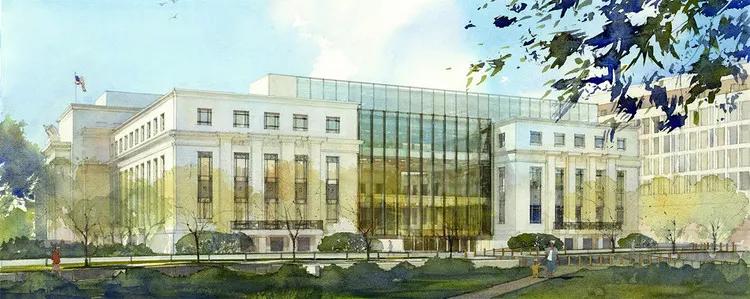
The Federal Reserve is nearly done completing its revamp of its Washington, DC, headquarters with a price tag of $2.5 billion. The luxurious facility has come under intense scrutiny as many believe they are borrowing from public funds while already operating in a deficit. Yet, these funds will not be added to national debt calculations.
The Federal Reserve operates on a self-funding mechanism, allegedly, using revenue it generates from interest on government securities and other services such as payment processing. Yet, that interest is generated from public funds. However, the Federal Reserve does not need approval from Congress to finance internal costs as it manages to bypass the federal budget.
The national debt is calculated based on congressionally authorized borrowing. Since no Treasury securities were issued, these costs remain off-budget and outside final calculations. The Federal Reserve operated independently, and as such, it can build a massive new facility equipped with garden terraces, elaborate water sculptures, ceiling skylights, and a private elevator system to transport board members to the newly designed VIP dining suite.
There are several special lending programs budgeted through the Fed that will not be included in the national debt. For example, the central bank purchased $500 billion in short-term debt from local and state governments during COVID to push cash into the system. Loans provided through the Main Street Lending Program and the Money Market Mutual Fund Liquidity Facility (MMLF) are not factored. The Fed maintains some monetary policy tools absent of congressional approval, like discount window loans and overnight reverse repurchase agreements.
Foreign central banks may exchange their treasuries for dollars, which does not pull from public funds. The FedNow Instant Payment system for banks also operates independently, as does the Consumer Financial Protection Bureau (CFPB) that funds around $630 million annually.
The Fed has a $7.4 trillion asset portfolio that is not congressional appropriations. Any losses are considered deferred assets on the central bank’s balance sheet. Now, the Fed differs from other central banks, such as the Bank of Japan or the European Central Bank, which rely more on shareholder capital and government-backed reserves. The 12 regional Federal Reserve banks operate as quasi-private institutions with elected board members, whereas the ECB and BoJ operate as public entities.
The Fed returns around 90% of its net income to the US Treasury despite the current negative press. The new headquarters may be excessive, but it is paramount for the Fed to remain independent from the federal government. Politicians should not drive fiscal policy, as all confidence in the system would be lost. A central bank like Turkey’s, which is completely politically controlled, faces ongoing currency crises and inflation because politicians only want to patch up the short term to ensure they win the next election. Congress should have no say in the Fed’s budget – period.
Posted originally on Apr 29, 2025 by Martin Armstrong
German Finance Minister Jörg Kukies is urging the European Union to force nations to drastically increase aid to Ukraine under an emergency clause. This emergency clause acts as a loophole that could allow Brussels to surpass defense investment parameters.
Kukies penned a letter on April 24, 2025, to Brussels to state that the “changing environment in Ukraine “requires a significant build-up of defense capabilities with a major impact on its public finances.” This clause would force EU members to spend up to 1.5% of GDP on Ukraine for the next four years. Kukies also would like the European Commission to consider expanding what constitute as “defense” spending, as it “adequately reflects the multiple threats to security in Europe” and considering “in particular dual-use expenditure.”
Incoming chancellor Friedrich Merz has already agreed to spend €1 trillion on Ukraine’s military and infrastructure. Germany is not “leading” Europe as many believe. Rather, it is dragging the entire continent into the grave. This is not about helping Ukraine. This is about creating the next perpetual conflict to justify more government power, more taxation, and the further erosion of individual liberty.
The German government believes it has the funds to shell out. Yet, other EU members have not masked their hesitancy to sink into debt at the expense of Ukraine. When Foreign Policy Chief Neocon Kaja Kallas attempted to bend the bloc’s hand to increase spending, a few southern European nations like Italy and Spain shouted that they did not want to excessively increase their debt. Spanish Finance Minister Carlos Cuerpo touched on a point that caused Brussels to shudder. If Europe believes it is acting as a solid consolatory force, then why not consolidate the debt?
Spain proposed a temporary special purpose vehicle (SPV) that would restructure defense debt from national balance sheets by issuing joint European debts through bonds or a similar vehicle. EU and non-EU nations could fund the SPV with a shared repayment obligation. Brussels is still considering the proposal, but rest assured that the top economies in the EU will not want to share the debt obligation. The entire premise of the euro robbed lower GDP nations through a failure to consolidate debt, and nations like Germany refused to forgive their multiplied debt after they adopted the euro because every nation will put itself first. It was a fantasy to believe that a continent could erase its borders and operate as one.
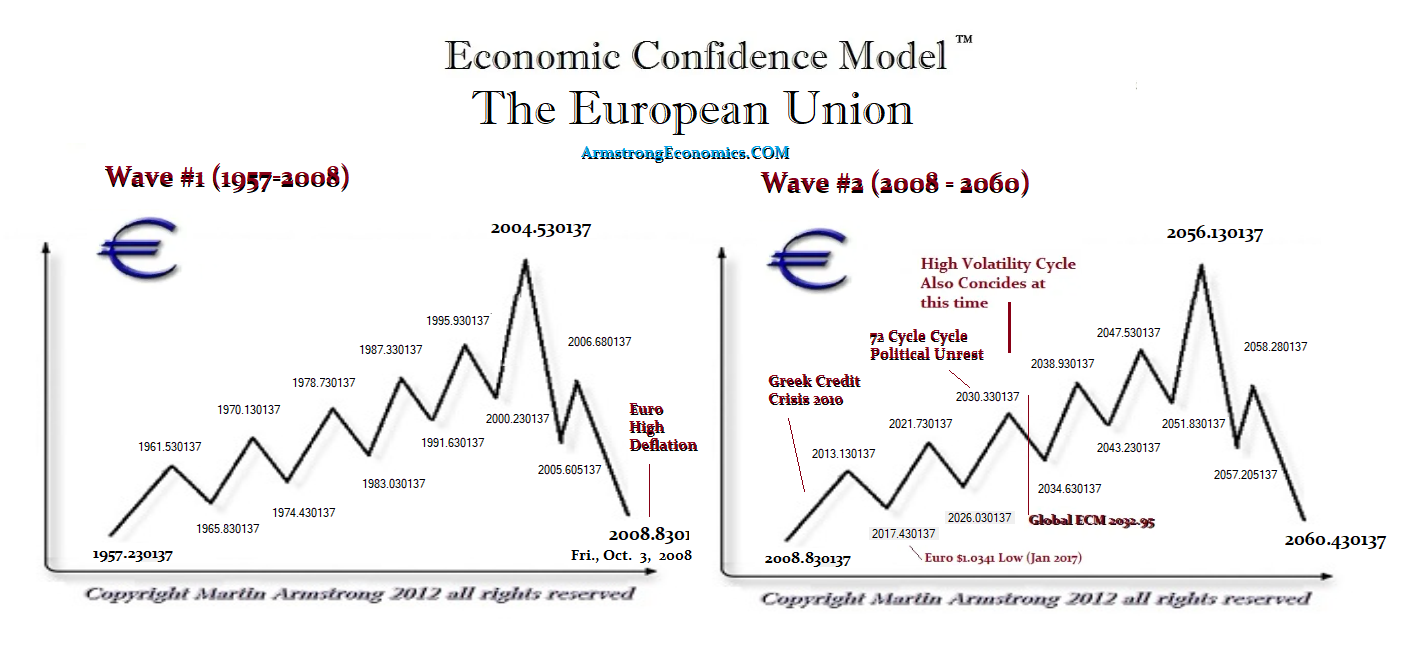
The computer has warned that Europe is at risk of a depression. The EU is collapsing under its own weight. The unelected authoritarian regime in the EU is working to destabilize Europe to fight Russia, and member nations must stand idle and watch their nations spiral into debt to spur on a war that was never their battle to fight.
Posted originally on Apr 24, 2025 by Martin Armstrong
NATO has heightened its alert level, placing fighter jets in the “highest state of readiness” in response to Russia’s aggressive strikes in Western Ukraine. The Armed Forces Operational Command confirmed that allied air forces have commenced patrols over Polish airspace near the Ukrainian border. Zelensky’s refusal to accept any peace deal demonstrates he is taking orders from NATO and the American Neocons, who, my sources say, are operating now out of Paris and London to ensure this war does not end. President Donald Trump on Wednesday lashed out at Ukraine’s president, saying Zelenskyy is prolonging the “killing field” after pushing back on ceding Crimea to Russia as part of a potential peace plan.
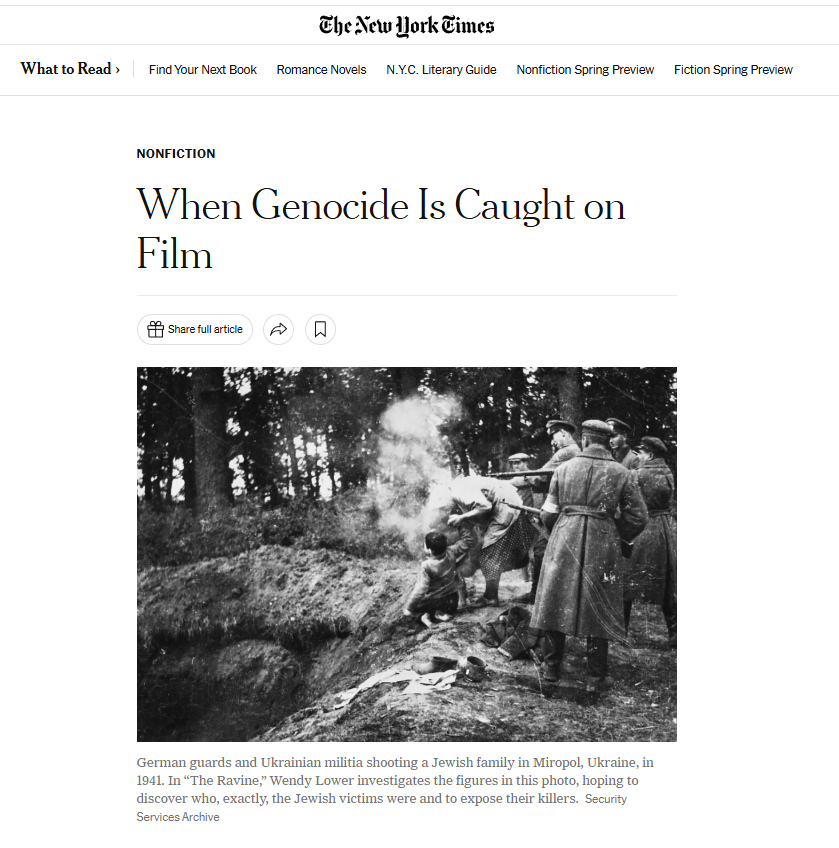
The people living in Crimea are ethnic Russians, not Ukrainians. The total population of Crimea is approximately 2 million people, of which 12-15% are Tatars, descendants of the Mongol invasion of 1240. There is no ethnic Ukrainian population living there. This is purely a territorial grab for war with Russia and nothing more. The Ukrainians have a history of ethnic cleansing and hatred of other races. They even horrified the German Nazis by their cruelty. In this photo, they executed a woman for being Jewish. They buried her child alive to save bullets.
The ONLY way to stop this is for Putin to drop the leaflets on Kiev, tell them to vacate Ukraine, and you have 30 days before it utterly destroys Kiev like the Romans did to Carthage to end the Punic Wars. The Romans destroyed Carthage in 146 BC at the end of the Third Punic War (149–146 BCE), essentially to eliminate Carthage as a political, military, and economic rival and to prevent future conflicts. A combination of fear, vengeance, and strategic calculation drove this action.
After the Second Punic War (218–201 BCE), in which Hannibal nearly defeated Rome, Carthage was reduced to a weakened state but began recovering economically. Many Romans, like the statesman Cato the Elder, feared Carthage might regain power and threaten Rome again. His famous refrain, “Carthago delenda est” (“Carthage must be destroyed”), reflected this paranoia.
Rome arguably provoked the Third Punic War. Carthage had complied with earlier treaties, but Rome exploited a minor conflict with Numidia (a Roman ally) to justify invasion. Hardliners in the Roman Senate, eager for glory and wealth, pushed for total war. The annihilation of Carthage—burning the city, killing or enslaving its population, and symbolically salting the earth (though this detail may be later legend)—sent a brutal message to other Mediterranean powers about Rome’s ruthlessness in crushing enemies. Carthage’s territory became the Roman province of Africa, enriching Rome with its resources. The destruction marked the end of Carthaginian civilization and secured Rome’s hegemony over the western Mediterranean.
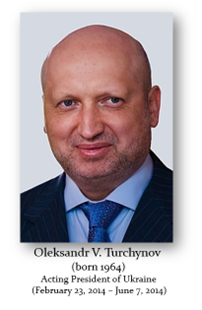
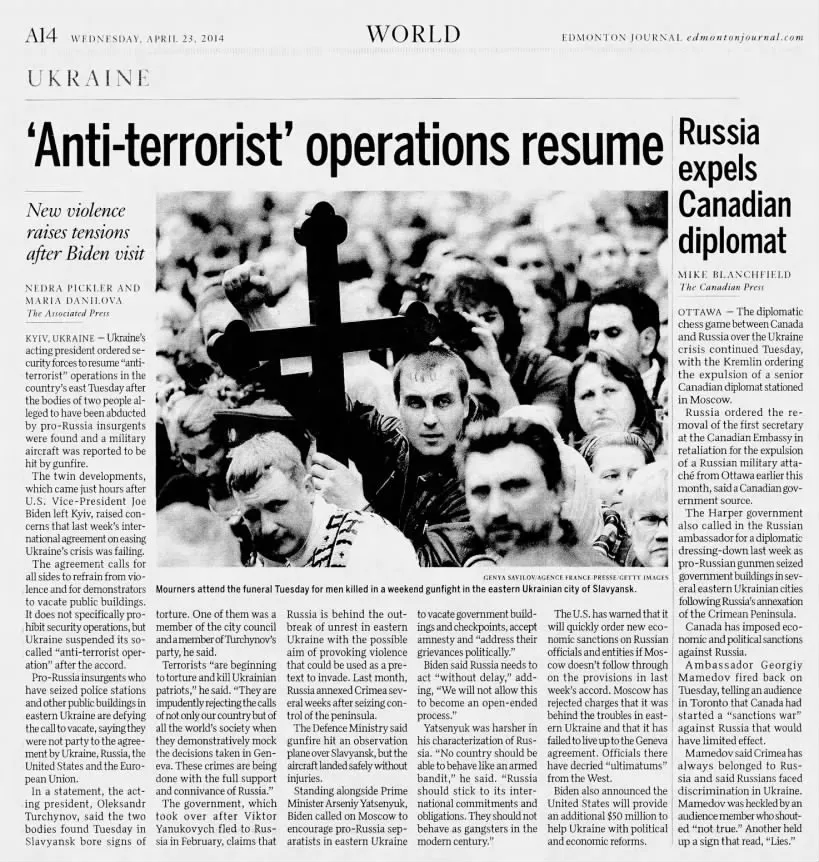
In this instance, it is NATO and the Neocons who have provoked this war with Russia out of vengeance for once being communist. They installed the interim UNELECTED president Oleksandr Turchynov (born 1964) and ordered him to attack the Donbas instantly, beginning the war. He called them terrorists because they wanted separation after Ukrainians massacred Russians in Odessa. There will NEVER be a genuine peace with Ukraine because NATO controls their leadership, and Trump has to come to grips with this.
The only possible way to end this war is the total destruction of Ukraine. Drop the leaflets as the US did to Japan, telling the people to leave. Europe will threaten nuclear war if they do that, and Russia has to target every major city in Europe. Then and ONLY then will the people of Europe rise up against their brain-dead leaders who take orders from NATO and the Neocons and stop this insanity. The French Senate just voted 372 to 99 in favor of war with Russia. Europe will be destroyed in the process if NATO and Neocons are not stopped.
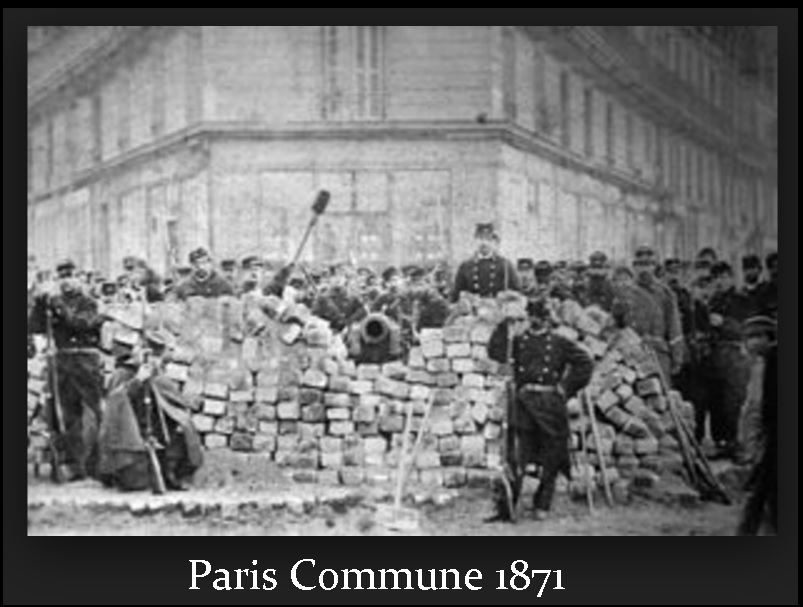
The whole issue of hating Jews was a conspiracy that Communism was a Jewish creation because Lenin, Trotsky, and Marx were all Jewish. This is why Soros and Zelensky both pretended to be Christians to escape the hatred of Jews and the ethnic cleansing, all based on the idea that Communism was created by Jews, when it began in France as the Commune Movement.
Posted originally on Apr 24, 2025 by Martin Armstrong
Donald Trump has come out to say that he had no plans to fire Federal Reserve Chairman Jerome Powell. “No, I have no intention of firing him,” Trump told reporters. “I would like to see him be a little more active in terms of his idea to lower interest rates,” the president added. “This is a perfect time to lower interest rates.”
Perhaps the president realized he did not have the power to fire the Fed Chair, as I have outlined. White House economic advisor Kevin Hassett declared less than a week ago that the administration was seeking loopholes to fire Powell. Around the same time, Trump declared that he did have the power to fire Powell, ““If I want him out of there, he’ll be out real fast.”
Powell, who was appointed under Trump’s first term, has face countless issues from presidents who refuse to align fiscal policies to meet monetary goals. Donald Trump has been pushing the Fed to lower interest rates dating back to his first term. Powell broke step with Washington and announced that former President Joe Biden’s reckless spending was endangering future generations. Now, Trump is once again pressuring Powell to drop rates despite the fact that QE policies have failed, and he is viewing the economy as a buyer rather than a lender.
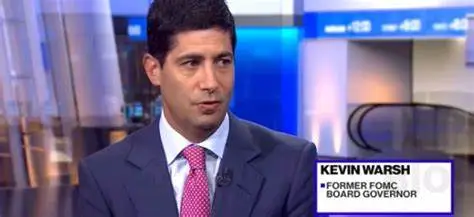
Powell is likely eager for retirement, slated for May 2026. The president does not have the power to fire the chairman, but he does have the authority to appoint the next one. Fed governor Kevin Warsh, National Economic Council Director Kevin Hassett, economist Art Laffer, and Larry Kudlow are all potential contenders for the job based on reports. Some believe Warsh is the frontrunner for the role, and Warsh himself advised Trump not to fire Powell before his term was due to expire.
Kevin Warch is an academic without real trading experience who has been part of the revolving door between Wall Street and Washington. Warsh, 55, has a hawkish stance on inflation, and although he backs Republican priorities such as reduced taxation and deregulation, he does not fully support Trump’s stance on how the Fed should operate.
Warsh served as a Federal Reserve governor from 2006 to 2011, and failed to see the underlying risks that would lead to the 2008 Great Recession. Warsh played a direct role in the negotiations that would later lead to the Lehman Brothers’ downfall, supporting the decision to allow Lehman to fail, spurring global financial panic. “The die was already cast” before bankruptcy, Warsh told CNBC. He failed to grasp the global nature of this decision, which was not a surprise but a deliberate choice to allow the firm to fail.
He was against the central bank’s QE policies in 2010 and warned that it would not aid in economy recovery. He resigned from the Fed’s Board of Governors in 2011 after opposing plans to purchase $600 billion in bonds to push more money into the US economy. Warsh blamed the central bank for enabling reckless government spending during the pandemic by excessively printing money. He sided with Trump in pointing blame at the Fed for permitting inflation to rise in the post-COVID economy. Warsh still believes in managing the economy through intervention, rather than letting the business cycle play out naturally. Tinkering with the system only causes the cycles to become more volatile.
May 7, 2026, is the next major target on the ECM–8.6 years from the August 2017 turning point, and two years from the critical May 2024 benchmark we just passed. Something historic is brewing for May 2026.
Posted originally on Apr 18, 2025 by Martin Armstrong
While the press bashes Trump over the tariffs and trade war, they continue to ignore the facts and will always take the opposite position from Trump. If Trump said he wanted everyone to live an extra 5 years to help the economy because of declining birth rates, the Press would advocate mass suicide like Jim Jones’ Jonestown, just to prevent anything Trump does.
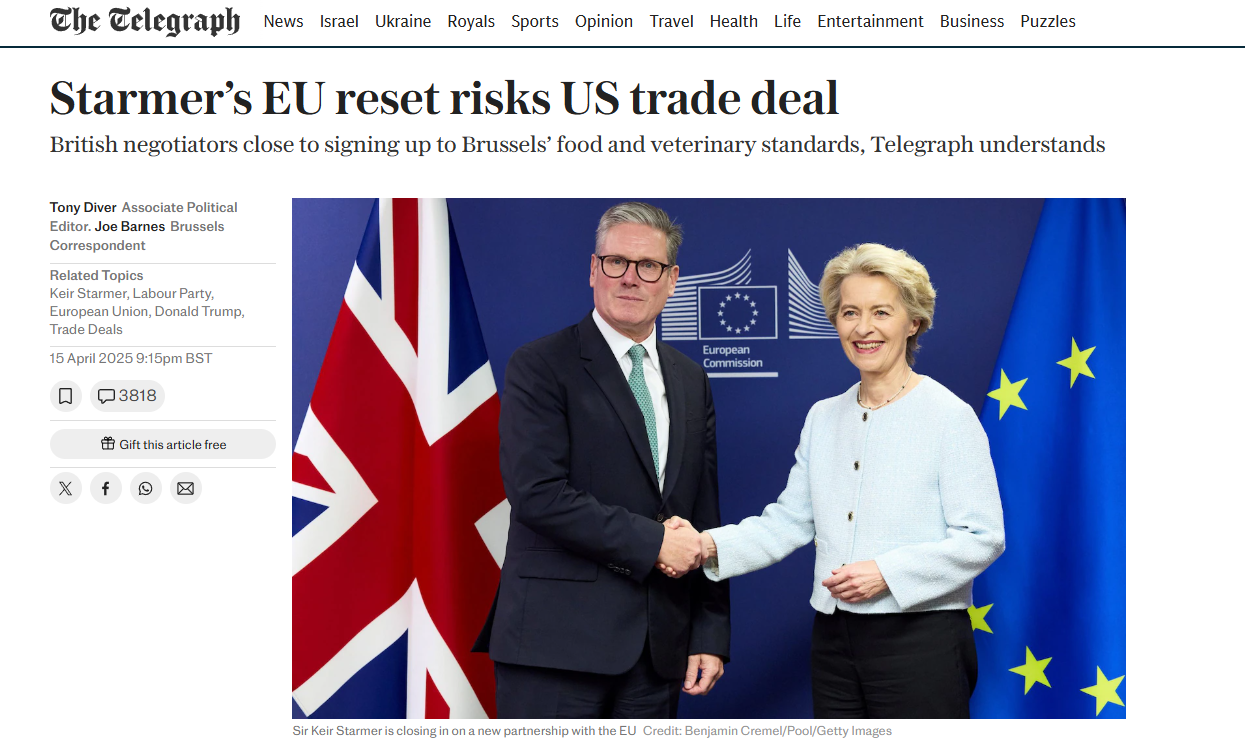
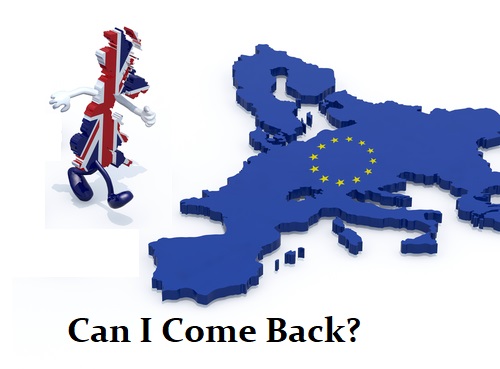
Starmer, the good Marxist follower, wants to reverse BREXIT, but knows that would be difficult. So he wants to join in trade and adopt all the regulations that the EU imposes, that has suppressed their economy from ever growing. As I have said, out of every $10 spent by consumers globally, the EU accounts for only $1.20 – a fraction of America, despite having 450 million people compared to the USA’s 330 million.
Even on a purely economic basis, Starmer is turning his back on the USA, which has a consumer market more than twice the size, for more regulations that will reduce trade with the USA. This is clearly not an economic decision – this is a Marxist political decision. Starmer is fulfilling our long-term forecasts. This year was a Directional Change, and next year is a Panic Cycle.
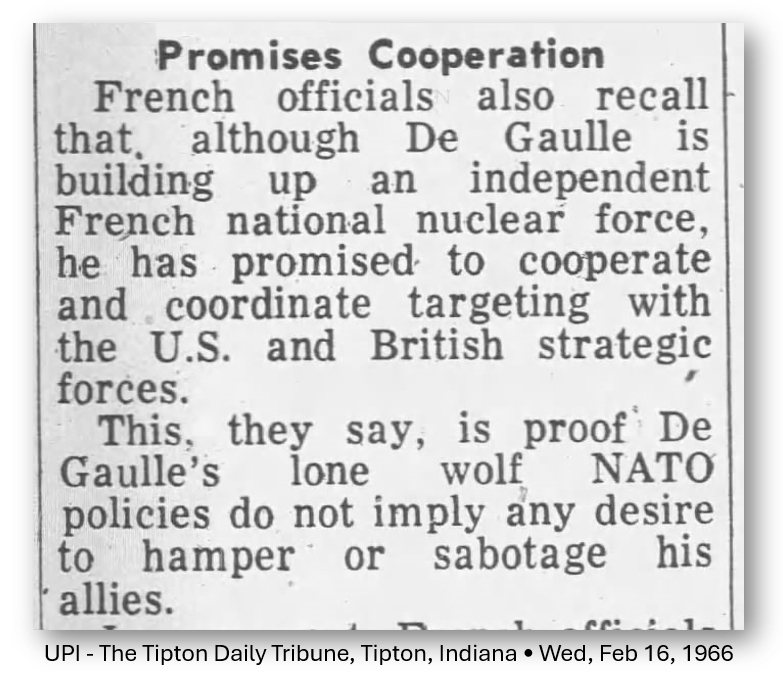
Europe has historically been the most hostile when it comes to trade. They cling to Marxism, and when they can’t justify tariffs, they regulate against allowing American products in. When Charles de Gaulle in 1966 said no American/NATO nukes in France, and he ordered all American military personnel to leave France, they asked if that applied to the dead Americans buried there to free France. This has been the position of the French elites. They still view the world as speaking French if Napoleon had won. They have not gotten over that.
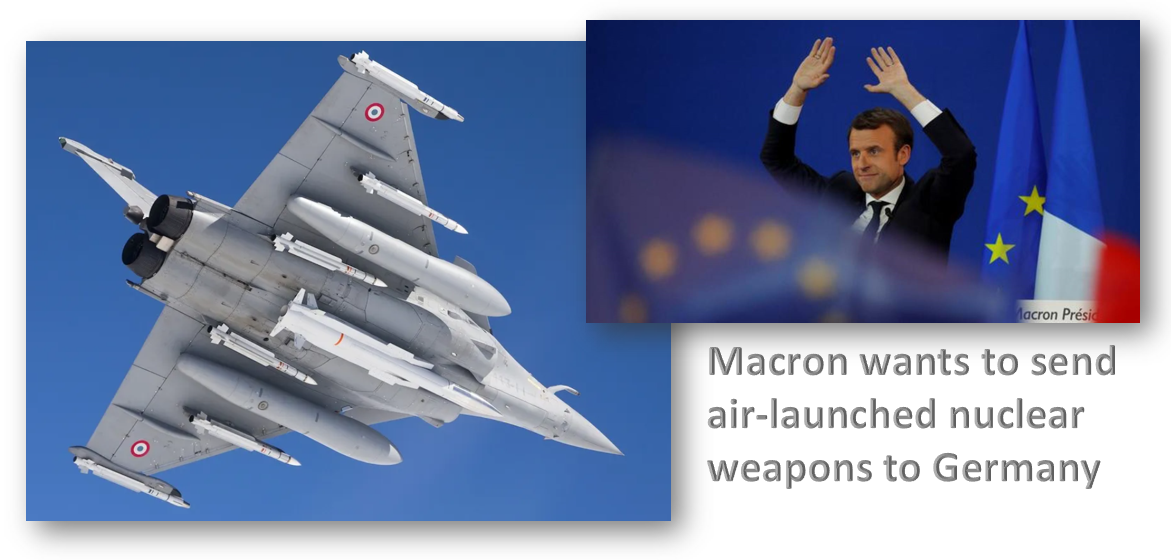
To this day, Macron is the most hostile, and he wants France to replace the United States, offering their nuclear power to shield Europe from Russia. This is why Macron was the first to say he wanted to send troops into Ukraine, knowing that would start World War III.
The European Union (EU) does not impose a blanket ban on all food and veterinary products from the United States. However, it does enforce strict regulations that can result in restrictions or prohibitions on specific products that do not meet EU standards. Key points include:
Hormone-Treated Beef: The EU prohibits beef from cattle treated with growth-promoting hormones, a common practice in the U.S. This has been a longstanding trade dispute.
Chlorine-Washed Poultry: The EU bans poultry treated with antimicrobial rinses (e.g., chlorine washes), favoring stricter farm-to-table hygiene controls instead.
GMOs (Genetically Modified Organisms): The EU requires rigorous authorization and labeling for GMO products, limiting some U.S. agricultural exports unless approved.
Ractopamine in Pork: The EU prohibits meat from animals treated with ractopamine, a feed additive used in the U.S. to promote lean muscle growth.
Veterinary Medicines: Restrictions apply to certain antibiotics and hormones used in livestock for non-therapeutic purposes, aligning with the EU’s precautionary principle and emphasis on animal welfare.
Mutual Recognition Agreements (MRAs): Since 2019, some veterinary products are covered by MRAs, easing trade for compliant products. However, U.S. exporters must still meet EU standards.
These measures reflect differences in regulatory philosophies that are used in reality as trade barriers. The EU prioritizes its regulations, knowing that there are different standards internationally. Trade negotiations (e.g., TTIP) have sought to bridge these gaps but with limited success. The restrictions are not actually becoming outright bans by requiring compliance with EU rules, which are stringent to prevent trade that pretends it is not the goal.
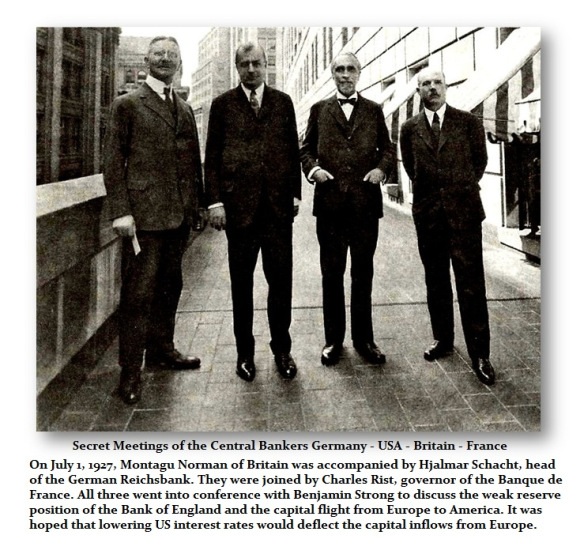
After World War I, European countries began imposing high tariffs in the early 1920s as part of a broader shift toward economic protectionism, driven by postwar reconstruction challenges, political instability, and efforts to shield domestic industries. France implemented significant protectionist measures, particularly through the 1927 Tariff Law (Loi du 3 août 1927), which marked a major shift toward economic nationalism. This law replaced the earlier Méline Tariff of 1892. It was enacted in response to post-World War I economic challenges, including the need to protect domestic industries and agriculture from foreign competition. At the same time, France was pushing the United States Federal Reserve to lower interest rates (G4) in an attempt to reverse the capital inflows to the United States.
The tariff increases were enacted in 1927, though France had maintained generally protectionist policies throughout the 1920s. The 1927 law formalized and expanded these measures sharply. The 1927 tariffs were part of a broader European trend toward protectionism in the interwar period. The 1927 law introduced a flexible tariff system, allowing the government to adjust rates based on reciprocal trade agreements or retaliation against foreign protectionism. Tariffs were applied differentially, with higher rates on agricultural goods (to protect French farmers) and certain industrial products.
France’s Agricultural products saw the implementation of tariffs on items like wheat, meat, and wine. These rose significantly, with some rates exceeding 30% (e.g., wheat tariffs increased to protect against cheaper imports from Eastern Europe and the Americas). The Industrial goods saw rates that were less restrictive yet still varied widely, targeting textiles and machinery. These sectors saw tariff rates between 15% and 25%, depending on the product and origin.
France also combined tariffs with import quotas (e.g., for coal and steel) to shield its economy further. Overall, France has always been the most protectionist of all European nations. Its cost of living is above average in the EU. According to Eurostat’s 2022 data, France’s price level index (with the EU average set at 100) was 116.5, placing it above the average but below several other EU countries. This compares to Denmark (141.7), Ireland (138.7), Luxembourg (134.0), Sweden (128.9), and Finland (123.3). The devil is in the details. While Paris is one of the EU’s more expensive cities to live in, the national average is lowered by cheaper costs in other regions.
The 1927 law made France one of the most protectionist economies in Europe by the late 1920s. While this was effective in shielding domestic sectors, these policies contributed to reduced international trade and economic fragmentation, exacerbating global tensions, leading to the Great Depression, and the US response in June 1930 by the Smoot-Hawley Act.
In the United Kingdom, there was the 1921 Safeguarding of Industries Act, which imposed tariffs on “key industries” like chemicals and optical goods deemed vital for national security. This was Post-WWI Economic Struggles, in which Britain lost the status of the Financial Capital of the world to New York. After the war, Britain faced industrial decline, unemployment, and foreign competition. Key industries critical during the war (e.g., chemicals, optics, scientific instruments) were all at risk of collapse. The Brits raised the National Security concerns of over-reliance on foreign imports for strategic goods, and this was the argument to impose tariffs to try to resurrect their industries.
Tariffs on Imports under this act imposed a 33.3% tariff on imported goods in strategic sectors, including chemicals, optical glass, and scientific instruments. This aimed to make foreign products less competitive and protect British industries. They also targeted industries that they deemed vital for national defense and economic resilience, reflecting lessons from wartime shortages. The Act was passed under Prime Minister David Lloyd George’s coalition government, though it aligned more with Conservative Party tendencies toward protectionism, marking a shift from Britain’s traditional free-trade stance.
The Act had mixed results at best. While it provided temporary relief for protected industries, critics argued it was too narrow, benefiting only specific sectors. Consumers faced higher prices, and retaliatory tariffs from other countries harmed British exports. The limited scope initially covered 6,000 items but was seen as insufficient to address broader industrial decline. Amendments in 1925–1926 expanded coverage to include more goods like lace and gloves. This Act shifted toward protectionism as Britain abandoned free trade, foreshadowing more extensive protectionist policies during the 1930s that followed the 1932 Import Duties Act, which expanded tariffs to most imports (except from the British Empire), formalizing protectionism during the Great Depression.
In the United States, the strong dollar resulted in making foreign goods cheap. The 1921 Act in Britain led to the US response in 1922. The Fordney-McCumber Tariff of 1922 was a significant piece of U.S. legislation that raised tariff rates on imported goods to protect American industries in the aftermath of World War I. It was signed into law by President Warren G. Harding in September 1922. Republican Congressman Joseph Fordney and Senator Porter J. McCumber have sponsored it. This reversed the lower tariffs of the 1913 Underwood Tariff. The tariff increases: did elevate import duties to historically high levels (averaging about 38.5%), targeting both agricultural and industrial goods to shield domestic producers from foreign competition due to the strong dollar. This tariff provided a flexible authority granted to the president, allowing him to adjust tariff rates by up to 50% based on recommendations from the U.S. Tariff Commission, although this flexibility was rarely used.
While tariff hikes began in the early 1920s (e.g., the UK in 1921), they did not prevent the bull market, nor did they prevent the Great Depression. This protectionist spiral fragmented global trade and worsened the Great Depression, but certainly did not create the economic crisis.
Posted originally on Apr 18, 2025 by Martin Armstrong
Socrates has honed in on 2025 becoming a year of great stagflation in the United States. The Federal Reserve has finally admitted that the data is undeniable—the United States will experience stagflation.
The economy is declining but prices are rising. Most understand inflation, especially in the post-COVID world, but few understand stagflation. Stagflation is when you have high inflation and stagnant economic growth at the same time. Normally, inflation is supposed to go hand in hand with rising demand and growth. But during stagflation, prices go up even though the economy is barely moving.
“Powell said the president’s tariffs announced so far had been ‘significantly larger than anticipated’, adding that ‘the same was likely to be true of the economic effects, which will include higher inflation and slower growth’,” as reported by every major media outlet. Powell “later added that those economic effects may place US rate setters ‘in the challenging scenario in which our dual-mandate goals are in tension’. The Fed’s dual mandate is to maintain the target 2% inflation while encouraging “maximum” employment levels.
“Maximum” employment is simply not possible during a period of stagflation. Investments dry up, confidence collapses, and businesses face higher costs in every area from wages to materials. Consumers lose purchasing power and are less likely to purchase nonessential goods at inflated prices, affecting business revenue and overall GDP. This then forces businesses to cut back on hiring instead of focusing on expansion. Many businesses will be unable to maintain large workforces if the revenue is not there.
The FOMC members seem to agree that stagflation is inevitable, although some argue about how long it will last. “Several Fed officials — including John Williams, head of the New York Fed, and Governor Christopher Waller — have said inflation is likely to surge in the coming months on the back of the administration’s proposed tariffs. While Waller thinks the impact of tariffs will prove short-lived, other members of the rate-setting Federal Open Market Committee, which Powell chairs, believe Trump’s tariffs have increased the odds that inflation will be a longer problem for US consumers.”
Now the central bank has maintained interest rates at 4.25-4.5% this year. Everyone is holding their breath for the Fed’s May announcement, but there is very little that the Fed can do here. Capital investment depends on confidence. Our models have honed in on May 19, 2026, as a major turning point in confidence where the next Panic Cycle will begin, and unfortunately, confidence will decline into 2028.
Posted originally on Apr 16, 2025 by Martin Armstrong
QUESTION: We all know who copies your work and pretends it is his. He is out now scaring the world that the dollar is going to crash, for the Chinese are selling dollars. You are the only person with a real database. What is your view on the dollar?
WKN
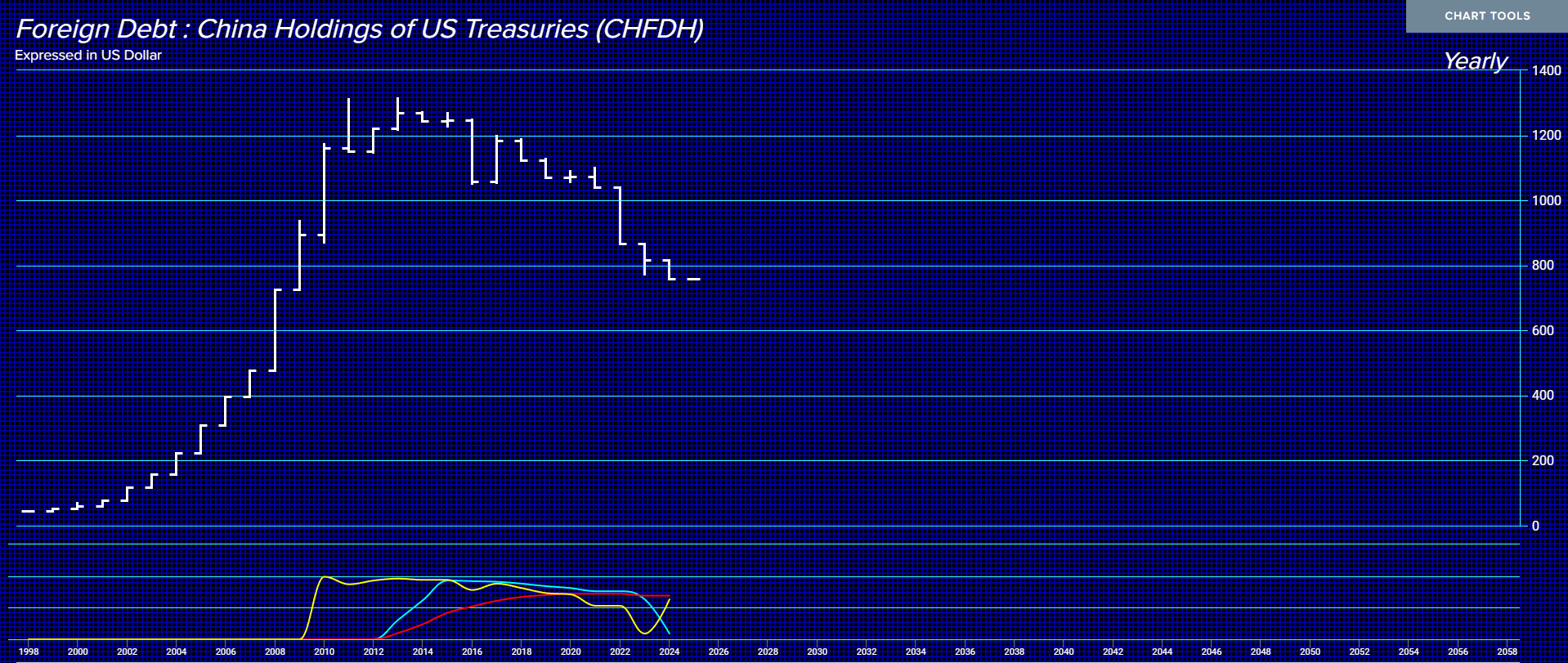
ANSWER: I know who you are talking about. I get emails about him all the time. He likes the notoriety but lacks the staff or the database to provide his self-proclaimed forecasts. I will provide the specifics on the private blog. However, April has been our target for many months. The often people out there constantly calling for the demise of the dollar are MORONS. They never look outside of the United States. They may be claiming that China is dumping dollars, but they began liquidating US debt in the tens of billions in 2013, and accelerated that because of Biden’s Neocons post-2022. They pretend this is something new, all because of Trump. They make it sound like they are on top of this, but where have they been since 2013?
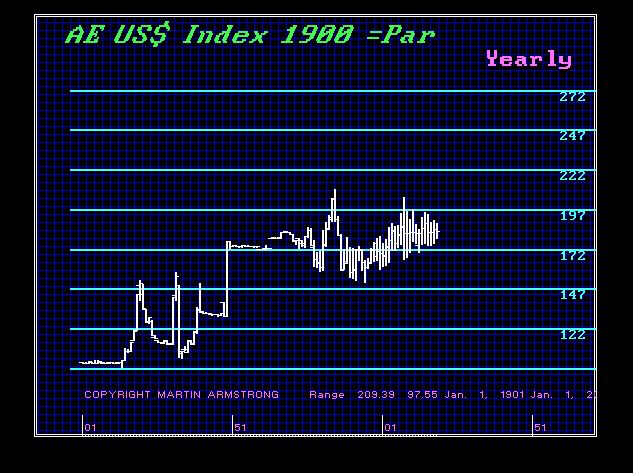
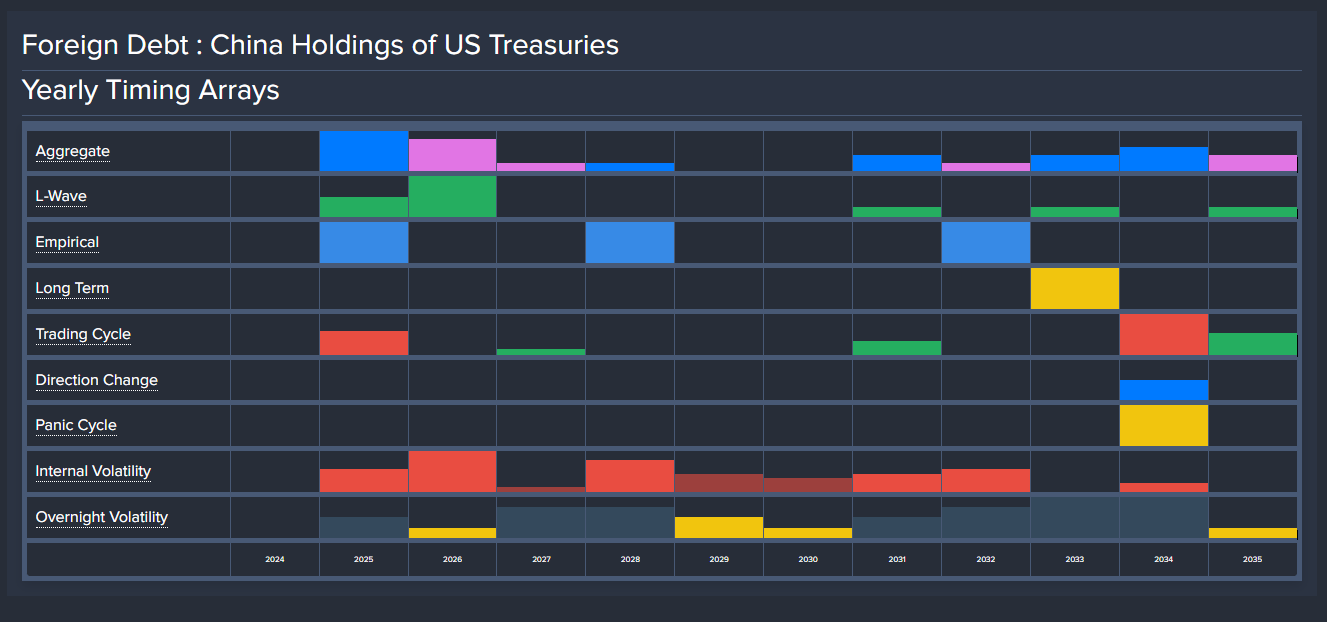
Trump is fulfilling the cyclical forecast. We have been expecting a sell-off into 2025, which has been the biggest target identified by our computer for the past few years. I have conveyed my concerns to people in Congress. I am not so sure this does not just go over everyone’s head. The volatility will rise even further next year. If we penetrate the 2025 low next year, then this selling of US debt will continue into 2030, if not into 2032. That will be because NATO launches its contrived war against Russia and utterly destroys the European economy and extinguishes the EU.
I have created this site to help people have fun in the kitchen. I write about enjoying life both in and out of my kitchen. Life is short! Make the most of it and enjoy!
This is a library of News Events not reported by the Main Stream Media documenting & connecting the dots on How the Obama Marxist Liberal agenda is destroying America






 Centinel2012