Fractional Banking v Matched Funding


Posted originally on Dec 31, 2025 by Martin Armstrong |  

Roman Banker-

Banking has existed since the earliest times and has taken many forms, from safe deposit boxes and money changers to merchants capable of moving money internationally and moneylenders. Some people wrongly assume that they can eliminate the business cycle by eliminating fractional banking. They believe that it will be possible to match lenders and borrowers to maturity contracts. They do not comprehend that this is the line of thinking that always leads to authoritarianism, all the way to communism.

The problem that will emerge from this matching of lenders and borrowers to a maturity contract is that the boom-bust cycle will still exist. There will always be the perpetual rise and fall in asset values caused by other factors (including human nature), not least of which will be changes in technology, no less civil unrest and war that can alter capital flows. History offers a catalogue of solutions. All we need to test such an idea is to open the books.

Athen Akropolis_by_Leo_von_Klenze

People assume the cause of the business cycle is the fractional banking issue, as if that were eliminated, then you would flat-line the business cycle, creating utopia. Be very careful. This was Karl Marx’s goal as well. The starting point is a fundamental question. Has fractional banking always existed? NO! Since the answer is no, did the boom-and-bust cycle in banking exist even without fractional banking? The stark answer – YES.

In ancient times, financial panics occurred without fractional banking. In Athens in 354 BC, people borrowed money from the Temple, unbeknownst to others. They were speculating in real estate. The real estate market collapsed without fractional banking, and then it was exposed that the money was borrowed behind the curtain, so to speak, from the temple. Corrupt priests had all this money donated to Athena. She obviously was very frugal since she never seemed to go on a spending spree to buy shoes, owls, or spears. She wore a helmet, so she didn’t need a hairdresser. The priests could not keep their hands out of the treasury and were caught lending it out to their buddies for spare change. There was no fractional banking involved. They had the money and lent it to their buddies. The assets collapse because, as always, the mood of people changes with the seasons.

Wisselbank-2

Fast forward to the 17th century, and we find the very same scheme played out by politicians. There was the collapse of Wisselbank in Amsterdam, where people had deposited their money and assumed the bank was strictly a safekeeping facility. They offered no loans and paid no interest. Little did they know that the government was using their deposits to fund its own trading.

Netherlands Provinical - GELDERLAND Provincie 1581 - 1795

The Wisselbank was founded in 1609. Upon first opening an account, a depositor paid a fee of ten guilders, three guilders, and three stuivers for each additional account. Two stuivers were paid for each transaction, excepting those of less than three hundred guilders, for which six stuivers were paid, in order to discourage the multiplicity of small transactions. A person who neglected to balance his account twice in the year forfeited 25 guilders. A person who ordered a transfer for more than what was upon his account was obliged to pay three per cent for the sum overdrawn. The bank made further profit by selling foreign coin and bullion, which fell to it by the expiration of receipts, and by selling bank money at five percent and buying it at four percent. These sources of revenue were more than enough to pay for the wages of bank officers, and defraying the expense of management. (Adam Smith)

In 1602, the United East India Company (VOC) was formed from six trading companies in the Netherlands and granted a trade monopoly over the Indies. The bank was administered by a committee of city government officials concerned to keep its affairs secret. It initially operated on a deposit-only basis, but by 1657, it was allowing depositors to overdraw their accounts and lending large sums to the Municipality of Amsterdam and the United East Indies Company (Dutch East India Company). Initially, this was kept confidential, but it had become public knowledge by 1790. The City of Amsterdam took over direct control in 1791 as a bailout, before finally closing it in 1819.

There is ample history of banking prior to fractional banking. Sorry, but that did not stop banking panics, nor did it stop the business cycle with the boom and bust events. The Tulip Bubble was not leveraged with fractional banking. Regardless, the boom-and-bust cycle is driven by human nature. We tend to change our minds about everything from fashion to money.

The idea that we can match lenders and borrowers sounds nice. However, that will not eliminate the cycle. I can find no instance of such a flat line except during a Dark Age, where there was no banking, private ownership, or any real economy. Coinage during the period is rare and is typically confined to the region where it was struck, demonstrating the lack of an economy or circulation due to trade.

A Top Concern Among Readers in 2025


Posted originally on Dec 31, 2025 by Martin Armstrong |  

People are losing confidence in institutions precisely because these actions show how quickly access to one’s own assets can be restricted without due process. This story resonated because it stripped away the rhetoric and exposed reality. Governments everywhere are preparing for a future where financial access is conditional. Data will be weaponized as the sovereign defaults near and governments attempt to control the masses to remain in control. The stories emerging throughout the world are a warning shot for everyone—governments have waged war on their citizens.

Readers shared the article below thousands of times in the past calendar year. We will continue to monitor stories from around the world and listen to our readers’ concerns. The cycle may be inevitable but ignorance is not.

Fraud Prevention

Vietnam has erased and/or frozen 86 million unverified bank accounts as the nation surrenders to the globalist Great Reset. Anyone wishing to function in society must surrender their biometric data to maintain a bank account. The State Bank of Vietnam (SBV) claims that the measure was a system cleanup aimed at preventing fraud. In actuality, the measure is one step closer toward a national ID system that enables the government to control its citizens’ every move.

This is a data-cleansing revolution,” said Pham Anh Tuan, Director of the Payment Department. “While the total number of bank accounts remains 200 million, by September 2025, once the legal framework is complete, all accounts without biometric data will be closed to prevent scams and fraud. After seven years of promoting non-cash payments, we are moving toward real efficiency.”

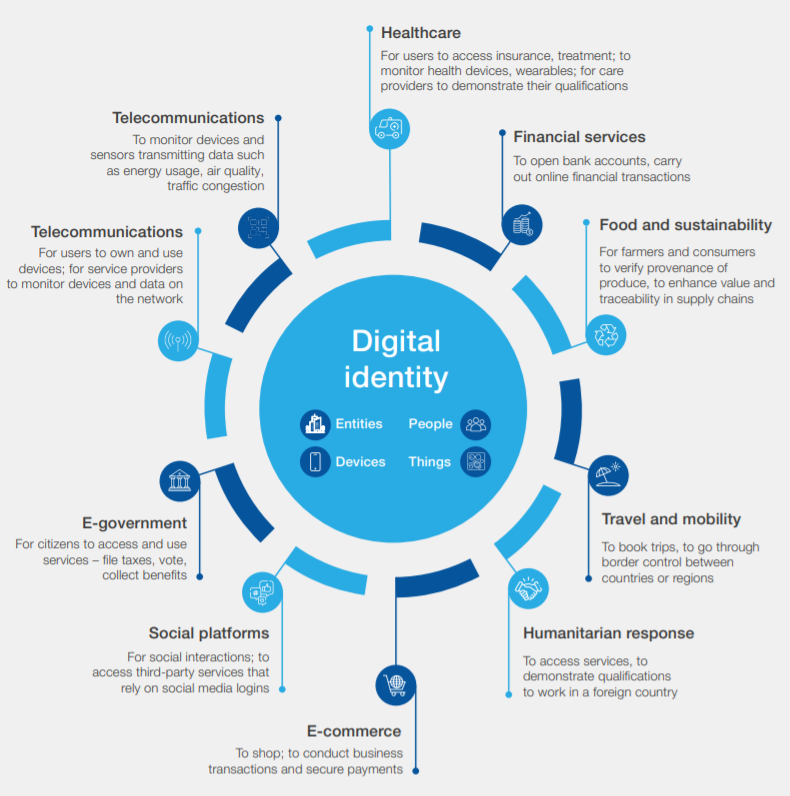
Vietnam recently implemented a nationwide digital ID (e-ID) system called VNeID that requires both citizens and foreign residents to surrender to the matrix and permit the government to store their personal information in a centralized database. Fingerprints, facial biometric data, photographs, passports, nationality, criminal records, and even medical records will be stored in the government database. Participation is not optional.

Digital ID 2

Project 06 launched in January 2022, hailed as a technological revolution to digitize the country. Project 06’s full name is the “Project on Developing Data Applications on Population, Identification, and Electronic Authentication to Serve National Digital Transformation in the 2022-2025 Period (Vision 2030),” which aligns entirely with the World Economic Forum’s plans for the Great Reset. The concept has been sold to the people as a convenience measure, but in truth, the aim is centralized, unrestrained control over the entire population.

Everything from banking to renting an apartment is linked to the digital ID. One wrong move and the government can completely erase someone from the system. One glitch in the power grid and the nation will come to a standstill. The Vietnamese government has the power to halt a person’s life instantaneously.

High-level Vietnamese officials met in Davos in January 2025, and shortly after, began voicing concern for bank accounts that were unverified through biometric data. Vietnam has been actively seeking OECD membership and signed a Memorandum of Understanding, citing that Project 06 will enable the nation to meet the OECD’s guidelines for regulatory reforms. Vietnam was one of the last nations disconnected from the Automatic Exchange of Information (AEOI) that requires members to share banking information under the pretense of preventing tax evasion.

Digital Identity Chart

Vietnam signed the Multilateral Convention on Mutual Administrative Assistance in Tax Matters (MAAC) with the OECD in March 2023, enabling automatic exchange of tax and financial information with over 146 jurisdictions. In early 2025, shortly after Davos, Vietnam joined the Multilateral Competent Authority Agreement (MCAA) for Country-by-Country Reporting (CbCR), broadening its commitment to AEOI and international tax transparency. In February 2025, Vietnam activated CbCR exchange relationships with 29 jurisdictions including the entire European Union.

Globalist entities defy democracy and demand the complete surrender of national sovereignty under the belief that the world population must be controlled by one centralized force. The majority of world leaders have willingly surrendered, unaware of the full extent of power a small unelected few will yield if the Great Reset succeeds.

A Warning From 2024


Posted originally on Dec 31, 2025 by Martin Armstrong |  

Over a quarter of a million people tuned in to hear my warning from 2024: Western Empires Face the Same Collapse of Rome in its Final Days

Gold


Posted originally on Aug 10, 2012 by Martin Armstrong |  

Will have an update this weekend on gold. This week has been pushing higher within the broad trading range, but the buy signal would require a close above 1671. We may see the highest weekly closing for this range in several weeks. However. this is the turning point and the next three weeks should be the start of higher volatility. A high this week implies a low thereafter and if we make a new low for this range at that time, then we can see a rally following the next turning point.

United We Stand – 2.5 Million Readers – 232 Countries


Posted originally on Dec 30, 2025 by Martin Armstrong |  

People United

As we close out 2025, I want to personally thank the more than 2.5 million readers from around the world who visited ArmstrongEconomics.com this year. Your willingness to question official narratives, examine history, and think independently is what keeps this site alive and relevant.

Our content is based on following the data, the cycles, and the models wherever they lead, even when the conclusions are uncomfortable. The fact that millions continue to return tells me that confidence in independent analysis is rising at precisely the moment institutions are losing credibility.

The global economy cannot be viewed from isolated lenses, and our readership reflects the global nature of our venture. Readers from 232 nations around the world tuned in and turned off their preconceived notions of the world to explore the underlying patterns and cycles that are propelling us into a new future. Millions of us have a common bond and understanding.

The years ahead will test economic, political, and social structures globally. My commitment remains the same. I will continue to provide clear, historically grounded analysis so you can navigate what lies ahead with foresight rather than fear.

Thank you for being part of this journey.

Global Political Economy

This list represents readers from around the world who share a common desire to question official narratives, study history, and understand how economic and political cycles truly function. Despite different cultures, languages, and borders, what unites this global audience is a shared view that the future cannot be understood by opinion or ideology, but only by following the data, the trends, and the repeating patterns of history.

  1. United States
  2. Canada
  3. Great Britain
  4. Australia
  5. Germany
  6. Netherlands
  7. Sweden
  8. France
  9. Spain
  10. Switzerland
  11. Norway
  12. Belgium
  13. New Zealand
  14. Italy
  15. Poland
  16. Finland
  17. Singapore
  18. Ireland
  19. Hong Kong
  20. South Africa
  21. Mexico
  22. South Korea
  23. India
  24. (not set)
  25. Austria
  26. Japan
  27. Malaysia
  28. Thailand
  29. Greece
  30. Denmark
  31. Russia
  32. Portugal
  33. Brazil
  34. Indonesia
  35. Croatia
  36. Romania
  37. Czechia
  38. Hungary
  39. China
  40. Philippines
  41. Iran
  42. Bulgaria
  43. Serbia
  44. United Arab Emirates
  45. Slovenia
  46. Luxembourg
  47. Turkey
  48. Taiwan
  49. Turkmenistan
  50. Costa Rica
  51. Israel
  52. Colombia
  53. Argentina
  54. Chile
  55. Panama
  56. Slovakia
  57. Vietnam
  58. Ecuador
  59. Peru
  60. Cyprus
  61. Bosnia and Herzegovina
  62. Iceland
  63. Saudi Arabia
  64. Cambodia
  65. Ukraine
  66. Egypt
  67. Puerto Rico
  68. Bahamas
  69. Pakistan
  70. Dominican Republic
  71. Bahrain
  72. Montenegro
  73. Estonia
  74. Lithuania
  75. Nigeria
  76. Kenya
  77. Uruguay
  78. Lebanon
  79. Morocco
  80. Paraguay
  81. Georgia
  82. Bermuda
  83. Malta
  84. North Macedonia
  85. Algeria
  86. Albania
  87. Jamaica
  88. Mauritius
  89. Belize
  90. Guernsey
  91. Latvia
  92. Trinidad & Tobago
  93. Jersey
  94. Cayman Islands
  95. Guatemala
  96. Qatar
  97. Monaco
  98. Suriname
  99. Bolivia
  100. Liechtenstein
  101. Namibia
  102. Bangladesh
  103. Jordan
  104. Tanzania
  105. Moldova
  106. Venezuela
  107. Sri Lanka
  108. Belarus
  109. Ghana
  110. Andorra
  111. Aruba
  112. Kazakhstan
  113. Honduras
  114. Zambia
  115. Armenia
  116. Fiji
  117. Kuwait
  118. Uganda
  119. Isle of Man
  120. Nicaragua
  121. Nepal
  122. S. Virgin Islands
  123. Barbados
  124. Cuba
  125. Laos
  126. Myanmar (Burma)
  127. Zimbabwe
  128. El Salvador
  129. Curaçao
  130. Seychelles
  131. Guam
  132. Iraq
  133. Maldives
  134. Azerbaijan
  135. Macao
  136. Oman
  137. Tunisia
  138. Côte d’Ivoire
  139. Lucia
  140. Faroe Islands
  141. Uzbekistan
  142. Papua New Guinea
  143. Ethiopia
  144. Antigua & Barbuda
  145. Mozambique
  146. Mongolia
  147. Kyrgyzstan
  148. Botswana
  149. Angola
  150. Sint Maarten
  151. Haiti
  152. Malawi
  153. Réunion
  154. French Polynesia
  155. British Virgin Islands
  156. Rwanda
  157. Guyana
  158. Martinique
  159. Syria
  160. Turks & Caicos Islands
  161. Kitts & Nevis
  162. Åland Islands
  163. Brunei
  164. Guadeloupe
  165. Dominica
  166. Grenada
  167. Martin
  168. Cameroon
  169. Cape Verde
  170. Liberia
  171. Greenland
  172. Guinea
  173. Kosovo
  174. Libya
  175. New Caledonia
  176. Senegal
  177. Eswatini
  178. Caribbean Netherlands
  179. Sierra Leone
  180. Bhutan
  181. Gambia
  182. Somalia
  183. Gibraltar
  184. Timor-Leste
  185. Samoa
  186. Madagascar
  187. San Marino
  188. Afghanistan
  189. Montserrat
  190. Vanuatu
  191. American Samoa
  192. Palestinian Territories
  193. Congo – Kinshasa
  194. Pierre & Miquelon
  195. Burkina Faso
  196. Lesotho
  197. South Sudan
  198. Benin
  199. Gabon
  200. Vincent & Grenadines
  201. Central African Republic
  202. Djibouti
  203. Yemen
  204. Palau
  205. Cook Islands
  206. Tajikistan
  207. Tonga
  208. Anguilla
  209. French Guiana
  210. Mauritania
  211. Congo – Brazzaville
  212. Equatorial Guinea
  213. Northern Mariana Islands
  214. Norfolk Island
  215. Marshall Islands
  216. Solomon Islands
  217. Mali
  218. Niger
  219. Burundi
  220. Barthélemy
  221. Western Sahara
  222. Svalbard & Jan Mayen
  223. Togo
  224. Falkland Islands
  225. Micronesia
  226. Comoros
  227. Mayotte
  228. Antarctica
  229. Guinea-Bissau
  230. British Indian Ocean Territory
  231. Helena
  232. Vatican City

Deflation v Inflation v Stagflation – Misconceptions Clarified


Posted originally on Dec 30, 2025 by Martin Armstrong |  

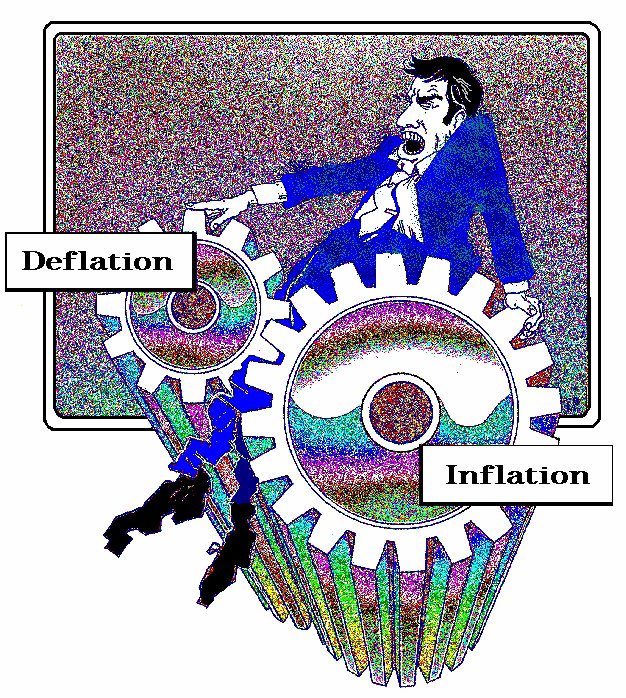
Deflation Inflation

Some people have a tough time understanding that we are in a massive deflationary spiral; they think that rising prices mean it is inflation and not deflation. Then they mistake stagflation for deflation and wonder why people are spending more on less. They only see prices, not disposable income, and, indeed, not economic growth or unemployment.

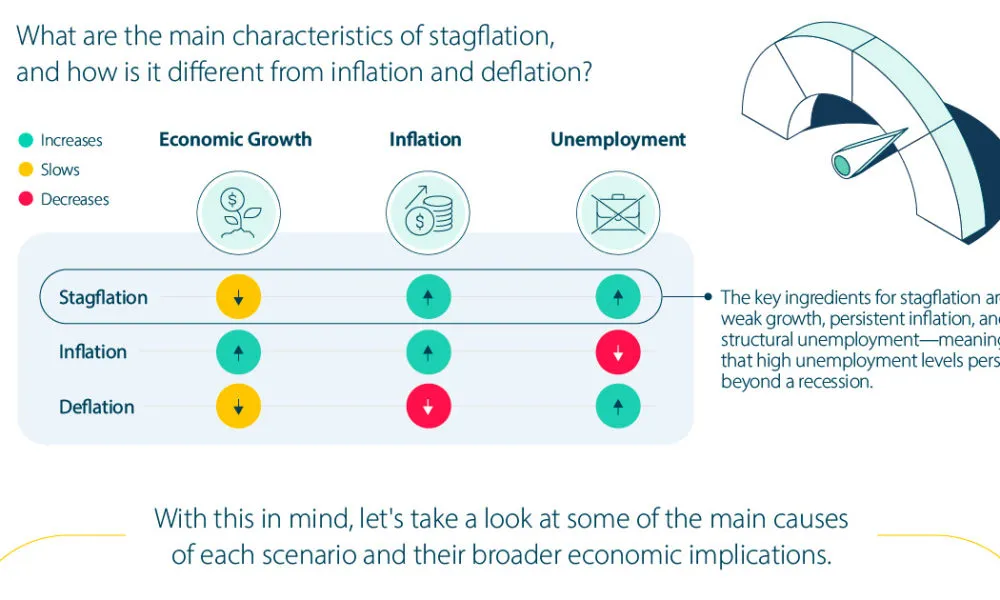
Prices rose sharply following the OPEC oil price hikes of the 1970s. Still, the sharp rise in energy prices crowded out other forms of spending, resulting in rising prices that had nothing to do with a speculative economic expansion, and a deflationary contraction they called STAGFLATION occurred, with rising prices and declining economic growth.

If you want to raise NET DISPOSABLE INCOME, lower taxes! Raising wages, as the Democratas believe corporations should do, will cause people to move to higher tax brackets, and soon, all benefits will come into play with these socialistic programs. As always, nobody in government talks about reducing government waste and corruption. The very people who are using these social programs are still paying taxes to the state and federal government.

StagflationInflationUnemployment

Household income will soon be defined as everyone living in the same house – kids and all. Perhaps you will have to pitch a tent and make the kids sleep outside with the dog to avoid “household” income tax increases. Deflation is not the lowering of prices; it is the lowering of economic activity that can also include STAGFLATION, which occurs when prices rise but there is no economic growth.

Now, stagflation is not exactly the same as deflation, where the price of goods and services declines. For example, before World War II, the US experienced a massive deflationary environment in which GDP fell by 30% between the crash of 1929 and 1933. A quarter of Americans were unemployed. Imagine 1 in 4 eligible workers on the sidelines. Prices plummeted, and consumers were not spending because they had very little, if anything, to spend. Panics erupted, and people hoarded; the Second World War brought America out of that economic downfall. The public confidence wave began after World War II, because people believed their change in fortune was due to government policies (i.e., FDR’s New Deal) and war victory.

During periods of stagflation, the prices of goods and services increase while buying power decreases. Consumers end up spending more on less. As we are seeing now, for example, retail sales of items such as clothing have declined, but people are spending more on gas, shelter, and groceries. People feel as if they are earning less despite wage increases because their buying power has been drastically reduced. Companies will suffer as consumers spend less, and this has led to workforce reductions. Unemployment during the OPEC crisis of the 1970s was not nearly as severe, but it rose to 7.2% by 1980. Inflation went from around 1% in 1964 to 14% in 1980, and GDP growth went from 5.8% to -0.3% during that same period.

So be very careful. If you only look at prices rising and ignore the fact that your disposable income is declining, you will be in for a very rude awakening. Unemployment will continue to rise in 2026, with the computer anticipating figures surpassing 6%. The trend was set in motion long before automation and AI. Companies simply will not hire when they expect a continued contraction. The ability to borrow at a lower rate is not enticing because those same companies do not want to take on more debt than they already owe. We will not see another Great Depression by any means, but the “soft landing” is merely rhetoric intended to lift confidence.

November 2025 US Real Estate


Posted originally on Dec 30, 2025 by Martin Armstrong |  

Housing

November home sales in the US paint a picture of stagnation and a frozen market. Home prices and mortgages have risen and demand has waned. This is a buyer’s market but conditions are not particularly favorable due to the cost of ownership.

Sales rose 0.5% from November to October and were 1% lower on an annual basis, according to data from the National Association of Realtors. A total of 4.13 million homes were sold for the month based on closings.

Supply remains constrained on a monthly basis, declining 5.9% from October, but have risen 7.5% on the yearly. A six-month supply is considered a balanced buyer-seller market, but current conditions show a 4.2-month supply.

The median home price in the US has reached $409,200, up 1.2% annually, and the highest reading on record for November. Lower-priced homes are not selling as those with less cannot afford to enter the market. Homes priced from $100,000 to $250,000 are down 8% from last year, but homes above $1 million rose 1.4%.

Gone are the days of overbidding cash offers. Homes are sitting on the market for an average of 36 days. Investors are slowly re-entering the market and accounted for 18% of sales compared to 13% one year prior. New homeowners accounted for 30% of sales, but historically, first-time home owners account for 40% of closings.

Weak regions are seeing declining values while stronger capital-inflow areas remain firm. This is classic late-cycle behavior. Real estate does not move as a monolith. It turns region by region, driven by employment, taxation, migration, and regulatory burden. The myth of a single “national housing market” is one of the great analytical failures of modern economics.

Transactions are falling and inventory is uneven. The real pressure will come not from housing itself, but from government debt, taxation, and declining economic confidence as we move toward the 2026 turning point. The model indicates that the current buyers market will persist into 2028. There will NOT be a housing bubble collapse as we saw in 2008. Commercial real estate is far more vulnerable than residential and operates on a different cycle. People have fled and are continuing to flee states that are unfavorable to capital, as we have seen with mega corporations fleeing places like New York and California. We will see fragmentation on a regional basis in real estate.

Interest rates will not collapse to save housing as capital demands higher yields and the central bank cannot toy with the markets as they have in recent years. Capital is migrating to states that offer financial stability, lower taxation and regulation. Transaction volume is declining and sellers are refusing lower prices. Buyers are waiting. Liquidity is vanishing. This is all par for the course during a collapse of confidence that will intensify in 2026.

Why is Keynesian Economics Collapsing?


Posted originally on Dec 29, 2025 by Martin Armstrong |  

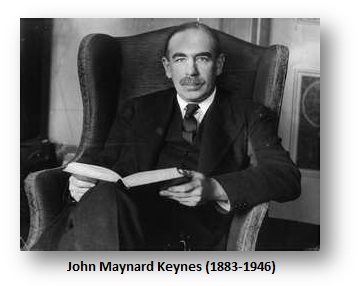
Keynes 5

In his 1936 book, ‘The General Theory of Employment, Interest and Money,’ John Maynard Keynes argued that aggregate demand was too volatile to be stable and would lead to inflation or recession. His theory honed in on spending as a means of price control. Low aggregate demand, Keynes argues, would lead to high unemployment and stagflation. Government could intervene through fiscal policies to increase aggregate demand, as an example, increased government spending could tame inflation. According to Keynes, interest rates could also be adjusted to encourage spending and stimulate demand. So why are these theories failing miserably today?

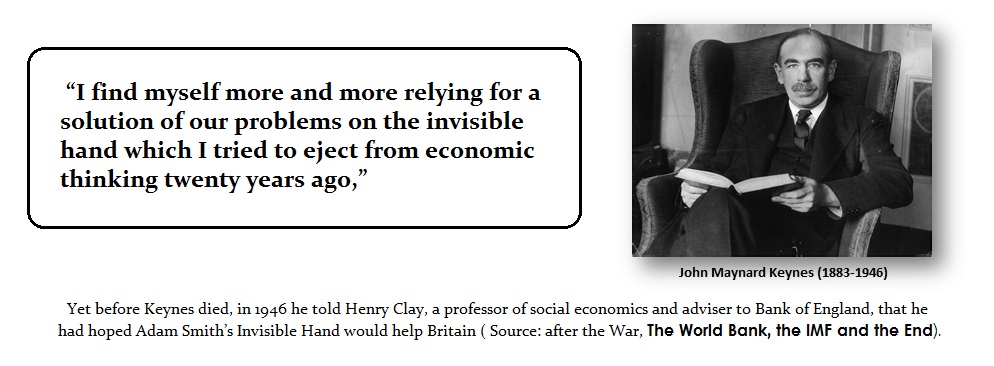
To begin, the United States had a balanced budget when Keynes presented his theory. The government is now the biggest borrower, acting in its own self-interest under Adam Smith’s theory of the invisible hand that Keynes spent his career attempting to deny. According to Keynes, “there is no self-correcting mechanism in a free market economy that automatically restores full employment.” He believed that the government could change the business cycle but arguably regretted this notion on his deathbed.

Keynesian economics gave the government the green light to manipulate the economy, or at least make numerous failed attempts to do so. There is that old joke about communism that you can vote your way in, but must shoot your way out, seemingly fitting to the utter disaster governments have created regarding our economic situation.

Keynes quote on Invisible Hand

The government is by far the biggest borrower. Raising interest rates can have no impact on demand, as the government will simply borrow more, and the central banks have no control over government spending. In a historic act of defiance, Powell came out during the Biden administration and warned that government spending was completely unsustainable. It is extremely rare to see the Fed criticize Washington, but the situation has become too dire for anyone with integrity to remain quiet. Powell plainly stated that the government was borrowing against future generations of Americans. Now, Powell must continually defend the pivot away from failed QE programs due to Trump’s insistence on lowering rates to the negatives.

Video P

The central bank seeks to align with Washington to maintain public confidence. During the Great Depression, Washington forced the Federal Reserve to implement QE policies to artificially lower rates to increase demand. Yet, when Washington ordered the Federal Reserve to do the same during the Korean War in 1951, the central bank first broke with Washington and refused to comply, as it knew it would hurt the economy, as America’s budget was no longer balanced.

Quantitative Easing has destroyed the Keynesian model, leaving central banks with no alternative means of controlling the economy. If they raise rates, the budget explodes. Keynesians advocate manipulating aggregate demand and fiscal spending that the central bank cannot control. However, the other component of Keynesianism is the use of taxation. Keynes argued that to stimulate demand, you lower taxes. He saw this correctly, but again, it does not fit with government agendas. The government is desperate for funding and believes citizens must pay. Taxes alone could never make a dent in government spending, but some politicians genuinely do not understand that reality.

There is no limit to what the government will spend with “money” that does not exist. Governments continue to borrow perpetually with no real intention of paying back their debts. This is one piece of the Sovereign Debt Crisis that will implode like a nuclear bomb, the likes of which we have never witnessed. The business cycle cannot be manipulated, and, moreover, the Keynesian model cannot account for declining confidence in both government and the economy.

The Most Frequently Asked Question of 2025


Posted originally on Dec 29, 2025 by Martin Armstrong |  

The most frequently asked question of 2025: Is war inevitable?

I’ve spent my entire life attempting to prove the computer wrong. I’ve hoped that the cycle in motion could change and I’ve watched as events unfolded, right on target, that only Socrates could foresee. A cycle in motion remains in motion. The trajectory and speed may alter, but the end result is inevitable.

Below is perhaps the most popular article of 2025. I wish I could provide a different answer but I will always respond with the truth.

2025_05_15_08_21_20_Russia_seeks_to_remove_root_causes_of_conflict_not_ceasefire_Lavrov_on_Ista

QUESTION: Well, here we are at the 15th, right on schedule. Your model turns up, and it looks like no deal. Would you care to comment?

Uri

2022 Intl War Index

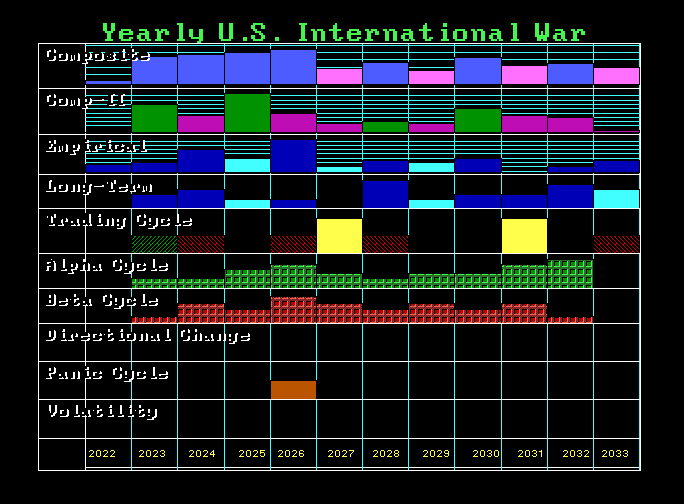
ANSWER: Putin said their purpose would be “to remove the root causes of the conflict and move towards creating a long-term, durable peace in a historical perspective”. Zelenskyy said he was prepared to attend, but only if Putin also showed up, because “everything in Russia depends” on the Russian leader as if that is not the case in Ukraine. Trump also was not attending.

AE War Index Q Combined 5 15 25

Zelensky is a Neo-Nazi and he takes orders from the EU and NATO. He wants every Russian dead. What would he do if Russia left the Donbas? He has outlawed them from speaking Russian, denied them any right to vote, outlawed Orthodox Christianity, and outlawed them from even celebrating Christmas. The Ukrainian people have a choice. Either to die for the Neocons, or rise up and overthrow Zelensky. Contacts in Romania realize the EU is trying to orchestrate them into war with Russia. The strategy here is to send the Eastern Europeans in to kill as many Russians as possible, and then Macron can invade Russia like Napoleon.

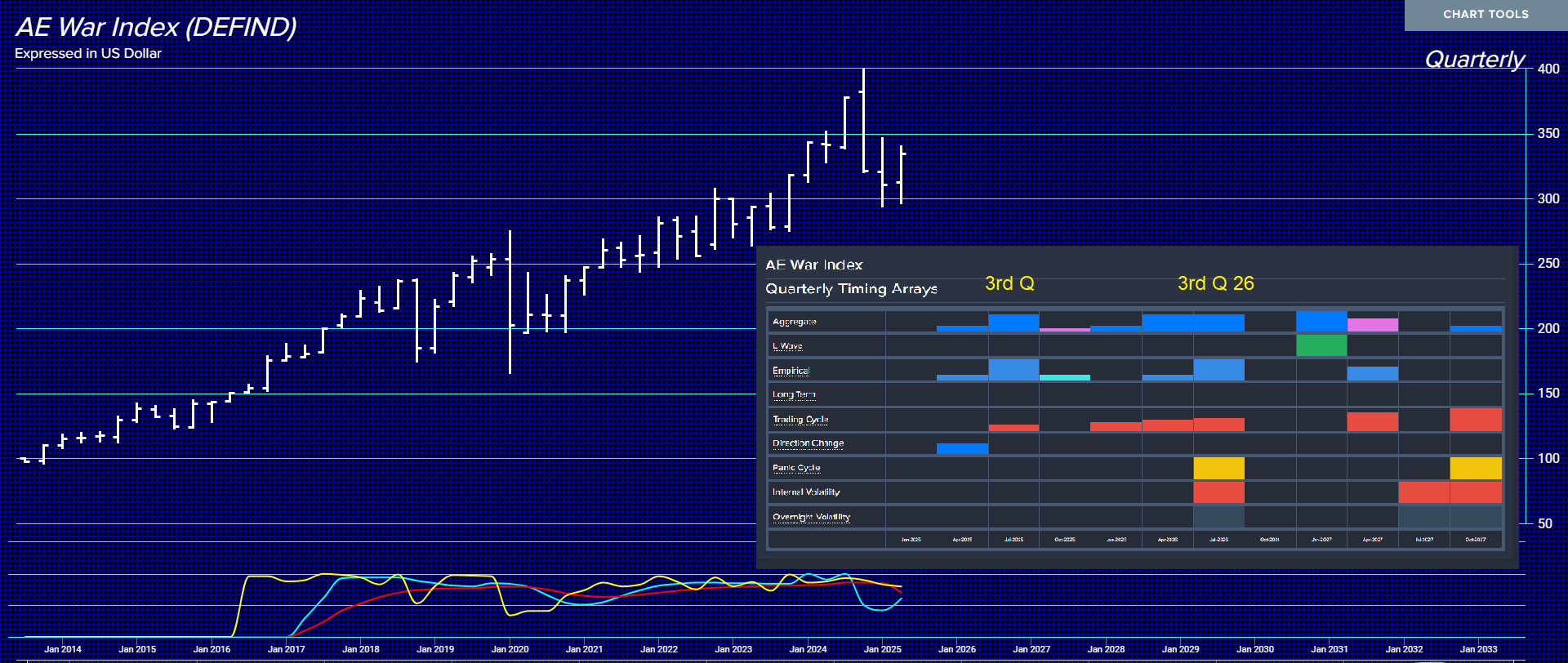
Our model peaked intraday in the last quarter of 2024, with the third quarter of 2024 as the highest quarterly closing. The correction was to be into the first Quarter, and then the second quarter was a Directional Change. We will now head into the third quarter of 2025, which should reflect the failure of any peace deal because any ceasefire is only to regroup and rearm Ukraine. There is no resolution to this, and the EU will NEVER allow Ukraine to have peace.

Zelenskyy Johnson

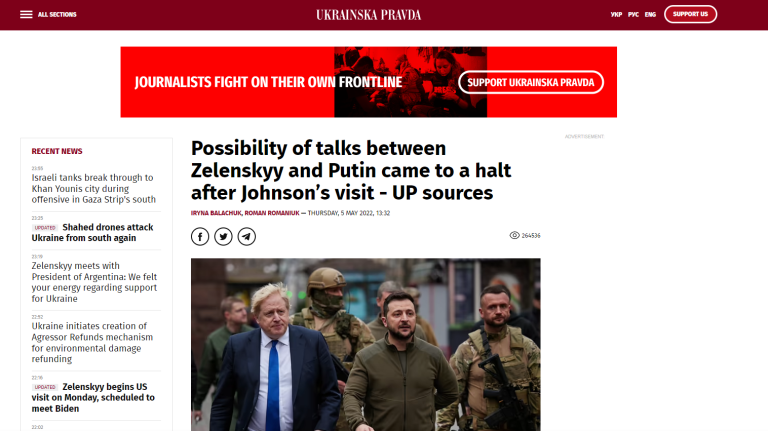
There was a peace deal. Putin withdrew his tanks around Kiev, and Boris Johnson flew to Ukraine and instructed Zelensky not to sign any peace deal. More than one million Ukrainians are now dead. My sources in the US military confirm that all the claims that Russia has lost 1 million are fake news. This is all to push for war. Europe does NOT want peace. They are broke, and without war, the people will be storming their parliaments with pitchforks to hang these politicians on the street, for everything they were promised will vanish in a sovereign default. They NEED a distraction, and that is war with Russia, the same as Carney ran against Trump in Canada and avoided all domestic economic damage carried out by the Liberal Party.

It is NOT a question of IF but only WHEN

That’s our Computer – not my personal opinion.

Categories:War

2025: The Year Confidence Shifted


Posted originally on Dec 29, 2025 by Martin Armstrong |  

Confidence in Government

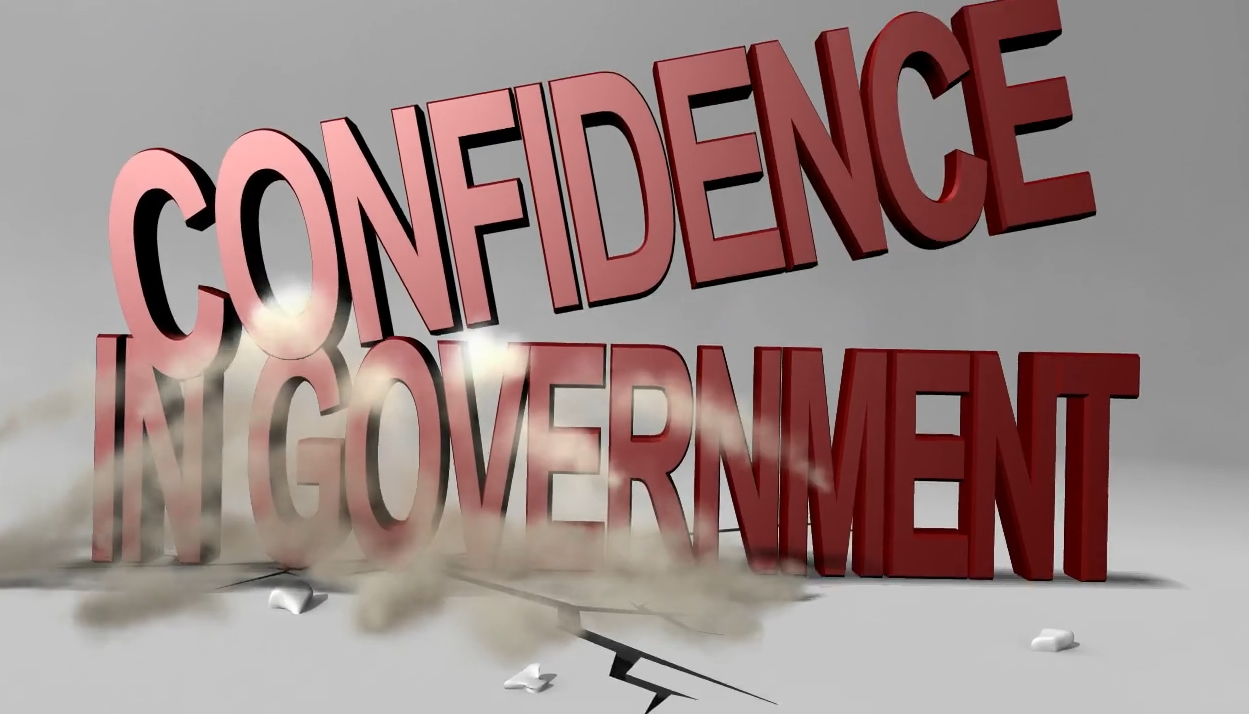
The year 2025 was not defined by a single shock, but by a decisive break in confidence. Governments repositioned, as did central banks, but both have realized they are unable to stop the cycle in motion. The public no longer trusts those in charge of monetary or fiscal policy and confidence was the dominant theme of the year.

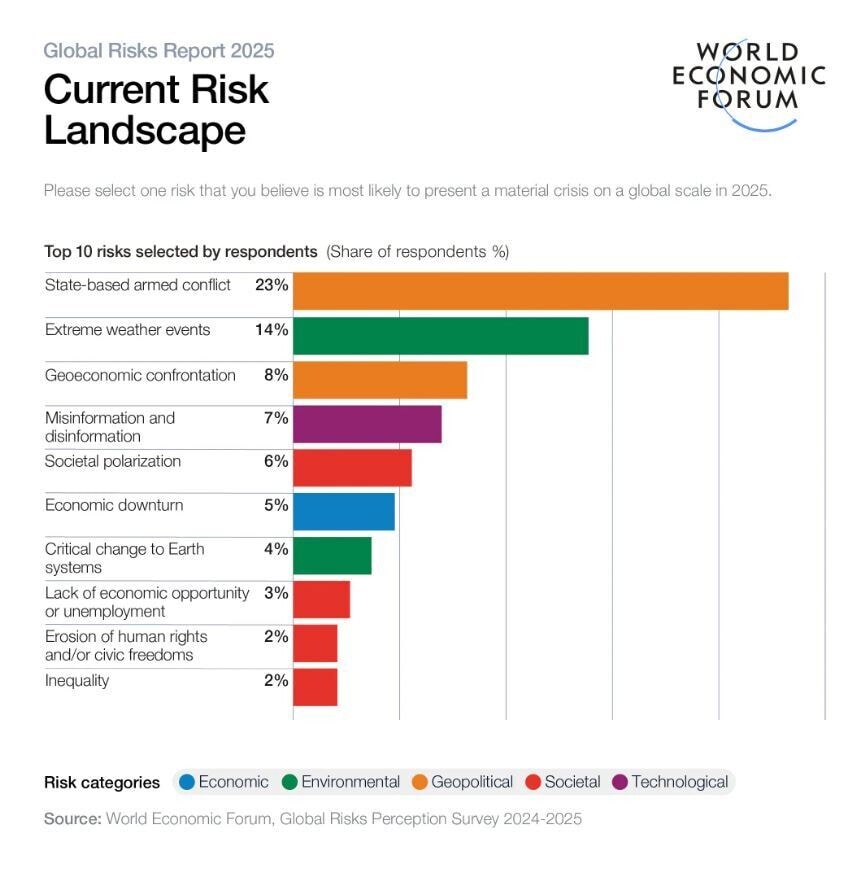
The drums of war loudly rang throughout the world. The Middle East saw intense conflict between Israel and Palestine. The West gained strategic partnerships with formerly ousted partners and created new enemies. Europe continued to build its defenses as it braces for World War III, promoted by its own neocons who have refused to accept peace. Nations drifted deeper into debt as they prepared for the inevitable, propelling the sovereign debt crisis. Russia acknowledged that it is at war with NATO and has increased its nuclear power. There were over 110 ongoing wars across the globe in 2025, and tensions are intensifying.

Economic warfare persisted. April’s tariffs and market correction sent shockwaves through the economy. Nations were forced to rethink trade and restrategize all imports/exports. War tensions rose in the East as all eyes are on Taiwan. China and the US remain at odds and are fighting for the title of “financial capital of the world.” China’s growing middle class and technological advancements rapidly accelerated.

Donald Trump taking office marked a global shift away from the globalist agenda–for now. Trump steered the US in a 180-degree direction from Joe Biden’s policies on energyimmigrationtrade, and most importantly, war. I warned that Donald Trump’s election could delay the inevitable but not prevent it. As expected, the opposition has opposed the president every step of the way, which led to the longest government shutdown in US history. Confidence cracked once more when it was revealed that Joe Biden did not assume authorship of his presidency, leaving the public to wonder who was in charge of leading the world’s top economy for the past four years.

The push toward the Build Back Better agenda collapsed after Trump, and we witnessed countless nations vote for candidates with nationalist ideologies. Klaus Schwab’s exit from the World Economic Forum was unexpected and marked a change in vision from the bureaucratic elites who can no longer rely on the lies of climate change to control the masses. The new leadership of the WEF signaled a new direction for the globalists. They have not relented on their mission but altered it to adjust to the changing tides.

The dawn of the AI age has led to a new rise of institutions and reframed the future. Semiconductor chips are of utmost priority, as well as rare earth minerals, both of which are in tight supply. Automation has begun to replace workers. Jobs are in tight supply as businesses no longer trust in tomorrow and will not expand even if there is an opportunity to borrow at lower rates.

current risk landscape

The most widely read content reflected that reality. When Vietnam erased and froze 86 million bank accounts tied to digital ID compliance, the response was immediate and global. Readers understood this was not about Vietnam, but about the future of money itself. That concern deepened as similar systems expanded elsewhere. Thailand’s biometric control model illustrated how surveillance, banking, and identity are converging into a single permission-based framework. Digital IDs and CBDC are not only valid concerns but concrete plans. Governments are increasing surveillance, tightening their grip on the masses who no longer trust them. Capital has poured into equities and tangibles as a hedge against governments.

The most engaged blog posts of 2025 shared a common thread: capital controls, digital identity, surveillance, war risk, sovereign debt, and the loss of credibility in government data. It is clear that the public has lost all hope in a reliable government. Trust has been lost, and people are seeking ways to protect themselves from increasingly authoritarian regimes.

2025 was the confirmation year. As we move into 2026, volatility will not come as a surprise. The Economic Confidence Model points to a heightened risk of financial stress, political instability, and sudden shifts in capital flows as confidence in institutions continues to erode. This is the phase in the cycle when governments are forced to react, often resorting to control measures as volatility rises. Although 2026 will be far from a calm year, the computer will continue to guide the way and provide a bit of predictability amid an unstable world.