Posted originally on Mar 24, 2026 by Martin Armstrong |
What is unfolding in Slovakia right now is being described as “fuel tourism,” but that term itself is misleading because it suggests something abnormal when in reality this is exactly how markets are supposed to function when governments distort pricing. When diesel is cheaper in one country than another, people will cross the border to buy it.
Slovakia is now moving to stop this behavior by allowing higher diesel prices for foreign drivers and limiting how much fuel can be purchased, after Prime Minister Robert Fico admitted that in some northern regions near Poland, gas stations had “literally dried up” due to cross-border demand. The government has introduced caps on fuel purchases and allowed differentiated pricing based on license plates.
The real cause is not Polish drivers but distorted energy pricing across Europe, which has been building for years and is now being exposed by geopolitical events. Slovakia had artificially lower diesel prices, while neighboring countries had higher prices, and that gap created the incentive for cross-border demand. When governments interfere with pricing, they create imbalances, and those imbalances always attract movement of capital or consumption.
The disruption of Russian crude flows through Ukraine has created supply stress across Central Europe, forcing countries like Slovakia to rely on reserves and alternative sources while prices remain volatile. This is not a localized issue but part of a broader fragmentation of energy supply chains across Europe driven by sanctions, war, and policy decisions that have removed stable supply in favor of politically acceptable alternatives.
What makes this situation more revealing is that Ukraine itself has played a direct role in exacerbating the problem. Zelensky moved to restrict the transit of Russian oil through Ukrainian pipelines, which directly impacted Slovakia and Hungary, both of which rely heavily on that supply through the Druzhba pipeline system. These countries were not aligned with cutting off their own energy lifeline, yet they were forced into the situation by Brussels. Instead of protecting the interests of its own member states, the European Union sided with Ukraine, effectively supporting policies that undermined the energy security of Slovakia and Hungary while expecting them to absorb the economic consequences.
This is where the internal contradictions of the European Union become clear. You cannot claim to operate as a unified economic bloc while allowing external political objectives to override the basic energy needs of member states. When Brussels supports policies that harm certain members for the sake of a broader geopolitical strategy, it exposes fractures within the system that will not remain contained.
What you are seeing now is the collision between political decisions and market reality. Instead of allowing prices to normalize and supply chains to stabilize, governments are trying to prevent the natural response of consumers by imposing restrictions. They are treating the symptom rather than the cause. When stations run out of fuel, it is not because consumers behaved irrationally but because pricing signals were distorted and supply was constrained.
This is exactly what I have said repeatedly about price controls. You cannot manipulate price without manipulating behavior. If you hold prices artificially low, you create excess demand, and when you try to suppress that demand, you create shortages.
Fuel tourism is simply the market correcting a pricing distortion. You cannot have a unified “European market” with fragmented pricing, and you cannot maintain free movement while imposing selective restrictions. Eventually, these contradictions surface.
The deeper issue is energy dependency. Europe has deliberately moved away from stable long-term energy relationships while increasing reliance on volatile global markets. When supply disruptions occur, there is no buffer, and prices become unstable.
Hungary also imposed fuel caps. Each country in Europe is attempting to manage the same problem in isolation, but they’re expected to act in unison. The entire concept of the euro is chaotic, and now we are witnessing a structural breakdown of coherent energy policy across Europe.
Posted originally on Mar 24, 2026 by Martin Armstrong |
Despite her enthusiasm for sending other people's children to the frontlines of war, Ursula von der Leyen laughs at the idea of her own children serving in the military. 😳 pic.twitter.com/HcgyMK1AMI
There is a video circulating of Ursula von der Leyen laughing at the idea of her own children serving in the military, and whether people choose to dismiss it or not, it reflects something far deeper than a single moment. It exposes the widening divide between those who advocate for war and those who are expected to fight it.
I have said repeatedly that the neocons pushing for conflict are never the ones who bear the consequences. They sit in offices far away from the conflict and treat war as if it were a board game. The bloodshed is of no bother to these warmongers.
Now we see Europe once again moving toward policies that expand their place in Ukraine’s war. Germany is even taking steps toward drafting women, framing it as equality, but it is not about equality. It is about manpower. They are prepared to wipe out an entire generation.
Tucker Carlson and Charlie Kirk had a conversation on the topic of drafting women back in 2024. “It’s totally immoral,” Carlson said on the subject. “And then I thought, ‘Wait a second, I thought we had a military and a police force — for that matter — in order to protect our women and children.’ That was the whole point of it. I mean, that’s why we have a military is to keep foreigners from hurting our women and children. That’s why we send men to die for their women, our women whom we revere and respect, and to the extent we’re willing to die for them. And so, for sending women to go fight our wars, that — first of all, that’s not, you know, that’s not a liberation movement. That’s a kind of slavery, and it’s totally wrong.”
Who are they pretending to protect at this point? Neocons are COWARDS. History was shaped by leaders like Julius Caesar or Napoleon who actually stood on the battlefield with their men, shared the risks, and led from the front rather than from behind a desk. Today’s political class expects others to fight, bleed, and die for decisions they will never physically face themselves, which is why the public increasingly sees them not as leaders but as cowards who demand sacrifice from others while exempting their own families from the very dangers they promote.
Governments are no longer concerned with public resistance. They are preparing policies based on their plans for a prolonged war, not consent. Von der Leyen’s response was public—imagine how they speak about us behind closed doors?
Posted originally on Mar 24, 2026 by Martin Armstrong |
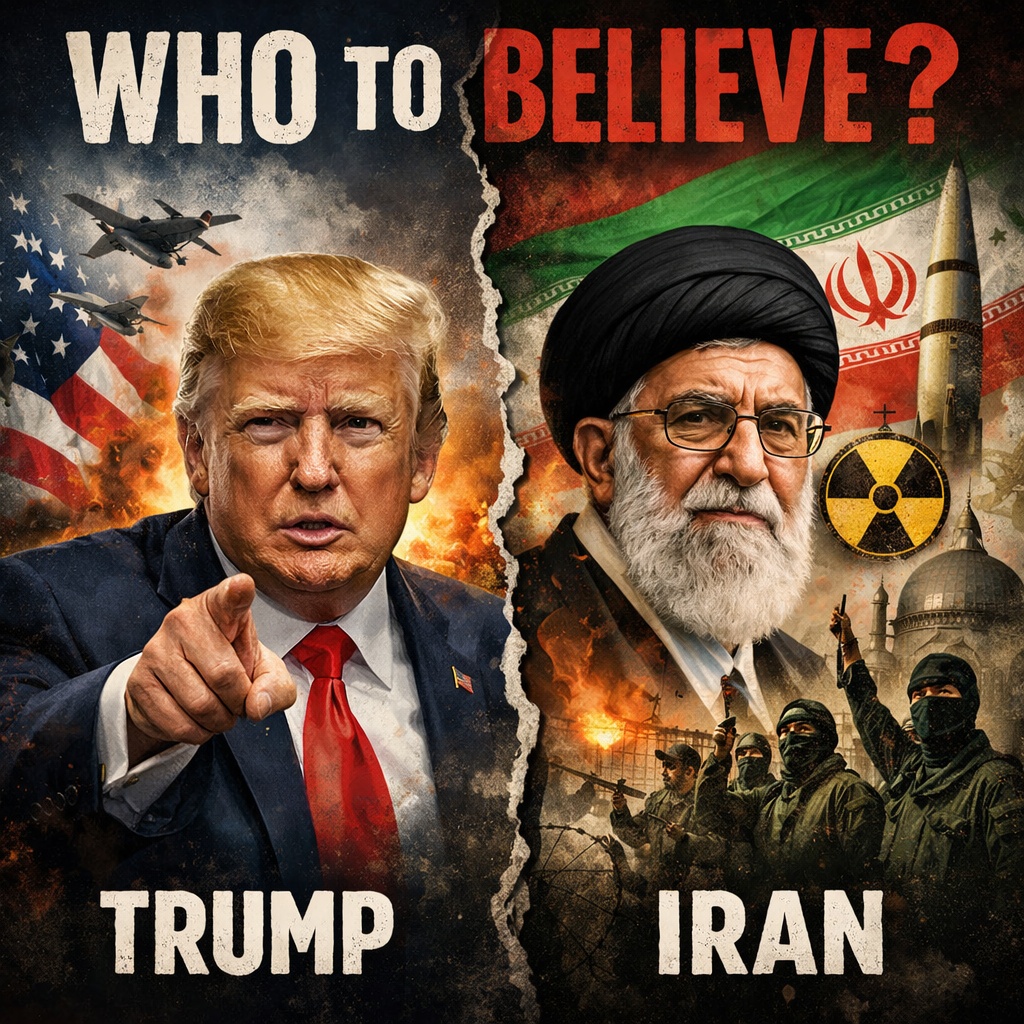
President Donald Trump on Monday said the United States has engaged in “very strong talks” with Iran and reached “major points of agreement” that could end the war, which Iranian officials have firmly denied.He then claimed that Steve Witkoff and Jared Kushner spoke with a leader in the Iranian regime on Sunday and would continue talks by phone on Monday.
“They want very much to make a deal. We’d like to make a deal, too.”
Trump added that if negotiations fall apart, “we’ll just keep bombing our little hearts out.”
Mohammad-Bagher Ghalibaf, the speaker of Iran’s parliament, on Monday said “no negotiations have been held with the US.” Iran’s foreign ministry also denied Trump’s claims about negotiations, according to Iranian state-run media.
In response to Trump’s threats, Chinese Foreign Ministry spokesperson Lin Jian said that the conflict and its impact on Hormuz has threatened global energy security as well as China’s oil supplies. He warned that Trump’s “use of force will only lead to a vicious cycle.” He added:
“If the war expands further and the situation deteriorates again, the entire region could be plunged into an uncontrollable situation.”
Beijing is a partner of Iran, which has been the victim of this war of aggression launched at the insistance of Netanyahu. China has, however, objected to Tehran’s retaliatory strikes against Gulf States housing US military bases, which has triggered a widening regional war and threatens a major energy and debt crisis.
The real concern is that Trump realized that bombing their energy sector would only result in a retaliation against the Gulf States taking out their production capacity and refineries. Doing that will send oil prices dramatically high for this is not sinking a mere tanker which is no more than a rounding error in global finance. Take out the production leaves a structure crisis more akin to the ’70s.
Moreover, there is also a fear here is that Trump is not a man of his word and he has turned and bombed in the middle of negotiations. The concern here is that this is a story to delay any bombing in 48 hours without admitted that there was no negotiation raising fears that he could then just claim the negotiations fell apart and then bomb then next week.
Vide
The grandfather of Neocons after John McCain died, became Senator Lindsey Graham, who is now boasting about this war with Iran with zero comprehension of how this war impacts the world economy unlike that of Ukraine or even Taiwan. He has expressed support for the U.S. invasion and even seizing Iran’s Kharg Island. Of course, he speaks from the typical neocon arrogance that stems from their delusion that the US has the biggest military and that means they are invincible.
He has zero understanding of the world financial markets and never considers that the Dow Jones Industrials can still fall to the 43,900 level even by next week. Such a move could also send crude oil to $175 by next week.
Posted originally on Mar 23, 2026 by Martin Armstrong |
QUESTION: You have provided a real history of this constant threat that Iran will have a nuclear weapon, with Netanyahu’s personal obsession with attacking Iran for 40 years. My question is what is the difference that Iran would have a nuclear weapon and that of North Korea or Pakistan? They have nuclear weapons, but that does not mean they use them. It seems to me that the threat means that Netanyahu cannot invade Iran. Am I missing something?
RK
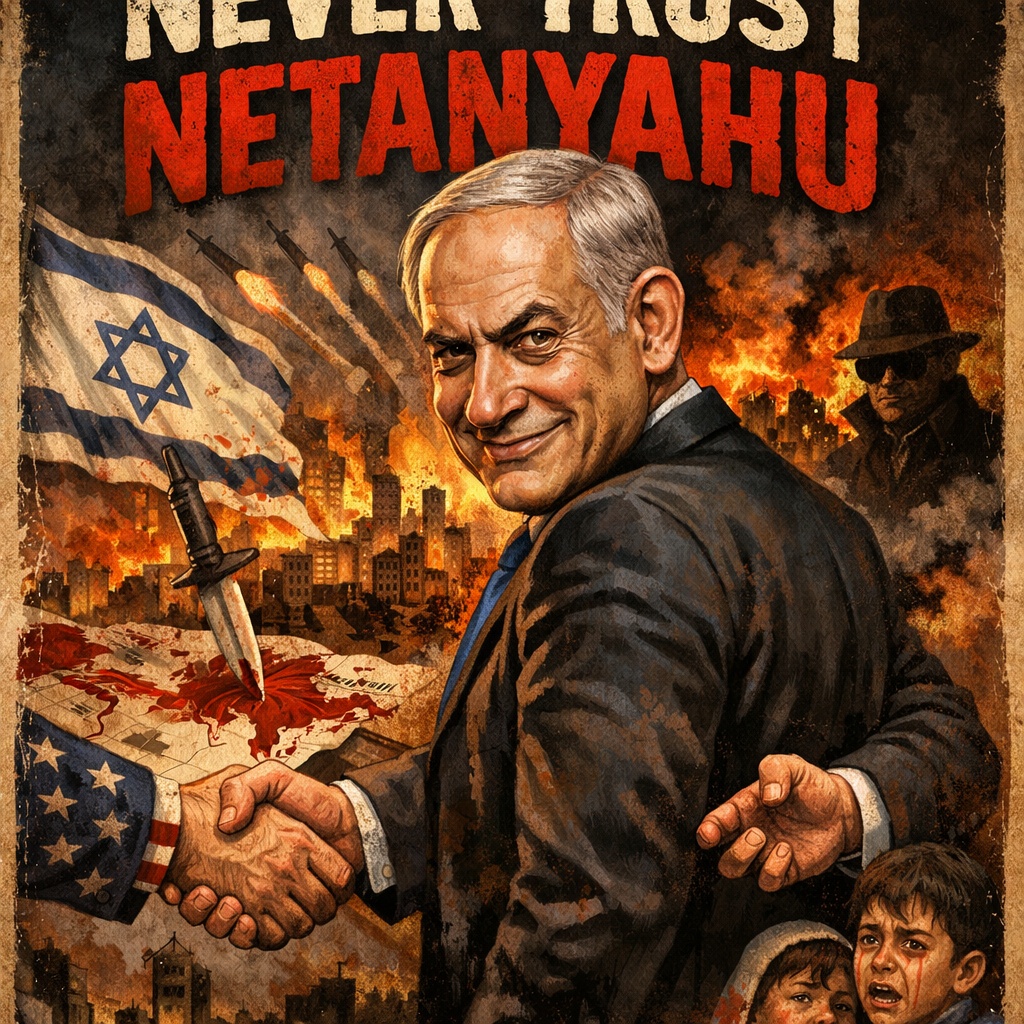
ANSWER: No. This seems to be an obsession of Netanyahu’s. Iran would not suddenly use it to attack Israel, for they know they would be annihilated in return. That is why Pakistan and North Korea do not use them. They are more of a deterrent. You could have done the same to North Korea to “prevent” it from developing a nuke. I have zero respect for Netanyahu, and I believe he is the most dangerous threat to Israel.
Posted originally on Mar 23, 2026 by Martin Armstrong |
Jerome Powell finally said out loud what the revisions have been quietly showing for months. During his March 18 press conference, Powell said that “effectively there’s zero net job creation in the private sector” over roughly the past six months after adjusting for what Fed staff view as overstatement in the payroll data. He added that the economy appears to be in a “zero employment growth equilibrium,” which he tied to virtually nonexistent labor-force growth. Those comments came directly from the Fed chair, not from some critic on the sidelines, and they confirm the broader point I have made repeatedly that the headline payroll numbers are often political theater until the revisions arrive and reveal the truth.
This is precisely the problem with how governments sell economic data. The first number is always used for propaganda, while the revised number is where reality begins to emerge. The official February jobs report showed payrolls falling by 92,000, while December was revised down from a gain of 48,000 to a loss of 17,000 and January was trimmed to 126,000. The Bureau of Labor Statistics also said December and January combined were 69,000 lower than previously reported, and earlier benchmark revisions had already reduced 2025 payroll growth materially. Powell was not inventing a new concern. He was simply acknowledging that the labor market has been far weaker than the government wanted to admit.
If you step back from the monthly headlines, the underlying data has been deteriorating for some time. JOLTS showed January openings rising to 6.946 million, but hiring was still only 5.294 million and the hires rate held at 3.3%. Reuters noted that total hiring in 2025 fell by 1.5 million to 63.0 million. Weekly claims remain relatively low, which is why the unemployment rate has not exploded, but low layoffs do not mean strong growth. They simply mean companies are hesitant to fire aggressively while also refusing to hire.
ADP has been telling a similar story. Private employers added only 22,000 jobs in January and 63,000 in February, hardly the sort of numbers you would expect if the economy were booming. Even Powell admitted that a good part of the labor slowdown reflects weaker labor-force growth due to lower immigration and participation. In other words, the economy is stagnant.
I have written many times that governments always hide behind statistics until the cycle forces the truth into the open. This is why I have been skeptical of the jobs numbers for years, because they are heavily model-driven, politically celebrated on release day, and then quietly revised when nobody is looking. BLS even changed its CES birth-death methodology beginning with January 2026 to modify first preliminary estimates, which shows just how dependent these reports are on assumptions about business formation and death rather than hard counts in real time. Meanwhile, analysis based on QCEW tax records, which many regard as the gold standard because it is built from unemployment insurance filings, has suggested the BLS materially overstated job growth during 2025.
Powell still described the economy as “solid,” but he also conceded that job gains have remained low and that the labor force is no longer expanding in the way the country has historically relied upon. When the Fed chair is openly admitting there is effectively no private-sector job creation, that is not a minor footnote. That is the sort of statement that appears at the end of a trend, not the beginning.
The bigger problem is that this comes while inflation is still above target. Powell said headline PCE was about 2.8% and core PCE about 3.0%, while the Fed kept rates at 3.5% to 3.75% and projected unemployment at 4.4% by year end. That means the Fed is trapped. It cannot aggressively ease if inflation is still elevated, and it cannot pretend the labor market is healthy if job creation is flat to negative beneath the revisions. This is how central banks lose control, because they are always fighting the last problem while the next one is already in motion.
What Powell said matters because it strips away the fantasy that everything is fine so long as the unemployment rate has not surged. A labor market with little hiring, downward revisions, weak private payroll growth, and nonexistent labor-force expansion is not a healthy market. It is a market marking time. Governments always celebrate the first estimate and bury the revision because confidence management has become the real product they sell. Powell just admitted that the product is no longer matching reality.
Posted originally on Mar 23, 2026 by Martin Armstrong |
California lawmakers are now advancing a measure that would allow race-based preferences in financial aid, which is remarkable when you consider that the state constitution has explicitly prohibited such practices since 1996. Proposition 209 banned the state from granting “preferential treatment” based on race in public education, employment, and contracting, yet once again, we see politicians attempting to work around that restriction rather than respect it.
The proposal is tied to broader reparations efforts and would reintroduce preferential treatment in education through financial aid rather than admissions alone. This follows the 2023 Supreme Court decision that race-based admissions violate the Equal Protection Clause, which was expected to settle the issue legally. Instead, we are seeing the continuation of the same objective under different labels.
This is exactly what I have said repeatedly about DEI. These policies were not abandoned but repackaged. Whether it is affirmative action, diversity initiatives, equity programs, or now financial aid adjustments, the objective remains the same.
Every time government interferes with how resources are distributed, it distorts outcomes. The Department of Justice has already indicated that race-based scholarships and similar programs may violate federal law. That highlights the growing conflict between state-level policy and federal enforcement. Trump was unable to simply dissolve DEI programs when there are far-left politicians ruling at the state level.
DEI has effectively become a mechanism for redistribution and race-based division. Opportunities are no longer granted based on merit. Redistribution merely reallocates existing opportunity within a system that is no longer expanding. Not only is it racist, but it is detrimental to the system at large.
California already attempted to repeal its ban on race-based preferences in 2020, and voters rejected that effort. That should have been a clear signal. Instead, policymakers are pursuing the same objective through alternative channels. When merit is replaced by political allocation, productivity declines and the system weakens over time.
Posted originally on Mar 23, 2026 by Martin Armstrong |
COMMENT: Hello Martin
Here in the UK there is a fear campaign being waged about the rise in meningitis. Miraculously they have the vaccine ready to save us all!!
Do you believe this could be another C19?
REPLY: What is taking place in the UK right now with meningitis is being presented in the press with the same tone we saw during COVID, yet when you strip away the headlines and actually look at the data, the story becomes very different because this is not a national crisis but a localized outbreak being framed in a way that amplifies perception beyond statistical reality.
The outbreak has been centered in Kent and largely tied to a university and a nightclub event, with roughly 27 to 31 total cases and two deaths reported, and while officials have described the clustering as unusual, the broader context is that the UK typically records ongoing cases each year with England reporting roughly 378 cases in the 2024 to 2025 period, meaning this is a known bacterial disease rather than anything new or emerging.
What is actually happening is a localized outbreak of meningococcal disease, primarily the MenB strain, which has existed for decades and tends to spread in close-contact environments. It is not airborne in the way respiratory viruses are, but instead spreads through direct contact. Despite that, the response has begun to follow a familiar pattern where authorities contact tens of thousands of people, expand vaccination programs, and distribute thousands of antibiotic treatments. Universities move activities online and warnings are issued about travel potentially spreading the illness, all of which begins to mirror the behavioral response cycle seen during COVID even though the scale and transmission entirely different.
The comparison is not about the disease itself but about how the situation is being framed and managed, because during COVID, the key issue was not just the virus but the fear-mongering propaganda through constant headlines and policy escalation. Fear is a powerful tool.
When you look at the actual risk assessments, health authorities have stated that the overall risk remains low and that the disease is not easily transmissible. There is already an established vaccine that is effective against the strain involved, which further reinforces that this is a contained public health issue rather than a systemic threat. The media narrative focuses on the most alarming aspects, such as deaths, and uses language like “explosive” or “unprecedented,” which becomes misleading when removed from the statistical facts. Governments use public fear to seize more control, and the cycle repeats.
From the perspective of the Economic Confidence Model, this type of reaction aligns with periods where confidence is declining and governments expand their role in managing outcomes, since public health provides a mechanism through which intervention can be justified, particularly when uncertainty and fear are running high.
Posted originally on Mar 23, 2026 by Martin Armstrong |
Even Gallup Poll has shown that only 38% of Americans were satisfied with the US position in global geopolitics and 61% dissatisfied with the United States’ position in the world BEFORE the military action in Iran. Tulsi Gabbard has refused to confirm any intelligence assassment that presented Iran as an immediate threat. President Trump has publicly and explicitly dismissed intelligence assessments made by his own Director of National Intelligence, Tulsi Gabbard. He stated that her conclusions were wrong and even said he did not care what she had to say .
The most direct public contradiction occurred in June 2025 regarding Iran’s nuclear program. She said Iran “is not building a nuclear weapon” and has not restarted its weapons program. Trump seems to be listening to Netanyahu who has always insisted that Iran is on the verge of getting a nuclear bomb. Trump stated publicly “they were very close to having one.” Trump has even bluntly and explicitly rejected her assessment, stating, “I don’t care what she said.”
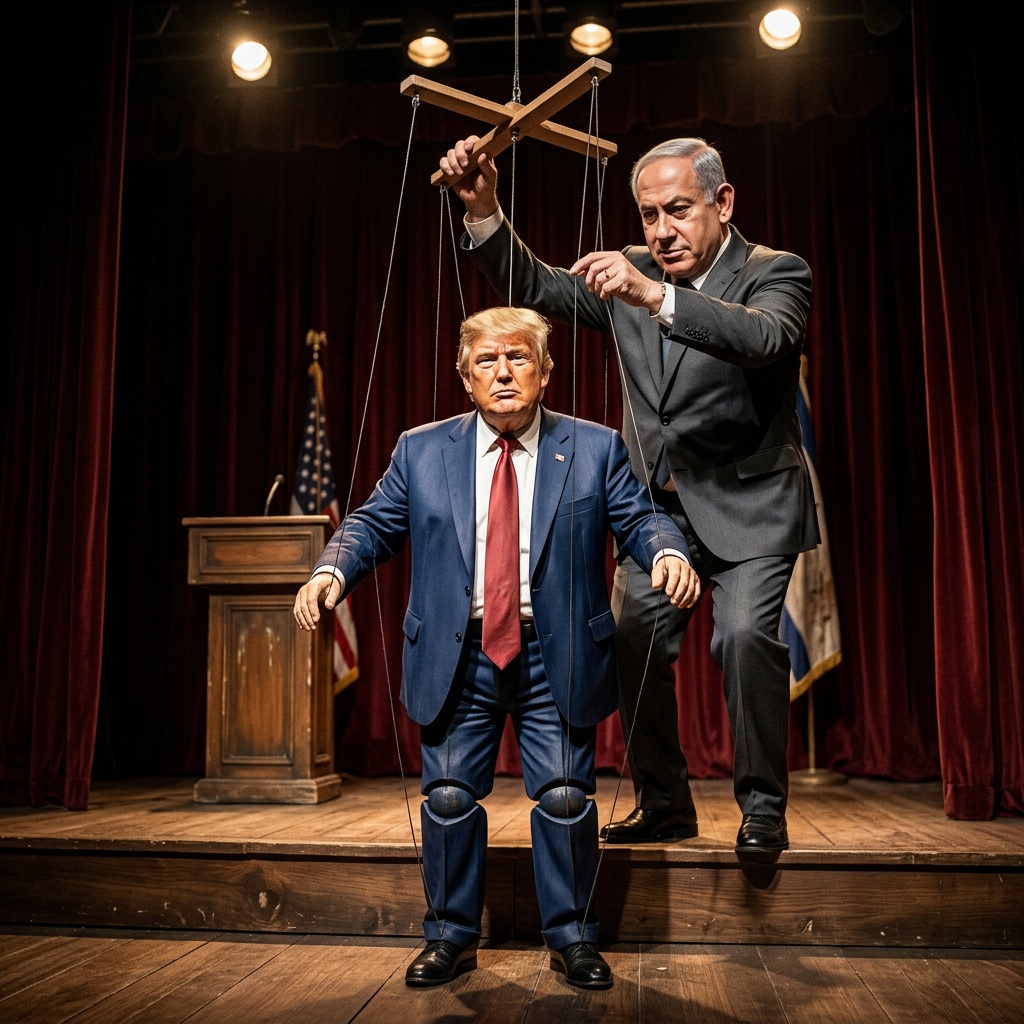
This clash highlights a fundamental tension in how the two assessments. Gabbard’s job is to present the findings of the U.S. Intelligence Community. In her March 2025 testimony, she relayed the official assessment that Iran’s leaders had not authorized a nuclear weapons program. President Trump, who has a long history of distrusting his own intelligence agencies, showed no hesitation in dismissing the official analysis when it conflicted with his own views. The real question is is this a personal conviction or is this Neocon and Netanyahu insistance?
The disagreement is particularly notable because Gabbard was selected by Trump specifically for her skepticism of the “deep state” and the intelligence establishment, which some analysts believed would make her a loyalist. However, their different views on U.S. intervention in the Middle East led to this public rift.
Vid
Since 2002, Israeli Prime Minister Benjamin Netanyahu has explicitly argued that Iran and others are seeking nuclear weapons and made it always sound as an immediate threat for at least 30 years. Recently, he has claimed invasion was justified even after the 2025 bombing and has used a “months” timeline for Iran’s nuclear program as a key justification for launching the current war, and this pattern of issuing such warnings dates back decades.
On March 2nd, 2026, Prime Minister Netanyahu gave a series of interviews, primarily to Fox News, where he laid out his rationale for the military strikes against Iran that began on February 28. He stated that the attacks were a pre-emptive measure because Iran had begun constructing new, heavily fortified underground bunkers for its nuclear and ballistic missile programs.
His central warning was that these new facilities would become “immune within months,” making a future military strike impossible. “If no action was taken now, no action could be taken in the future,” Netanyahu said, framing the attack as a necessary action to close a closing window of opportunity.
This recent use of a ticking clock is NOT new. According to a historical analysis, Netanyahu has been sounding similar alarms for over 30 years.
Early in his political career back in 1992, Netanyahu told the Israeli parliament that “Iran is close to producing a nuclear weapon within three to five years.”
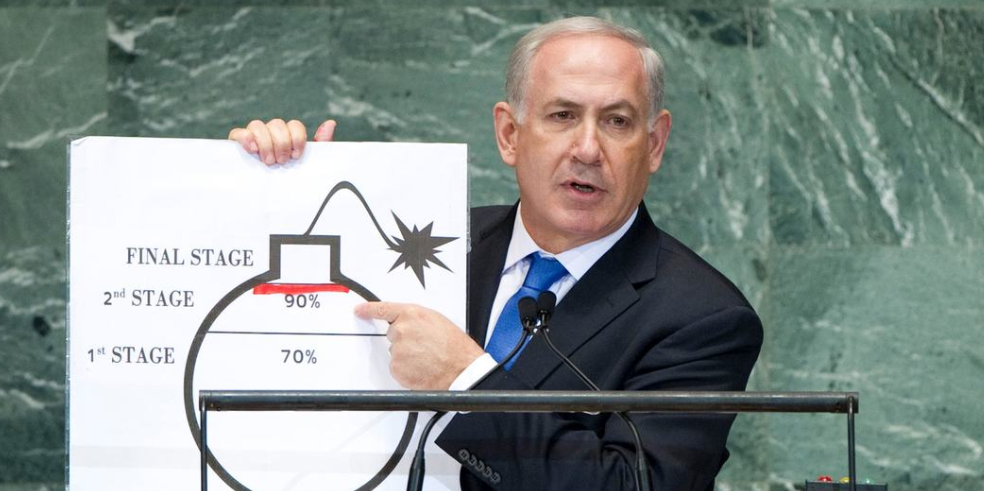
In a famous 2012 speech at the United Nations, Netanyahu held up a diagram of a bomb and drew a red line, warning that Iran was “a few months, possibly a few weeks” away from having enough enriched uranium for a nuclear weapon.
The 2026 military campaign is the culmination of this long-held position. After years of advocating for a strike, Netanyahu successfully enlisted the support of President Donald Trump to take action. His March 2 interviews explicitly linked the imminent threat of Iran’s “immune” facilities to the necessity of the war he and the U.S. were waging.
However, by late March 2026, Netanyahu’s tone had shifted significantly. After weeks of conflict, he held a press conference declaring victory, stating that “Iran today has no ability to enrich uranium, and no ability to produce ballistic missiles.” He hinted that the war could end “a lot faster than people think,” suggesting that the original justification for the invasion had been achieved.
In 2024, in his Knesset speech, Netanyahu said: “I’ve been warning about Iran for 30 years.” It was reported on March 3rd, during a visit to a site struck by an Iranian missile, Netanyahu stated: “We read in this week’s Torah portion, ‘Remember what Amalek did to you.’ We remember—and we act.”
In 1 Samuel 15:2-3, God gives King Saul a specific, direct order to carry out this command. The prophet Samuel relays the message: “This is what the LORD Almighty says: ‘I will punish the Amalekites for what they did to Israel when they waylaid them as they came up from Egypt. Now go, attack the Amalekites and totally destroy all that belongs to them. Do not spare them; put to death men and women, children and infants, cattle and sheep, camels and donkeys. ‘”
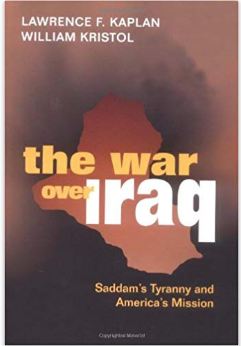
I have said, I grew up in the Philadelphia area and I know that Netanyahu went to school in Philadelphia and hung out with Irving Kristol, the godfather of the whole Neocon movement. It was Irving’s son, Bill Kristol, who even spoke at one of our WEC events during the ’90s who wrote the book to justify the Iraq War. If I remember correctly, he said taking out Iraq was to secure the future of Israel.
Kristol co-authored the 2003 book The War Over Iraq: Saddam’s Tyranny and America’s Mission with Lawrence F. Kaplan . In this and other writings, he argued for war based on these grounds:
Saddam Hussein as a Direct Threat: He argued that Saddam Hussein posed a “grave threat to the United States and its allies,” possessing or seeking weapons of mass destruction that could be used against America.
American Global Leadership: He believed the war was necessary to establish a “new American foreign policy” after 9/11 and to shape a new world order.
Spreading Democracy: He viewed the removal of Saddam as a step toward spreading democracy in the Middle East, which he argued was in the U.S. national interest.
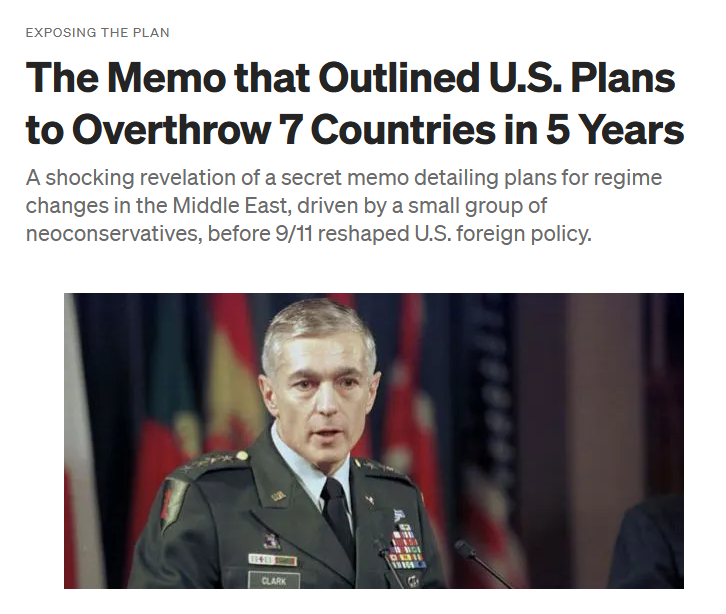
Many have argued that the real, unstated motivation was to eliminate a strategic threat to Israel and reshape the Middle East to its advantage. They often point to his leadership in the Project for the New American Century (PNAC) and the group’s 1996 “Clean Break” memo, which advised Israeli Prime Minister Benjamin Netanyahu on remaking the regional balance of power. Key figures involved in the PNAC included Dick Cheney, Donald Rumsfeld, Paul Wolfowitz, Richard Perle, and other prominent defense and foreign policy hawks who would later become central figures in the George W. Bush administration.
Netanyahu has argued this Clean Break memo by his rhetoric and actions. Kristol’s rebuttal and his allies have explicitly rejected this accusation, calling it a “canard.” They have stated that a stable, democratic Iraq was vital “first and foremost, to American interests” and that the idea they were driven by “dual loyalties” to Israel is false. I do not recall any disregard for Israel and I believe that was the main point.
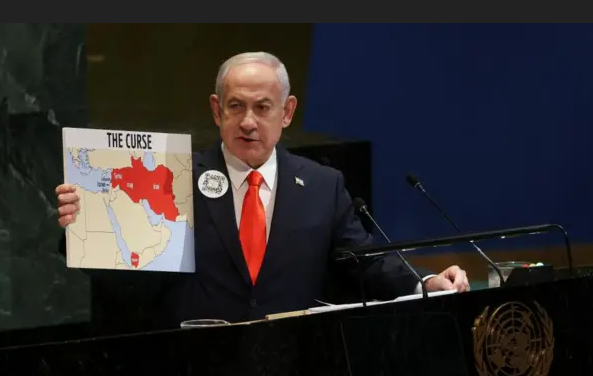
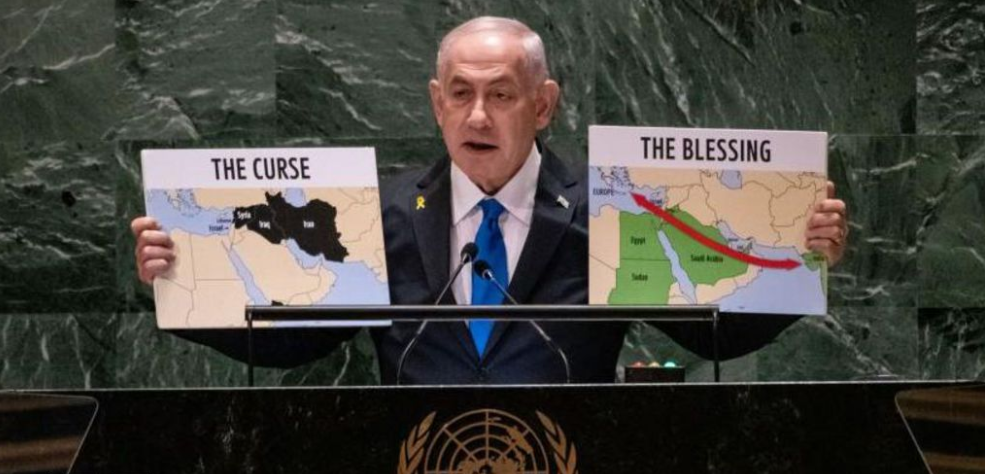
Prime Minister Benjamin Netanyahu has explicitly and repeatedly expressed support for a vision of a “Greater Israel.” While he has used the term “New Middle East” less frequently, the geopolitical outcome of his actions, particularly the war on Iran, aligns with that concept as a strategic reality shaped by Israel’s military dominance.
The “Greater Israel” Vision This concept refers to an expansionist ideology that seeks Israeli control over territory beyond its current borders, often invoking biblical claims to the “Land of Israel.” Netanyahu has openly declared his commitment to this vision. In an August 2025 interview with Israel’s i24NEWS, Netanyahu was directly asked if he subscribes to the “Greater Israel” vision. He responded, “Absolutely… very much.” He described his connection to this vision as a “historic and spiritual mission,” and in a separate interview stated, “I am emotionally connected to the vision of Greater Israel.”
The “Greater Israel” concept, rooted in Revisionist Zionism, claims territory from the Nile River in Egypt to the Euphrates River in Iraq. This would encompass not only all of Israel and the Palestinian territories but also large parts of Egypt, Jordan, Syria, Lebanon, and Iraq. His constant attack on Iran has many questioning if this is another weapons of mass destruction lie used for the Iraq War where Americans are sent to die for the dreams of Neocons.
I believe that Trump has been sucked into this game that these Neocons have refused to relinguish and stupidly think that they can conquer the entire Middle East simply because the United States has the largest military force. I have spoken with people who try to help veterans, and they have always said that the vets from Vietnam are angry knowing that their country lied to them compared to the vets from World War II.
I have family members who fought in Iraq and Afghanistan. I lost most of my high school friend to Vietnam. I believe these disgusting Neocons who are consumed with power and hatred used Netanyahu to manipulate Trump knowing what I know between the Philadelphia connections when I was just a kid. Benjamin Netanyahu lived in the Cheltenham, located in the suburbs of Philadelphia during two distinct periods. He lived in Cheltenham for elementary school while his father taught at a local college 1956–1958. He then attended Cheltenham High School from 1963 to 1967. Netanyahu was groomed as a Neocon and just because he sought a political career in Israel did not alter his Neocon upbringing.
Posted originally on Mar 22, 2026 by Martin Armstrong |
I have warned that (1) Iran can become a proxy war dragging the USA in deeper and deeper using up its missile inventory. At the same time, this is distracting the Administration from Ukraine and Taiwan. The obvious way to defeat the United States is the way Napoleon was defeated. While fighting on multiple fronts certainly contributed to Napoleon’s downfall, describing his defeat as simply a result of “too many wars” is an oversimplification. The core of the problem was strategic overreach: he initiated massive, unnecessary conflicts that bled his forces dry, which in turn allowed a united coalition of European powers to eventually overwhelm him.
China has adopted what is known as the “All-Dimensional Deterrence outside the island chain.” This is a very clear reference to intercepting any U.S. military forces in the Western Pacific Ocean that might attempt to intervene in Taiwan’s defense against an actual attack. Taiwan is already concerned that the US is going through cruise missiles like water in Iran even bringing assets from other regions to protect Ukraine and now Iran. I am concerned that the arrogance of the Neocons really running this war are clearly blinded for they cannot see that engaging in three wars simultaneously will necessitate resurrecting the draft and will add so much debt, the entire system may come crumbling down post 2028.
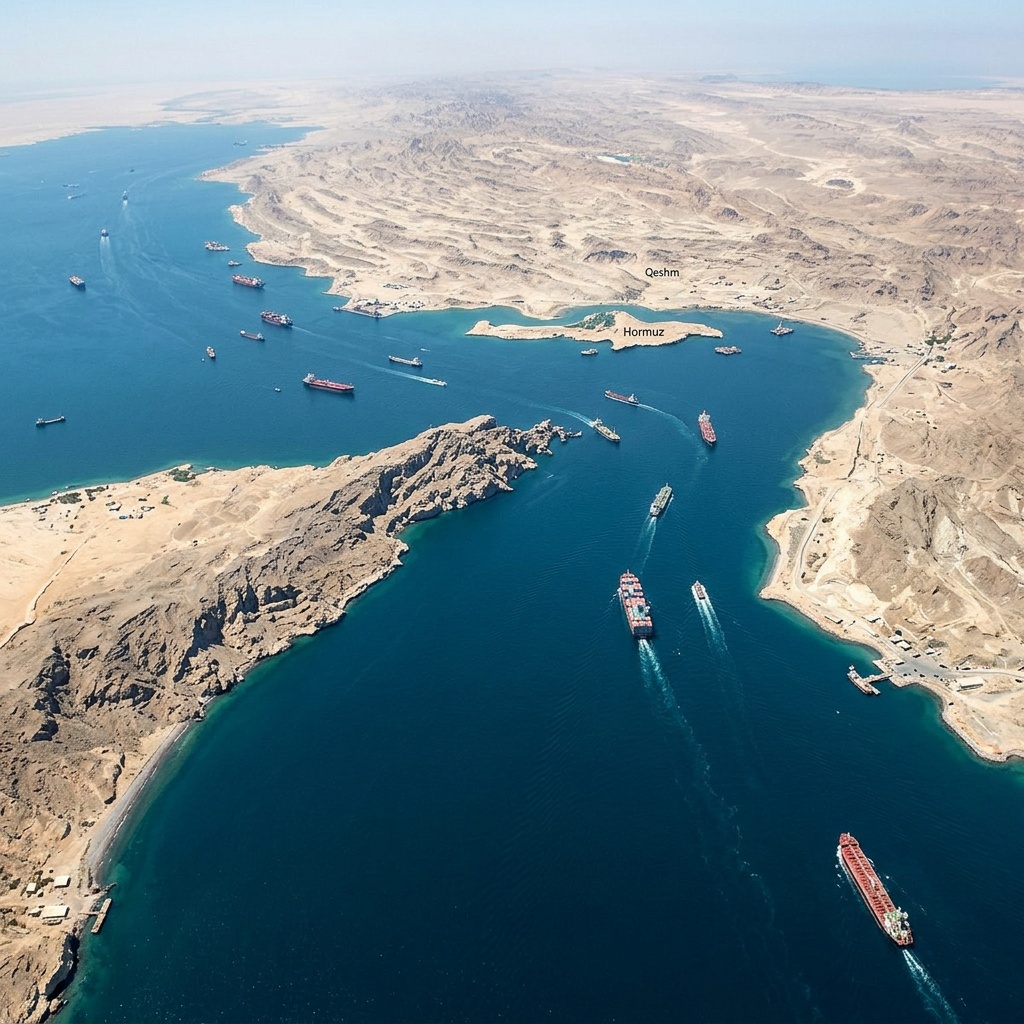
Iran’s warning that it will strike energy and water infrastructure across the Persian Gulf if Donald Trump follows through on his threat to destroy its power plants has raised fears of mass disruption in a region heavily dependent on desalination for drinking water. Such an attack on Iran’s electricity may hurt the Iranian people where they hope they will rise up against the government. But such an attack will be potentially catastrophic for its Gulf neighbors, which consume around five times as much power per capita. It is electricity that makes the desert cities habitable, in part by powering the desalination plants that produce 100% of the water consumed in Bahrain and Qatar. Such plants use seawater to meet more than 80% of drinking water needs in the United Arab Emirates, and 50% of the water supply in Saudi Arabia. Donald Trump on Sunday gave Iran 48 hours to fully reopen the vital strait of Hormuz to shipping or face the destruction of its energy infrastructure.
The consequences of that will backfile on Trump for it will drastically cut energy from the Middle East and send prices significantly higher and this will shift the markets that are up to now believing the BS that this will be a short war, So far, it appears Trump might back down, but not for long.
We need someone with a cool head here to prevent a major crisis that will forever change the political landscape post-2032.
Posted originally on Mar 22, 2026 by Martin Armstrong |
QUESTION #1: Marty, will anyone in Washington call Trump and insist that he at least meet with you? You have the only geopolitical computer that has more than a 50 year track record?
QUESTION #2: You also said that Netanyahu would use at least tactical nukes on Iran. Would you put a probability on that?
QUESTION #3: Martin …
I’ve been an independent trader for 34 years now, but I’m sitting here looking at forward Crude futures. Currently Dec 2028 futures is 69.91. This seems to be saying “the market” isn’t seeing a prolonged conflict yet Socrates is saying the opposite with potential $200+ Crude.
Dec 2028 Call Options are rediculously cheap.
I’m struggling a bit because we always say “the market is never wrong” . Somehow I cannot help but feel like at least temporarily the market is wrong.
Interesting times for sure !
So gratefull for you, your team and Socrates !
Allen H
ANSWER: These are some loaded questions. Netanyahu is dead wrong and he has bullshitted Trump and now Trump admit that so we are in a death spiral geopolitically as well as economically. There is absolutely nobody in Washington willing to stick their neck out because they fear they would be fired or not endorsed for the Midterm election.
Iran has responded to Trump’s 48 hour deadline stating it will move to shut down the entire Strait of Hormuz if Trump follows through with his threats to hit Iranian energy facilities. Trump said that the U.S. military would within 48 hours on his social media post Saturday evening that he would
“hit and obliterate [Iran’s] various POWER PLANTS, STARTING WITH THE BIGGEST ONE FIRST” if Tehran doesn’t fully open the Strait of Hormuz “without threat.”
Doing that will start the real energy crisis for that will be structural long-term damage not mere short-term rhetoric. The Iranian Revolutionary Guards said in its statement Sunday that any companies with U.S. shares will be “completely destroyed” if Washington targets Iranian energy facilities. Energy infrastructure of nations that host U.S. military bases will be “lawful” targets, they made clear.
Israeli will use tactical nuclear strikes on Iranian military targets and I would place the probability at 60-75% (likely). The targets will be IRGC bases, missile sites, military command centers. The justification will be a claimed “proportional WMD response, deterring future use.” I do not expect this to be shared with Trump.
However, the forwards are reflecting the rhetoric that they do not expect this war to be a long protracted event. It is the near markets that are never wrong, not the distant forwards. There is also a liquidity crisis where lending has dried up because of war risks and this has led to private selling of gold especially coming from Dubai, yet the central bank increased its gold reserves significantly before the war. This will turn more into a crisis starting in mid April running especially into June. When the perception shifts to realizing this will be a Middle East War that will not go away in just a few weeks, then things will get much more heated.
I have created this site to help people have fun in the kitchen. I write about enjoying life both in and out of my kitchen. Life is short! Make the most of it and enjoy!
This is a library of News Events not reported by the Main Stream Media documenting & connecting the dots on How the Obama Marxist Liberal agenda is destroying America









 Centinel2012