Netanyahu vs Trump


Posted originally on Mar 19, 2026 by Martin Armstrong |  
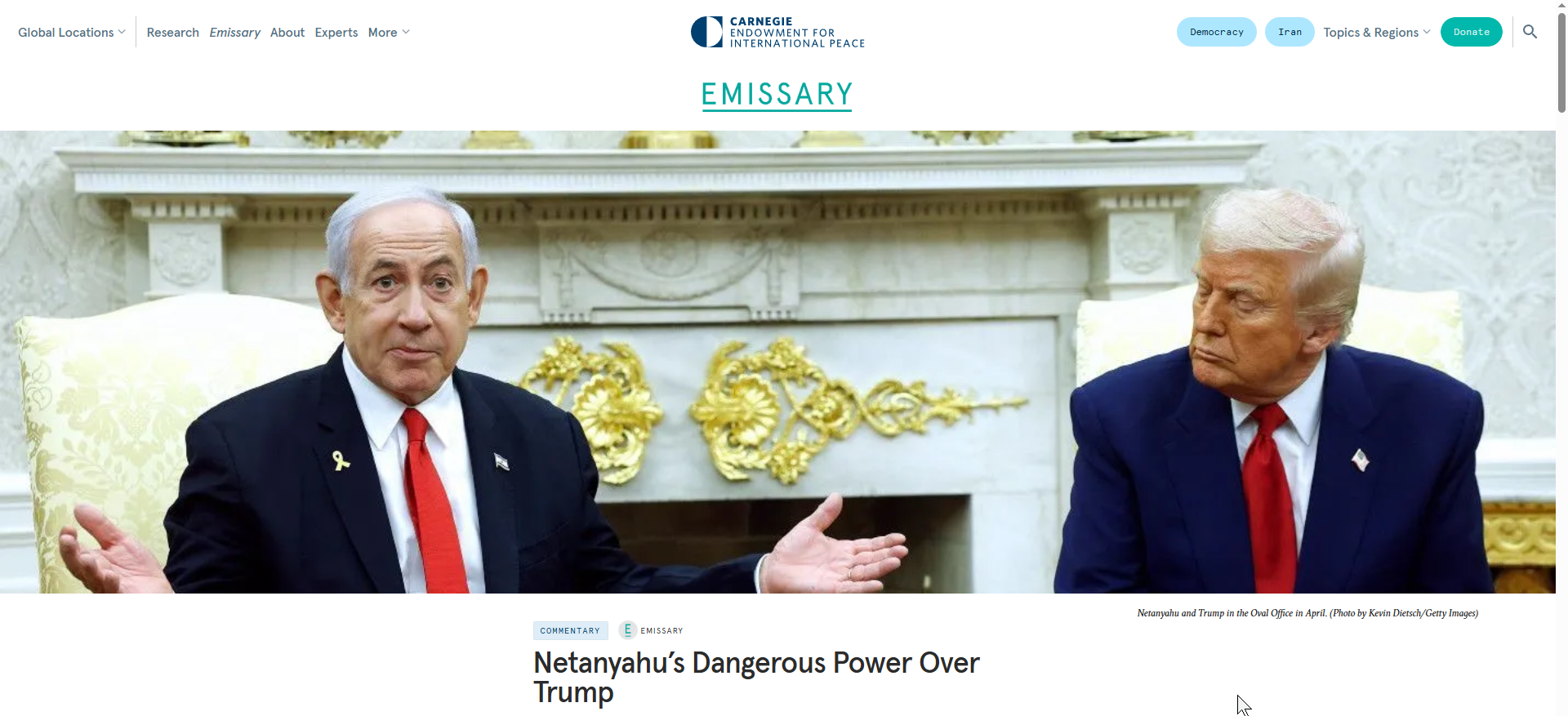
Netanyau Power over Trump

COMMENT: Marty, you were the first to point to Netanyahu was a neocon and they were using him to infiltrate the White House last year. You seem to be put in the middle of everything all the time. I had no idea Netanyahu went to school in Philadelphia, and that’s how you knew. Then you knew the Kristols. You know Europe well and have commented on how there has been a huge increase in anti-Americanism here, and you also warned that there would be a rise in antisemitism. It is questionable who is hated most here, Trump or Netanyahu. Everything has played out as Socrates has projected.

Al
Israel vs Iran 1

REPLY:  This is all Netanyahu’s scheme, along with the American Neocons. Rubio, who is a Cuban, is now trying to cause regime change in Cuba. These people will never stop interfering in other countries. I will do an update on the private blog. This on the one hand is going well for them, as they may have devastated the Iranian military, but there appears to be no regime change for the Islamic Revolutionary Guard Corps (IRGC). The IRGC is held together by religion, and this is playing right into the prophecies. The Israeli decapitation strategy of leadership is not weakening the government at this stage; it has stiffened its resolve. The Ayatollah has rejected a ceasefire. He has to know that Trump is on a short leash, and the longer this goes on, the worse it will be for him and in the midterms. The latest polls show he is -27 points just with independents. They never fogave Bush Sr for raising taxes after he said read my lips, no new taxes. Trump swore no more neocon endless wars.

The Japanese kamikaze Pilots were told to fly into American ships. They believed that the emperor was god so you do as god tells you. In the Middle East, individuals who carry out suicide bombings generally do not believe they are committing suicide, which is strictly forbidden in Islam. Instead, they believe they are performing an act of martyrdom (istishhād), a sacred duty of self-sacrifice in the path of God (fi sabil Allah) that promises great rewards in the afterlife. It is crucial to understand that this interpretation is highly contested and rejected by the vast majority of mainstream Muslim scholars and communities worldwide. It is essential to understand that the beliefs described above are based on interpretations of Islamic texts that are overwhelmingly rejected by mainstream Islamic scholarship.
oil_money_saudi_arabia_pc_800_clr_2381

This is what the Neocons fail to understand. You CANNOT judge an enemy based on your beliefs. All that matters is what THEY believe – not you. They underestimated Iran and they assumed that they would simply mine the Straut of Hormuz. The decision making in the war leaves a lot to be questioned.

The Israeli military killed Iranian Intelligence Minister Esmail Khatib, the latest in a series of high-profile killings of Iranian leaders that have worked to destabilize the nation’s institutions and industry as the U.S.-Israeli war with Iran intensifies. This has been their agenda to assassinate the leaders. They did that with Hammas, Hezbollah, Syra, Libya, and Iraq. This same strategy is now being deployed in Iran.

Here is the problem. So far Trump has not been attacking the Iranian regular army. Perhaps someone has learned a lesson from Iraq. You cannot simply destroy everything for then what comes at the end is sheer chaos. What is critical is that the main institutions are left intact for a post-war situation. Assuming the Islamic Republic collapses, the people need to have the infrastructure intact to form a normal government. If they leave Iran as the did Iraq, Sudan, Libya, Syria, etc., then the violence will only resurface from the chaos. There will be radical elements the surface just as ISIS in the aftermath of Iraq.

A rare written statement from Iran’s new supreme leader, Ayatollah Mojtaba Khamenei, promised retaliation for the killing of the nation’s top security official, Ali Larijani, saying, “All blood has its price that the criminal murderers of the martyrs must pay soon.” Because the IRGC is hard core religious, this makes it impossible to see them take some sort of leadership role. The best we can hope for is someone from the regular army rises up, but that could also end up in civil war.
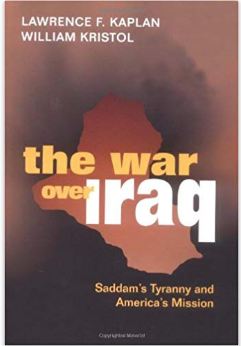
Kristol the war over Iraq

So far, Trump has avoided not just attacking the regular army, but the institutions that will be needed postwar. There is no intention to occupy Iran as took place in Iraq. Trump has also not destroyed the pipelines of Iran understanding that a postwar economy will need the oil exports to rebuild. The biggest crisis that I see is Netanyahu who seems to want genocide in Iran and the real risk here is that he can act in his own self-interest seeking to keep Trump engaged if not drag him in all the way with ground troops. My concern is that Trump is NOT fully in charge for Netanyahu cannot be counted on for honest intelligence any more than the weapons of mass destruction in Iraq. I knew Bill Kristol. He even spoke at one of our conference in the ’90s. If I remember correctly, he said taking out Iraq was to secure the future of Israel. He did write the book to justify that war.

In 2004, allegations surfaced that Iran was pursuing a nuclear weapons program, which was allegedly forged by Netanyahu to justify invading Iran back then. The International Atomic Energy Agency (IAEA) found NO credible evidence of such activities after 2003. Israeli Prime Minister Benjamin Netanyahu later claimed that Iran had lied about its nuclear ambitions, presenting documents in 2018 that he asserted were proof of a secret nuclear weapons program.

Joe Kent, the director of the National Counterterrorism Center, resigned on Tuesday in protest against the war on Iran. “Iran posed no imminent threat to our nation,” Kent wrote. So, what, in his estimation, was the reason for this war? Simple: The Israelis wanted it, and they get what they want. Of course, the Trump Administration is doing everything it can to now discredit Kent. Iran may be more of an existential threat to Israel, but the Iranian threat to U.S. civilians, service personnel, and interests abroad is constant and has been since 1979. They have cleverly switched the iss that Iran did not present a threat to the United States. They are claiming it was a threat only to those stationed in the region. The point is that the ONLY way a president can act without a declaration of war from Congress is to respond to a immediate threat. This is always the excuse for they used that against Iraq that they had weapons on mass destruction and it was imminent that they would attack the USA.

In 2002, Netanyahu addressed the United States Congress, saying Israel is certain Saddam Hussein has weapons of mass destruction and that America ‘must do something about this.’ He also said the same about Iran. Netanyahu has been pitching this same story since 2002. This is his personal vendetta and it has cost America billions and approximately 4,492 U.S. servicemembers were killed during the Iraq War from 2003 to 2011. Additionally, around 32,292 were wounded in the conflict. All for Netanyahu’s vendetta. I had family members who fought in that war. They were not too happy when they found out it was all a lie. This is not even for Israel. This is for one man who has admitted he has sought the destruction of Iran for 40 years.

I like Vance, but I think he has an obligation to look at the facts. When Gabbard said Iran had no nuclear program, Trump said he had different intelligence and that was from Netanyahu. I think it is time to interrogate Netanyahu for he is also putting Israel at risk for his insane personal vendetta.
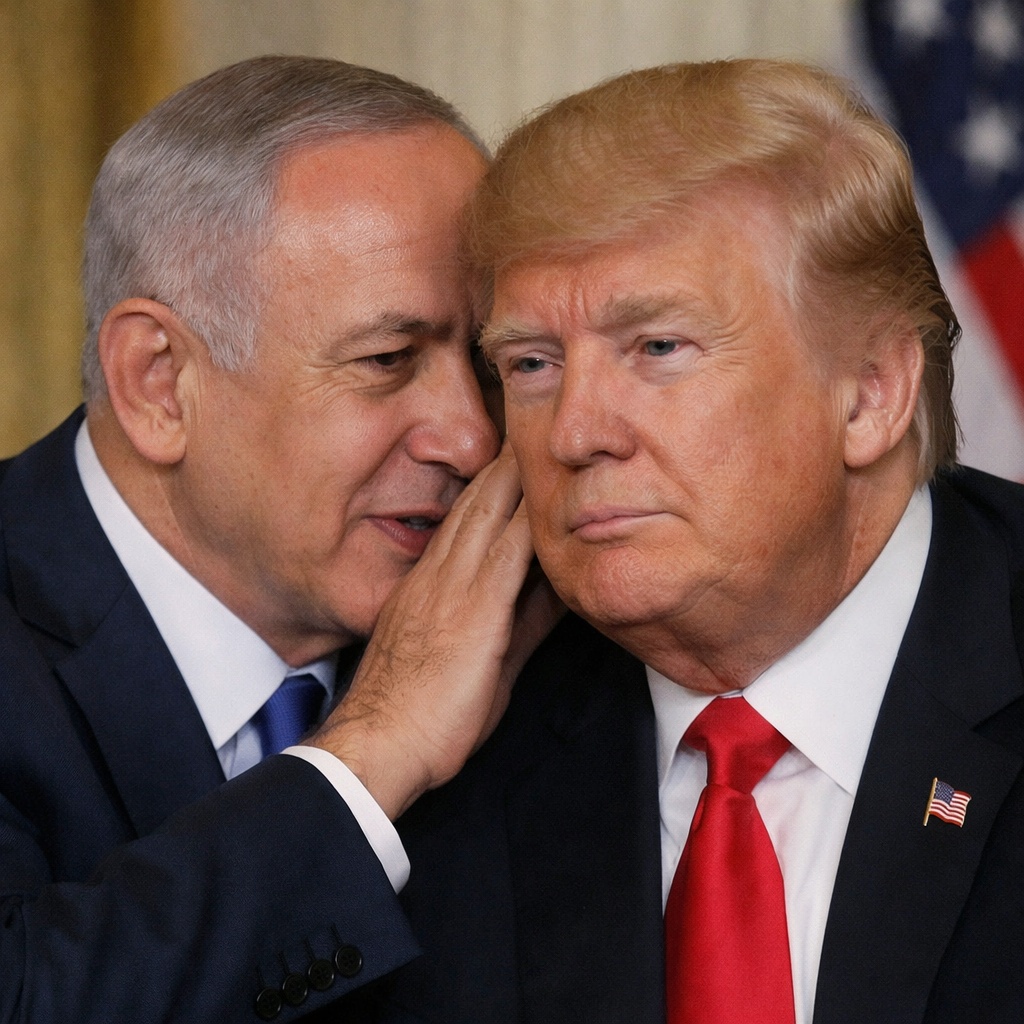
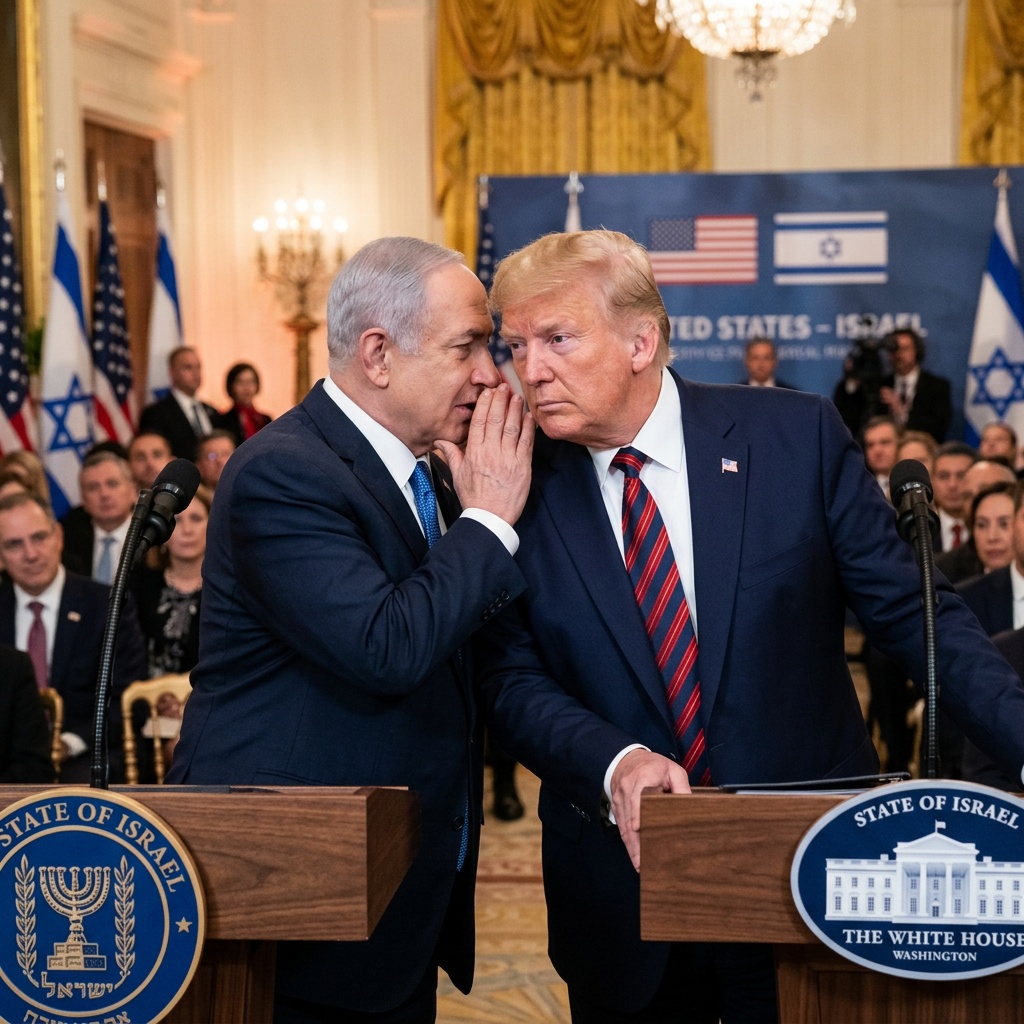
Netanyahu whispering Trump 2

Let’s be real. Iran is believed to possess enough enriched uranium to potentially build a nuclear weapon if it chose to. But even if Iran suddenly produced a bomb, nuclear deterrence and the risk of massive retaliation from countries like the United States or Israel would likely prevent it from ever being used. They furthermore lack the ability to make a bomb much different from what was dropped on Japan, but lack the ability to deliver such a bomb. Yet Gabbard in her written submission to Congress admitted that the 2025 strike obliterated Iran’s nuclear program and that there was no effort to restart it. There was no imminent threat. May are starting to see this as a war for Netanyahu, not for the United States. This was an unprovoked action to fulfill Netanyahu’s 50 year dream of destroying Iran. That is the real danger here that he started this war for personal reasons and there is a risk that he will act unilaterally to prevent any short-term end to this war.
UAE United_Arab_Emirates_

For Iran, the UAE is a prime location where strikes can simultaneously pressure Washington, hit the Switzerland of the Middle East, and disrupt global energy flows. Thanks to the regulations and Marxist agenda in the EU, capital has been fleeing to UAE. Attacking Dubai unsettles international finance and corporates, and generate worldwide attention. We had to move our people out of our Dubai office as well.

Iran can inflict maximum regional and global pain, testing UAE that has positioned itself as the Gulf’s safest bridge between East and West, and the future of the region for finance, logistics, aviation and technology. There are many foreigners living in Dubai.

While there is a shot that March will remain as the high in oil for right now and there could be up to a 2 to 3 month correction, this does not appear to be over and we can still see an escalation during the summer from June into September.

With NATO refusing to join Trump in Iran, there is now a reasonable risk that Trump will abandon Ukraine and let Europe fund that one.
Alberta At the Crossroads of History


Posted originally on Mar 18, 2026 by Martin Armstrong |  

Alberta_2026
Alberta_2026 Index

Alberta Separation is deeply emotional for many people, yet at the same time, INEVITABLE, given the global trend that is becoming highly influential. I have warned that the corruption within government is always what brings down governments for thousands of years. Once a centralized government seizes power, it cannot resist exercising more and more power. This will always lead to corruption in republican forms of government, ultimately bribing people in office to do as they desire. We are witnessing this not just in Canada, but also in how the federal government was pushing the globalist agenda of climate change, attacking Alberta, and even flying in a 16-year-old to tell people to surrender their jobs.

Centralized governments inevitably lead toward core Marxism, for that never benefits the people, but yields more power for the state. This always leads to the idea that the government can control society. Taxation and regulation rise, and this becomes the seed of corruption. We see that in the EU, as even Merz of Germany has now publicly criticized the EU over its migration policies. What began as a trade partnership has evolved into a centralized dictatorial government seeking total power over every aspect of European life.

We have seen this trend in the United States. Washington seeks to supersede state policies, even though individual states were promised the right to form the United States. Canada has suffered the same fate. The central bank no longer cares about regions and will raise rates based on inflationary trends in the East. In the USA, we have referred to this as the Texas/NY Arbitrage. When Texas is booming, that leads to commodity inflation, and NY suffers with rising interest rates. In Canada, there are regional economic differences, which is why centralized governments always overstep their authority, because it becomes about their power rather than about managing the different economies within the nation as a whole.

While the issue becomes emotional for some, who see the nation state as their identity, like a sports team, others see the practical individual test – what do I get out of this? All nations collapse and break apart because centralized government is always inefficient. This is what brought down Communism, and we can see it causing tension already within the EU as the government has interfered in the cultural issues of member states with its migration policy. It is inevitable that a centralized government that thinks it is in charge becomes increasingly authoritarian and always seeks more power when a crisis arises, claiming it could have prevented the event if it had just had a little more power.

Special Report on the Future of Alberta …… $195.00

Crisis in Cuba – Sanctions, Starvation, and Blackouts


Posted originally on Mar 18, 2026 by Martin Armstrong |  

What we are witnessing in Cuba right now is the same failed policy recycled once again, dressed up under a different administration, with the same predictable outcome. The power grid collapsed, millions were left in the dark, food supply chains broke down, and the government blamed the United States while Washington pretended this was somehow a strategy for freedom. I have written extensively about sanctions in my reports, especially regarding Cuba, and the historical record is clear. Sanctions do not topple regimes, rather, they punish the people and strengthen the government.

Cuba’s national grid has collapsed again, leaving the entire island without power, and this is directly tied to the U.S. oil blockade. The United States has effectively cut off fuel supplies by seizing shipments and pressuring other nations not to sell oil to Cuba. No fuel, no electricity, no economy. Hospitals struggle, the food that remains spoils, transportation halts, and the population is pushed into desperation. This is exactly what sanctions are designed to do, collapse the economy from the outside.

Cuba has not received meaningful fuel shipments in months, and outages have stretched beyond 12 hours a day before culminating in total blackout events. The country relies heavily on imported oil, historically from Venezuela, and once that supply was cut, the entire system began to fail. This is what happens when you deliberately choke off energy to an island nation with aging infrastructure.

I have said many times that sanctions are the modern form of siege warfare. In ancient times, you surrounded a city and starved it. Today, you cut off energy, block trade, and restrict access to capital. The outcome is identical. The population suffers first, not the leadership. In fact, sanctions often strengthen the regime because they provide a convenient external enemy to blame. The government tightens control, suppresses dissent, and survives while the people pay the price. We saw this in Cuba after the collapse of the Soviet Union. We saw it in Iraq during the 1990s. We have seen it repeatedly, and yet policymakers continue to act as if this time will be different.

The economic damage extends far beyond electricity. The fuel shortage has crippled agriculture, disrupted water systems, and undermined food distribution. Garbage collection stops, public transport collapses, and businesses shut down because they cannot operate without power. This is systemic economic destruction and the civilians are the real victims.

Sanctions allow governments to appear strong without committing to direct military action. They shift the burden of conflict onto civilians while avoiding the immediate costs of war. But make no mistake, economically this is war. It is simply war by other means. You cannot force regime change by collapsing an economy from the outside. All you do is create human suffering and entrench the very system you claim to oppose.

https://platform.twitter.com/embed/Tweet.html?dnt=true&embedId=twitter-widget-1&features=eyJ0ZndfdGltZWxpbmVfbGlzdCI6eyJidWNrZXQiOltdLCJ2ZXJzaW9uIjpudWxsfSwidGZ3X2ZvbGxvd2VyX2NvdW50X3N1bnNldCI6eyJidWNrZXQiOnRydWUsInZlcnNpb24iOm51bGx9LCJ0ZndfdHdlZXRfZWRpdF9iYWNrZW5kIjp7ImJ1Y2tldCI6Im9uIiwidmVyc2lvbiI6bnVsbH0sInRmd19yZWZzcmNfc2Vzc2lvbiI6eyJidWNrZXQiOiJvbiIsInZlcnNpb24iOm51bGx9LCJ0ZndfZm9zbnJfc29mdF9pbnRlcnZlbnRpb25zX2VuYWJsZWQiOnsiYnVja2V0Ijoib24iLCJ2ZXJzaW9uIjpudWxsfSwidGZ3X21peGVkX21lZGlhXzE1ODk3Ijp7ImJ1Y2tldCI6InRyZWF0bWVudCIsInZlcnNpb24iOm51bGx9LCJ0ZndfZXhwZXJpbWVudHNfY29va2llX2V4cGlyYXRpb24iOnsiYnVja2V0IjoxMjA5NjAwLCJ2ZXJzaW9uIjpudWxsfSwidGZ3X3Nob3dfYmlyZHdhdGNoX3Bpdm90c19lbmFibGVkIjp7ImJ1Y2tldCI6Im9uIiwidmVyc2lvbiI6bnVsbH0sInRmd19kdXBsaWNhdGVfc2NyaWJlc190b19zZXR0aW5ncyI6eyJidWNrZXQiOiJvbiIsInZlcnNpb24iOm51bGx9LCJ0ZndfdXNlX3Byb2ZpbGVfaW1hZ2Vfc2hhcGVfZW5hYmxlZCI6eyJidWNrZXQiOiJvbiIsInZlcnNpb24iOm51bGx9LCJ0ZndfdmlkZW9faGxzX2R5bmFtaWNfbWFuaWZlc3RzXzE1MDgyIjp7ImJ1Y2tldCI6InRydWVfYml0cmF0ZSIsInZlcnNpb24iOm51bGx9LCJ0ZndfbGVnYWN5X3RpbWVsaW5lX3N1bnNldCI6eyJidWNrZXQiOnRydWUsInZlcnNpb24iOm51bGx9LCJ0ZndfdHdlZXRfZWRpdF9mcm9udGVuZCI6eyJidWNrZXQiOiJvbiIsInZlcnNpb24iOm51bGx9fQ%3D%3D&frame=false&hideCard=false&hideThread=false&id=2033830524524040291&lang=en&origin=https%3A%2F%2Fwww.armstrongeconomics.com%2Fmarkets-by-sector%2Fenergy%2Fcrisis-in-cuba-sanctions-starvation-and-blackouts%2F&sessionId=65366831f8be776ac649e9faff7e920c2601c5b2&theme=light&widgetsVersion=2615f7e52b7e0%3A1702314776716&width=500px

What makes this even more dangerous is the rhetoric now coming directly from the White House. President Trump has openly stated that the United States may soon have “the honor of taking Cuba” and even declared, “I can do anything I want” when referring to the island. He has also floated the idea of a “friendly takeover” while describing Cuba as a failing nation that is on the brink of collapse. This is regime change language, and it comes at the exact moment the country’s power grid has collapsed due to a U.S.-enforced oil blockade.

They always sell it as helping the people, but the reality is that cutting off oil shipments, threatening tariffs on any nation that supplies fuel, and collapsing an entire energy grid is nothing short of siege warfare.

When You Don’t Pay the Military


Posted originally on Mar 18, 2026 by Martin Armstrong |  

68fae0d1408031147623a182f5df7b0042ef3fb9 773x552

When a government fails to properly compensate its military, loyalty begins to fracture. From the late Roman Empire, when unpaid legions turned on the state, to more modern examples in which soldiers defected or abandoned regimes under economic stress, the outcome is always the same. You can maintain power through force for a time, but if the men holding the guns begin to question their future, the system becomes unstable from within.

Now look at Iran. The data is staggering when you compare military pay to the broader economy. Conscripts earn roughly $60 to $180 per month, while the average income in Iran ranges from about $150 to $250 per month. In real terms, due to currency collapse and inflation, average wages have fallen to roughly $120 per month in purchasing power. That means many soldiers are effectively earning at or below the poverty line. Even IRGC personnel, often seen as the elite force, have reported salaries around $300 per month, which is still modest compared to skilled civilian professions.

At the same time, Iran has a compulsory military system. All men at age 18 are required to serve roughly 18 months to two years, and they have no real choice in where they are deployed. This is not a purely voluntary force motivated by pay or career advancement. It is a system built on obligation, reinforced by religious ideology, and sustained through control. The Revolutionary Guard, in particular, is not just a military institution; it is a political and religious arm designed to protect the Islamic system itself.

This is where religion becomes critical. In Iran, the military, especially the IRGC, is tied directly to the preservation of the Islamic Revolution. Loyalty is not simply to the state, it is framed as loyalty to God, to the system, and to the survival of the revolution. That ideological component compensates for the lack of financial incentive. Historically, regimes that cannot afford to pay their military rely increasingly on ideology, fear, or both. The problem is that ideology alone does not pay for food, housing, or families. When economic conditions deteriorate, even deeply ideological forces begin to crack.

There is already evidence of strain. Inflation has eroded wages dramatically, government salaries have not kept pace, and economic frustration has spread across all sectors, including the military. At the same time, Iran has been known to pay significantly higher salaries to proxy fighters abroad than to its own domestic forces, creating resentment within the ranks. This imbalance has historically been one of the most dangerous factors for any regime, because it signals to soldiers that their sacrifice is not valued equally.

History is very clear on what happens next if these trends continue. In the late Roman Empire, unpaid soldiers began to declare their own emperors. During the French Revolution, economic hardship within the military contributed to the collapse of royal authority. In more recent times, we have seen military defections play a decisive role in regime change when internal confidence collapses. The key is not whether soldiers are unhappy, but whether they believe their future is tied to the survival of the regime.

This is why the situation in Iran must be understood beyond headlines about war. If conflict escalates and economic pressure intensifies, the strain on the military will increase. A system that depends on compulsory service, low wages, and ideological loyalty can hold together for a time, but history shows that when confidence breaks, it breaks quickly. The real risk is not simply external war. It is internal instability if the men tasked with defending the system begin to question whether that system is still worth defending.

US Director of National Counterterrorism Walks Away from War


Posted originally on Mar 18, 2026 by Martin Armstrong |  

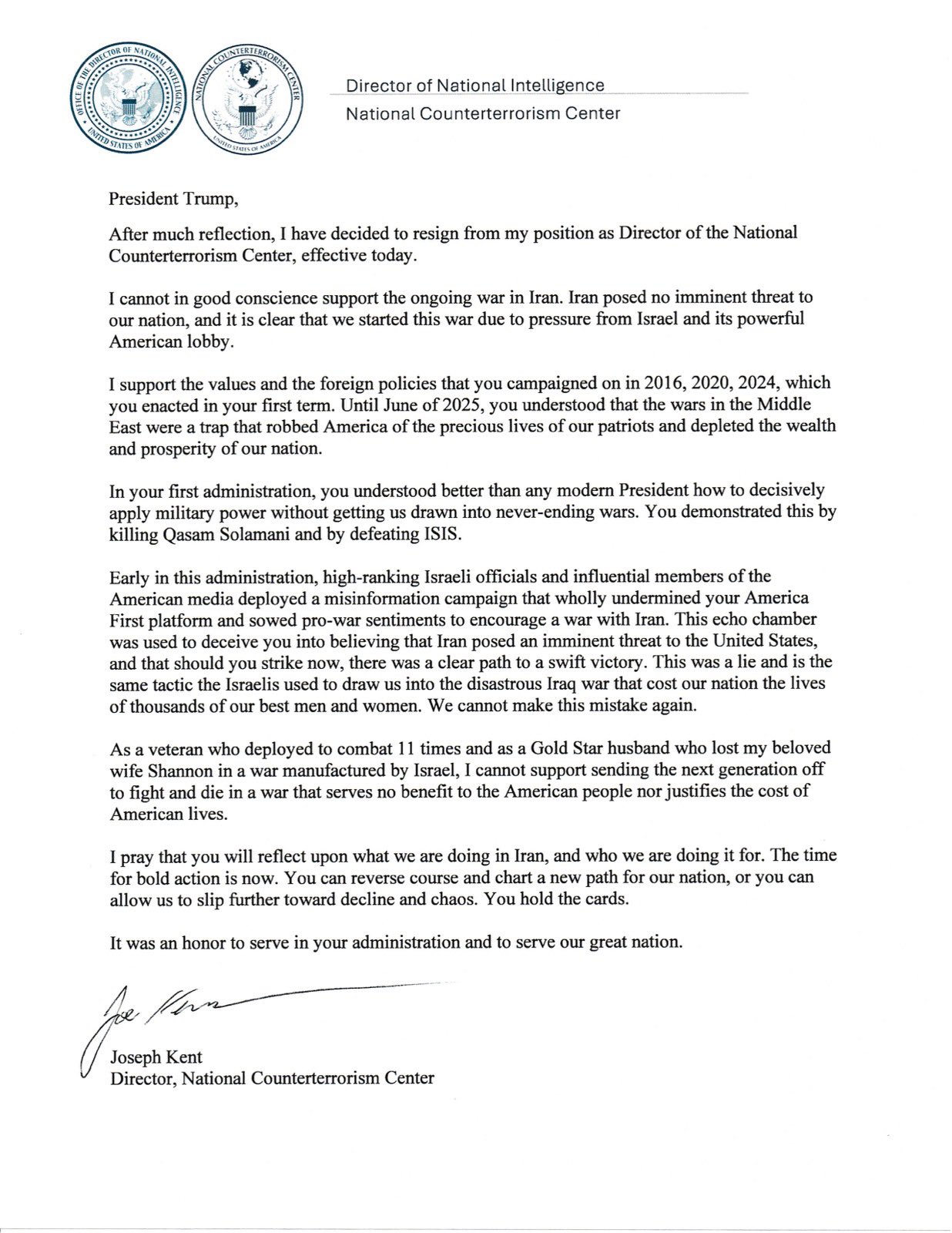
I touched on this story yesterday when the news broke. Listen, when the Director of the National Counterterrorism Center resigns and publicly states he cannot support a war because there was “no imminent threat,” you are no longer dealing with politics as usual. You are looking at the beginning of a fracture inside the system itself. Joe Kent stepping down is a warning sign that those inside the intelligence community are starting to distance themselves from what they know is being sold to the public as something it is not.

 “I cannot in good conscience support the ongoing war in Iran,” Kent said. “Iran posed no imminent threat to our nation, and it is clear that we started this war due to pressure from Israel and its powerful American lobby.”

I have warned for years that the Neocons never left Washington. They simply change parties, change faces, and reinsert themselves into every administration. It does not matter if it is Republican or Democrat. These people operate behind the curtain and push the same agenda over and over again. Endless war. Regime change. The illusion that the United States can reshape the world at will. We saw this with Iraq. We saw this with Libya. We saw this with Syria. And now we are watching the exact same script play out with Iran.

What is unfolding now is even more dangerous because the people inside the system are beginning to recognize it. When intelligence officials start walking away, it means they know the narrative does not match reality. You cannot claim imminent threat when your own counterterrorism chief is saying the opposite. That is when confidence begins to break, and once confidence breaks, it never unfolds in a neat and controlled fashion.

Cheney Dicj 1941 2025 weeks not months

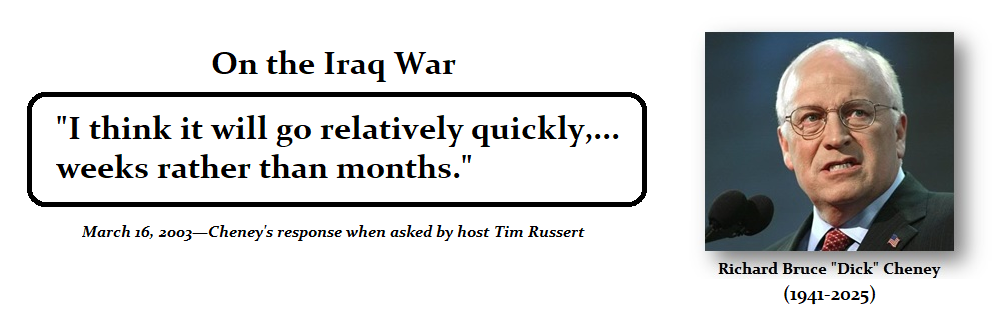
These wars are sold as quick operations, clean interventions, necessary for national security. I have pointed to Iraq countless times. Cheney said it would take weeks. Bush stood on an aircraft carrier and declared, “Mission accomplished!” That war dragged on for eight years. Thousands of lives lost, trillions spent, and in the end nothing was resolved. Now we are watching the same people, or at least the same ideology, pushing the country down the exact same path again.

The reality is that those who can see what is happening are beginning to step away. They understand that this is not about protecting the United States. This is about geopolitical strategy, influence, and an agenda that has been in motion for decades. The problem is that once these people gain control of policy, they create momentum that is very difficult to stop. When someone in Kent’s position walks away and tells you there was no imminent threat, you should pay attention. That is confirmation that what we are being told and what is actually happening are two very different things.

The most dangerous part is that the public is always the last to know. By the time resignations like this happen, the decision has already been made and the machine is already moving. The Economic Confidence Model has been warning that we are entering a period of rising geopolitical instability into 2027 and beyond. This is exactly how it begins, not with a declaration of world war, but with a series of decisions that escalate step by step until the situation is beyond anyone’s control.

The Computer That Predicts the End of the World


Posted originally on Mar 18, 2026 by Martin Armstrong |  

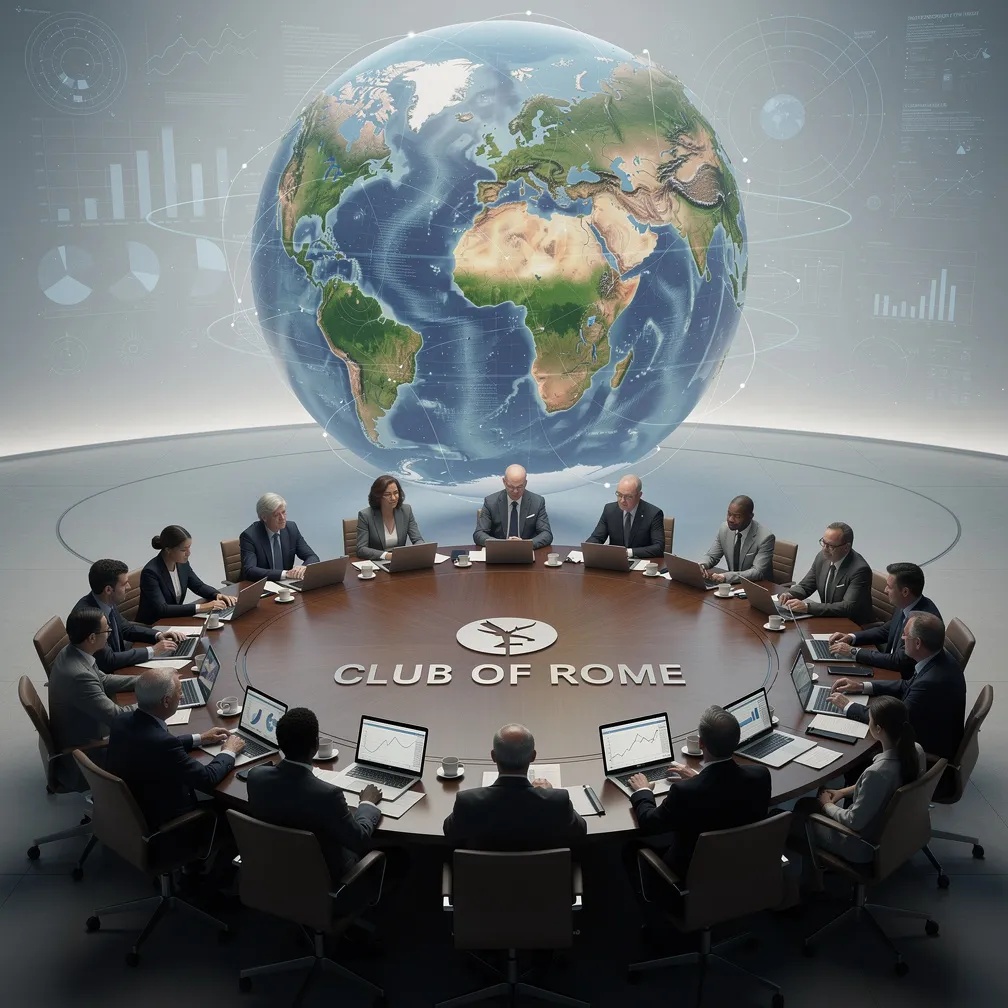
QUESTION: Marty, I just watched the Why Files about a computer at MIT that predicted the end of society by 2040. It was commissioned by the Club of Rome. I think it was in Frankfurt where you were asked about the Club of Rome and you admitted that you did have contact with them and the Bilderberg Group. You have talked about the World Economic Forum. Did they also go to you about 2032 not just MIT?

DL

club od rome 2

ANSWER: Yes, I was asked about the forecast for 2032. I told them that I did not agree with the MIT forecast that it was all nonsense and based on the same theory of Global Warming and Malthus population prediction from the 18th century. My model warned that the corruption within government would bring down Republican forms of government. This is what has brought down every government for thousands of years not resources and polution.

The MIT forecast produced what they wanted to hear. What history shows is that this all just complete fiction. Civilization collapses from internal corruption, which is why no empire, nation, or city-state has ever survived. Monarchy eventually leads to Tyranny because the power becomes hereditary not based on talent. That gives was to Aristocracy (Rule by the Best), which evolves into an Oligarchy driven by self-interest. Then you see a revolution where you get a Republic, which is pretend representative government that is always worse than a preferable Democracy (Rule by the Many). The corruption of self-interest continues and you end up with an Ochlocracy (Mob Rule) and the cycle starts all over again.

They do not want to believe that for at the core lies Marxism. This idea that government can control society. You end up with the idea of the EU that one government will eliminate war when in fact it becomes tyrannical overruling the culture of the people and attempting to force one-size-fits-all, which is what brought down Communism.

Dictator Losing Power

The MIT model blames over-population, society, and resources so the solution is always more government. This forecast has never taken place even once in thousands of years and my research demonstrated the exact opposite that the greatest evil which torments society is always government that constantly seeks more and more power as they feel their power slipping through their fingers. This is what leads to sovereign debt crisis and revolutions, not polution and over-population.

Thus these people seek world domination to suppress all dissent and prefer the MIT model. It should be no surprise why these various groups do their best to try to discredit me in hopes of preventing people from looking at my solution rather than theirs. This is why mainstream media will NEVER review our forecasts and certainly will NEVER explain what is 2032 all about. That would mean less government not more.

Director of Natl Counterterrorism Resigns Over Trump Manipulated By Netanyahu


Posted originally on Mar 17, 2026 by Martin Armstrong |  

Joe Kent Resignation

This letter of resignation is absolutely correct. None of my sources agree with this war and everyone I know of has once again pointed to Netanyahu and his manipulation of the Trump Administration. It is time to flood Congress and the White House with letters of objection. All of NATO has refused to come to the aid of Trump in the war on Iran. Trump has to  step back and distance himself from Netanyahu or his legacy will be flushed down the drain for forget MAGA, he will be remember for this fiasco.

Netanyahu whispering Trump 1

AI & The Iran War


Posted originally on Mar 17, 2026 by Martin Armstrong |  

Iran, Russia, China, and the Emerging Axis


Posted originally on Mar 17, 2026 by Martin Armstrong |  

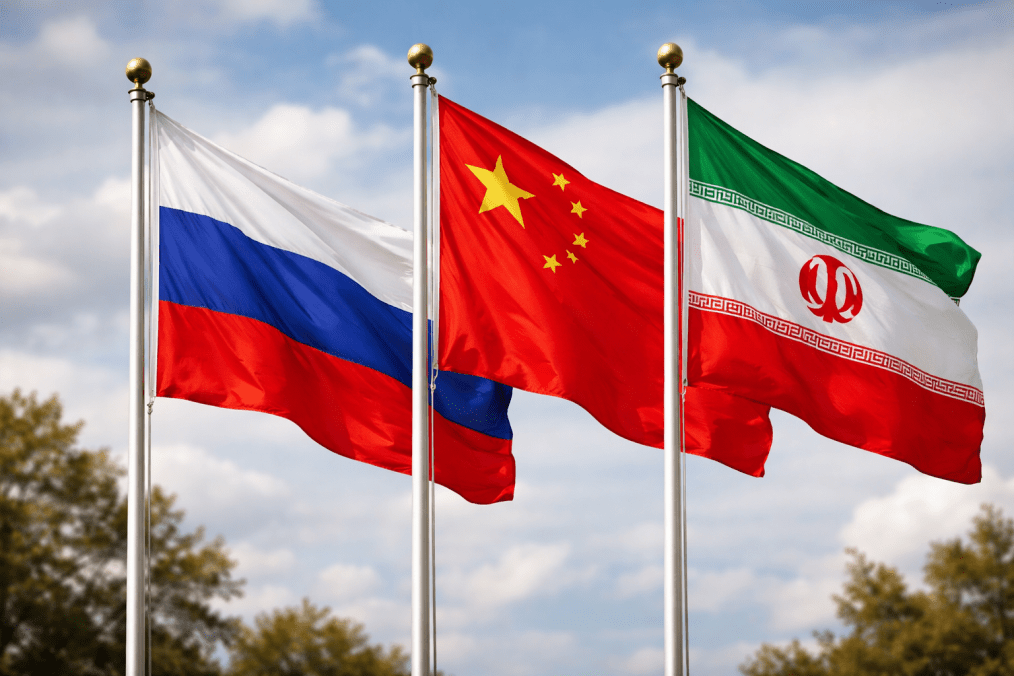
Flags of Russia, China, and Iran. Illustrative Image. (Photo: Open source)

For years, I have warned that geopolitics moves in cycles just as markets do. The Economic Confidence Model has been projecting that the period around 2026 would become a geopolitical turning point, leading to rising confrontation toward the Panic Cycle in 2027 and ultimately the 2028 Panic Cycle year. What we are now witnessing is the early stage of that alignment. The conflict with Iran is no longer merely a regional war. It is evolving into something far more significant as alliances that previously existed quietly in the background are now being acknowledged publicly.

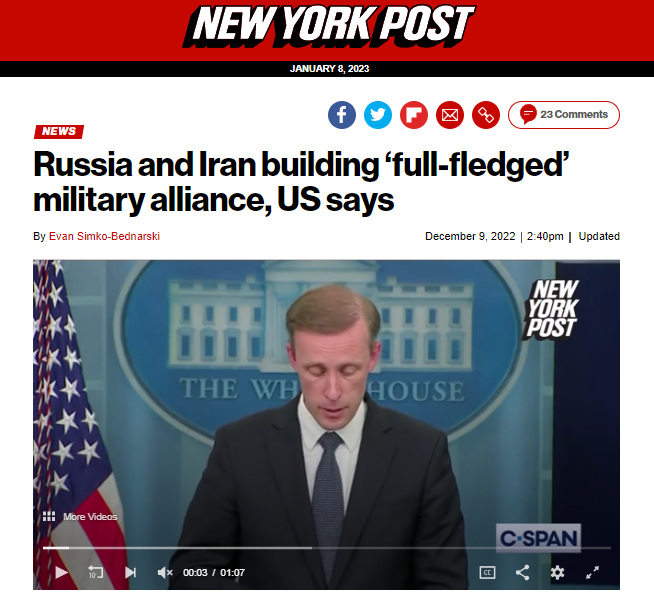
Iran’s foreign minister has now openly stated that Russia and China are providing military cooperation to Tehran during the war with the United States and Israel. He emphasized that these relationships are part of long-standing strategic partnerships that now include intelligence sharing and other forms of support as the conflict escalates. This matters enormously because once cooperation becomes official rather than discreet, it changes the geopolitical landscape. The declaration of alignment is a signal to the world that a new bloc is forming.

Reports indicate that Russia’s support has included intelligence assistance and battlefield data, while China has focused on diplomatic backing, logistical assistance, and the protection of energy flows through the Strait of Hormuz. At the same time, Chinese naval assets have appeared near the Strait while Russia and China have coordinated diplomatic efforts at the United Nations to challenge the legitimacy of the strikes against Iran. None of this is accidental. These powers are not rushing troops into battle, but they are positioning themselves strategically while allowing the United States to become entangled in another prolonged conflict.

In the modern era, direct confrontation between nuclear powers is avoided, but support flows through intelligence, logistics, technology, and diplomacy. Russia and China are effectively helping Iran sustain resistance without crossing the line into direct war with the United States. Analysts already note that intelligence sharing and electronic warfare assistance have improved Iran’s ability to track U.S. military movements in the region. The result is a conflict that can drag on far longer than policymakers initially expect.

2023_01_08_Russia_and_Iran_building_full_fledged_alliance

From the perspective of the Economic Confidence Model, this is exactly what a Panic Cycle environment looks like. Confidence begins to shift away from government institutions, geopolitical tensions escalate, and alliances begin to harden. The ECM has shown that 2026 represents the pivot year. Pressure builds into 2027, where the Panic Cycle raises the probability of sudden geopolitical escalation, and the cycle then carries forward into the 2028 Panic Cycle year. When these cycles align, history shows that global alliances restructure and the world moves toward a new balance of power.

Energy routes make the situation even more dangerous. The Strait of Hormuz remains one of the most critical chokepoints in global oil supply, and disruptions there have already sent energy prices sharply higher as the conflict intensifies. China’s interest in securing passage through the strait and Russia’s strategic positioning highlight that the battle is not only military. It is economic. Whoever controls the energy corridors and trade routes ultimately controls leverage over the global economy.

The key takeaway is that the official acknowledgement of cooperation among Iran, Russia, and China goes beyond wartime rhetoric. It signals that the geopolitical chessboard is shifting. What began as a regional confrontation now sits within a larger strategic framework that the ECM warned about years in advance. When alliances begin to crystallize during a Panic Cycle phase, the risk is not simply prolonged conflict. The risk is that the world divides into opposing blocs once again, and history shows that such realignments rarely unfold quietly.

The Canals Behind the War


Posted originally on Mar 17, 2026 by Martin Armstrong |  

Ben Gurion Canal Project R

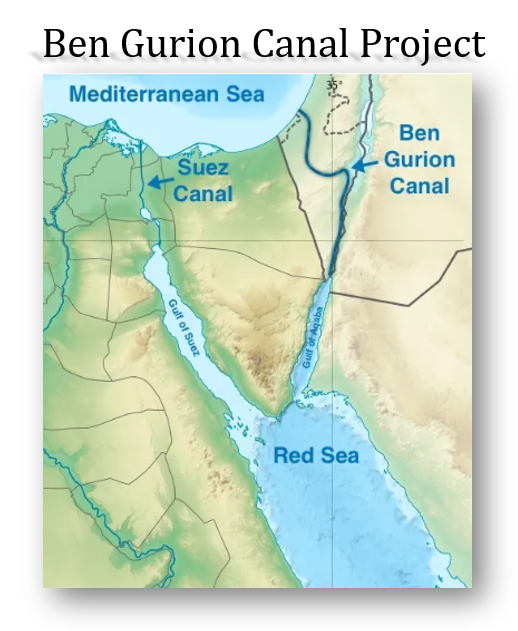
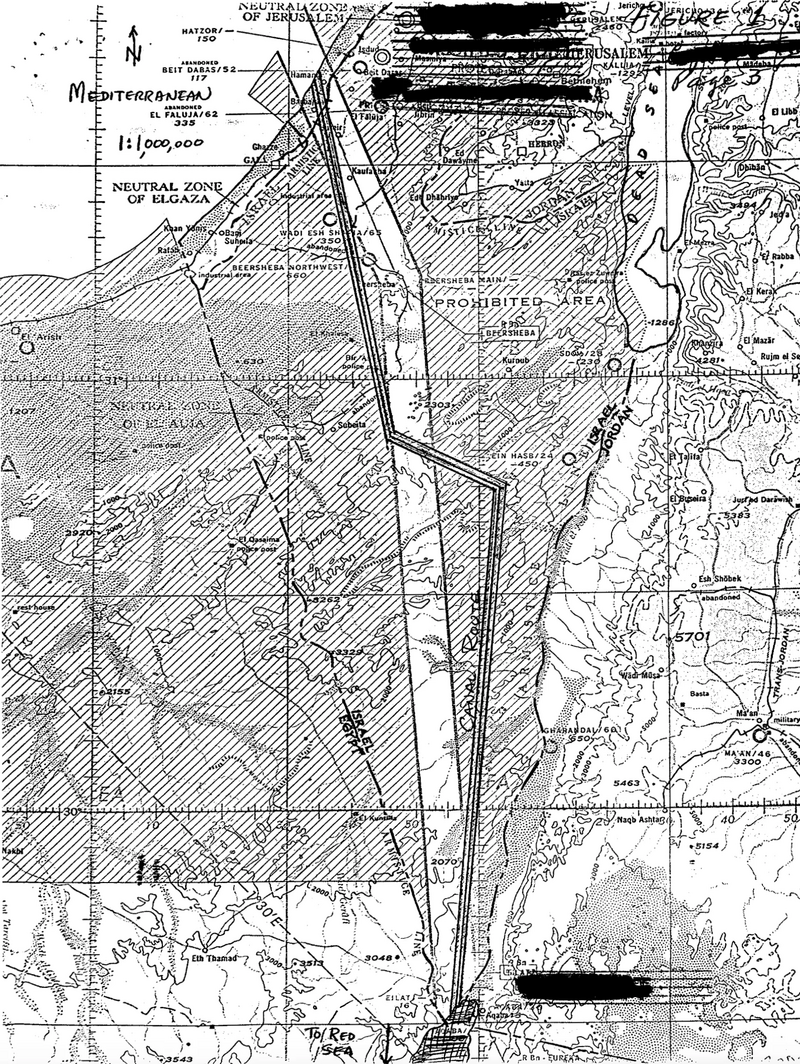
Many people are looking at the conflicts in Gaza and Iran strictly through the lens of religion, terrorism, or regional politics. But history has shown that wars are rarely about what the headlines claim. Beneath the surface lies economics and control of trade routes. One project that has quietly resurfaced in strategic discussions is the Ben Gurion Canal, an alternative shipping route connecting the Red Sea to the Mediterranean that would rival the Suez Canal. The proposal dates back to the 1960s and would run from the port of Eilat through Israel and eventually connect to the Mediterranean near Gaza, providing a strategic bypass of Egypt’s Suez Canal.

Declassified U.S. documents revealed that planners studied using hundreds of underground nuclear explosions in the Negev Desert to carve the canal. The proposal noted that such a route would be a “strategically valuable alternative” to the Suez Canal and could transform regional trade. Around 20% of global trade moves through the Suez Canal today, giving Egypt enormous influence over global supply chains. Any disruption, whether political or accidental, has massive economic consequences.

Ben_Gurion_Canal_government_document.webp

This is where the geopolitical puzzle begins to fit together. The proposed canal route runs extremely close to the Gaza Strip and, in some versions, could even pass through territory adjacent to it. From a purely strategic perspective, no major global shipping route could run alongside an area capable of launching rockets or drones. Control and stability in Gaza, therefore, are prerequisites for any such infrastructure project. Analysts have noted that renewed interest in the canal has coincided with Israel’s war against Hamas, raising questions about whether the long-standing project could become viable again if the region is brought under full military control.

Now look at this through the lens of the Economic Confidence Model. The ECM has consistently shown that 2026 is a geopolitical turning point, leading to rising tensions toward the 2027 Panic Cycle and ultimately the 2028 Panic Cycle. These shifts historically coincide with wars, trade disruptions, and major changes to the global economic order. When the confidence wave turns downward, governments seek strategic advantage in infrastructure, energy routes, and trade chokepoints. The Suez Canal itself has repeatedly triggered geopolitical crises from Nasser’s nationalization in 1956 to modern blockages that froze billions of dollars in trade overnight.

The second layer of the strategy involves the Strait of Hormuz. A large percentage of the world’s oil flows through that narrow passage between Iran and the Arabian Peninsula. Any conflict with Iran threatens that chokepoint and exposes how fragile global energy transport really is. If Hormuz becomes unstable while Suez remains under Egyptian control, the West’s supply lines become vulnerable. A new canal controlled by Israel and its allies would provide an alternative strategic corridor linking the Red Sea and Mediterranean without relying on Egypt or risking disruption from regional adversaries.

When you step back, the sequence begins to look less like random events and more like long-term geopolitical positioning. The war in Gaza removes a security obstacle along the proposed canal route. Escalation with Iran highlights the dangers of relying on existing trade chokepoints such as the Strait of Hormuz and the Suez Canal. Meanwhile, the ECM shows that this entire period sits within a cycle of rising geopolitical tension leading into a Panic Cycle phase. History teaches us that major infrastructure projects that control global trade rarely emerge during peaceful periods. They appear during times of crisis when nations reposition themselves for the next economic order.