Posted originally on Aug 10, 2012 by Martin Armstrong |
Will have an update this weekend on gold. This week has been pushing higher within the broad trading range, but the buy signal would require a close above 1671. We may see the highest weekly closing for this range in several weeks. However. this is the turning point and the next three weeks should be the start of higher volatility. A high this week implies a low thereafter and if we make a new low for this range at that time, then we can see a rally following the next turning point.
Posted originally on Dec 30, 2025 by Martin Armstrong |
As we close out 2025, I want to personally thank the more than 2.5 million readers from around the world who visited ArmstrongEconomics.com this year. Your willingness to question official narratives, examine history, and think independently is what keeps this site alive and relevant.
Our content is based on following the data, the cycles, and the models wherever they lead, even when the conclusions are uncomfortable. The fact that millions continue to return tells me that confidence in independent analysis is rising at precisely the moment institutions are losing credibility.
The global economy cannot be viewed from isolated lenses, and our readership reflects the global nature of our venture. Readers from 232 nations around the world tuned in and turned off their preconceived notions of the world to explore the underlying patterns and cycles that are propelling us into a new future. Millions of us have a common bond and understanding.
The years ahead will test economic, political, and social structures globally. My commitment remains the same. I will continue to provide clear, historically grounded analysis so you can navigate what lies ahead with foresight rather than fear.
Thank you for being part of this journey.
This list represents readers from around the world who share a common desire to question official narratives, study history, and understand how economic and political cycles truly function. Despite different cultures, languages, and borders, what unites this global audience is a shared view that the future cannot be understood by opinion or ideology, but only by following the data, the trends, and the repeating patterns of history.
Posted originally on Dec 30, 2025 by Martin Armstrong |
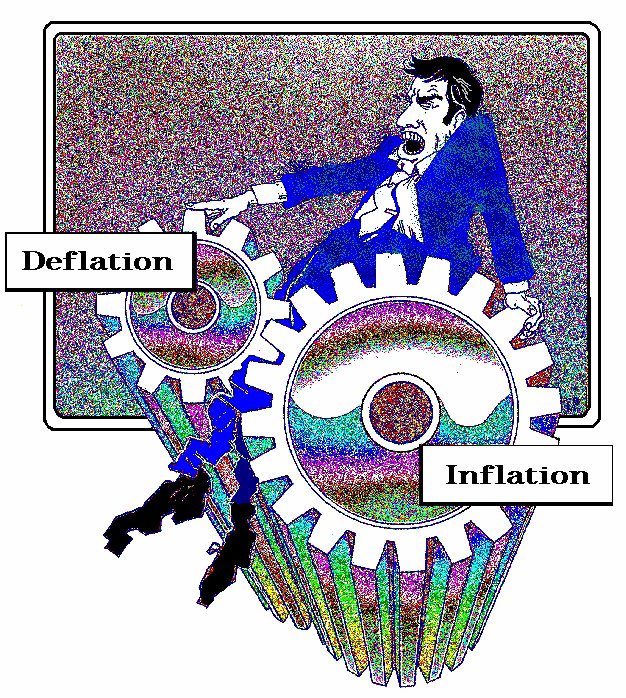
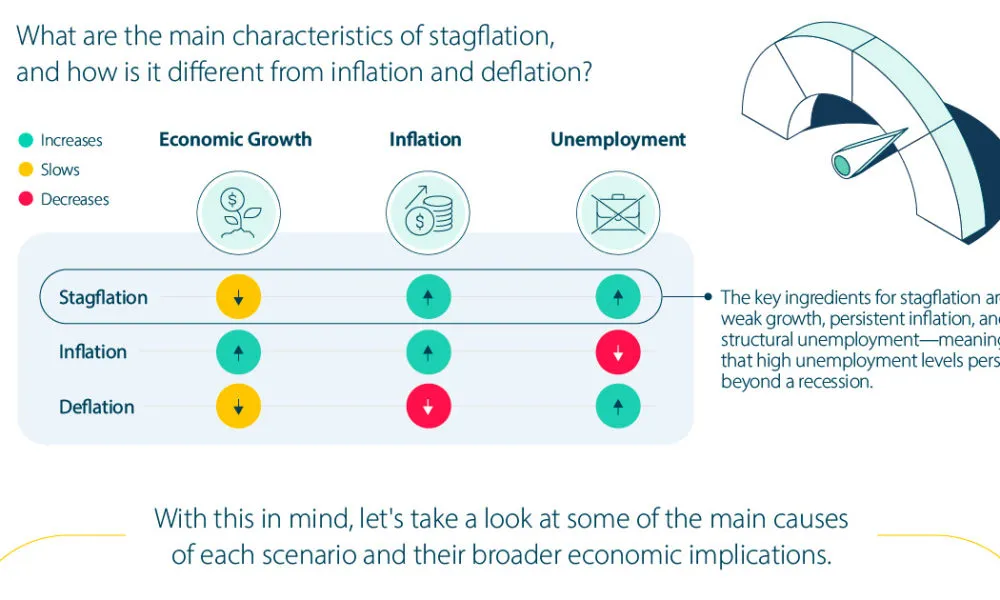
Some people have a tough time understanding that we are in a massive deflationary spiral; they think that rising prices mean it is inflation and not deflation. Then they mistake stagflation for deflation and wonder why people are spending more on less. They only see prices, not disposable income, and, indeed, not economic growth or unemployment.
Prices rose sharply following the OPEC oil price hikes of the 1970s. Still, the sharp rise in energy prices crowded out other forms of spending, resulting in rising prices that had nothing to do with a speculative economic expansion, and a deflationary contraction they called STAGFLATION occurred, with rising prices and declining economic growth.
If you want to raise NET DISPOSABLE INCOME, lower taxes! Raising wages, as the Democratas believe corporations should do, will cause people to move to higher tax brackets, and soon, all benefits will come into play with these socialistic programs. As always, nobody in government talks about reducing government waste and corruption. The very people who are using these social programs are still paying taxes to the state and federal government.
Household income will soon be defined as everyone living in the same house – kids and all. Perhaps you will have to pitch a tent and make the kids sleep outside with the dog to avoid “household” income tax increases. Deflation is not the lowering of prices; it is the lowering of economic activity that can also include STAGFLATION, which occurs when prices rise but there is no economic growth.
Now, stagflation is not exactly the same as deflation, where the price of goods and services declines. For example, before World War II, the US experienced a massive deflationary environment in which GDP fell by 30% between the crash of 1929 and 1933. A quarter of Americans were unemployed. Imagine 1 in 4 eligible workers on the sidelines. Prices plummeted, and consumers were not spending because they had very little, if anything, to spend. Panics erupted, and people hoarded; the Second World War brought America out of that economic downfall. The public confidence wave began after World War II, because people believed their change in fortune was due to government policies (i.e., FDR’s New Deal) and war victory.
During periods of stagflation, the prices of goods and services increase while buying power decreases. Consumers end up spending more on less. As we are seeing now, for example, retail salesof items such as clothing have declined, but people are spending more on gas, shelter, and groceries. People feel as if they are earning less despite wage increases because their buying power has been drastically reduced. Companies will suffer as consumers spend less, and this has led to workforce reductions. Unemployment during the OPEC crisis of the 1970s was not nearly as severe, but it rose to 7.2% by 1980. Inflation went from around 1% in 1964 to 14% in 1980, and GDP growth went from 5.8% to -0.3% during that same period.
So be very careful. If you only look at prices rising and ignore the fact that your disposable income is declining, you will be in for a very rude awakening. Unemployment will continue to rise in 2026, with the computer anticipating figures surpassing 6%. The trend was set in motion long before automation and AI. Companies simply will not hire when they expect a continued contraction. The ability to borrow at a lower rate is not enticing because those same companies do not want to take on more debt than they already owe. We will not see another Great Depression by any means, but the “soft landing” is merely rhetoric intended to lift confidence.
Posted originally on Dec 30, 2025 by Martin Armstrong |
November home sales in the US paint a picture of stagnation and a frozen market. Home prices and mortgages have risen and demand has waned. This is a buyer’s market but conditions are not particularly favorable due to the cost of ownership.
Sales rose 0.5% from November to October and were 1% lower on an annual basis, according to data from the National Association of Realtors. A total of 4.13 million homes were sold for the month based on closings.
Supply remains constrained on a monthly basis, declining 5.9% from October, but have risen 7.5% on the yearly. A six-month supply is considered a balanced buyer-seller market, but current conditions show a 4.2-month supply.
The median home price in the US has reached $409,200, up 1.2% annually, and the highest reading on record for November. Lower-priced homes are not selling as those with less cannot afford to enter the market. Homes priced from $100,000 to $250,000 are down 8% from last year, but homes above $1 million rose 1.4%.
Gone are the days of overbidding cash offers. Homes are sitting on the market for an average of 36 days. Investors are slowly re-entering the market and accounted for 18% of sales compared to 13% one year prior. New homeowners accounted for 30% of sales, but historically, first-time home owners account for 40% of closings.
Weak regions are seeing declining values while stronger capital-inflow areas remain firm. This is classic late-cycle behavior. Real estate does not move as a monolith. It turns region by region, driven by employment, taxation, migration, and regulatory burden. The myth of a single “national housing market” is one of the great analytical failures of modern economics.
Transactions are falling and inventory is uneven. The real pressure will come not from housing itself, but from government debt, taxation, and declining economic confidence as we move toward the 2026 turning point. The model indicates that the current buyers market will persist into 2028. There will NOT be a housing bubble collapse as we saw in 2008. Commercial real estate is far more vulnerable than residential and operates on a different cycle. People have fled and are continuing to flee states that are unfavorable to capital, as we have seen with mega corporations fleeing places like New York and California. We will see fragmentation on a regional basis in real estate.
Interest rates will not collapse to save housing as capital demands higher yields and the central bank cannot toy with the markets as they have in recent years. Capital is migrating to states that offer financial stability, lower taxation and regulation. Transaction volume is declining and sellers are refusing lower prices. Buyers are waiting. Liquidity is vanishing. This is all par for the course during a collapse of confidence that will intensify in 2026.
Posted originally on Dec 29, 2025 by Martin Armstrong |
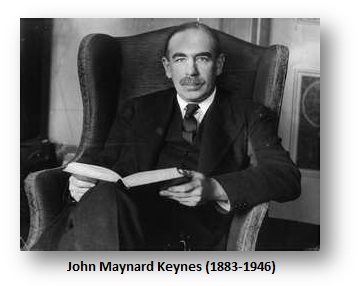
In his 1936 book, ‘The General Theory of Employment, Interest and Money,’ John Maynard Keynes argued that aggregate demand was too volatile to be stable and would lead to inflation or recession. His theory honed in on spending as a means of price control. Low aggregate demand, Keynes argues, would lead to high unemployment and stagflation. Government could intervene through fiscal policies to increase aggregate demand, as an example, increased government spending could tame inflation. According to Keynes, interest rates could also be adjusted to encourage spending and stimulate demand. So why are these theories failing miserably today?
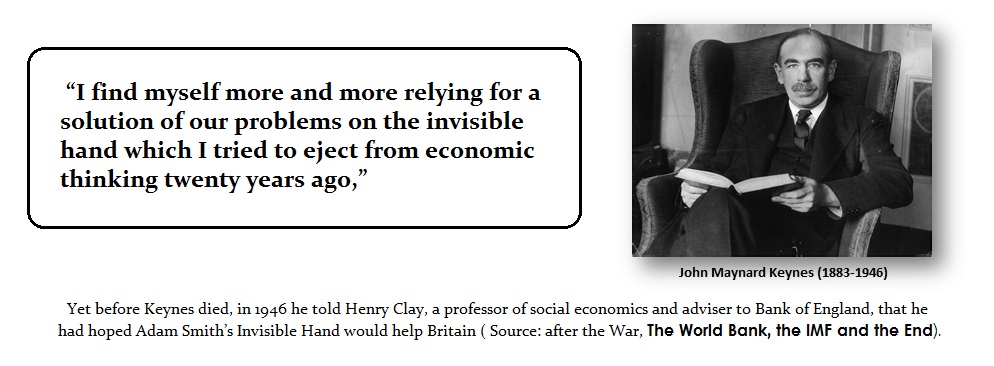
To begin, the United States had a balanced budget when Keynes presented his theory. The government is now the biggest borrower, acting in its own self-interest under Adam Smith’s theory of the invisible hand that Keynes spent his career attempting to deny. According to Keynes, “there is no self-correcting mechanism in a free market economy that automatically restores full employment.” He believed that the government could change the business cycle but arguably regretted this notion on his deathbed.
Keynesian economics gave the government the green light to manipulate the economy, or at least make numerous failed attempts to do so. There is that old joke about communism that you can vote your way in, but must shoot your way out, seemingly fitting to the utter disaster governments have created regarding our economic situation.
The government is by far the biggest borrower. Raising interest rates can have no impact on demand, as the government will simply borrow more, and the central banks have no control over government spending. In a historic act of defiance, Powell came out during the Biden administration and warned that government spending was completely unsustainable. It is extremely rare to see the Fed criticize Washington, but the situation has become too dire for anyone with integrity to remain quiet. Powell plainly stated that the government was borrowing against future generations of Americans. Now, Powell must continually defend the pivot away from failed QE programs due to Trump’s insistence on lowering rates to the negatives.
Video P
The central bank seeks to align with Washington to maintain public confidence. During the Great Depression, Washington forced the Federal Reserve to implement QE policies to artificially lower rates to increase demand. Yet, when Washington ordered the Federal Reserve to do the same during the Korean War in 1951, the central bank first broke with Washington and refused to comply, as it knew it would hurt the economy, as America’s budget was no longer balanced.
Quantitative Easing has destroyed the Keynesian model, leaving central banks with no alternative means of controlling the economy. If they raise rates, the budget explodes. Keynesians advocate manipulating aggregate demand and fiscal spending that the central bank cannot control. However, the other component of Keynesianism is the use of taxation. Keynes argued that to stimulate demand, you lower taxes. He saw this correctly, but again, it does not fit with government agendas. The government is desperate for funding and believes citizens must pay. Taxes alone could never make a dent in government spending, but some politicians genuinely do not understand that reality.
There is no limit to what the government will spend with “money” that does not exist. Governments continue to borrow perpetually with no real intention of paying back their debts. This is one piece of the Sovereign Debt Crisis that will implode like a nuclear bomb, the likes of which we have never witnessed. The business cycle cannot be manipulated, and, moreover, the Keynesian model cannot account for declining confidence in both government and the economy.
Posted originally on Dec 29, 2025 by Martin Armstrong |
The most frequently asked question of 2025: Is war inevitable?
I’ve spent my entire life attempting to prove the computer wrong. I’ve hoped that the cycle in motion could change and I’ve watched as events unfolded, right on target, that only Socrates could foresee. A cycle in motion remains in motion. The trajectory and speed may alter, but the end result is inevitable.
Below is perhaps the most popular article of 2025. I wish I could provide a different answer but I will always respond with the truth.
QUESTION: Well, here we are at the 15th, right on schedule. Your model turns up, and it looks like no deal. Would you care to comment?
Uri
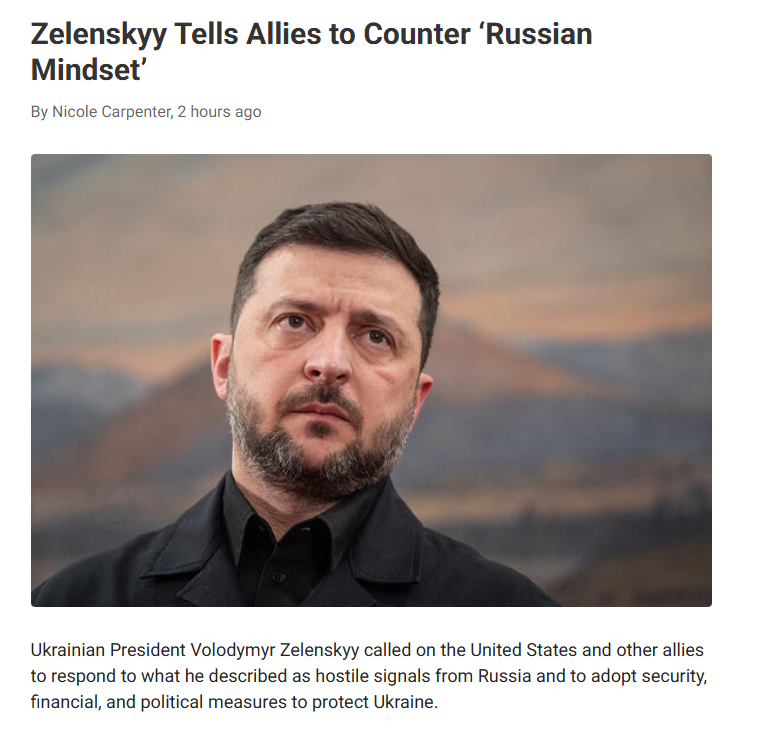
ANSWER: Putin said their purpose would be “to remove the root causes of the conflict and move towards creating a long-term, durable peace in a historical perspective”. Zelenskyy said he was prepared to attend, but only if Putin also showed up, because “everything in Russia depends” on the Russian leader as if that is not the case in Ukraine. Trump also was not attending.
Zelensky is a Neo-Nazi and he takes orders from the EU and NATO. He wants every Russian dead. What would he do if Russia left the Donbas? He has outlawed them from speaking Russian, denied them any right to vote, outlawed Orthodox Christianity, and outlawed them from even celebrating Christmas. The Ukrainian people have a choice. Either to die for the Neocons, or rise up and overthrow Zelensky. Contacts in Romania realize the EU is trying to orchestrate them into war with Russia. The strategy here is to send the Eastern Europeans in to kill as many Russians as possible, and then Macron can invade Russia like Napoleon.
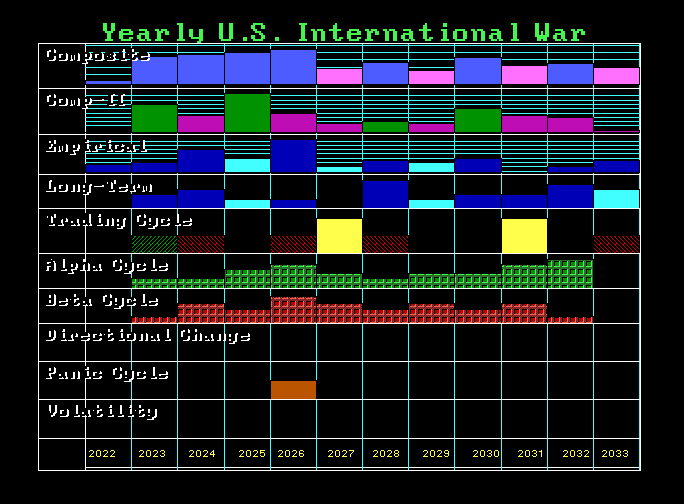
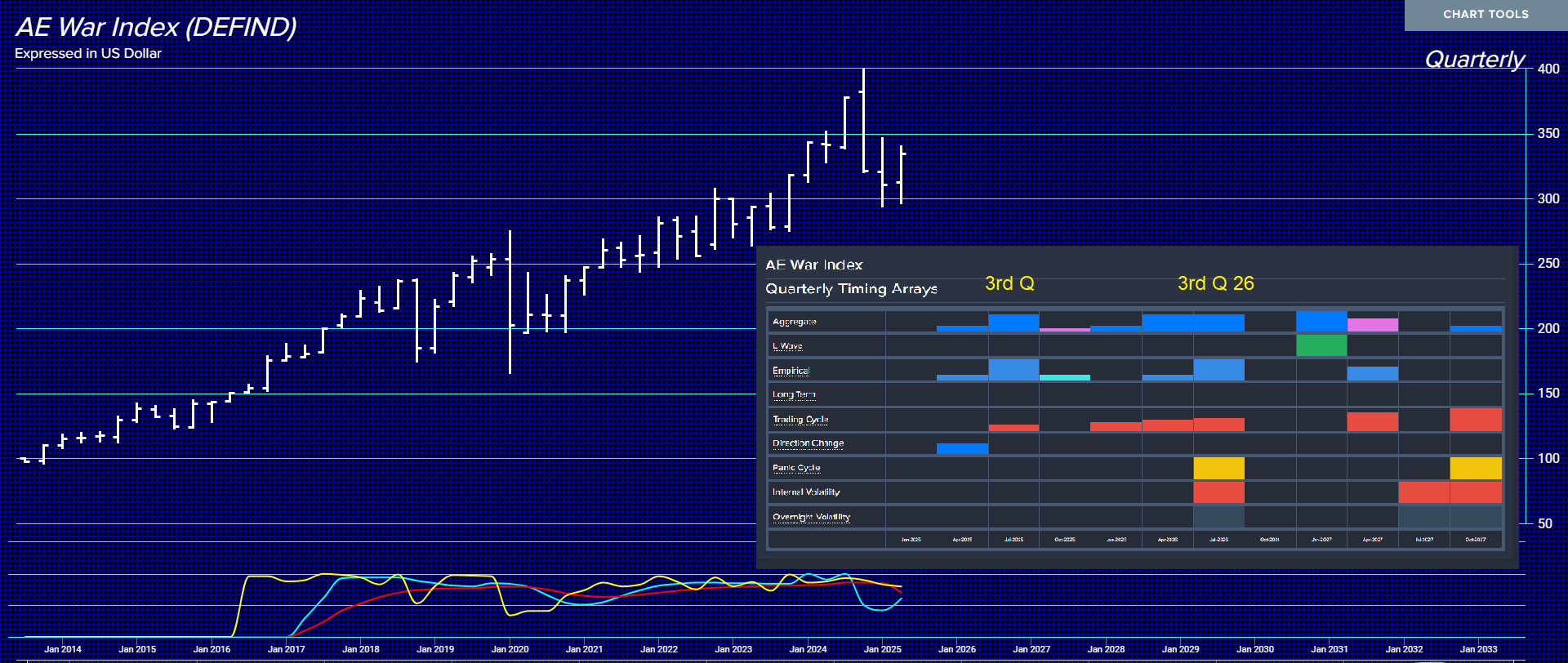
Our model peaked intraday in the last quarter of 2024, with the third quarter of 2024 as the highest quarterly closing. The correction was to be into the first Quarter, and then the second quarter was a Directional Change. We will now head into the third quarter of 2025, which should reflect the failure of any peace deal because any ceasefire is only to regroup and rearm Ukraine. There is no resolution to this, and the EU will NEVER allow Ukraine to have peace.
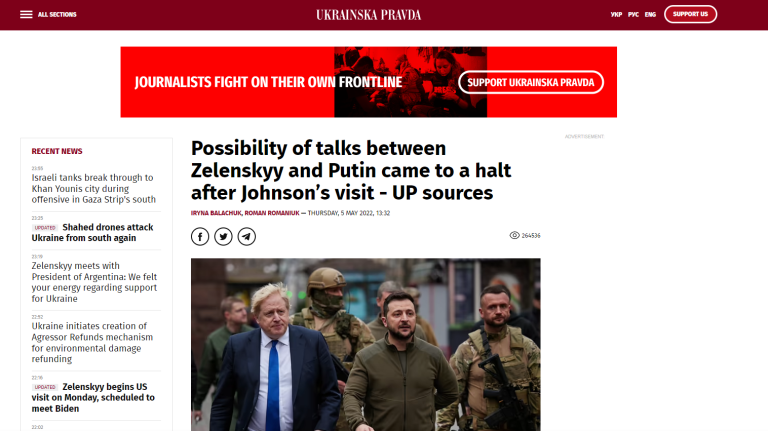
There was a peace deal. Putin withdrew his tanks around Kiev, and Boris Johnson flew to Ukraine and instructed Zelensky not to sign any peace deal. More than one million Ukrainians are now dead. My sources in the US military confirm that all the claims that Russia has lost 1 million are fake news. This is all to push for war. Europe does NOT want peace. They are broke, and without war, the people will be storming their parliaments with pitchforks to hang these politicians on the street, for everything they were promised will vanish in a sovereign default. They NEED a distraction, and that is war with Russia, the same as Carney ran against Trump in Canada and avoided all domestic economic damage carried out by the Liberal Party.
Posted originally on Dec 29, 2025 by Martin Armstrong |
The year 2025 was not defined by a single shock, but by a decisive break in confidence. Governments repositioned, as did central banks, but both have realized they are unable to stop the cycle in motion. The public no longer trusts those in charge of monetary or fiscal policy and confidence was the dominant theme of the year.
The drums of war loudly rang throughout the world. The Middle East saw intense conflict between Israel and Palestine. The West gained strategic partnerships with formerly ousted partners and created new enemies. Europe continued to build its defenses as it braces for World War III, promoted by its own neocons who have refused to accept peace. Nations drifted deeper into debt as they prepared for the inevitable, propelling the sovereign debt crisis. Russia acknowledged that it is at war with NATO and has increased its nuclear power. There were over 110 ongoing wars across the globe in 2025, and tensions are intensifying.
Economic warfare persisted. April’s tariffs and market correction sent shockwaves through the economy. Nations were forced to rethink trade and restrategize all imports/exports. War tensions rose in the East as all eyes are on Taiwan. China and the US remain at odds and are fighting for the title of “financial capital of the world.” China’s growing middle class and technological advancements rapidly accelerated.
Donald Trump taking office marked a global shift away from the globalist agenda–for now. Trump steered the US in a 180-degree direction from Joe Biden’s policies on energy, immigration, trade, and most importantly, war. I warned that Donald Trump’s election could delay the inevitable but not prevent it. As expected, the opposition has opposed the president every step of the way, which led to the longest government shutdown in US history. Confidence cracked once more when it was revealed that Joe Biden did not assume authorshipof his presidency, leaving the public to wonder who was in charge of leading the world’s top economy for the past four years.
The push toward the Build Back Better agenda collapsed after Trump, and we witnessed countless nations vote for candidates with nationalistideologies. Klaus Schwab’s exit from the World Economic Forum was unexpected and marked a change in vision from the bureaucratic elites who can no longer rely on the lies of climate change to control the masses. The new leadership of the WEF signaled a new direction for the globalists. They have not relented on their mission but altered it to adjust to the changing tides.
The dawn of the AIage has led to a new rise of institutions and reframed the future. Semiconductor chips are of utmost priority, as well as rare earth minerals, both of which are in tight supply. Automationhas begun to replace workers. Jobsare in tight supply as businesses no longer trust in tomorrow and will not expand even if there is an opportunity to borrow at lower rates.
The most widely read content reflected that reality. When Vietnam erased and froze 86 million bank accounts tied to digital ID compliance, the response was immediate and global. Readers understood this was not about Vietnam, but about the future of money itself. That concern deepened as similar systems expanded elsewhere. Thailand’s biometric control model illustrated how surveillance, banking, and identity are converging into a single permission-based framework. Digital IDs and CBDC are not only valid concerns but concrete plans. Governmentsare increasing surveillance, tightening their grip on the masses who no longer trust them. Capital has poured into equities and tangibles as a hedge against governments.
The most engaged blog posts of 2025 shared a common thread: capital controls, digital identity, surveillance, war risk, sovereign debt, and the loss of credibility in government data. It is clear that the public has lost all hope in a reliable government. Trust has been lost, and people are seeking ways to protect themselves from increasingly authoritarian regimes.
2025 was the confirmation year. As we move into 2026, volatility will not come as a surprise. The Economic Confidence Model points to a heightened risk of financial stress, political instability, and sudden shifts in capital flows as confidence in institutions continues to erode. This is the phase in the cycle when governments are forced to react, often resorting to control measures as volatility rises. Although 2026 will be far from a calm year, the computer will continue to guide the way and provide a bit of predictability amid an unstable world.
Posted originally on Dec 29, 2025 by Martin Armstrong |
Whether the car bomb is perfidious depends entirely on the method used to get the bomb to the general. Perfidy (Treachery) is strictly prohibited under Article 37 of the Geneva Conventions’ Additional Protocol I. Perfidy is defined as acts that invite the confidence of an adversary to make them believe they are entitled to, or are obliged to accord, protection under the rules of IHL, with the intent to betray that confidence.
Feigning surrender, feigning injury, feigning civilian status, or using the protective emblems of the Red Cross/Crescent to launch an attack. This is a war crime because it undermines the protections meant to safeguard vulnerable persons (like surrendering soldiers, the wounded, civilians) and erodes the minimal trust needed for IHL to function.
Ukrainian forces have been accused of carrying out assassinations of top Russian generals, including using methods like car bombs and remote-detonated explosives. For instance, Lt. Gen. Igor Kirillov was killed in December 2024 by a bomb hidden in an electric scooter Zelensky claims he has been assassinating Russians under the claim that they are responsible for war crimes. These operations are part of Ukraine’s strategy to weaken Russian military leadership and morale. However, these are outright war crimes.
If the bomber poses as a civilian driver, uses a civilian car with white flags, or in any way feigns a non-combatant or protected status to approach the general, this is perfidy. The act betrays the confidence the general would have that civilians are not directly participating in hostilities. This is a war crime.
Ukraine has been involved in a series of high-profile assassinations targeting senior Russian military officials during the ongoing conflict.
Notable Incidents
Date
General Name
Method of Assassination
Details
December 2024
Lt. Gen. Igor Kirillov
Bomb hidden in an electric scooter
Kirillov was killed outside his apartment in Moscow. Ukraine’s security service claimed responsibility.
April 2025
Lt. Gen. Yaroslav Moskalik
Explosive device in his car
Moskalik was killed by a bomb placed in his vehicle near his home. Ukraine’s President hinted at the operation.
December 2025
Lt. Gen. Fanil Sarvarov
Car bomb
Sarvarov was killed by a bomb detonated under his car in Moscow. Investigators suspect Ukrainian involvement.
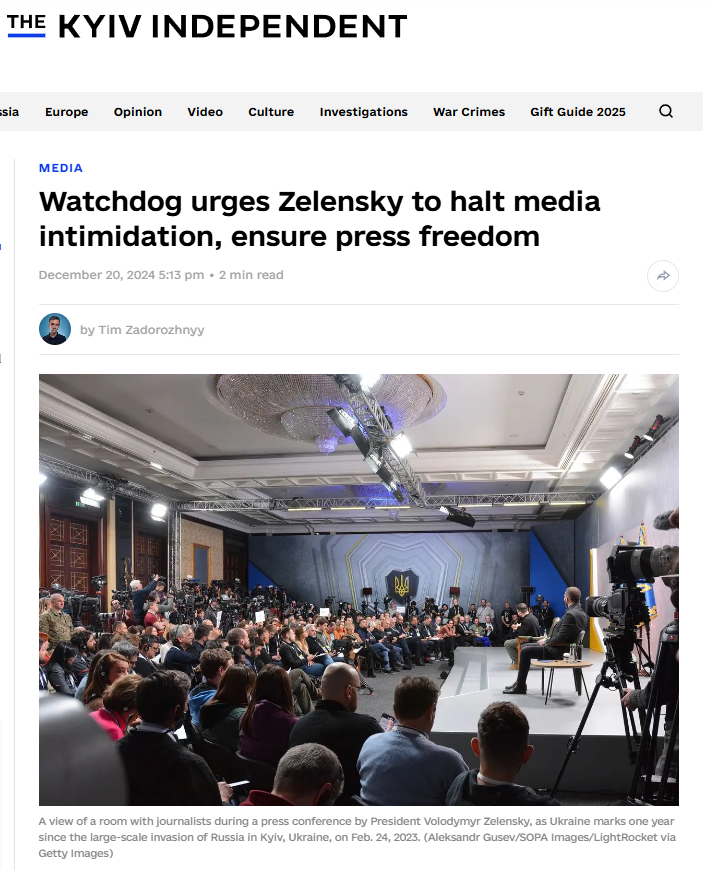
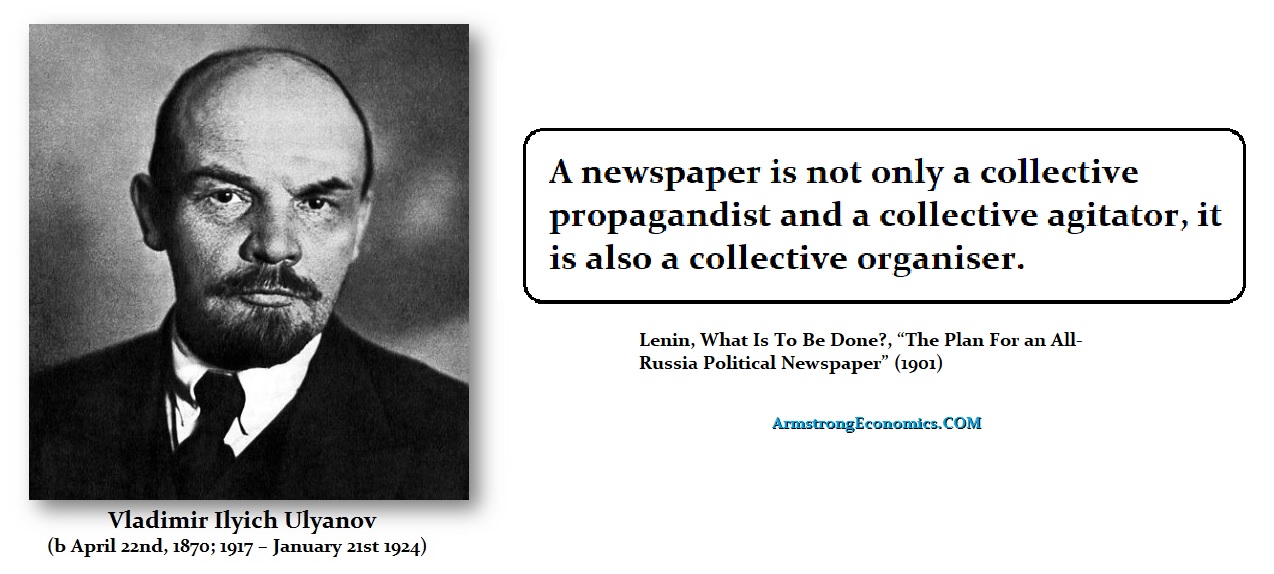
These assassinations demonstrate Ukraine’s total disregard for the Geneva Convention as they are using spies posing as civilians to carry out war crimes in Moscow. There are traits that are common to authoritarians as Zelensky has silence any opposition in Ukraine. Historically, revolutionary or authoritarian socialist systems—especially Leninist and Marxist-Leninist ones—have consistently used censorship and repression to silence opposition. That pattern isn’t accidental; it flows from how those systems understand power, truth, and opposition.
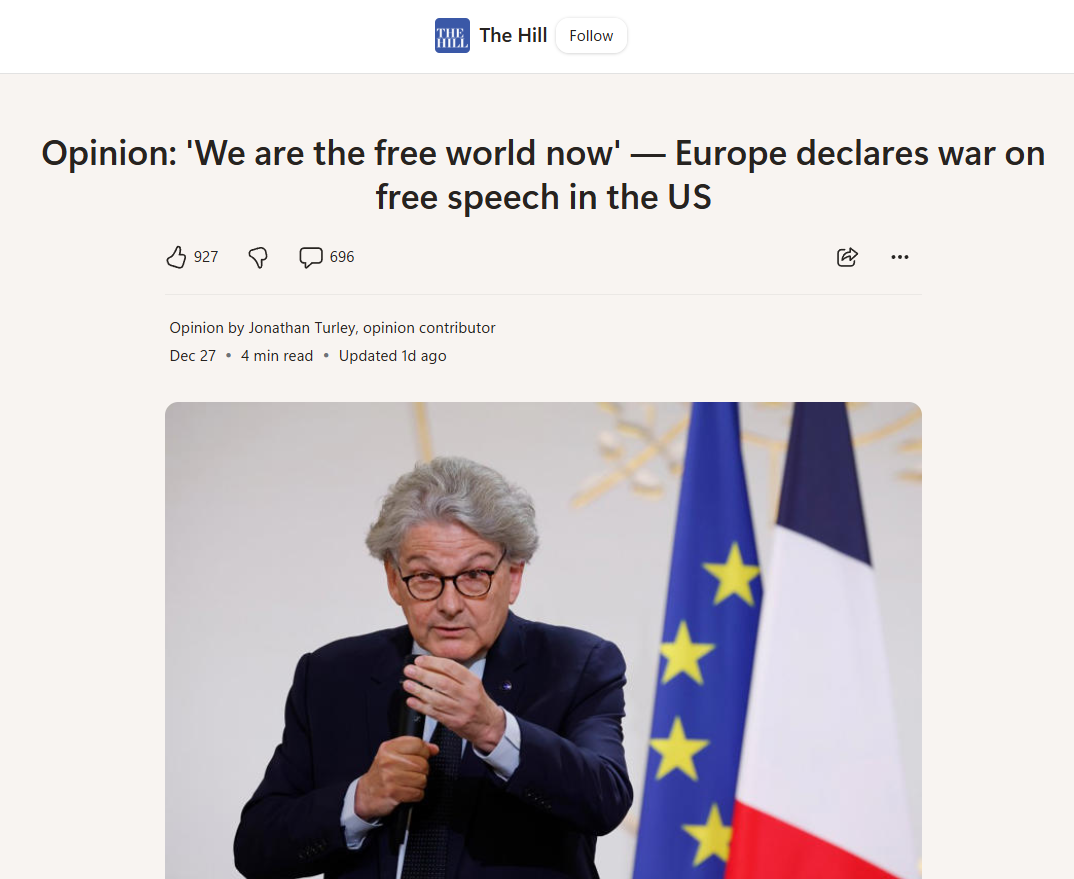
The EU has become indistinguishable from the censorship advocated by Lenin and Marx. They are desperate to cling to their Marxist view of the world and in so doing, they are now even seeking to interfere in the United States imposing sanctions on any anyone who dares to disagree with their views of totalitarianism. Confidence is cracking. Capital is watching. And history suggests the capital flow will not favor those who confuse control with trust. In Leninist theory, socialism is not just a policy preference—it is a historical inevitability. Once a party claims to represent “the working class” or “the people,” then any opposition is not merely disagreement, it is redefined as counter-revolutionary, reactionary, or bourgeois sabotage. This is what is unfolding in the EU. They are desperate to retain power and they know they are losing their grip. When that takes place, any government historically seeks total control. This is unfolding in the EU before our very eyes. This is why they will defend Zelensky no matter what his does and they are ignoring the corruption perhaps because they are getting kick-backs on the side.
Vladimir Lenin explicitly argued that freedom of the press and pluralism were tools of class domination, not neutral liberties. From that standpoint, suppressing opposition is framed as defensive, not tyrannical.
Zelensky is a Neo-Nazi who may be Jewish, but like Soros, has pretended to be Christian even joking about confiscating assets of Jews and Russians on stage before becoming president. He married a Christian and his children are baptized. Jews that I have spoken with say he is no Jew. The Ukrainian government has acknowledged some of these assassinations, framing them as necessary responses to Russian aggression and war crimes. Europe is fully aware that Ukraine is a rogue nation-state and that this has been a deliberate war to destroy Russia. The solution applied in Yugoslavia and Czechoslovakia was to divide them according to ethnicity. This war would NEVER have taken place if we simply allowed the people of the Donbas to choose as we did in Yugoslavia and Czechoslovakia. Ah, but they were not Russians. They hate the Russian people for the sins of Stalin, yet they forgave Germans for the sins of Hitler and Italians for the since of Benito Mussolini.
Zelensky has called for nuclear war. This is why I have advocated exiting NATO ASAP, because they will create a false flag to start WWIII. The EU is collapsing and needs this war to retain absolute authoritarian power. This is also in part why VP Vances has warned that the UK and France do in fact pose a national security risk to the USA for they are desperate for war. MI6’s involvement in Ukraine, to the extent publicly acknowledged, is intelligence cooperation. They also have been providing targeting information. This is like someone hiring an assassin to kill their spouse and claim they did not pull the trigger.
Trump said on Sunday: “Well, I think the land — you’re talking about — some of that land has been taken. Some of that land is maybe up for grabs, but it may be taken over the next period of a number of months — and you’re better off making a deal now.”
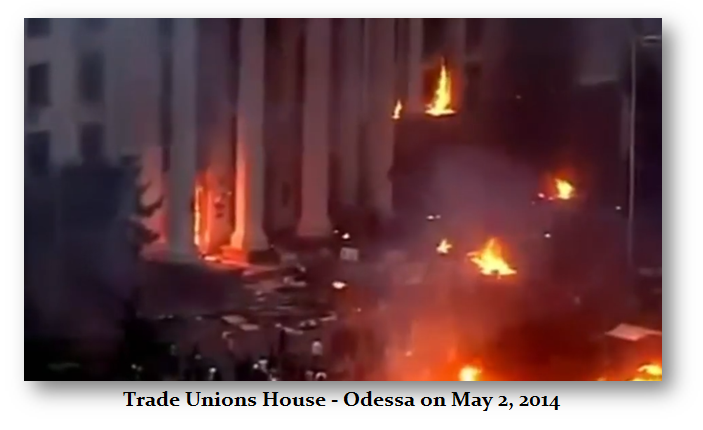
Russian live in the Donbas. The Minsk Agreement was to allow them the human right to vote. After Ukrainians slaughtered Russian civilians burning them alive in Odessa, a city founded by Kathrine the Great, that is when the Donbas moved to separate. The Ukrainians HATE Russians and returning that land to Ukrainian will lead to ethnic cleansing but because they are Russians, the Western Press will never report the truth.
This, because the EU, the Neocons, and Ukrainians hate Russians, they will bring the world to the brink of total destruction. China will join with Ukraine because they know they will be next. Add to this, North Korea and Iran along with Pakistan. Nobody seems to be against war except some in the United States.
Posted originally on December 28, 2025 by Martin Armstrong |
In 1935, Roosevelt introduced “The Social Security Act,” which passed in Congress. However, the act was described as “Old Age, Survivors, and Disability Insurance.” At first, the Act covered only industry and commerce. It was later extended to include farm operators in 1955. The SS tax was to be 3% of income up to an established limit.
The Amish pay taxes because the Bible said: “paying unto Caesar what is Caesar’s.” In 1956, the IRS informed the Amish that they were now subject to Social Security and would have to pay. One Amishman was quoted in a November 1962 Reader’s Digest article: “Allowing our members to shift their interdependence on each other to dependence upon any outside source would inevitably lead to the breakup of our order.” The constitutional question that has never been decided is what happens when the taxing power of government violates the First Amendment and Freedom of Religion? It clearly states: “Congress shall make no law respecting an establishment of religion, or prohibiting the free exercise thereof…”
In 1802, Jefferson wrote to the Danbury Baptists of Connecticut that there should be “a wall of separation between church and state.” They feared that a minority religion could be subjugated by the Federal Government, acknowledging a national religion. The Johnson Amendment, named for Lyndon Johnson, is a provision in the U.S. tax code that prohibits all 501(c)(3) non-profit organizations from endorsing or opposing political candidates. If churches involve themselves in politics, then indeed that creates a reverse problem where the state can be taken over by one religion and oppress all others; so it can go both ways. Historically, religions have often seized governments and outlawed all other religions.
In this instance, concerning taxation in direct conflict with religion, a group of Amish presented a petition to Congress, with 14,000 signatures. Naturally, Congress ignored them. The Amish reasonably questioned what possible harm they could do by not paying into Social Security. “We do not want to be burdensome, but we do not want to lose our birthright to everlasting glory, therefore we must do all we can to live our faith!”
The IRS moved to go after the Amish and seize their bank accounts. The problem was – they had none! The IRS then sought to go after anyone buying milk from the Amish and attach their payments to divert them to the IRS. Most simply refused for such a scheme would happen just once and end the business. The IRS, refusing to consider any religious principle, moved in to seize property. In this case of the Amish, that meant cows and horses. They would rather have the Amish die than respect anyone’s rights to religion.
Valentine Byler of the Amish community in Pennsylvania owed four years of IRS taxes. The IRS, of course, added interest and penalties to raise it to $308.96. Byler argued his religion forbade paying for insurance. The IRS said that was a “technicality” and that it was really just a tax. Vyler has no bank account to seize, so they issued a summons to appear in court for a charge of contempt. The judge in Federal District Court in Pittsburgh, Pa, according to a Reader’s Digest article, “angrily demanded of the IRS agents, ‘Don’t you have anything better to do than to take a peaceful man off his farm and drag him into court?’” The Judge then dismissed the case.
The IRS never gives up. The IRS had to issue a statement on April 18, 1961, in which they said:
Since Mr. Byler had no bank account against which to levy for the tax due, it was decided as a last desperate measure to resort to seizure and sale of personal property.
The IRS seized three of Byler’s six horses while he was actually plowing the ground for the spring planting. The IRS then sold the three horses at auction on May 1, 1961, getting $460. They then used this to satisfy the $308.96 and then charged him $113.15 in expenses and graciously returned $37.89. The incident made national news and was being used by the Communists to show how capitalism was ruthless. The New York Herald Tribune, reported the story with the bold headline: “Welfarism Gone Mad.”
The IRS Chief of Collections was forced to respond claiming he was unaware of the plowing situation. “Plowing never occurred to me. I live in an apartment.” To show the mentality of those who are bureaucrats, he then said: “We don’t ask people their race or religion when we administer the tax laws. People have no right to use their religion as an excuse not to pay taxes.”
The IRS was then compelled to issue a press release in 1961, stating the Amish stance that “Social Security payments, in their opinion, are insurance premiums and not taxes. They, therefore, will not pay the ‘premium’ nor accept any of the benefits.”
The Amish met with the IRS Commissioner in September 1961 in Washington, DC. They cited several Bible passages, including I Timothy 5:8, which says, “But if any provide not for his own, and especially for those of his own house, he hath denied the faith and is worse than an infidel.”
The public outrage at the conduct of the IRS was international. The Amish argued they were entitled to an exemption based on the First Amendment. The IRS agreed to cease further seizures until the case was settled. Now, senators promised to try to pass a bill in Congress and everything stopped. The Amish hired a lawyer to challenge this conflict between the taxing power and the First Amendment. However, as the court date approached, they realized that if they lost in court, it would be over. They then looked to Congress to pursue a legislative exemption. Finally, in 1965, the Medicare bill was passed by Congress. Congress realized that if the Amish went to court and won, then others could challenge the right to tax conflicting with the First Amendment. Congress quietly put in on page 138 a clause exempting the Old Order Amish, and any other religious sect that conscientiously objected to insurance, from paying Social Security payments, providing that the sect had been in existence since December 31, 1950. The Senate approved in July, and President Lyndon B. Johnson signed it into law on August 13, 1965.
The open question remains simply this; the first explicit references to the tithe appear in Genesis 14, where Abraham tithes to Melchizedek, and in Genesis 28, where Jacob promises to give God “a full tenth.” But where did the idea to tithe come from? Many argue Abraham and Jacob were simply following the customs of the surrounding nations. But Scripture points in a different direction. In Genesis 26:5, God says, “Abraham obeyed my voice and kept my charge, my commandments, my statutes, and my laws.” In the New Testament, Jesus upholds the tithe in Matthew 23:23 (cf. Luke 11:42). He condemns the Pharisees for their tedious commitment to one part of God’s law, the tithe, while neglecting “the weightier matters of justice, mercy, and faithfulness.” Then he states, “These you ought to have done, without neglecting the others.”
One of the Five Pillars of Islam, zakat is a religious obligation for all Muslims who meet the necessary criteria of wealth. This too is not a charitable contribution, but is considered to be an obligatory tax or alms. The payment and disputes on zakat have also been controversial in the history of Islam. The zakat is based on income and the value of all of one’s possessions or property. It has been traditionally set at 2.5% above a minimum amount known as nisab, which has also been greatly debated.
In Judaeo-Christianity, the “tithe” was a one-tenth of annual produce or earnings, formerly taken as a tax for the support of the church and clergy in Christianity. The question is, does exceeding the level prescribed as a “tithe” violate the First Amendment? If true, then any income tax imposed beyond 10% would violate the First Amendment. Since the Ten Commandments also prohibits coveting anything that belonged to a neighbor including his wife or property, it would appear that Socialism championed by Karl Marx violates the First Amendment and any tax should not exceed 10%. Hence, progressive taxation would be unconstitutional if not a flat tax. Some argue it also violates Equal Protection of the laws. The Tax at the time of Jesus’s statement to give to Caesar what is Caesar’s was less than 5%.
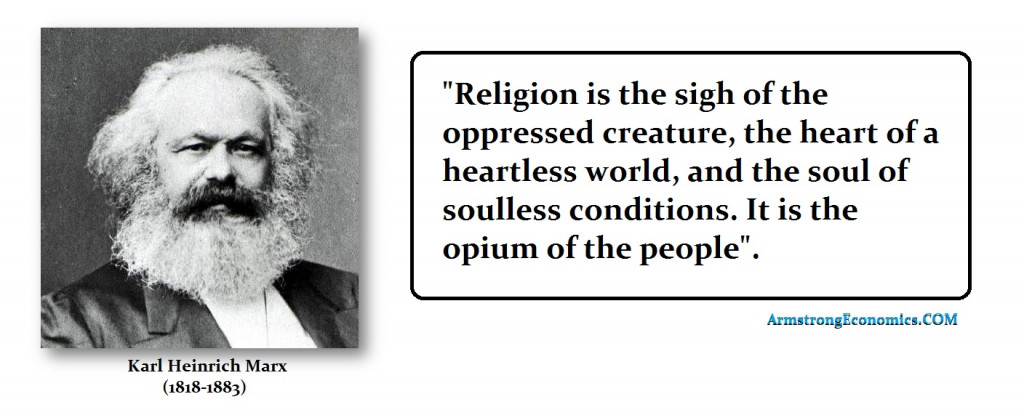
Historically, during the Roman Republic, the tax imposed was 1%. During times of war, the taxes would rise to 3%. Ever since Karl Marx, who said religion is the opium of the masses, politicians have loved Marxism and used it to exploit the people to the point governments are averaging now 40% of the entire economy. They have outpaced all other businesses beating the bankers and multinational corporations. They have become the 800 pound gorilla in the corner of the room nobody notices is even there. Politicians always preach against the “rich” which increases the wealth of government. As the IRS commented: “We don’t ask people their race or religion when we administer the tax laws. People have no right to use their religion as an excuse not to pay taxes.” This is obviously the spirit of Karl Marx.
I have created this site to help people have fun in the kitchen. I write about enjoying life both in and out of my kitchen. Life is short! Make the most of it and enjoy!
This is a library of News Events not reported by the Main Stream Media documenting & connecting the dots on How the Obama Marxist Liberal agenda is destroying America








 Centinel2012