Acting Attorney General Todd Blanche Holds a Press Conference


Posted originally on CTH on April 7, 2026 | Sundance

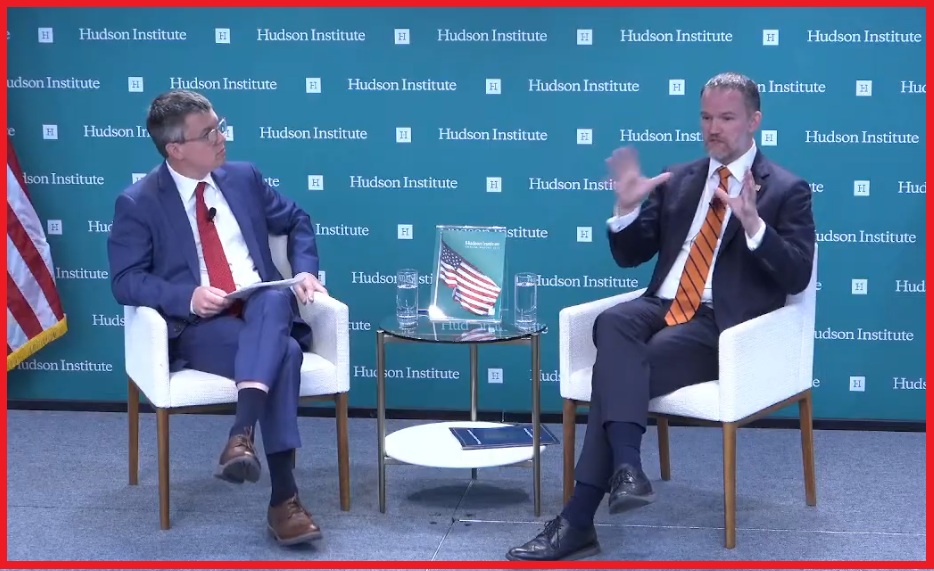
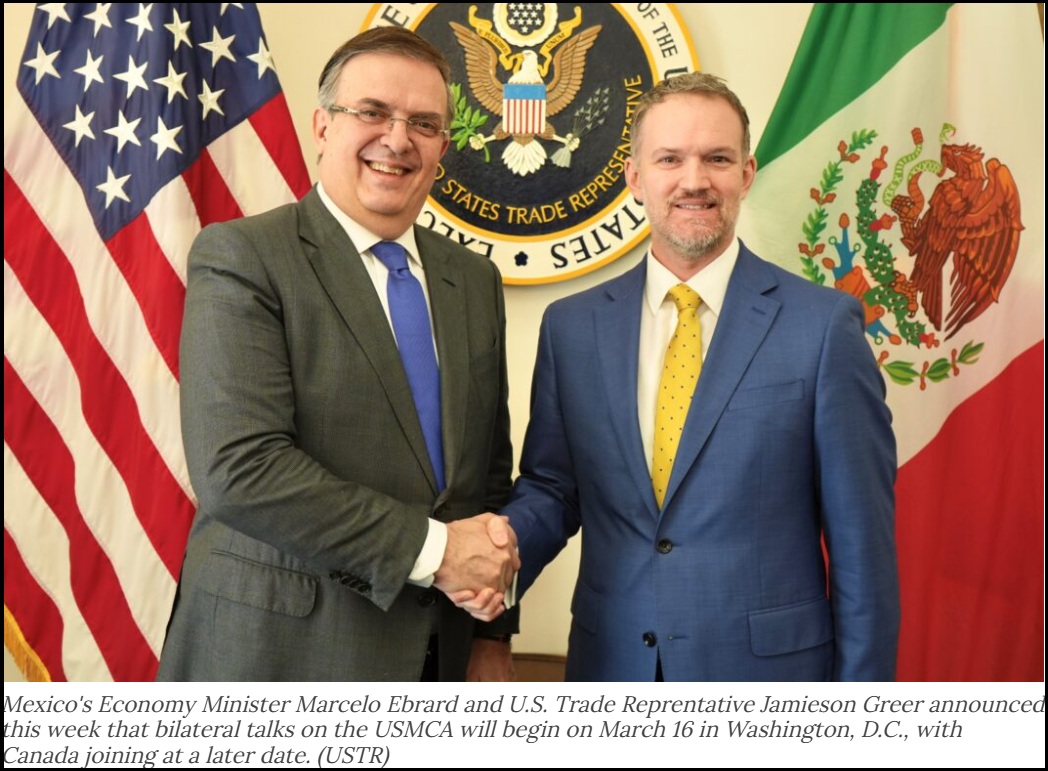
During an appearance at the Hudson Institute, U.S. Trade Representative Jamieson Greer is asked to summarize the administration’s approach to upcoming USMCA (CUSMA) renegotiations.

USTR Greer emphasized the focus is on outcomes in review of the USMCA, not focusing on the previous trade structure itself. The results carry more weight than reviewing what was intended.  On June 1st Greer anticipates telling congress that the U.S. intends withdrawal, pending unilateral negotiations with both Canada and Mexico to resolve conflict.

Greer describes two different protocols within any negotiation to deal with the structural differences between both Canada and Mexico.  Those differences include a completely different import/export profile with each country, different sectors of goods, difference in the wage rates within each country and a structural difference in the way each country is establishing their own, independent free trade agreements with other third-party countries.  These baselines form the reason to tell congress of the dissolution, and on July 1st inform both Canada and Mexico about it.

In the interim, the points of conflict are currently being negotiated with Mexico toward resolution.  The same negotiation is expected later between the U.S. and Canada; however, it sounds like that engagement will take place after congress is informed of the points of conflict.  WATCH (prompted):

.

U.S. Trade Representative Jamieson Greer Discusses USMCA Review and Two Different “Protocols”


Posted originally on CTH onApril 7, 2026 | Sundance

During an appearance at the Hudson Institute, U.S. Trade Representative Jamieson Greer is asked to summarize the administration’s approach to upcoming USMCA (CUSMA) renegotiations.

USTR Greer emphasized the focus is on outcomes in review of the USMCA, not focusing on the previous trade structure itself. The results carry more weight than reviewing what was intended.  On June 1st Greer anticipates telling congress that the U.S. intends withdrawal, pending unilateral negotiations with both Canada and Mexico to resolve conflict.

Greer describes two different protocols within any negotiation to deal with the structural differences between both Canada and Mexico.  Those differences include a completely different import/export profile with each country, different sectors of goods, difference in the wage rates within each country and a structural difference in the way each country is establishing their own, independent free trade agreements with other third-party countries.  These baselines form the reason to tell congress of the dissolution, and on July 1st inform both Canada and Mexico about it.

In the interim, the points of conflict are currently being negotiated with Mexico toward resolution.  The same negotiation is expected later between the U.S. and Canada; however, it sounds like that engagement will take place after congress is informed of the points of conflict.  WATCH (prompted):

.

Exceptional Sky News Global Energy Report Highlights Dependency Risk for Entire British Commonwealth


Posted originally on CTH on April 4, 2026 | Sundance

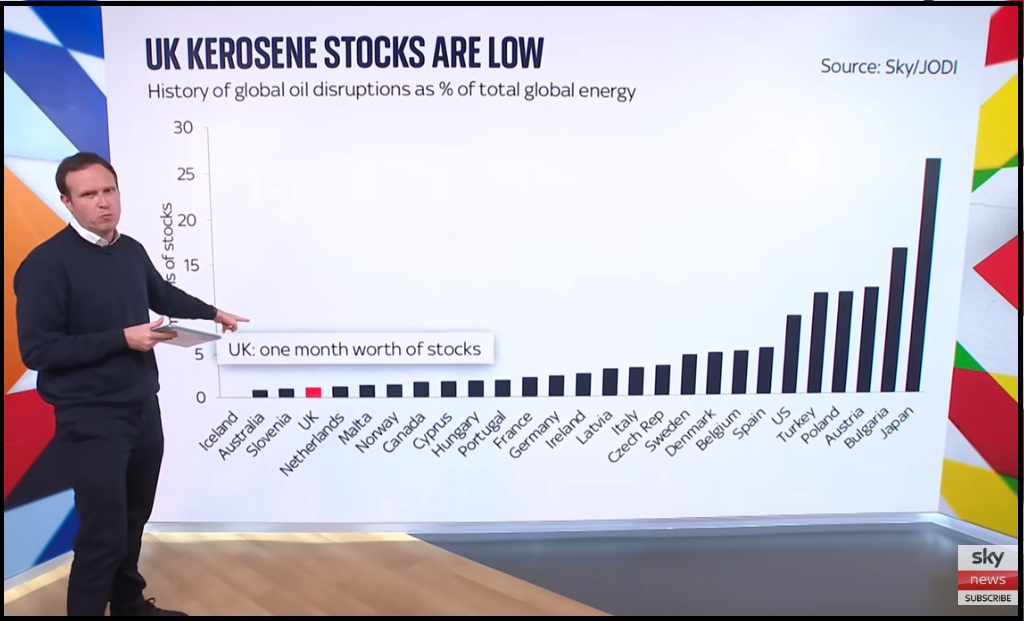
You would have to read dozens of energy industry reports to get the information provided here in this exceptionally well-done news segment.

Sky News economics and data editor Ed Conway presents a fantastic look at how the issue with the Strait of Hormuz has impacted the global distribution of energy, oil, LNG and Kerosene (jet fuel), with particular emphasis on the vulnerabilities of the “modern industrialized western nations.”

Conway never points the finger to the “net zero” carbon goals of Europe, the U.K and Australia. However, he shows the outcome of their dependence on production and refining by other non-participating nations. The timelines clearly show, as the Green Energy policies were pushed the vulnerability inherent within any supply shock begins to get worse. This is a very well-presented data-driven analysis that is worth watching.

The last two-minutes also shred the claims by EU and British leadership, and highlights how Europe and the U.K are now dependent on the United States to meet their energy needs. WATCH:

.

Air Canada CEO Resigns After Backlash for Not Offering Condolences in French


Posted originally on CTH on March 30, 2026 | Sundance

This story is absurd, but also typically Canadian because there’s a background of duplicity at work.

The topline story is that Air Canada CEO Michael Rousseau is resigning from his office following backlash in Quebec after he released a statement of condolence in the English language.  The Quebec legislature and Prime Minister Mark Carney both demanded his resignation because they were offended that Rousseau did not speak French.

Air Canada was involved in a horrific crash at New York’s La Guardia airport.  While the airline was not at fault, the CEO released a public message of condolence for the pilots who were killed and the passengers who were injured.  The message was delivered in English.  That’s the substantive reasoning given for the Canadian outrage.

(VIA NBC) – Air Canada announced Monday its CEO will retire later this year, after Michael Rousseau was criticized for his English-only message of condolence following this month’s deadly crash in New York.

Canada’s largest airline, based in French-speaking Quebec, said Rousseau told the board he will leave by the end of the third quarter.

Canada is an officially bilingual nation, and Prime Minister Mark Carney had said the English-only message showed a lack of compassion and judgment. Quebec’s premier and others called on the airline executive to resign.

[…] Canada’s largest airline is headquartered in Montreal. Rousseau previously had been criticized for not speaking French. He delivered his condolence video message in English, with French subtitles. The Office of the Commissioner of Official Languages has received hundreds of complaints about it. (read more)

That said, there’s more to this story.

Listen to this video:

Put this in the USMCA (CUSMA) elimination/negotiation file.  Europe has already been the visible example of what happens when you open your market to low price Chinese EVs.


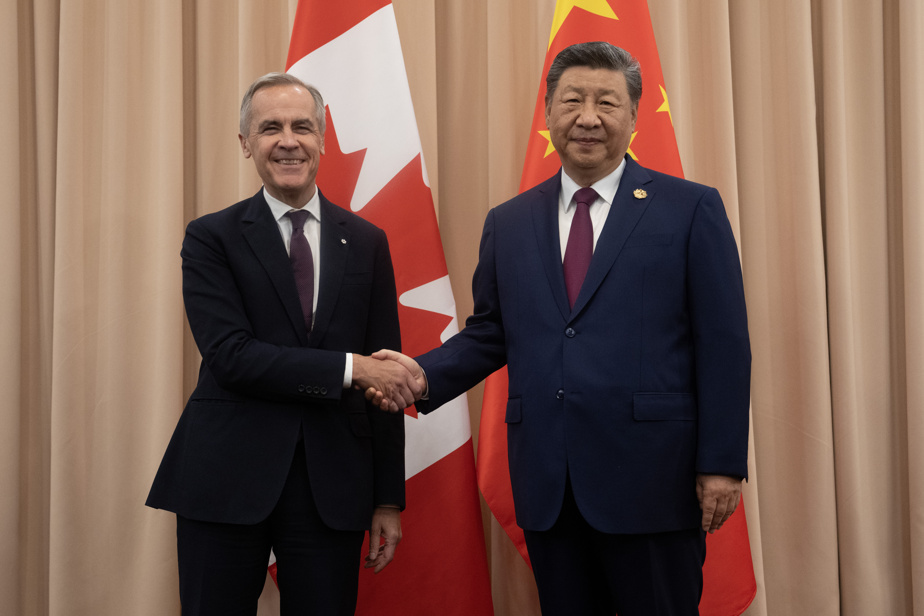
With the recent agreement by Canadian Prime Minister Mark Carney, Chinese auto manufacturers are now rushing to establish the dealerships, before the Beijing-Canada deal becomes an issue in the USMCA negotiation.

China is NOT going into Canada because they foresee a great market of Snow Mexicans purchasing their low price EVs.  They are going into Canada as a proactive measure to establish a North American footprint with an eye toward the USA.

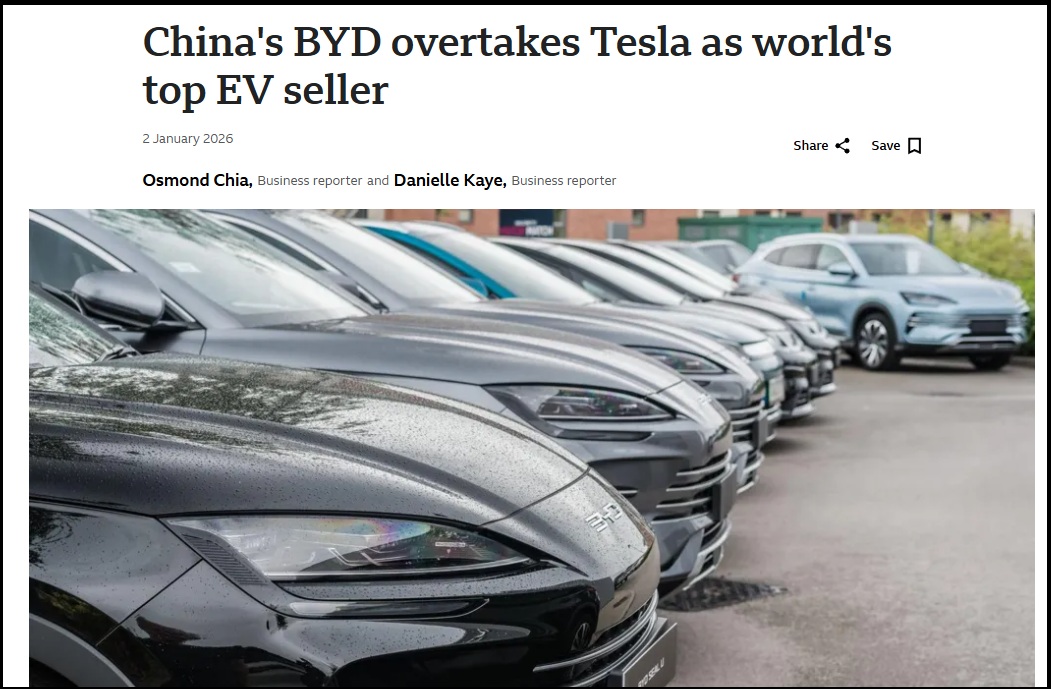
(VIA MSM) – BYD and Chery are accelerating plans to establish a dealership network in Canada after the country introduced a quota allowing tens of thousands of Chinese-made EVs to enter at reduced tariffs. The rollout will begin in Toronto before expanding to other major cities, with BYD targeting about 20 dealerships in its first year. This marks a significant new front in North American EV competition, as Chinese automakers seek growth outside the U.S., where prohibitive tariffs keep them out.

Canada’s updated trade policy allows 24,500 Chinese-made EVs annually at a reduced 6.1% duty, giving BYD and Chery a rare North American entry point. This follows China’s surge to become the world’s top vehicle exporter, with similar pushes into Mexico, Europe, and Latin America. The quota’s scale is modest but strategically valuable for testing market response and building brand awareness.

The companies will launch in Toronto before moving into Vancouver, Montreal, and Calgary. BYD aims for around 20 dealerships in its first year, using consultants and internal teams to secure prime sites. While the network could strengthen visibility in key urban markets, experts warn the quota’s limited volume may test the viability of multiple outlets.

With U.S. tariffs exceeding 100% effectively barring entry, Canada offers Chinese automakers a platform to establish presence, gauge consumer interest, and potentially influence future trade talks. Similar strategies have been used in Europe, where Chinese EV makers have gained ground despite strong local competition. Success in Canada could pave the way for local assembly or increased quotas. (read more)

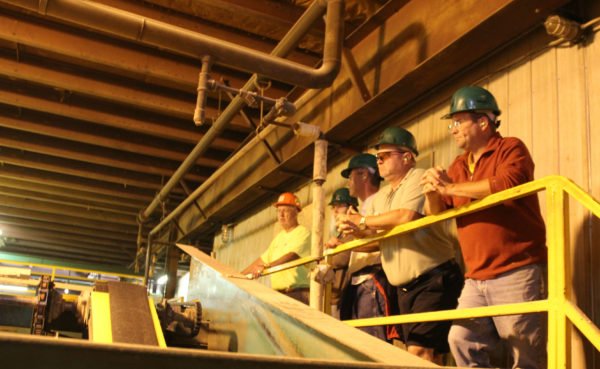
USDA Rural Announces a $115+ Million Investment to Expand USA Sawmills and Timber Development


Posted originally on CTH on March 23, 2026 | Sundance

This is one of those small stories that carries the potential for significant domestic economic gains.

As many are aware, the U.S. imports a lot of softwood lumber from Canada. Combined with the energy products the lumber sector represents the top two U.S. imports from Canada.  With Venezuela now potentially positioned to replace the former, USDA Rural Development now stimulates domestic lumber development potentially positioned to replace the latter.

Taken as a whole, these two approaches significantly weaken the Canadian leverage that could be deployed in a Free Trade Agreement negotiation.  Assuming, of course, the USMCA is dissolved in favor of two bilateral FTAs.

USDA Press Release – At the Advanced Bioeconomy Leadership Conference today, U.S. Department of Agriculture Administrator for the Rural Business and Cooperative Service J.R. Claeys announced the U.S. Department of Agriculture is guaranteeing $115.2 million across eight states through the Timber Production Expansion Guaranteed Loan Program (TPEP) to ensure sawmills and other wood processing facilities have the necessary funding to establish, reopen, expand, or improve their operations.

Today’s announcement includes recipients in the states of California, Idaho, Kansas, Louisiana, Maine, Oklahoma, Virginia, and Wisconsin.

These investments represent a commitment by the Trump Administration to expand American timber production by 25%, reduce wildfire risk, and save American lives and communities by strengthening domestic wood processing capacity.

“We cannot allow wildfires to devastate and destroy our rural communities,” said Administrator Claeys. “That’s why the USDA is taking bold action to stop the destruction of our forestlands by investing in sawmills and wood processing facilities that support sustainable timber harvesting. These actions strengthen local businesses, support rural prosperity, and create jobs for hardworking Americans.” (source)

This is not to say that expanded U.S. sawmill production would completely eliminate Canadian softwood lumber imports. However, it does create inventory and a stronger domestic supply chain that would diminish any applied leverage that Canadian trade negotiators would seek to deploy.

Without pipelines flowing East or West, Canada is stuck pumping their heavy oil south for processing.  Nothing about that is likely to change in the next few years, even if Canada abandoned their climate change policy (highly unlikely).

Then comes the cross-border auto manufacturing industry, and the realization that -sans USMCA- both U.S. and Japanese automakers are likely to stick with the manufacturing center where their greatest customer base exists, the USA.

Now overlay softwood lumber, and you can see the top three economic dependencies of the U.S and Canada are slowly being uncoupled, simultaneous with the trilateral USMCA provisions being reviewed starting with the U.S. and Mexico having direct conversations.

We keep watching.

Canada Quietly Turns Back to Nuclear as Net Zero Collides With Reality


Posted originally on Mar 16, 2026 by Martin Armstrong |  

Nuclear2 2166 1719912697

For years, politicians across the Western world have insisted that windmills and solar panels would power the future while reliable energy sources were dismantled in the name of climate policy. Now reality is beginning to intrude. Canada is preparing to unveil a national electricity strategy centered on expanding nuclear power as governments confront a basic problem they ignored for years — electricity demand is rising far faster than their green policies ever anticipated.

Artificial intelligence, data centers, and electrification mandates are dramatically increasing power demand across North America. At the same time, governments closed coal plants, restricted natural gas, and stalled nuclear projects for ideological reasons. The result has been rising electricity prices and growing concern about long-term energy security.

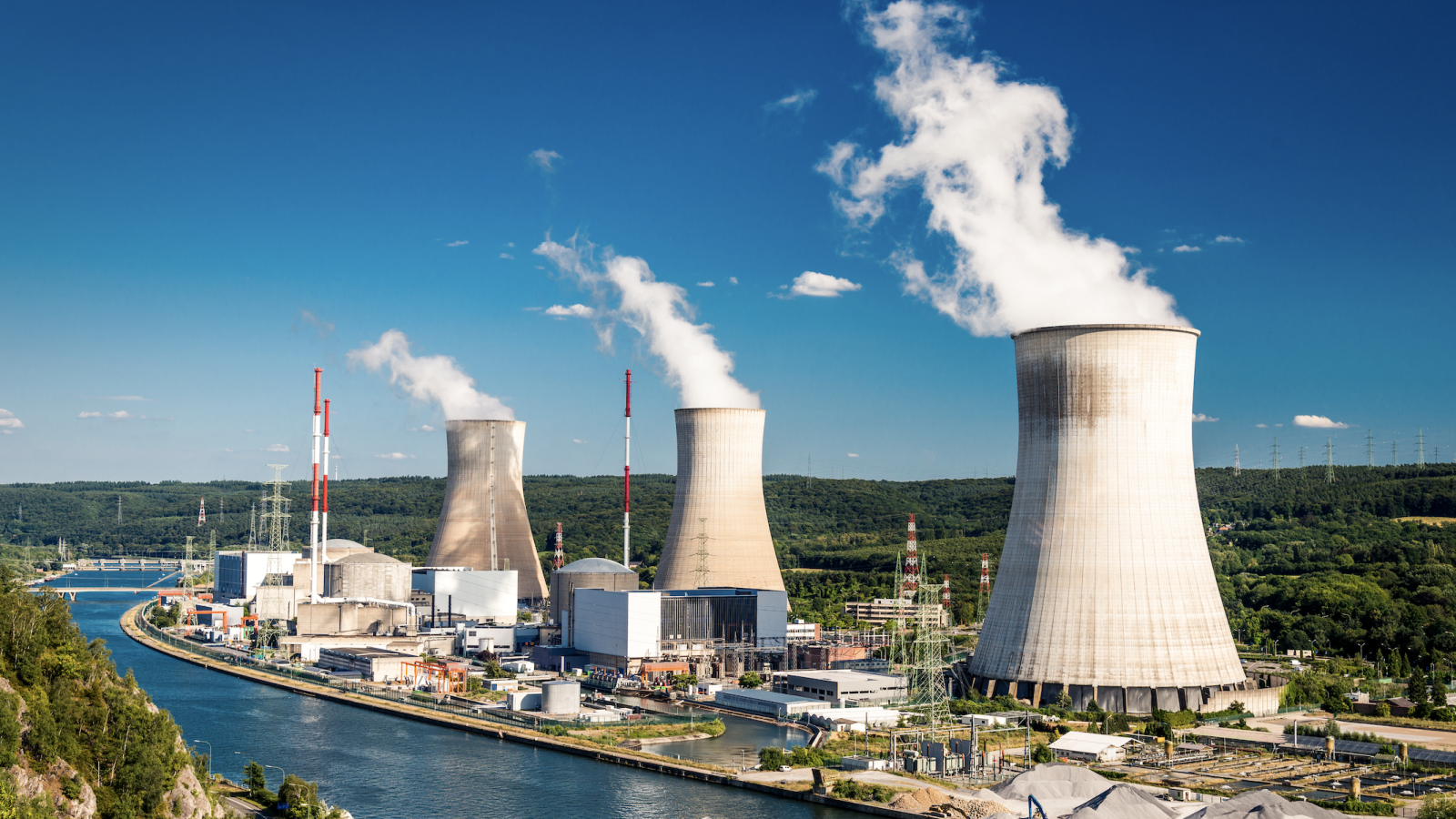
Canada is now quietly acknowledging what engineers and economists have been saying for years. Nuclear powerremains one of the few reliable baseload energy sources capable of supporting a modern industrial economy. Several new reactors are already planned or under construction, and the government’s upcoming strategy is expected to accelerate those projects.

Canada is building a new generation of nuclear reactors known as small modular reactors (SMRs). The most important project is the Darlington New Nuclear Project in Ontario. Ontario Power Generation has begun construction of the first BWRX-300 small modular reactor at the Darlington site, with the reactor expected to come online around 2029–2030.

The Darlington project is significant because it is expected to become the first grid-scale SMR operating in a G7 country. The government has approved a full fleet of four SMRs at the site, which together could produce about 1,200 megawatts of electricity — enough to power roughly 1.2 million homes. Each reactor is a GE Hitachi BWRX-300 design that produces around 300 megawatts of power and is smaller and less complex than traditional nuclear plants, which is intended to reduce construction costs and speed up deployment.

At the same time, Canada is completing major refurbishment projects on existing nuclear plants such as the Darlington Nuclear Generating Station. This refurbishment extends the facility’s life for decades, preserves thousands of jobs, and continues to produce reliable baseload electricity.

Beyond individual projects, the Canadian government is preparing to release a national electricity and nuclear strategy to accelerate nuclear development and provide investors with clearer policy direction as electricity demand rises sharply.

This shift exposes the contradiction that has defined Western energy policy. Governments attempted to restructure entire energy systems based on political narratives rather than economic reality. Now they are discovering that the industrial world cannot function without stable, large-scale electricity generation. The return to nuclear is less about environmental policy and more about economic survival.

WEC.2025.5 rotated

I will be speaking in Vancouver on March 31 at the 2026 World Outlook Conference. The discussion will be tailored to the Canadian investor, as it is paramount to understand what is on the horizon. The next few years will be volatile to say the least, and the best we can do is to prepare for what is to come. I have refrained from sharing the full scope of the glaring Turning Points and Panic Cycles flashing on Socrates, but I am prepared to give attendees the full story.

Canadian Prime Minister Boasts About Blocking 10,000 IRGC Members from Entering Country


Posted originally on CTH on March 15, 2026 | Sundance 

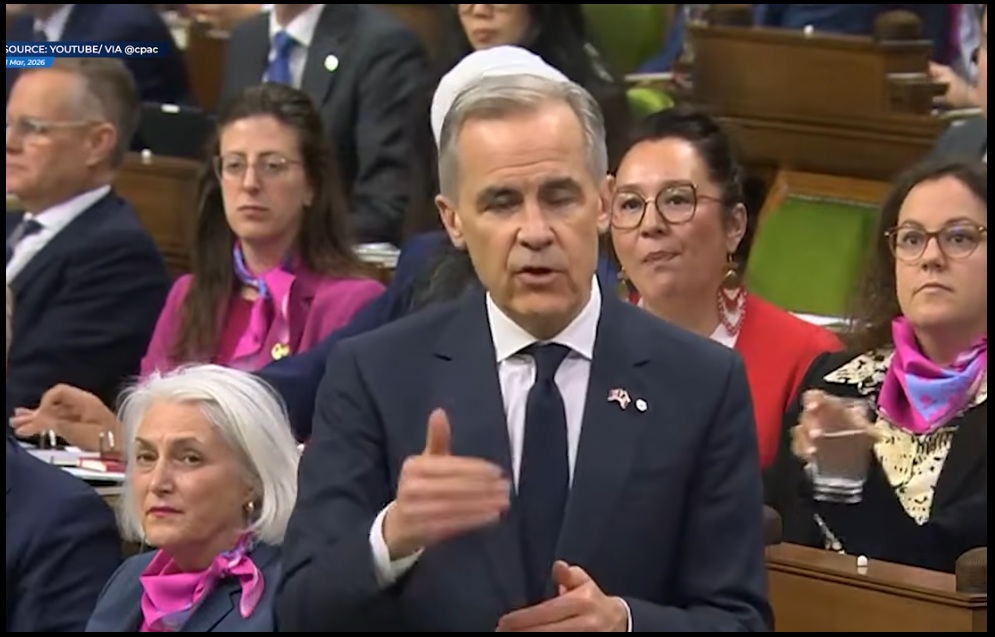
In the midst of the two pontificating princesses of Parliament verbally slapping each other with cashmere sweaters, Prime Minister Mark Carney made a rather remarkable statement.

According to the Canadian Prime Minister, he has blocked ten thousand IRGC members from entering Canada {at 1:00 minute of video below}. Now, why would 10,000 Iranian Revolutionary Guards think it was a solid option to exit the conflict for safety in Canada? WATCH:

.

Canadian Prime Minister Boasts About Blocking 10,000 IRGC Members from Entering Country


Posted originally on CTH on March 15, 2026 | Sundance 

In the midst of the two pontificating princesses of Parliament verbally slapping each other with cashmere sweaters, Prime Minister Mark Carney made a rather remarkable statement.

According to the Canadian Prime Minister, he has blocked ten thousand IRGC members from entering Canada {at 1:00 minute of video below}. Now, why would 10,000 Iranian Revolutionary Guards think it was a solid option to exit the conflict for safety in Canada? WATCH:

.

Iranian Regime Clerics Flee to Safe Harbor of Canada?


Posted originally on CTH on March 14, 2026 | Sundance 

This is quite a remarkable development.  Someone in the Toronto airport captured video of Iranian Cleric Hojjatoleslam Morteza Tayebi arriving in Canada yesterday [Video Here].  As the story is told, apparently 700+ members of the Iranian Revolutionary Guard Corps (IRGC), who carry out regime terrorism, reside or have dual citizenship in Canada. [HERE]

“The individual observed in the Pearson Toronto Airport videos, carrying a suitcase while dressed in clerical attire, is Hojatoleslam Morteza Taieb.  According to some reports, he holds residency or citizenship in Canada and travels between Iran and this country.” {Source}

Canadian Member of Parliament Melissa Lantsman has been trying to draw attention to the issue for several years, claiming the IRGC is carrying out domestic terrorism in Canada while supporting the activity of the Iranian government.

Melissa Lantsman“the government knows there are IRGC agents here in Canada. They know these terrorists perpetuate violence, terrify our citizens, and do the work of the mullahs in our own streets. But the government lets them stay in Canada.  Why?

Great question. Additionally, if Iranian Mullahs and Clerics are part of a fanatical war against the U.S. then wouldn’t their ability to seek safe harbor in Canada represent a threat to the United States?

That said, the IRGC members living in Canada in combination with dual citizenship for Mullahs and Clerics certainly explains the soft response from Prime Minister Mark Carney.