Posted Originally on Oct 5, 2026 by Martin Armstrong
Economists keep pointing to consumer spending as proof that the American economy remains strong. Americans spent 0.9% more in August, and naturally this is being celebrated as the resilient American consumer. But real disposable income did not increase AT ALL, while the personal savings rate fell to just 4.1%. Americans are spending more while their inflation-adjusted income is going nowhere and savings are being depleted to maintain their standard of living.
The cost-of-living crisis is showing up in the numbers. Consumer spending can rise during inflation simply because everything costs more. If your grocery bill rises from $150 to $200, you increased consumer spending by 33%, but you did not become wealthier or eat 33% more food. You simply handed over more dollars for the same necessities.
Personal consumption expenditures increased by $190.8 billion in August while personal income increased only $66.6 billion. Real consumer spending rose 0.6%, but real disposable income was flat. You can maintain that imbalance temporarily by reducing savings or borrowing, but you cannot maintain it forever.
This is what Washington never understands about inflation. They tell people inflation has fallen because the RATE of increase is lower than it was at the peak. That does not mean prices went back down. Consumer prices are roughly 30% higher than at the end of 2019. Something that cost $100 then costs roughly $130 today. Lower inflation merely means prices are rising more slowly from an already elevated level.
This is why consumer confidence can collapse while spending remains strong. The Conference Board’s Consumer Confidence Index plunged to 81.9 in September, its lowest reading since 2014. The University of Michigan’s sentiment index fell to 48.1 and is now 15% below January. People are continuing to spend because they must continue living, but they are increasingly worried about what comes next.
The University of Michigan reports that consumers’ expectations for inflation over the next year climbed to 4.6% in September, up from 3.4% in February. Consumers’ assessments of both their current and expected personal finances also deteriorated. The paycheck may still be coming in, but it simply does not stretch as far as it once did. Americans feel the conditions of the economy daily.
Even if inflation fell to 2% tomorrow, today’s elevated price level would remain. Prices would simply continue increasing from that higher base. This is how inflation quietly destroys the middle class. Savings decline, debt rises, homeownership becomes harder, young people delay families, and retirees discover that their savings purchase far less than expected.
The American consumer has kept this economy moving, but there is a limit to how long households can spend faster than their real incomes grow. You cannot raid savings forever, increase credit-card balances forever, or finance your standard of living indefinitely.
Strong consumer spending therefore does not necessarily mean the consumer is strong. Sometimes it means the consumer is paying substantially more simply to remain in the same place. Americans are still spending, but real disposable income has stalled, savings are falling, confidence has collapsed, and prices remain roughly 30% above where they stood before the pandemic-era inflation surge. Washington can call that resilience if it wants, but ordinary people know the difference between spending more because they are becoming wealthier and spending more because life itself has become more expensive.
Posted Originally on Oct 5, 2026 by Martin Armstrong |
The September jobs report should put an end to the fantasy that the American economy can absorb rising prices indefinitely without eventually hitting employment. The economy added only 29,000 jobs when economists expected roughly 84,000, while unemployment increased to 4.2%. Worse still, July was revised from a gain of 21,000 jobs to a LOSS of 10,000, and August was revised down from 162,000 to 133,000. Those revisions erased another 60,000 jobs from what we were previously told was a stronger labor market.
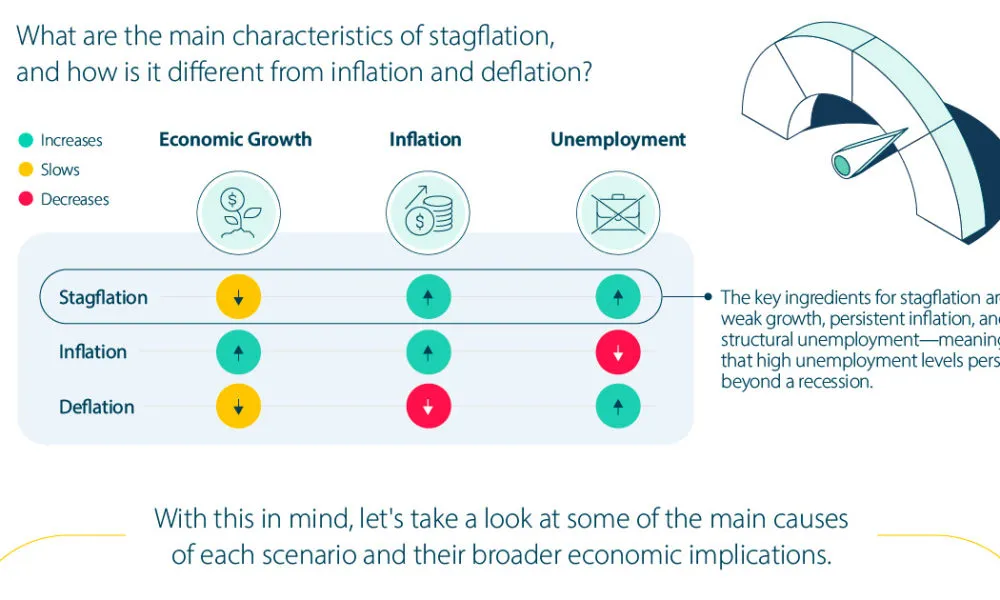
This is the stagflationary squeeze I have been talking about. Prices remain elevated while economic growth and employment begin to weaken. Average hourly earnings increased only 0.1% in September and 3.0% over the past year. Consumer inflation has been running above that pace, meaning workers can receive a nominal raise while still losing purchasing power. You can have a job, earn more dollars, and still become poorer in real terms.
The labor market is not collapsing, and that distinction matters. Initial unemployment claims remain low and the unemployment rate has stayed between 4.1% and 4.3% since March. But the direction underneath the headline is deteriorating. There are now 7.1 million unemployed Americans, 1.9 million have been unemployed for at least 27 weeks, and 4.5 million are working part-time for economic reasons because they cannot find full-time work or their hours have been reduced.
This is precisely the environment that traps the Federal Reserve. Raise rates to fight inflation and you place additional pressure on employment, housing, business investment, and debt service. Lower rates to support employment and you risk feeding inflation that is increasingly being driven by energy, tariffs, supply constraints, government deficits, and geopolitical disruptions that interest rates cannot solve. The Fed cannot print oil, manufacture raw materials, or clear a manufacturing backlog.
The average American gets crushed from both sides. Confidence is already falling because people see their cost of living rising while they become less certain about their employment. A household can survive expensive groceries when wages are rising and jobs are plentiful. It becomes an entirely different economic environment when groceries remain expensive, wage growth falls behind prices, and employers stop hiring.
That is why September’s 29,000 jobs matter. It is not evidence of some sudden depression, but it is another warning that the economy is losing momentum while the cost-of-living problem has not disappeared. Stagflation does not require 1970s-style double-digit inflation and unemployment before people feel the pain. The squeeze begins when prices remain stubbornly high while employment opportunities, real wages, and confidence begin moving in the wrong direction at the same time.
Posted Originally on Oct 5, 2026 by Martin Armstrong |
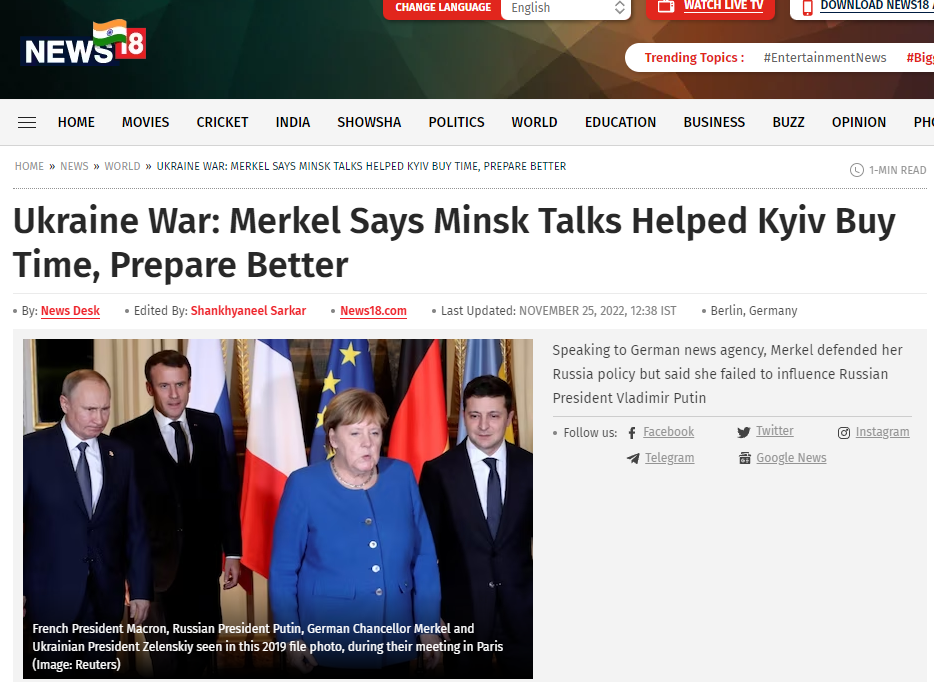
What is interesting is how the West has always dealt with Russia. They always LIE and have proven themselves outright untrustworthy. Not only did they sign a legally binding Minsk Agreement to allow the Donbas to vote on separating from Ukraine, but then they simply played Russia for a fool, with Merkel publicly admitting that they never intended to honor that agreement; they were buying time for Ukraine to build an army to obviously start this war.
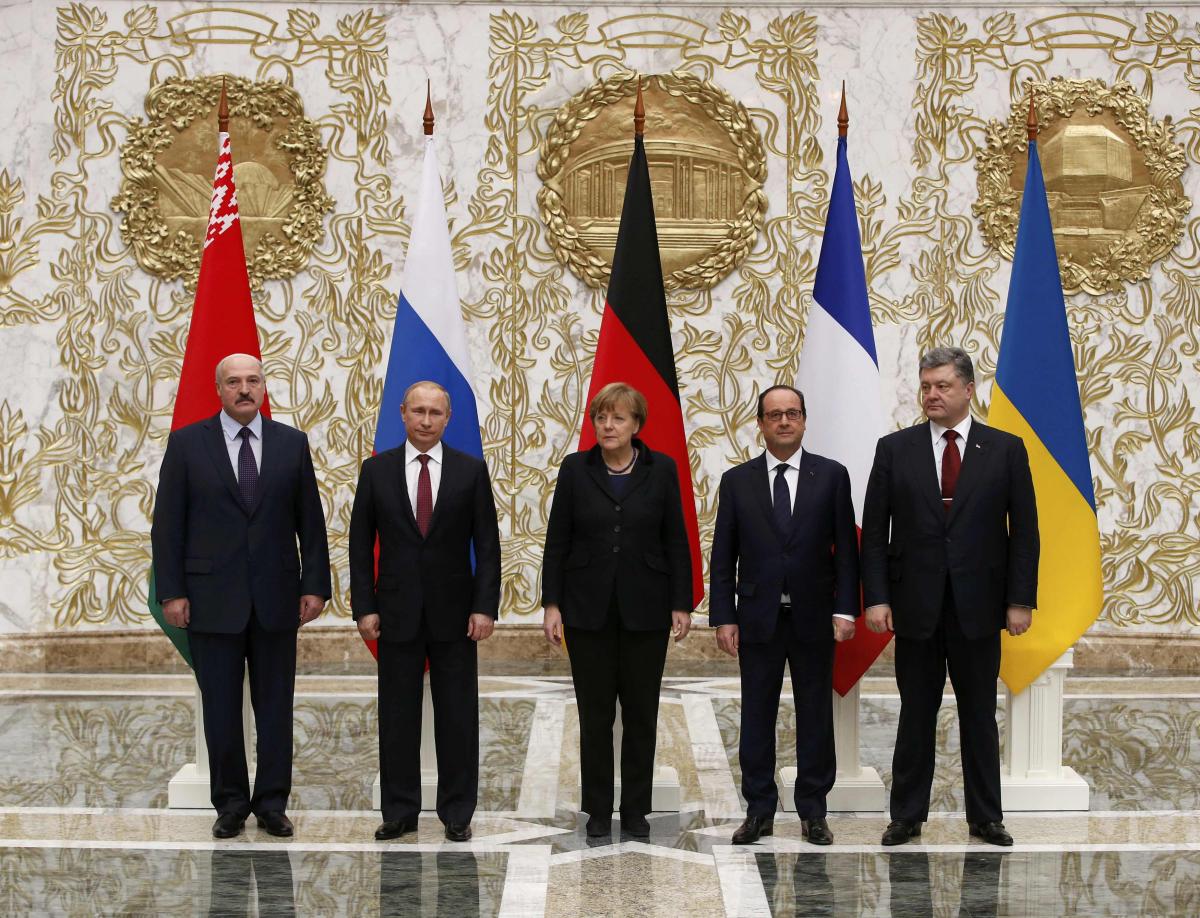
The Minsk II agreement, formally known as the “Package of Measures for the Implementation of the Minsk Agreements,” was signed on February 12, 2015. A separate Minsk Protocol (“Minsk I”) was signed on September 5, 2014.
Whether these agreements are legally binding remains highly contested and unresolved. No universal consensus exists on their legal status, and the answer depends heavily on which legal analysis or political position you consult. This is like going to a bank for a mortage and then claiming you never intended to actually make payments and the house is now yours.
The Case That They Are Legally Binding Proponents of binding force, including Russia and China, argue that UN Security Council Resolution 2202 (2015), which “endorsed” the Package of Measures, elevated the agreements to a legally binding status under international law. This view holds that all UN member states are obligated to comply with Security Council resolutions. From this perspective, the Minsk agreements became the “only valid legal basis” for a settlement.
The Case That They Are Not Legally Binding Opponents, including many Western legal scholars and Ukrainian officials, argue that Resolution 2202 was purely advisory and did not trigger the binding obligations of a Security Council “decision” under Article 25 of the UN Charter. The resolution’s language used terms like “endorses” and “welcomes,” which carry political approval rather than legal compulsion. Furthermore, the resolution was not adopted under Chapter VII of the UN Charter, which is required for enforcement measures.
A detailed 2021 legal analysis by the German Bundestag concluded that the agreements were political commitments, not binding international treaties. It noted that UN Security Council resolutions are only binding if the language and context indicate a “decision” rather than a “recommendation,” and Resolution 2202 did not meet this threshold. Other legal analysts have described the Minsk documents as “political agreements” or even a “private-law contract” with no formal international legal force.
The Minsk agreements are a political framework with intentio0nal ambiguous legal standing. They posed for pictures and touted this as a major event, and that means they not only lied to Russia, they lied to the press and the people. While Russia and China assert they are legally binding due to UN endorsement, most Western legal analyses conclude they were political commitments that lacked the formal characteristics of a binding international treaty. This unresolved legal ambiguity is a central reason why the agreements ultimately collapsed. Why would China or Russia agree to any peace agreement when the West never tells the truth and act like like some used car salesmen?
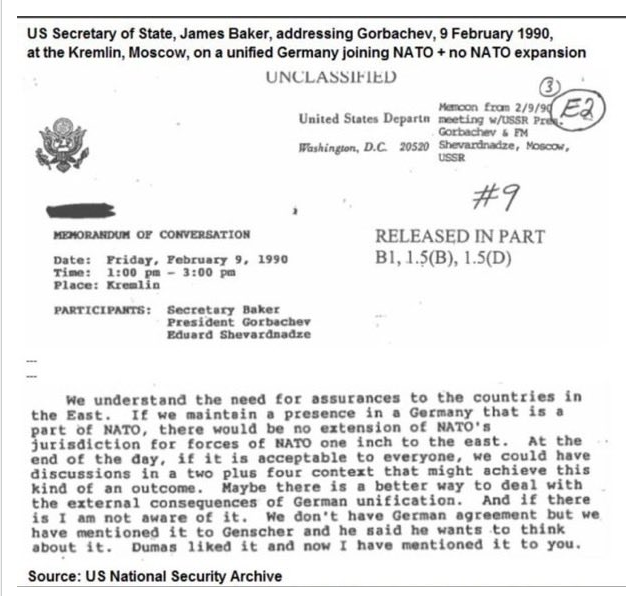
The deception and lies did not begin with the Minsk Agreement. There is substantial evidence that U.S. Secretary of State James Baker gave Soviet leader Mikhail Gorbachev assurances in February 1990 that NATO would NOT expand eastward. However, whether those assurances amounted to deliberate deception has been long debated. The declassified documents establish that the assurances were made. What they do not conclusively establish is that Washington deliberately intended to deceive Moscow when they were given. The distinction is important because the dispute involves three separate issues: what was promised, whether those promises were binding, and whether American officials knew they would eventually violate them. There is NO QUESTION that James Baker actually made that promise in February 1990. On February 9, 1990, Secretary of State James Baker met Soviet leader Mikhail Gorbachev in Moscow to discuss German reunification and the possibility of a united Germany remaining in NATO. Baker proposed that NATO’s jurisdiction would not move one inch eastward if Moscow accepted German reunification within NATO.
The American memorandum of the meeting records Baker saying:
“There would be no extension of NATO’s jurisdiction for forces of NATO one inch to the east.”
This was not merely a casual remark. Baker was exploring a diplomatic arrangement designed to secure Soviet acceptance of German reunification. The following day, West German Chancellor Helmut Kohl also discussed NATO’s future with Gorbachev. Again, he offered similar assurances as was the case with other Western officials during the reunification negotiations.
The declassified American and Soviet records confirm the exchange. Baker also told Soviet Foreign Minister Eduard Shevardnadze that there would need to be firm guarantees against NATO’s eastward movement.
The conventional dishonest American argument pushed by the Neocons is that Baker’s statement concerned the deployment of NATO forces into the former East Germany, not a permanent prohibition on admitting Poland, Hungary, Czechoslovakia or other Eastern European countries. However, the declassified records complicate that interpretation. On January 31, 1990, West German Foreign Minister Hans-Dietrich Genscher proposed that NATO should rule out expansion toward Soviet borders. Then on February 6, Genscher discussed with British Foreign Secretary Douglas Hurd the possibility of Poland leaving the Warsaw Pact and subsequently joining NATO. He argued that the Soviets needed assurances that this would not happen immediately.
The discussions therefore extended beyond the territory of East Germany. The Neocons never care about anything other than their thirst for world domination. Make no mistake, these people have usurped American foreign policy and are leading the world to its destruction.
In December 2017, the National Security Archive at George Washington University published a collection of declassified American, Soviet, German, British and French documents under the title NATO Expansion: What Gorbachev Heard.
Its researchers concluded that Soviet complaints about being misled had a substantial documentary foundation.
Was it intentional Neocon deception?
The case for deliberate deception laid out that Baker was an experienced diplomat who understood the importance of his words. His assurances were repeated, and other Western officials made similar statements. They assumed this was the US position. These assurances helped persuade the Soviet leadership to accept German reunification within NATO. The argument is that Western governments obtained a major strategic concession from Moscow and subsequently abandoned the assurances that had helped secure it. That is hard to just dismiss.
The case against deliberate deception presented by the warmongering-Neocons, rests on the February 1990 discussions they claim were part of an evolving negotiation, not a completed agreement. President George H. W. Bush’s administration subsequently moved away from Baker’s initial proposal as the Neocons directed. The final German reunification settlement, signed in September 1990, imposed specific military restrictions on the former East Germany but did NOT prohibit NATO from admitting other countries. Furthermore, the Soviet Union still existed in February 1990. Its dissolution in December 1991 fundamentally transformed the European security environment. So they argue the USSR no longer existed so anything they promised was to an old government. This is a favorite tactic to default on sovereign debt. The new government is not obligated to pay the debt of the previous. There is insufficient documentary evidence to establish that Baker already intended in February 1990 to encourage NATO’s later expansion while knowingly making a false promise to Gorbachev. Historian Joshua Shifrinson’s research, published in International Security, nevertheless supports the conclusion that the United States made genuine non-expansion offers during the 1990 negotiations.
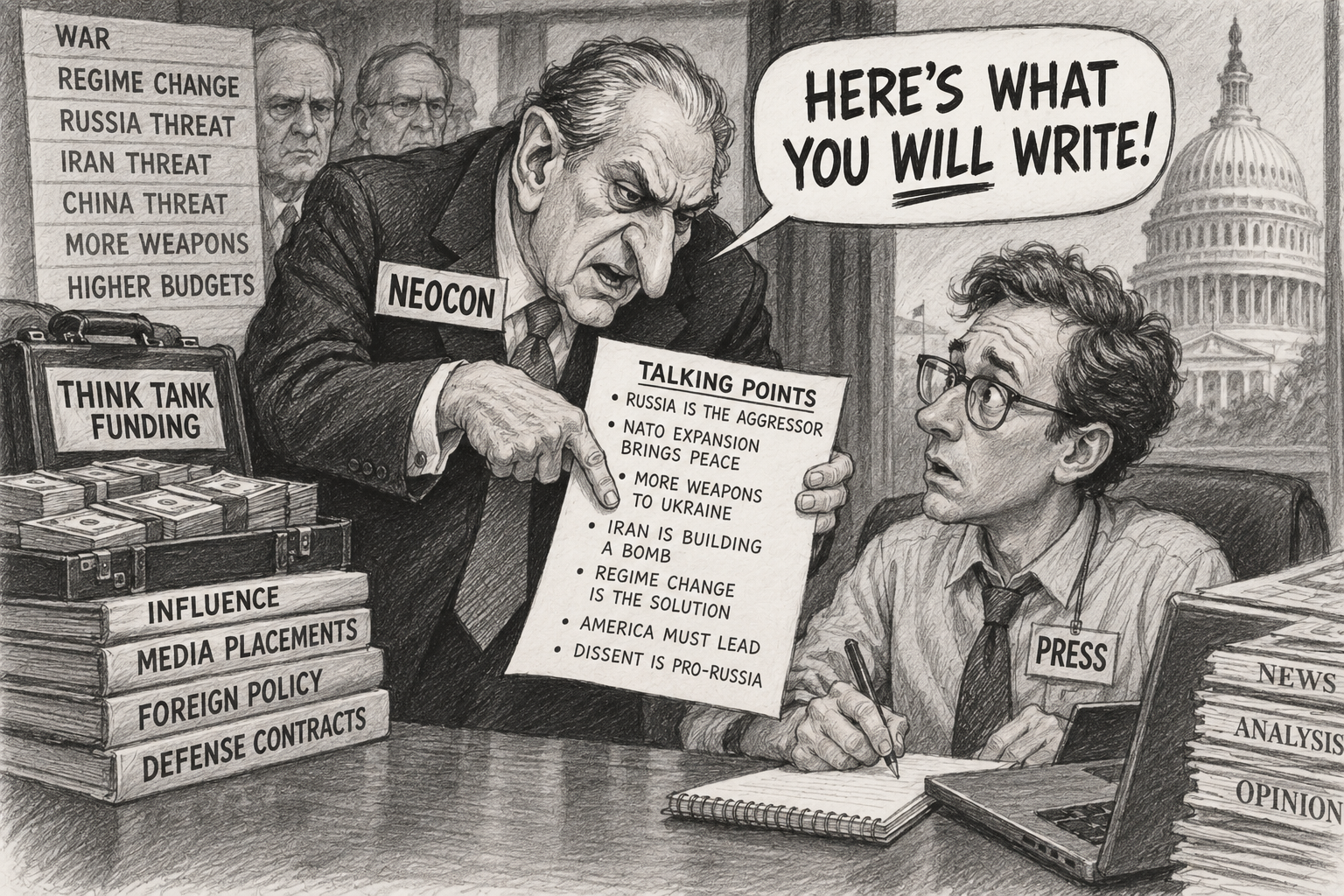
Unclassified documents have surfaced confirming that actually Putin is correct — NATO had promised not to move one inch eastward and that Eastern Europe was to be a buffer zone of neutrality. NATO has been the agressor and they are NOT ever interested in peace because if there was really peace, then there is no need for NATO and all those people would lose jobs. Of course, mainstream media just read the Neocon script and keep propelling us into World War III. They do not care about the country or the people. Investigative journalism is gasping its last breaths.
This leaves a dangerous precedent. How can any peace agreement ever be taken seriously when the West wiggles out of enat they agreed to?
An independent French Journalist Anne Laure Bonnel was reporting on the Donbass in 2015. No one wanted to listen, if you do, watch this. The film she made is called DONBASS. If after watching this you believe Ukraine are the good guys… pic.twitter.com/8iEOeAUbF8
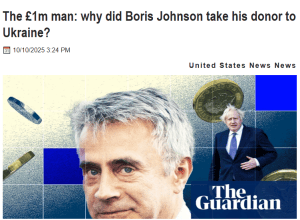
Christopher Harborne is a British defense contractor. He is a major shareholder in QinetiQ, a UK defense technology company that holds Ministry of Defence (MoD) contracts. He donated £1 million pounds, the largest donations to any PM of Britain in history. The Boris took him to introduce him to officials in Ukraine.
Based on leaked documents from Johnson’s private office, the two-day visit took place from 8 September 2023. Harborne was officially registered as an “adviser, Office of Boris Johnson” for the high-level Yalta European Strategy (YES) forum in Kyiv.
The trip included meetings with top Ukrainian officials and a visit to Lviv. Notably, the itinerary mentioned a closed meeting at a military-tech R&D center, an area where Harborne has business interests as the largest shareholder in the British defense firm QinetiQ.
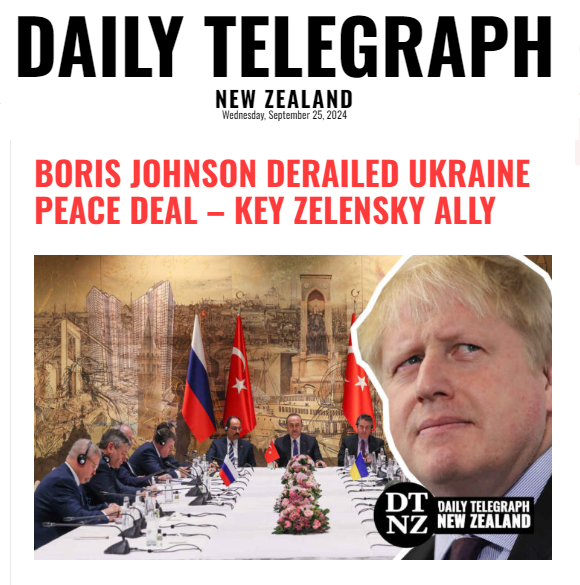
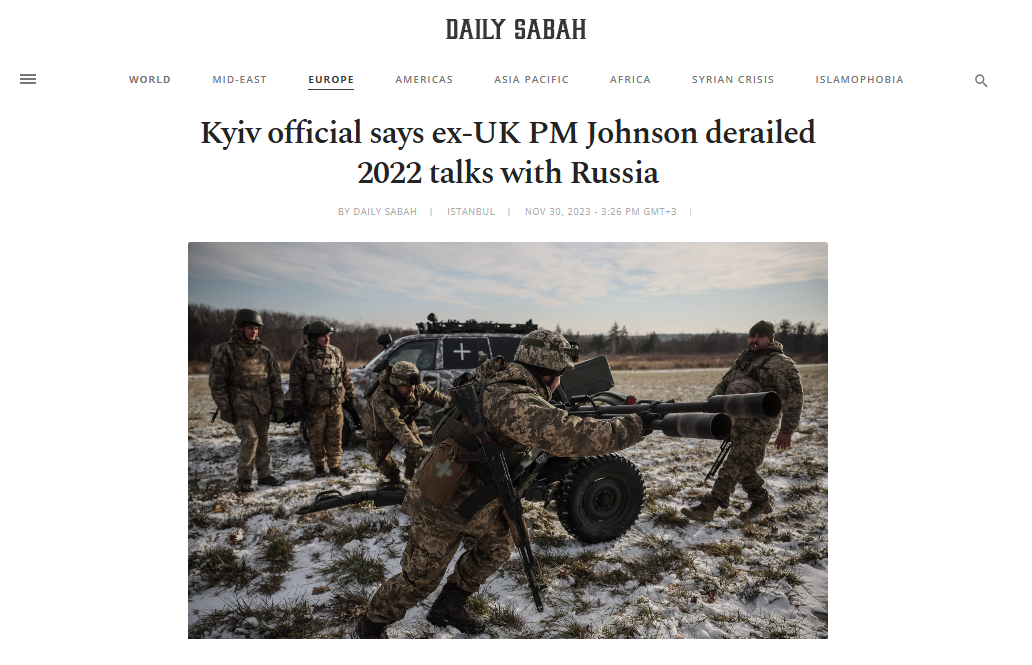
Context of the Relationship This visit occurred less than a year after Harborne donated £1 million to a private company Johnson set up after resigning as Prime Minister. Leaked files also indicate the two had a prior call in January 2023 labeled as a “Ukraine readout”. By September 2024, Boris Johnson flew to Ukraine to stop any peace deal.
Ukraine has been buying or receiving war materials from QinetiQ. The available evidence points to two main channels: direct supply of military equipment through UK aid packages, and indirect funding that allows Ukraine to purchase from the company.
QinetiQ’s products are included in the UK’s military aid packages to Ukraine. According to reports analyzing internal British government documents, QinetiQ is among the key beneficiaries of these contracts.
Specific Products: Its flagship products, including Banshee drones, advanced reconnaissance systems, and TALON robots (used for mine clearance and urban combat), are part of Britain’s military aid to Ukraine.
Drone Supply: Multiple sources confirm that QinetiQ has supplied drones to the Ukrainian armed forces, with one report explicitly labeling the company as a “supplier of drones to Kyiv”.
Beyond direct gifts from the UK government, Ukraine can also use international loan funds to make purchases from QinetiQ.
EU Loan Package: In July 2026, the UK joined a €90 billion EU loan package for Ukraine. Under this agreement, Ukraine can use the funds to purchase weapons and ammunition from British defence companies, with QinetiQ explicitly named as one of the eligible suppliers.
These purchases are part of a broader UK support effort that has seen the delivery of over 85,000 drones in a six-month period.
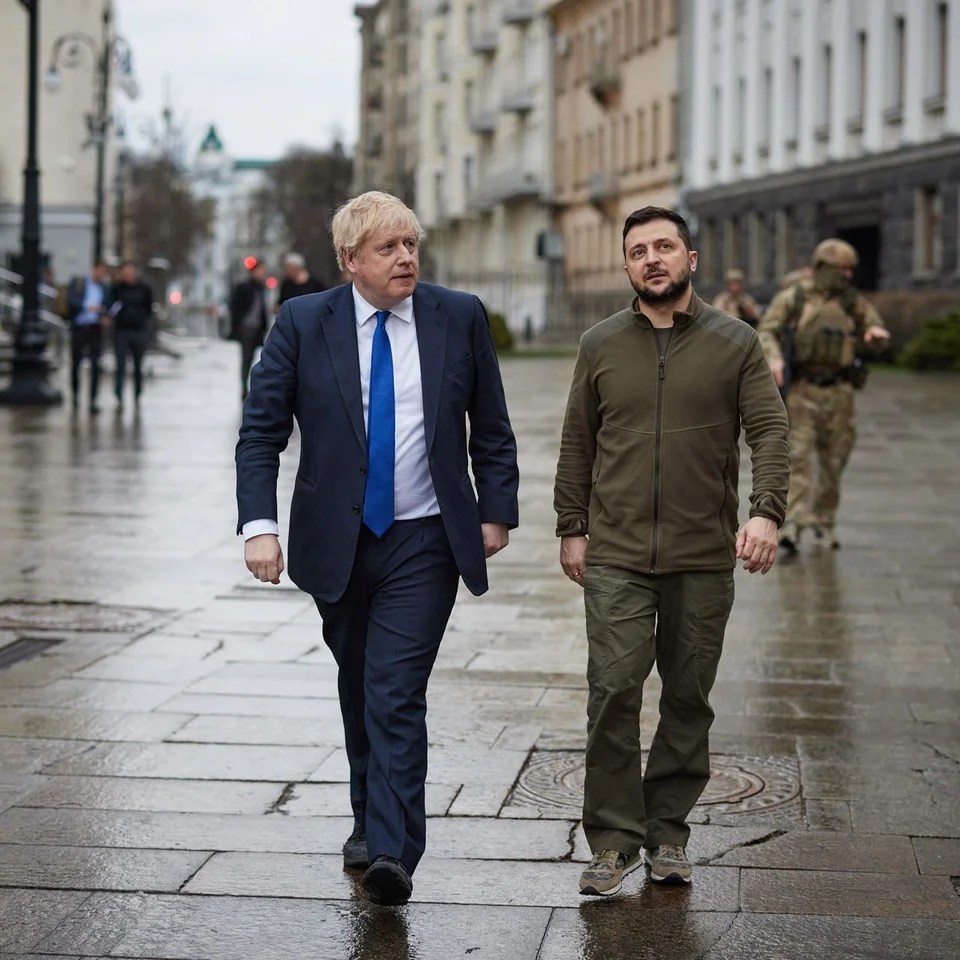
Boris Johnson first visited Ukraine in April 2022, specifically on April 9, 2022. This was an unannounced visit to Kyiv, making him the first leader of a G7 country to visit Ukraine following the full-scale Russian invasion.
Johnson made several follow-up visits during his time as Prime Minister:
June 2022: He made a second surprise visit to Kyiv.
August 2022: He visited Kyiv for a third time, coinciding with Ukraine’s Independence Day.
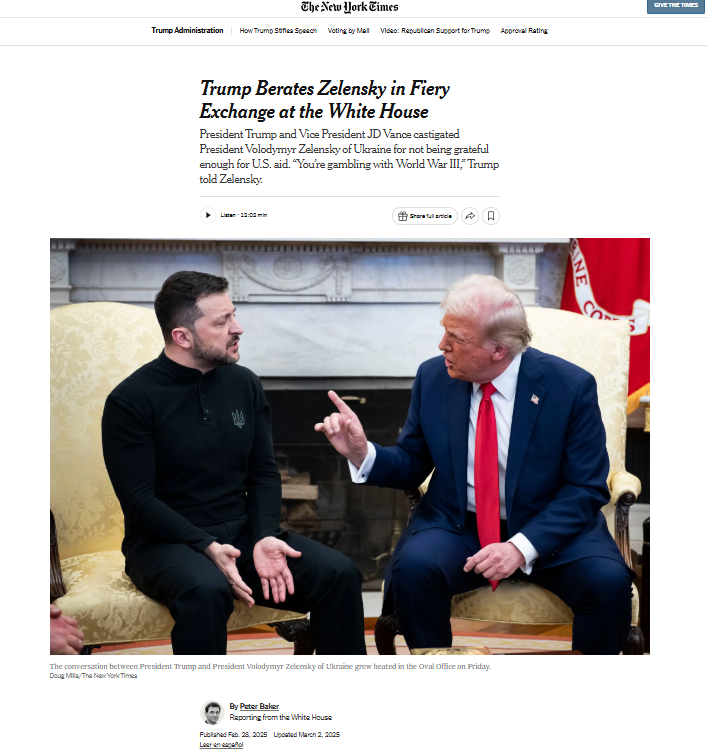
My sources in Ukraine informed me that Boris had just flown to meet with Zelensky informally to instruct him not to sign anything on rare earths with USA in Kiev, and to embarass Trump publicly into keep fund the war by insisting that the meeting should be at the White House. I warned the White House of the info I had received. Indeed, that is what took place and Zelensky follow his orders That was the spectacle on TV in February 2025. It has been Boris who has pushed Ukraine to total destruction. He is always there constantly to ensure war, and it seems his is paid to do so.
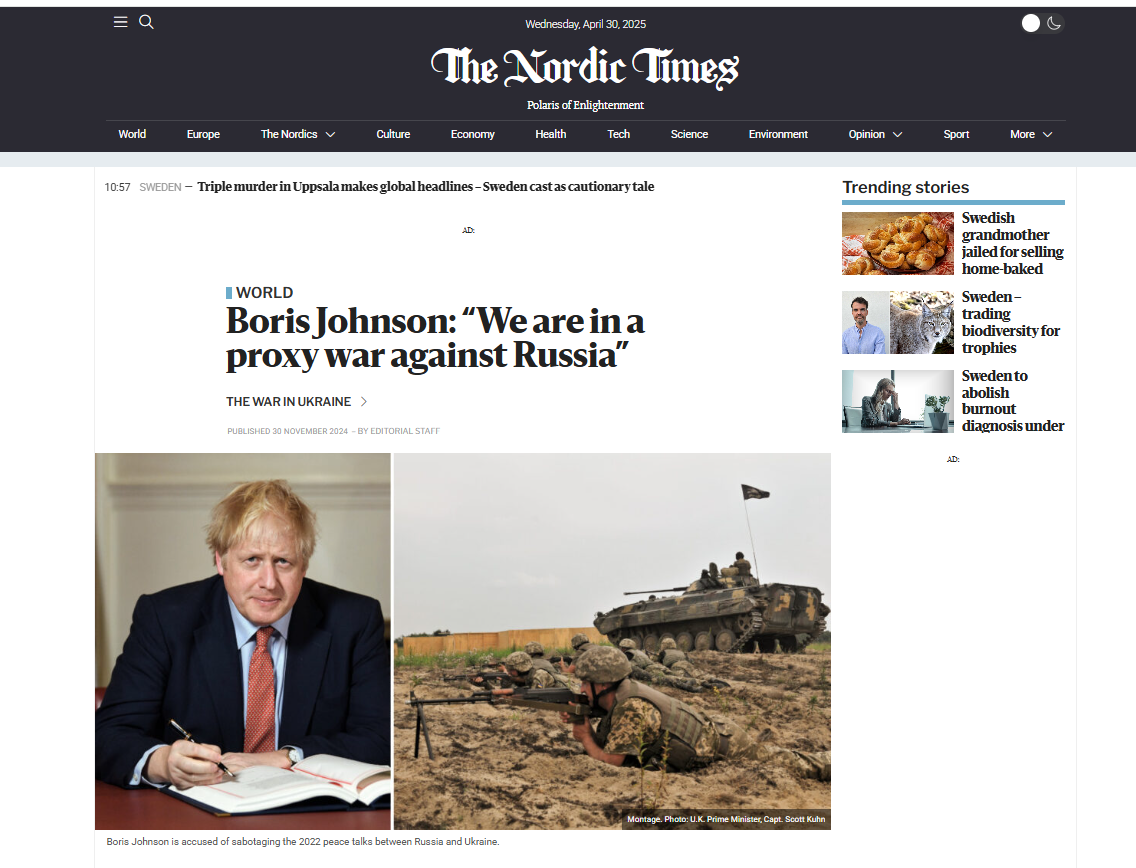
Johnson declared that Britain was in a proxy war with Russia back in November 2024. “It has been pathetic… Let’s face it: We’re waging a proxy war but not giving our proxies the ability to do the job. For years now, we’ve been allowing them to fight with one hand tied behind their backs, and it has been cruel,”
Video Player
00:00
01:08
Here is a video of Polish FM Sikorski which is a huge NEOCON saying:
“Kremlin’s assets frozen in Europe and never going back to Russia”
“They can be used [the assets] now to help prevent further destruction and make future reconstruction cheaper”
“If the war ends tomorrow, Russia will remain a threat. We cannot afford to once again underestimate the danger of Moscow’s militarism.”
This last one reminds me of what they told Reagan after communism fell, “You can never trust a Russian”. This confirms it is personal hatred. This is why World War III is inevitable. They just hate Russians and are punishing all the people for their leaders who took them as hostages into a communist wonderland. Today, we have socialists who have undermined Europe’s economy with the very same theories of “material equality” and the rise of progressives in the USA and Canada all with the same dream of robbing the rich to create their would of equality.
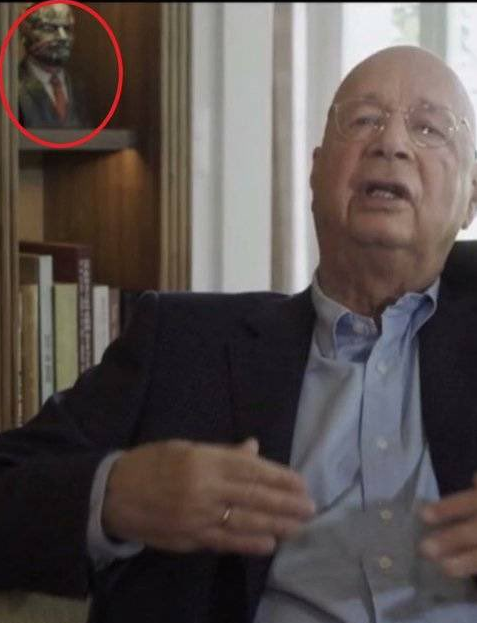
Kalus Schwab, an academic, even had a bust of Lenin on his bookshelf. He too popularized: “You will own nothing and be happy.” These European leaders who are consumed with hatred of the Russian people, like the American South against the blacks because they lost the war with the North, are following the very same path that Lenin took Russia. End of free speech is always the first to go.
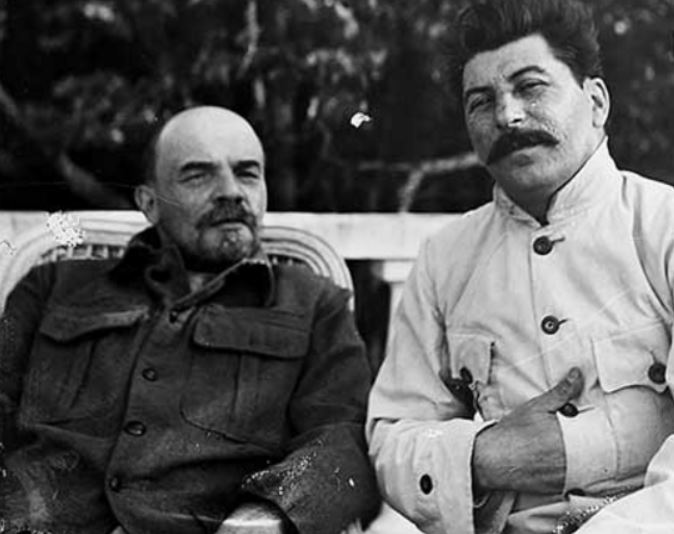
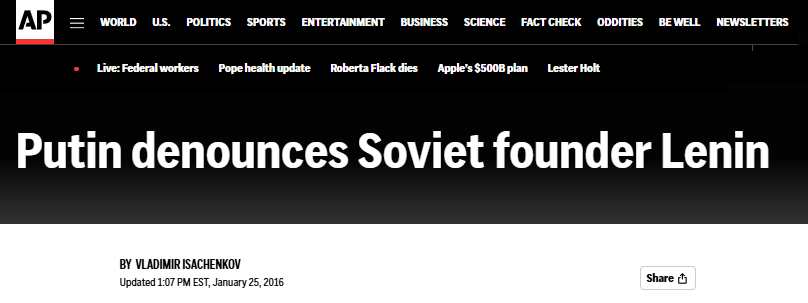
They overlook that Putin was particularly critical of Lenin and said he was not a statesman but just a Bolshevik in 2016. He said that Lenin created “a time bomb under our state.” He also denounced Stalin for massive purges that killed millions but noted his role in defeating the Nazis in WW II. Putin also blasted the Bolsheviks for making Russia lose World War I in their quest for power, making Russia suffer defeat by Germany and cede large chunks of territory just months before it lost World War I. “We lost to the losing party, a unique case in history,” Putin said.
Putin criticized the Communist ideology, noting that while promises of a fair and just society in the Communist ideology “resembled the Bible quite a lot,” the reality was different. “Our country didn’t look like the City of the Sun,” envisaged by socialist utopians, he said. Regarding Lenin’s tomb, Leon Trotsky, Lev Kamenev, and Nikolai Bukharin famously opposed the idea of Lenin’s embalming, while his late wife, Nadezhda Krupskaya, wrote for the Pravda newspaper in the year of his death: “Do not build for him monuments, castles in his name, (hold) opulent receptions in his memories etc. To all of this he assigned such little significance in life and it saddened him so.”
Vladimir Putin had denounced Lenin and his Bolshevik government for their brutal repressions and accused him of having placed a “time bomb” under the state. The criticism of Lenin, who is still revered by communists and many others in Russia, is unusual for the Russian president, who in the past carefully weighed his comments about the nation’s history to avoid alienating some voters. At the same time, he signalled that the government had no intention of taking Lenin’s body out of his Red Square tomb, warning against “any steps that would divide society.”
Putin’s assessment of Lenin’s role in Russian history during Monday’s meeting with pro-Kremlin activists in the southern city of Stavropol was markedly more negative than in the past. He denounced Lenin and his government for brutally executing Russia’s last tsar along with all his family and servants, killing thousands of priests and placing a time bomb under the Russian state by drawing administrative borders along ethnic lines.
As an example of Lenin’s destructive legacy, Putin pointed to Donbass, the industrial region in eastern Ukraine where a pro-Russia separatist rebellion flared up weeks after Russia’s March 2014 annexation of Crimea. More than 9,000 people have been killed in the conflict since April 2014, and clashes have continued despite a February 2015 peace deal.
He said Lenin’s government had whimsically drawn borders between parts of the USSR, placing Donbass under the Ukrainian jurisdiction in order to increase the percentage of proletariat in a move Putin called “delirious.”
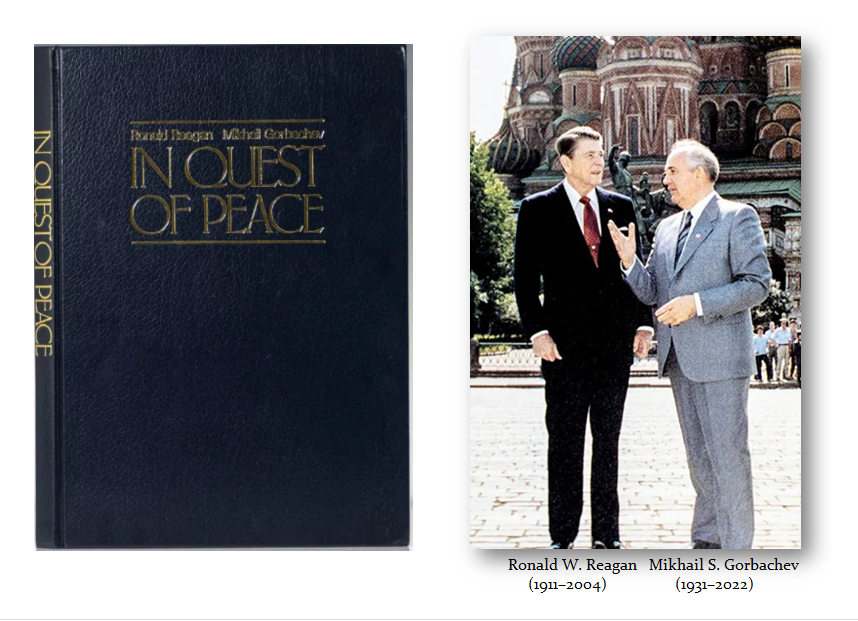
They were against Reagan’s meeting with Gorbachev. I can tell you this because I was in a discussion in DC at the time. The Neocons tried to prevent that meeting, telling Reagan, “You can never trust a Russian.” These people are no different than the Southerners who blamed the blacks for the Civil War and transformed it into racism. They are evil and disgusting people who should be locked up in an insane asylum to save humanity. These people are EXTREMELY dangerous because they weasel their way into government to carry out a policy coup to wage war and destroy their perceived enemy and they do not care how many people die on the front lies for their objectives. They will ALWAYS reject peace. They are too consumed with personal hatred and that is the dark side of humanity.
While the Neocon twisted this into Putin wanted to retake Eastern Europe, this only showed their hatred of the Russian People. Putin enjoyed overwhelming support because he had NO INTENTION of return to Communism or restore the only USSR. He has been there since 1999. That Neocon propaganda to get funding for their warmongering policies has proven wrong.
If the United States collapsed, the same problem would emerge. American would be stranded from Okinawa to the Middle East. That is what has happened in the old USSR. The Neocons have used the Donbas to manufacture World War III to satisfy their personal hatred of the Russian people. Unfortunately, it is not Russia we need to defeat, we need to purge governments of this cancer within that will NEVER accept peace just as you just heard that Polish official.
Video Player
00:00
07:08
The World Economic Forum is a globalist threat to humanity. They think a one world government is the answer. That was the idea behind the EU. That has failed. The Russians owned nothing, and they were NOT happy. I think this is our fate. Perhaps this time when we crash and burn and the future of our posterity has been consumed by a dark cloud created by these Neocons, just maybe, post 2032 we will reconstruct a government that wages war not by a few people who are unelected hiding in a back closed room, but adopt a real Democracy where
Must vote on taxes and war.
Thomas Paine’s Common Sense hit the nail on the head. These Neocons usurp power, alter our foreign policy, and the assume that they represent the people.
Posted originally on the CTH on October 4, 2026 | Sundance |
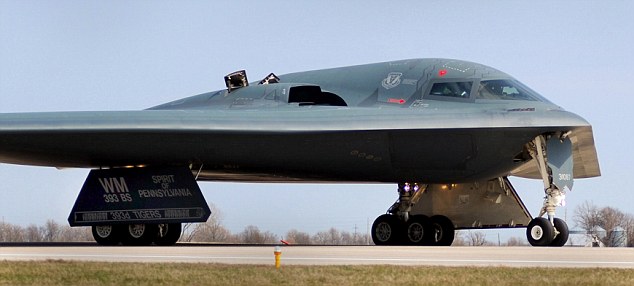
Media are now reporting the U.S. has removed all Air Force’s bombers, including B-1s, B-2s, and B-52s, on Sunday from RAF Fairford base in the U.K.
The bombers were redeployed back to their home bases in the United States, AP reported, initially citing a Pentagon official who was not authorized to discuss sensitive military movements and spoke on condition of anonymity. However, multiple news outlets are now reporting on official statements from the Pentagon.
SKY NEWS – […] “While operational security precluded us from confirming the movement of our assets and forces in real-time, we can acknowledge now that all US bombers that were deployed to RAF Fairford have redeployed to their home stations in the United States.
“The Airmen that operate America’s bomber force, including B-1s, B-2s, an to deliver precision global strike capabilities – including through operations that launch and recover from the continental United States – anywhere, anytime.”
BREAKING: The US Air Force has removed all of its bombers from RAF Fairford, the Pentagon has said.
Posted originally on the CTH on October 4, 2026 | Sundance |
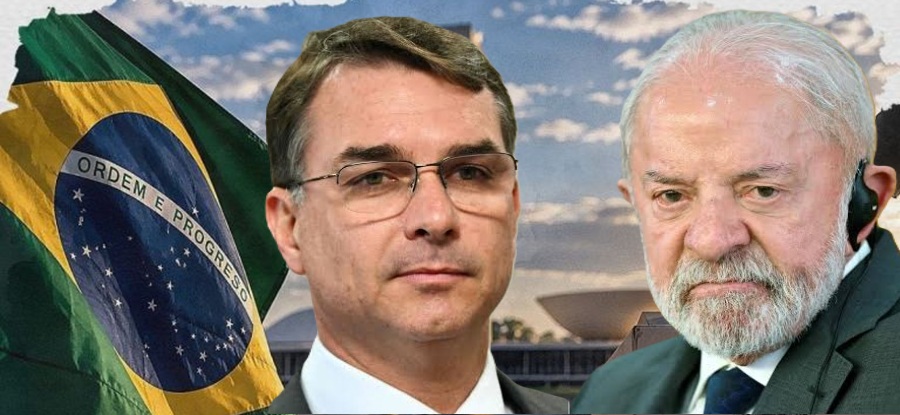
The polls closed at 5:00pm ET, and first results are beginning to come in. Incumbent President and Socialist, Lula da Silva, is up against challenger Flávio Bolsonaro, the son of the former president Jair Bolsonaro, who was imprisoned by da Silva loyalists in government.
In an era when USAID (CIA) funding for Latin-American socialists and communists has been curtailed by the Trump administration, the hope is that supporters for Bolsonaro (above left) can defeat the communist supporters for da Silva (above right). The race will likely be close.
The president in Brazil is directly elected by the people, and the winning candidate needs more than 50% of the vote to avoid a second round runoff.
The Guardian has a live update ongoing – SEE HERE.
17:45pm ET (25% reporting)
Flávio Bolsonaro 50.63%, Liberal party (PL) | 21,383,323 votes Luiz Inácio Lula da Silva 41.44%, Workers’ party (PT) | 19,903,245 votes
19:11pm ET (90% reporting)
Flávio Bolsonaro 48.19%, Liberal party (PL) | 50,654,815 votes Luiz Inácio Lula da Silva 43.88%, Workers’ party (PT) | 46,474,271 votes
Posted originally on the CTH on October 4, 2026 | Sundance |
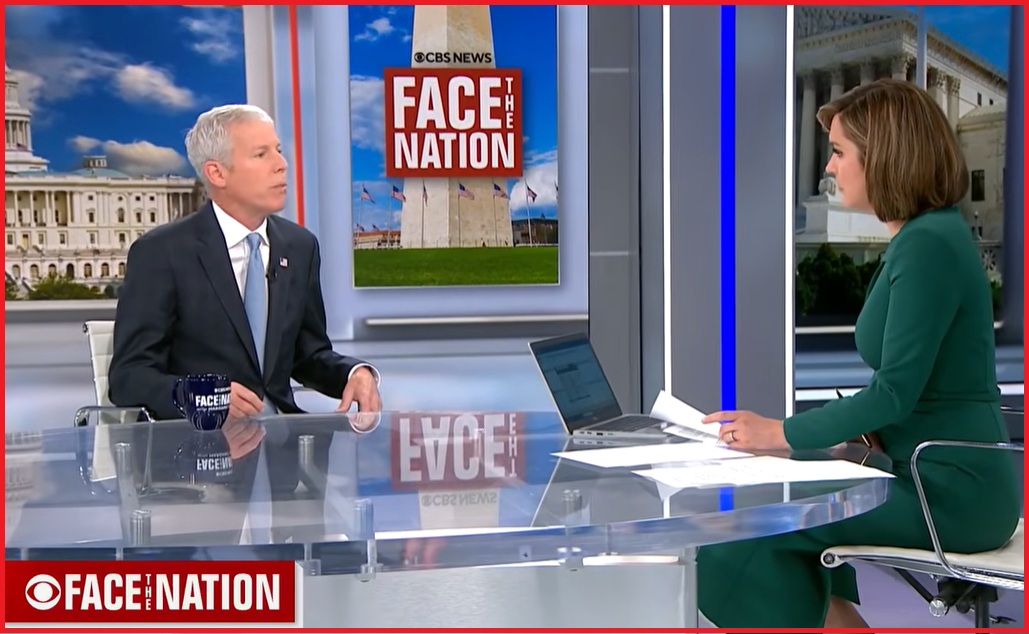
Margaret Brennan asks Energy Secretary Chris Wright to tell her about U.S. troop and military deployments to the Middle East, and whether President Trump is going to “escalate” military operations in the region. Yeah, she asked about that; as if the Energy Secretary would even talk about it on television if he knew.
Unfortunately, this remains the outlook of U.S. media. Energy Secretary Chris Wright told “Face the Nation with Margaret Brennan” that President Trump was “well aware of the risks to energy flows” before launching the Iran war, but he said the president said, “the world cannot sustain a nuclear-armed Iran, and I’m not going to do it.” WATCH:
[Transcript] – MARGARET BRENNAN: Good morning, and welcome to Face the Nation. We begin with one of the Trump administration officials tasked with working to lower those high gas and oil prices, Energy Secretary Chris Wright. Good morning to you.
SECRETARY OF ENERGY CHRIS WRIGHT: Good morning, Margaret.
MARGARET BRENNAN: So, it’s good to have you here. You said this past week that Americans can expect lower gasoline prices and diesel prices by election day. The Wall Street Journal editorial board has a piece outlining that the campaign to squeeze around financially is working, but they can still knock out significant Gulf energy infrastructure. They could be planning an October surprise before the U.S. midterms. We are still seeing Iranian attacks on ships now. I mean, how can you be so confident prices are headed down?
SEC. WRIGHT: Well, because we’ve got increasing supplies coming out of the Strait of Hormuz and they’ve continued to rise over the last months, over the last recent weeks. We’ve got U.S. gasoline production today at record high. We have demand for gasoline, as we come out of the summer driving scene, starting to go down. Similar stories with diesel. Diesel’s mostly been infected by the Russia-Ukraine war and also by China’s decision not to export diesel or gasoline into the marketplace. And of course, we’re living with two refineries that were recently closed, large refineries in California that Gavin Newsom forced the closure of. And frankly, 15 years of Democrat policies that have been energy subtraction, trying to close coal plants, close refineries, and shrink our capacity. Which means when you get in crisis, we’re just less resilient than we should be.
MARGARET BRENNAN: But you still think that in the next four weeks prices are going to go down?
SEC. WRIGHT: Absolutely. Diesel prices have been going down. Gasoline prices have been going down. I expect that to continue.
MARGARET BRENNAN: I want to talk about diesel in a minute, but I- I was reading that the U.S. was sending more defensive equipment to the Gulf countries to protect their oil infrastructure. I see there was a gathering of national security advisers at Camp David on Friday to talk about Iran and the conflict in Yemen. Can you share any outcome from that? I mean, is- is the U.S. about to escalate? We did just see a third carrier strike group get sent to the region.
SEC. WRIGHT: Look, the president has- has taken a strong stand that Iran, the world’s greatest terrorist regime- regime, cannot and will not have nuclear weapons. So, of course, we’re looking at every avenue to achieve that goal economically, to be prepared for what comes militarily. But we cannot pass to the next administration an Iran armed with nuclear weapons. Not only is that a threat to peace and stability–
MARGARET BRENNAN: Right.
SEC. WRIGHT: –that’s a massive long-term threat to energy prices.
MARGARET BRENNAN: Right, but he’s also said that they’re not seeking a nuclear weapon. He said that just the other day that they might have actually already stopped. But in the immediate sense of threats to our neighbors who have refinery and production capacity, how do you guarantee that there is no October surprise that sends those prices going the opposite direction?
SEC. WRIGHT: Hey, well, there’s no guarantees. There’s no guarantees in conflict. There’s no guarantees in life. But everything we’re doing is to grow the supply of diesel, to grow the supply of gasoline, and frankly, again, to reverse years of policies that have been directed exactly the opposite, to shrink our ability to produce, refine, and deliver hydrocarbons.
MARGARET BRENNAN: Can you say whether the president has decided he will escalate post-election day? That’s when that third carrier strike group will be arriving, mid-November.
SEC. WRIGHT: Oh, I’m definitely not going to get in front of presidents’ plans or policies. But remember–
MARGARET BRENNAN: He’d thrown that out there himself.
SEC. WRIGHT: He’s- he’s always planning for contingencies and he’s always negotiating. How you communicate, what you- what you lean in on, it sends a message to the other side. He’s been a master, a master at doing that.
MARGARET BRENNAN: So he’s got both tracks still going, diplomatic and military pressure?
SEC. WRIGHT: Of course, of course. At all times.
MARGARET BRENNAN: Okay, you talked about diesel. The world’s wealthiest countries, the G7, this past week agreed to release 100 million barrels of fuel over four months. They’re going to front load it with a lot of diesel in the next 20 days. I know you asked our friends and allies to consider doing this. How significant a price impact and for how long?
SEC. WRIGHT: It’s a big deal. It’s a big deal. Europe has very large diesel stores. They, you know, they don’t refine enough diesel to supply their own economies, so naturally they store a lot of diesel. They’re very keen to see American diesel continue to flow to Europe. They’ve got a lot of diesel in stores. Why not release some of that? This is what you store diesel for. When all the Russian exports of diesel are shut down, when the Chinese have said we’re not going to deliver any more diesel, and you still have a reduction of diesel flows coming out of the Gulf, but we’re restoring those, but that takes time. This is just common sense. This lowers diesel prices, not just in the United States, but it lowers them in Europe and around the world. But it will drive diesel prices down as those releases come. It’ll drive diesel down through the winter in the United States and around the world. And- and by then we’ll be in another place. We’ll have more refining capacity online. I- I suspect we’ll continue to see diesel decline as we go into next spring as well.
MARGARET BRENNAN: So below six bucks? Which is where it is.
SEC. WRIGHT: Yes.
MARGARET BRENNAN: Yeah. By post-midterms?
[CROSSTALK]
SEC. WRIGHT: It’s- it’s down a little over 20 cents so far.
MARGARET BRENNAN: Yeah.
SEC. WRIGHT: I think you’ll see it continue to go down. Yeah, you should see it below $6 before too long. But exactly when, I certainly don’t know that.
MARGARET BRENNAN: So the allies did this after President Trump said he was considering a diesel export ban. You had so many quotes where you were telling people, “This was not a good idea.” “Let’s not do a diesel export ban.” But the president kept saying it was a consideration. Has he completely ruled out an export ban at this point?
SEC. WRIGHT: Look, every day he’s throwing out ideas. He’s engaging with discussions with me, others in the administration–
MARGARET BRENNAN: Even when you’re saying it’s not a good idea?
SEC. WRIGHT: Absolutely. No, he- he- he’s–
MARGARET BRENNAN: But you’re the expert.
SEC. WRIGHT: –he says well- well, but there’s different ways to slice this cat. There’s different ways to look at it. He’s always looking, “How do I lower energy prices? How do I lower heating prices, electricity prices, gasoline prices, diesel prices?” In fact, I would say his constant communication of that may have been quite helpful in achieving- in achieving the deal we just struck.
MARGARET BRENNAN: Because people thought he might actually not listen to you and go ahead and do it?
SEC. WRIGHT: I–
MARGARET BRENNAN: That was the- the ploy, essentially?
SEC. WRIGHT: It wasn’t a ploy. It’s just a constant dialog about the many levers we have. How can we drive down diesel prices and drive down gasoline and other prices along with it?
MARGARET BRENNAN: So we checked, and it looks like because of this Lindsey Graham bill that gives the president more, sort of, powers to punish the buyers of Russian fuel, he has to make a decision by October the 18th as to whether he’s going to put tariffs on the biggest buyers. That would be China, and that would be India. Is he going to do that?
SEC. WRIGHT: Look, he- he leaves every decision till the end. He’ll evaluate the trade-offs. He has worked ceaselessly to try to end this war. Not only would end- would ending this war end the killing of- of tens and of thousands of people every month, it would dramatically lower energy prices. He’s wanted to end that conflict, yes, since before he was president. So, and- and there is constant, constant dialogs with both sides in that to try to bring that war to an end.
MARGARET BRENNAN: But at this point, like, what’s the direction here? You just had this big state visit. Are we actually in a position where the U.S. might put tariffs on China for buying Russian oil? Are we actually going to see that, and what impact would that have?
SEC. WRIGHT: Again, I won’t get in front of the president on that. We’re trying to have the best relations we can–
MARGARET BRENNAN: I’m sure you’ve looked at the projections on what it would do for pricing.
SEC. WRIGHT: Of course, we’re trying to have great relations with China and move that ball forward. I think things are going reasonably well there. But then the flip side is you’ve got to look at every leverage you’ve got to bring a murderous conflict to an end.
MARGARET BRENNAN: So he may and you would encourage him to?
SEC. WRIGHT: I’m not going to say- I’m not going to say on–
MARGARET BRENNAN: Okay.
SEC. WRIGHT: –either one of those. He’s- he’s looking to how to end that conflict and how to lower prices for Americans every day.
MARGARET BRENNAN: Yeah. Well, the date just stood out, you know, weeks before the midterms, doing something that could arguably push prices back up. And so, if it’s a national security decision versus a political one. Be interested to know your point of view.
[CROSSTALK]
SEC. WRIGHT: If his decisions were political he would have just kicked the can down the road and delivered a nuclear-armed Iran to the next president. You’ve got to respect that. That’s an incredible move to lean in and say I’m not going to let them become nuclear-armed. He knew it was going to elevate energy prices in the short run. He said, “I’m going to take a hit there, but I got to do the right thing.”
MARGARET BRENNAN: You did tell him that? That there would be a huge energy price spike when he made the decision.
SEC. WRIGHT: He- he was well aware of- of the risk to energy flows that were coming out of the Persian Gulf region. He said, “I simply cannot. The world cannot sustain a nuclear-armed Iran, and I’m not going to do it.”
MARGARET BRENNAN: Secretary Wright, thank you for your time today.
Posted originally on the CTH on October 4, 2026 | Sundance
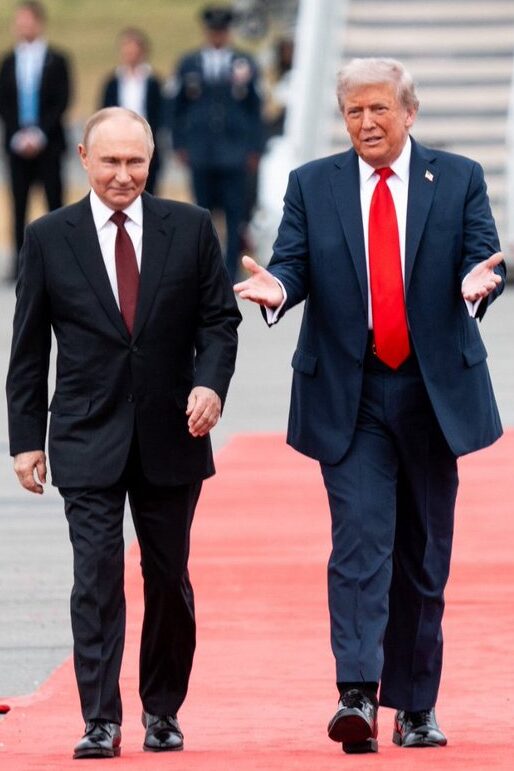
I don’t want to focus too much on this, because there are multiple angles still at work. However, against the backdrop of the non-coincidental coincidences that followed the August 2025 Alaska Summit, the Lukoil story looks strategically interesting.
The New York Times is looking at Lukoil from the perspective of President Trump organizing financial gains for people close to his administration, specifically Witkoff and Kusher. {GO DEEP}
That aspect is nonsense, total nonsense; however, if you pull back and look at the background story without the Trump derangement overlay, there’s a potential here for something very good to come out of it.
As the story is told, Russian President Vladimir Putin has inquired about the potential for the U.S. to remove sanctions against Lukoil, a quasi-private energy company based out of Russia. Before, getting too weedy about it, remind yourself of the statements that surfaced during the Trump-Putin summit in Alaska, August, 2025.
You might remember that both the U.S and Russia spoke of strategic partnerships surrounding the energy sector. Obviously, this makes sense when we consider the “west” is actually fractured on the topic of energy. There are two competing interests that overlap in the financial side of the issue, the ‘trillions at stake’ aspect.
On one side you have the “climate change” team, those who are fully invested (literally) in the financial mechanisms of the climate change, green new deal, build back better talking points. The Green Energy team in the west. The Paris Climate Treaty and carbon-trading proponents et al.
On the other side you have the pragmatic energy team in the west. These are the Trump-minded and aligned western perspectives that look at oil, natural gas (LNG), clean coal and nuclear technology. These are the “all the above” aligned voices in the more pragmatic view of low-cost energy production and development.
In the middle, between both sides of the fracture, are the banking and finance systems. This is the BIG MONEY play, with the Climate Change team supported by banking ideology inside the city of London, while the Carbon Use team is constantly having to assemble finance and insurance from outside the banking control mechanisms.
The Climate Change team have support based on ideology within the finance system. However, the Carbon Use team have the advantage of low-price outputs, global dependency and actual profits as leverage. This is a fight essentially inside the larger energy sector, and we are all very familiar with it because it has been happening for decades.
Canadian Prime Minister Mark Carney is currently the main tool deployed by the Climate Change team on behalf of the London finance system. Carney’s main opponent is U.S. President Donald Trump.
Now we enter the Lukoil storyline.
Lukoil, a Russian enterprise, has some pretty amazing holdings in oil fields, gas fields, refineries in Europe as well as retail outlets for gasoline and LNG sale, their distribution. The estimated worth is north of $28 billion. Those holdings have been the subject of on/off sanctions as a result of the Russian ownership/operations.
Let me share some of the holdings {SOURCE} as you read this, think about the recent headlines involving each of these nation states: Lukoil’s biggest foreign asset is a 75% stake in Iraq’s West Qurna 2, one of the world’s largest oilfields. Lukoil also owns 60% of Iraq’s Block 10 development, which includes the Eridu field west of Basra. In Egypt, the company holds a 50% stake in the West Esh El Mallaha (WEEM) oilfield. In the UAE, Lukoil owns 10% of the Ghasha concession, one of Abu Dhabi’s largest gas developments.
Central Asia – Lukoil holds 13.5% in Karachaganak and 5% in Tengiz – major Kazakh oil and gas projects operated by Western oil companies. It also has a 12.5% stake in the Caspian Pipeline Consortium, which exports oil from Kazakhstan to the Black Sea. Lukoil doesn’t have to sell these assets as the U.S. Treasury has allowed transactions involving Karachaganak, Tengiz and CPC.
The Russian firm also owns nearly 20% of the BP-operated Shah Deniz gas field in the Azerbaijani sector of the Caspian Sea. It also operates the South-West Gissar gas field in Uzbekistan and holds a 90% stake in the Kandym fields development near the country’s border with Turkmenistan.
Africa and Latin America – Lukoil has a 38% interest in the Deepwater Tano Cape Three Points block that includes the Pecan oilfield development off Ghana. It also has 25% in Eni-operated gas block Marine XII offshore Congo and 18% in Chevron-operated exploration block OML 140 off Nigeria. In Mexico, it partners with Eni in several offshore blocks and owns 50% of the Amatitlan block, operated by Petrolera de Amatitlan SAPI de CV.
REFINING ASSETS: In Bulgaria, Lukoil owns the 190,000 barrels per day Neftohim Burgas refinery, the largest in the Balkans. In Romania, Lukoil owns the 48,600 bpd Petrotel refinery, the country’s third-largest, and around 300 gas stations. Lukoil also owns exploration rights in the Romanian sector of the Black Sea, but drilling plans have been stymied by the sanctions. In the Netherlands, Lukoil holds 45% in the 180,000 bpd Zeeland refinery, operated by a joint venture with France’s TotalEnergies.
Lukoil also has retail gas stations in Finland, Romania, Moldova and the USA (northeast).
According to recent reports, Vladimir Putin has inquired about a strategic energy partnership with the U.S, and it would make sense that all of these assets could be part of a restructuring regime that would need U.S. Treasury Secretary Scott Bessent to approve given the current sanctions problem. That’s where the NYT report comes back in.
….”a different group emerged as the leading bidder: one led by Mr. Boehly, a billionaire supporter of Mr. Trump’s, alongside well-connected figures in the Middle East and the U.S. government itself. The members of the partnership were reported last week by The Financial Times.
Mr. Boehly is a co-owner of the Los Angeles Dodgers and donated $1 million to MAGA Inc., the Trump-aligned political committee, in December 2025. He gave another $1 million through his investment firm, Eldridge Industries, to Mr. Trump’s inauguration.
The U.S. government is taking a stake in the deal through the U.S. International Development Finance Corporation, an agency that invests in and lends to projects overseas. A D.F.C. official said in a statement that the potential Lukoil deal “would advance the Trump administration’s commitment to strengthen U.S. economic security, advance U.S. foreign policy and lower energy prices for everyday Americans.” (READ MORE)
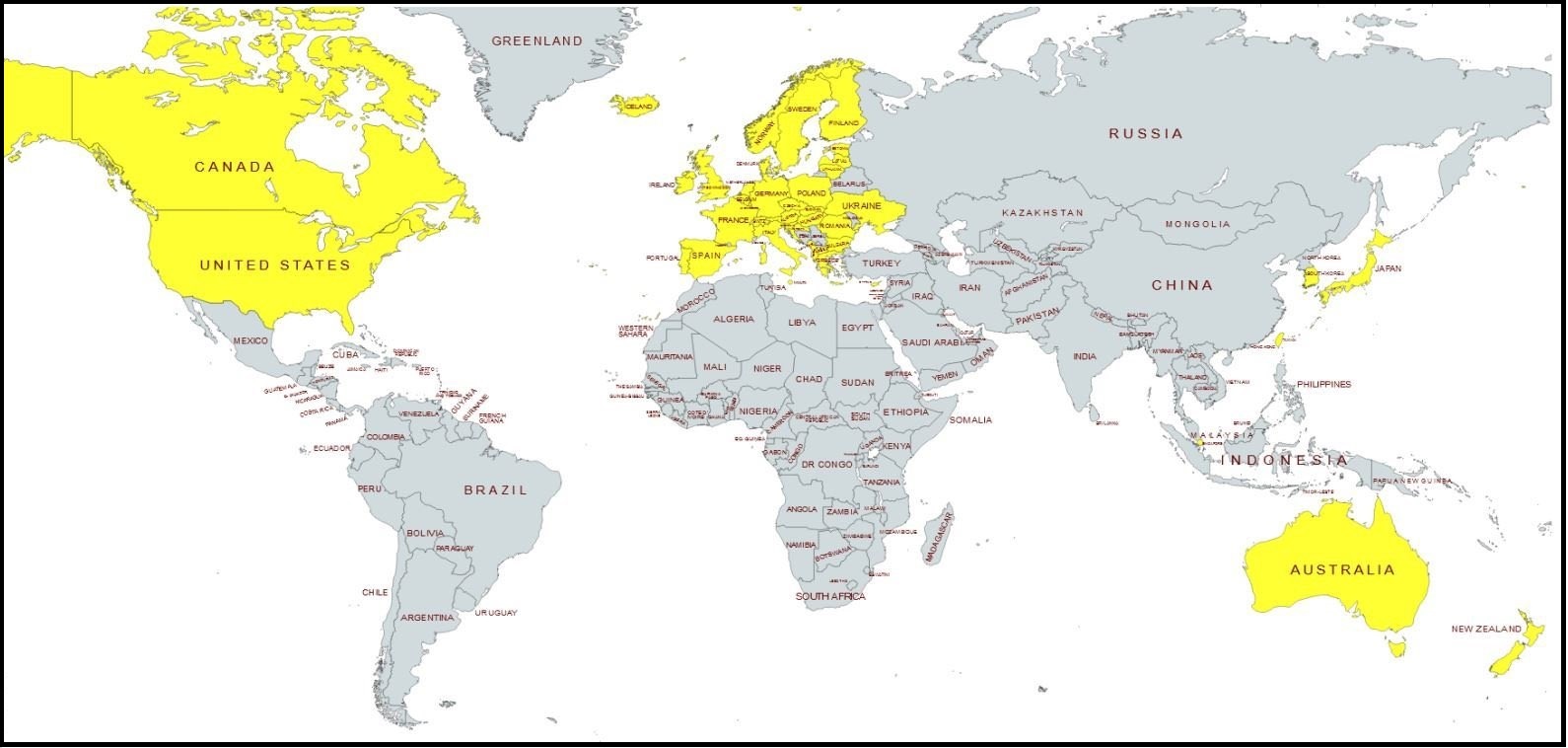
The British, European and Canadian climate change group (ideology, banking and finance), versus the USA, Mexico, South America, Russia, Central Asia and Middle East.
That’s an interesting geopolitical contest, no?
Is it accidental this global friction map makes an almost identical overlay to those interests opposed to President Donald Trump?
Perhaps looking at the Russian Sanctions map again might provide a visual reference:
Speculation, exchange trading, market pricing, etc. these are the reasons why the EU presented an increase in central bank interest rates to try and lower energy prices. The central bank approach has nothing to do with the price of the energy (oil/gas) and everything to do with the financial markets speculating on the prices of oil and gas and profiting from the speculation/trading itself.
As noted by Russian President Putin, allowing hedge funds, financial interests and inorganic market forces to set the prices of an item (London Banking) disconnects that item from the economic principle of supply and demand. The prices that people suffer for oil and gas are being driven by the mechanisms set up by western financial interests. This is manipulative and creates pain on the consumer and the people who have to pay more.
I have created this site to help people have fun in the kitchen. I write about enjoying life both in and out of my kitchen. Life is short! Make the most of it and enjoy!
This is a library of News Events not reported by the Main Stream Media documenting & connecting the dots on How the Obama Marxist Liberal agenda is destroying America