Posted originally on Aug 18, 2025 by Martin Armstrong |
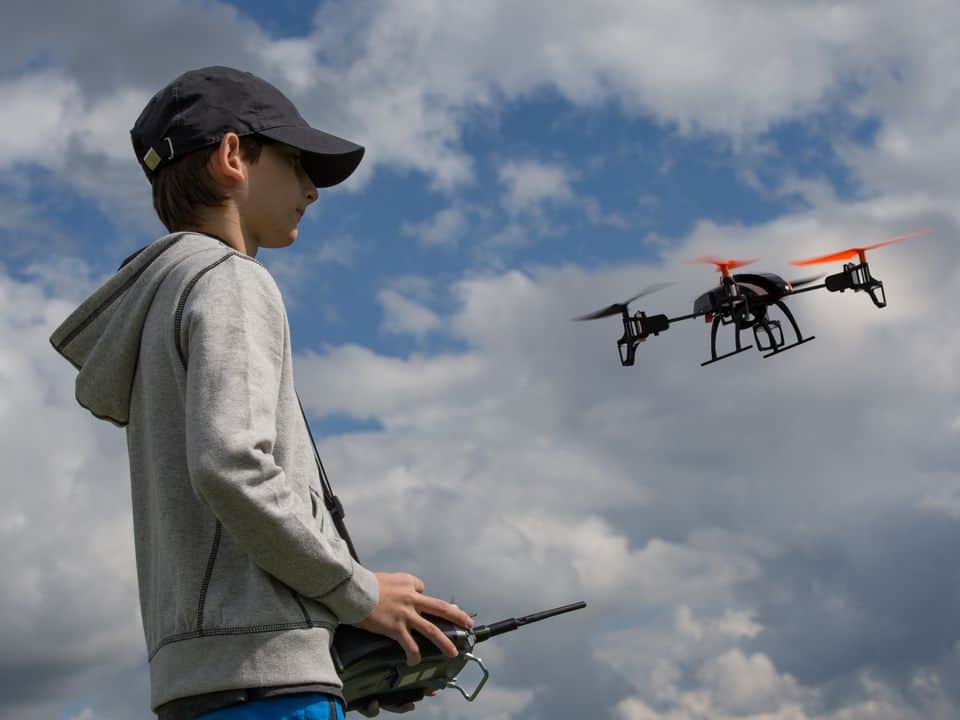
Children across Europe are learning firearm skills as governments prepare for an inevitable global conflict. Schools in Lithuania are implementing a tech-savvy course for children to learn how to operate drones, as the next war will not be fought with direct combat.
The defence and education ministries issued a joint statement stating that they plan to “expand civil resistance training” by teaching over 22,000 children how to fly drones. The program will be offered to children between eight and ten years old, with adjustments for grade level. Children will not only learn how to fly drones, but they will also learn how to build and manufacture simple drones and drone parts.
Adults throughout the nation will. We plan that 15,500 adults and 7,000 children will acquire drone control skills by 2028. In September we will open drone control centres in Jonava, Tauragė and Kėdainiai, and we will open six more drone training centres in other regions of Lithuania by 2028 and will also be expected to learn this new crucial survival skill,” Defence Minister Dovilė Šakalienė proclaimed.
The government plans to spend €3.3 million on the initial education program, which will include training equipment, control and video transmission systems, and a mobile app.
Ukraine is also teaching children UAV technology in the classroom and has implemented drone flying competitions and obstacle courses into the regular curriculum.
Russian children are learning the same technology. In fact, Russian defense companies are headhunting teenagers who exhibit advanced video game skills that could be translated into drone operation. Berloga, a video game launched in 2022, requires the player to defend themselves against swarms of bees using drones. Hundreds of thousands of Russian children play this game, and many earn extra credit on exams for successfully advancing in the game. The top players are recruited into advanced competitions where headhunters lurk to find the next generation of UAV operators. “We were forbidden to say that it was needed for the war, and we invented civilian applications. It’s a children’s program … A project must always have a dual purpose, especially when you’re a school student. It’s an unwritten rule I’ve observed at every competition,” one anonymous source told the Guardian.
European nations are preparing the youth for war. Those in power are well aware that this war is escalating to the point that it will last long enough for primary school-aged children to become future soldiers.
Posted originally on Aug 18, 2025 by Martin Armstrong |
COMMENT: Mr. Armstrong, I have to commend you. You are the only true analyst who has genuine sources. You have maintained that Putin has wanted peace, not to take all of Ukraine. A close friend of mine in the German government admitted that you have some of the best sources because you speak to all sides. He said that Trump got Putin to agree to NATO-like guarantees for Ukraine without joining NATO. They said precisely the opposite, and he confirmed that it has been the narrative from NATO. He said you are correct. My friend said you are highly respected and you have routinely refused to take any formal position in any government since the days of Ronald Reagan.
Thank you for being so genuine.
Alex
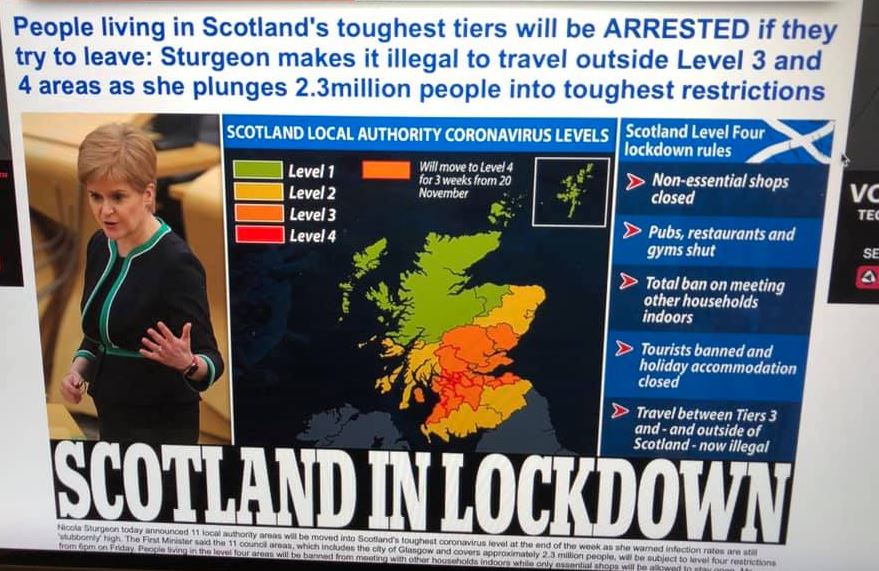
REPLY: Let me explain something. Academics in economics try to use formulas and are myopic in their perspective. They rely entirely on linear analysis and NEVER understand the implications of how we are all connected. For climate change, they used COVID to lock down the world, and every government was calling it a “lockdown,” which is exclusively an American prison term. That demonstrated that the entire COVID scam had a central point where everyone was quoting the exact phrase, no matter what country.
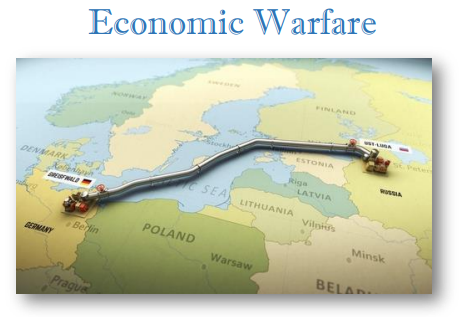
Then the Neocons wanted sanctions imposed on Russia under the same theory they always deploy, thinking that if they cut off the revenue of Russia, the country will collapse. NEVER do they realize that since we are all connected, they would undermine the German economy and ensure that Europe itself may collapse before Russia ever will. They even blew up NordStream and tried to blame that on Putin, which he could have just turned off the valve.
Bloomberg questioned Larry Summers, who wrote in the Washington Post on December 6th, 2015, admitting that economists cannot forecast the next recession.
“While the risk of recession may seem remote given recent growth, it bears emphasizing that since World War II, no postwar recession has been predicted a year in advance by the Fed, the White House or the consensus forecast.”
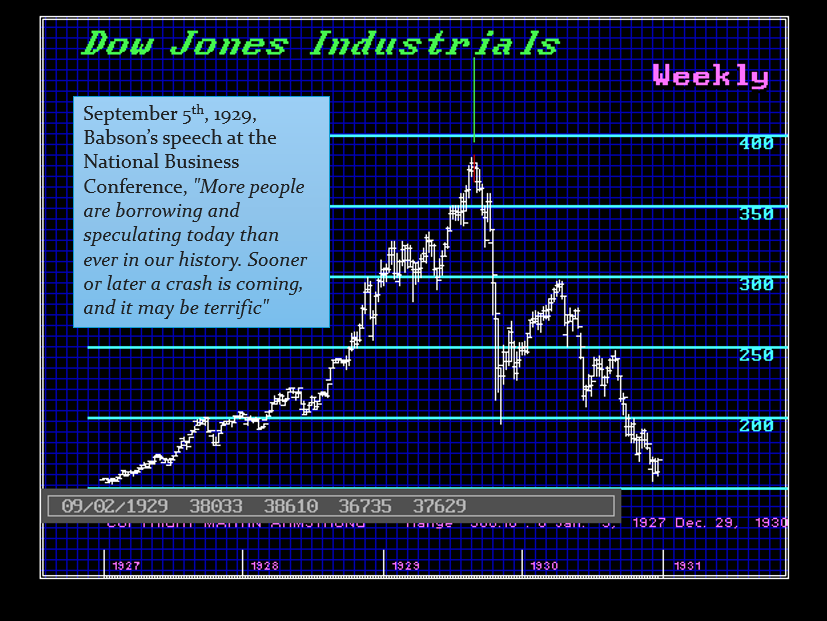
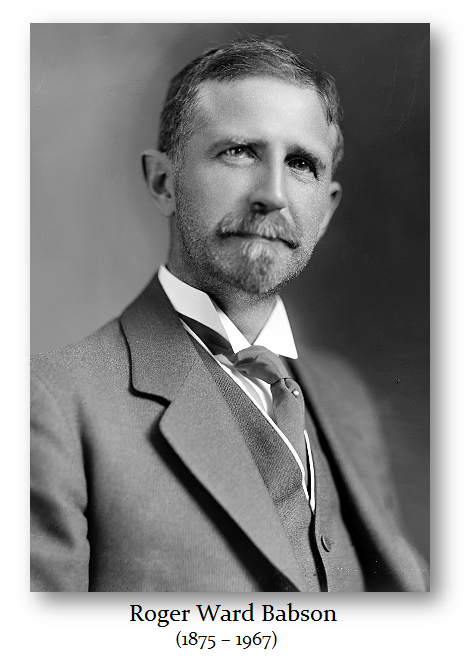
Roger Babson was not the only analyst to predict the 1929 stock market crash correctly regarding timing. He was the most famous and vocal of them all, while others were predicting a crash starting in 1926 to 1927 and lacked the timing. Famously warned of an “economic hurricane” in September 1929, stating “sooner or later, a crash is coming” at a business conference.
Roger Babson delivered his famous warning about an impending stock market crash on September 5, 1929, at the Annual National Business Conference in Babson Park, Massachusetts. The all-time high was September 3rd, 1929.
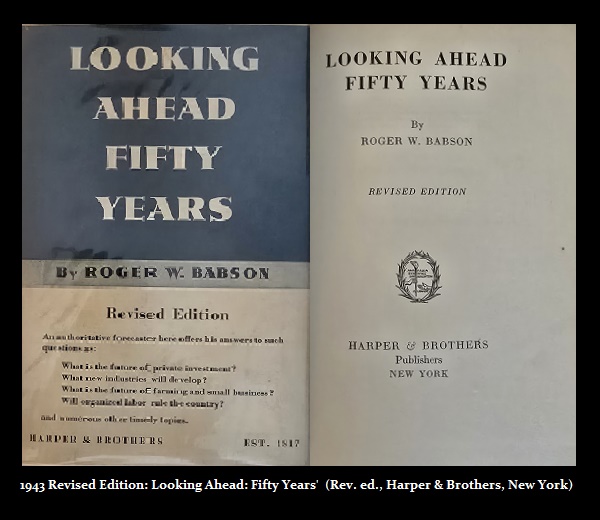
Roger Babson’s 1943 Revised Edition of “Looking Ahead: Fifty Years’ Work” (Harper & Brothers, New York) updated his earlier 1939 predictions to account for World War II. His key forecasts even predicted that the war would end by 1946 when it was still 1943. He also forecast a massive post-war economic boom fueled by pent-up demand, technological advancements from the war, and reconstruction. As a trader, he understood the boom bust cycle that economists try to eliminate. He warned there would be a boom that would lead to over-speculation and a significant bust (“panic” or depression) between 1950-1955, driven by excessive debt and inflation. He said that would then be followed by another period of strong growth.
From the Long-Term perspective, he argued that despite predicting cyclical downturns, he remained fundamentally optimistic about the long-term future (1943-1993). Babson laid out what he saw as unprecedented technological progress and efficiency across industries (manufacturing, agriculture, transportation, and communication). He also forecast a dramatic increase in productivity and standards of living.
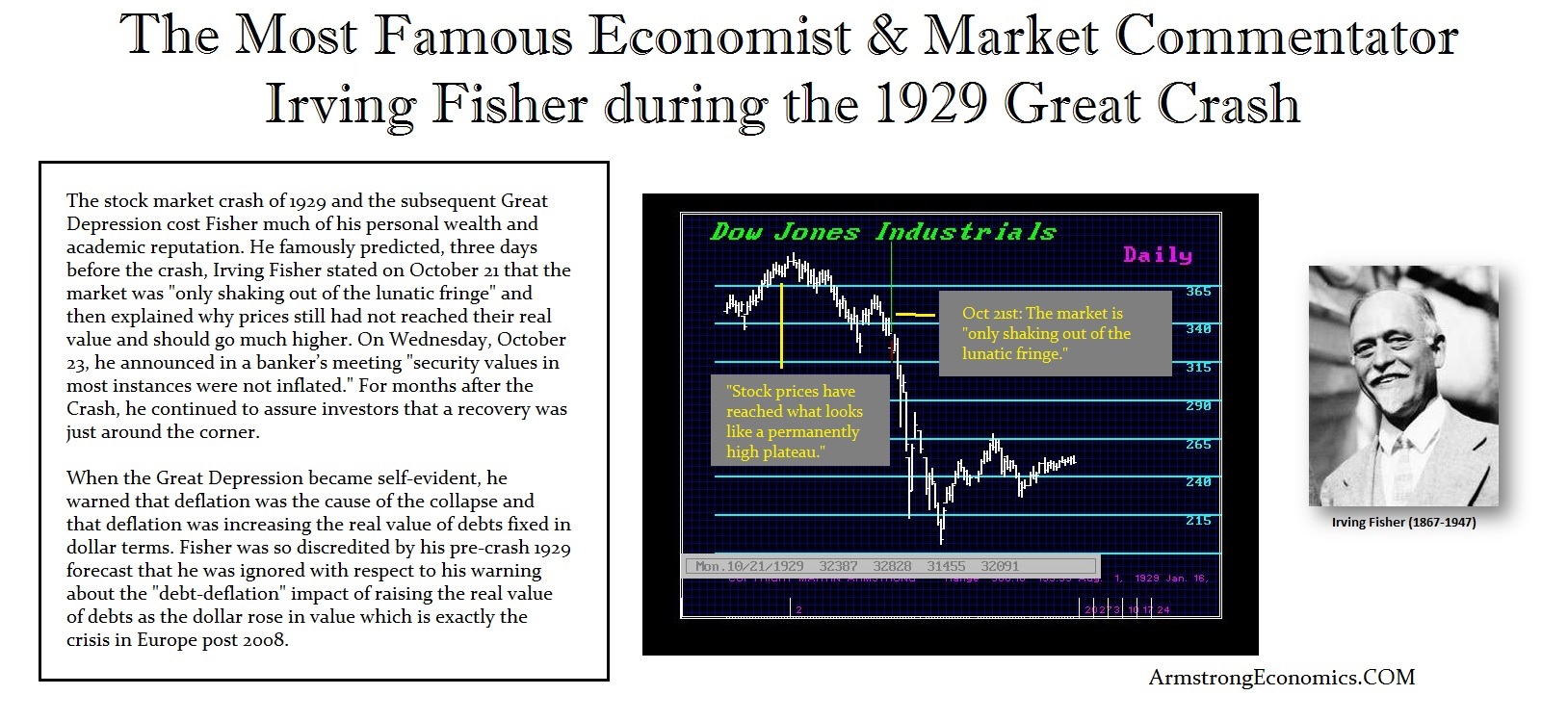
By far, the most famous forecaster was the Economist Irving Fisher, who forecast with linear analysis that the market had reached an entirely new plateau as if it would NEVER go back down. This is why the economic forecasts have always been wrong because they have ZERO trading experience and do not understand society or market behavior.
Babson was a trader, like me. There is something about trading that is hard to explain. Nobody taught me how to trade, I somehow had a natural inherent instinct for trading. I could look at a chart and know where it would go next. Because I understood that instinctive trait, I could see the reasoning behind people like Babson and Jesse Livermore’s trading decisions.
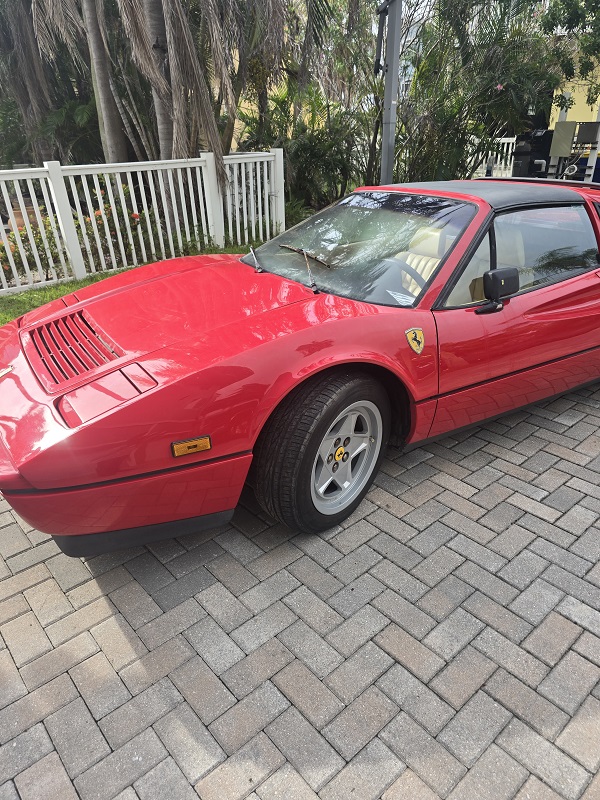
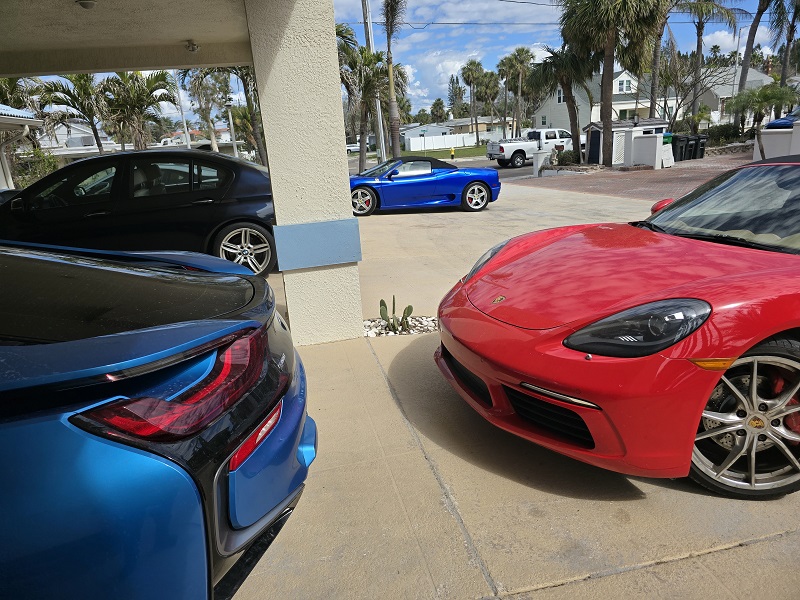
Most people know I used to race cars in my younger days. Because I got divorced and kept my kids, my mother insisted it was not a good profession to pursue. So I quit to raise my kids. When I went to watch the new F1 Movie, I could see the crash coming and was white-knuckling the chair. If something is in your blood, you can’t get it out. I have a friend who offered to let me drive their F1 just for fun. Those days are gone. Friends laughed at me because I have a bunch of sports cars. I reply, I’m not married. If I were married, there would have to be 12.
The point is, trading is instinctive like racing. You have to pay attention to every car around you. If someone just slightly leans to the left an inch or two, that reveals what he is thinking. I see the same connection in trading where you MUST pay attention to all markets and economies around. You cannot forecast silver, never looking at any other market.
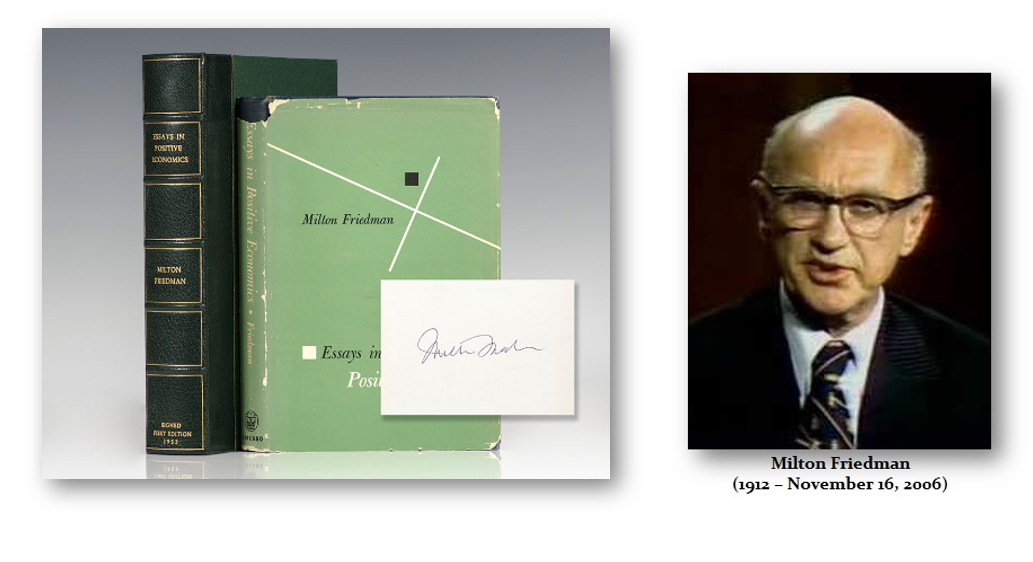
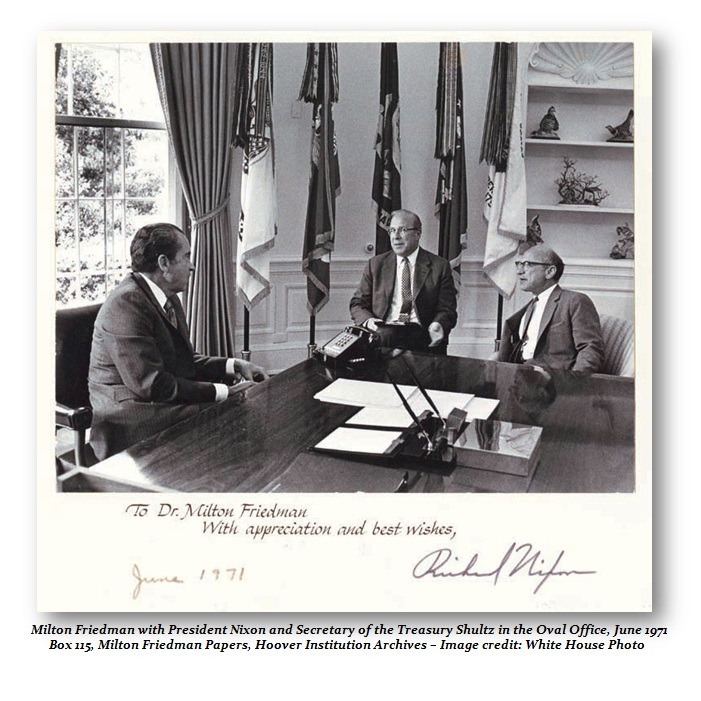
The ONLY academic I ever met who impressed me was Milton Friedman (1912-2006). I was speaking at a trading conference in Chicago. I can’t recall if it was Market Technicians or COPUTRAC. Milton came to listen to me. When I was finished, he walked up and said it was the best speech he had ever heard and that I was doing what he had just dreamed about. I was a trader – not an economist. Because of that meeting, Milton transformed me into a Reluctant Economist. Milton envisioned a floating exchange rate system in 1953. He saw how a floating exchange rate would impose restraints on the government. He was 30 years ahead of his time—no other academic thought out of the box like Milton.
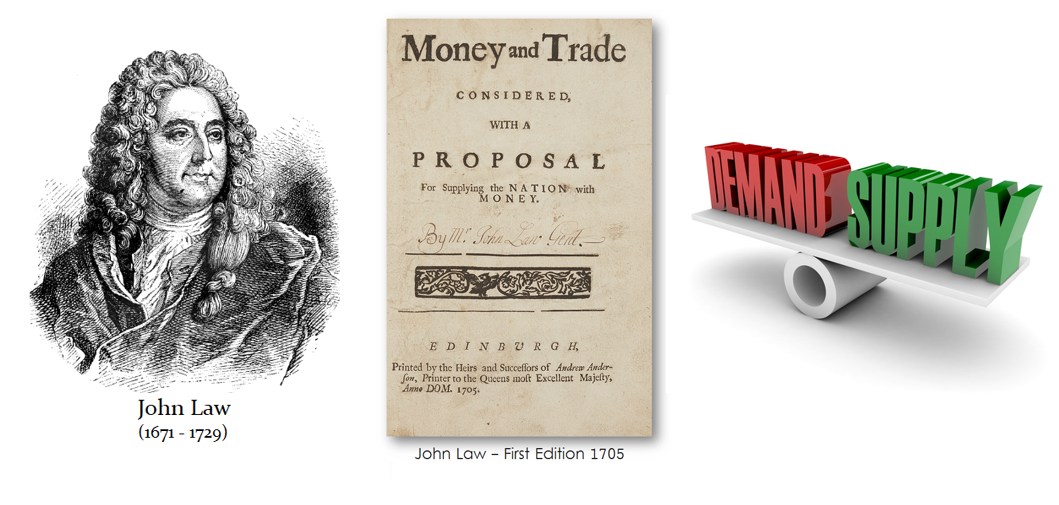
When I was shocked when Milton explained that what I was doing was important in economics, Milton pointed out that Keynes did not have a degree in economics. Neither did Adam Smith, David Ricardo, nor every other famous name of the 19th century, since it was just a sideline as part of moral philosophy. Keynes was a mathematician. I believe that was where the economy took a drastic turn. It became all about math formulas detached from understanding cycles or how things worked. Milton was not looking at a raw math formula. He needed to understand what was behind the numbers. It was John Law (1671-1729), who was a trader on the floor of the Amsterdam bourse and laid out the fundamental law of supply and demand by sheer observation.
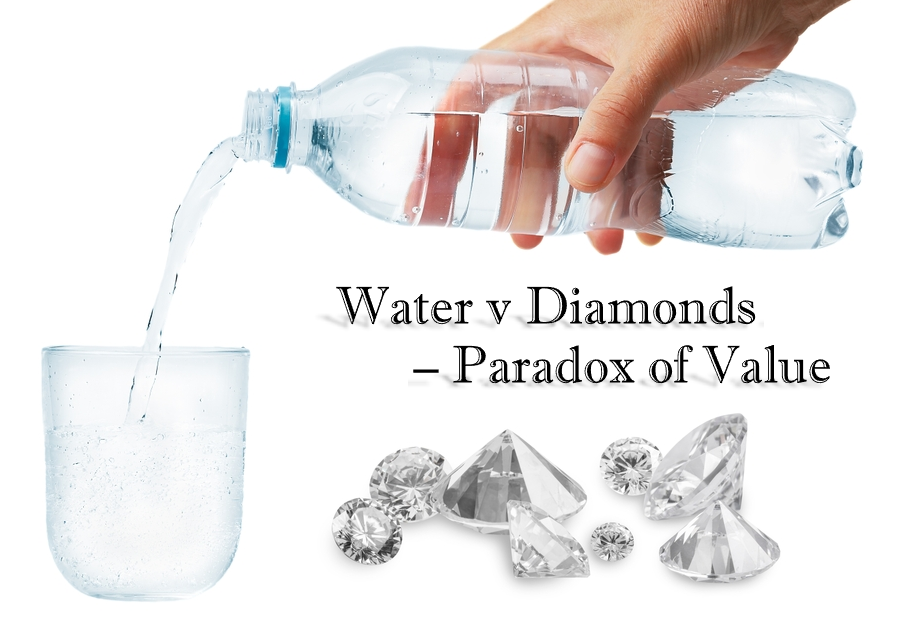
The John Law’s Paradox of Value, which I maintained, was later plagiarized and popularized by Adam Smith as the diamond-water paradox.It took a trade to observe this. The paradox became: Why do essential goods like water have low market value, while non-essential luxuries like diamonds command high prices?
John Law first articulated this in his 1705 work Money and Trade Considered, noting:
“Water is of great use, yet of little value; because the quantity of water is much greater than the demand for it. Diamonds are of little use, yet of great value; because the demand for diamonds is much greater than the quantity of them.”
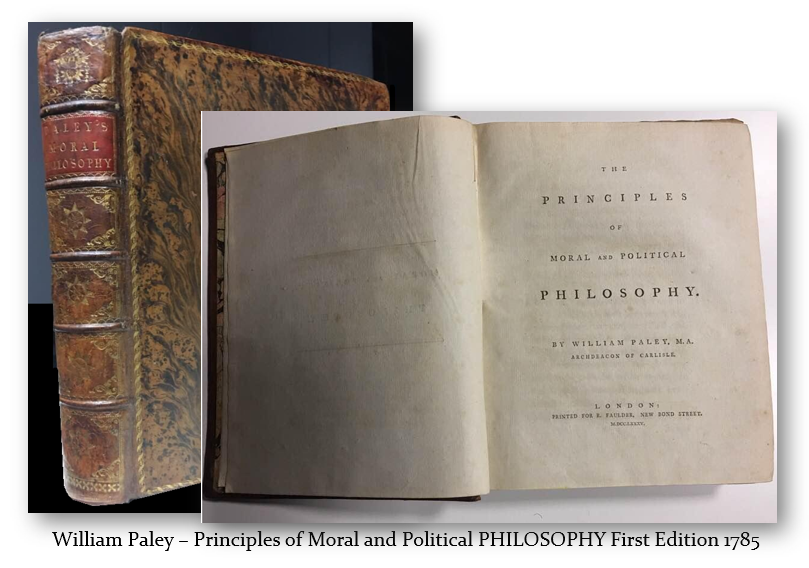
William Paley (1743–1805) was a Cambridge philosopher/theologian (like Malthus and Keynes himself), so Keynes dubbed him the “first of the Cambridge economists” to trace a local intellectual lineage. Others had considered Malthus the first Cambridge economist. Keynes seemed to prefer Paley, who was a moral philosopher and theologian, best known for Natural Theology (1802). His Principles of Moral and Political Philosophy (1785) included economic ideas that impressed Keynes:
He argued that spending on luxuries could employ the poor, aligning with Keynesian “wasteful spending” as preferable to hoarding.
However, Paley was not a systematic economist. His work was ethical, not analytical like Smith’s.
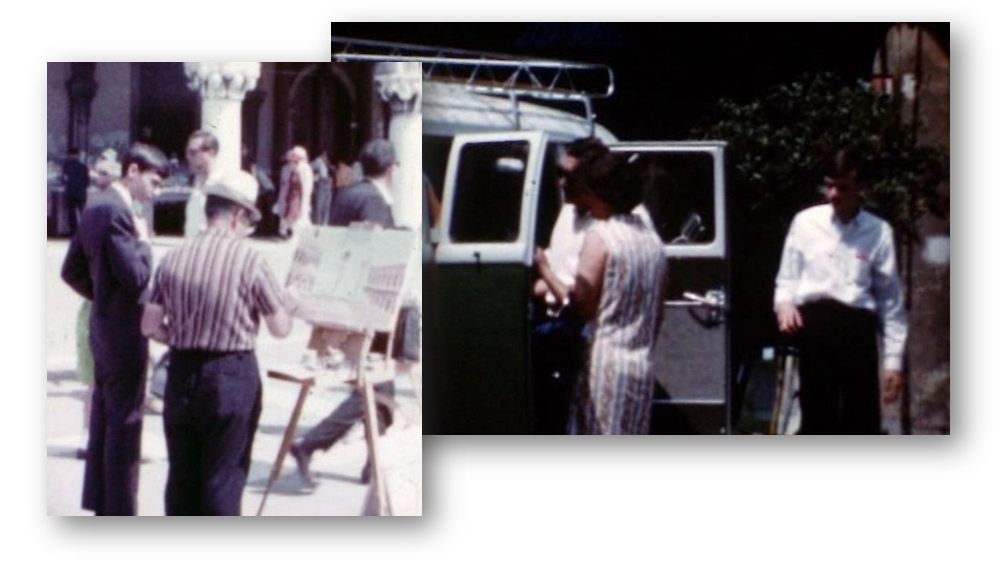
It was Milton who transformed me from just a trader into a Reluctant Economist. I believe all because my father took the family to Europe in 1964 for the whole summer, which introduced me to currency. You had to convert your currency every time you crossed a border, but it taught me that MONEY is a mental yardstick of value. They would give you a quote in the local currency, and I had to convert that in my head to dollars to determine if the value was fair (before pocket calculators and smartphones).
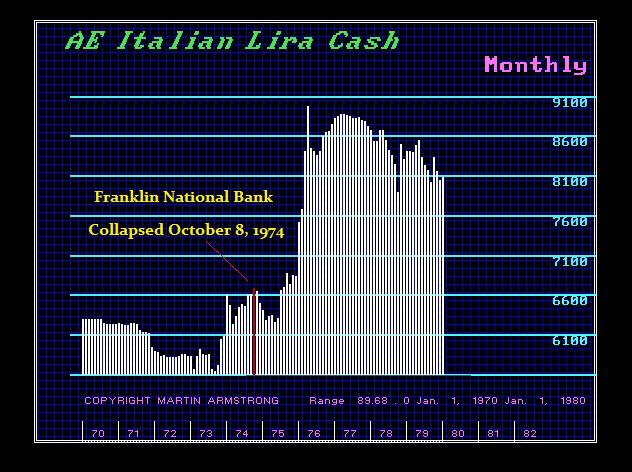
All because I had a client who was a collector, Walter Zengerle, who knew I understood currency. The Bretton Woods fixed rate system collapsed in 1971, and FX futures started trading in 1972. They did not teach currency in school. This was all new. Walter came to me and asked if I would come to New York and look at a problem. He figured out it had to do with currency. Franklin National Bank started Mastercard. It was the first bank to fail because of the floating exchange rate system involving the Italian Lira. After that, every problem with currency turned into getting the guy who did Franklin National Bank.
As President Nixon called in Milton Friedman because he was the ONLY one to have contemplated a floating exchange rate system in 1953, nearly 30 years before. What I was observing in how markets traded, and just as in racing, the slightest nudge would indicate what that driver was thinking about, and how you had to watch every driver around you simultaneously, that was what I saw in trading as well. I was forged in the fire of the free markets. There was no place for math formulas or theories. You had to comprehend that you were in an F1 race in the financial system, and there was no room for mistakes or theories.
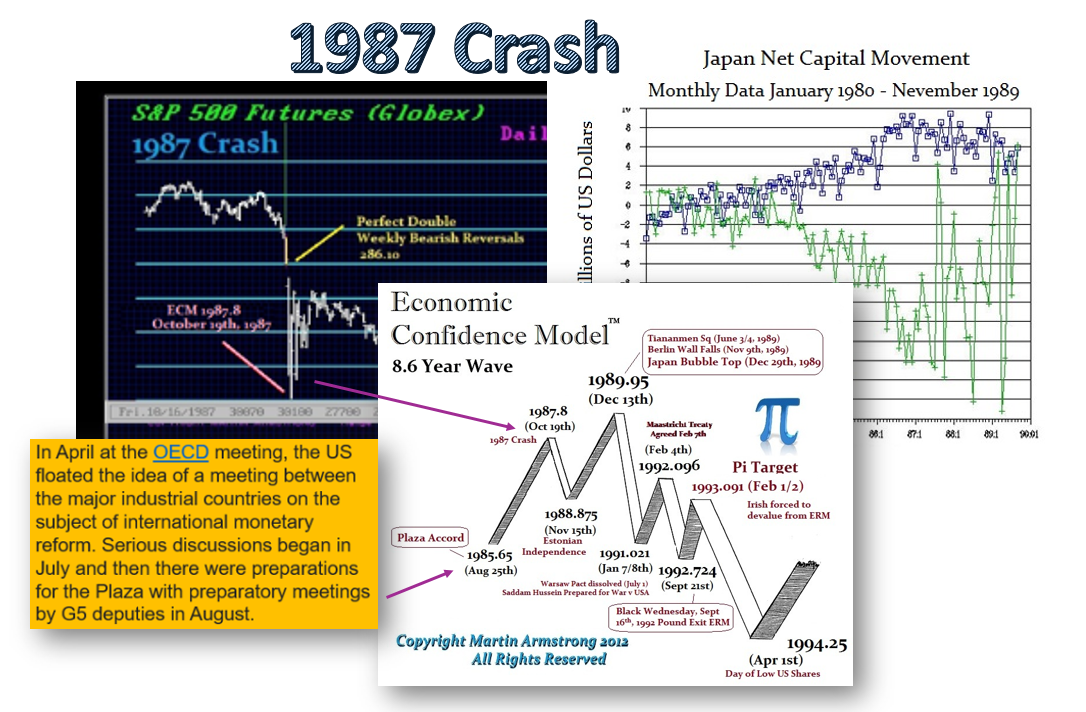
Thus, I was being called in during the 1985 formation of the G5, and just as Milton anticipated, the floating exchange rate system was indeed applying pressure in politics. I was very proud and honored to have been called in by President Reagan. The night of the 1987 Crash, my staff stayed for hours to prepare a special report to get on the president’s desk, so he had a real idea of what would come to pass. They were shocked when I said the low was in place and new highs would be made by 1989. I’m sure they thought I was being too optimistic to get a job. I stated, No charge. That seemed to confuse them even more.
As an old fellow analyst said, most thought I was completely nuts. I had spoken to a famous retail adviser that day and said Look, do not come out and predict a depression – PLEASE! He said, Come on, Marty. You’ve got to be kidding. He took the Great Depression route.
Many people thought that the forecast was not possible. But the very day of the low was precisely the turning point on the ECM to the very day (1987.8 = 292 days – 273 days until the end of September, leaving 19 days). My sources have always been the best because my clients are top-notch. We have the biggest and the smartest clients in the world who are not looking for some pretend guru – just the facts. No matter what country, we all share the same mindset. We all know that we are all connected and see the world as a whole, not pitting one party against another.
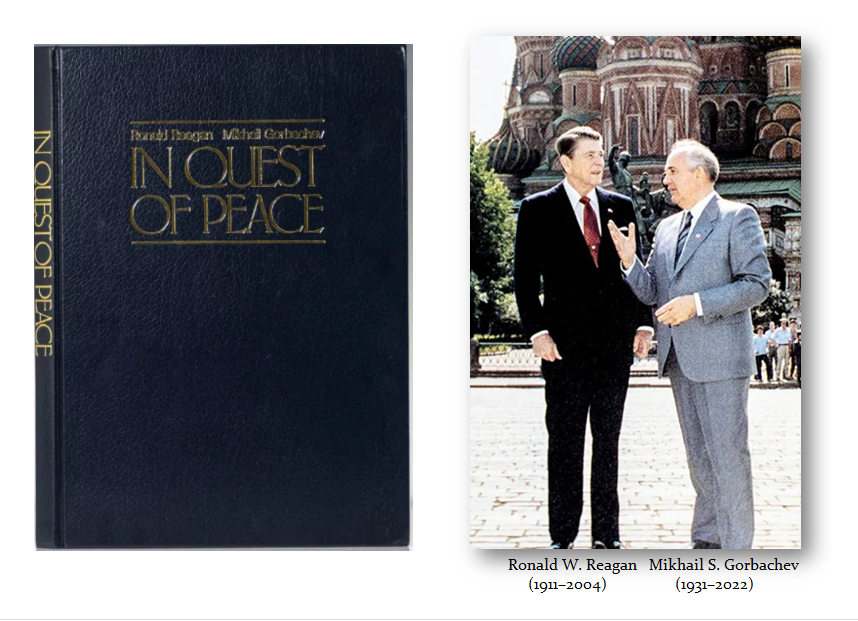
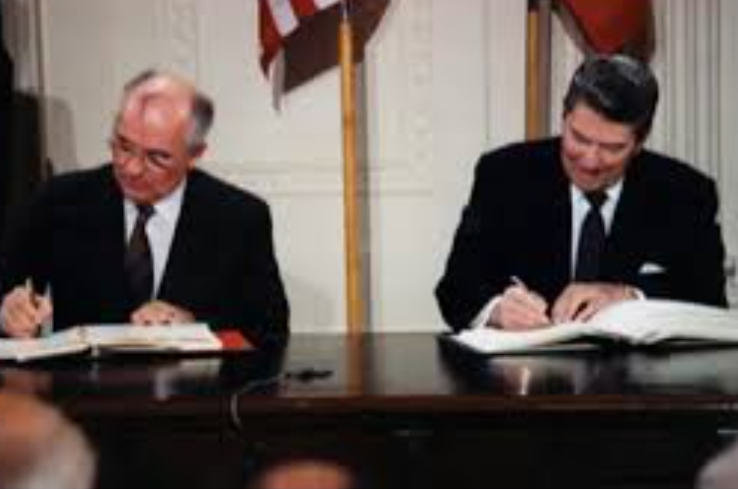
I have explained that I knew that the Neocons tried to prevent President Reagan from meeting with Gorbachev. They could not call him a communist, so they just said you can never trust a Russian. In their world, all they want is death and destruction. They cheer that as glory – they win.
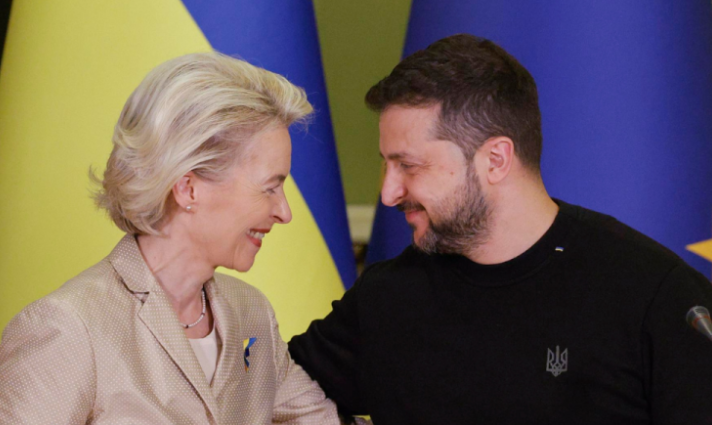
I try very hard to beat my own computer. I have never succeeded so far. I am pushing to remove Zelensky. That MUST be the first step toward peace. I fear that NATO and the EU, with the UK, will make for a false flag operation. Economically, they are screwed, and to take any proposal from me to solve this crisis results in them losing their dream of absolute power. They designed the EU to ensure there was no democratic process in which unelected officials cannot be voted out of office.
The anti-democratic and Marxist agenda of the EU is collapsing just as Communism collapsed all by itself. This is why they need war, and I fear that the best we can do is postpone it until 2026. Zelensky can be removed, but not Ursula, who has NEVER been elected to anything. Zelensky is wiring out money every month, and that is why he tried to shut down the anti-corruption unit to cover his war crimes. He knows his days are numbered, and he cannot live in Ukraine; he will be assassinated after he no longer has US and UK bodyguards.
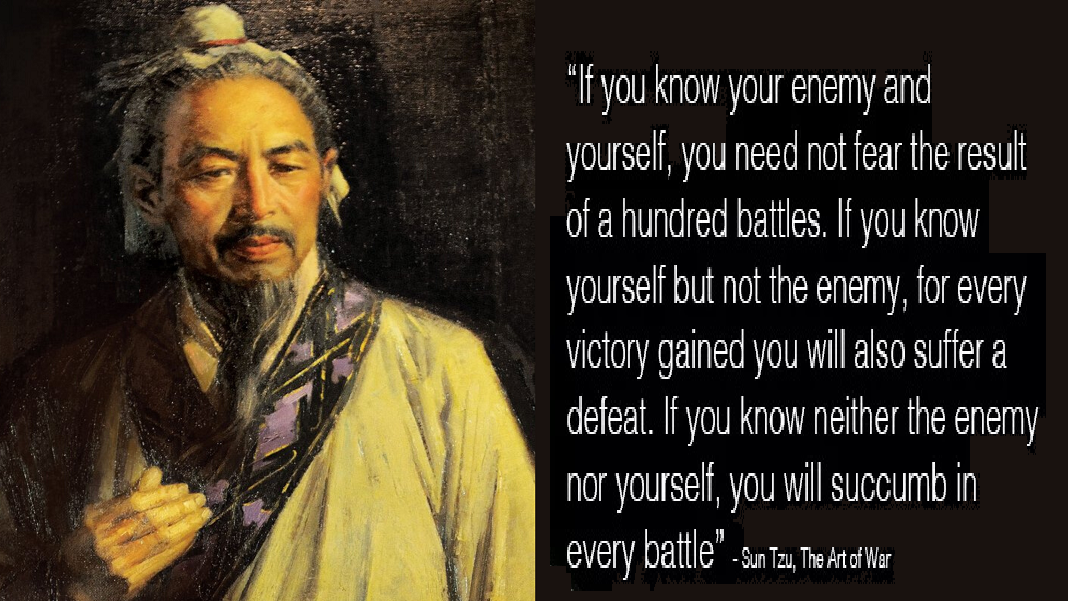
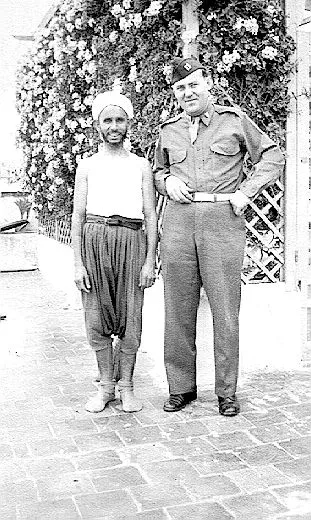
My father taught me well. He handed me Aristotle to read when I was probably 12 or 13. He said if he was good enough to teach Alexander the Great, he was good enough for me. The most valuable lesson my father taught, as he fought with General Patton from North Africa to Berlin, is NEVER judge your enemy by what you think. He will ALWAYS respond according to what he thinks. If you do not understand your enemy, you cannot defeat him.
It is crucial to speak to all sides. If you do not, you will never survive. Marcus Vetter, who shot the Forecaster movie of me, met some of the terrorists while filming the Heart of Jenin movie. He told me the same thing. These people will send some gullible kid to blow themselves up, but would never do that themselves.
Geopolitics = a Poker Game
Would you dare play a hand of poker and never even attempt to see how your opponent plays? If that is your strategy, you will lose. This is what the Neocons preach – never speak to the enemy. Their reasoning is straightforward. They are the aggressor, and they never want peace. But, like the terrorists Marcus encountered, they send other people’s children to die and would never themselves go into battle. I see no difference between them and some terrorist leader – both cowards.
It is the entire WORLD we must understand – not just domestic rhetoric.
I CANNOT ACCEPT ANY FORMAL POSITION IN ANY GOVERNMENT I WILL LOSE MY INDEPENDENCE, WHICH IS THE KEY
Posted originally on CTH on August 17, 2025 | Sundance
Secretary of State Marco Rubio appears on CBS to debate the ever-insufferable Margaret Brennan. The dramatic acting by the newscaster is off-the-charts. Both the video and the transcript are below.
.
[Transcript] – MARGARET BRENNAN: We begin with Secretary of State, Marco Rubio, who attended those talks in Anchorage. Good morning to you, Mr. Secretary.
SECRETARY OF STATE MARCO RUBIO: Good morning. Thank you.
MARGARET BRENNAN: Vladimir Putin did not give President Trump the ceasefire he sought. And now Putin says the root causes of the conflict have to be resolved in a peace agreement. Isn’t the root cause the fact that Russia invaded in the first place?
SEC. RUBIO: Well, ultimately, yeah. But I mean, what he means by root causes is this long historical complaints that we’ve heard repeatedly. This is not a new argument, he’s been making this for a long time, and it’s the argument that it’s Western encroachment. I don’t want to get into- it’s just so long. But the bottom line is that all of- you know, we’re not going to focus on all of that stuff. We’re going to focus on this: are they going to stop fighting or not? And what it’s going to take to stop the fighting. And what it’s going to take to stop the fighting, if we’re being honest and serious here, is both sides are going to have to give, and both sides should expect to get something from this. And that’s a very difficult thing to do. It’s very difficult because Ukraine obviously feels, you know, harmed, and rightfully so, because they were invaded. And the Russian side, because they feel like they got momentum in the battlefield, and frankly, don’t care, don’t seem to care very much about how many Russian soldiers die in this endeavor. They just churn through it. So I think what the President deserves a lot of credit for is the amount of time and energy that his administration is placing on reaching a peace agreement for a war that’s not a war that started under him. It’s half, you know, it’s on the other side of the world. That said, I mean, it’s relevant to us. But there are a lot of other issues he could be focused on. So tomorrow, we’ll be meeting with President Zelenskyy. We’ll be meeting with European leaders. We just met with Putin. He’s dedicated a lot of time and energy because he has made it a priority of his administration to stop or end war- stop wars or prevent them. And right now, this is the biggest war going on in the world. It’s the biggest war in Europe since World War Two. We’re going to continue to do everything we can to reach an agreement that ends the dying and the killing and the suffering that’s going on right now.
MARGARET BRENNAN: You know this well, how long these kind of diplomatic negotiations often take. President Trump was telling European leaders what was discussed was Putin demanding control of Donetsk, a region in the east that his forces do not fully hold, and the UK estimates that taking that full area could be as long as another four years. Putin also is demanding Russian be an official language in Ukraine, and something regarding Russian Orthodox churches. Did the U.S. accept all of what Putin laid out at that table?
SEC. RUBIO: The United States is not in a position to accept anything or reject anything, because ultimately, it’s up to the Ukrainians. They’re the ones that Russia has to make peace with, Ukraine with Russia–
MARGARET BRENNAN: –Well, the President said he did come to some agreement–
SEC. RUBIO: –It’s up to the Ukrainians to make these conditions. Well, the agreements were that we were going to try to do things like, for example, get a leader- a leaders meeting. We have to make enough progress so that we can sit down President Zelenskyy and President Zelenskyy and President Putin in the same place, which is what President Zelenskyy has been asking for, and reach a final agreement that ends this war. Now, there were some concepts and ideas discussed that we know the Ukrainians could be very supportive of in that meeting. I don’t think it’s- we’re not going to negotiate this in the media. I understand that everybody wants to know what happened. But ultimately, there are things that were discussed as part of this meeting that are potentials for breakthroughs, that are potentials for progress. We’ll be discussing that more in depth tomorrow, with our European allies, with the Ukrainians that are coming over. We’ll be discussing all of these things, because ultimately, we do need to find areas where we’re making progress and try to begin to narrow the gap between the two sides. But there’s a reason why this war has been going on for three and a half years, and that is, when it comes to the big issues here, there are still some big differences between both sides. Let’s see how much progress we can continue to make. It’s- it’s- it’s not been easy, but it’s something the President’s made a priority. Peace. And he deserves a lot of credit for that.
MARGARET BRENNAN: But ultimately, if- if Vladimir Putin is going to be offered land that he has not seized yet, but negotiates his way into, doesn’t this set a dangerous precedent that the United States now accepts this concept that it is okay to seize land by force?
SEC. RUBIO: Well, Putin has already seized land by force, and that, in and of itself, is not a positive precedent. This whole war is a negative precedent–
MARGARET BRENNAN: — Are you demanding withdrawal?–
SEC. RUBIO: –precedent. Well, again, here’s the- in order to have a deal here to end- to reach the end of this conflict, both sides are going to have to make concessions. That’s just the facts–
[CROSSTALK]
MARGARET BRENNAN: But does that mean accepting–
SEC. RUBIO: –in any negotiation–
MARGARET BRENNAN: –where Russian forces are now?
SEC. RUBIO: No, no, but, if- But this is not about acceptance. This is about what Ukraine can accept. And what Russia can accept. They both have to accept it, otherwise there won’t be a peace deal. Okay. If there aren’t concessions, if one side gets everything they want, that’s called surrender. That’s called the end of the war through surrender. And that’s not what we’re close to doing, because neither side here is on the verge of surrender or anything close to it. So in order for there to be a peace deal, this is just a fact, we may not like it, it may not be pleasant, it may be distasteful, but in order for there to be an end of the war, there are things Russia wants that it cannot get, and there are things Ukraine wants that it’s not going to get. Both sides are going to have to give up something in order to get to the table, in order to make this happen. That’s- that’s just the way it is. And I mean, the sooner we accept that, that’s the reality. Now, what those things are is going to be up to both sides. There’s no conditions that can be imposed on Ukraine. They’re going to have to accept things, but they’re going to have to get things too. And so, for example, Ukraine is a sovereign country. They have a right, like every sovereign country does in the world, to have- to enter into security alliances with other countries to prevent an invasion in the future, to prevent threats to their national security. That’s not an unreasonable request. That’s something needs to be worked on. Territories will have to be discussed. It’s just a fact, and there are things that maybe Russia is holding now that they’re going to have to give up. Who knows? The point is, we need to create a scenario where that becomes possible, and that’s why this has been so hard, because neither side, up to now, has been willing to give on some of these things. But we’ll see if that’s possible. It may not be, but we’re going to try, and we’re going to do everything we can to try to achieve a peace.
MARGARET BRENNAN: I understand you, you can’t get into specifics in a public conversation, but we’re looking at Russian troops and strikes intensifying. Did you hear anything from Vladimir Putin that indicated he is willing to make a single concession?
SEC. RUBIO: Well, I think there are a couple. I mean, there were- not enough for Ukraine, if not we would be announcing a peace deal this morning, right? But- but certainly, there are some things we notice changes. There are some changes that I think are possible. I think there’s some concepts that were discussed that could potentially lead to something. But again, all these things have to be verifiable. We- it isn’t real until it’s real. I mean, you- one thing is what you say you might be willing to consider, another thing is your willingness to do it. And it always becomes a trade off in all of this. But you talk about the intensifying strikes on the Russian side, yeah, I mean, they’re a full-time war machine. I mean, that’s what’s happening. The Russian economy has basically been turned into a full-time wartime economy. They have a lot of people. It’s a big country. It’s not just large geographically. It has huge populations. It continues to churn through people. You know, they lost- 20,000 Russian soldiers were killed last month, in July, in this war. That just tells you the price they’re willing to pay. Not saying any of this is admirable, I’m saying that this is the reality of the war that we’re facing. It’s become attrition, in some ways. It’s a meat grinder, and they just have more meat to grind.
MARGARET BRENNAN: Well, let me ask you about the security bit you just mentioned there, because Italy’s Prime Minister says that President Trump revived the idea of security guarantees inspired by NATO’s Article Five and a collective security clause that would involve the United States. How does that work? Are these U.S. troops? Are these U.S. monitors?
SEC. RUBIO: Well, what we’re going to be working on. That’s why- that’s one of the reasons why, you know, I talked yesterday to all the national security advisors, a bunch of them from the different European countries, or European leaders coming here tomorrow, heads of state coming tomorrow, along with President Zelenskyy, to discuss this in more detail. I mean, the constructs of something like this needs to be built out once it- concept is one thing. The reality, you know, how it’s built and how it would work, is another. But those are the kinds of talks that we’re going to be having with them, along with some of the other issues that are at play. But, that-that is one of the-if you were to break this thing down, I mean, there are, obviously, there needs to be an agreement on territories and where the lines are going to be drawn. That’s not going to be very easy. That’s going to be tough. I think there has to be some discussion about security guarantees for Ukraine, because they don’t want this war to–none of us want to see this war in the future. They’re a sovereign country. They have a right to have security agreements with other countries and security alliances with other countries. And then there’s the whole issue of reconstruction–
MARGARET BRENNAN: — Including the United States?–
SEC. RUBIO: — How do you rebuild the country? Well, potentially, like I said, that’s what we’re going to be having a conversation about, and that’s what we’re going to be meeting. That’s why they’re all coming here tomorrow, and-and that’s why we’ve been talking on the phone for the last 48 hours with them, and even leading up to it throughout the week there were various meetings just to sort of build out some of these ideas. So all of these right now are ideas, they are concepts that require some more specificity. We’ll need to work with our partners to see what that looks like. And I think that’s an area where potential progress is real, but that alone won’t be enough. There’s a bunch of other things that have to be worked through here.
MARGARET BRENNAN Yea, well, Russia claims it has rescued 700,000 children. I know you know that the warrant out for Vladimir Putin’s arrest is for the state-sponsored abduction of kids. I’ve seen estimates there are something like 30,000 Ukrainian children who have been abducted. Is the United States demanding, or at least, even just as a statement of goodwill here, that Russia return these children?
SEC. RUBIO: Yeah, I mean, we’ve repeatedly raised that issue on- in every forum possible, and those have also been, by the way, topics of discussion, not just in our meetings with the Ukrainians, but in the negotiations and talks that were going on between Ukraine and Russia at the technical level. These talks were going on in Turkey, as an example. Turkey over the last few months–
MARGARET BRENNAN: –Yeah, nothing so far from the Russians —
SEC. RUBIO: –that’s been a topic of discussion as well —
SEC. RUBIO: Well, it’s unfortunate. Children should be returned to their families. We- on that position, I don’t think there’s any ambiguity on our side. And they shouldn’t even be, you know, a bargaining chip in regards to a broader negotiation. But it’s just one more element of how tragic this war is. After three and a half years, this war is getting worse. It’s not getting better. You’ve made the point about the uptick in strikes. This is a war. It’s going to get worse. It’s not going to get better, and that’s why the President is investing so much time in bringing this to an end. And, by the way, everyone is begging us to be involved in this. The Europeans want us involved. The Ukrainians want us involved. Obviously, the Russians want us involved because the President is the only leader in the world- if this is possible, he’s the only one that can help make it happen.
MARGARET BRENNAN: Well, he’s got the leverage over Vladimir Putin if he wanted to crush his economy or at least do more damage to it, but you have held off on those secondary sanctions. President Trump told Fox News his advice to President Zelenskyy is make a deal, Russia’s a very big power and they’re not. You know there is concern from the Europeans that President Zelenskyy is going to be bullied into signing something away. That’s why you have these European leaders coming as back up tomorrow. Can you reassure them?
SEC. RUBIO: No, it isn’t. That’s not why they’re coming as back- that’s not true. No but that’s not, why, that’s not true. They’re not coming here tomorrow to keep Zelenskyy from being bullied. They’re not coming- in fact —
[CROSSTALK]
MARGARET BRENNAN: Well that February Oval Office meeting in front of television cameras, where President Zelenskyy was dressed down —
SEC. RUBIO: — Do you know how many meetings we’ve had since then?
MARGARET BRENNAN: Oh, no, I know. And I was just up in Alaska —
SEC. RUBIO: Yeah, but we’ve had a bunch of meetings since then.
MARGARET BRENNAN: — watching the one with Vladimir Putin where a red carpet was rolled out for the Russian leader. It was very different–
SEC. RUBIO: — No, but it wasn’t Zelenskyy. We’ve had more meetings, we’ve had, we’ve had, we’ve had one meeting with Putin and like a dozen meetings with Zelenskyy. So that, but that’s not true. They’re not coming here tomorrow to keep Zelenskyy from being bullied. They’re coming here tomorrow because we’ve been working with the Europeans. We talked to them last week. There were meetings in the UK over the following, the previous weekend —
MARGARET BRENNAN: — And they said the President Trump was going to demand a ceasefire —
SEC. RUBIO: — The President’s talked to these leaders as early as Thursday. No, no, but you said that they’re coming here tomorrow to keep Zelenskyy from being bullied. They’re not coming here tomorrow- this is such a stupid media narrative that they’re coming here tomorrow because the- Trump is going to bully Zelenskyy into a bad deal. We’ve been working with these people for weeks, for weeks on this stuff. They’re coming here tomorrow because they chose to come here tomorrow. We invited them to come. We invited them to come. The President invited them to come.
MARGARET BRENNAN: But the President told those European leaders last week that he wanted a cease fire. The President went on television, said he would walk out of the meeting if Vladimir Putin didn’t agree with him. He said there would be severe consequences if he didn’t agree to one. He said he’d walk out in two minutes. He spent three hours talking to Vladimir Putin, and he did not get one,so–
SEC. RUBIO: –Because obviously something, things happen during that meeting, well, because obviously things,look our goal here is not to stage some production for the world to say, oh how dramatic he walked out. Our goal here is to have a peace agreement to end this war. Okay? And obviously we felt, and I agreed, that there was enough progress, not a lot of progress, but enough progress made in those talks to allow us to move to the next phase. If not, we wouldn’t be having Zelenskyy flying all the way over here. We wouldn’t be having all the Europeans coming all the way over here. Now understand, and take with a grain of salt, I’m not saying we’re on the verge of a peace deal, but I am saying that we saw movement, enough movement to justify a follow up meeting with Zelenskyy and the Europeans, enough movement for us to dedicate even more time to this. You talk about the sanctions. Look, at the end of the day, if peace is not going to be possible here, and this is just going to continue on as a war, people will continue to die by the thousands, the President has that option to then come in and impose new sanctions. But if he did this now, the moment the President puts those additional sanctions, that’s the end of the talks. You’ve basically locked in at least another year to year and a half of war and death and destruction. We may unfortunately wind up there, but we don’t want to wind up there. We want to wind up with a peace deal that ends this war so Ukraine can go on with the rest of their lives and rebuild their country and be assured that this is never going to happen again. That’s the goal here. We’re going to do everything possible to make that happen if it’s doable. It will require both sides to make concessions. It will require both sides to get things they’re asking for. That’s how these deals are made, whether we like it or not.
MARGARET BRENNAN: Before I let you go, quickly, why did the State Department just announced that they’re halting visitor visas for all Gazans coming here for medical aid? Why would some of these kids, for example, who are coming to hospitals for treatment be a threat?
SEC. RUBIO: Well, first of all, it’s not just kids, it’s a bunch of adults that are accompanying them. Second, we had outreach from multiple congressional offices asking questions about it, and so we’re going to reevaluate how those visas are being granted, not just to the children, but how those visas are being granted to the people who are accompanying them. And by the way, to some of the organizations that are facilitating it. There is evidence, it’s been presented to us by numerous congressional offices, that some of the organizations bragging about and involved in acquiring these visas have strong links to terrorist groups like Hamas. And so we are not going to be in partnership with groups that are friendly with Hamas. So we need to- we’re going to pause those visas. There was just a small number of them issued to children, but they come with adults accompanying them, obviously, and we are going to pause this program and reevaluate how those visas are being vetted and what relationship, if any, has there been by these organizations to the- to the process of acquiring those visas. We’re not going to be in partnership with groups that have links or sympathies towards Hamas.
MARGARET BRENNAN: Secretary of State, Marco Rubio. We have to leave it there for this morning. Thank you for joining us.
SEC. RUBIO: Thank you.
MARGARET BRENNAN: ‘Face the Nation’ will be back in one minute. Stay with us.
Posted originally on CTH on August 17, 2025 | Sundance
Secretary of State/National Security Advisor Marco Rubio hit the Sunday news circuit to expand on President Trump’s peace initiative and meeting with Russian President Putin.
Appearing on NBC, Rubio outlines the results of the Alaska summit between President Trump and President Putin, as well as the next steps ahead of Ukraine President Volodymyr Zelenskyy coming to the White House on Monday. WATCH:
.
Following along with much of the same conversation, Secretary Rubio also appeared on ABC this week to debate the ever-insufferable Martha Raddatz. Below:
Posted originally on CTH on August 17, 2025 | Sundance
President Trump special envoy, Steve Witkoff, outlines elements of the talks between President Trump and President Vladimir Putin in advance of a meeting tomorrow with Ukraine President Volodymyr Zelenskyy and EU leaders.
I have created this site to help people have fun in the kitchen. I write about enjoying life both in and out of my kitchen. Life is short! Make the most of it and enjoy!
This is a library of News Events not reported by the Main Stream Media documenting & connecting the dots on How the Obama Marxist Liberal agenda is destroying America



 Subscribe to alerts for each new postEmail *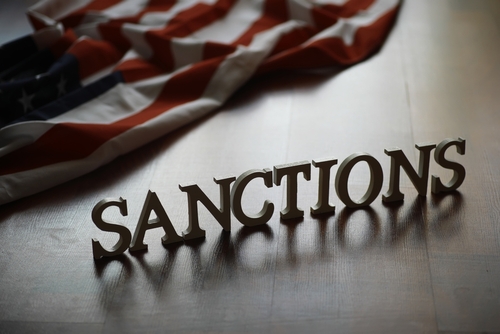




 Centinel2012