Musk has previously said his opposition to the bill stems from the fiscal spending and aggregate, unsustainable national debt issue. However, as President Trump and NEC Director Kevin Hassett have noted, the debt issue is a combination of spending and growth. The economic goals of the administration are to grow the economy at a GDP rate larger than 3%, while simultaneously using the Office of Management and Budget to curtail spending allotments from congress.
Posted originally on CTH on June 30, 2025 | Sundance
White House National Economic Council Director Kevin Hassett appears on Fox News to outline some of the background details of the Big Beautiful Bill. Interestingly, after happy Hassett outlines the specifics of the benefits within the bill, he dodges a question about possibly becoming the next Fed Chairman. 🤔… A Happy Fed Chair?
Posted originally on CTH on June 30, 2025 | Sundance
As the Senate begins debate to amend the Big Beautiful Budget reconciliation bill, White House Press Secretary Karoline Leavitt is scheduled to deliver a press briefing today at 1:00pm ET. Livestream links below.
Posted originally on Jun 30, 2025 by Martin Armstrong
QUESTION: You are pessimistic about a resolution in the Iran-Israel conflict. Why is this different from Ukraine or even Vietnam?
Jake
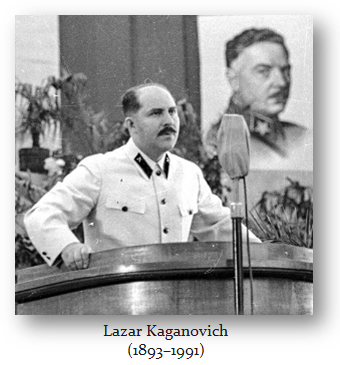
ANSWER: This conflict between Iran and Israel is far more serious because it is Religious, not Ethnic, philosophical, or Conquest. The Ukraine conflict is ethnic. Ukrainians wrongly hate Russians because Stalin took their food and starved millions. What they REFUSE to admit was that this was retribution by Stalin’s right-hand man Kaganovich, who was from Kiev and was a Jew who was in charge of the operation that most saw as retribution for Ukrainian neo-Nazis who were slaughtering Jews.
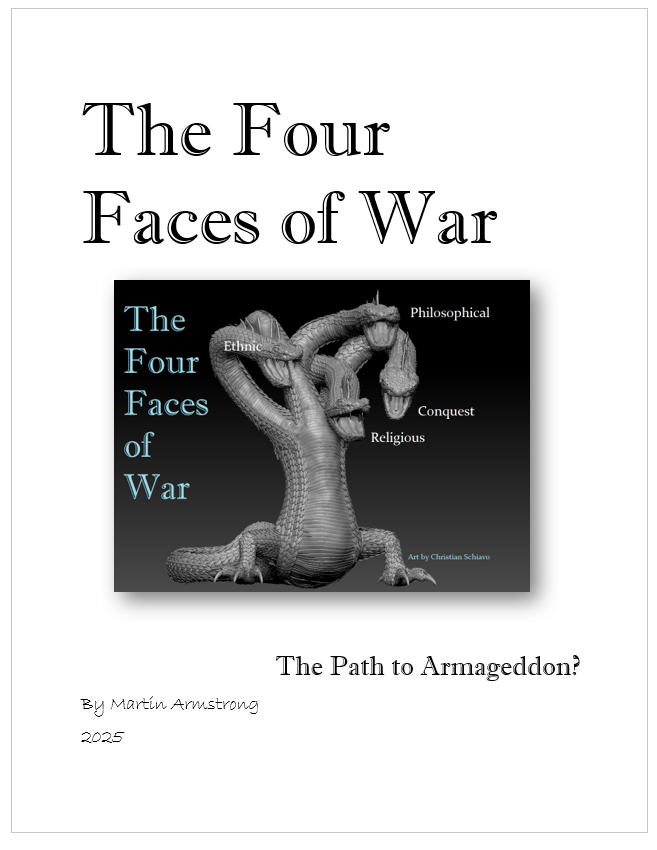
There are four primary distinctions between war and its underlying causes. I will address this in a report on the 2025 Cycle of War, many have asked for an update. I will address how each can be resolved and what history teaches us. Wars unfold for different reasons internationally, whereas civil wars, more often than not, unfold because of unfair and oppressive taxation that favors one group over another.
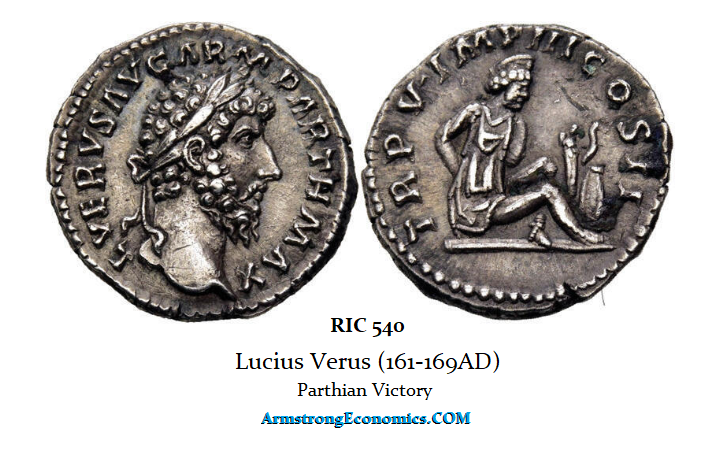
There is also a strong correlation between migrations and civil war, as well as disease. Many plagues have followed invasions by the Mongols, bringing the Black Plague to Europe. Alternatively, returning Roman soldiers from waging war on Persia brought the Antonine Plague, which even claimed the life of Emperor Lucius Verus. Here is his coin celebrating his victory over Parthia (Persia).
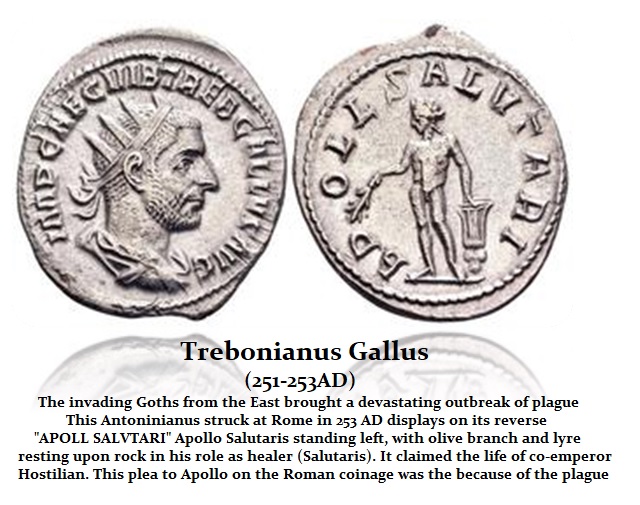
The Plague of Cyprian (249-262 AD) most likely originated in Ethiopia. Evidence strongly suggests it was brought into the Roman Empire via troops returning from campaigns on the eastern frontiers, once again involving Persia. It was probably the war against the Sassanid Persians or conflicts in the region. Here is a coin of Trebonianus Gallus (251-253AD) appealing to Apollo Salvtari, who they hoped would protect society. Descriptions by St. Cyprian (Bishop of Carthage) suggest symptoms consistent with a viral hemorrhagic fever (like Ebola or a filovirus) or possibly a severe form of influenza or typhus. Some scholars also propose a re-emergence or mutated form of smallpox or measles. The exact pathogen remains uncertain.
Bishop Cyprian of Carthage, whom the plague is named after, and Dionysius of Alexandria) report that bodies were being piled in the streets. There was widespread fear and social disruption. The worst was the significant depopulation of cities and countryside, with an estimated loss of between 10% and 20% of the entire population—the impact on the Roman army and government function was profound. Even the emperor Hostilian died from this plague.
This catastrophic pandemic hit during the tumultuous Crisis of the Third Century. This caused massive mortality, further crippled the economy and military, fueled social unrest, and contributed to the empire’s near-collapse. It coincided with barbarian invasions and political instability.
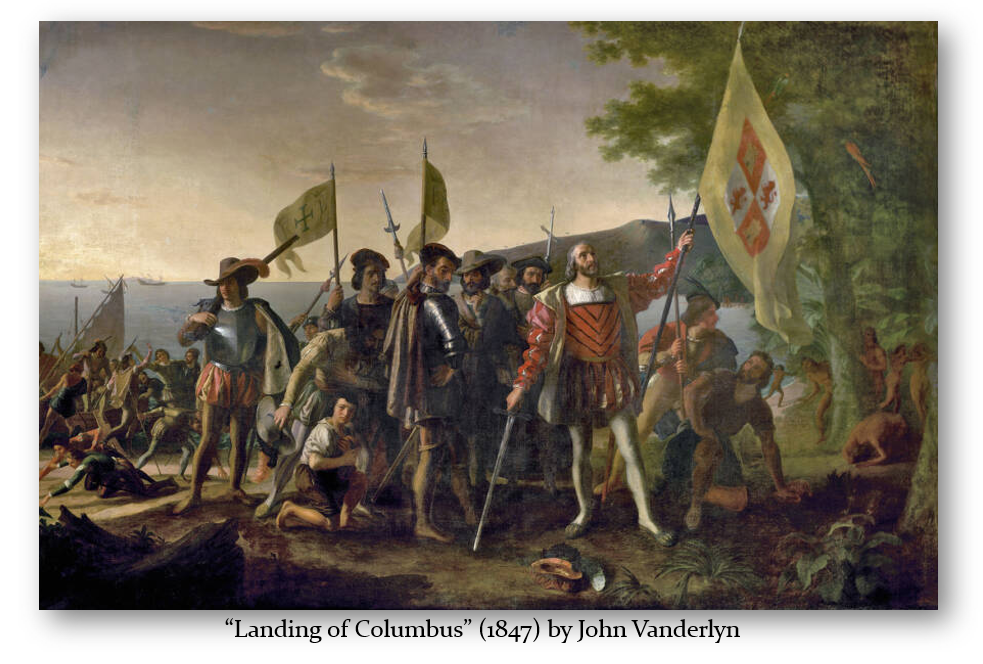
The Europeans who invaded America brought diseases, and we cannot pinpoint a single exact percentage of the Indian population that died from disease. However, the overwhelming consensus among historians, anthropologists, and epidemiologists is that introduced European diseases killed somewhere between 80% and 95% of the Indigenous population of the Americas within roughly a century to a century and a half after contact. This represents a loss of tens of millions of lives and constitutes one of the most profound demographic disasters ever recorded. It fundamentally reshaped the societies, cultures, and landscapes of the entire hemisphere. (Sources: Alfred W. Crosby Jr. The Columbian Exchange; Noble David Cook Born to Die; Charles C. Mann *1491*; William M. Denevan The Native Population of the Americas in 1492)
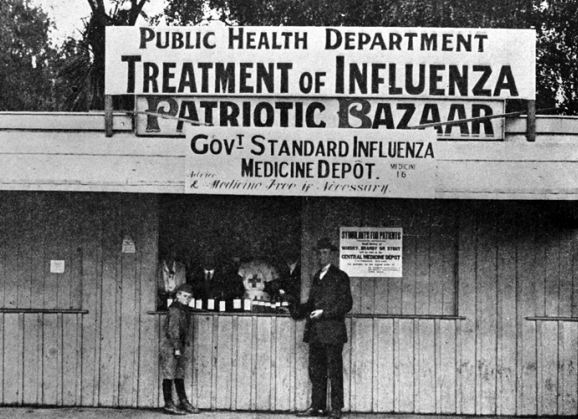
The returning soldiers from World War I also brought back the Spanish Flu. In summary, roughly 675,000 Americans died from the Spanish flu, representing about 0.65% of the population at the time, with the majority of deaths occurring during the final stages of WWI and the immediate months following the Armistice. Again, just
I have created this site to help people have fun in the kitchen. I write about enjoying life both in and out of my kitchen. Life is short! Make the most of it and enjoy!
This is a library of News Events not reported by the Main Stream Media documenting & connecting the dots on How the Obama Marxist Liberal agenda is destroying America












 Centinel2012