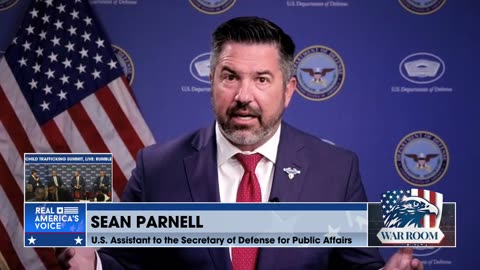
Episode 4654: Trump AI Summit Live


Posted originally on Rumble By Bannon’s War Room on: July 23, 2025

China Continues to Offload US Treasuries


Posted originally on Jul 24, 2025 by Martin Armstrong 

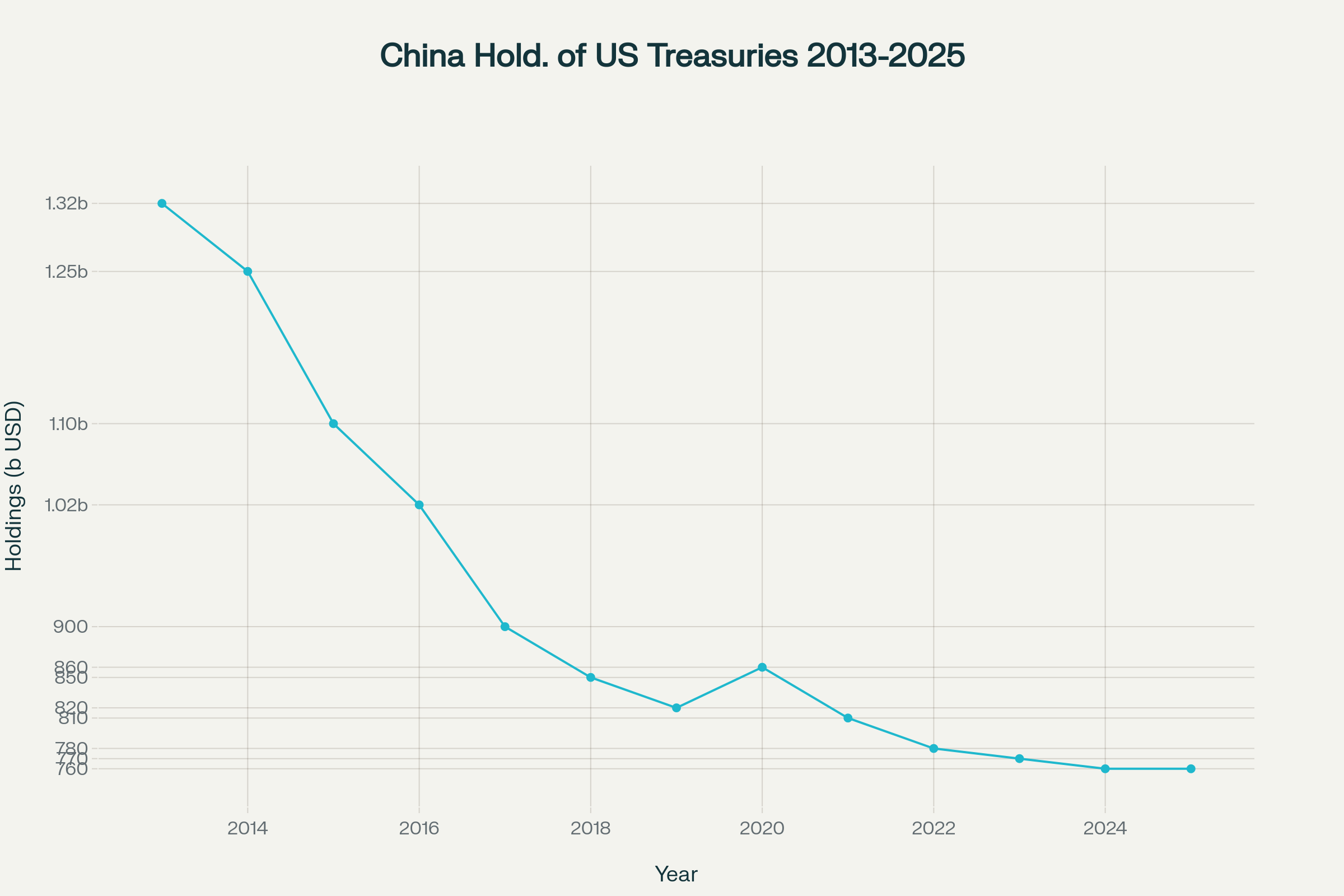
China.USTreasuryDebtHoldings.2013to2025

China has been offloading its US Treasury holdings for years. Once the top holder of US debt, China cut its US Treasury holdings for the third consecutive month this May. Total holdings have fallen to $756.3 billion from $757.2 billion in April, according to the US Treasury, marking the lowest debt held since May 2009.

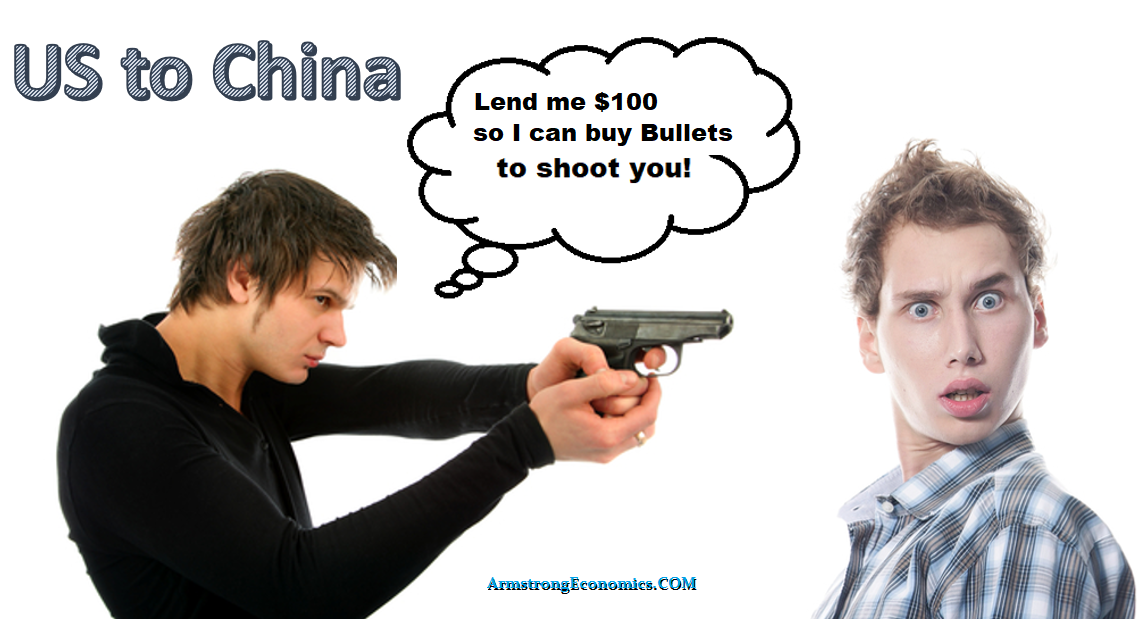
As of 2024, China has reduced its holdings by approximately 30% over a four-year period. China was able to use the exchange rate to buy yuan when the currency depreciated. China seemed to be assisting Trump years ago in lowering the dollar to ease trade frictions. That is no longer the case here as the United States began engaging in economic warfare when it pushed Russia off SWIFT, implemented sanctions, and confiscated private assets. Politicians have threatened China with economic warfare over Taiwan, and there is no incentive to hold the debt of your political enemy. It is akin to holding a gun to someone and asking them to lend you money with the promise to pay it back.

US debt to China Buy Bullets

In 2013, China held $1.317 trillion in US Treasury securities at its peak holding. Geopolitical rivalry followed as China increased its military presence in the South China Sea and the US responded by forming alliances with neighboring Asian nations and conducting military operations near Taiwan. Former President Obama and Xi Jinping met in 2013 as well amid ongoing conflict regarding arms sales to Taiwan, cyber espionage accusations, and disagreements over North Korea. China offloaded $550 billion in US Treasuries by the end of 2013 and Japan became the largest holder of US debt.

Let us not forget that the Ukraine war sprang up in 2014, and the West installed its puppet government. China observed and responded accordingly. Tensions heightened in 2015 when China continued to assert its dominance in the South China Sea. The US refused to accept the One China policy, despite desperately needing China to remain an ally. Trump’s first term marked ongoing trade wars between the US and China that turned into outright hostility. The Hong Kong protests of 2019 further strengthened ties as the US aligned itself with Hong Kong and once again dismissed the One China policy.

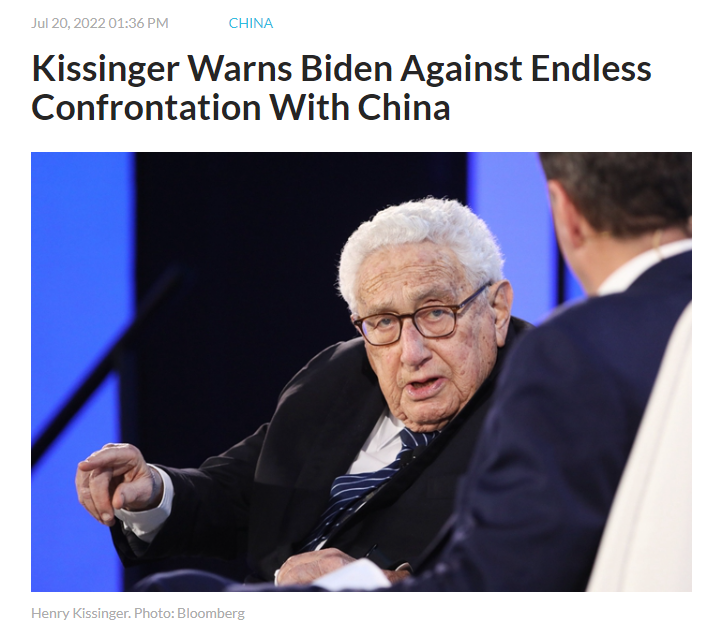
Kissinger_Warns_Biden_China
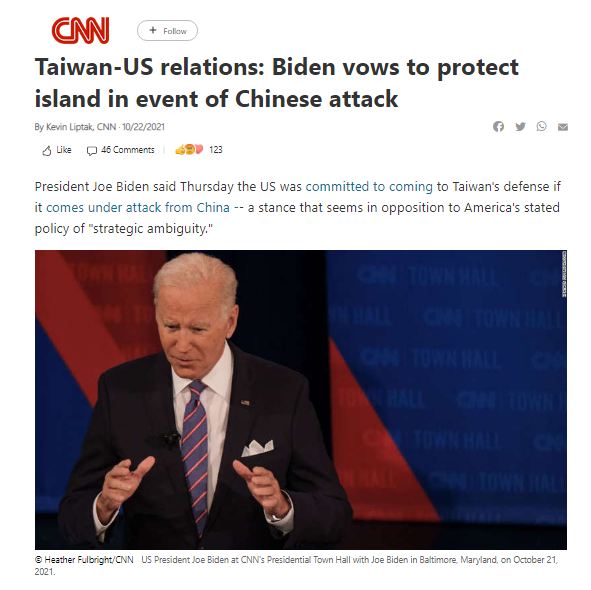
Biden Vows to Protest Taiwan

By 2020, China was akin to Russia in terms of being the “communist” enemy of the West. Mike Pompeo delivered a speech in which he declared the end of an era of engagement with China due to intellectual property theft, territorial claims, and human rights abuses. Both Trump and Biden blacklisted Chinese companies and spoke of an ongoing need to distance the US from China rather than form a concrete alliance with its top trading partner.

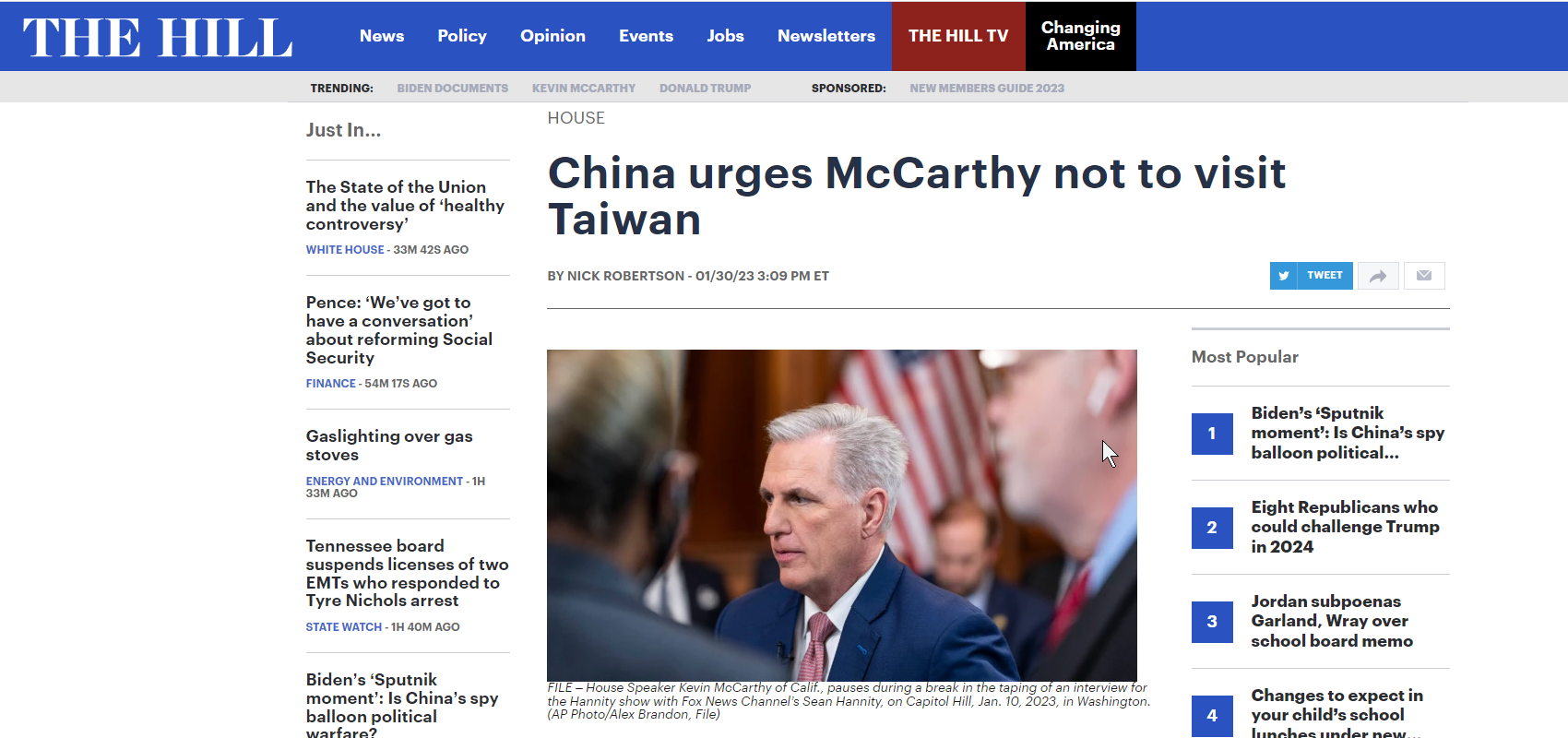
McCarthy_not_to_visit_Taiwan_The_Hill
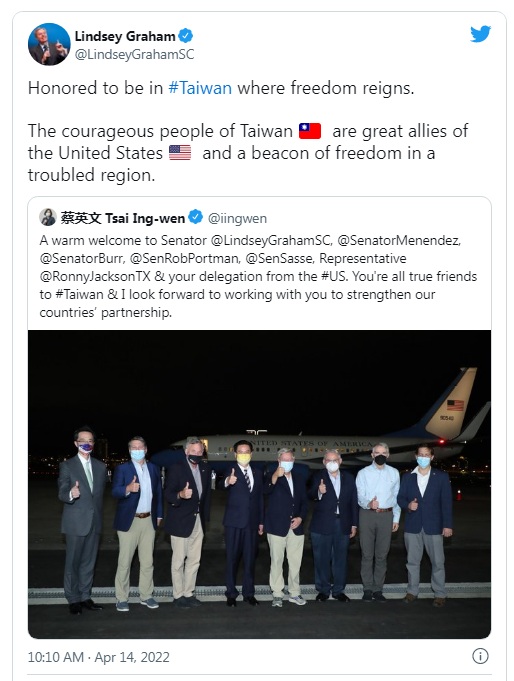
2022_04_21_Graham vists Taiwan

By 2022, we had Nancy Pelosi and other top politicians visiting Taiwan to show their support for sovereignty. The US vowed to intervene if China attempted to reclaim its territories. Three years ago, the Chinese government warned the provinces and private companies not to borrow dollars. The people and institutions were free to do as they pleased, despite China being deemed an evil communist nation by the West.

All of this was a political farce as the West is selective about which nations it wants to be the moral police over. China will never have the incentive to take on more debt of an enemy nation. The Fed desperately needed China’s participation as its plan was to roll over its debts perpetually, but that is now out of the question. Japan is facing a massive crisis and will be the first to default. What will the US do when no one is willing to buy its debt?

Howard Lutnick Discusses Massive New Trade Agreement with Japan with Exceptional Potential


Posted originally on CTH on July 23, 2025 | Sundance

The Japanese essentially did not want to face a 25% tariff on automobiles exported to the USA.  At the same time, they did not want to permit full USA access to several sectors of their market.  The solution is quite remarkable.

Japan agrees to be the bank, to essentially finance any national security priority of President Trump to the tune of $55o billion.  In return, Japan gets a 15% tariff on automobiles, and 10% return on the profit of the ¹business they finance in the U.S.  Japan is essentially purchasing a lower tariff rate.

PRESIDENT TRUMP – “We just completed a massive Deal with Japan, perhaps the largest Deal ever made. Japan will invest, at my direction, $550 Billion Dollars into the United States, which will receive 90% of the Profits. This Deal will create Hundreds of Thousands of Jobs — There has never been anything like it. Perhaps most importantly, Japan will open their Country to Trade including Cars and Trucks, Rice and certain other Agricultural Products, and other things. Japan will pay Reciprocal Tariffs to the United States of 15%. This is a very exciting time for the United States of America, and especially for the fact that we will continue to always have a great relationship with the Country of Japan. Thank you for your attention to this matter!

Commerce Secretary Howard Lutnick explains:

EXAMPLE:  President Trump wants generic drug manufacturing in the USA.  U.S. company ‘Main Street Drugs’ agrees to build a $100 billion manufacturing plant.  Japan finances the building and company creation.  Main Street Drugs owns and operates the business, keeps 90% of the profits, Japan gets 10%.

Trump (USA) has $450 billion in financing left to spend on the next priority, perhaps a railroad connection or transit system.

Pretty cool, solution.

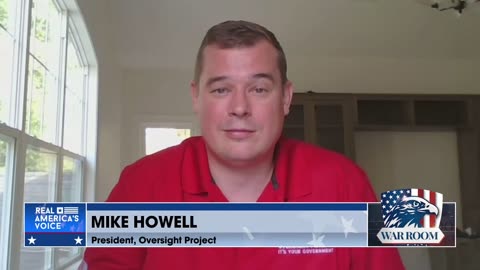
Mike Howell Exposes Pro-Amnesty Rep. Garbarino Following Appointment To Chair House Homeland Security Committee


Posted originally on Rumble By Bannon’s War Room on: July 22, 2025

Senate Judiciary Panel Weighs Biden Border Security, Immigration Policies


Posted originally on Rumble By Bannon’s War Room on: July 22, 2025

President Trump Withdraws U.S. From UNESCO Citing Anti-Israel Bias And Woke Causes, Bin Ladin Reacts


Posted originally on Rumble By Bannon’s War Room on: July 22, 2025

LIVE From White House: President Trump Greets The President Of The Republic Of The Philippines


Posted originally on Rumble By Bannon’s War Room on: July 22, 2025

OVAL OFFICE: Trump Hosts Bilateral Meeting With President Of The Republic Of The Philippines


Posted originally on Rumble By Bannon’s War Room on: July 22, 2025

New Jersey District Judges Use Arcane Rule to Block U.S Attorney Alina Habba


Posted originally on CTH on July 22, 2025 | Sundance

Boy howdy, this judicial activism is reaching new heights. Federal judges in New Jersey invoked a rarely used judiciary power to remove interim U.S. Attorney Alina Habba, installing her top assistant as the state’s top prosecutor. However, hours later the Trump administration responded by removing Habba’s deputy.

[SOURCE]

This is where Majority Leader John Thune can come into play and push for a faster track confirmation of Habba through the senate.

POLITICO – Federal judges declined to keep President Donald Trump’s former personal attorney as New Jersey’s top federal prosecutor, exercising an arcane statute to rebuff the Trump administration’s wishes.

New Jersey district court judges voted to not let interim U.S. Attorney Alina Habba stay on the job after her 120-day interim term expires, instead picking prosecutor Desiree Leigh Grace, according to a court order posted to the judiciary’s website.

[…] “President Trump has full confidence in Alina Habba, whose work as acting U.S. Attorney for the District of New Jersey has made the Garden State and the nation safer,” White House spokesperson Harrison Fields said in a statement. “The Trump Administration looks forward to her final confirmation in the U.S. Senate and will work tirelessly to ensure the people of New Jersey are well represented.”

[…] the Trump administration could make a countermove to remove Grace and even try to get Habba her old job back by appointing Habba to be the first assistant U.S. attorney since that official can become acting U.S. attorney if there is a vacancy. (read more)

President Trump Announces Trade Agreement with Philippines – 19% Reciprocal Tariff Rate


Posted originally on CTH on July 22, 2025 | Sundance

Following an oval office meeting and later discussion with Philippine President Ferdinand Marcos, President Trump announced a trade agreement has been reached.

President Ferdinand Marcos, of the Philippines, is just leaving the White House, with all of his many Representatives. It was a beautiful visit, and we concluded our Trade Deal, whereby The Philippines is going OPEN MARKET with the United States, and ZERO Tariffs. The Philippines will pay a 19% Tariff. In addition, we will work together Militarily. It was a Great Honor to be with the President. He is Highly Respected in his Country, as he should be. He is also a very good, and tough, negotiator. We extend our warmest regards to the wonderful people of The Philippines! (link)

Additionally, the White House has announced a trade agreement with Indonesia for a similar 19% tariff rate.

WHITE HOUSE – Today, the United States of America (the United States) and the Republic of Indonesia (Indonesia) agreed to a Framework for negotiating an Agreement on Reciprocal Trade to strengthen our bilateral economic relationship, which will provide both countries’ exporters unprecedented access to each other’s markets.  The Agreement on Reciprocal Trade will build upon our longstanding economic relationship, including the U.S.-Indonesia Trade and Investment Framework Agreement, signed on July 16, 1996.

Key terms of the Agreement on Reciprocal Trade between the United States and Indonesia will include:

  • Indonesia will eliminate approximately 99 percent of tariff barriers for a full range of U.S. industrial and U.S. food and agricultural products exported to Indonesia.
  • The United States will reduce to 19 percent the reciprocal tariffs, as set forth in Executive Order 14257 of April 2, 2025, on originating goods of Indonesia, and may also identify certain commodities that are not naturally available or domestically produced in the United States for a further reduction in the reciprocal tariff rate.
  • The United States and Indonesia will negotiate facilitative rules of origin that ensure that the benefits of the agreement accrue primarily to the United States and Indonesia.
  • The United States and Indonesia will work together to address Indonesia’s non-tariff barriers that affect bilateral trade and investment in priority areas, including exempting U.S. companies and originating goods from local content requirements; accepting vehicles built to U.S. federal motor vehicle safety and emissions standards; accepting FDA certificates and prior marketing authorizations for medical devices and pharmaceuticals; removing certain labeling requirements; exempting U.S. exports of cosmetics, medical devices, and other manufactured goods from certain requirements; taking steps to resolve many long-standing intellectual property issues identified in USTR’s Special 301 Report; and addressing U.S. concerns with conformity assessment procedures.  Indonesia will work to address barriers for U.S. exports, including through the removal of import restrictions or licensing requirements on U.S. remanufactured goods or their parts; the elimination of pre-shipment inspection or verification requirements on imports of U.S. goods; and the adoption and implementation of good regulatory practices.
  • The United States and Indonesia have also committed to address and prevent barriers to U.S. food and agricultural products in the Indonesian market, including exempting U.S. food and agricultural products from all import licensing regimes, including commodity balance requirements; ensuring transparency and fairness with respect to geographical indications; providing permanent Fresh Food of Plant Origin (FFPO) designation for all applicable U.S. plant products; and recognizing U.S. regulatory oversight, including listing of all U.S. meat, poultry, and dairy facilities and accepting certificates issued by U.S. regulatory authorities.
  • Indonesia has committed to address barriers impacting digital trade, services, and investment.  Indonesia will provide certainty regarding the ability to transfer personal data out of its territory to the United States.  Indonesia has committed to eliminate existing HTS tariff lines on “intangible products” and suspend related requirements on import declarations; to support a permanent moratorium on customs duties on electronic transmissions at the WTO immediately and without conditions; and to take effective actions to implement the Joint Initiative on Services Domestic Regulation, including submitting its revised Specific Commitments for certification by the World Trade Organization (WTO).
  • Indonesia commits to join the Global Forum on Steel Excess Capacity and take effective actions to address global excess capacity in the steel sector and its impacts.
  • Indonesia commits to protecting internationally recognized labor rights.  Indonesia will, among other commitments, adopt and implement a prohibition on the importation of goods produced by forced or compulsory labor; amend its labor laws to ensure that workers’ rights to freedom of association and collective bargaining are fully protected; and strengthen enforcement of its labor laws.
  • Indonesia commits to adopt and maintain high levels of environmental protection and to effectively enforce its environmental laws, including by taking measures to improve forest sector governance and combat trade in illegally harvested forest products; encourage a more resource efficient economy; accept and fully implement the WTO Agreement on Fisheries Subsidies; and combat illegal, unreported, and unregulated fishing and illegal wildlife trade.
  • Indonesia will remove restrictions on exports to the United States of industrial commodities, including critical minerals.
  • The United States and Indonesia are committed to strengthening economic and national security cooperation to enhance supply chain resilience and innovation through complementary actions to address unfair trade practices of other countries, and through cooperation on export controls, investment security, and combatting duty evasion.
  • In addition, the United States and Indonesia take note of the following forthcoming commercial deals between U.S. and Indonesian companies:
    • Procurement of aircraft currently valued at 3.2 billion USD.
    • Purchase of agriculture products, including soybeans, soybeans meal, wheat, and cotton with an estimated total value of 4.5 billion USD.
    • Purchases of energy products, including liquefied petroleum gas, crude oil, and gasoline, with an estimated value of 15 billion USD.

In the coming weeks, the United States and Indonesia will negotiate and finalize the Agreement on Reciprocal Trade, prepare the Agreement for signature, and undertake domestic formalities in advance of the Agreement entering into force.