The War on Agriculture Never Ends


Posted originally on Jul 6, 2026 by Martin Armstrong |  

Amazon.com : Glyphosate 4 + Plus Herbicide - 41% Glyphosate with Surfactant - 2.5 Gallon Credit 41 Extra : Patio, Lawn & Garden

People wonder why I devoted an entire Agricultural Report to food security. It was never simply about crops. Agriculture has become another battlefield where governments, multinational corporations, and unelected organizations all believe they have the right to dictate what people eat, what farmers grow, and ultimately who controls the food supply. History has always shown that whoever controls food controls society. That lesson has never changed.

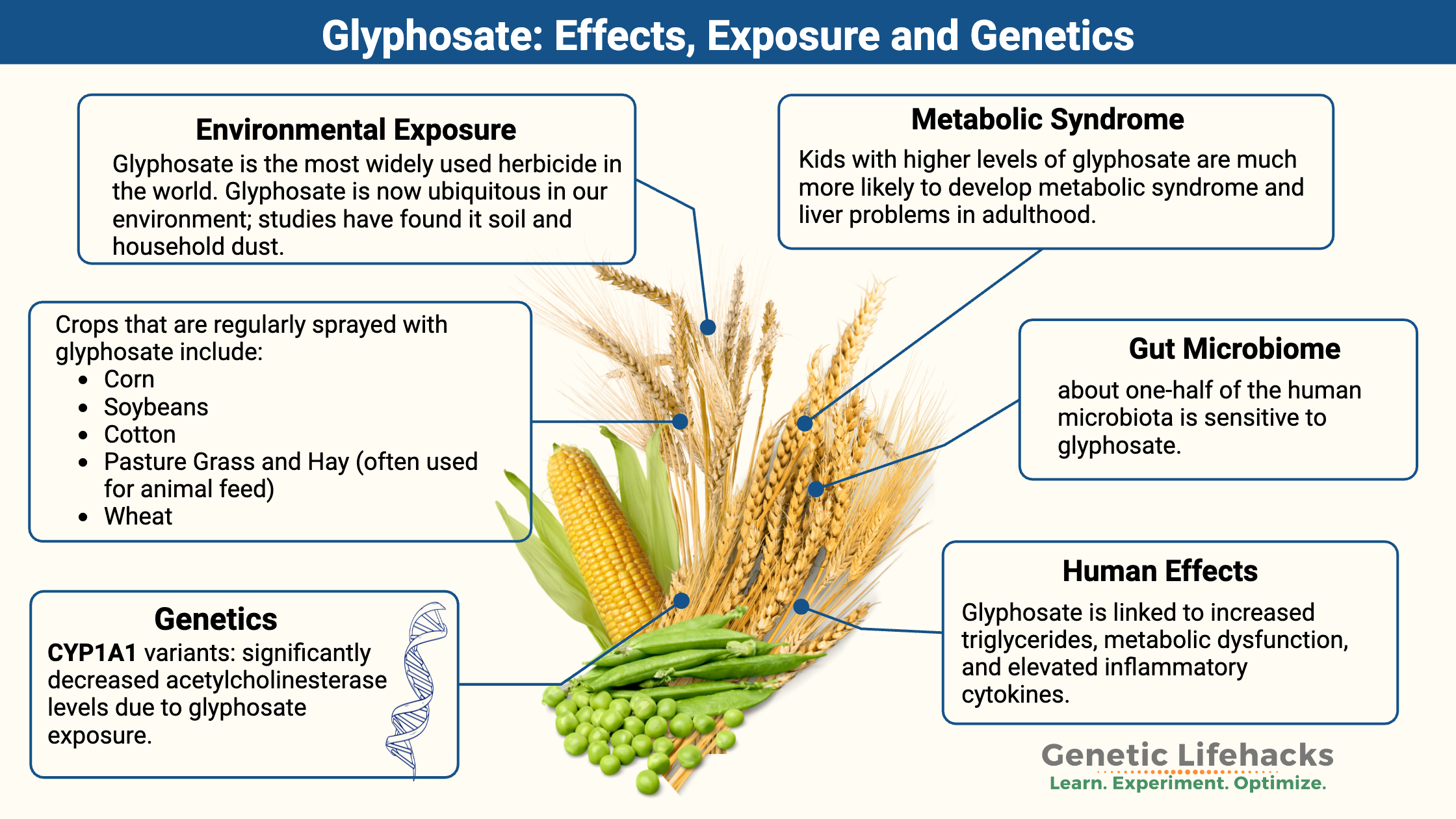
Now researchers have found another reason for concern. A new study published in the Journal of Antimicrobial Chemotherapy found that exposure to glyphosate, the world’s most widely used herbicide, may increase antibiotic resistance in bacteria. Scientists reported that even concentrations below legal application levels triggered biological changes that made bacteria less susceptible to commonly used antibiotics. As the researchers noted, this “highlights the potential impact of glyphosate on antibiotic resistance.” This comes as antimicrobial resistance is already estimated to contribute to more than one million deaths globally each year, making it one of the fastest-growing public health concerns.

Glyphosate has already been surrounded by controversy for years. Thousands of lawsuits have alleged that Roundup exposure caused cancer, resulting in billions of dollars in settlements and verdicts against Bayer after it acquired Monsanto. More recently, the U.S. Supreme Court ruled that many state-law failure-to-warn claims are preempted by federal pesticide law, significantly limiting future litigation against the manufacturer. Whether one agrees with those legal rulings or not, they demonstrate how difficult it has become to hold large corporations accountable once regulatory agencies approve a product. The courts decide legal liability. Science continues to evolve independently.
Glyphosate Exposure: Genetics and the Impact on Our Health - Genetic Lifehacks

My concern has never been limited to one herbicide. The broader issue is the increasing concentration of agriculture into fewer and fewer hands. Farmers across Europe are already facing nitrogen restrictions, fertilizer regulations, water limitations, and climate mandates that make it increasingly difficult for family farms to survive. The World Economic Forum has openly promoted changing global diets to reduce meat consumption, while numerous governments have discussed reducing livestock production in the name of climate policy. Meanwhile, restrictions on backyard livestock, zoning rules affecting home food production, and tighter regulations on seeds and fertilizers have fueled concerns among many people that food independence is gradually becoming more difficult.

Suggesting that the food supply is poisonous is seen as conspiracy rhetoric, but modern agricultural methods are silently poisoning the population. That is an uncomfortable truth that has been proven time and time again.

Throughout history, governments facing sovereign debt crises have always sought greater control over strategic industries. Food, energy, transportation, and finance inevitably become political tools because they are essential to daily life. You do not need a grand conspiracy to see that governments consistently expand their influence during periods of economic stress.

The computer has warned repeatedly that agriculture will become one of the defining strategic sectors into the next decade. As geopolitical tensions rise, fertilizer supplies remain vulnerable, energy costs fluctuate, and governments intervene more aggressively in farming, food security becomes a national security issue. My Agricultural Report explained that nations able to produce their own food will hold a tremendous advantage during the sovereign debt crisis. Those that become dependent on imports or centralized supply chains will discover that food can become just as powerful a weapon as sanctions or military force.

The debate over glyphosate is therefore much larger than one chemical. It raises fundamental questions about how food is produced, who regulates it, who profits from it, and whether governments are becoming too dependent on large corporations to manage an increasingly fragile agricultural system. Once confidence in institutions begins to break down, people naturally question everything, from the safety of their food to the integrity of the agencies responsible for protecting public health. That erosion of confidence is precisely what the computer has been warning would emerge as we move deeper into the current crisis cycle.
Zelensky Angers Allies by Honoring Ukrainian Nazis


Posted originally on Jul 6, 2026 by Martin Armstrong |  

Examining the Threat of the Azov Movement in Ukraine

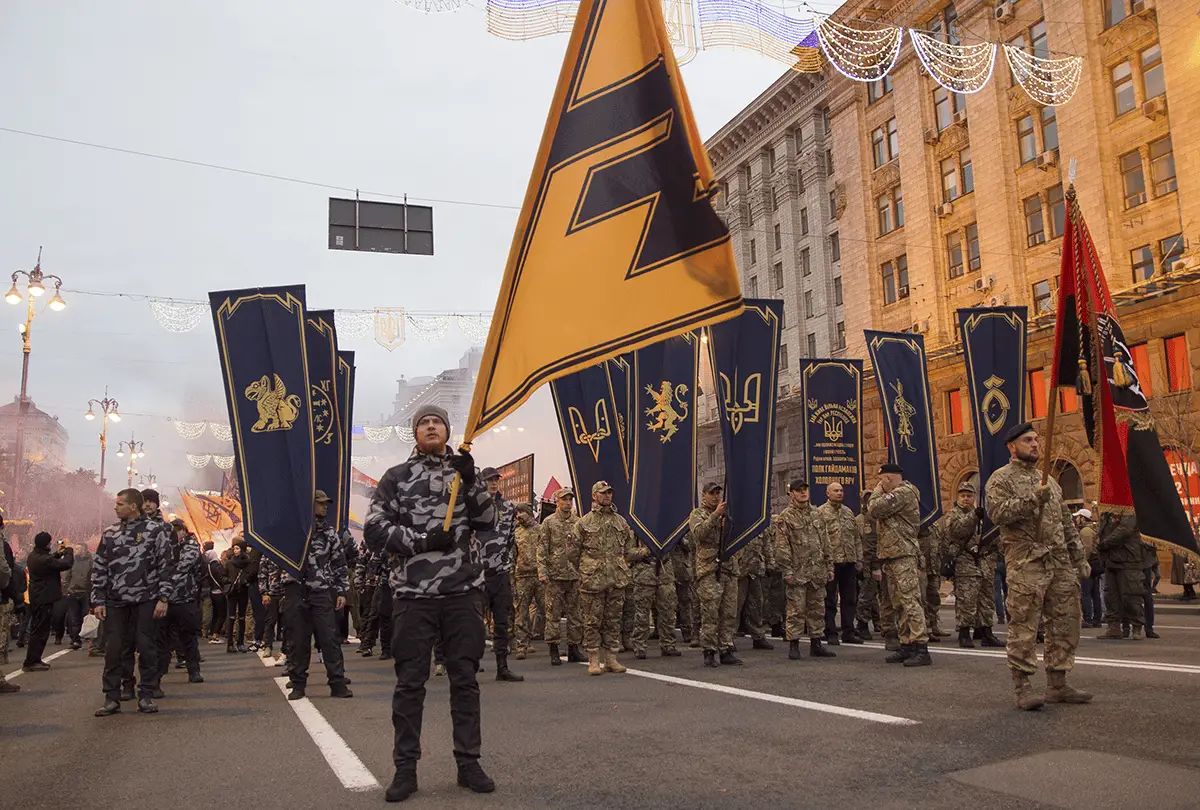
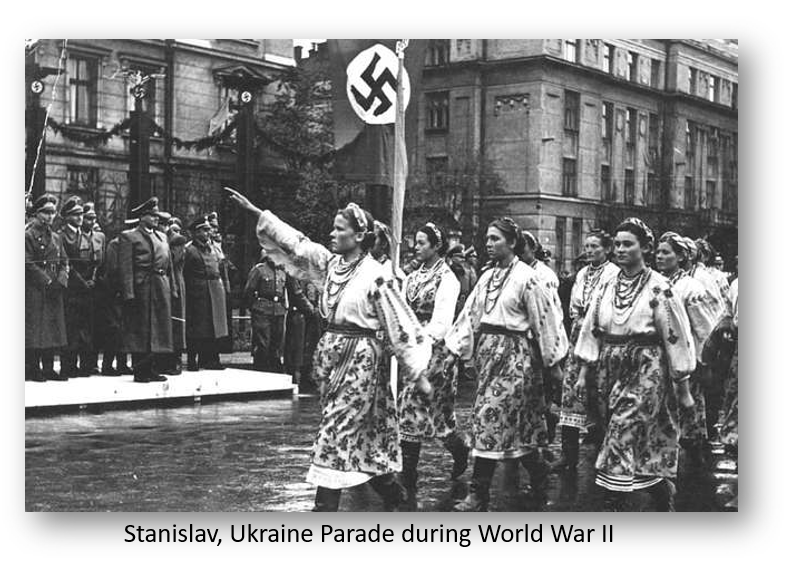
Europe’s united front behind Zelensky is beginning to crack, and this time it is not because of money or weapons. It is because of history. The Czech opposition party SPD has demanded that President Petr Pavel revoke the Order of the White Lion, the country’s highest state honor, that was awarded to Volodymyr Zelensky. The demand came after Zelensky approved naming Ukraine’s 225th Separate Assault Regiment after the Organization of Ukrainian Nationalists (OUN), a movement whose factions collaborated with Nazi Germany during the Second World War and whose legacy remains deeply divisive throughout Central Europe.

SPD chairman Jindřich Rajchl declared that the Czech Republic “cannot remain silent when the highest state decoration is worn by a man who names military units after Nazi monsters.” That statement followed an even stronger reaction from Poland. Polish President Karol Nawrocki announced that he is moving to revoke the Order of the White Eagle that had been awarded to Zelensky after Ukraine honored figures connected to the Ukrainian nationalist movement. For Poland, this is far more than a political disagreement. The OUN and its military wing, the Ukrainian Insurgent Army (UPA), are associated with the Volhynia massacres of 1943-44, during which tens of thousands of Polish civilians were brutally murdered. Those events remain one of the darkest chapters in Polish history.

President of Ukraine Volodymyr Zelenskyy has returned the Order of the White Eagle after Polish President Karol Nawrocki announced his decision to revoke the distinction. “Yesterday, the President of Poland noted that

This is an extraordinary political blunder. Poland stood beside Ukraine from the very beginning. It accepted millions of refugees, became one of Kyiv’s largest military supporters, and repeatedly urged Europe to increase aid. The Czech Republic likewise committed substantial military, financial, and humanitarian assistance. Instead of recognizing the enormous sacrifices these countries have made, Zelensky chose to celebrate a movement that many of his closest allies remember not as freedom fighters but as perpetrators of wartime atrocities. He cannot expect governments to erase generations of historical memory simply because it is politically convenient today.

The dispute over Poland's Order of the White Eagle has escalated beyond a diplomatic row. After President Karol Nawrocki stripped Volodymyr Zelensky of Poland's highest state honor, the Ukrainian leader returned the
Ukraine Nazi Parade

The bureaucrats in Brussels have spent years insisting that everyone accept a single approved version of history, but history cannot be rewritten by decree. Whether one views the OUN as anti-Soviet nationalists or collaborators who committed horrific crimes, the reality is that Poland has never forgotten the slaughter of its people. By elevating these symbols, Zelensky has managed to alienate one of Ukraine’s most loyal allies at the very moment his government depends on continued European support. Now the backlash is spreading beyond Poland into the Czech Republic, and others may follow.

This is how alliances begin to unravel. Governments believed they could paper over centuries of ethnic and historical conflict with endless funding and political slogans. They were wrong. Economic pressure is rising, public support for the war is fading, and old grievances are resurfacing across Europe. Our computer has warned for years that Europe would enter a period of fragmentation as confidence in governments declined. The dispute between Ukraine, Poland, and now the Czech Republic is another indication that the façade of European unity is beginning to crack. Once history becomes a political weapon again, repairing those relationships becomes far more difficult than issuing another package of financial aid.

12-year-old Canadian Girl Exposes the Banks


Posted originally on Jul 5, 2026 by Martin Armstrong |  

Obviously, there are more complicated nuances, but even a child can understand that our system is completely flawed.

Interview: July-August Escalation, Gold’s June Low & Why Capital is Fleeing to America


Posted originally on Jul 5, 2026 by Martin Armstrong |  

ArmstrongEconomicCodeBook

What if the economy wasn’t chaotic at all-but followed a hidden code?

The Armstrong Economic Code reveals the powerful cyclical patterns discovered by legendary forecaster Martin A. Armstrong, whose Economic Confidence Model (ECM) has predicted every major boom, bust, and geopolitical shift for more than four decades.

Compiled and expanded by Kerry Lutz, host of the Financial Survival Network and longtime student of Armstrong’s work, this definitive edition connects the dots between history, markets, and the rhythm of human behavior. From the rise and fall of empires to the digital age of algorithmic finance, the Code shows how every crisis-and every recovery-follows a pattern few understand but everyone feels.

Whether you’re an investor, policymaker, or simply trying to navigate a world of chaos, The Armstrong Economic Code gives you the tools to see what’s coming next-and why the future was already written in the past.

Inside you’ll discover:

• The 8.6-year Economic Confidence Model and how it pinpoints global turning points

• How capital flows reveal the next great migration of wealth and power

• Why governments always collapse in predictable cycles of confidence and corruption

• Exclusive post-2020 commentary and charts expanding on The World According to Martin Armstrong

• How to interpret Armstrong’s forecasts to protect and grow your wealth

Will The USA Split in Two Thanks to the LEFT?


Posted originally on Jul 4, 2026 by Martin Armstrong

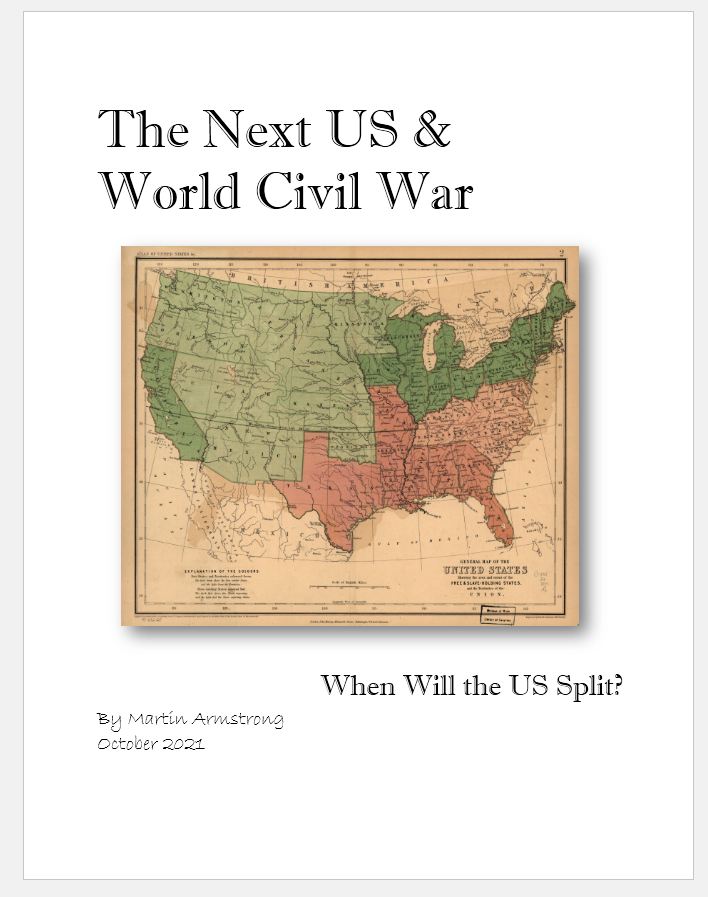
Next US World Civil War R

COMMENT:

I felt compelled to reach out. I attended your 2021 conference, and I remember clearly that you spoke about the United States heading toward political fragmentation—and that the real risk of a complete split would emerge after 2028. Over the years, I’ve come to deeply respect how far in advance your forecasts prove accurate. What sets you apart is that it’s never partisan opinion—it’s simply the data speaking. I can now fully understand why some people resent you, and why others try to silence you. You speak a truth that comes straight from your models, and that’s not just rare—it’s revolutionary. I see what you’re really doing: laying the groundwork for what comes after 2032.

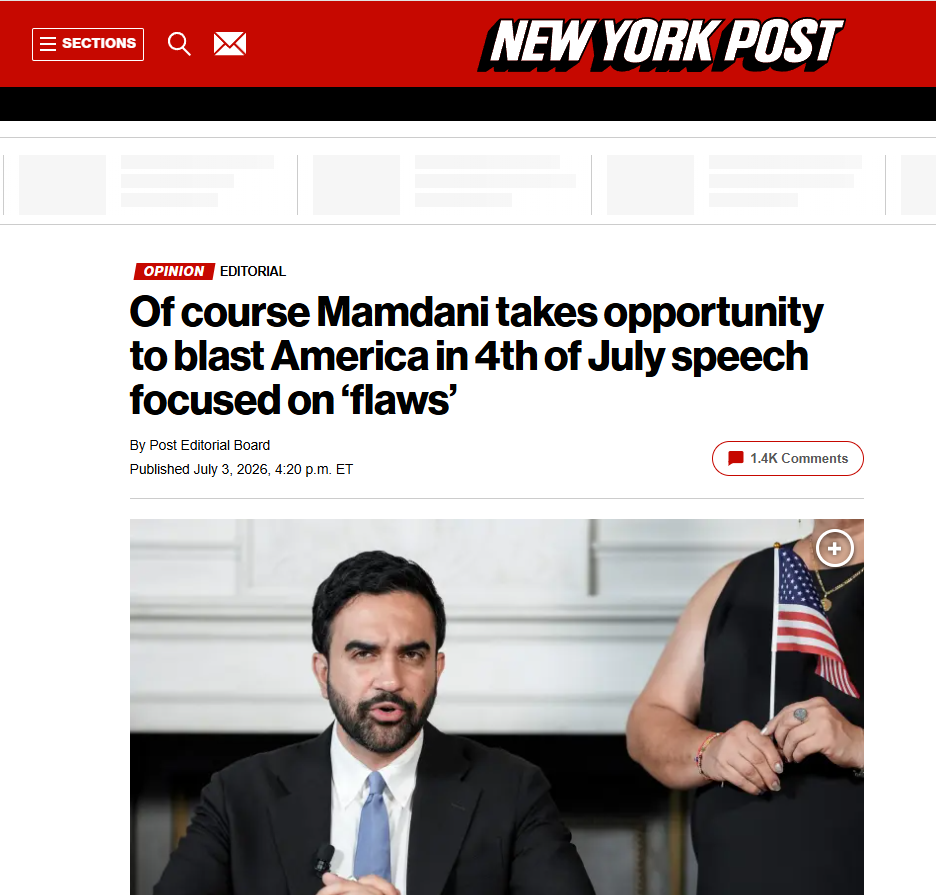
Watching this all unfold on the 250th anniversary of our nation is nothing short of astonishing. The number of Democratic states refusing to participate in national celebration in Washington, DC is a direct reflection of what you projected. Mayor Zohran Mamdani’s speech torn down the United Sates and had nothing good to say about anything. And at your 2024 conference, you also said the Democratic Party itself would fracture—and now that prediction is staring us in the face, with James Carville himself just acknowledging the rift openly. James Carville just said:

Lady, I ain’t in the same party as you. I’m sorry. I’m just not. And I actually do think it’s time for Democrats to talk ‘the S-word.’ ‘Schism.’ I really do… Let’s negotiate terms of a schism here. Maybe we can part under some kind of advantageous terms for both of us, but I’m done. And I’m not in that F*ing political party.*”

Jude

See you on the 25th

Mandami 4th July

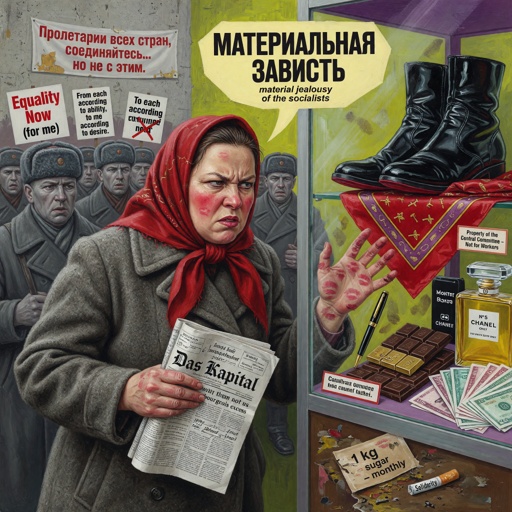
REPLY: The LEFT is typically the most violent insofar as they inevitably seek to impose their views and theories by raw force. The fact that this position of the LEFT has been prohibited by the very foundation of civilization is proven that this has been acknowledge in the Ten Commandments prohibition. This is all rooted in material jealousy for the LEFT always presents that they are oppressed because other have more than they do. This cornerstone of the LEFT has been prohibited and is mentioned twice in Scriptures. The first time in Exodus 20:17 when Moses ascended Mount Sinai to meet with God: “You shall not covet your neighbor’s house. You shall not covet your neighbor’s wife, or his male or female servant, his ox or donkey, or anything that belongs to your neighbor.”

The second mention of the 10th Commandment is in Deuteronomy 5 when Moses reminds the Israelites of the laws as they prepare to enter the Promised Land. Deuteronomy 5:21 – “You shall not covet your neighbor’s wife. You shall not set your desire on your neighbor’s house or land, his male or female servant, his ox or donkey, or anything that belongs to your neighbor.”

Material Jeaousy LEFT Socialist
Socialist Revolution

Those who preach this doctrine cannot belief in God or the equality of the rule of law. The tendency to use coercion to enforce a vision is a feature of many revolutions, regardless of their position on the political spectrum. Revolutionary ideology often uses a Manichean worldview, framing the struggle as a zero-sum battle between good and evilm, which can justify the use of force to solve participation and coordination problems. The LEFT is rising for they are intent upon suppress everyone else to be extorted all because of the material jealousy.

This ideological framework always leads to authoritarian outcomes, as the newly empowered leadership inevitable resort to coercion and oppression to consolidate power and enforce its theories . This dynamic is not unique. It is the halmark of all revolutions.

Reflections on the history of the Latin American LEFT further shows the internal debate on this very point. In the 20th century, the LEFT grappled with a dichotomy between reform and revolution. Some argued that a focus on reform without challenging the dominant system was insufficient, while others believed that an exclusive focus on armed struggle led to isolation and defeat . This internal debate underscores that the left is not a monolithic force, and its relationship with revolutionary theory is complex and contested.

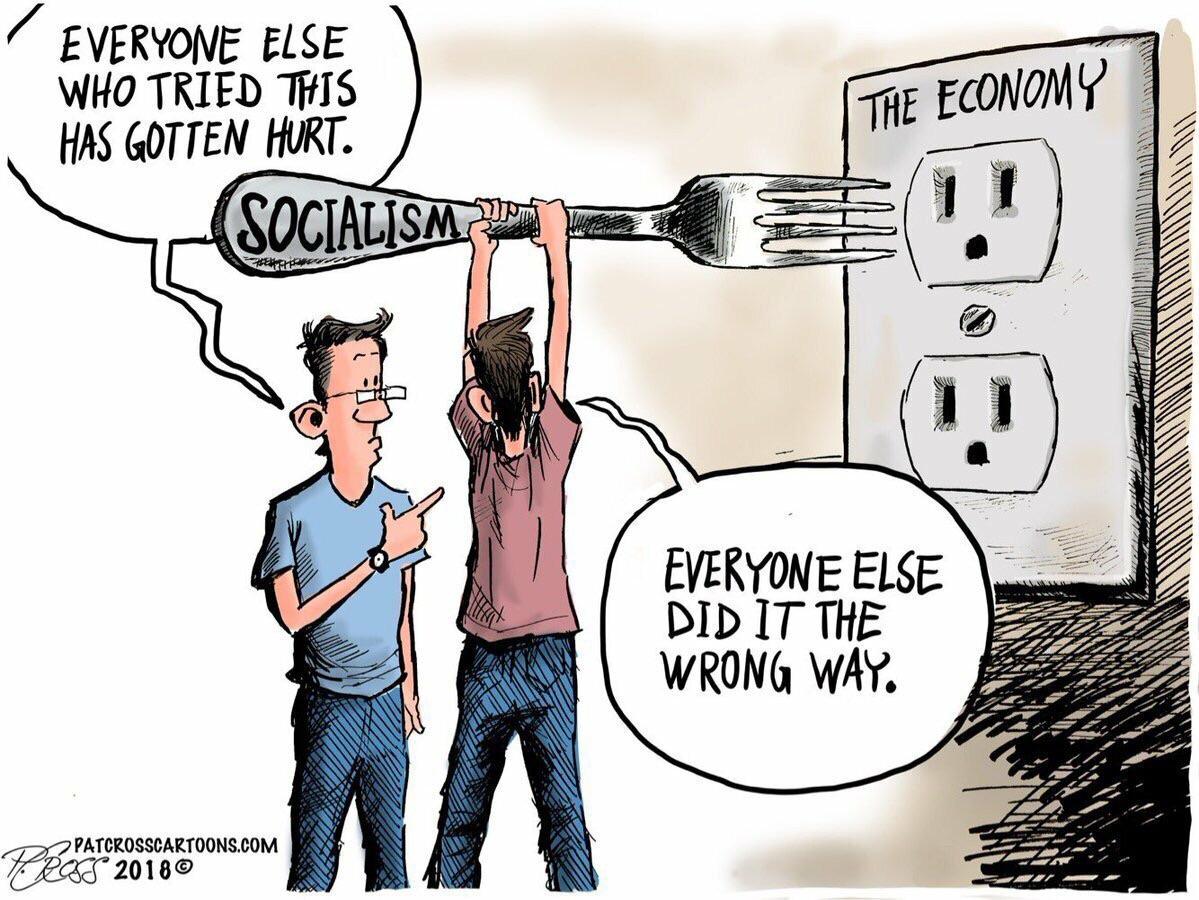
socialism.meme_

President Trump at Mt Rushmore said that America is under threat of rising Communism. My computer has been forecasting this for the last ten years. Revolutions and civil wars are inevitable. Between 2026 and 2028, the economy will take its nose-dive and this will turn the heat up on civil unrest and discontent. I am still very concerned that the 2028 election will be a disaster assuming it even takes place. Elections are questionable anymore is they are free. We will see with the Midterms just how corrupt this has become. You have LEFT leaning judges even striking down basic fundamentals that someone must be a citizen to vote. I lived in London and Tokyo as well as Hong Kong, Sydney, Thailand, and Switzerland. Never was I allowed to vote in their elections just because I lived there for a while.

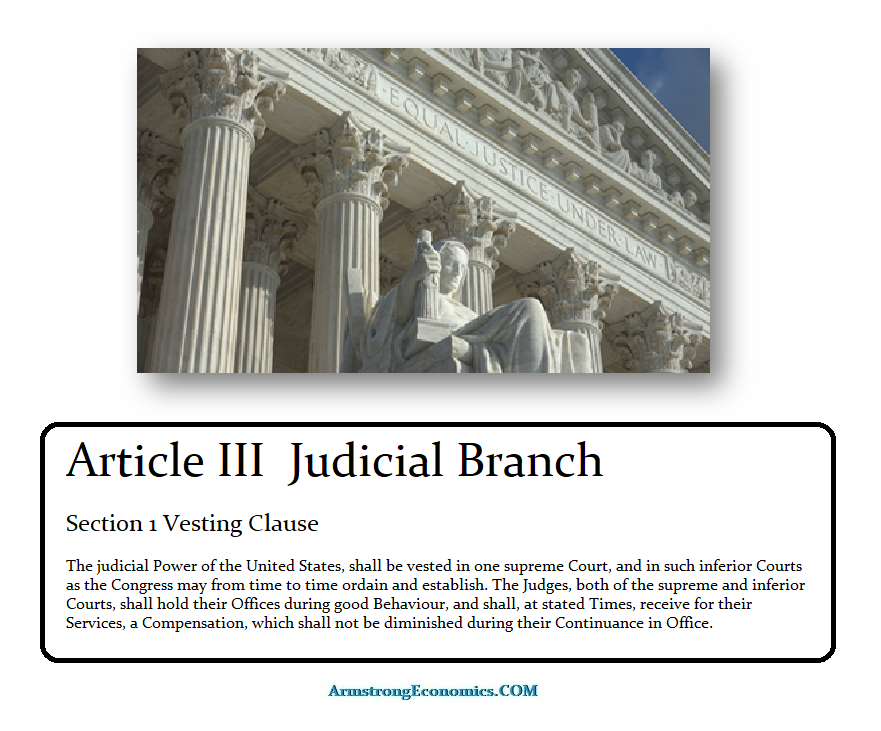
Supreme Court Article III

The Supreme Court is to blame. You cannot discriminate based on race or creed. But you can freely discriminate based on class and material wealth. That has left the door open where the LEFT is seeking to kick-in the door and transform the United States is the old Soviet Union. Friends who moved here from Eastern Europe comment that the very ideas that they fled from are being pushed here by the Democrats. There will be no equal protection of the law thanks to the Supreme Court.

The mere fact that several Blue States have REFUSED to participate in the official 250th celebration, namely  the “Great American State Fair,” which was organized by the Trump administration’s Freedom 250 group on the National Mall in Washington, D.C. Just because Trump set this up, they REFUSE to participate demonstrating that the United States is no longer one nation under God.

The states reported to have declined participation in this particular event are:

Connecticut, Hawaii, Illinois, Massachusetts, North Carolina, Oregon, Pennsylvania, Rhode Island, Vermont, and Washington

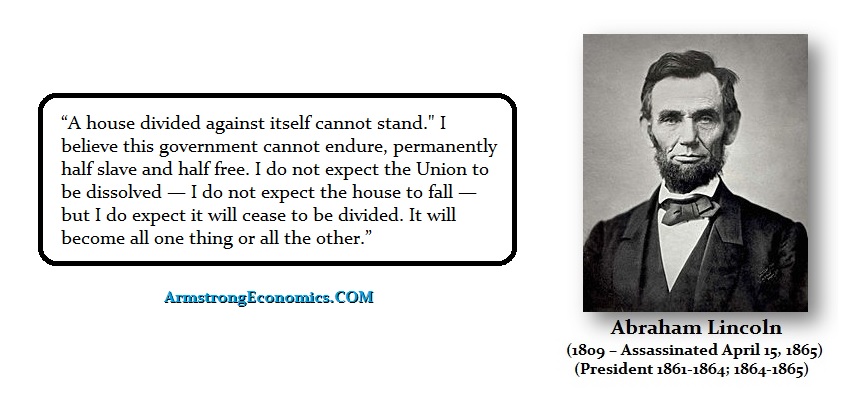
Lincoln House Divided

The LEFT seeks only to enslave everyone. I was in Vancouver and a LEFTIST politicians actually said, everything a person earns belongs to the state, nd the state decides what we are allowed to keep. Over 200 million dies the last time the LEFT sought to seek power and force their will upon everyone. They never learn from history because the do not have the courage to break into your home and rob you at gun point, so the tell everyone they are a victim and vote for them and they will rob the rich using the police to enforce what they would do personally out of material jealousy.

Interview: GOLD – The Next Rally


Posted originally on Jul 4, 2026 by Martin Armstrong |  

Finland: Landing a Summer Retail Job Is Now Harder Than Getting Into Medical School


Posted originally on Jul 3, 2026 by Martin Armstrong |  

Seek a job" vs. "Look for a job" — Knowing the Difference

Finland has become another example of what happens when ideology overtakes economic reality. According to a recent report, Finland’s construction sector is suffering severe unemployment, with the Construction Trade Union estimating that 17.5% of construction workers are now unemployed. Many have already exhausted the maximum 400 days of earnings-related unemployment benefits and have dropped onto lower levels of support. Yet almost simultaneously, there are renewed discussions about bringing in workers from outside the European Union to fill jobs in the construction industry.

The desperation in Finland’s labor market is becoming almost unbelievable. One comparison circulating widely captures just how severe conditions have become. Reports indicate that Finnish discount retailer Puuilo received roughly 21,000 applications for just 400 summer jobs, an acceptance rate of less than 2%. By comparison, admission rates to Finland’s medical schools reportedly range from roughly 2.8% at the most competitive universities to nearly 4% at the least competitive.

It has become statistically more difficult to land a seasonal retail job than to gain admission to medical school. Whether viewed as a symbol or a statistic, it reflects the same reality: the labor market has become so weak that even entry-level positions attract overwhelming demand. When thousands of qualified people are competing for temporary retail work while experienced construction workers remain unemployed, it becomes increasingly difficult to argue that the problem is a shortage of labor. The problem is a shortage of opportunity, brought about by years of economic mismanagement, high financing costs, and policies that have steadily undermined productive private-sector growth.

Nearly one out of every five Finnish construction workers cannot find employment. The construction sector has been battered by bankruptcies, collapsing housing demand, and rising interest rates. Employment in Finnish construction has fallen to roughly 176,800 workers, down sharply from the peak reached only a few years ago. Yet instead of asking why so many skilled Finnish workers remain unemployed, policymakers continue discussing labor imports.

At the same time, bankruptcies across Finland have climbed to their highest level since 1996, with the construction sector among the hardest hit as high interest rates, weak housing demand, and rising financing costs continue to cripple new development. Yet despite what many workers describe as the worst construction labor market in a generation, policymakers continue discussing the recruitment of labor from outside rather than first putting their own skilled workforce back to work. That disconnect is precisely why confidence in government continues to deteriorate.

This has become the standard political response across Europe. Governments insist there are labor shortages while their own citizens struggle to find work. The problem is often not an absolute shortage of workers but a mismatch created by economic policy. High interest rates have devastated residential construction across much of Europe. Finland’s own central bank acknowledges that housing construction remains in severe difficulty and that the labor market will stay weak well into 2027 despite hopes for a gradual recovery.

What governments refuse to acknowledge is that this is the direct consequence of years of policy failures. Europe embraced negative interest rates, encouraged debt-fueled property booms, and expanded government spending while simultaneously imposing environmental regulations, soaring energy costs, and endless bureaucracy. When inflation finally arrived, interest rates had to rise, and the very sectors that had been inflated by cheap money collapsed first. Construction always becomes one of the earliest casualties because it is extraordinarily sensitive to financing costs.

The numbers are becoming increasingly alarming. Finland’s unemployment rate has climbed into double digits, making it one of the highest in the European Union. Recent data showed around 290,000 unemployed people nationwide, while economists continue warning that job creation remains weak despite isolated signs of economic growth. Even the Finnish government expects unemployment to remain elevated throughout 2026 before any meaningful improvement begins.

Our models have long warned that Europe would face a prolonged period of economic stagnation accompanied by growing political unrest. Finland is now experiencing exactly that combination. Workers who spent decades paying taxes are watching opportunities disappear while policymakers debate importing additional labour. That is the type of policy disconnect that destroys confidence in government. History demonstrates that when citizens conclude their own governments place ideology ahead of the interests of their own workforce, political backlash inevitably follows. Europe is learning that lesson the hard way.

French Govt Regulated Air Conditioning Accessibility


Posted Jul 3, 2026 by Martin Armstrong |  

France vs. Air Conditioning: Cultural and Political Differences in the Face  of Heat Waves | LRob

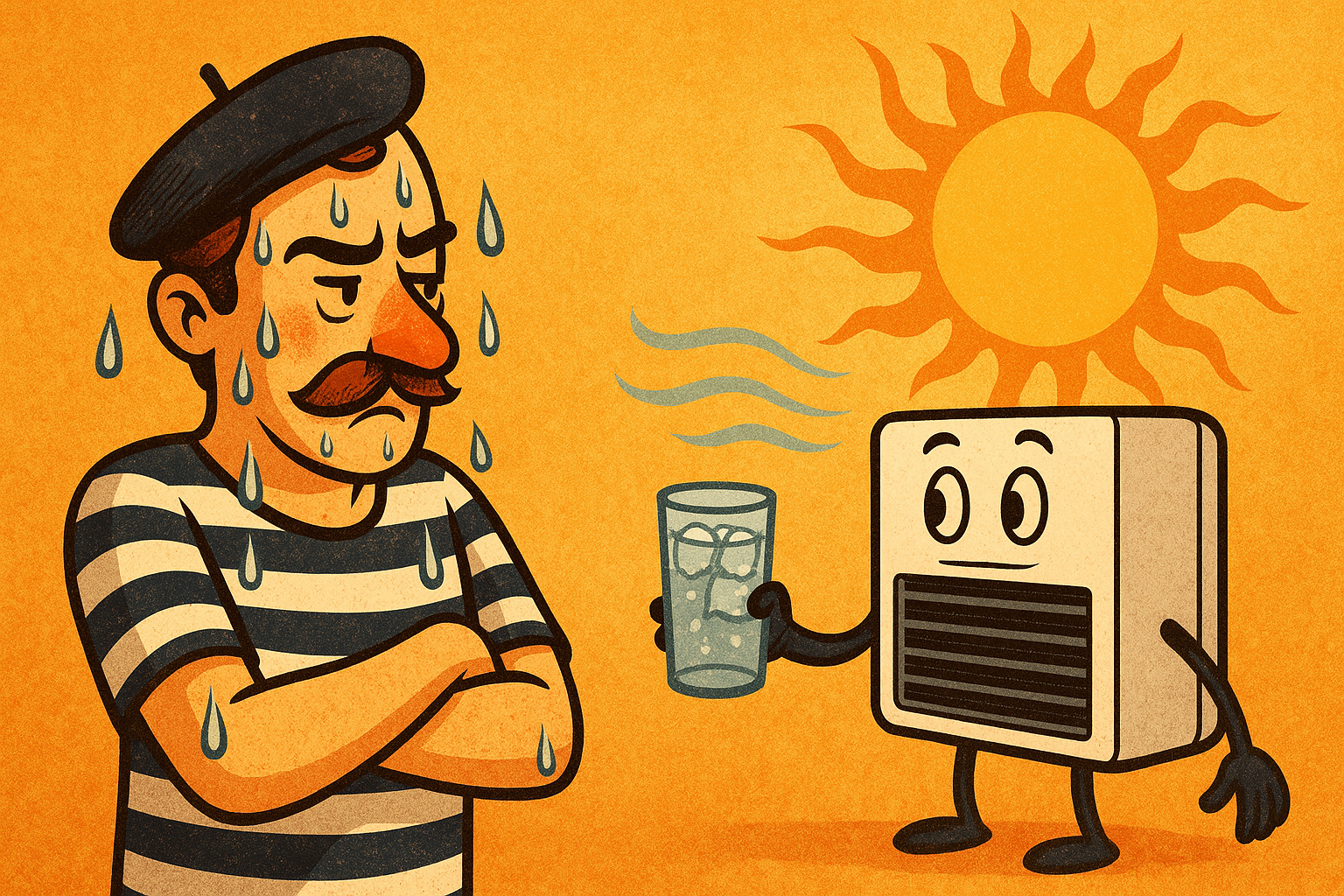
France is enduring one of its most intense heat waves in decades, with temperatures exceeding 40°C (104°F), schools forced to close, and public officials urging people to stay indoors. Yet what caught my attention was not the weather itself, but the response from the French government. Instead of asking why millions of French citizens remain without air conditioning, politicians are effectively telling people they should simply learn to live with the heat.

After years of climate policies discouraging air conditioning, France now finds itself with only about 27% of homes and roughly 13% of apartments equipped with cooling systems, compared to well over 90% of homes in the United States. The public has had enough, with polls showing nearly 80% of French citizens now support expanding air conditioning in homes, schools, hospitals, and public transportation.

France’s Minister for Ecological Transition, Monique Barbut, said she was “horrified” by calls to install more air conditioning, insisting it should be reserved only for emergencies. Bureaucrats are more concerned with preserving ideology than allowing people to protect themselves. People should not be overheating to death in a developed nation.

French politician blames global heat wave on US air conditioning

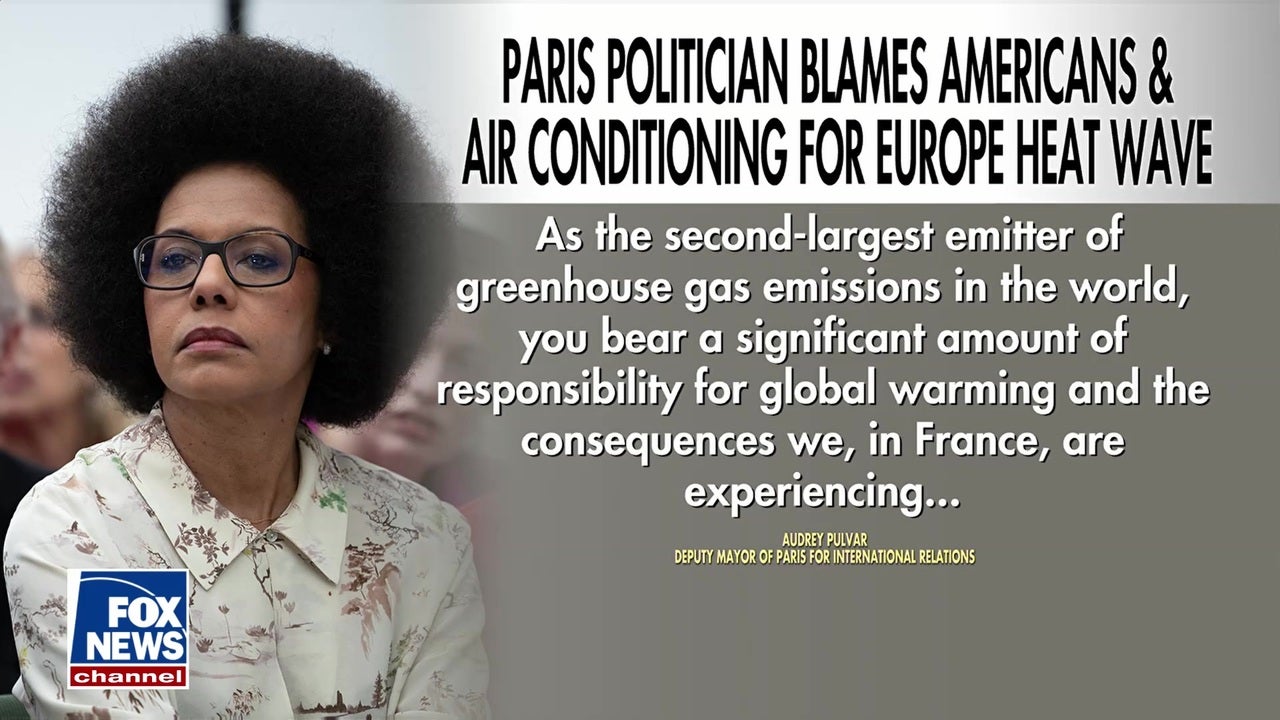
Then came perhaps the most absurd comment of all. Paris Deputy Mayor Audrey Pulvar attempted to blame the United States for Europe’s heat wave, arguing that Americans bear “significant responsibility” because of their carbon emissions and widespread use of air conditioning. According to her logic, Americans cooling their homes are somehow responsible for French families suffering through extreme temperatures. Rather than asking why France spent years discouraging investment in reliable energy and practical infrastructure, politicians once again looked across the Atlantic for someone else to blame. That has become the standard playbook whenever government policy fails.

Marine Le Pen and the National Rally have called for a nationwide plan to equip schools, hospitals, nursing homes, and other public buildings with air conditioning, arguing that protecting people from extreme heat should take precedence over ideological objections. Meanwhile, much of France’s political left continues to portray widespread air conditioning as environmentally irresponsible, even as record temperatures expose the country’s lack of preparation. One side recognizes that governments have a responsibility to adapt to reality and protect their citizens. The other remains committed to climate doctrine, even when that doctrine leaves the elderly, children, and the most vulnerable suffering through dangerous heat because admitting they were wrong would undermine the entire climate agenda that has been pushed by the globalists for years.

Europeans who think first-world lifestyles are largely to blame for global  warming may feel pangs of carbon guilt about equipping their houses with air -conditioning. They needn't econ.st/4uPBxyO Illustration: Javi Aznarez

I have said for years that climate change has become the perfect political tool because it allows governments to justify virtually any expansion of power. They tell farmers what they may grow, regulate fertilizer, attack livestock, close nuclear plants, restrict affordable energy, discourage air conditioning, and then claim these sacrifices are necessary to save the planet. Every crisis becomes another excuse for more regulation, more taxation, and more control over everyday life.

The Great Reset was never simply about reducing emissions. It is about changing the way people live. They want to dictate what you drive, what you eat, how you heat or cool your home, how much energy you consume, and ultimately how much of your standard of living you are willing to surrender in the name of climate. The people promoting these policies rarely live under the same restrictions. They fly private jets to climate conferences while telling everyone else that air conditioning has become a luxury.

France has spent years regulating and discouraging the installation of air conditioning in the name of climate policy. Strict building regulations have favored passive cooling measures over mechanical air conditioning, while environmental policies and energy-efficiency rules have made installation more costly and, in many older buildings, considerably more difficult. Now, as record heat places millions at risk, those same policies have left much of the population without one of the most effective tools for protecting themselves. This is what happens when ideology replaces common sense. Government believed it could regulate the climate by regulating how people cool their homes, and ordinary citizens are paying the price.

America’s Greatest Threat Is Internal Division


Posted originally on Jul 3, 2026 by Martin Armstrong |  

FourthofJuly

As America marks its 250th anniversary, the country should be celebrating one of the greatest political experiments in human history. Instead, nearly one in five Americans say they do not plan to celebrate Independence Day, according to a Reuters/Ipsos poll. The survey also found that two in five Americans doubt the United States will even endure another 250 years. Those numbers should concern everyone regardless of political affiliation because they point to something far deeper than disagreement over one election or one president.

The Reuters report illustrates just how fractured the country has become. Some residents interviewed said they would not celebrate because they object to the current administration, while others argued that Independence Day should transcend politics altogether. The fact that Americans can no longer agree on celebrating the nation’s founding tells you how deep the divide has become.

This is not new. I previously wrote about the collapse in national pride, and the numbers showed exactly where the fracture is taking place. Only 29% of Democrats said they were extremely or very proud to be American, compared with 90% of Republicans. Among younger Americans, the figure was only 36% for those aged 18 to 34, while 75% of Americans 65 and older still expressed strong pride in the country. That is the generational and political divide our computer has been warning about. A nation cannot survive when one side is taught to despise its own founding while still demanding the constitutional protections that founding created.

Those who say they hate America fail to appreciate the freedoms that allow them to express that opinion in the first place. The right to criticize the government, organize protests, publish unpopular views, vote against those in power, and openly challenge public officials is protected by the Constitution and the Bill of Rights. In many countries throughout history, and even today, such actions could result in imprisonment or worse. That does not mean America is without flaws, but it does mean the liberties established at the nation’s founding remain exceptional. Once people begin taking those freedoms for granted, they also risk overlooking how difficult they are to preserve when political divisions deepen and confidence in institutions continues to erode.

Dividing America

Civil unrest always rises during periods of economic stress. Political polarization is not the disease. It is the symptom. Governments burdened by unsustainable debt, inflation, declining living standards, and a loss of confidence eventually divide their own populations. Every major empire reached the point where citizens increasingly identified with political factions rather than the nation itself. That is when fragmentation begins.

Many people today exercise freedoms that only exist because of the principles established in 1776 and later protected by the Constitution and the Bill of Rights. The freedom to criticize the government, protest elected officials, publish unpopular opinions, and vote for change are constitutional protections that have distinguished the United States from many governments throughout history. The Declaration of Independence itself was a protest against government authority, and the Constitution was designed to limit the power of the state rather than the people.

This is why the 250th anniversary should not become another partisan event. Whether one supports or opposes the current administration is irrelevant. The institutions created by the Founders have survived civil war, economic depressions, world wars, and political upheaval because they were designed to withstand disagreement. Once citizens stop viewing themselves as part of the same republic and begin seeing political opponents as enemies, the foundations of that constitutional system begin to weaken.

Ukraine Places Price Tag on Russian Lives – Gamified Warfare


Posted originally on Jul 2, 2026 by Martin Armstrong |  

War has now entered the video game stage. Ukraine has placed a literal price tag on Russian lives, paying soldiers roughly $2,200 for capturing an enemy combatant and around $330 for killing one in close combat when confirmed by video. This is the monetization of death.

What better way to entice the youth than to turn war into a video game? Call of Duty-aligned missions are provided, as the Ukrainian government is providing incentives for death and destruction. The new bonuses are part of Ukraine’s broader transformation of its military into a contract-based force with higher pay, clearer service terms, and direct rewards for battlefield results. Frontline monthly pay reportedly averages about $6,700 and can exceed $10,000 depending on mission risk and performance. A captured Russian soldier brings 100,000 hryvnias, roughly $2,200, while killing an enemy soldier can bring 15,000 hryvnias, roughly $330. If multiple soldiers participate in a capture, the reward is divided among them.

The mathematics of war explains why a living Russian soldier is worth more than a dead one. A prisoner can be exchanged for Ukrainian POWs, providing Kyiv with leverage in future negotiations while allowing families to see loved ones return home. Captured soldiers also become intelligence assets, revealing information about troop movements, logistics, morale, and battlefield tactics. From a purely military perspective, one prisoner can produce far greater strategic value than one casualty. That is precisely why Ukraine’s incentive system pays substantially more for captures than kills. Modern warfare has become an exercise in cost-benefit analysis where even human lives are assigned a financial value based on their perceived utility to the state.

This is what happens when war becomes permanent. Governments begin reducing human life to accounting entries. A prisoner has value because he can be exchanged. A dead man has value because he removes one more body from the battlefield. The military bureaucracy then assigns a number to each outcome, and suddenly killing becomes an incentive structure. The same people who lecture the world about morality are now openly creating pay scales for death.

Ukraine has already gamified drone warfare through its e-Points system, where units earn points for confirmed destruction of enemy personnel or equipment and use those points to buy more drones, ground robots, and electronic warfare gear through the Brave1 marketplace. Business Insider reported that more than 181,000 pieces of equipment have already been delivered through that system this year. The battlefield has become a marketplace. Kill, confirm, collect, upgrade, repeat.

“E-Points have already changed the approach to warfare. This is about clear incentives, fair rewards, and the rapid scaling of effective solutions. Military units receive resources based on results: the more targets they destroy, the more points they earn. This is a direct incentive that enables units to strengthen their capabilities with new technologies,” said Ukraine’s Minister of Defence, Mykhailo Fedorov.

This is the future of war. The drone operator earns points. The infantryman earns cash. The commander receives measurable performance data. The government gets propaganda footage. The dead become statistics on a dashboard. This is why drone warfare is so dangerous. It removes the final psychological barrier between the man pulling the trigger and the human being dying on the screen. Once killing becomes remote, verified, rewarded, and gamified, war no longer resembles anything the old generals understood.

The West created this nightmare by refusing to negotiate. They have thrown hundreds of billions into Ukraine while pretending this is about defending democracy. Now the war has produced bounty systems, drone leaderboards, prisoner incentives, and video-confirmed kills. This is not civilization. This is barbarism with software.