
Armstrong Economics Blog/Disease
Re-Posted Dec 29, 2017 by Martin Armstrong
A possible new pandemic is forming from a deadly strain of flu emerging from Australia and will be headed to the UK as the normal flow of travels would take it. Britain will perhaps be hit with the worst flu season in 50 years. Already, there are about 170,000 cases of flu reported in Australia which is more than double this season than usual.
The strain of flu is called H3N2, and the number of flu deaths in Australia over winter has not yet been released, but it’s thought to be the worst in many years. The last major flu epidemic was in the 1968 pandemic which began in Hong Kong killing more than a million people worldwide. Flu pandemics have been linked to fluctuations in climate, and new research connects the world’s four most recent pandemics to the cyclical cooling of the Pacific Ocean near the equator.
The cyclical research correlating everything reveals that the four flu outbreaks that swept the world in the past 100 years all followed periods of global cooling. These were in 1918, 1957, 1968 and 2009 (in this last instance, the H1N1 “swine flu”). When sea-surface temperatures sank abnormally low, this correlates to large flu pandemics. This cooling is associated with La Niña, a phase in a larger climate pattern. La Niña is the cool counterpart to El Niño, which is marked by unusually warm temperatures in the equatorial Pacific. It is now clear that both events alter weather patterns around the globe.
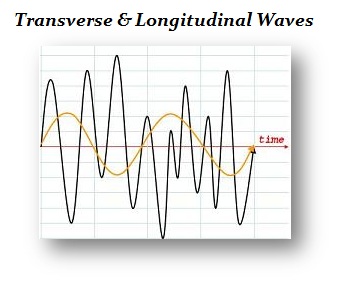
While the typical Transverse Wave cycle event would be every 22.75 years, but the Longitudinal Wave structure simultaneously exists and the complexity of these wave points to this season as turning up the risk factors for a pandemic flu season in 2018 and 2019.

 Centinel2012