
Posted originally on Jun 23, 2025 by Martin Armstrong
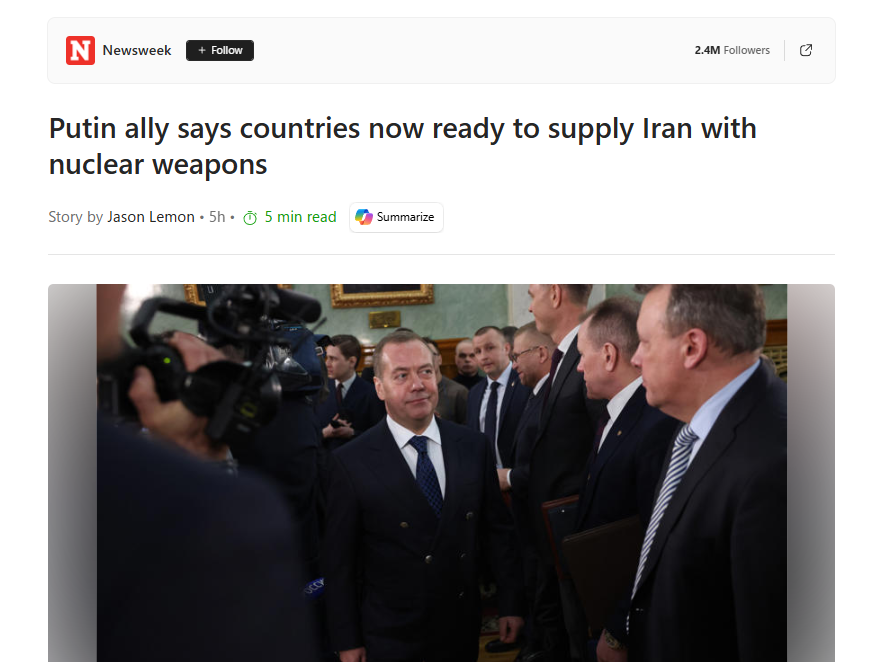
COMMENT: Marty, it is disgraceful that people take your work and issue books pretending it is their research. Yet it is even more shameful that Donald Trump isn’t calling you for advice instead of these people who couldn’t find the door in a room if the lights went out. You stated clearly that Iran’s nukes were irrelevant, for Russia, China, or North Korea could place them there just as Russia did during the Cuban Missile Crisis. Then what? I can see your concern. This is not a solvable issue, and it was just made worse. Your computer is always correct.
KW

When I was barely a teen, I was climbing a tree and fell. I didn’t get hurt from the fall, but when I fell, I took down a Yellow-Hacket hornet’s nest. Fortunately, I was not too far from home, and I ran like hell with bees attacking me all over. I fear this is what we have just done for the Neocons; they only look at what is immediately in front of their nose, with no thought for what comes next. There are sleeper cells in major cities in Europe and the United States. The Neocons think that they have won, and Iran has no cards. They always assume they are superior, yet they have lost every single war from Korea, Vietnam, to Afghanistan and Iraq, and they said they would win Iraq in 3 weeks or less, and then invade seven countries.
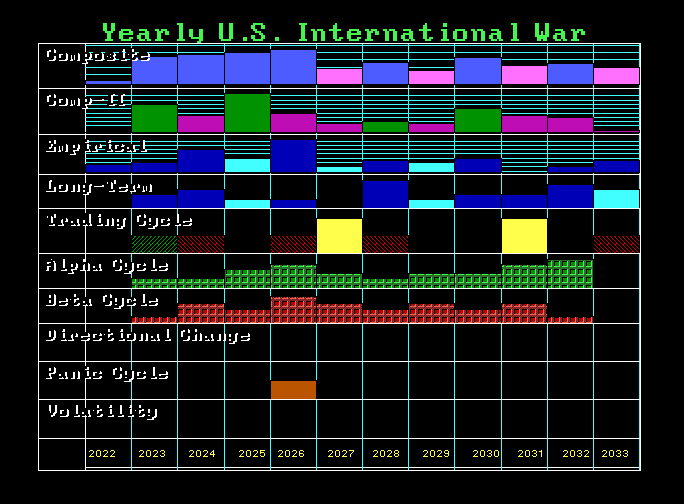
While the Neocons look only at their immediate objective, they are INCAPABLE of ever comprehending the UNINTENDED CONSEQUENCES. This is NOT the end, but the beginning, and that is according to our computer, not my personal opinion. I wish it were my opinion, for then we would have a shot at that statement being wrong. We have a Panic Cycle in 2026 when it comes to international war.
President Donald Trump has just delivered the dream of the Neocons, and he does not even know it. He wrote on Truth Social:
“There is not another military in the World that could have done this. NOW IS THE TIME FOR PEACE! …
This is an HISTORIC MOMENT FOR THE UNITED STATES OF AMERICA, ISRAEL, AND THE WORLD. IRAN MUST NOW AGREE TO END THIS WAR.”
By dropping powerful bombs on Iran’s nuclear facilities at Fordow and elsewhere, Trump has acquiesced to the behest of Israel, and that was a fateful choice, for it demonstrated that the United States has chosen sides not simply with Iran. Still, it is reverberating behind the veil of the Middle East as a one-sided gunboat diplomacy. The growing concern is that the USA may no longer be able to deal impartially in the Middle East.
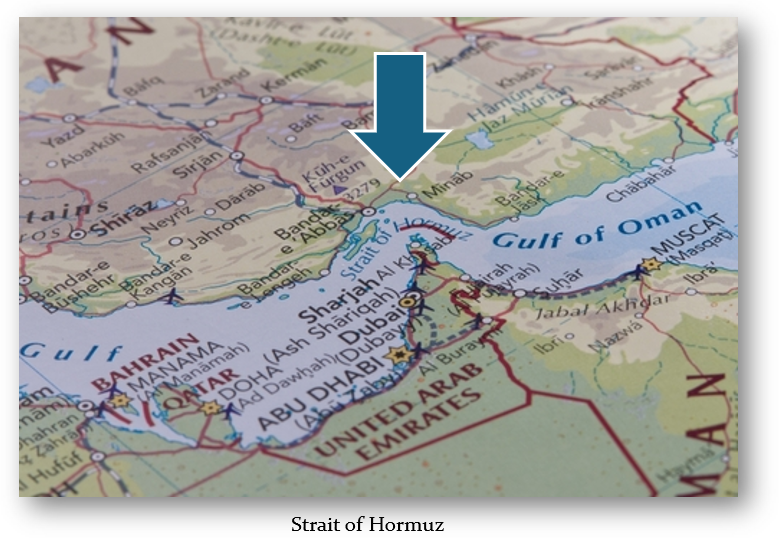
Iran’s Sunni neighbours are just 200 miles away at most. This is well within reach of Iran’s short-range missiles. Since Iran’s neighbors are hosts to key US military bases, there is a rising fear that they can be dragged into the major Middle East conflict. Then some question the loyalty of the United States if the US must choose between Israel and the Arab world.
The last time we saw war in the Middle East, there was also a major shock and fragmentation of the entire region. The 2003 US-led invasion of Iraq resulted in irreparable damage to the region, costing the USA $3 trillion. The UNINTENDED CONSEQUENCE was the ensuing mayhem, which benefited Iran by removing their arch enemy Saddam Huesin. The action by the Neocons inflamed sectarian tensions in the entire region and led to the birth of the Sunni jihadist group ISIS.
Whatever Iran’s response, America’s foreign policy is more closely aligned with Israel’s than it has ever been. As previously noted, Netanyahu seems to be calling the shots with President Trump scrambling to keep pace with his supposedly junior ally, a Neocon through and through. Now, despite years of claiming he would avoid wars and other foreign entanglements, President Trump has just bet his entire presidency on a dramatically aggressive act in Iran that does violate international law, and there was undoubtedly no declaration of war. Trump will now go down in history as the American president to ever strike another country with bombers without a formal war. At least in the Gulf War, the US invoked Article 5 of NATO. President Trump is also the first to have overtly joined Israel in an attack on an adversary. That is a severe issue that history will not forget.
Our National Debt has risen dramatically, all because of the endless wars of the Neocons. They do not care about the people or our country. All they care about is the destruction of their enemies to satisfy their raw hatred. We are facing sovereign defaults around the world, all because of perpetually borrowing with no intention of ever paying back the debt.
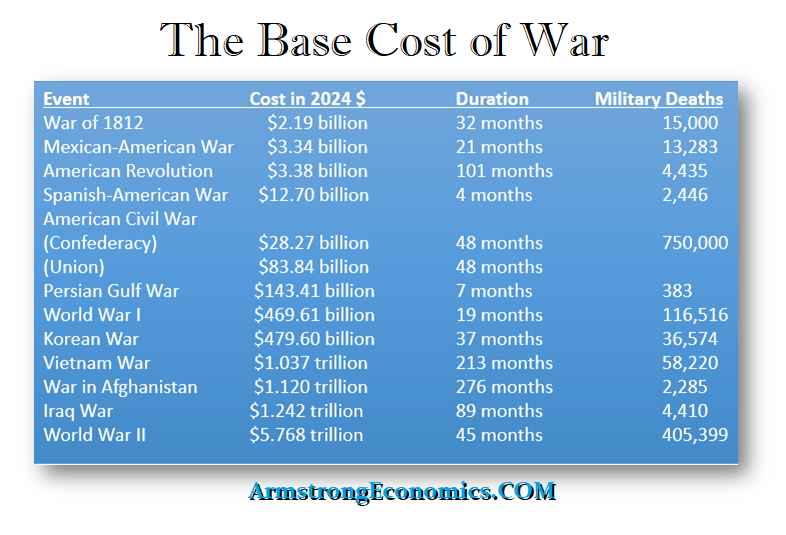
We are still paying interest on World War I and II, along with Vietnam, Korea, Afghanistan, and Iraq. This one will be many trillions, and it will contribute to the collapse of the world monetary system post-2030.
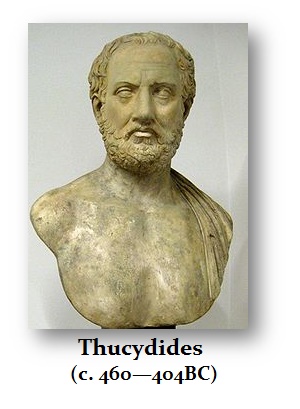
We have just entered the Thucydides Trap. This highlights the profound and often perilous instability caused by a major shift in global power, which is what is now unfolding. The hubris of the United States, in believing it is invincible, was promoted by the Neocons, just as it was in ancient Athens. This lesson from history serves as a stark warning that the natural friction between a rising and ruling power is a prime historical catalyst for catastrophic conflict, emphasizing the critical need for skillful statecraft, clear communication, and crisis management mechanisms to navigate this dangerous phase peacefully. This lesson from history highlights a powerful pattern that warrants serious attention, particularly in the context of US-Russia and US-China relations.
Thucydides (c. 460-395 BC) in his seminal work, History of the Peloponnesian War, identified the fundamental cause of the devastating 27-year war between Sparta and Athens. He wrote:
“It was the rise of Athens and the fear that this instilled in Sparta that made war inevitable.”

The Trap refers to the structural stress created by a major shift in the balance of power. The established power (like Sparta) feels threatened by the rising power’s (like Athens’) growing influence, wealth, and military capabilities. Simultaneously, the rising power demands greater recognition, influence, and a role in shaping the system commensurate with its new power. This mutual fear, suspicion, and rivalry often lead to miscalculation, crises, and ultimately, war – even if neither side actively desires it. Hence, the computer projects that WWIII is inevitable.
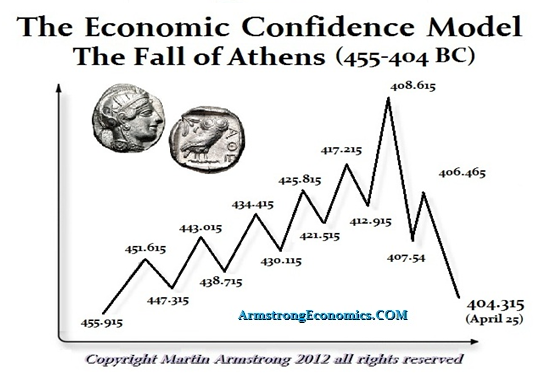
The Peloponnesian War (431-404BC) was fought between Sparta and Athens, the two superpowers of ancient Greece at the time. Each was dominant in its own way, and the war was essentially a clash between these two giants. Athens ended in defeat in 404 BC, precisely on schedule with our ECM model.
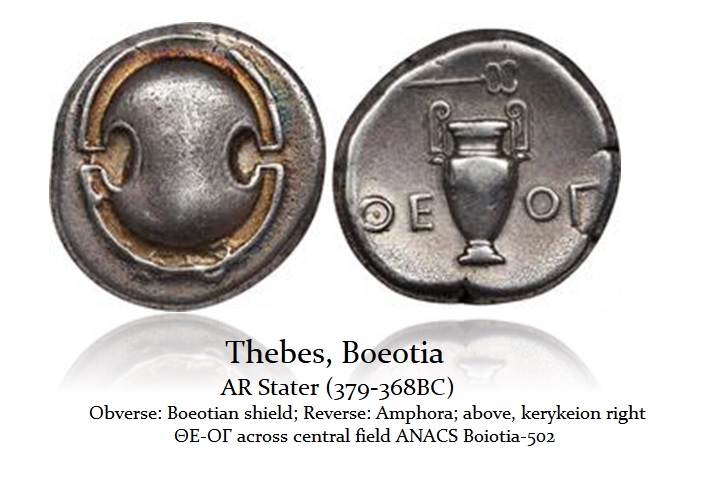
Sparta and its allies (specifically Thebes) struck the first blow. However, the war’s origins involve decades of tension and specific provocations not unlike the relationship between the United States, Russia, and China. In early 431 BC, a small force of Thebans (members of the Spartan-led Peloponnesian League) launched a surprise night attack on the city of Plataea, a long-standing ally of Athens within Boeotia (Theban territory). Thebes sought to eliminate Plataean resistance to Theban dominance over Boeotia, much like Israel versus Iran. They sought to bring Plataean firmly into their sphere. They were also encouraged by pro-Theban Plataean citizens who opened the gates, not unlike Israel’s sympathizers inside Iran.
The initial coup attempt failed. Plataean citizens rallied, captured many Thebans, and executed them. This act was a clear violation of the existing Thirty Years’ Peace treaty. This attack by Sparta’s most powerful ally is widely considered the first overt military action of the war. It gave Athens justification to mobilize and support Plataea. The city-state of Plataea was located in Boeotia. The dominant power in Boeotia was Thebes, which did issue prolific coinage (featuring the Boeotian shield) as the leader of the Boeotian League. There are no coins issued by Plataea, for they appear to have used the coinage of Thebes.
After the failed Theban attack on Plataea and the execution of the Theban prisoners, Sparta, as the leader of the Peloponnesian League, formally declared war on Athens. This declaration followed failed negotiations in which Sparta demanded that Athens lift sanctions against Megara (another Spartan ally) and effectively cede its empire. This demand would have led to Athens’ empire being surrendered, which would have been a committed act of geopolitical suicide. Hence, it was resoundingly rejected.
So, while Thebes struck the first physical blow, Sparta, as the leader of the opposing alliance, formally initiated the state of war. I should point out that Sparta was a Communist State and never issued coinage to prevent people from attaining wealth. Everyone was to provide military service.
The historian Thucydides, who lived through the war, argued that the real cause was deeper than any single event. This was rooted in the rivalry between the two superpowers, not unlike today, with the USA and Europe on one side and Russia and China on the other. Thucydides wrote in his History of the Peloponnesian War.
“The growth of the power of Athens, and the alarm which this inspired in Sparta, made war inevitable.”
After the Persian Wars, Athens transformed the Delian League (originally a defensive alliance) into an Athenian Empire, using its powerful navy to dominate other Greek city-states, extract tribute, and interfere in their affairs. It even moved the treasury from Delos to Athens and funded the construction of the Parthenon. Athens was mainly a maritime power.
Sparta, the traditional land power and leader of the more conservative Peloponnesian League, viewed Athens’ growing power, wealth, and democratic influence with deep suspicion and fear. They saw it as a fundamental threat to their own security, way of life, and leadership in Greece.
There had been a civil war in Epidamnus, which drew in Corcyra (Corfu) and then Corinth (Sparta’s key ally). Corcyra, not part of either league, appealed to Athens for help against Corinth. Athens made a defensive alliance with Corcyra and sent ships, which fought against Corinthian ships at the Battle of Sybota (433 BC). This directly involved Athens in a conflict against a major Spartan ally, heightening Spartan fears of Athenian expansionism. This is what Trump just did by attacking Iran, an ally of both Russia and China.
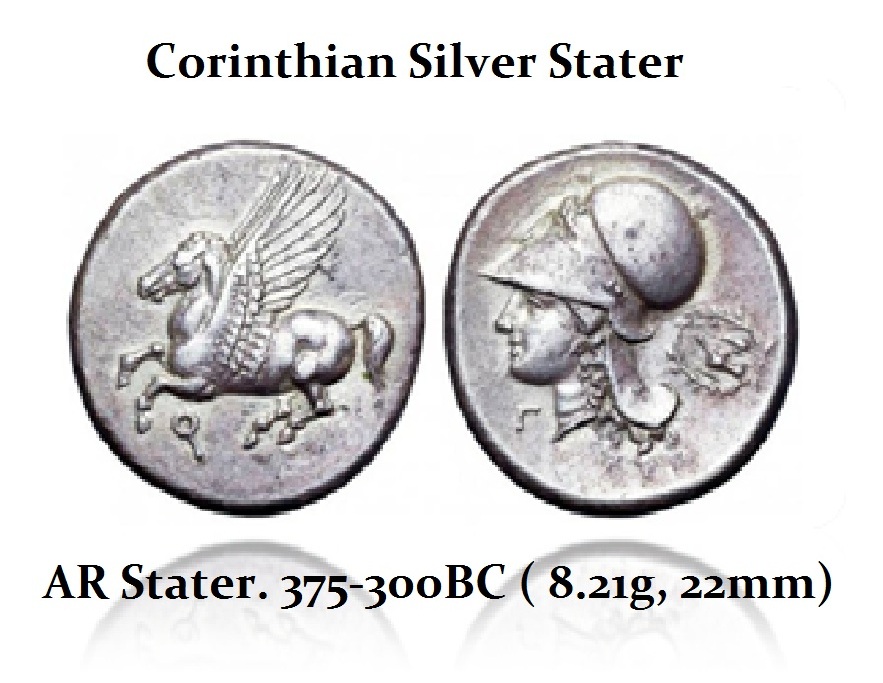
The Potidaea Revolt (432-429 BC), which was a Corinthian colony, but also a tribute-paying member of the Athenian Empire, revolted with encouragement from Corinth and Sparta. Athens besieged Potidaea. Corinthian troops fought alongside the Potidaeans against the Athenians. This created another direct military clash between Athens and a key Spartan ally (Corinth), further straining relations and giving Sparta’s allies strong grievances against Athens.
Athens banned Megara in 432BC (a Spartan ally strategically located near Athens) from the ports and markets of the Athenian Empire, crippling its economy. This was not unlike the idea of the Neocons imposing sanctions on Iran. Sparta strongly protested this as a violation of the Thirty Years’ Peace and used it as a key justification for war. This economic sanction was seen as particularly harsh and aggressive, providing Sparta with a specific casus belli and rallying support among its allies who feared similar treatment. This is my concern about the attack on Iran that can be seen as religious.
The fundamental cause, as Thucydides argued, was Sparta’s deep-seated fear of Athens’ growing power and imperial ambitions, which made a major conflict seem inevitable to them. Therefore, while Sparta formally declared war, the aggressive actions of its ally Thebes provided the immediate spark, and decades of Athenian expansion created the tinderbox. The Peloponnesian War began with Sparta and its allies taking the offensive against Athens and its empire. This is very similar to Israel’s attack on Iran, akin to Thebes’ attack on Plataea, which can then draw in the superpowers – USA, Russia, and China.
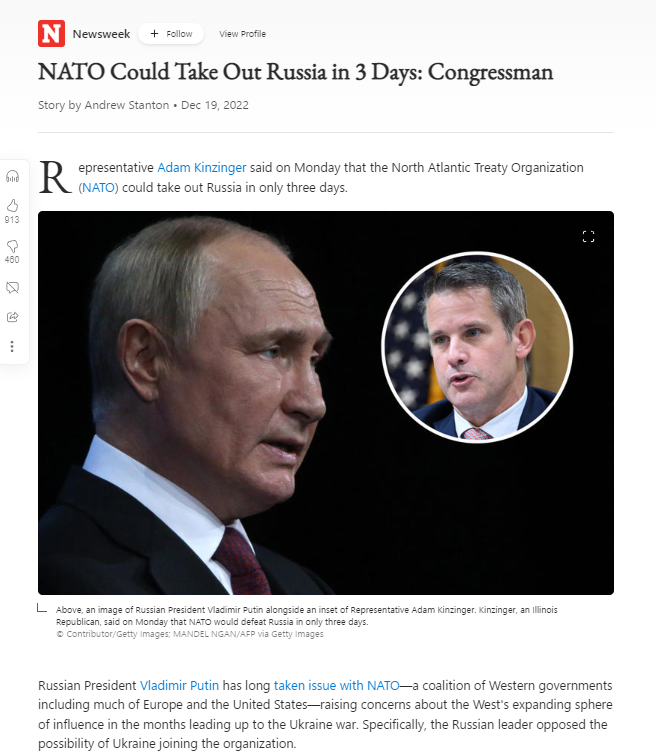
The likelihood of Iran surrendering is ZERO. The Neocons have, as always, judged their target by what they think rather than the thinking process of their target. They have portrayed Trump as a warring president, yet he, too, thought one strike would end the war, listening to the same people who said they could win Vietnam and Iraq would fall in 3 weeks. Like Adam Kinzinger, who boasted that we could defeat Russia in 3 days. They talk to each other and believe their own BS and pat each other on the back for their brilliance.
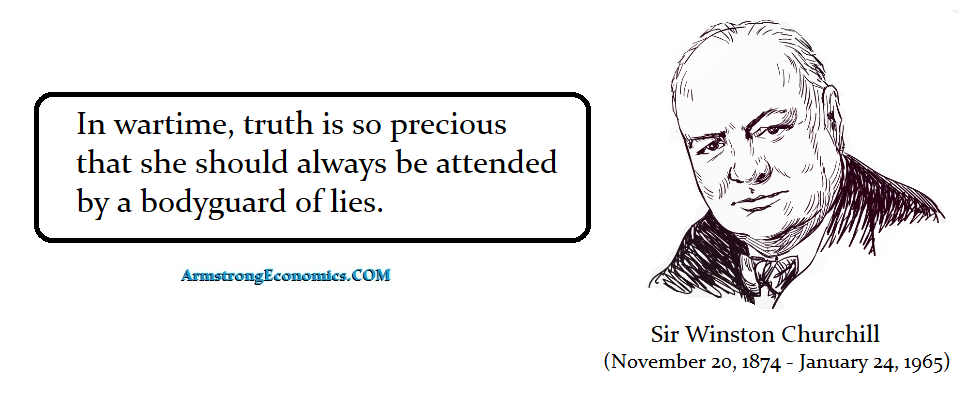
Even Cicero once said, “Laws are silent in time of war.” Herodotus once said, “For war never ends as expected. Once begun, it takes its own course.” (Herodotus, The Histories, 7.49). And the fake news will keep telling us that Iran is devastated, as is Russia, and we can defeat them in just a few days.
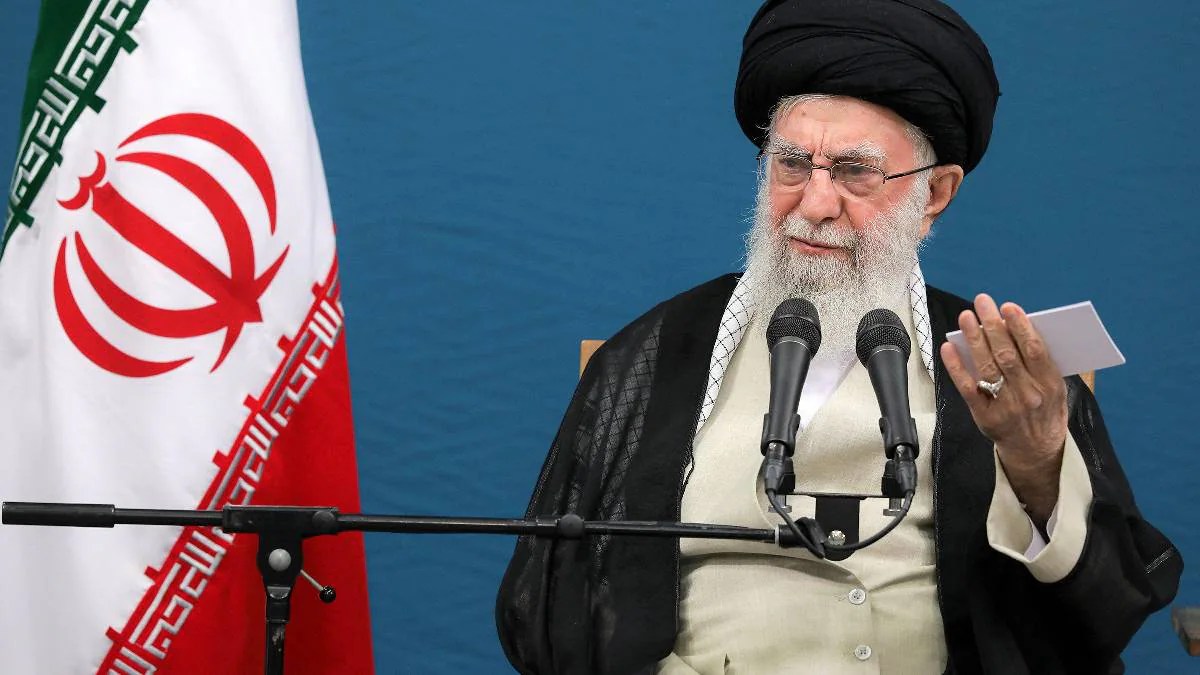
Iran’s defiant leaders fired 40 missiles at Israel on Sunday. As expected, the Neocons never understand their adversary – NEVER! Iran now will feel that almost any action is justified if they are to create weapons to deter future attacks. They would most likely urge their allies to give them nukes. If you understand the background of Ayatollah Ali Khamenei, you would immediately comprehend that he will give very little credence to Mr Trump’s claim this weekend that the bombs have “obliterated” the nuclear programme and that Iran should surrender. Iran’s nuclear project is widely dispersed so that the destruction of one does not end their program. It was designed to expect an attack and to survive.
Ayatollah Khamenei’s background is that of a revolutionary cleric who rose through the ranks of the opposition to the Shah, became a key lieutenant to Khomeini, held high office during the Iran-Iraq War, and was chosen as Supreme Leader primarily for his political loyalty and experience within the system, despite initial questions about his religious credentials. His tenure has been characterized by consolidating theocratic control, resisting Western influence, and upholding the core principles of the Islamic Revolution. He no more cares about Iran as a country than the Neocons care about the United States or Europe. They are all motivated by their resolve, if not hatred, of their opponents.
Khamenei became an active opponent of Mohammad Reza Shah Pahlavi’s regime in the 1960s and 1970s. His activism led to multiple arrests and periods of imprisonment by the Shah’s secret police (SAVAK) throughout the 1960s and 70s. He was also tortured during this time. I explained that when Trump was shot, people were saying he would now reverse his rhetoric. I said no, when you face a near-death attempt on your life, you LOSE all sense of any fear of death. You have more resolve and realize that they tried to kill you because you are right.
During periods of freedom and exile within Iran (including in Mashhad and Kirman), Ayatollah Ali Khamenei continued organizing opposition, translating revolutionary texts (like works by Sayyid Qutb), preaching against the Shah, and building networks crucial to the revolution.
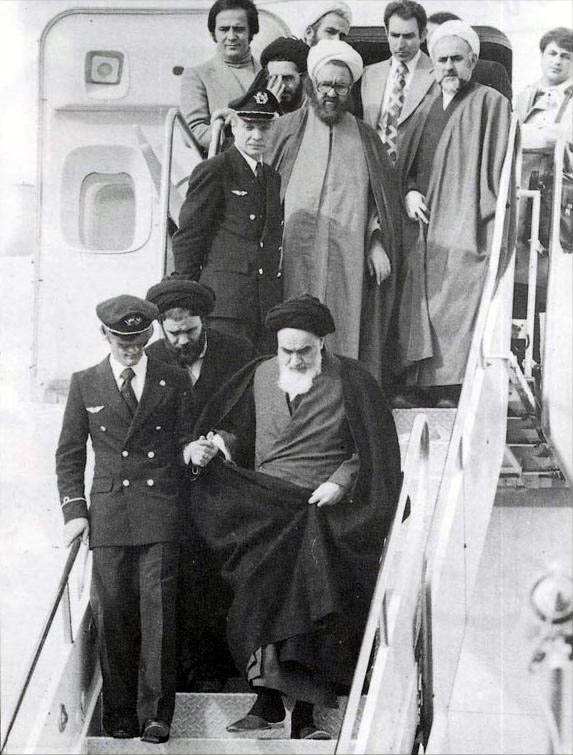
Upon the death of Ayatollah Khomeini in June 1989, the Assembly of Experts faced the critical task of selecting a new Supreme Leader. Ayatollah Ali Khamenei, while a senior figure and President, was not considered a top-ranking religious authority (Marja’) at the time. His theological credentials were lower than those of other potential candidates. However, due to his proven loyalty to Khomeini and the revolution, his political experience, his organizational skills within the clerical establishment, and likely the backing of powerful networks within the IRGC and IRP, he was selected as the new Supreme Leader. To address the issue of his religious rank, he was quickly promoted to the rank of Ayatollah (and later Grand Ayatollah/Marja’), though this remains a point of contention among some traditional Shi’a clergy outside Iran.
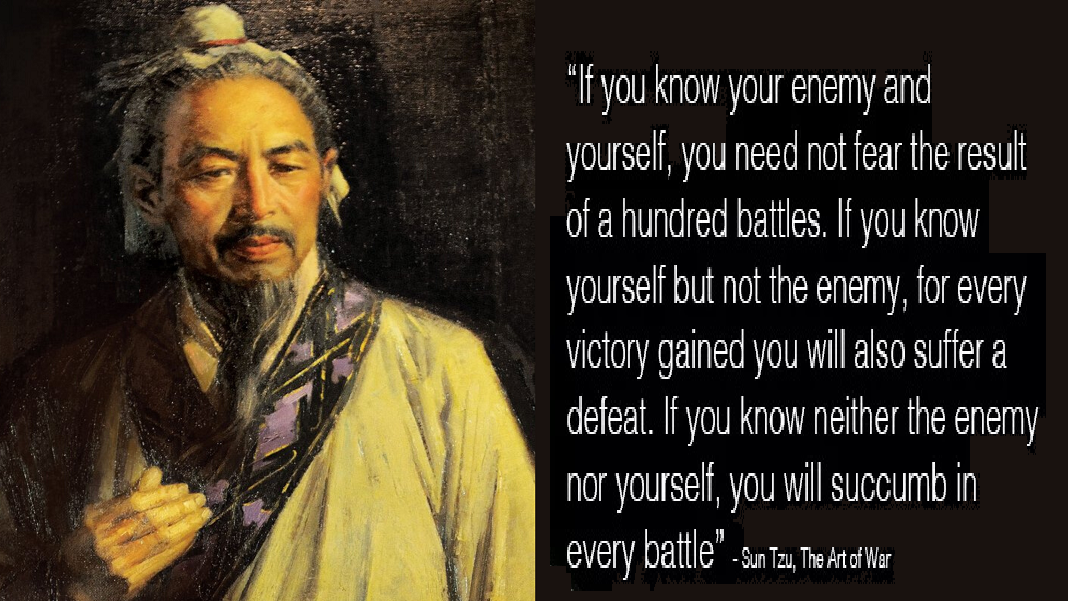
As Supreme Leader, Khamenei has systematically consolidated power over the military (especially the IRGC), the judiciary, the media, and key economic sectors. He has ultimate authority over all branches of government and key state institutions. A staunch advocate of Khomeini’s doctrine of Velayat-e Faqih (Guardianship of the Islamic Jurist), his resistance to Western (especially US) influence, Islamic unity, technological advancement, and support for “oppressed” groups, such as the Palestinians, ultimately prevailed. The Neocons clearly fail to understand their target. These Neocons constantly make every single mistake driven by their fanaticism, no different than they talk about the Islamic terrorists. Both believe only in their myopic view of the other.
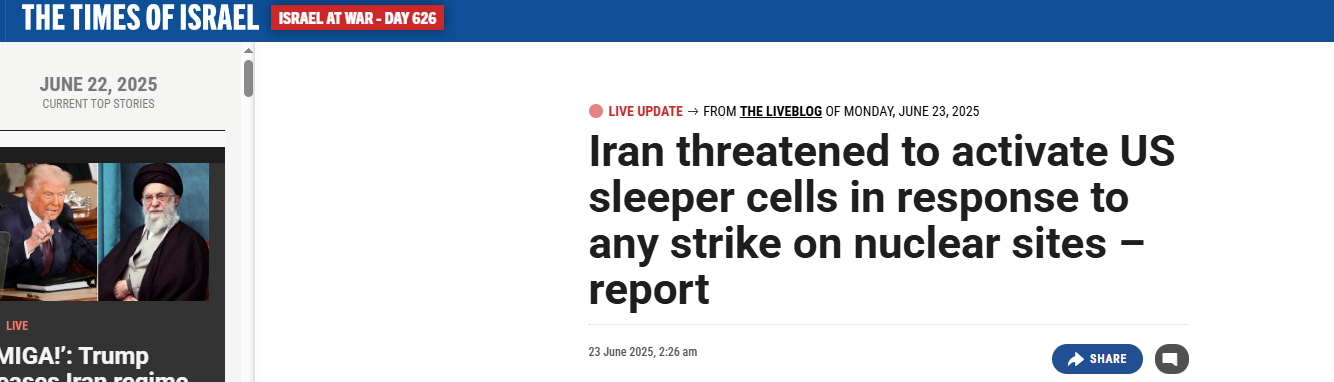
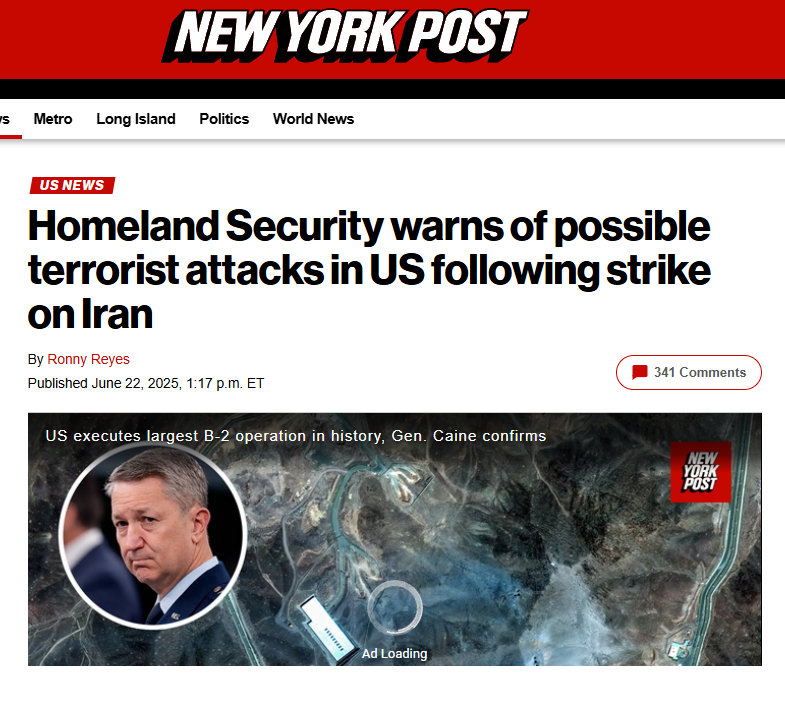
The UNINTENDED CONSEQUENCES that these Neocons have again overlooked are the reality that this attack will by no means end this war, and Iran will not surrender. This will lead to terrorist attacks and civil unrest in Europe. As always, these Neocons only look at their personal hatred and never care about the people or the country.



 Centinel2012