Gold – Geopolitical vs Inflation


Posted originally on Mar 19, 2025 by Martin Armstrong 

20 gold Roll 1 R

COMMENT: Marty, I spoke to a friend at the __________ bank in NY, and he said on gold, listen to Armstrong. I found that interesting since he was well up there in the Bank’s food chain. He also said this is geopolitical, not inflation.

Kevin

ANSWER: Well, as I have said, gold’s not stopping when it is geopolitical. We gave our price and timing targets. Forget the BS about inflation. Gold is rising for the safe-haven demand as geopolitical tensions increase. Banks that do follow us know that we are bullish on bullion’s safe-haven status as anxiety escalates about the global economy. The fact that the Federal Reserve is poised to keep borrowing costs steady realizes that Keynesian Economics is dead. The rise in interest rates no longer stops inflation because government expenditures rise, and politicians will NEVER reduce spending because the Fed raises rates.

Tipped Off From ACLU?! Julie Kelly Questions How Judge Knew To Block Trump Deportation Of Criminals


Posted originally on Rumble By Bannon’s War Room on: Mar 17 2025, at 5:00 pm EST

Activist Judges Order Planes Filled With Gang Members To Turn Around Back To US, Julie Kelly Reports


Posted originally on Rumble By Bannon’s War Room on: Mar 17 2025, at 5:00 pm EST

“To Delay Is To Deny” Bannon On Judges Going Against The Constitution To Thwart President Trump


Posted originally on Rumble By Bannon’s War Room on: Mar 17 2025, at 4:00 pm EST

BIG GOVERNMENT 👏 BIG SPENDING 👏


Published originally on Rumble By Turing Point USA on Mar 16, 2025 at 3:00 pm EST

US Household Debt Surpassed $18 Trillion


Posted originally on Mar 17, 2025 by Martin Armstrong 

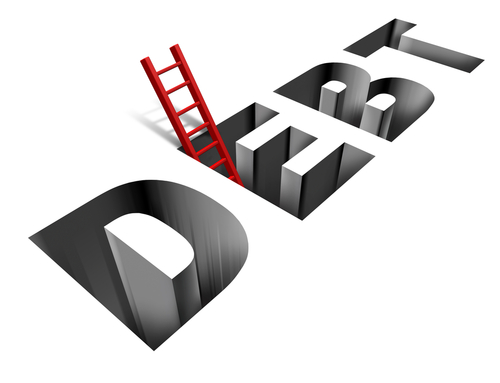
Debt Hole Cannor Climb Out

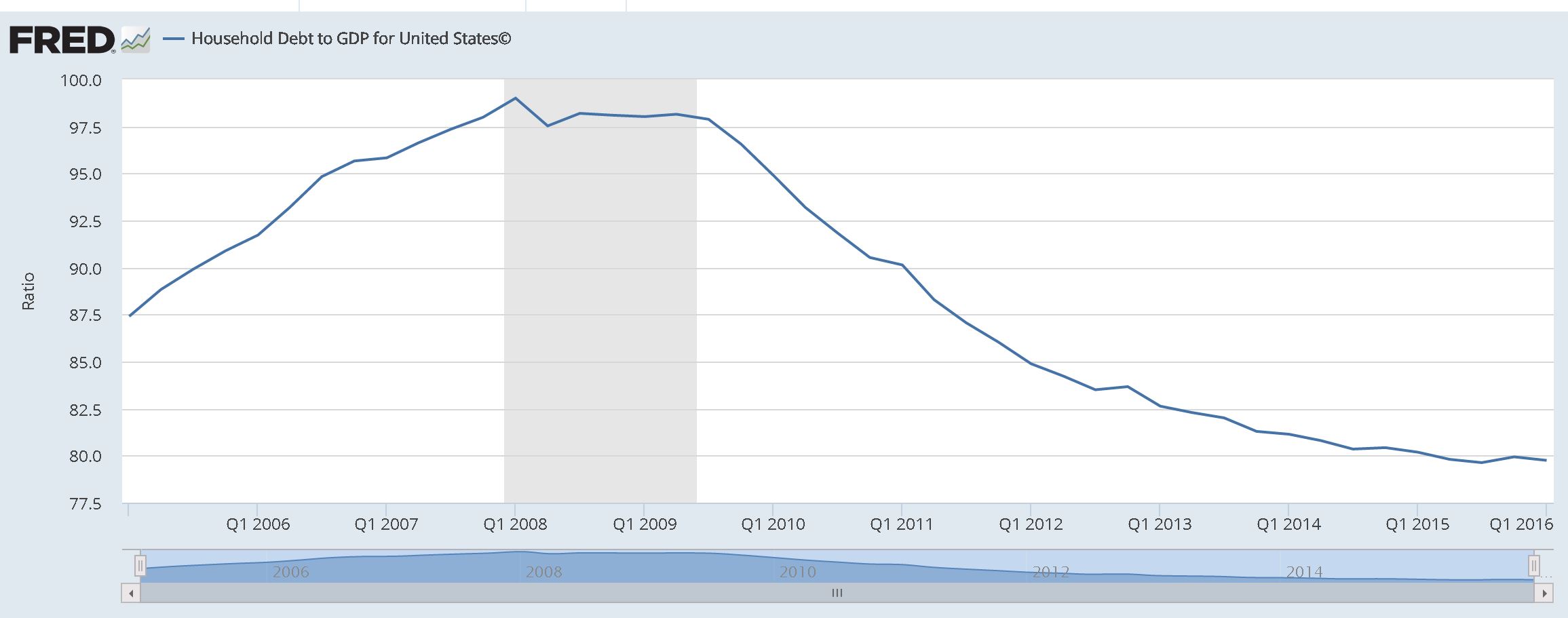
American households have been unable to pay off their debts. The Federal Reserve Bank of New York recently reported that household debt has reached a new all-time high at $18.04 TRILLION.

Americans acquired an additional $93 billion in outstanding payments during Q4 of 2024, with half of this debt finding its way onto high interest credit cards. Credit card debt has also reached a record high at $1.21 trillion. I reported in January that credit card defaults his a 14-year high after skyrocketing by 50% in a one-year period.

Donald Trump said during his campaign that he would like to cap credit card interest fees at 10%, perhaps for a temporary period. There are now bipartisan calls for companies to lower fees, with Congresswomen like AOC and Anna Paulina Luna both championing a 10% credit card cap.

Prior to the pandemic, Americans paid $120 billion annually in credit card interest fees from 2018 to 2020, amounting to $1,000 annually per household. In 2022, consumers were paying $105 billion in interest as it has become the main cost behind having a credit card. Rates on credit cards have doubled in a mere decade from 12.9% in 2013 to 22.8% in 2023.

US Household Debt

The Federal Reserve Bank of New York’s February 2025 Survey of Consumer Expectations also found that Americans are highly concerned about missing payments, falling into delinquency, or losing their livelihoods. Consumers foresee inflation spreading across the board. In February 2026, the general public believes gas will rise by 3.7%, food by 5.1%, rentals by 6.7%, and medical costs by 7.2%.

Then, around 14.6% of Americans said they believed they would miss a minimum debt payment over the next three months. Americans have not expressed this much concern about missing payments since the early pandemic days of April 2020, when the mainstream media insisted the world was coming to an end.

Aggregate delinquency rates rose 0.1% over a one-quarter period. Mortgage balances increased by $11 billion, hitting $12.6 trillion by December 2024. When choosing between home or auto payments, consumers are prioritizing shelter. Auto loan balances also experienced an $11 billion increase, rising to $1.66 trillion in Q4 2024, but serious delinquencies on auto payments have risen substantially.

Student loan balances increased by $9 billion, and now sit at $1.62 trillion. Students who once thought their loan debt would be forgiven have been notified that their future social security payments will be garnished by the government if they fail to pay.

Most households are a few missed payments away from financial ruin. In fact, 47%, nearly half, of American households currently live paycheck to paycheck. Americans are in an extremely delicate financial situation right now, and this looming debt crisis will not disappear.


DOWD: For The Past Two Years Government Spending Has Been Fueling Our Economy


Posted originally on Rumble By Bannon’s War Room on: Mar 15 2025, at 6:00 pm EST

LAWFARE DEFEATED: Boris Epshteyn Reacts To President Trump Rooting Out Deep State At DOJ


Posted originally on Rumble By Bannon’s War Room on: Mar 15 2025, at 5:00 pm EST

“Are Independent Agencies Even Constitutional?” Jim Rickards On Lawfare 2.0


Posted originally on Rumble By Bannon’s War Room on: Mar 14 2025, at 5:00 am EST

US Deficit Surpassed $1 Trillion in February


Posted originally on Mar 14, 2025 by Martin Armstrong 

US Treasury Bldg

According to the Treasury Department, America’s deficit surpassed the $1 trillion mark this February. The deficit reached $307 billion for the month, marking a 2.5X increase on a monthly basis and 3.7% higher on an annual basis.

The deficit for the first five months of FY25 hit $1.15 trillion, a $318 billion increase (+38%) from the same period last year. America is paying $74 billion simply to finance this debt, with interest payments over the FY rising to $396 billion.

The deficit under the last three years of Biden-Harris grew from $1.38 trillion to $1.83 trillion as the public sector and government spending multiplied. Trump is attempting to make a dent in government spending through DOGE, but he is hitting America’s revenue with these tariffs. Both measures have only just begun and have not made a major impact on the economy yet.

Deficits no longer create economic growth; instead, they now consume it. Each additional dollar of debt generates diminishing returns, meaning the cost of servicing this debt will soon exceed the nation’s ability to function without radical restructuring.

Investors and global capital are beginning to take notice. Foreign demand for US debt has waned, with China and Japan significantly reducing their Treasury holdings. Meanwhile, the Federal Reserve is trapped. If it raises rates to combat inflation, it exacerbates the debt crisis. If it lowers rates, it risks unleashing another speculative bubble, but central banks tend to lower rates when they see a recession looming. There is no way out without structural reform.