Posted originally on CTH on August 28, 2025 | Sundance
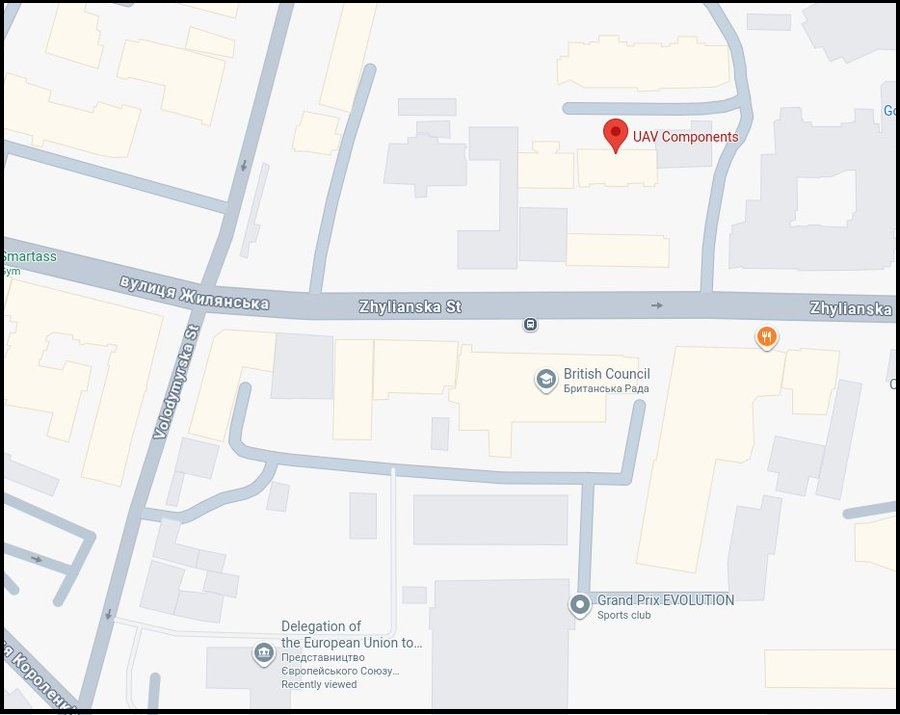
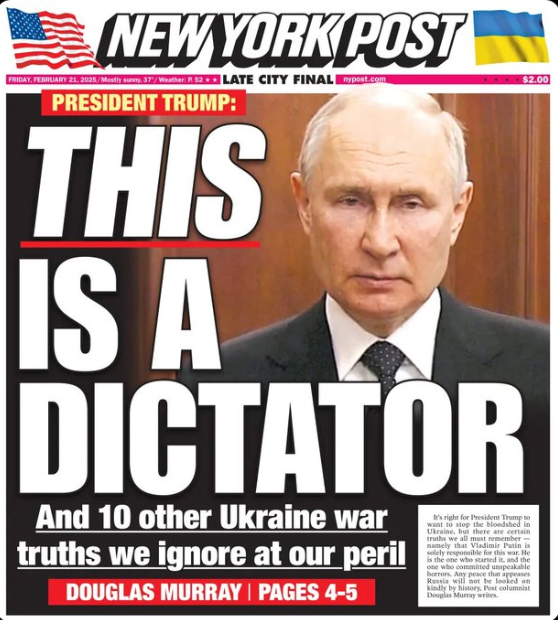
I guess we can call this a FAFO war edition. Ukraine, likely the CIA all things considered, built a drone manufacturing facility next to the buildings housing the EU and British delegations in Kiev. Putin blew it up.
None of the EU or Brits were harmed, but the EU and British go bananas.
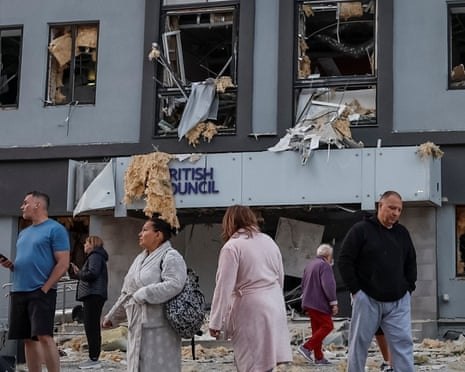
(Via Politico) – Early Thursday, Russia launched a deadly attack on Kyiv that killed at least 12 and damaged buildings housing the EU and British delegations.
There were no injuries to EU staff in the attack. Commission spokesperson Arianna Podestà said Thursday: “The attacks are completely unacceptable. In no way will they shake our support for Ukraine.” She added that diplomatic staff would remain in Ukraine despite the attack.
The EU’s ambassador to Ukraine, Katarina Mathernova, said the building was “severely damaged by the shock wave” of the “massive” barrage of drones and ballistic missiles Russia launched at Ukraine overnight. (read more)
The Russian Armed Forces struck, including with “Kinzhal” missiles, at military-industrial complex enterprises and Ukrainian military airbases; the Russian Ministry of Defense reported Ukrainian sources report that missiles hit directly in the city center, near Olimpiyskaya metro, on Zhylianskaya Street and nearby areas.
Office buildings were damaged, including banks, international representations, and media outlets. Among them were the EU office and the British Council. Other districts of Kiev were also hit. In addition to missiles, the capital was attacked with new strike drones. {LINK}
Posted originally on Aug 21, 2025 by Martin Armstrong |
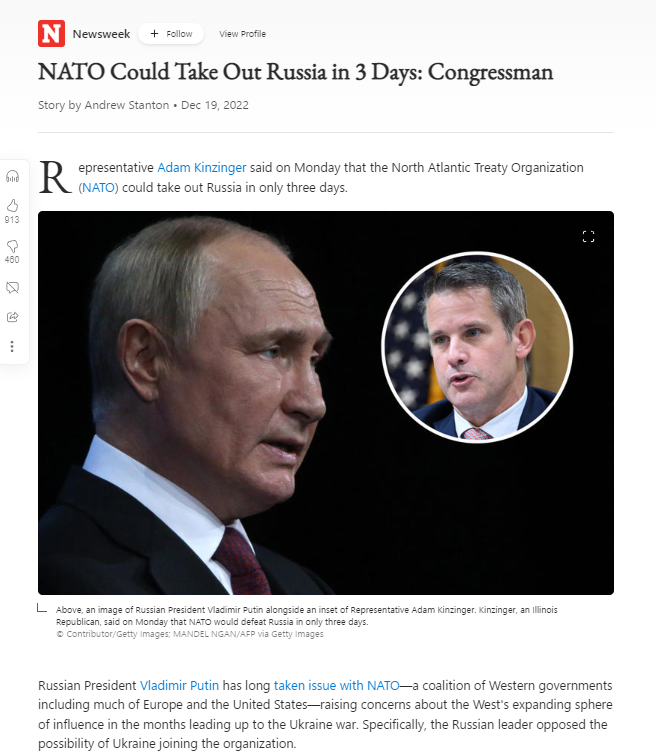
Congressman Matt Gaetz proposed a radical peacetime solution – allow Russia to join NATO. “Before you suggest I’m crazy for thinking about NATO and Russia as partners, the idea has been floated by foreign policy thinkers on the right and left for some time,” Gaetz added.
“In 1997, the Senate Foreign Relations Committee held a hearing on NATO expansion. President Clinton’s secretary of state, Madeleine Albright, reflected on groundbreaking cooperation between NATO and Russia.” The concept never came to fruition as NATO decided that encircling Russia was of paramount concern, and partnering with its greatest enemy was of no interest to the neocons who WANT war. “Michael McFaul was President Obama’s ambassador to Russia. In 2006, he wrote an article entitled, ‘Why a Democratic Russia Should Join NATO,’” Gaetz went on. “Again, this reinforces that NATO membership is an earned reward, not an entitlement, but why not give Russia a chance to earn it?”
McFaul’s piece on Russian NATO membership was published in July 2006. But you must read between the lines, as the ambassador was suggesting more than mere integration. “In Russia, they are represented by the corrupt bureaucracy and advocates of authoritarianism who believe that greater contact with the West restricts their power and diminishes their wealth. In the West, and especially in the United States, they are represented by policymakers and analysts who believe that Russians do not value democracy, Russian leaders are imperialists, and Russia therefore can never be considered part of the West,” McFaul wrote.
He continued to say that the West was not threatening to Russia, nor are “Russians genetically disposed towards autocracy nor historically destined to remain imperial.” Yet, under the leadership of Vladimir Putin, the West refuses to consider Russia a true democracy because it upholds nationalist views. Russia refuses to bend the knee to the globalist world order and, therefore, is considered an “unqualified member of the West.” A regime change would alter the West’s perspective, as the West has long sought control over Russia. McFaul suggested that European leaders should outline a framework for Russia to join the European Union to become fully integrated into the West “even if it takes chunks of centuries.” Again, Russian NATO membership is contingent on Russia becoming a Western globalist world order member.
Obama’s Russian ambassador then went on to state that Russia must establish closer relations with other globalist organizations such as the United Nations, the OSCE, and the Council of Europe. Furthermore, Russia was to support the United States in its war in the Middle East and establish a “regional security organization, not unlike the CSCE that the United States and the Soviet Union anchored when first formed in 1974.”
Russia would never agree to join NATO. The North Atlantic Treaty Organization (NATO) was founded in the aftermath of the last World War to counter Russian influence, despite Russia being an ally during wartime. NATO incorporated Eastern bloc countries of the former Soviet Union to weaken Russia’s global influence in a move that humiliated the Russian people. Even after the Cold War, NATO continued to encircle Russia and expand eastward to assert dominance.
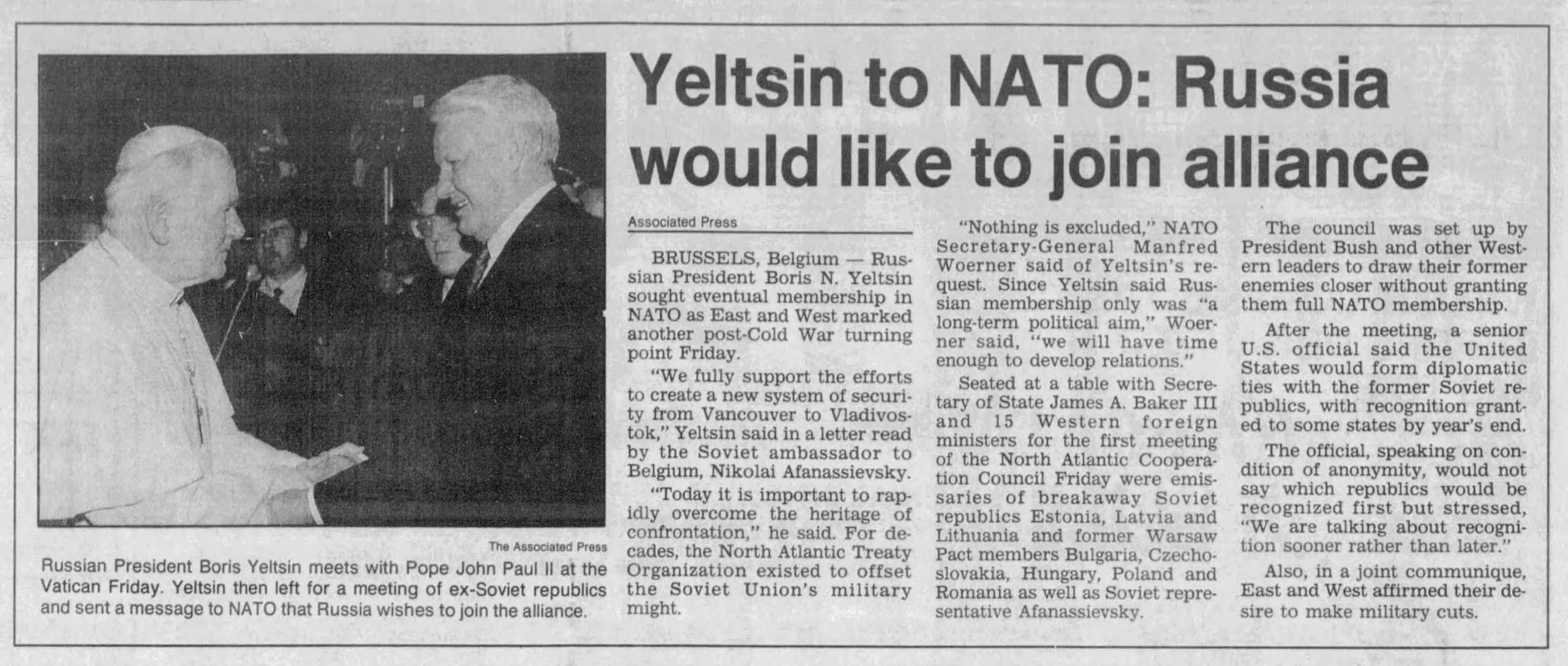
Former Russian President Boris Yeltsin was cautious about NATO expansion but agreed to join the Partnership for Peace in 1994 to maintain diplomatic relations with the West. Yeltsin then signed on to the 1997 NATO-Russia Founding Act that stated Russia and NATO would not consider each other adversaries. NATO promised not to place nuclear weapons in new member states. Both sides agreed to increased transparency and cooperation. Every promise imploded in 2014 after the annexation of Crimea, the installation of a faux Ukrainian government, and the lie that was the Minsk agreement.
“Take care of Russia,” were Yeltsin’s final words to Putin before relinquishing power. Not only is Putin protecting Russia against foreign influence, but he is keeping the true hardliner oligarchs who wish to recreate the glory days of the USSR at bay. However, both the hardliners and NATO have been impatiently waiting for a misstep from Putin since he took office. Russia does not want to become a vassal state of the West. NATO was formed to combat Russia and now acts as a retirement home for neocons who want to see Russia destroyed before they take their final breaths.
Posted originally on Aug 21, 2025 by Martin Armstrong |
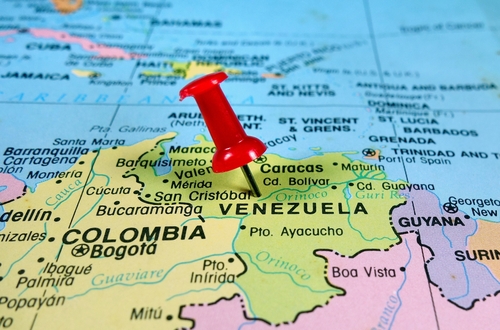
The contagion of war is spreading like wildfire. Venezuela has been feuding with the United States since 2019, when all communication came to a standstill. In recent weeks, the US placed a $50 million bounty on Venezuelan President Nicolás Maduro and has accused him of aiding the world’s top drug traffickers. The US has sent thousands of illegal Venezuelan migrants back to Venezuela despite pushback from the government. Tensions have boiled over after Trump visited with Putin.
Did Putin give Trump the green light to move in on Venezuela? Deep ties with Russia have protected Venezuela, but all alliances can come to an end with the proper incentives. On Monday, over four and a half MILLION Venezuelan troops were deployed after it was announced that US warships were circling Venezuela. “This week, I will activate a special plan with more than 4.5 million militiamen to ensure coverage of the entire national territory — militias that are prepared, activated and armed,” Maduro announced on state television. “The empire has gone mad and has renewed its threats to Venezuela’s peace and tranquility,” Maduro continued.
Maduro was indicted in 2020 during Trump’s first term under suspicion of narco-terrorism. The US placed a $15 million bounty on Maduro, which was later raised to $25 million under Biden but powerful people are protecting the Venezuelan president.
It is peculiar that the US acted within days of Trump’s discussion with Putin. The only obstacle for the US would have been Russia and the risk of starting yet another proxy war. China is also aligned with Venezuela, but the CCP has been outwardly neutral when it comes to foreign wars. China’s main concern is maintaining the One China policy and free trade. It is unlikely to move when it comes to Venezuela unless it directly impacts national interest.
The model had been targeting the week of August 18 as the beginning of heightened tensions and a turning point on the Panic Cycle. Not only did we see an unexpected meeting between Russian and American leaders, but the US began to encircle Venezuela, and Israel called up its reserve troops to continue its attack on Gaza. A nation would not ready 4.5 million troops if it did not suspect a potential attack. It is curious timing. Venezuela is an oil-rich country, and the US is keen to feed its own self-interests under Trump. Agreeing to abandon Venezuela could be a strategic move on Russia’s part to garner support from the largest member of NATO, which is at the head of peace talks.
Posted originally on Aug 18, 2025 by Martin Armstrong |
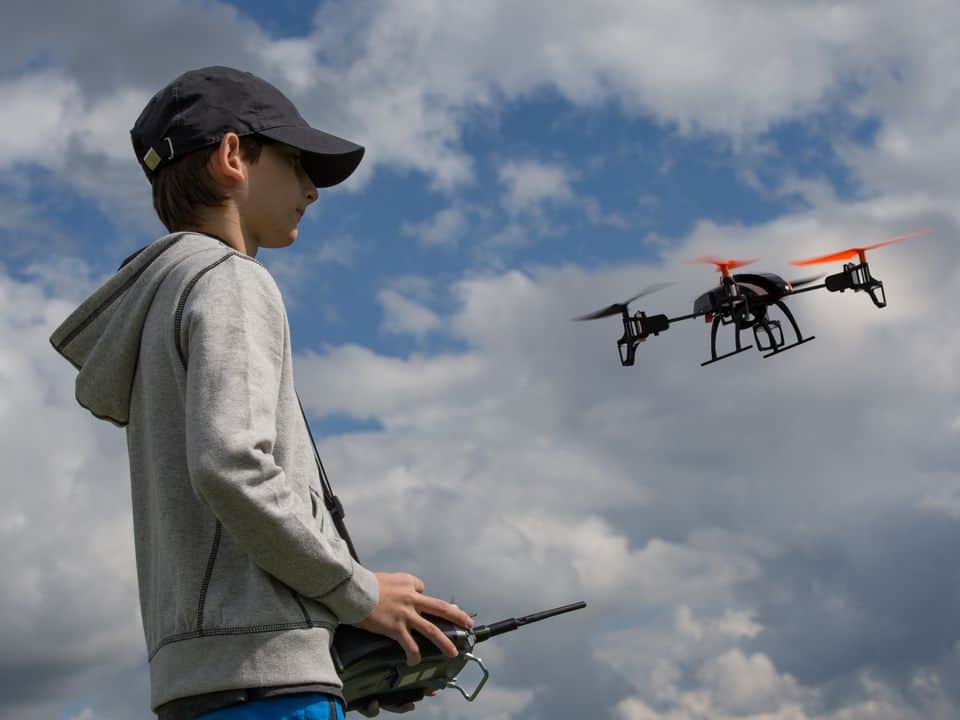
Children across Europe are learning firearm skills as governments prepare for an inevitable global conflict. Schools in Lithuania are implementing a tech-savvy course for children to learn how to operate drones, as the next war will not be fought with direct combat.
The defence and education ministries issued a joint statement stating that they plan to “expand civil resistance training” by teaching over 22,000 children how to fly drones. The program will be offered to children between eight and ten years old, with adjustments for grade level. Children will not only learn how to fly drones, but they will also learn how to build and manufacture simple drones and drone parts.
Adults throughout the nation will. We plan that 15,500 adults and 7,000 children will acquire drone control skills by 2028. In September we will open drone control centres in Jonava, Tauragė and Kėdainiai, and we will open six more drone training centres in other regions of Lithuania by 2028 and will also be expected to learn this new crucial survival skill,” Defence Minister Dovilė Šakalienė proclaimed.
The government plans to spend €3.3 million on the initial education program, which will include training equipment, control and video transmission systems, and a mobile app.
Ukraine is also teaching children UAV technology in the classroom and has implemented drone flying competitions and obstacle courses into the regular curriculum.
Russian children are learning the same technology. In fact, Russian defense companies are headhunting teenagers who exhibit advanced video game skills that could be translated into drone operation. Berloga, a video game launched in 2022, requires the player to defend themselves against swarms of bees using drones. Hundreds of thousands of Russian children play this game, and many earn extra credit on exams for successfully advancing in the game. The top players are recruited into advanced competitions where headhunters lurk to find the next generation of UAV operators. “We were forbidden to say that it was needed for the war, and we invented civilian applications. It’s a children’s program … A project must always have a dual purpose, especially when you’re a school student. It’s an unwritten rule I’ve observed at every competition,” one anonymous source told the Guardian.
European nations are preparing the youth for war. Those in power are well aware that this war is escalating to the point that it will last long enough for primary school-aged children to become future soldiers.
Posted originally on Aug 18, 2025 by Martin Armstrong |
COMMENT: Mr. Armstrong, I have to commend you. You are the only true analyst who has genuine sources. You have maintained that Putin has wanted peace, not to take all of Ukraine. A close friend of mine in the German government admitted that you have some of the best sources because you speak to all sides. He said that Trump got Putin to agree to NATO-like guarantees for Ukraine without joining NATO. They said precisely the opposite, and he confirmed that it has been the narrative from NATO. He said you are correct. My friend said you are highly respected and you have routinely refused to take any formal position in any government since the days of Ronald Reagan.
Thank you for being so genuine.
Alex
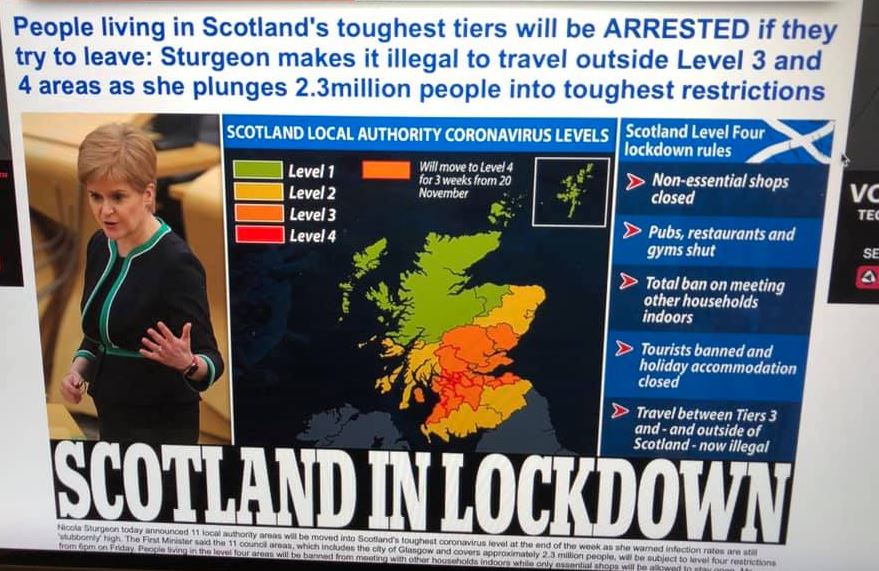
REPLY: Let me explain something. Academics in economics try to use formulas and are myopic in their perspective. They rely entirely on linear analysis and NEVER understand the implications of how we are all connected. For climate change, they used COVID to lock down the world, and every government was calling it a “lockdown,” which is exclusively an American prison term. That demonstrated that the entire COVID scam had a central point where everyone was quoting the exact phrase, no matter what country.
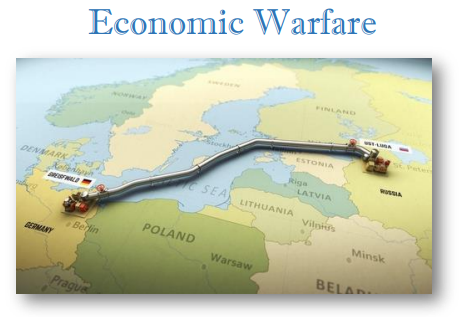
Then the Neocons wanted sanctions imposed on Russia under the same theory they always deploy, thinking that if they cut off the revenue of Russia, the country will collapse. NEVER do they realize that since we are all connected, they would undermine the German economy and ensure that Europe itself may collapse before Russia ever will. They even blew up NordStream and tried to blame that on Putin, which he could have just turned off the valve.
Bloomberg questioned Larry Summers, who wrote in the Washington Post on December 6th, 2015, admitting that economists cannot forecast the next recession.
“While the risk of recession may seem remote given recent growth, it bears emphasizing that since World War II, no postwar recession has been predicted a year in advance by the Fed, the White House or the consensus forecast.”
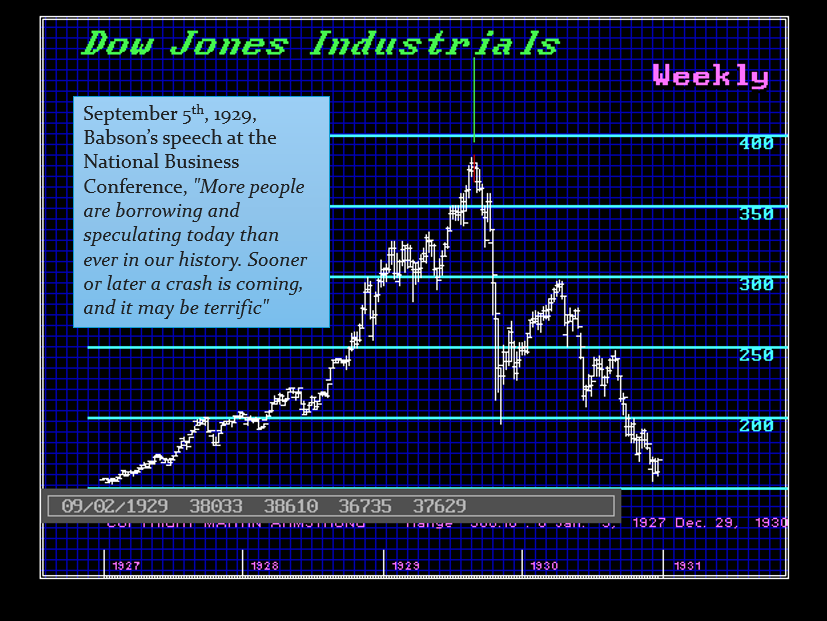
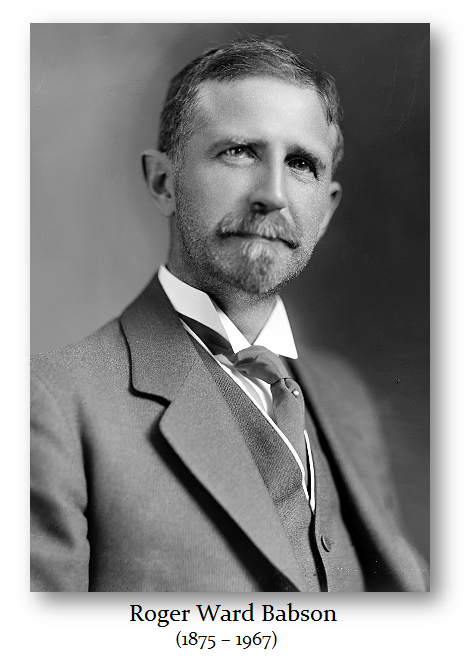
Roger Babson was not the only analyst to predict the 1929 stock market crash correctly regarding timing. He was the most famous and vocal of them all, while others were predicting a crash starting in 1926 to 1927 and lacked the timing. Famously warned of an “economic hurricane” in September 1929, stating “sooner or later, a crash is coming” at a business conference.
Roger Babson delivered his famous warning about an impending stock market crash on September 5, 1929, at the Annual National Business Conference in Babson Park, Massachusetts. The all-time high was September 3rd, 1929.
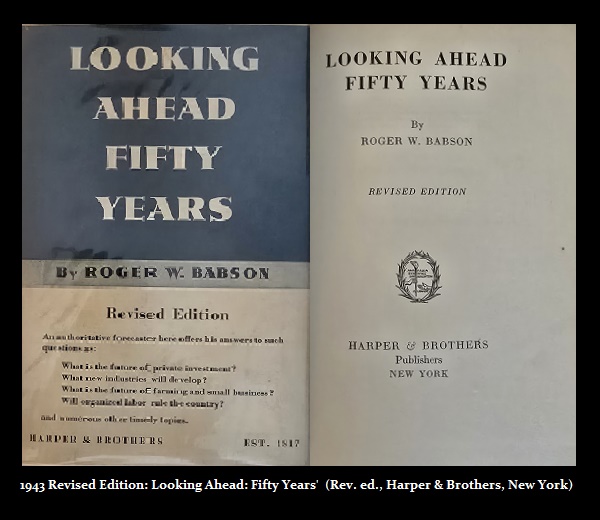
Roger Babson’s 1943 Revised Edition of “Looking Ahead: Fifty Years’ Work” (Harper & Brothers, New York) updated his earlier 1939 predictions to account for World War II. His key forecasts even predicted that the war would end by 1946 when it was still 1943. He also forecast a massive post-war economic boom fueled by pent-up demand, technological advancements from the war, and reconstruction. As a trader, he understood the boom bust cycle that economists try to eliminate. He warned there would be a boom that would lead to over-speculation and a significant bust (“panic” or depression) between 1950-1955, driven by excessive debt and inflation. He said that would then be followed by another period of strong growth.
From the Long-Term perspective, he argued that despite predicting cyclical downturns, he remained fundamentally optimistic about the long-term future (1943-1993). Babson laid out what he saw as unprecedented technological progress and efficiency across industries (manufacturing, agriculture, transportation, and communication). He also forecast a dramatic increase in productivity and standards of living.
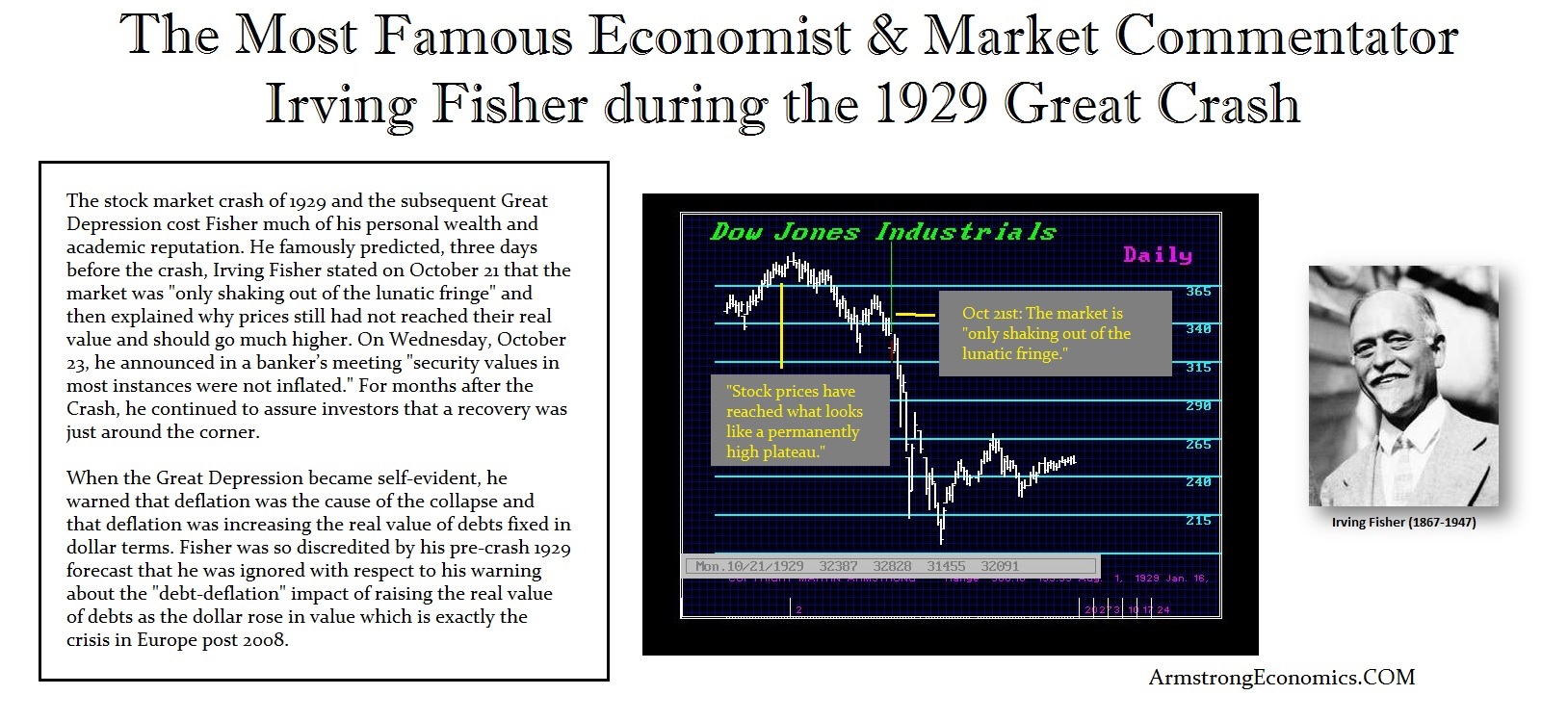
By far, the most famous forecaster was the Economist Irving Fisher, who forecast with linear analysis that the market had reached an entirely new plateau as if it would NEVER go back down. This is why the economic forecasts have always been wrong because they have ZERO trading experience and do not understand society or market behavior.
Babson was a trader, like me. There is something about trading that is hard to explain. Nobody taught me how to trade, I somehow had a natural inherent instinct for trading. I could look at a chart and know where it would go next. Because I understood that instinctive trait, I could see the reasoning behind people like Babson and Jesse Livermore’s trading decisions.
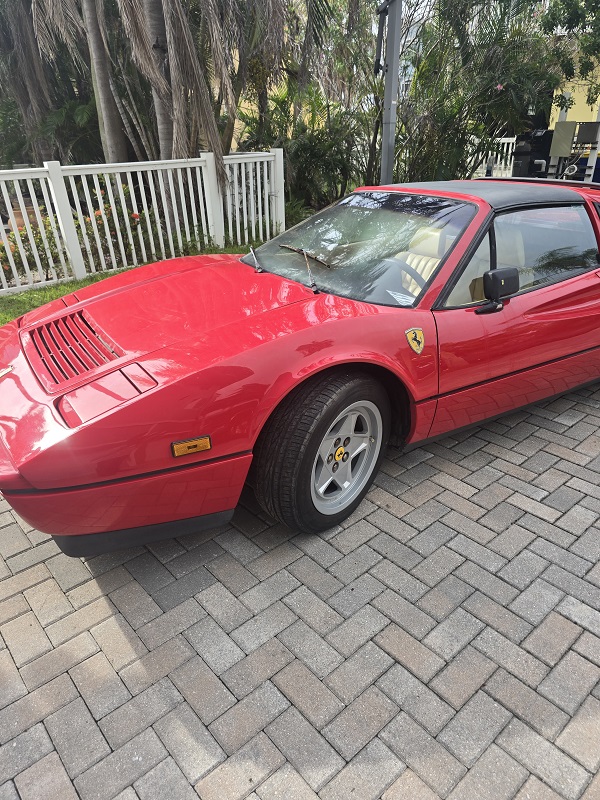
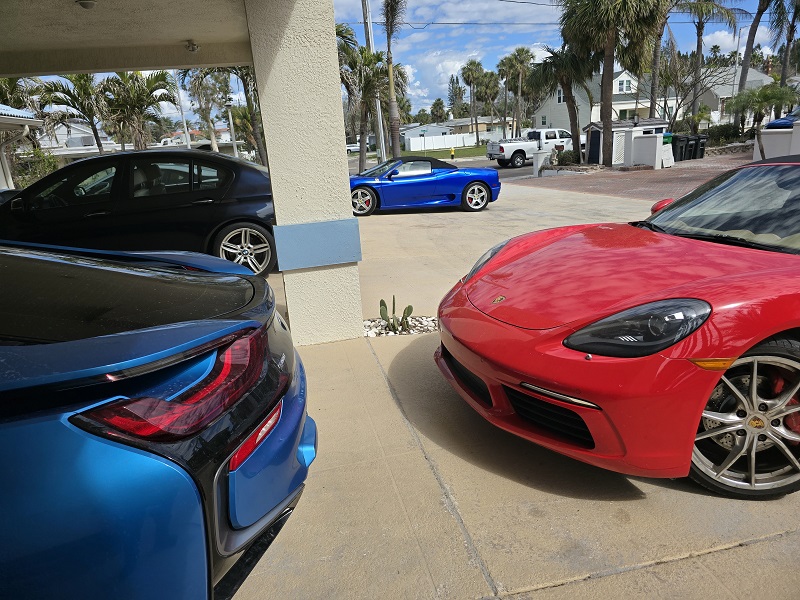
Most people know I used to race cars in my younger days. Because I got divorced and kept my kids, my mother insisted it was not a good profession to pursue. So I quit to raise my kids. When I went to watch the new F1 Movie, I could see the crash coming and was white-knuckling the chair. If something is in your blood, you can’t get it out. I have a friend who offered to let me drive their F1 just for fun. Those days are gone. Friends laughed at me because I have a bunch of sports cars. I reply, I’m not married. If I were married, there would have to be 12.
The point is, trading is instinctive like racing. You have to pay attention to every car around you. If someone just slightly leans to the left an inch or two, that reveals what he is thinking. I see the same connection in trading where you MUST pay attention to all markets and economies around. You cannot forecast silver, never looking at any other market.
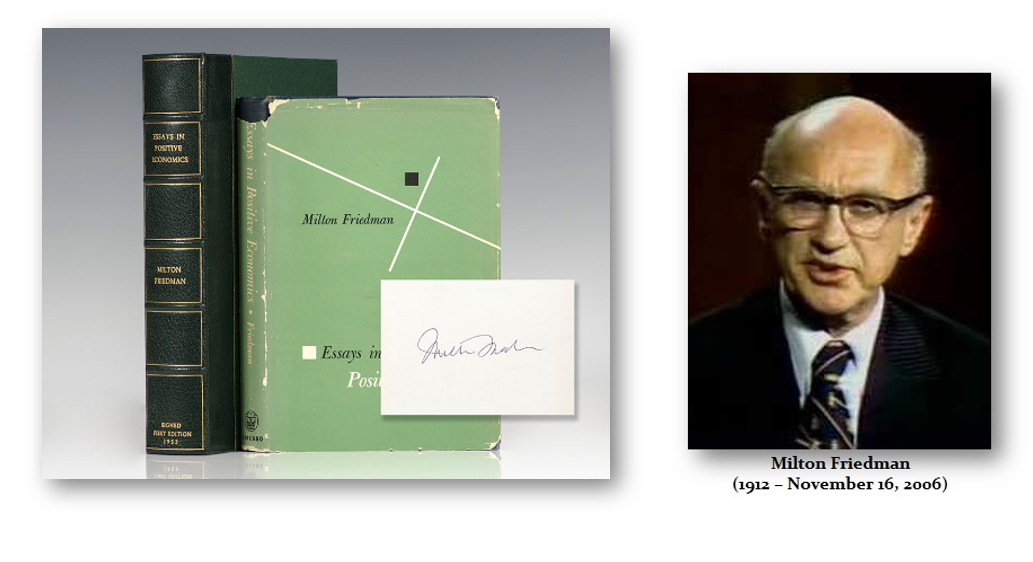
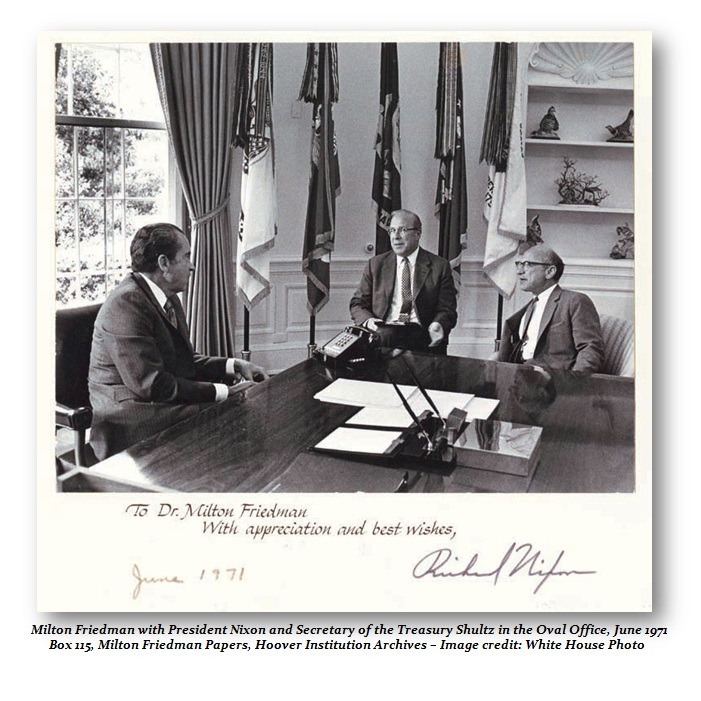
The ONLY academic I ever met who impressed me was Milton Friedman (1912-2006). I was speaking at a trading conference in Chicago. I can’t recall if it was Market Technicians or COPUTRAC. Milton came to listen to me. When I was finished, he walked up and said it was the best speech he had ever heard and that I was doing what he had just dreamed about. I was a trader – not an economist. Because of that meeting, Milton transformed me into a Reluctant Economist. Milton envisioned a floating exchange rate system in 1953. He saw how a floating exchange rate would impose restraints on the government. He was 30 years ahead of his time—no other academic thought out of the box like Milton.
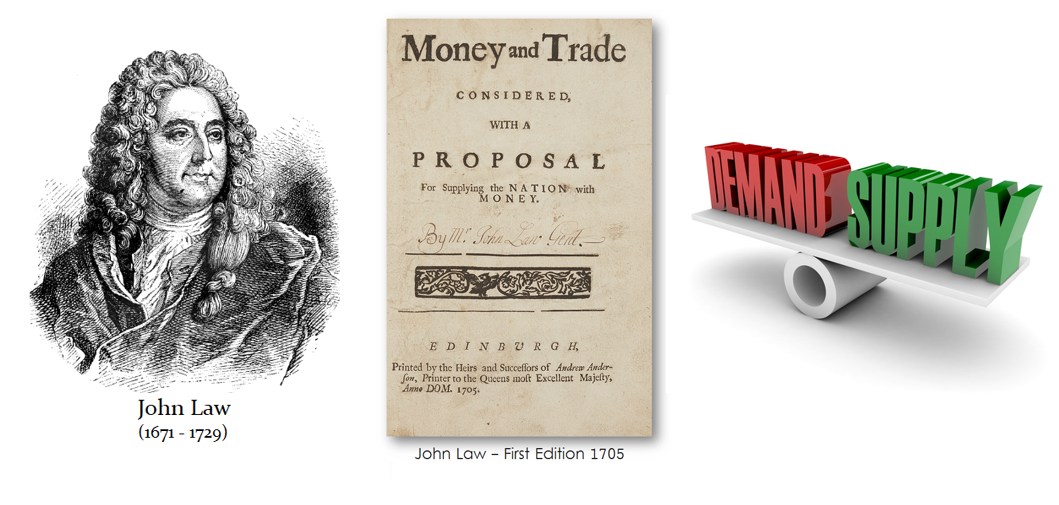
When I was shocked when Milton explained that what I was doing was important in economics, Milton pointed out that Keynes did not have a degree in economics. Neither did Adam Smith, David Ricardo, nor every other famous name of the 19th century, since it was just a sideline as part of moral philosophy. Keynes was a mathematician. I believe that was where the economy took a drastic turn. It became all about math formulas detached from understanding cycles or how things worked. Milton was not looking at a raw math formula. He needed to understand what was behind the numbers. It was John Law (1671-1729), who was a trader on the floor of the Amsterdam bourse and laid out the fundamental law of supply and demand by sheer observation.
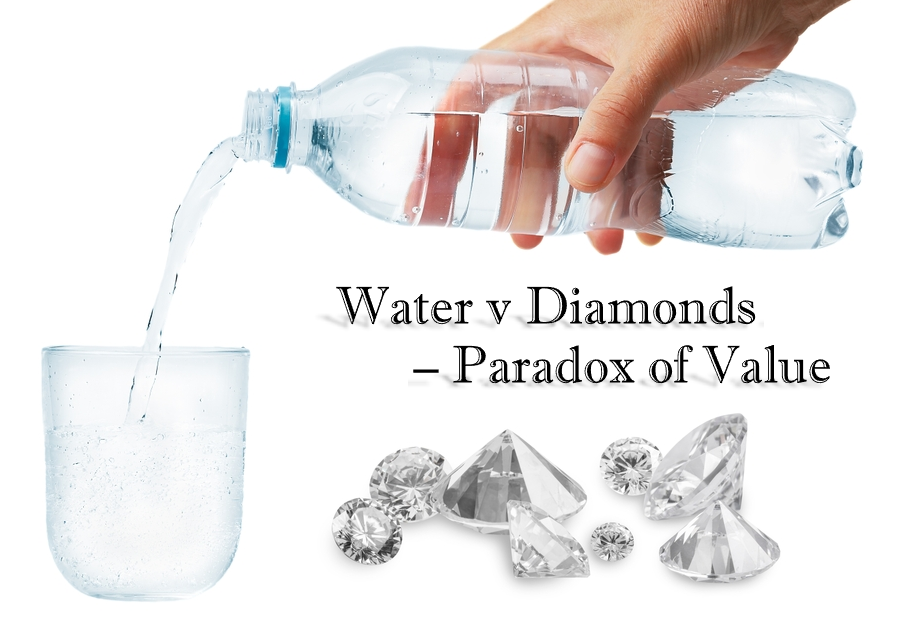
The John Law’s Paradox of Value, which I maintained, was later plagiarized and popularized by Adam Smith as the diamond-water paradox.It took a trade to observe this. The paradox became: Why do essential goods like water have low market value, while non-essential luxuries like diamonds command high prices?
John Law first articulated this in his 1705 work Money and Trade Considered, noting:
“Water is of great use, yet of little value; because the quantity of water is much greater than the demand for it. Diamonds are of little use, yet of great value; because the demand for diamonds is much greater than the quantity of them.”
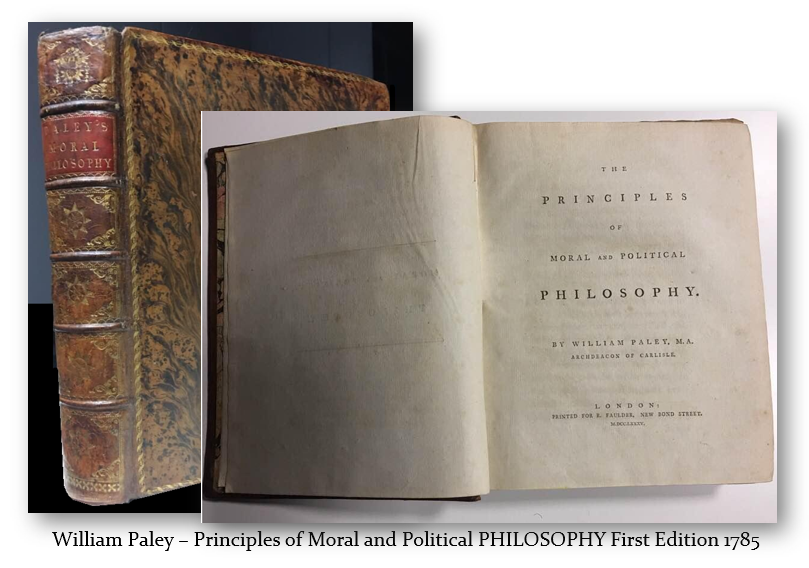
William Paley (1743–1805) was a Cambridge philosopher/theologian (like Malthus and Keynes himself), so Keynes dubbed him the “first of the Cambridge economists” to trace a local intellectual lineage. Others had considered Malthus the first Cambridge economist. Keynes seemed to prefer Paley, who was a moral philosopher and theologian, best known for Natural Theology (1802). His Principles of Moral and Political Philosophy (1785) included economic ideas that impressed Keynes:
He argued that spending on luxuries could employ the poor, aligning with Keynesian “wasteful spending” as preferable to hoarding.
However, Paley was not a systematic economist. His work was ethical, not analytical like Smith’s.
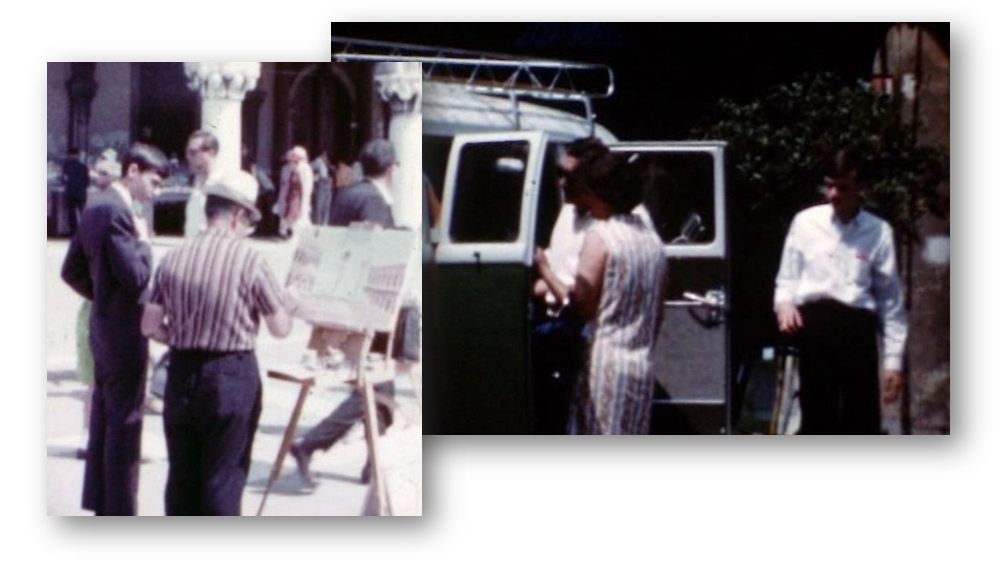
It was Milton who transformed me from just a trader into a Reluctant Economist. I believe all because my father took the family to Europe in 1964 for the whole summer, which introduced me to currency. You had to convert your currency every time you crossed a border, but it taught me that MONEY is a mental yardstick of value. They would give you a quote in the local currency, and I had to convert that in my head to dollars to determine if the value was fair (before pocket calculators and smartphones).
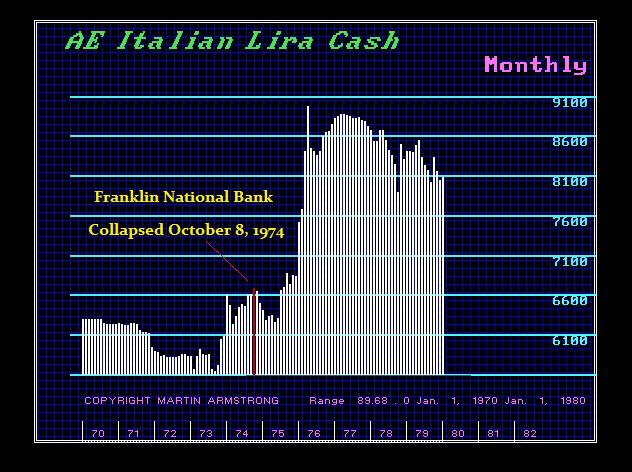
All because I had a client who was a collector, Walter Zengerle, who knew I understood currency. The Bretton Woods fixed rate system collapsed in 1971, and FX futures started trading in 1972. They did not teach currency in school. This was all new. Walter came to me and asked if I would come to New York and look at a problem. He figured out it had to do with currency. Franklin National Bank started Mastercard. It was the first bank to fail because of the floating exchange rate system involving the Italian Lira. After that, every problem with currency turned into getting the guy who did Franklin National Bank.
As President Nixon called in Milton Friedman because he was the ONLY one to have contemplated a floating exchange rate system in 1953, nearly 30 years before. What I was observing in how markets traded, and just as in racing, the slightest nudge would indicate what that driver was thinking about, and how you had to watch every driver around you simultaneously, that was what I saw in trading as well. I was forged in the fire of the free markets. There was no place for math formulas or theories. You had to comprehend that you were in an F1 race in the financial system, and there was no room for mistakes or theories.
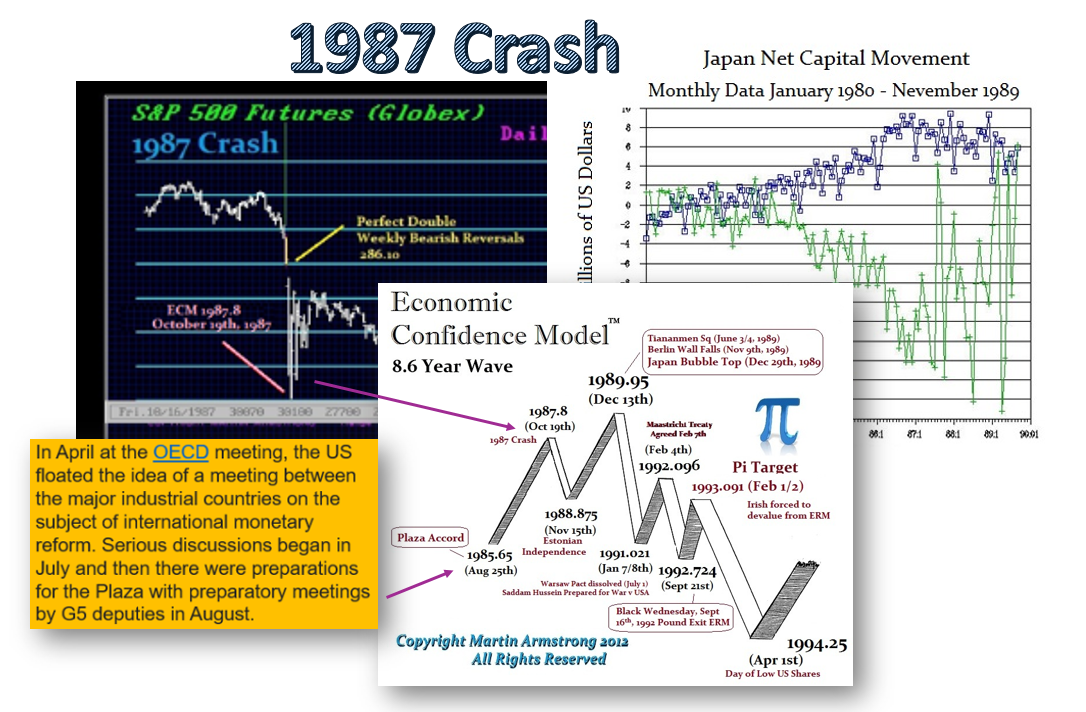
Thus, I was being called in during the 1985 formation of the G5, and just as Milton anticipated, the floating exchange rate system was indeed applying pressure in politics. I was very proud and honored to have been called in by President Reagan. The night of the 1987 Crash, my staff stayed for hours to prepare a special report to get on the president’s desk, so he had a real idea of what would come to pass. They were shocked when I said the low was in place and new highs would be made by 1989. I’m sure they thought I was being too optimistic to get a job. I stated, No charge. That seemed to confuse them even more.
As an old fellow analyst said, most thought I was completely nuts. I had spoken to a famous retail adviser that day and said Look, do not come out and predict a depression – PLEASE! He said, Come on, Marty. You’ve got to be kidding. He took the Great Depression route.
Many people thought that the forecast was not possible. But the very day of the low was precisely the turning point on the ECM to the very day (1987.8 = 292 days – 273 days until the end of September, leaving 19 days). My sources have always been the best because my clients are top-notch. We have the biggest and the smartest clients in the world who are not looking for some pretend guru – just the facts. No matter what country, we all share the same mindset. We all know that we are all connected and see the world as a whole, not pitting one party against another.
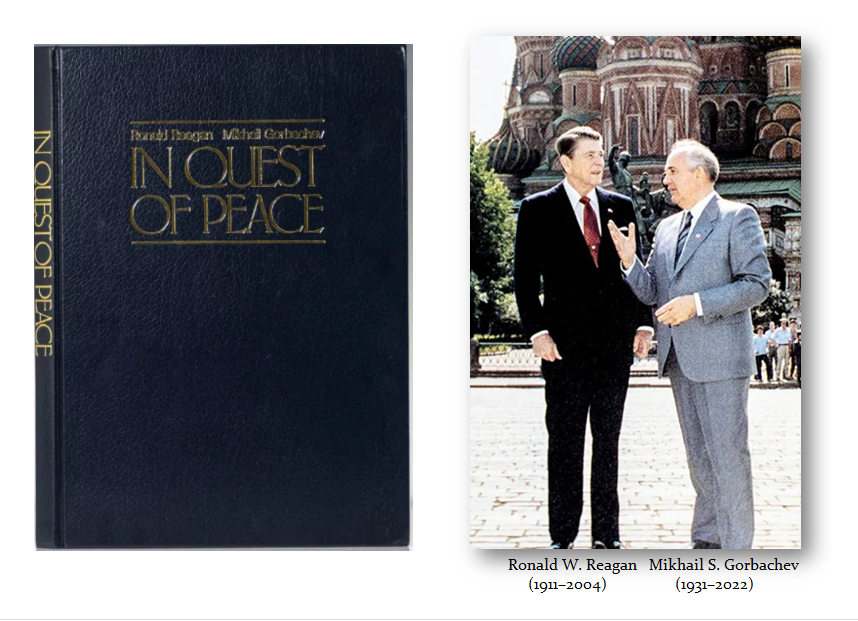
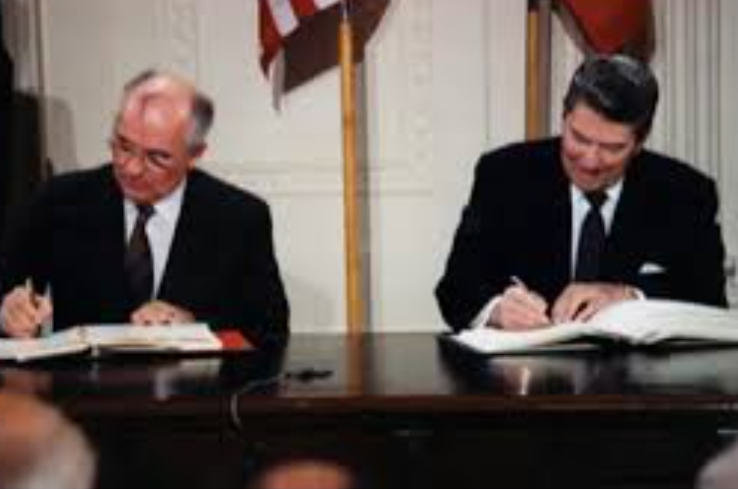
I have explained that I knew that the Neocons tried to prevent President Reagan from meeting with Gorbachev. They could not call him a communist, so they just said you can never trust a Russian. In their world, all they want is death and destruction. They cheer that as glory – they win.
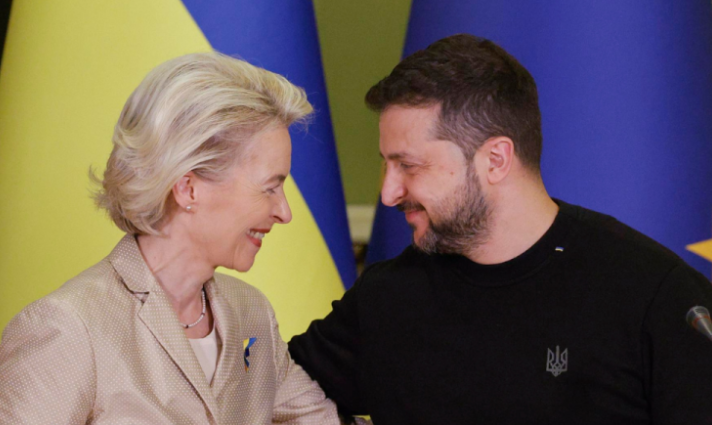
I try very hard to beat my own computer. I have never succeeded so far. I am pushing to remove Zelensky. That MUST be the first step toward peace. I fear that NATO and the EU, with the UK, will make for a false flag operation. Economically, they are screwed, and to take any proposal from me to solve this crisis results in them losing their dream of absolute power. They designed the EU to ensure there was no democratic process in which unelected officials cannot be voted out of office.
The anti-democratic and Marxist agenda of the EU is collapsing just as Communism collapsed all by itself. This is why they need war, and I fear that the best we can do is postpone it until 2026. Zelensky can be removed, but not Ursula, who has NEVER been elected to anything. Zelensky is wiring out money every month, and that is why he tried to shut down the anti-corruption unit to cover his war crimes. He knows his days are numbered, and he cannot live in Ukraine; he will be assassinated after he no longer has US and UK bodyguards.
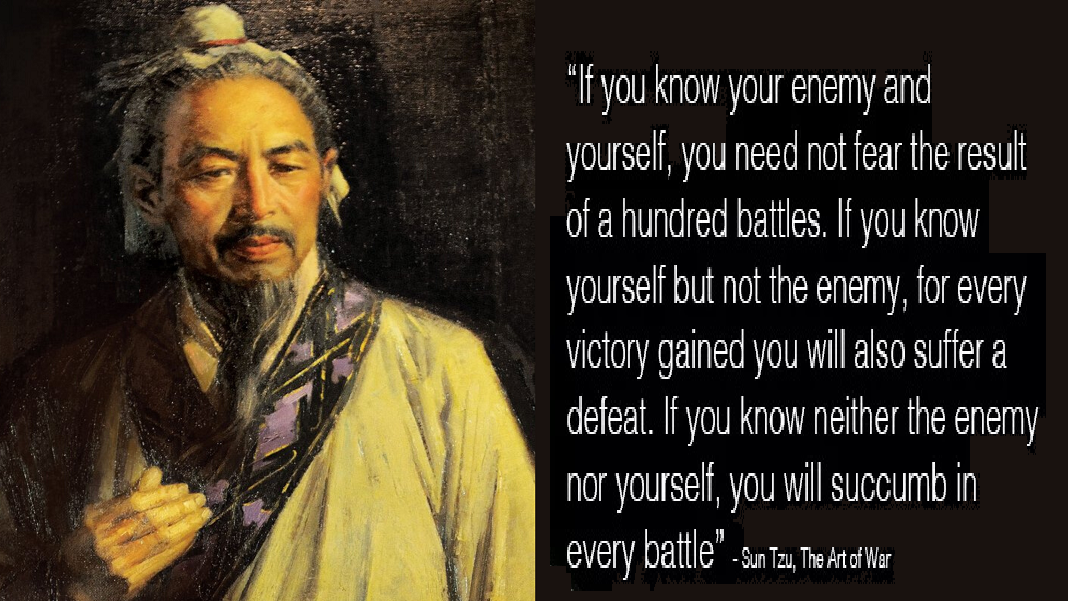
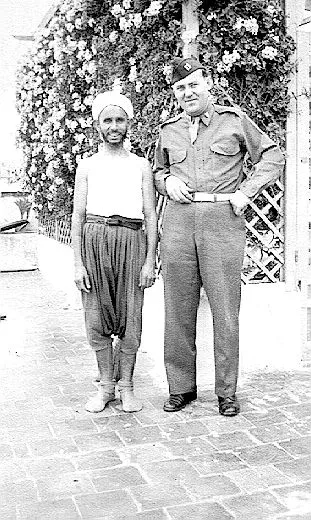
My father taught me well. He handed me Aristotle to read when I was probably 12 or 13. He said if he was good enough to teach Alexander the Great, he was good enough for me. The most valuable lesson my father taught, as he fought with General Patton from North Africa to Berlin, is NEVER judge your enemy by what you think. He will ALWAYS respond according to what he thinks. If you do not understand your enemy, you cannot defeat him.
It is crucial to speak to all sides. If you do not, you will never survive. Marcus Vetter, who shot the Forecaster movie of me, met some of the terrorists while filming the Heart of Jenin movie. He told me the same thing. These people will send some gullible kid to blow themselves up, but would never do that themselves.
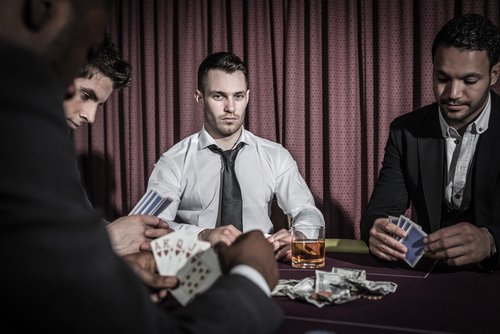
Geopolitics = a Poker Game
Would you dare play a hand of poker and never even attempt to see how your opponent plays? If that is your strategy, you will lose. This is what the Neocons preach – never speak to the enemy. Their reasoning is straightforward. They are the aggressor, and they never want peace. But, like the terrorists Marcus encountered, they send other people’s children to die and would never themselves go into battle. I see no difference between them and some terrorist leader – both cowards.
It is the entire WORLD we must understand – not just domestic rhetoric.
I CANNOT ACCEPT ANY FORMAL POSITION IN ANY GOVERNMENT I WILL LOSE MY INDEPENDENCE, WHICH IS THE KEY
Posted originally on Aug 17, 2025 by Martin Armstrong |
QUESTION: I am a history buff myself. I have never heard that Russia came to the aid of the United States during the Civil War to protect us from the British and the French. What is your source for such a statement?
FC
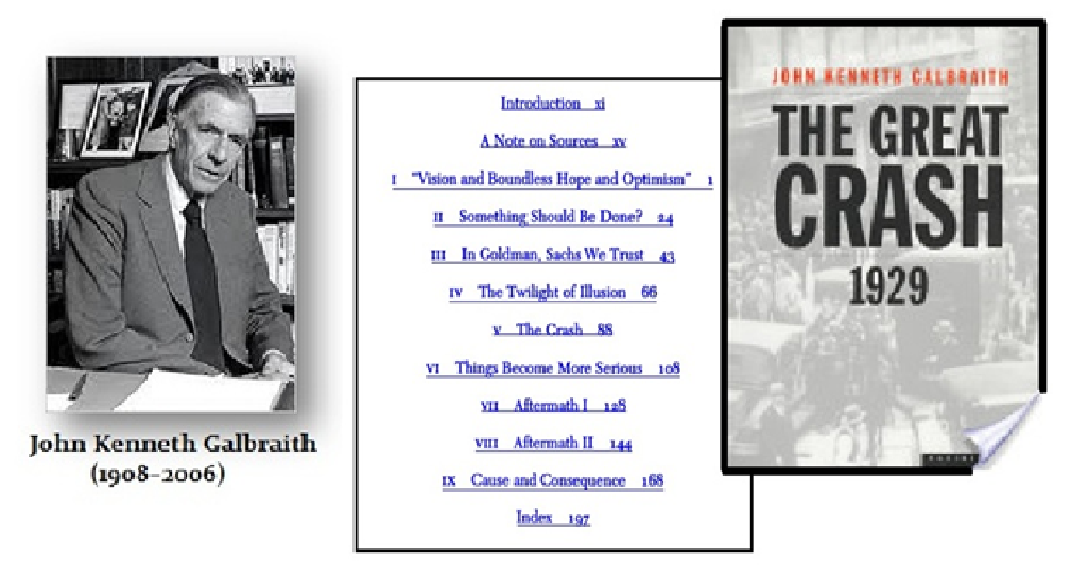
ANSWER: I learned in high school that they do not teach what goes against their agenda. I had to read The Great Crash by Galbraith, which omitted the fact that Europe defaulted on its debt in 1931, including Britain, the Commonwealth, and that included Canada. Galbraith was a socialist who blamed corporations for omitting the actions of the government.
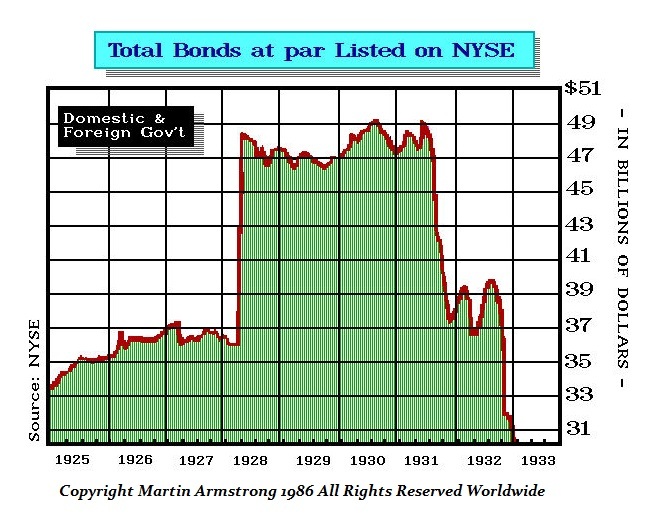
Foreign bonds were sold in small denominations to mom-and-pop investors and were listed on the NYSE. This is a chart of the bond collapse in 1931, just on the NYSE. This was no small minor omission. The stock market tanks the risk. But wipe out the bond market, and that is what causes the depression rather than a recession. It was estimated that the average American investor held as much as $10 billion dollars in foreign bonds in 1929. In today’s dollars, that was close to $200 billion. This is what really wiped out 9,000 banks, and the average person who did not lose on the stock market lost on bonds.
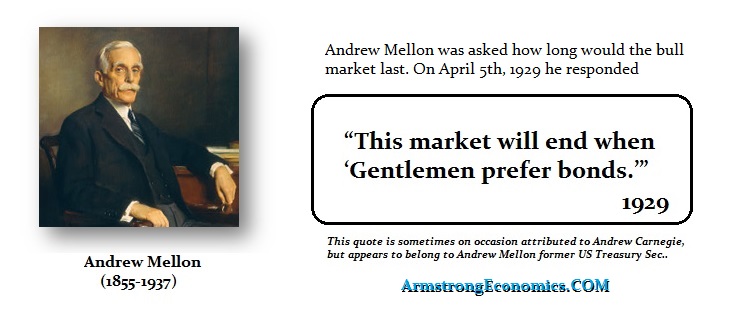
During the Great Depression, losses in foreign bonds and stocks were both catastrophic, but they differed in timing, scale, and recovery. Sovereign bond defaults were triggered by trade collapse, currency crises, and the global credit freeze. Of course, there was Andrew Mellon’s famous quote about bonds, which they turned into blonds for the movies.
The scale of losses on sovereign bonds was staggering – we’re talking 70% average losses on sovereign bonds – not corporate. When a corporation goes bankrupt, assets are sold and creditors are repaid. When a government defaults, you get nothing. Germany and Latin America were disasters. The UK/Canada eventually honored their debts but defaulted in gold.
Canada did not technically default legally on its sovereign debt on October 19th, 1931. Still, it did suspend gold payments on its external debt obligations following the UK’s abandonment of the gold standard on September 21, 1931, due to the Great Depression. Now, here is the kicker. After a long period of negotiation and economic adjustment, Canada finally resumed payments on its external debts. However, they really defaulted. On May 1, 1933, Canada resumed service on its external debts, but in Canadian dollars rather than in gold or foreign currency. They followed Roosevelt’s lead. In March 1933, that is when the banking crisis peaked. Roosevelt declared the bank holiday on March 6th. Then, on April 5, 1933, with Executive Order 6102.That is when he confiscated private gold, and on April 20th, 1933, he formally suspended the gold standard. Canada saw that and did the same, defaulting on the promise to repay in gold and swapped it to the Canadian dollar only.
I stumbled upon Herbert Hoover’s Memoirs in an antique book store in London. It opened my eyes to the fact that they selectively teach propaganda. They were teaching Socialism and Keynesian Economics, the business cycle was not definitive, so the government can manipulate us as they desire. After that experience, my study has never even been TRUST BUT VERIFY; it was converted to QUESTION EVERYTHING AND THEN VERIFY.
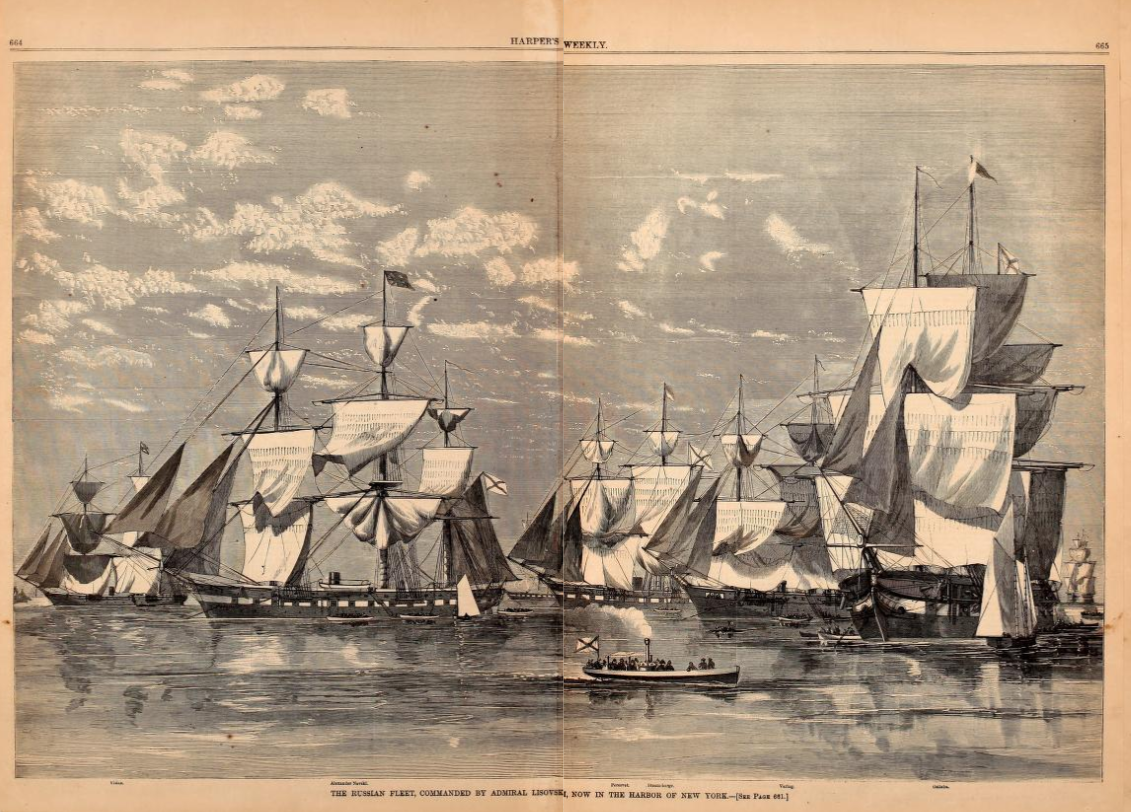
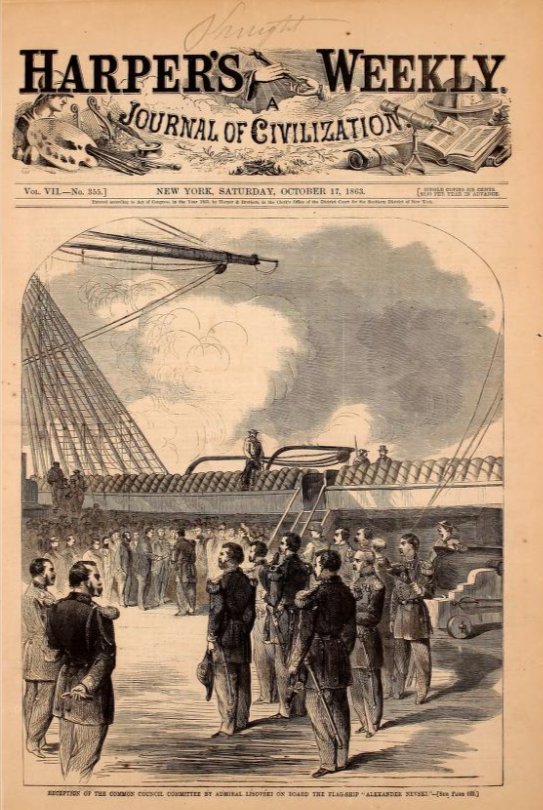
This is the issue of Harper’s Weekly from October 17th, 1863. I have verified this account that Russia protected the Union forces of the United States against the British and French, who claimed to be neutral, but covertly were supporting the Confederates.
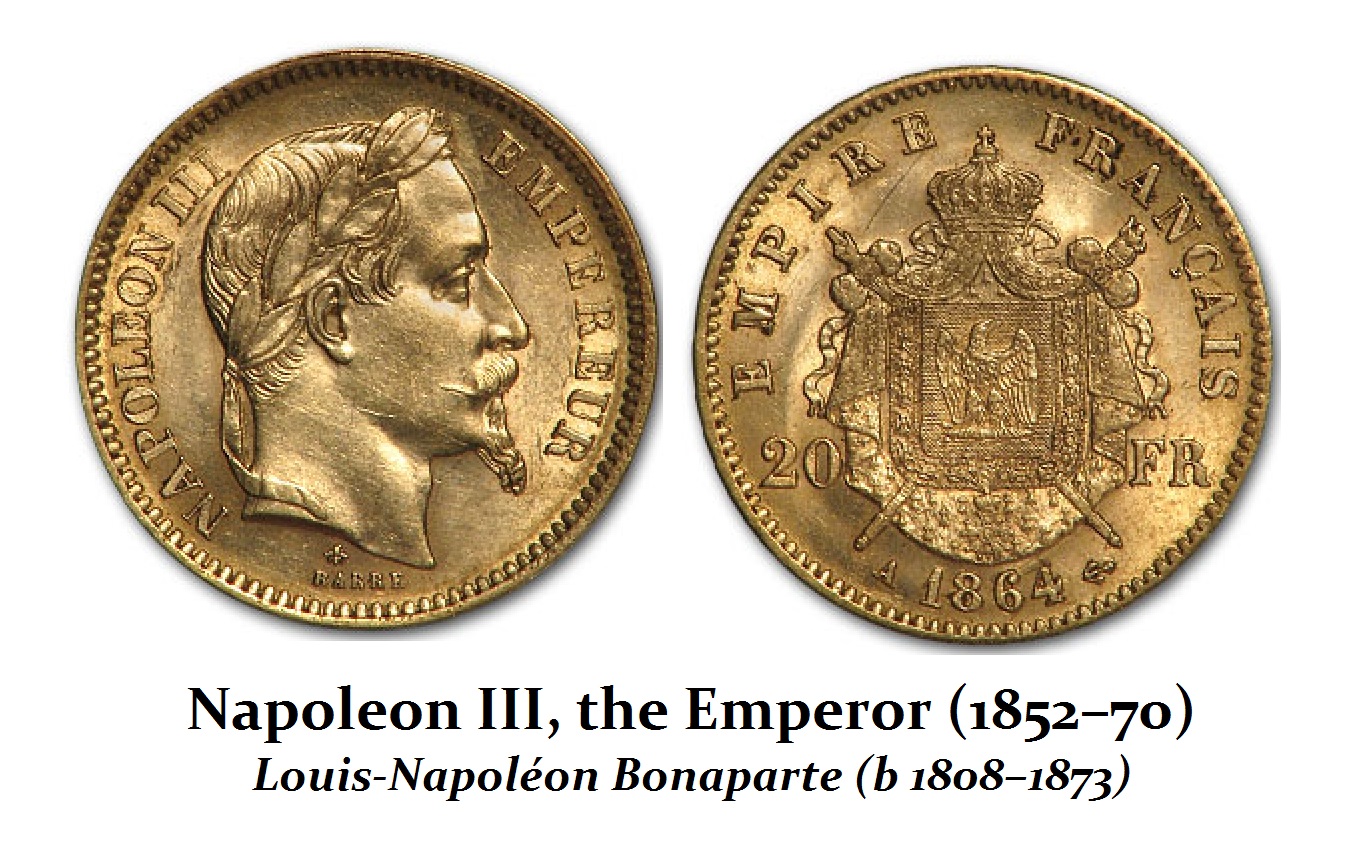
Emperor personally favored the Confederacy, hoping to secure Southern cotton for French textile mills and establish a French-aligned buffer state to protect his imperial ambitions in Mexico. France refused to recognize the Confederacy without British cooperation, which never materialized. Napoleon III did propose a joint mediation with Britain and Russia in 1862, including a six-month armistice and opening Southern ports. The Union angrily rejected this, viewing it as pro-Confederate interference by the French.
Like the EU pretending not to be involved in the Ukraine war, France was allowing the Confederacy to purchase weapons and warships. The French ministers did object to Napoleon III and went as far as the French government initially blocked the ironclad CSS Stonewall. By the time it made it to America, the war was over. Napoleon’s Mexican campaign (1861–1867) was aimed at exploiting the U.S. division by installing Maximilian I as emperor. Confederate independence would have shielded this venture from Union retaliation.
Britain declared neutrality in May 1861. It did recognize the Confederacy as a separate belligerent, granting it the right to contract loans and use blockades, but did not recognize it as a sovereign nation. This angered the Union. Aristocrats and conservative elites such as Chancellor William Gladstone did sympathize with the Confederacy, seeing parallels with Southern plantation society and even old scores for the American Revolution.
Working-class Britons, particularly in textile regions, largely opposed slavery despite economic hardship from the “cotton famine.” Lincoln praised Lancashire workers for refusing Confederate cotton, which was on religious grounds.
British private firms smuggled arms, luxuries, and supplies into Southern ports in exchange for cotton and tobacco. Then there was the warship construction carried out in the British shipyards. They constructed the CSS Alabama, leading to the post-war Alabama Claims, where Britain paid the US $15.5 million for damages for that action.
Then there was the Trent Affair of 1861. That was a near-war crisis that erupted when the U.S. Navy seized Confederate diplomats from a British ship. Britain demanded their release, and Lincoln complied to avoid war.
By 1863, France and Britain found alternative cotton sources (e.g., India, Egypt). However, the Union threatened war if Europe recognized the Confederacy. That even put Canada and the Caribbean colonies all at risk. Lincoln’s Emancipation Proclamation (1863) solidified moral opposition to the Confederacy. That followed Tsar Alexander II, who freed the Russian serfs through the Emancipation Manifesto, signed on March 3, 1861, and was publicly announced on March 5, 1861. President Abraham Lincoln issued the Emancipation Proclamation on January 1, 1863, declaring, “that all persons held as slaves” within the rebellious areas “are, and henceforward shall be free.” The fact that Russia took that action first was what led to pressure on Lincoln for the Emancipation Proclamation, as well as the start of the war, which took place about one month later on April 12, 1861.
Post-War Repercussions were profound. The U.S. forced France to withdraw from Mexico (1867), leading to Maximilian’s execution. Britain paid reparations for warship damage.
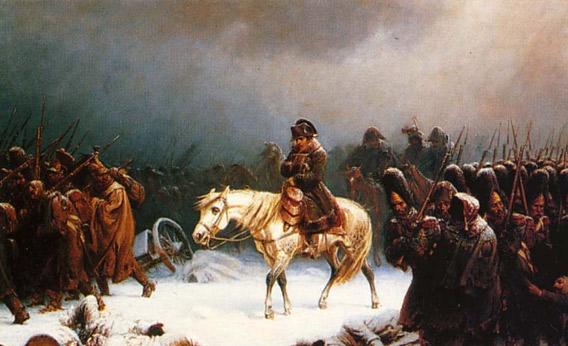
Our enemies were really Britain and France during the early 19th century. Of course, there were the Napoleonic Wars, and Napoleon even attempted to invade Russia. Clearly, France and Russia were direct enemies (e.g., Napoleon’s disastrous invasion of Russia in 1812). Then you had the never-ending Britain vs. France, who to this day still harbor resentment for being each other’s primary enemy throughout the wars.
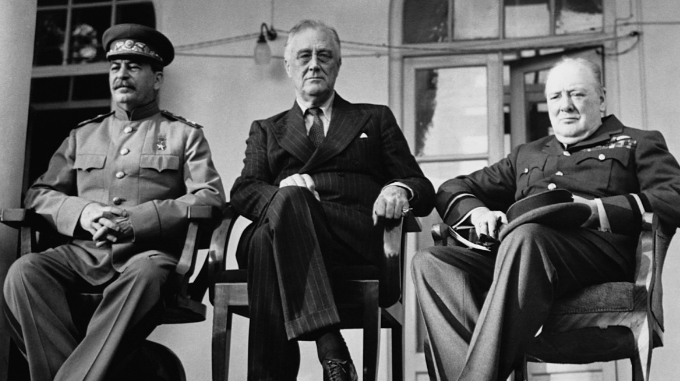
Britain & Russia were allies against Napoleonic France as part of the coalitions. That was no different from Stalin joining the Allies against Germany.
Nonetheless, the Post-Napoleonic Era & The Holy Alliance (Post-1815) saw Russia’s role under Tsar Alexander I, became the dominant conservative power in Europe, leading the Holy Alliance (with Austria and Prussia) to suppress liberal revolutions. Britain’s stance under Castlereagh and later Canning distanced itself from the Holy Alliance’s interventionist policies. While not directly fighting Russia, Britain often diplomatically opposed Russia’s attempts to dominate European politics and suppress revolutions, seeing it as a threat to the balance of power and British interests. It was a quasi-proxy war again.
Then there was the Eastern Question & The Crimean War (1853-1856). That core conflict remains the most significant example of direct Anglo-French opposition to Russia. What is often overlooked is that although the “official” position of the US in the Crimean War was neutral, the United States supported Russia during the 1863 Crimean War, allowing some 30 American surgeons to “volunteer” to serve in the Russian military. Russia lost that war to the alliance of Britain, France, and the Ottoman Empire. Then Russia faced yet another challenge a few years later. In 1863, there was an uprising in the regions of the former Polish-Lithuanian Commonwealth under Russian domination. That became a guerrilla war against Russia, and they responded by crushing the rebellion and even punishing the nobility by confiscating their lands. The immediate outcome of the 1863 was a devastating military defeat, followed by ruthless repression, the complete elimination of any vestige of autonomy, and the onset of an intense and systematic decades-long campaign of hating Russians thereafter. This was no doubt a residual from the century before, when Sweden made its most significant attempt to invade Russia during the Great Northern War (1700-1721), specifically in the years 1707-1709.
The Polish-Lithuanian Commonwealth was a major theater of war for much of the conflict. Swedish King Charles XII invaded and spent years campaigning there. Charles XII forced the Polish nobility to depose their elected king, Augustus II (Elector of Saxony), and install a Swedish puppet, Stanisław Leszczyński (1704). Russia responded, seeking to expand its influence at the expense of the declining Ottoman Empire, particularly aiming for control over the Black Sea straits and protection of Orthodox Christians in Ottoman territories who were being persecuted.
Anglo-French formed a stiff opposition to Russia for its wealth. Britain feared Russian expansion would threaten its Mediterranean routes (especially to India) and the European balance of power. France, under Napoleon III, sought to revive French prestige, protect Catholic interests in the Ottoman Empire (countering Russia’s Orthodox claims), and challenge Russian power. Thus, Britain and France formed a military alliance with the Ottoman Empire and fought a major war against Russia in the Crimea. The war ended with a Russian defeat.
All of this produced a prolonged strategic rivalry and espionage contest centered on Central Asia and South Asia (Afghanistan, Persia, Tibet). Britain was obsessed with protecting its “jewel in the crown,” India, from any perceived Russian threat of invasion or influence. While it rarely resulted in direct war between the two empires, it involved intense diplomatic maneuvering, proxy conflicts, and military expeditions. France was not a major player in this specific rivalry.
The Franco-Russian rapprochement came after Germany’s defeat of France in 1871 and the subsequent formation of the Triple Alliance (Germany, Austria-Hungary, Italy). France at that time actively sought an ally against the German threat. This led to the Franco-Russian Alliance (1894), a fundamental shift aligning France and Russia against the German-led bloc. As you can see, this was like a bunch of cross-dressers switching sides.
Anglo-Russian tensions continued, keeping Anglo-Russian relations in opposition. However, facing the rising power of Germany, Britain also began to realize that the wealth of Russia might be set aside, given the increasing threat from Germany. This eventually led to the Anglo-Russian Entente (1907), settling colonial disputes in Central Asia and aligning Britain with France and Russia in the Triple Entente against the Triple Alliance.
Consequently, Britain and France were absolutely opposed to Russia at many key points and only tolerated the Russians when they needed help against Germany. Britain maintained a deep strategic rivalry with Russia throughout the century due to concerns over India and Asia. Meanwhile, Britain often diplomatically opposed Russia’s conservative dominance in Europe early in the century. The balance of power shifted dramatically in the last decade of the 19th century. The rise of Germany drove former rivals France and Russia into a formal alliance (1894), and Britain later joined them in the Triple Entente (1907), setting the stage for World War I.
As you can see, there were periods of cooperation early against Napoleon between Britain and Russia. Still, a complete reversal of alliances unfolded when the glimmer of Russia’s wealth caught their eye, and they did not need their support.
By 1917, Germany faced a two-front war against the Allies. They decided that if they could orchestrate a Russian withdrawal, it would allow Germany to concentrate forces on the Western Front. German officials viewed Lenin as a “plague bacillus” to infect Russia from within, aiming to trigger internal collapse and end Russia’s war participation. The idea was hatched by the German Foreign Secretary Richard von Kühlmann and General Erich Ludendorff. Alexander Parvus (a Russian-German businessman and former socialist) proposed the scheme to the German Foreign Office, drafting a 23-page revolutionary roadmap and securing initial funding of 2 million marks for Bolshevik propaganda.
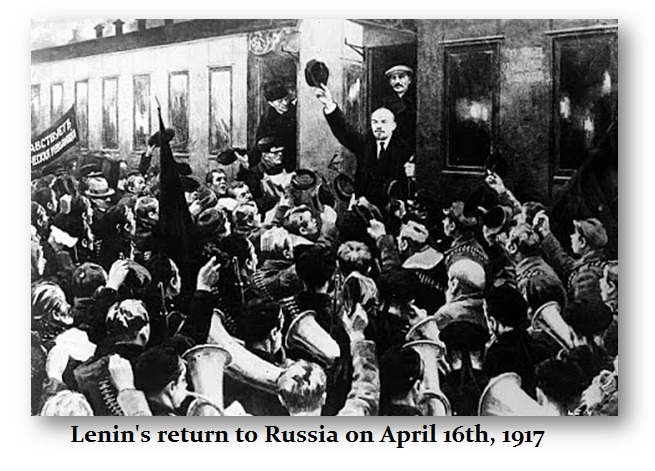
On April 9th, 1917, Lenin and 31 revolutionaries departed Zurich on a German-chartered train. The group crossed Germany in a “sealed” carriage with extraterritorial status (marked by chalk lines), avoiding passport checks. Non-Bolsheviks were included to pretend there was no intentional German collaboration or plot to create the Russian Revolution. The German High Command prioritized the train, even delaying Crown Prince Wilhelm’s transport. Officers escorted the group to the Baltic Sea, from where they proceeded via Sweden and Finland. The trip concluded at Petrograd’s Finland Station on April 16th, 1917.
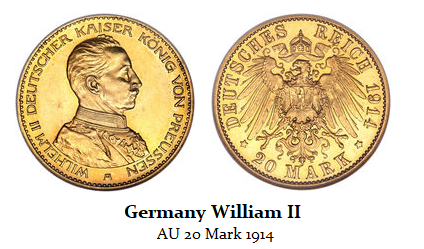
Germany funneled over 50 million marks to the Bolsheviks from 1917 to 1918 to fund the revolution (2.5 million 20-mark gold coins at 1/4 ounce of gold; about $2.125 billion today). This financed Pravda (Bolshevik newspaper), arms smuggling, and propaganda to undermine the Russian Provisional Government. Acting as a middleman, Parvus facilitated German funds and border logistics (e.g., bribing Finnish guards). Lenin, distrusting Parvus, later excluded him from Soviet politics. In the end, it was Germany that funded the Russian Communist Revolution to keep them out of the war.
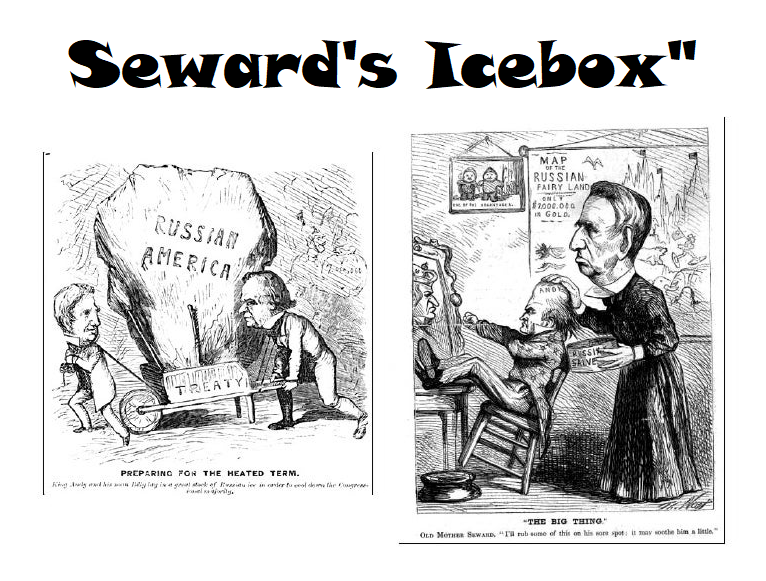
The United States purchased Alaska from Russia in 1867. The treaty was signed on March 30th, 1867. It was officially transferred on October 18th, 1867, for $7.2 million (about 2 cents per acre). Russia was struggling to maintain its distant colony after the costly Crimean War (1853–1856). There was also the fear that the British would just seize the territory, adding it to Canada. Selling to the U.S. was preferable.
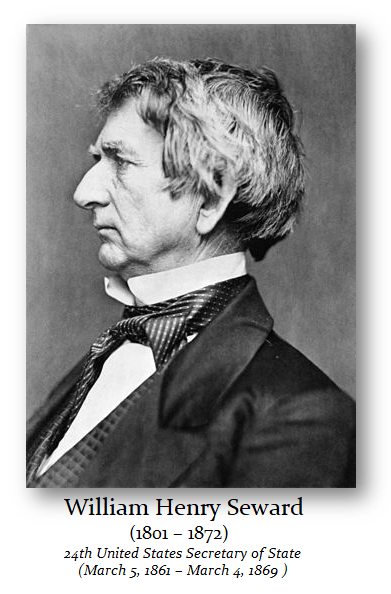
At the time, their main commerce was the fur trade, which had declined, and Russia saw little potential for future development. Secretary of State William H. Seward believed in Manifest Destiny, meaning that the U.S. must expand its territory across North America to counter the British. Securing the Pacific Northwest and gaining a foothold near Asia for trade/military influence was a key point that Seward maintained. He did suspect riches in fish, timber, fur, and minerals. Gold was eventually discovered, but not until the 1890s. The main strategy was to prevent British dominance in the region.
Steward was mocked. They called it “Seward’s Folly” or “Seward’s Icebox,” with critics calling Alaska a worthless frozen wasteland. That perception did not change until after gold was discovered in the 1890s, followed by oil discoveries proving it was of immense value compared to the Louisiana Purchase. Eventually, Alaska became a U.S. territory in 1912 and the 49th state in 1959. This was another act where the United States helped Russia in our warm relations against the European powers pre-1917.
While the US and Russia were actually strategic partners with significant cooperation and friendship (most notably during the American Civil War and the sale of Alaska), and became cobelligerents in WWI for a brief period in 1917after the Tsar was overthrown, they were never formal allies bound by a mutual defense treaty before the 1917 Revolutions. Their relationship was characterized by positive diplomacy, mutual interests at key junctures, and the absence of major conflict, but not a committed alliance. The deep ideological divide and differing geopolitical priorities prevented a formal alliance structure.
Our Neocons hate Russians as a people simply because the Germans funded the Revolution, and the Russian people have been the victims. Naturally, the polls in Russia show that only the elderly miss the Communist days when the state just took care of them and they did not have to make any decisions. Among the 60+ generation, approximately 58% of Russians regret the collapse of the Soviet Union, with many indicating a preference for the economic stability and social security associated with that period. The younger generations (18-24) are less likely to express a desire to return to communism, with polls coming in at most 20%. Our Neocons are generally 70+ in age. Like the older Russians, they too have refused to accept that anything has changed. This is the generation pushing us toward World War III simply because they hated communists, who no longer exist.
I have created this site to help people have fun in the kitchen. I write about enjoying life both in and out of my kitchen. Life is short! Make the most of it and enjoy!
This is a library of News Events not reported by the Main Stream Media documenting & connecting the dots on How the Obama Marxist Liberal agenda is destroying America


 Subscribe to alerts for each new postEmail *

 Centinel2012