Posted originally on Mar 12, 2026 by Martin Armstrong |
The latest CPI report for February 2026 came in largely as expected, and, on the surface, Washington will likely celebrate the numbers. Consumer prices rose 0.3% for the month and 2.4% year-over-year. Core CPI, excluding food and energy, rose 0.2% for the month and is running at 2.5% annually. By the standards of the past few years, this appears relatively calm.
If we step back and look at the trend, inflation has certainly cooled from earlier levels. Throughout much of 2025, CPI was closer to the 2.7%–3% range. By January 2026, it had eased to 2.4%, and February simply held that same pace. That slowdown is exactly what the Federal Reserve has been trying to achieve with higher interest rates.
Yet when you dig beneath the headline numbers, the story becomes far less convincing. The cost of living continues to rise in the areas that impact people the most. Shelter prices are still increasing at roughly a 3% annual pace. Medical care costs have risen about 3.4% over the past year. Household furnishings and equipment are climbing near 4%. Even personal care products are rising faster than overall inflation. None of these categories shows any meaningful sign of reversing.
Food prices also rose again in February, up roughly 0.4% for the month, while apparel prices jumped more than 1%. These are the everyday items people notice when they go shopping, which is why so many households still feel inflation is far worse than official statistics suggest.
The February CPI data largely reflects price conditions before the latest geopolitical tensions escalated in the Middle East. Oil prices have already started moving higher following the growing confrontation with Iran, and gasoline prices have begun rising again as we move into March. Energy has been one of the biggest drivers of secondary inflation waves. When oil rises, it raises transportation costs, manufacturing costs, and eventually the cost of food distribution. That ripple effect tends to show up in the inflation data months later. Then you have war, which propels inflation faster than any other event.
The Fed is now stuck in a difficult position. Inflation is still above its 2% target, but the economy is clearly slowing and the labor market is beginning to soften. If energy prices continue to climb into the summer, the Fed may once again find itself chasing inflation that is being driven not by monetary policy but by geopolitics. Inflation is never purely about interest rates. It is always tied to global events, supply chains, and confidence in government policy.
Posted originally on Mar 12, 2026 by Martin Armstrong |
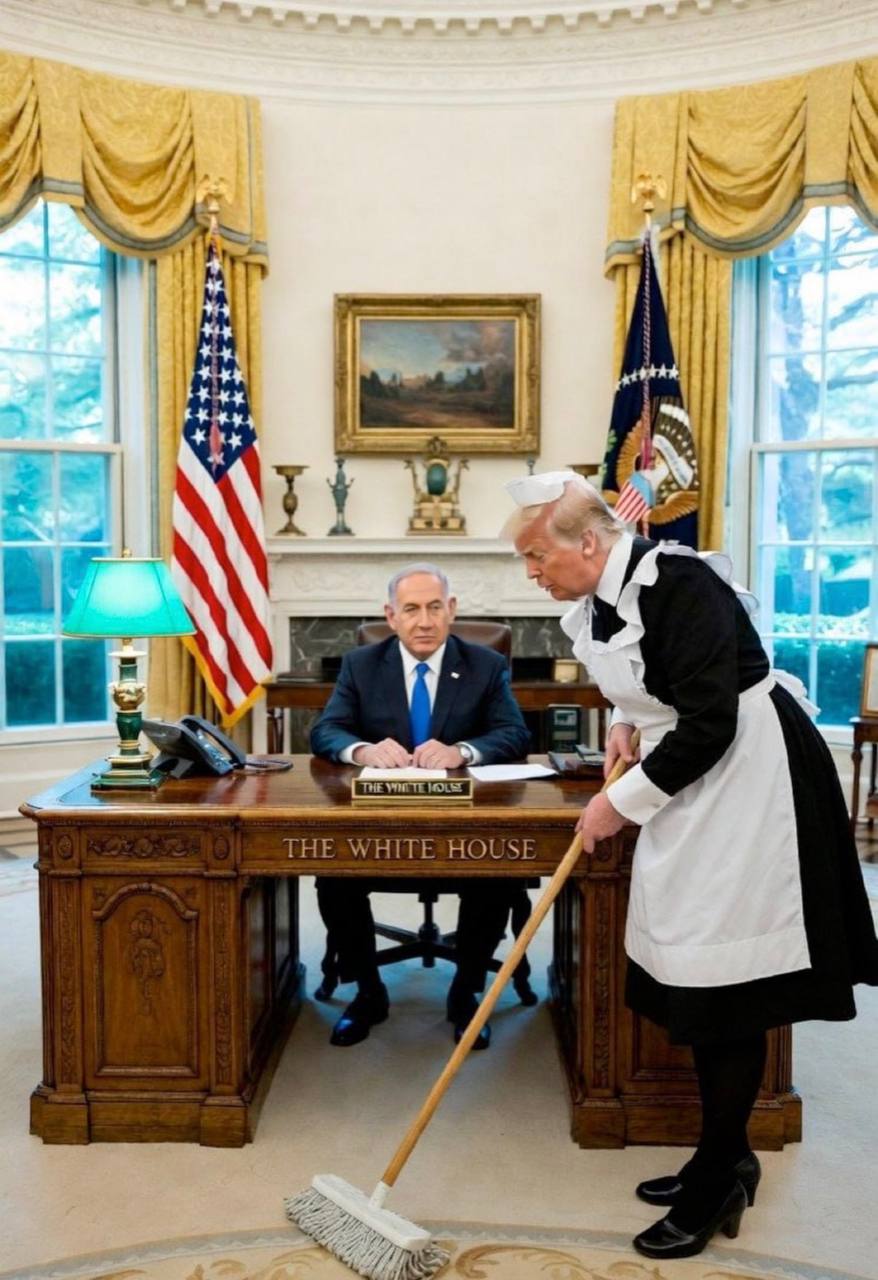
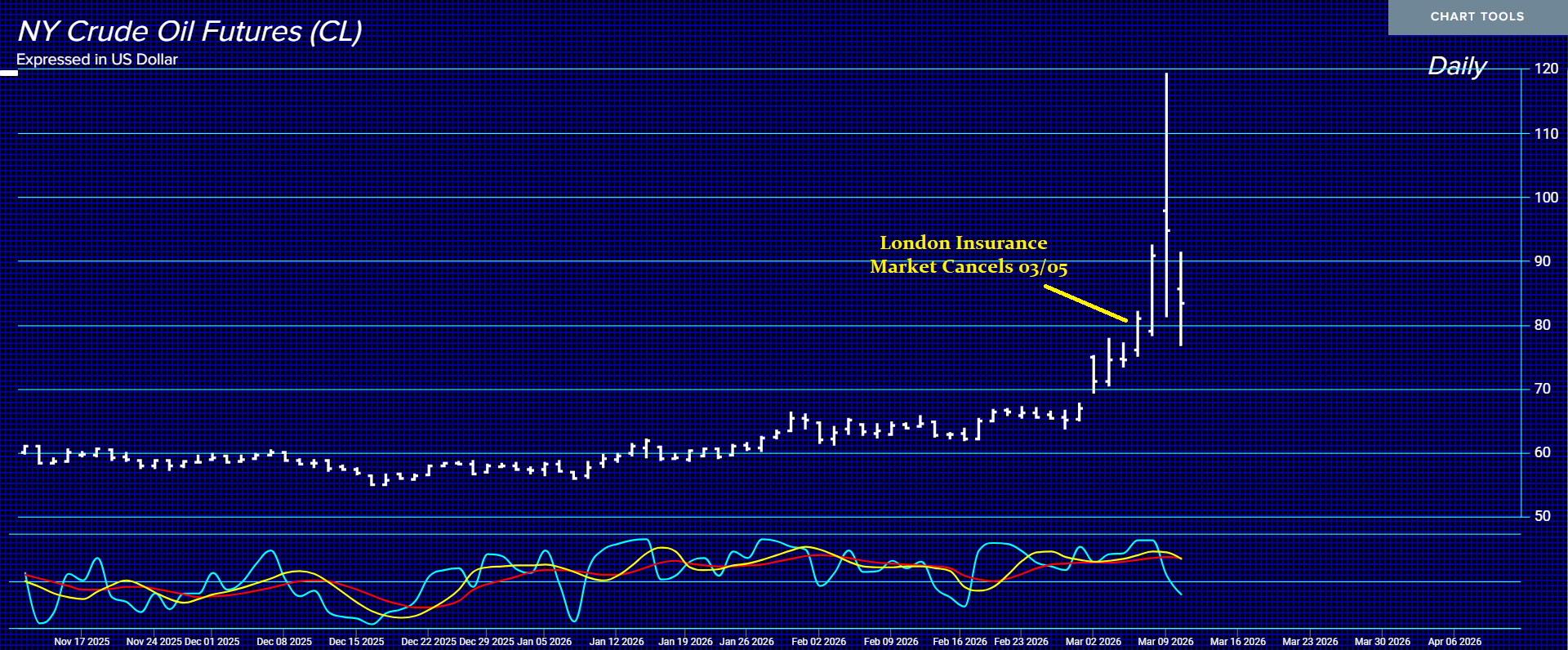
QUESTION: Do you think Trump has been subjugated by the Neocons and Israel? Socrates picked the low on the Feb 26 before the low, five days later Lloyds cancels the insurance to spike oil higher. It peaked precisely on March 9 as Socrates forecast and then the next day was a Panic Cycle when Crude crashes. Was this all orchestrated for the London houses to make a fortune again?
FG
ANSWER: It has been alleged that Trump is subservient to Netanyahu and that the Neocons were attempting to make a fortune on the oil market by instigating war with Iran. I do believe that Netanyahu will take the blame for this war that I fear may be unwinnable life Afghanistan because it also is religious. It has further been alleged that Lloyds of London killing the insurance on shipping to send oil prices to the Moon. The truth is that the International Group of P&I Clubs and its members (like Gard, Skuld, and NorthStandard) are NOT part of Lloyd’s of London. They are two entirely separate and distinct institutions in the London insurance market, though they have a close and long-standing working relationship.
The 26th was the low and crude began yielding buy signals two days in advance. Yes, Socrates picked the high and the crash with the Panic Cycle on the 10th. The computer clearly picked up in advance that the capital was flowing in anticipation of war in the Middle East. There was a Direction Change on the 25th, the day before the spike low ahead of the attack on the 28th.
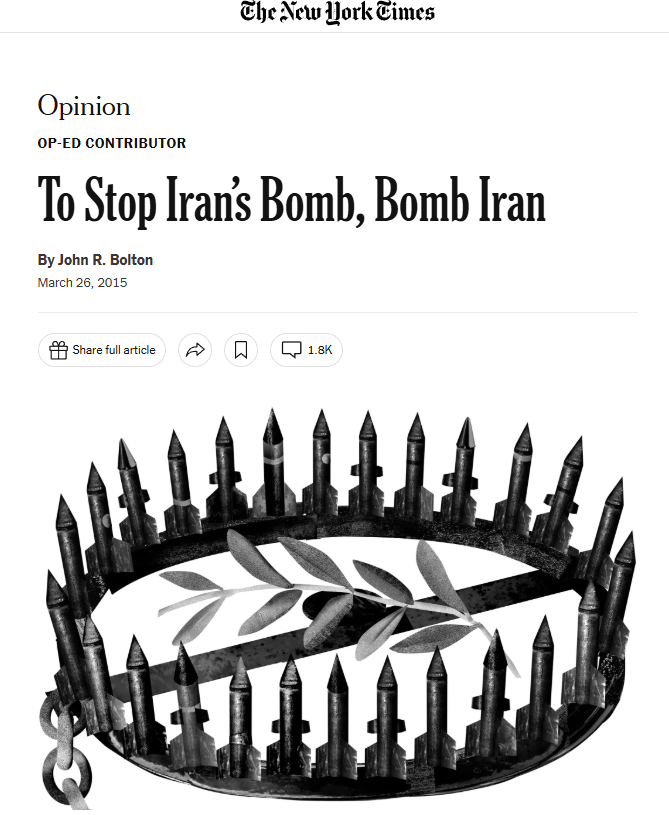
The Neocons in the USA are not rejoicing for Trump suddenly becoming a warmonger. Killing the Ayatollah has been on Netanyahu’s wish list for probably longer than Trump has every thought of becoming President. This no doubt Netanyahu’s war but that does not make it antiemetic. As I said, Netanyahu went to school in Philadelphia and hung out with the Kristols when in fact Irving Kristol is the godfather of the Neocons. This is an op-ed from John Bolton in the NY Times from 2015 Before Trump was president and it advocated bombing Iran.
That said, Bolton and other Neocons are not so happy because Trump is not actually listening to them and he is not using their playbook. There is another twist here and that is the businessman coming into this theatre.
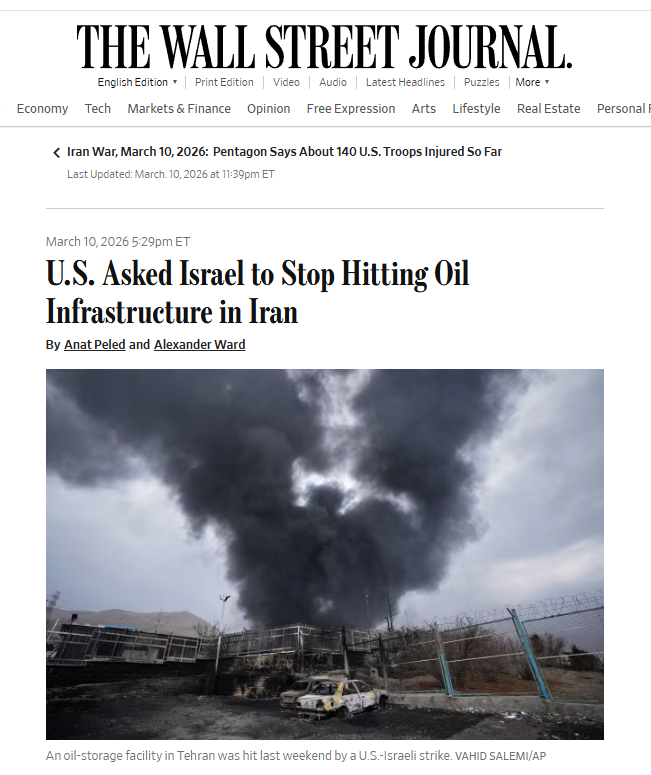
Trump has told Netanyahu to stop targeting Iran’s oil infrastructure. Why? Trump is planning ahead despite what Bolton is saying. Trump knows with the hote of a regime change, he wants Iran to be able to enter the world economy and supply oil. That will be an economic incentive to replace the government. But more than just that, China gets about 80% of Iran’s oil. Taking out that capacity may invite China into the mix for their national security perspective.
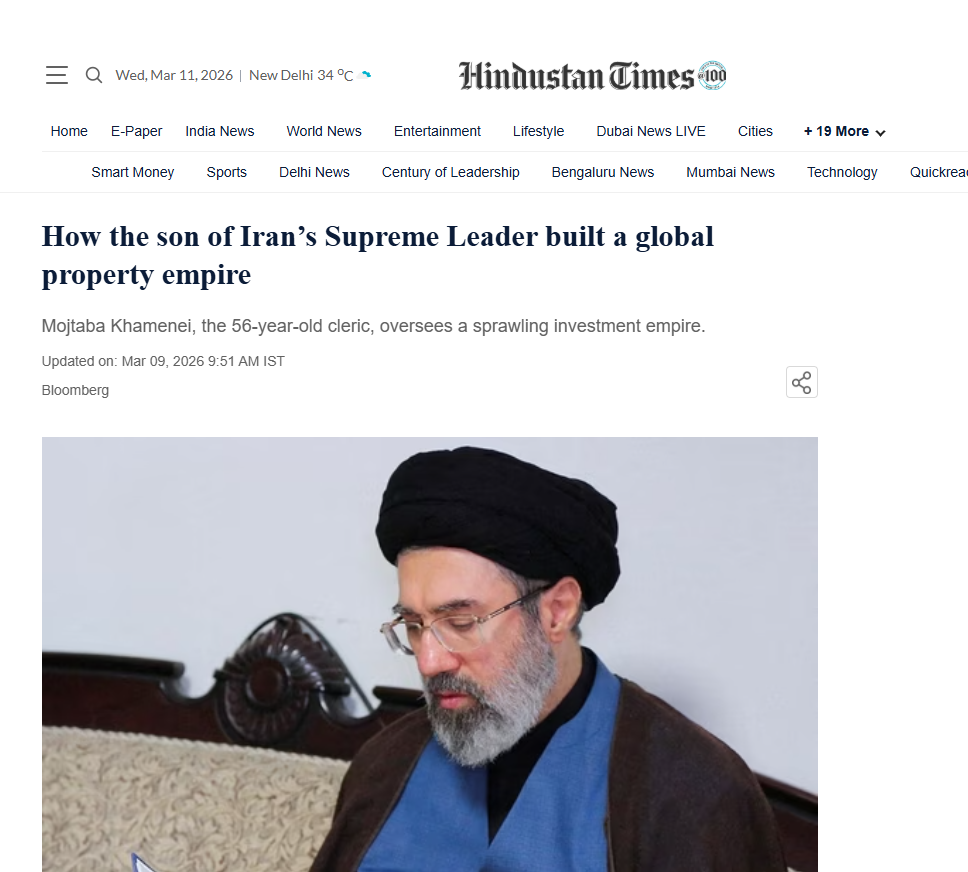
It has been reported that the ne Ayatollah has been the man behind a major property investor including house on Billionaire’s Row in London. He seems to have tried to hide his name directly but this goes back at least as far as 2011. The ties to London among the Islamic organizations have been there for decades.
Indeed, Trump keeps shifting his argument for why the war is happening, and how long it will last. Meanwhile, he understands that this can become a proxy war against the United States a drain our military assets rapidly. He is forced to into lifting sanctions on Russian oil and has said that he is defending the Strait of Horuz for everyone, including China, which is the largest oil importer and it takes about 80% of China’s oil.
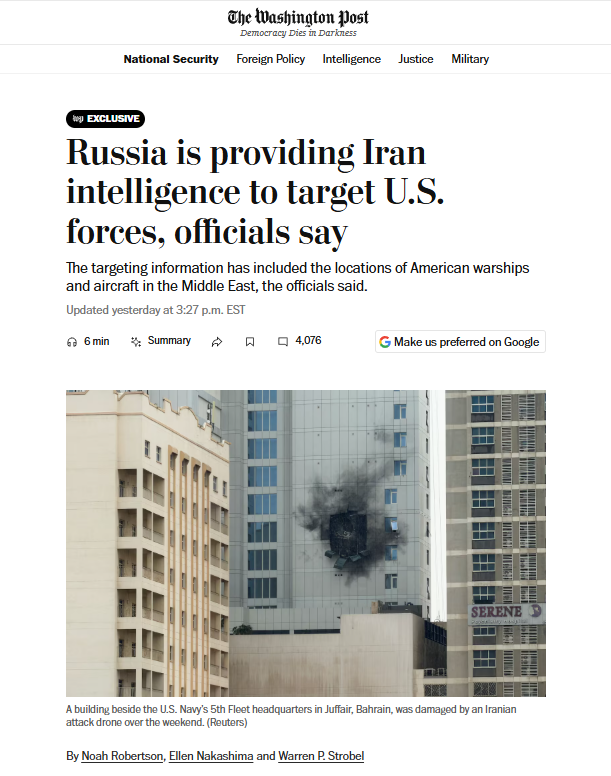
The greatest danger here is not just that Iran causes a Middle East War with sleeper cells and proxies, but that Russia is also ready providing tactical info to Iran as the USA has been doing with Ukraine, and on to of that, destroying the Iranian infrastructure clearly runs the risk of bringing in China and even Pakistan.
Posted Posted originally on CTH on Mar 11, 2026 by Martin Armstrong |
Canada’s housing market has become one of the most expensive in the developed world, and the affordability crisis continues to worsen despite rising interest rates. Mortgage payments as a share of household income are now near record levels, leaving many first-time buyers completely priced out of the market while existing homeowners face significantly higher borrowing costs as loans reset.
For more than a decade, ultra-low interest rates fueled an enormous expansion in mortgage credit. Cheap money encouraged speculative investment in real estate while governments simultaneously restricted new housing supply through zoning, regulatory hurdles, and lengthy permitting processes. Prices rose far faster than wages, creating the illusion of prosperity as homeowners watched property values climb year after year.
The structural problem is that when housing becomes the primary engine of economic growth, the entire system becomes dependent on constantly rising property prices. Once interest rates increase or credit conditions tighten, the pressure begins to build across the entire market. Canada is now experiencing that transition as higher borrowing costs collide with historically elevated housing prices.
Recent data show that housing affordability remains near the worst levels ever recorded in Canada. In many major cities such as Toronto and Vancouver, mortgage payments on a typical home now consume well over half of the median household income. Younger generations increasingly find themselves locked out of home ownership entirely, while investors who purchased multiple properties during the boom are facing rising financing costs.
Real estate cycles have always been driven by credit expansion and confidence. When interest rates were artificially suppressed, housing markets could expand indefinitely. But once borrowing costs normalize, the imbalances created during the easy money era begin to surface. Canada’s housing market now stands as one of the clearest examples of how prolonged monetary stimulus can inflate asset prices far beyond what the underlying economy can sustainably support.
I will be speaking live in Vancouver at the end of the month at the 2026 World Outlook Conference. Naturally, issues surrounding the Canadian economy, such as housing, will be at the focal point.
Posted Mar Posted originally on CTH on 11, 2026 by Martin Armstrong |
Congress is once again advancing legislation under the banner of protecting children online, and whenever government begins framing policy in moral language, it usually means something far more intrusive is being constructed beneath the surface. The latest push on the Kids Online Safety Actcenters on mandatory age-verification systems that would require online platforms to verify users’ age before allowing access to content.
If companies are required to confirm a user’s age, they must collect identifying information. That means uploading government IDs, facial scans, biometric verification, or some form of identity credential simply to access websites or social media platforms. The open internet that once allowed individuals to communicate anonymously has suddenly become an identification checkpoint.
Privacy organizations and digital rights advocates have already warned that these requirements pressure websites to collect enormous amounts of sensitive personal information just to allow ordinary speech online. Once these databases exist, they become irresistible targets for hackers, governments, and corporate data collection. The same institutions that routinely suffer massive data breaches now want citizens to upload even more sensitive identification simply to read information or participate in discussions.
Even regulators themselves are quietly acknowledging the contradiction. Officials have admitted that these verification systems require collecting personal data in ways that could conflict with existing privacy protections for children. Yet the legislation continues moving forward because the political incentives are obvious. No politician wants to be seen opposing a bill marketed as protecting children.
This is exactly how surveillance infrastructure has historically developed. It never begins with governments announcing they want to monitor citizens. Instead, it begins with policies designed to address social problems. Once the identification systems are built, the infrastructure remains permanent. What starts as age verification inevitably becomes identity verification for broader purposes.
The implications for speech are enormous. Anonymous communication has been part of political culture for centuries. The Federalist Papers themselves were written under pseudonyms. The internet extended that tradition globally by allowing individuals to exchange ideas without fear of retaliation from governments, employers, or political movements. Age-verification mandates fundamentally change that structure by requiring users to link identity credentials to online participation.
Governments have repeatedly demonstrated they cannot secure large databases. Massive data breaches occur every year across both public agencies and private corporations. Expanding identity verification requirements only increases the amount of sensitive information circulating across already-vulnerable systems.
Once platforms are required to verify identity or age, that framework can easily be expanded to regulate speech, political content, financial activity, or access to information. The infrastructure becomes permanent even if the original justification fades away. The internet began as an open communications network where individuals could exchange information freely across borders. Requiring identification to access information transforms that environment into a monitored space where participation depends on presenting credentials.
Posted Posted originally on CTH on Mar 11, 2026 by Martin Armstrong |
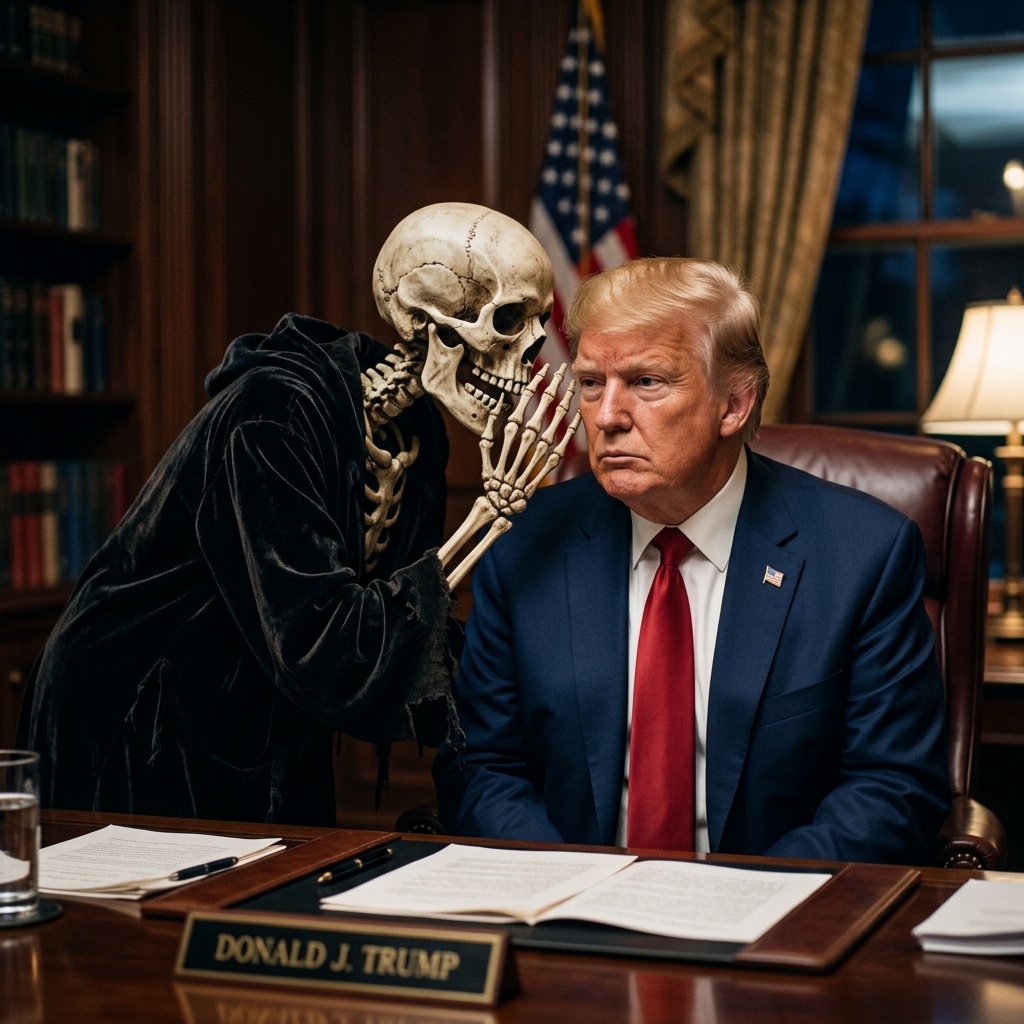
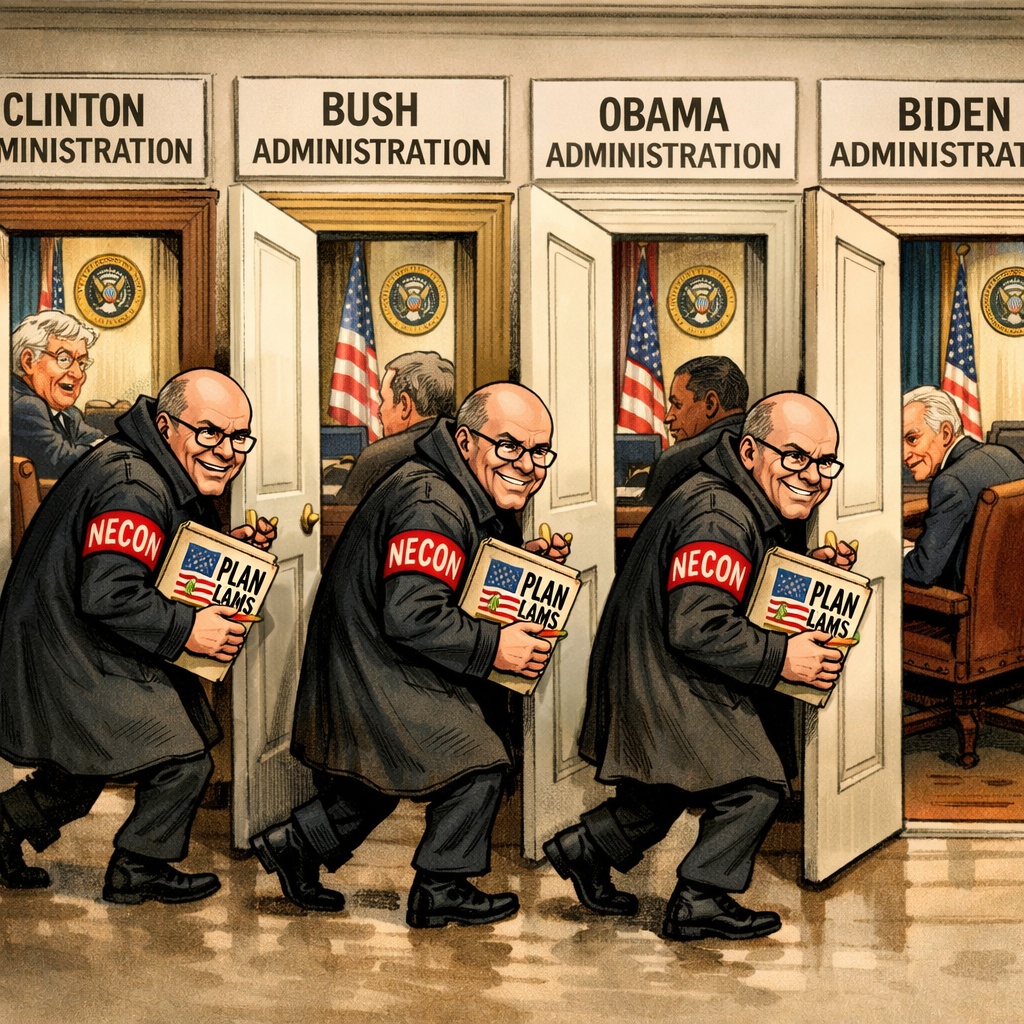
The Neocons have completely engulfed the world in their thirst for endless wars to become the sole rulers of the world. Their agenda is the same as Joseph Stalin’s – to eliminate all possible opposition to secure their power. US President Donald Trump thinks the war against Iran “is very complete” on the advice of these traitors and that Washington was “very far ahead” of their initial four to five-week estimated time frame, as they expected in Iraq. In response, Iran’s Revolutionary Guard responded by saying that it is “nonsense,” adding “we are the ones that will determine the end of the war.” Our computer continues to warn that this war could heat up from June to August. The drought in Iran will worsen this summer as well.
.
They know how to play the game. Assert there is a threat and convince the sitting president that there is an immediate threat to bypass Congress every time, like Weapons of Mass Destruction, or that Iran will have a nuke in weeks and a ballistic missile to hit the USA, none of which is verifiable. Unless these people are imprisoned for life, we will NEVER have world peace.
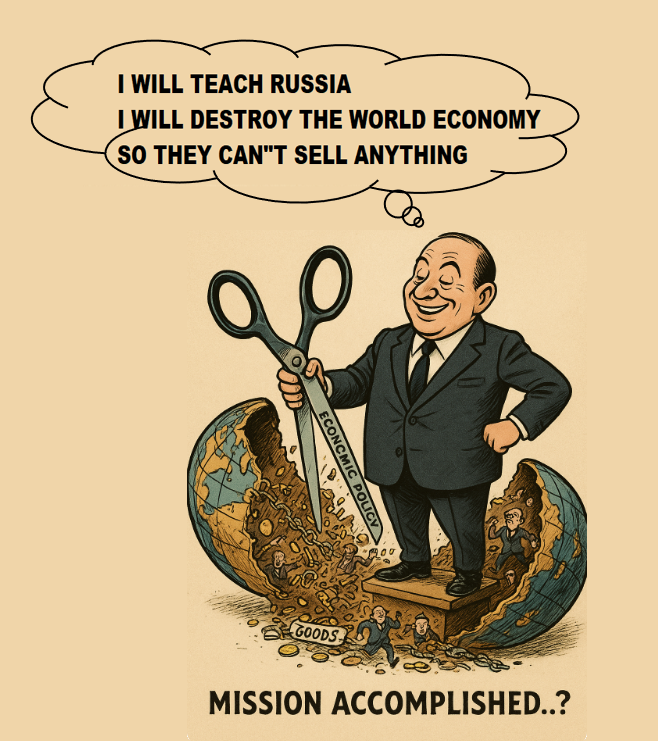
An analysis of our national debt shows we are still paying interest on World War I. They do not care about the cost. This is always about their agenda. Their expenditures in Vietnam broke the Bretton Woods monetary system and the gold standard. Antony Blinken destroyed the world economy by removing Russia from SWIFT, which led to the creation of BRICS, all for their thirst for war.
Now their stupidity has sent the world dangerously spiraling towards Armageddon. History is replete with examples where the assassination of a leader—far from solving a problem—created a power vacuum, unleashed more radical forces, or galvanized the opposition, leading to a far worse outcome for the assassins. Israel adopted the strategy of assassinating enemy leaders (and militants), which Zelensky of Ukraine has adopted. It is a long-standing, officially declared policy of the Israeli state. Ukraine’s actions have adopted the Israeli policies, which are highly dangerous. This is resurfacing the anarchist movement, pulling the rug out from under which civilization exists.
Israel’s use of targeted assassinations is not a new tactic born of the current conflict in Gaza. It has been a cornerstone of its national security strategy for decades, used against a variety of enemies. The strategy can be traced back to the aftermath of the 1972 Munich Olympics massacre, where Palestinian militants killed 11 Israeli athletes. In response, then-Prime Minister Golda Meir authorized Operation Wrath of God, a covert mission by Mossad to track down and assassinate the individuals responsible for the attack and the broader Black September organization. This campaign lasted for over 20 years. This was one thing killing a small group of terrorists. It is completely different when taking out heads of state.
In 1992, after a series of stabbings and attacks, then-Prime Minister Yitzhak Rabin publicly articulated a policy of “combating terror by targeting the terrorists themselves… this is a just war.” This marked a shift from a secretive approach to a more publicly acknowledged one.
Since the outbreak of the Second Intifada in 2000, the frequency of targeted killings has increased dramatically. Israel has used them against senior leaders of Hamas, Palestinian Islamic Jihad, Hezbollah, and others. High-profile examples include the killings of:
Yahya Ayyash (“The Engineer,” 1996) Ahmed Yassin (spiritual leader of Hamas, 2004) Abdel Aziz al-Rantissi (Hamas leader, 2004) Imad Mughniyeh (Hezbollah commander, 2008) Mohsen Fakhrizadeh (Iranian nuclear scientist, 2020)
The number of such operations is now in the hundreds, if not thousands, making it a central and continuous component of Israeli military and intelligence doctrine. It crossed the line, assassinating the Ayatollah not just because he was the head of state, but also the religious head. This has already justified the discussion of assassinating heads of state anywhere. There are those now calling for Putin to target and assassinate Zelensky. Netanyahu is flying in circles for now; he suddenly realizes that what he did to Iran justifies Iran now targeting him. Israel adopted the strategy of assassinating leaders (and other targets) first, by a margin of about 50 years.
Unintended Successors
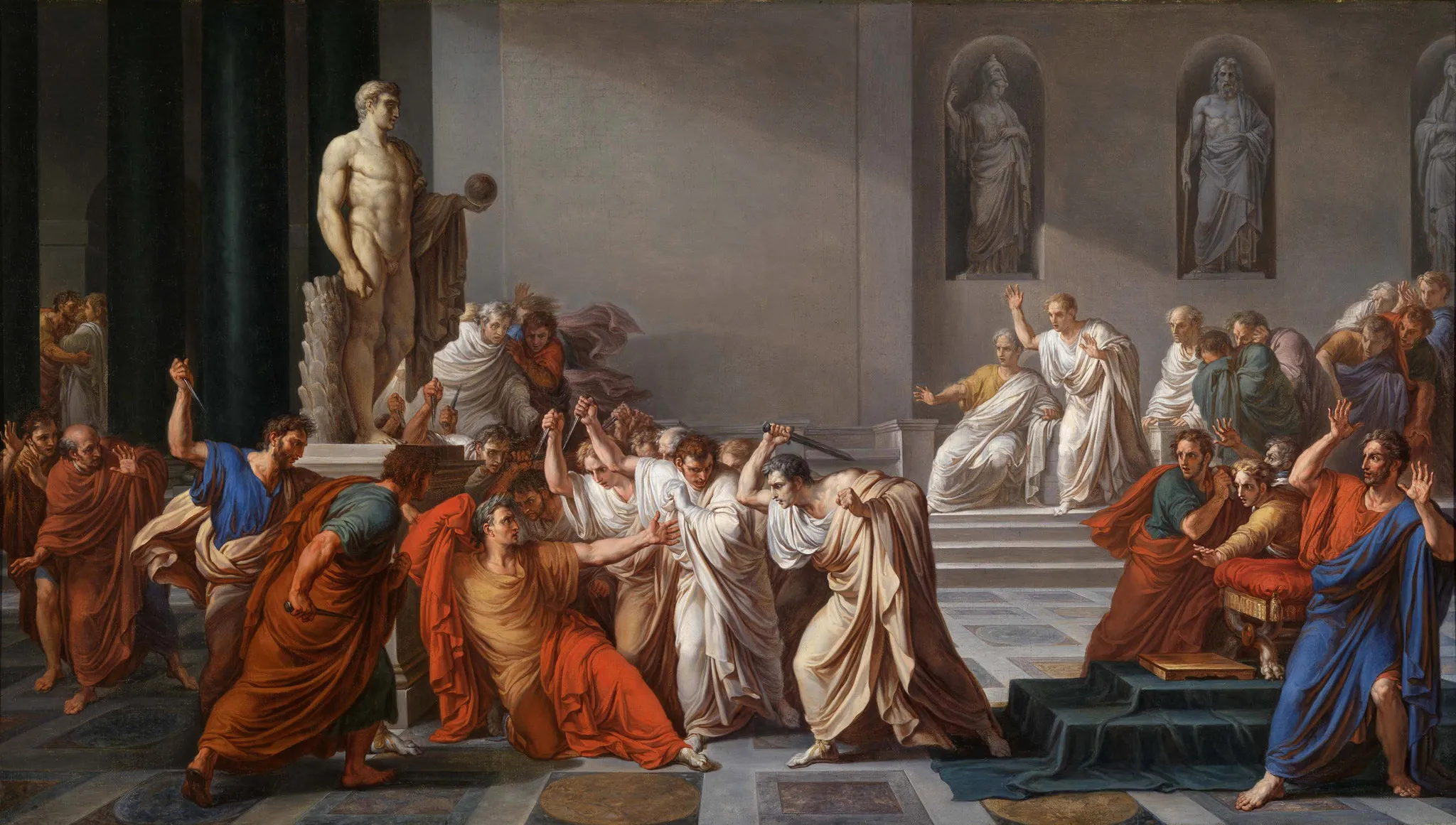
The most famous assassination of a head of State remains that of Julius Caesar. The idea that killing him would restore the Republic had the exact opposite effect, and Caser’s heir, Octavian (27BC-14AD), became the first Emperor of Rome, permanently ending the Republic. Replacement leaders are often more radical. Assassinating Julius Caesar ended the Republic and ushered in a civil war. Be careful for what you act and expect, for you can end up with exactly what you are trying to prevent. Indeed, decapitation rarely ends wars—it typically prolongs or intensifies them. Stable resolutions require systemic change (e.g., institutions, treaties), not isolated strikes. As Sun Tzu warned: “Kill one, terrorize ten thousand.” The true cost is measured in cycles of vengeance and instability.
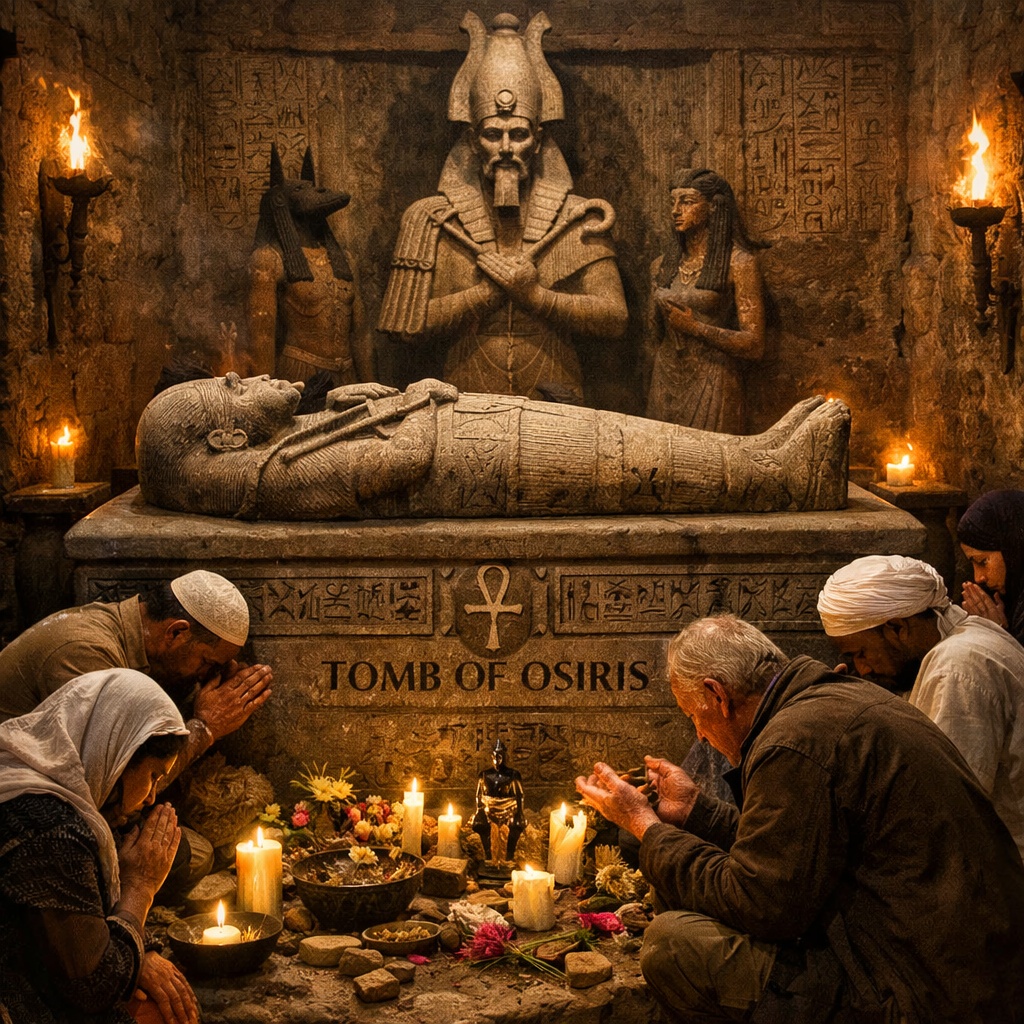
Yes, the story of Osiris is a foundational myth of ancient Egypt, and it absolutely involves his murder at the hands of his brother, Set, demonstrating that you can kill the man, but not what he stood for. The concept of him being a “martyr” is something that Israel and the USA failed to appreciate.
The Murder of Osiris
The story goes that Osiris was not only a god but also the first king of Egypt, a wise and benevolent ruler who brought civilization, law, and agriculture to the people. His success, however, fueled the jealousy of his younger brother, Set, the god of chaos, the desert, and storms.
Set devised a treacherous plot to kill Osiris and usurp his throne. The most famous version of the murder comes from the Greek writer Plutarch. At a grand banquet, Set presented a beautifully decorated chest, promising to give it to whoever fit inside perfectly. One by one, the guests tried, but no one fit until Osiris, unsuspecting, lay down inside. At that moment, Set’s co-conspirators slammed the lid shut, sealed it with lead, and threw the chest into the Nile, drowning Osiris.
Isis, Osiris’s devoted wife and sister, embarked on a desperate quest to find her husband’s body. She eventually succeeded, but Set, enraged, discovered the body and dismembered it into 14 (or 42, in some accounts) pieces, scattering them across Egypt. Isis, with help from her sister Nephthys and the god Anubis, tirelessly gathered the pieces. She magically reassembled and wrapped Osiris’s body, creating the first mummy. Through this act and her powerful magic, she was able to briefly revive him, long enough to conceive their son, Horus
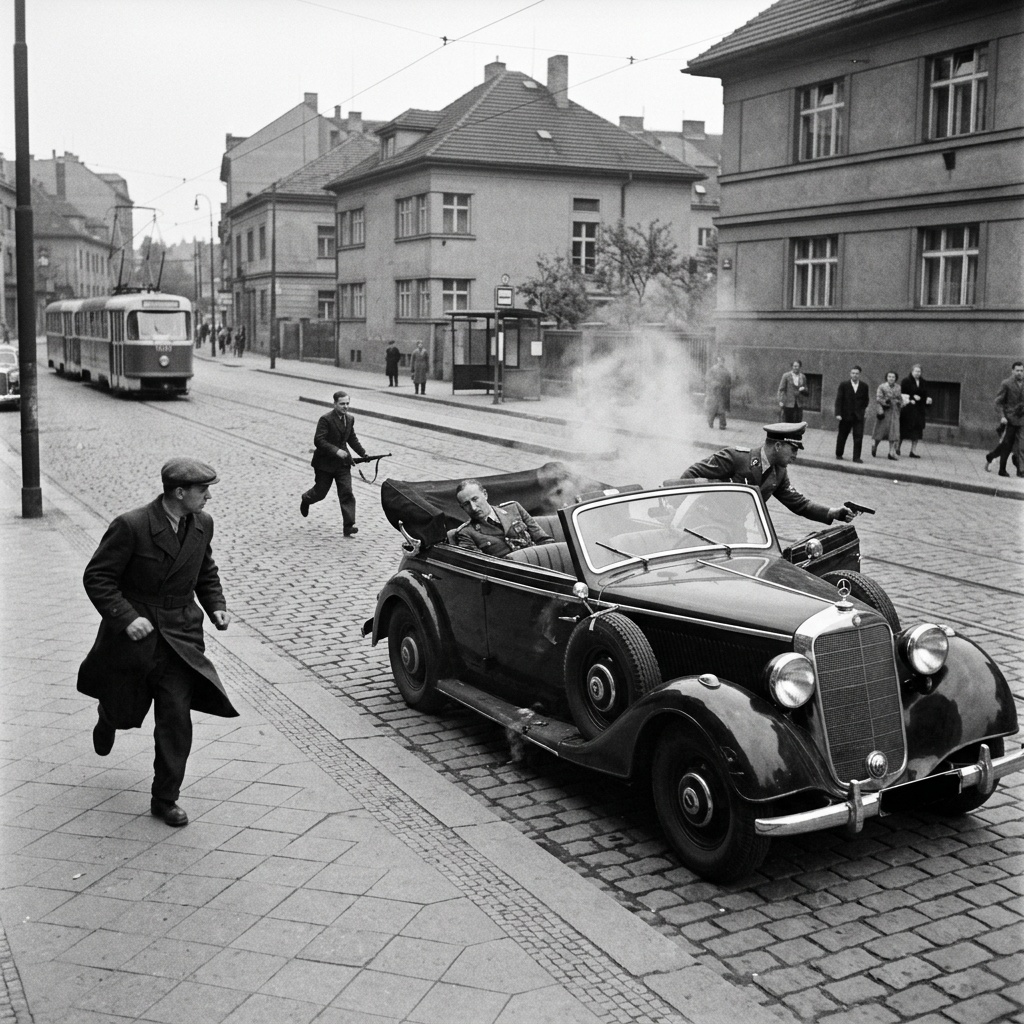
Hitler’s Retaliation for the Assassination of Reinhard Heydrich
In 1942, Hitler ordered brutal reprisals after Reinhard Heydrich’s assassination, including the Lidice massacre, which was a brutal Nazi war crime committed during World War II in retaliation for the assassination (Operation Anthropoid) of the high-ranking SS official and key architect of the Holocaust on May 27, 1942. The retaliation took place on June 10, 1942. Lidice was a village in Nazi-occupied Czechoslovakia (now the Czech Republic). Although Lidice had no proven connection to the attack, the Nazis linked it to resistance activity based on coerced intelligence, and all buildings were systematically demolished with explosives. The ruins were bulldozed, and the land was even salted to prevent regrowth as the Romans did to Carthage. Some 173 men (ages 15+) were executed on-site, while 19 women were sent to concentration camps and later executed. Some 198 women and children were sent to Ravensbrück concentration camp; most died from abuse, starvation, or gassing. 82 children were forcibly “Germanized” (given to SS families) or murdered in gas vans at Chełmno extermination camp. Only 17 survived the war. Lidice became a symbol of Nazi brutality and a rallying cry for resistance.
Ukraine’s reported assassinations of figures on Russian soil are copying the anarchist policies of Israel. These actions are not part of a decades-old policy but are a wartime tactic as we now see the US adopting with Israel. What taints this even more was that the US was in the middle of “negotiations with Iran,” sending a very serious signal of bad faith while assassinating the head of state.
In the case of Zelensky, he has tried to assassinate Putin, and that would surely justify even nuking Kyiv by the far more radical replacement leader. The other reported targets have primarily been individuals whom Ukraine considers legitimate military or ideological targets directly involved in the war effort. These include:
Military Commanders: Such as the killing of Lt. Gen. Igor Kirillov, head of Russia’s nuclear defense forces, in December 2024. Propagandists and Officials: Such as Darya Dugina (2022) and Vladlen Tatarsky (2023), influential figures promoting the war. Defectors and Collaborators: Former Ukrainian officials who defected to Russia, like Ilya Kiva (2023).
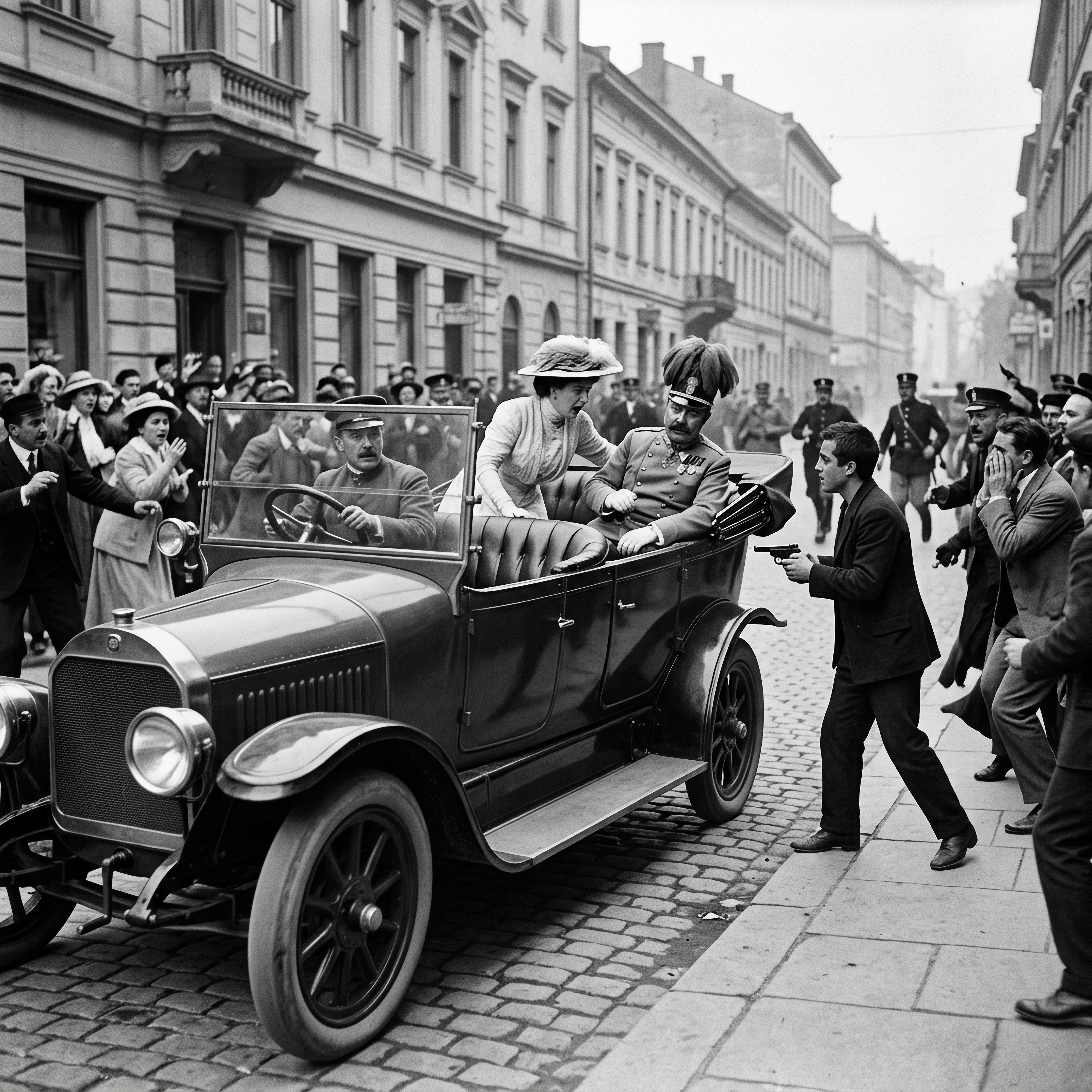
The Assassination of Archduke Franz Ferdinand (1914)
This is the quintessential example of an assassination with catastrophic unintended consequences. No doubt, Gavrilo Princip, a teenage Bosnian Serb nationalist, shot and killed Archduke Franz Ferdinand, heir to the Austro-Hungarian throne, and his wife, Sophie, in Sarajevo on June 28th, 1914. Bosnia-Herzegovina had just been annexed by Austria-Hungary a few years earlier against the wishes of neighboring Serbia. This was the hotbed of political discontent. This event unleashed World War I about one month after the assassination. The assassin’s goal was to strike a blow against Austro-Hungarian rule and liberate South Slav peoples, not unlike the assassination of the Ayatollah, assuming that would end the Shia reign.
The assassination of the Archduke Franz Ferdinand triggered the July Crisis. Austria-Hungary, with German support, issued an ultimatum to Serbia. The complex system of European alliances (Russia backing Serbia, Germany backing Austria-Hungary, France backing Russia, and Germany’s invasion plan bringing in Britain) was activated. Within weeks, the continent was plunged into World War I, a conflict that would kill millions, topple four empires (Austro-Hungarian, German, Ottoman, Russian), and set the stage for an even more devastating World War II two decades later. The assassination didn’t just fail; it accidentally lit the fuse on the single most destructive war in European history up to that point.
The Assassination John F. Kennedy
It’s well-documented that in 1963, following the terrifying brinkmanship of the Cuban Missile Crisis, Kennedy was actively seeking a path to détente with the Soviet Union. This context is crucial for understanding the theories about his death. On June 10th, 1963, after the Cuban Missile Crisis, Kennedy made what has been called his Peace Speech. Just months before his death, in June 1963, Kennedy gave a landmark commencement address at American University, where he called for a re-examination of Cold War attitudes and a strategy for peace, specifically calling for nuclear disarmament and peaceful coexistence with the USSR. That seemed to be the turning point when I would hear people talking about him, calling him a traitor. Then, about 5 months later, the Neocons assassinated JFK. John F. Kennedy, the 35th president of the United States, was assassinated while riding in a presidential motorcade through Dealey Plaza in Dallas, Texas, on November 22nd, 1963
JFK’s administration was engaged in serious talks with the Soviets about banning nuclear tests and was even exploring a possible non-aggression treaty between NATO and the Warsaw Pact. Our Neocons were freaking out; surrendering our nukes was unacceptable. They insisted that the Russians would lie and still have theirs. I was shown the KGB file turned over on the JFK assassination and how they intimidated Oswald’s wife to change her story. There is significant evidence that Marina Oswald’s testimony evolved over time and that she faced circumstances that could be considered intimidating. It’s helpful to break this down into two phases: her testimony to the Warren Commission and her later statements.
Marina appeared before the Commission four times. She admitted she had initially lied to the Secret Service and FBI, denying knowledge of Oswald’s attempt on General Walker and his trip to Mexico. However, the Commission’s own records describe her as a “bewildered and frightened witness” who had already endured “intimidating interviews by federal and local officials”. This context suggests she was under significant pressure from the very beginning.
Later Recantation & Claims of Intimidation In later years, Marina significantly changed her public statements. A key source from Texas Monthly explicitly states: “Marina later recanted her testimony and professed her husband’s innocence, saying that she had been threatened with deportation if she did not cooperate.” Her Wikipedia biography corroborates this, noting that while she hasn’t formally recanted her testimony, she has stated in interviews since the late 1980s that she believes Oswald was completely innocent.
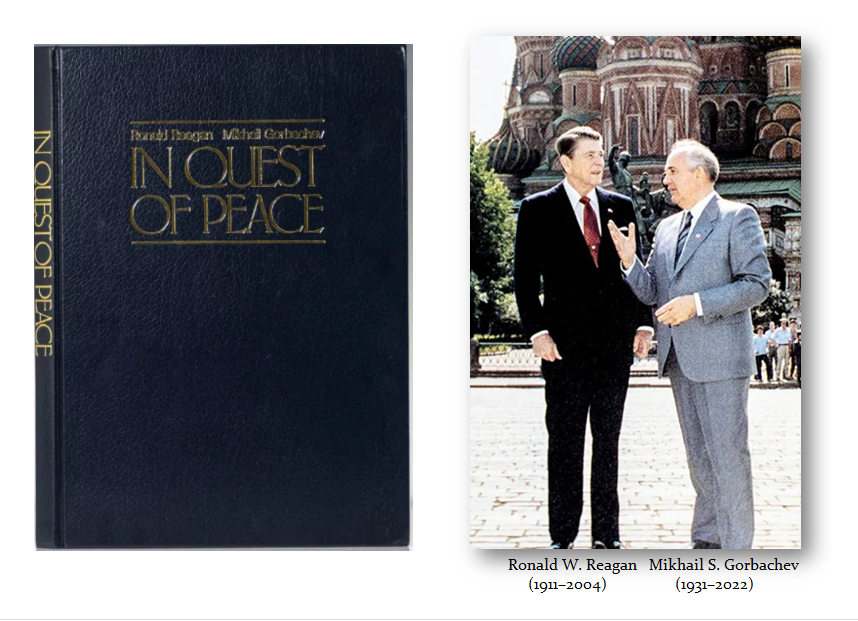
Speaking to members of Congress in 2025, the consensus was that the CIA & Neocons assassinated JFK to prevent peace with Russia. They made Kennedy a martyr for peace. Likewise, the Neocons tried to stop President Reagan from meeting with Gorbachev. When President Nixon figured out it was the CIA, the Neocons turned that into a claim that he threatened the CIA to cover up Watergate when the very agents caught were all ex-CIA. They killed the man, but did not kill the dream of peace.
The Assassination of Moderate Leaders during The Troubles in Northern Ireland
During the conflict in Northern Ireland, the killing of leaders who had credibility within their communities often destroyed the best chances for peace and empowered extremists. In 1975, the Ulster Volunteer Force (UVF), a loyalist paramilitary group, killed a prominent member of the Social Democratic and Labour Party (SDLP) and several other Catholics in a series of attacks. More significantly, loyalists frequently targeted republican figures who were seen as “moderate” or who were exploring political solutions.
The intended outcome was to decapitate the republican movement and terrorize the Catholic community into submission. However, the actual outcome was far worse. These assassinations had the opposite effect. They removed voices advocating for a political path and convinced many in the nationalist community that there was no alternative but to support the Irish Republican Army’s (IRA) armed campaign. By killing those who could have been peacemakers, the loyalists inadvertently strengthened the hand of the very militants they were trying to defeat, prolonging the conflict for decades. Killing the Ayatollah was a brain-dead move for the idea that you can terrorize people into submission, which has no real support in history.
Israel’s Assassinations of Hamas Leaders (1990s-2000s)
This is a more recent and complex example directly relevant to modern geopolitics. In the 1990s and 2000s, Israel, in response to suicide bombings and other attacks, began a policy of targeted assassinations of Hamas leaders and bomb-makers, most famously the 1996 killing of “The Engineer,” Yahya Ayyash. The intended outcome was to disrupt Hamas’s operational capability, deter future attacks, and weaken the organization by removing its most talented and experienced leaders. The result was again far worse. While these assassinations did cause short-term disruption, their long-term effects were often counterproductive. When you are dealing with religion, you create martyrs. The killed leaders were celebrated as martyrs, which boosted Hamas’s popularity and recruitment. Again, this had the exact opposite effect.
The assassination of Ayyash, who was seen as relatively pragmatic, occurred just as Hamas was considering halting suicide bombings. His killing enraged the organization and its supporters, contributing directly to a wave of devastating suicide bombings that derailed the peace process and shattered public trust in Israel. By repeatedly targeting the political leadership, Israel may have inadvertently pushed Hamas’s political and military wings closer together and empowered the more militant factions within the group.
The U.S. Assassination of Abu Musab al-Zarqawi (2006)
This is a powerful example from the Iraq War. In 2006, a U.S. airstrike killed Abu Musab al-Zarqawi, the leader of Al-Qaeda in Iraq (AQI). Zarqawi was responsible for some of the most brutal and sectarian violence of the war, including beheadings and bombings aimed at igniting a full-scale civil war between Sunni and Shia Muslims. The intended outcome was to eliminate the leader of the most dangerous terrorist group in Iraq, disrupt its operations, and deal a major blow to the insurgency. At the time, it was hailed as a huge victory.
However, the outcome was far worse again. While Zarqawi was a brutal and polarizing figure even within his own movement, he was also its public face and primary strategist. His death created a leadership vacuum. Al-Qaeda in Iraq was eventually taken over by new leaders who were even more extreme and strategically adept. This group, under the leadership of Abu Bakr al-Baghdadi, would eventually rebrand itself as the Islamic State of Iraq and Syria (ISIS). Unconstrained by Zarqawi’s specific focus on Iraq, and learning from his failures, ISIS went on to conquer huge swathes of territory in both Iraq and Syria, declaring a caliphate and committing genocide against the Yazidi people. The group became a far more formidable and dangerous enemy to the U.S. and the world than Zarqawi’s AQI ever was.
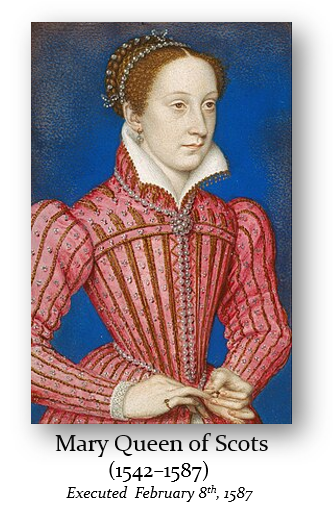
The Execution of Mary Queen of Scots (1587)
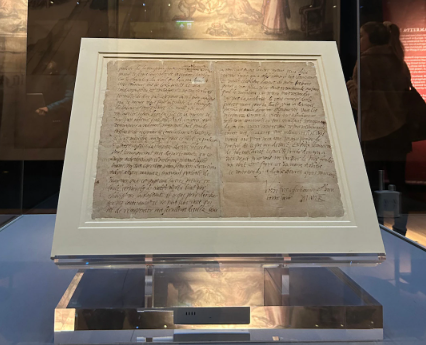
Mary Queen of Scots was the only surviving legitimate child of James V of Scotland. Mary was six days old when her father died, and she inherited the throne. Mary was sentenced to death for being a Catholic. She wrote a letter on Wednesday, February 8, 1587, at 2 a.m., just six hours before she was scheduled to be beheaded at Fotheringhay Castle. It was addressed to her brother-in-law, Henri III, King of France, who was the brother of her first husband, Francis II. She wrote it in her native French to put her affairs in order, knowing she would not survive the day. Because she was beheaded for being a Catholic, she will forever be remembered as a martyr to her faith. The stupidity of killing the Ayatollah has only transformed him into a martyr who will be larger than life.
Mary was adamant that she was dying for her faith and her claim to the English crown, not for any crime. She writes, “thanks be to God, I scorn death and vow that I meet it innocent of any crime, even if I were their subject”.
She states that her “Catholic faith and the assertion of my God-given right to the English crown are the two issues on which I am condemned“. She laments that her Protestant captors would not allow her a Catholic priest for her last confession or to give her the Last Sacrament
Mary, Queen of Scots, and the Christmas holidays (or “Yule,” as it was traditionally known in Scotland) are remembered since she was known for keeping Christmas with great mirth and tradition. For example, in either 1563 or 1564, she held a ball at the Palace of Holyrood House where she and her guests celebrated the ‘Feast of the Bean.’ Her lady-in-waiting, Mary Fleming, found the bean in her cake and was crowned “Queen of the Bean” for the day, even being dressed in the Queen’s own clothes as a prize
The public will have a rare opportunity to see this historic letter in person at the Perth Museum in Scotland from January 23 to April 26, 2026.
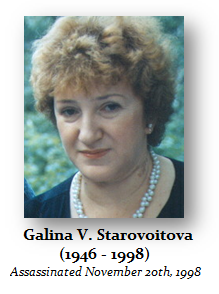
The Assassination of GalinaStarovoitova (1998)
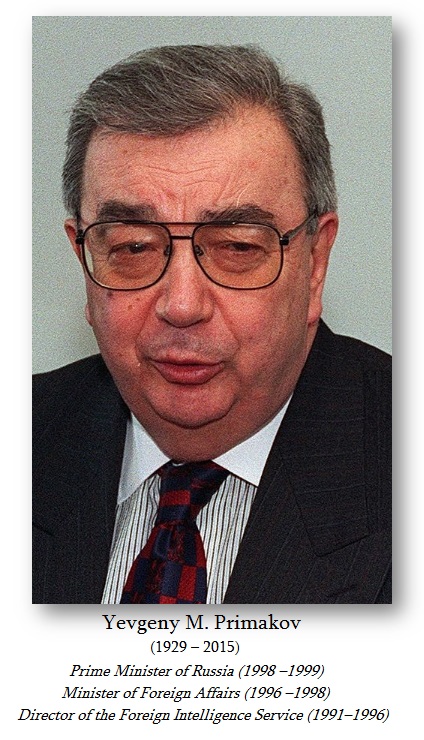
Because of the 1998 Russian Financial Crisis, which occurred amid the Russian Bond Crisis in August/September 1998, Yeltsin had to shift the leadership. He tried to reinstate Viktor Chernomyrdin (1938–2010) as Prime Minister, but the Duma rejected his appointment on September 7th, 1998. There was a rising sentiment to return to Communism, for capitalism had obviously failed. A very serious crisis was unfolding, and Yeltsin was forced to nominate Yevgeny Primakov (1929–2015), a right-wing conservative and an anti-oligarchy communist at heart, who was appointed Prime Minister on September 10th, 1998. Primakov was moved from the Minister of Foreign Affairs to Prime Minister in the wake of Russia’s default in August 1998.
Within a matter of weeks of Primakov coming to power, on November 20th, 1998, Galina Starovoitova (1946-1998) was preparing for the State Duma elections that were to be held the next year, in December 1999. Galina tried to prevent the old communists from returning to power and opposed the oligarchs. Galina opposed the direction of Russia moving from a communist to an oligarchic state and made this part of her political platform in “Democratic Russia.”
I believe Galina knew the nature and covert scheme of Primakov and the shifting sentiment to return to the USSR. I believe that, in fact, Galina’s assassination was to remove the head of the Democratic movement in the Duma that would have been the major obstacle to the rise of power of Primakov and the restoration of Communism under his vision of the USSR. Galina was gunned down in the entryway of her apartment building in St. Petersburg on November 20th, 1998. At first, the spin was she was really a puppet of a “Western financier,” who was supposed to be me simply because her son worked in my London office. She had checked my references with Margaret Thatcher before consenting to her son working in my firm. I had far more insight into Russia than most assumed.
The press refuses to reveal that they have been spreading the Berezovsky propaganda. On July 25th, 1998, Yeltsin appointed Vladimir Putin (born in 1952) as director of the Federal Security Service (FSB), the primary intelligence agency of the Russian Federation. I believe this was done because of Galina Starovoitova’s criticism of the FSB and to prevent another FSB coup, as they had pulled off against Gorbachev. Putin had worked for the KGB from 1975 until August 20th, 1991. He left because the head of the KGB, Vladimir A. Kryuchkov (1924–2007), was behind the major coup of 1991, arresting Mikhail Gorbachev and trying to return Russia to the USSR, which Putin opposed. Putin resigned in 1991 and entered the civil service to support an old friend who was running for mayor of St Petersburg. However, more significantly, on October 1st, 1998, Vladimir Putin became a permanent member of the Security Council of the Russian Federation. This is why Yeltsin turned to Putin BECAUSE he knew he was against the communists and did NOT want to return Russia to the days of the USSR. He was against the coup and appointed Putin as head of the FSB to prevent another one. So much for Victoria Nuland’s propaganda because their plot to seize Russia, blackmailing Yeltsin, failed.
Geoff Kitney, writing for the Herald in Berlin, characterized Galina’s death as “a turning point in Russia’s fight to establish a post-Communist society.” Indeed, Galina’s death was a significant turning point. It was clearly the attempt of the old guard and their remnant dream of Communist power they saw slipping away. It was very clear that her death was an ordered assassination by the hardliners. The fact that the spin claimed Galina was a puppet of a Western Financier, meaning me, was indicative of a communist who was Primakov, who was also the enemy of Berezovsky and his Seven Oligarchs attempting to take over Russia.
I believe that the assassination of Galina was the final straw that ended the USSR.
The very idea of assassinating leaders such as President Lincoln and President McKinley was part of an international trend that began during the 19th century and was based upon the theory that some dramatic deed was necessary to spark a revolution. It was called the “Propaganda of or by the deed,” and it advocated physical violence in a dramatic, provocative public act perpetrated against political enemies to inspire others to act in a popular mass rebellion or revolution. This was a political philosophy that was part of the radical thought emerging with Marxism. Still, it was not precisely advocated by Marx, who was generally a revolutionary.
There have been four Presidents assassinated and three who were wounded, with two misses since 1865.
Abraham Lincoln, April 14th, 1865 James A. Garfield, July 2nd, 1881 William McKinley, September 6th, 1901 Theodore Roosevelt, October 14th, 1912 (wounded) Franklin D. Roosevelt, February 15, 1933 (5 shots fired missed) John F. Kennedy, November 22md, 1963 Gerald Ford, September 5th, and 22nd, 1975 (missed) Ronald Reagan, March 30, 1981 (wounded) George W. Bush, May 10, 2005 (hand grenade thrown but was dud) Donald Trump, July 13th, 2024 (wounded)
Propaganda by the Deed
.
What we must be concerned about is I am afraid that the hatred and thirst for power are so polarized; I fear that the Deep State will assassinate Trump if he wins because he is against this tyranny that includes war and climate change. Perhaps the first to be associated with this new radical political philosophy of using assassination as a political weapon was born the same year as Karl Marx (1818–1883). He was the Italian revolutionary Carlo Pisacane (1818–1857), who wrote in his “Political Testament” (1857) that “ideas spring from deeds and not the other way around.”
Another anarchist of the period, perhaps the most influential figure in the anarchist movement and one of the principal founders of the “social anarchist” tradition, was Mikhail Bakunin (1814–1876). Bakunin gained tremendous prestige as an activist during this period, becoming one of Europe’s most famous ideologues. Bakunin gained substantial influence among radicals throughout Russia and Europe. In one of his surviving letters from 1870 to a Frenchman concerning what he labeled the “Present Crisis,” Bakunin clearly stated that “we must spread our principles, not with words but with deeds, for this is the most popular, the most potent, and the most irresistible form of propaganda.”
Bakunin’s words were popularized by the French socialist-anarchist Paul Brousse (1844–1912), who in 1877 cited as examples the 1871 Paris Commune and a workers’ demonstration in Berne, provocatively using the socialist red flag. By the 1880s, the slogan had begun to be used to refer to bombings and tyrannicides. Reflecting this new understanding of the term, the Italian anarchist Errico Malatesta (1853–1932), years later, in 1895, described “propaganda by the deed” as violent communal insurrections designed to ignite an imminent revolution.
The anarchist movement that began in Russia in 1878 was known as Narodnaya Volya (Народная Воля in Russian; People’s Will in English). This revolutionary anarchist group was inspired by Sergei Nechayev (1847–1882) and “propaganda by the deed” theorist Pisacane. The Russian group evolved with ideas that targeted the killing of the “leaders of oppression” as, indeed, the correct path for all political movements where small non-state groups should employ violence. They advocated the use of modern technologies, such as dynamite. This was the first anarchist group to employ such dynamite on a widespread basis. This was the origin of the Russian Revolution in 1917 and the following bloodbath. They were assassinated on March 13th, 1881, by Russia’s Tsar Alexander II (1818-1881) with a bomb that also killed the Tsar’s attacker. Alexander II was also born in 1818, the same year as Marx. This assassination failed to inspire a revolution, but it took a step in that direction, eventually leading to the Russian Revolution 37 years later (8.6 x 4.3).
Individual Europeans also engaged in politically motivated violence during the 19th century. For example, in 1893, Auguste Vaillant (1861-1894), who was a French anarchist, bombed the French Chamber of Deputies on December 9th that year. The anarchist movement expanded through a process of contagion, spreading from nation to nation and even across seas. Between 1894 and 1896, during the economic decline, the President of France, Marie Francois Carnot, the Prime Minister of Spain, Antonio Cánovas del Castillo, and the Empress of Austria-Hungary, Elisabeth of Bavaria, were killed by anarchists. This was the backdrop to the assassination of President William McKinley in 1901 and why his wife feared for his life.
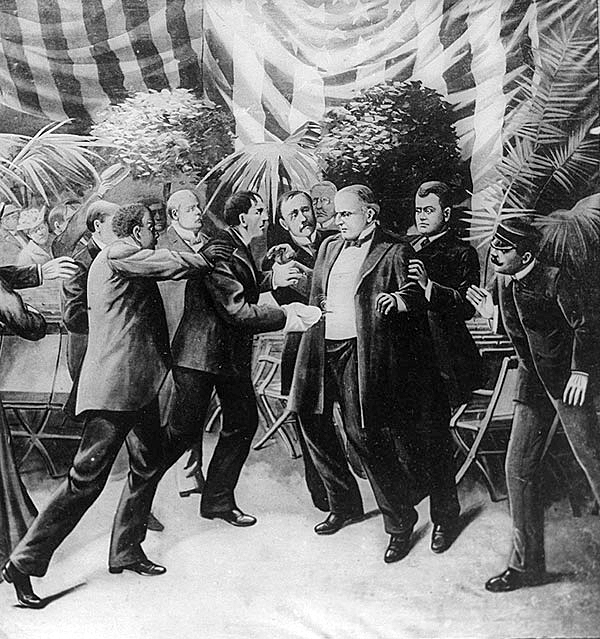
William McKinley, who was the 25th President of the United States, was assassinated on September 6th, 1901, inside the Temple of Music on the grounds of the Pan-American Exposition in Buffalo, New York. He was shaking hands with the public when Leon Czolgosz, an anarchist, shot him twice in the abdomen. McKinley died six days later. Leon Czolgosz worked in a Cleveland factory until he lost his job in a labor dispute in 1893. After that, he appears to have been inspired by the economic turmoil of the Panic of 1893 to embrace anarchism. This philosophy was becoming widespread and discussed even on college campuses. By 1901, New York’s Supreme Court ruled that the act of identifying oneself as an anarchist in public was a breach of the peace.
There are many people who were nobodies during their lives and only became household names after their deaths, such as Vincent Van Gogh or Ann Frank. This is what these stupid Neocons do not get. You may be able to kill the man, but you cannot kill what he stood for, and you may, in fact, transform him into a much more powerful inspiration.
Posted originally on Mar 10, 2026 by Martin Armstrong |
There was a time when warnings about governments embedding identification technology directly into the human body would have sounded like something from George Orwell rather than a public policy debate. Yet here we are. Washington State is now considering legislation to prohibit employers from forcing workers to accept subcutaneous microchip implants. The fact that lawmakers even need to debate such a law should alarm anyone paying attention to where society is heading.
These implants are not some futuristic fantasy. They already exist and have been used in workplaces. The devices are small RFID or NFC chips roughly the size of a grain of rice that are injected under the skin, typically between the thumb and forefinger. They contain no battery and do not actively transmit signals across long distances. Instead, they act as a passive digital key. When scanned by a nearby reader, the chip sends a unique identification number to a computer system connected to a database. That database determines whether you can open a door, access a computer network, enter a building, or authorize a payment.
At the same time that corporations are experimenting with embedding identification devices in the body, governments across the world are aggressively pushing digital identification systems. Digital ID programs consolidate identity verification into centralized databases containing everything from passports and healthcare records to employment credentials and tax information. Once identity becomes digitized and centralized, access to everyday life increasingly depends on that system functioning and recognizing you as compliant.
Layer onto that the growing push for central bank digital currencies. Unlike physical cash, CBDCs operate entirely within controlled digital networks run by central banks and governments. Every transaction becomes visible within the system. The currency itself can be programmed. Purchases can be monitored, restricted, or denied. Access to funds can be frozen instantly.
Combine digital identity with programmable money and biometric identification and you begin to see the outlines of a system that previous generations would have described as dystopian. Implantable chips simply remove the remaining friction. Your identification, access permissions, and financial credentials become physically embedded within your body, ready to be scanned whenever a system demands verification.
Politicians insist these technologies are about efficiency, security, and modernization. Those are the same justifications governments have used throughout history whenever they expand surveillance and control. Programs always begin as optional conveniences. Participation is voluntary at first. Over time, the infrastructure becomes so embedded in daily life that opting out becomes practically impossible.
The troubling part is how casually these ideas are now discussed. Only a generation ago the thought of employers implanting tracking devices into workers would have sparked widespread outrage. Today it is framed as a workplace innovation that lawmakers must merely regulate.
Washington State attempting to prevent mandatory implants shows that at least some policymakers recognize how far this could go if left unchecked. Once the concept of embedding identification systems into human beings becomes normalized, it will not remain confined to opening office doors or buying lunch in the cafeteria. When identity, access, and money are all digitized and centrally controlled, the boundary between technological convenience and societal control begins to disappear.
The uncomfortable truth is that the architecture for an entirely new form of digital governance is being constructed piece by piece. Identity systems, financial systems, and surveillance technologies are being merged into a single framework that determines how individuals participate in the economy and society. Implantable chips may appear to be a small step in that process, but they symbolize something much larger: the quiet transformation of the relationship between the individual and the state in the digital age.
Posted originally on Mar 10, 2026 by Martin Armstrong |
Governments never seem to learn from history. Every time energy prices surge, politicians rush to impose price controls as if markets can be commanded to obey political decrees. South Korea has now joined that long list, announcing it will impose a fuel price cap for the first time in nearly 30 years as global oil prices surge due to the escalating Middle East conflict.
Crude oil has already pushed above $100 per barrel, with Brent briefly approaching $119 during the latest escalation surrounding Iran. For an economy like South Korea, which imports roughly 70% of its oil from the Middle East, the impact is immediate and severe. When the region supplying the majority of your energy enters a war cycle, the consequences ripple instantly through fuel markets, currencies, and financial assets.
President Lee Jae Myung said the government would swiftly introduce a price cap on petroleum products to protect consumers and shield the economy from the energy shock. At the same time, authorities are considering expanding a market stabilization program of roughly 100 trillion won, or about $67 billion, to contain the financial fallout from rising energy prices.
South Korea’s benchmark KOSPI index fell about 6% as investors reacted to the oil shock. The Korean won weakened toward 1,500 per dollar and bond yields pushed to two-year highs as energy costs surged across the region. Gasoline prices in Seoul have already climbed above 1,900 won per liter and have continued rising toward roughly 1,945 won in only a matter of days.
Price controls never solve the underlying problem. They simply move the cost somewhere else. Either governments subsidize the difference, which expands fiscal deficits, or shortages begin to appear because suppliers have no incentive to sell at artificially suppressed prices. The United States tried the same approach during the 1970s energy crisis, and the result was not cheap fuel but long lines at gas stations.
The deeper issue is that this energy shock is not simply a temporary spike. Roughly 20% of the world’s oil supply moves through the Strait of Hormuz, and any conflict threatening that route immediately raises global supply risk. Markets price that risk long before governments acknowledge it.
South Korea’s move highlights the vulnerability of modern economies to energy disruptions. Nations dependent on imported fuel cannot control global oil markets with administrative policies. Price caps cannot create supply that does not exist. They simply hide the inflation temporarily while the real pressures build beneath the surface. When governments begin discussing price controls and emergency stabilization funds, history suggests the crisis is only beginning rather than ending.
Posted originally on Mar 10, 2026 by Martin Armstrong |
One of the most dangerous illusions in Washington is the belief that war and energy shocks are temporary. Politicians always assume that prices will spike briefly and then return to normal as if the world economy operates like a thermostat that can simply be turned down once the crisis passes. History shows the opposite. Wars, especially those centered around energy chokepoints, rarely produce transitory economic consequences.
Treasury Secretary Scott Bessent recently tried to calm markets by claiming that crude markets remain stable, insisting that “the crude markets are very well supplied” and pointing to “hundreds of millions of barrels on the water away from the Gulf.” He has also suggested that Washington could simply release additional Russian oil from sanctions if needed to increase supply. This thinking reflects the typical Washington view that governments can manage the global energy market with policy tweaks.
At the same time, the administration issued a temporary waiver allowing India to purchase Russian crude in order to ease global supply pressure created by the Iran conflict. Bessent described the measure as a stop-gap that would “alleviate pressure” on oil markets while the crisis unfolds. The logic from Washington is straightforward: increase supply temporarily, calm the markets, and assume prices will fall once the conflict subsides.
President Trump has taken a similar position. Responding to rising gasoline prices, he argued that “short term oil prices… will drop rapidly when the destruction of the Iran nuclear threat is over,” adding that higher prices were “a very small price to pay” for global security. The assumption here is that the war will be brief and the energy shock temporary.
Energy markets are not reacting merely to current supply but to geopolitical risk. Roughly 20% of the world’s oil moves through the Strait of Hormuz, meaning even the threat of disruption can send prices sharply higher. Once markets begin pricing geopolitical risk into commodities, those price movements can persist long after the initial military event.
Indeed, the market response already demonstrates that the shock is not trivial. Oil prices surged above $100 per barrel and analysts warn that gasoline in the United States could soon approach $4 per gallon as the conflict spreads through the region. Diesel prices are rising even faster, which will ripple through transportation, agriculture, and manufacturing. When diesel rises, everything from food to shipping costs follows.
The deeper problem is that wars rarely remain contained. Washington may believe this operation will last weeks, but history suggests otherwise. Iraq was supposed to be over in months. Afghanistan was expected to be quick. Both became decades-long conflicts because policymakers underestimated the geopolitical and cultural realities on the ground.
Energy markets understand this better than politicians. Traders are not simply reacting to headlines; they are assessing the possibility that the conflict spreads across the Middle East, disrupts shipping lanes, or triggers retaliatory strikes on energy infrastructure. Once that risk enters the equation, prices do not simply snap back.
There is also the structural issue that Washington prefers to ignore. For years, Western governments discouraged investment in energy production while simultaneously increasing global demand. That created a fragile supply structure where any geopolitical disruption can trigger a major price surge.
The idea that the energy shock will be temporary is therefore a political narrative, not an economic reality. Governments want the public to believe that higher gasoline prices are merely a short-term inconvenience. Markets, however, are signaling something very different.
Posted originally on Mar 10, 2026 by Martin Armstrong |
COMMENT: What the Pentagon did to Anthtopic is what they did to you back in 1998. Why do people think these people will ever be responsable?
Jay
REPLY: It was the CIA in my case, not the Pentagon. Nevertheless, when Snowden came forward, you had people coming out calling him a traitor. He is living in Russia for they want to imprison him for like or give him the death penalty.
I support Anthtopic. The retaliation against their firm is outrageous. The Constitution means nothing in a court of law even when they let the press in. It means even less behind closed doors. Prosecutors threaten people’s families just to win and will knowing even execute innocent people and hide the evidence that shows what they have done.
Anthropic announced that it couldn’t agree to the Pentagon’s demand to use its tool, when it can be used to spy on Americans, which Snowden already showed they were doing, and allowing AI to be used for autonomous nuclear war is Terminator. The potential for accidental nuclear war. They may not be seeking deliberate nuclear war, but the reality is that AI is not foolproof and we have a herd of fools in place of power right now.
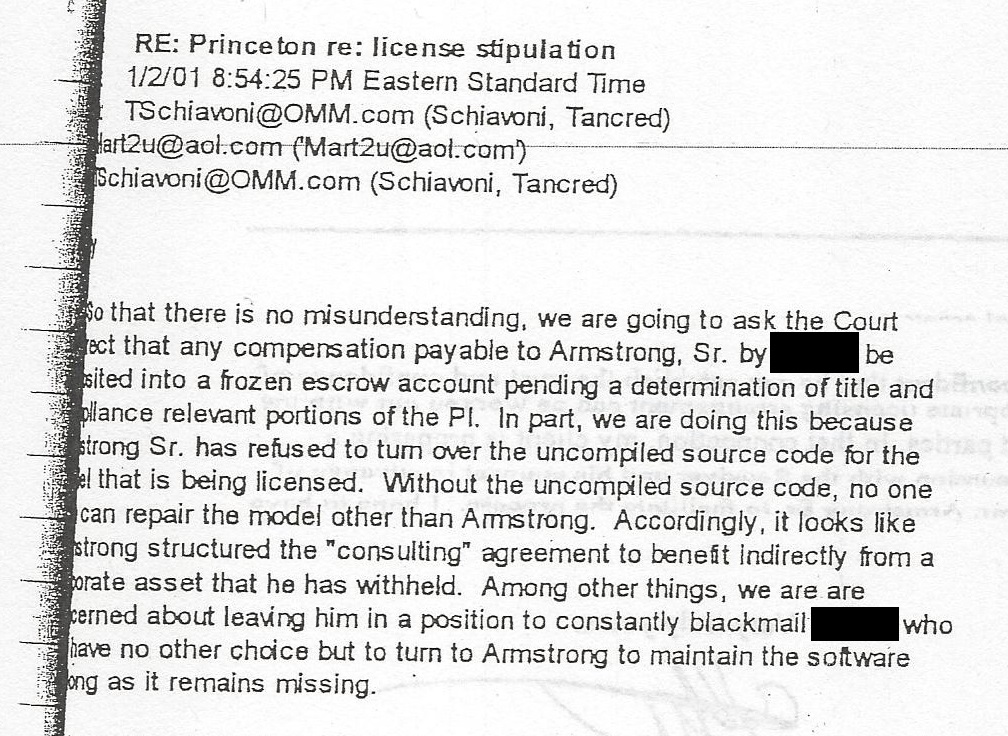
When I offered to run any war study they wanted, they flatly said that they had to “own it.” They would have kept me in contempt for the rest of my life if it had not been for the Supreme Court ordering them to respond what they hell were they doing. Then they demanded the source code. When you dance with the devil, be prepared for the fact they will kill you and then go have a nice dinner. They will NEVER change!
Posted originally on Mar 9, 2026 by Martin Armstrong
COMMENT: Marty, a number of us are sending letters to Trump that he should be consulting with you and Socrates for your track record is unprecedented. Other countries respect you. Your own tries desperately to marginalize you. The neocons are destroying the world. We have to at least try. I hope you got everyone out of Dubai.
ED
REPLY: I respect that. It would take much more than a single letter. The Neocons are intimidating people in Congress and the Senate not to listen to our forecasts. They are no different from the bankers who always blamed me for their own stupidity. As you see in Europe, the presumption is always silence your opposition to retain power. The Ayatollah did that in 1979 and any opposition was called an agent of the Great Satan or Little Satan. The EU uses this on anyone who is anti-war calling them a Putin Supporter. The Neocons are using that tactic against me. They think they can rule the world usurping our Foreign Policy circumventing Congress and the people.
Thank you for all the inquiry about our staff in Dubai. Everyone is now safely out. The local scuttlebutt is that there is only 10 days of food left in Dubai. It is not just a crisis in shipping oil, it is also a crisis in food supply. As always, the Neocons assume instant victory, never anticipate what comes next. As I have warned, this is different aside from Iran being 3 times the size of Iraq. This is religious. This is NOT a simple territorial war. The Neocons judge the world only by what they think. They are making the very same mistake they made with Afghanistan. Clearly, religion was the indispensable ingredient that made the Afghanistan conflict unwinnable for conventional superpowers. The Neocons advising Trump do not care about the country and they certainly do not care about Trump and how he will be remembered.
Three days after that summit meeting, on August 18, 2025, Russia announced they were restarting Russia’s Arctic-2 LNG production facility. Russia would be more than doubling their capacity to generate and store liquified natural gas (LNG). Why? They understand the risks of war with Iran far better than those advising Trump, who was told this will be short and sweet. Obviously, it makes no sense to increase production in the fact of sanctions. However, if you expect Iran to target refineries and bring the entire West to its knees, then its time to restart producing even more LNG doubling the supply when Russia was already overproducing LNG. The computer has been waring rising volatility starts in April into July. The writing is on the wall. The Neocons refuse to read.
I have created this site to help people have fun in the kitchen. I write about enjoying life both in and out of my kitchen. Life is short! Make the most of it and enjoy!
This is a library of News Events not reported by the Main Stream Media documenting & connecting the dots on How the Obama Marxist Liberal agenda is destroying America





:max_bytes(150000):strip_icc()/Kids-Online-Safety-Act-2-62719dbffc984050b6918648b9a82050.jpg "Kids Online Safety Act 2 62719dbffc984050b6918648b9a82050")








 Centinel2012