Posted originally on Mar 12, 2026 by Martin Armstrong |
Saudi Arabia is doing precisely what governments do when they understand that the world is no longer stable: buying protection, influence, and time. Washington likes to pretend that Riyadh is suddenly a loyal ally because it is investing in the United States, helping Ukraine, and quietly aligning against Iran. Saudi Arabia is not acting out of friendship. It is acting out of self-interest, and that is exactly how nations survive when the world moves into a war cycle.
The money alone tells you this is not a symbolic relationship. The White House said in November that Saudi Arabia’s investment commitment into U.S. infrastructure, technology, and industry had risen to nearly $1 trillion, up from the $600 billion first announced in May 2025. At the same time, Treasury and the Saudi finance ministry signed frameworks on financial and economic partnership and capital-markets collaboration. Washington also packaged this together with civil nuclear cooperation, critical minerals, AI, and defense deals, including future F-35 deliveries and an agreement for Saudi Arabia to purchase nearly 300 American tanks. Riyadh is tying itself to the American industrial base, the American financial system, and American defense production because that is how you secure leverage in Washington.
At the same time, Saudi Arabia is now moving on the Ukrainian side in a way that would have been unthinkable a few years ago. According to the Kyiv Independent, a Saudi arms company has signed a deal to buy Ukrainian-made interceptor missiles, and Ukrainian industry sources said Riyadh and Kyiv were negotiating a separate “huge deal” for arms that could be finalized this week. Zelensky also said he had offered Crown Prince Mohammed bin Salman Ukrainian help in intercepting Iranian Shahed drones, arguing that no country has more practical experience against them than Ukraine. Saudi Arabia is looking at the Gulf and seeing the same Iranian drone threat Ukraine has been dealing with for years. Riyadh is shopping for battlefield-tested systems because it believes the drone era is now on its doorstep. The one caveat is that the weapons-deal reporting rests on anonymous defense-industry sources, so the broad direction is clear even if the final size of the package is not yet publicly verified.
This also explains why Saudi Arabia is helping the United States against Iran while still trying to avoid being publicly dragged into a regional inferno. Reuters reported that after Iranian missile and drone strikes hit Gulf states hosting U.S. bases, including an attack targeting the U.S. embassy in Riyadh, the Saudi cabinet said it would take all necessary measures to defend its security and protect its territory, citizens, and residents. That is the language of a country that understands neutrality has limits. Saudi Arabia wants to contain Iran, and make sure Washington keeps treating the kingdom as indispensable.
The International Energy Agency says the Strait of Hormuz carried an average of 20 million barrels per day of crude oil and oil products in 2025, roughly 25% of the world’s seaborne oil trade. Of that, Saudi Arabia alone accounted for about 6.23 million barrels per day transiting Hormuz in 2025. Yes, Saudi Arabia has the East-West pipeline to Yanbu on the Red Sea, and the IEA estimates that only Saudi Arabia and the UAE have operational crude pipelines that can meaningfully bypass the Strait, with a combined 3.5 to 5.5 million barrels per day of alternative capacity. But that is the key point: the bypass capacity is limited compared with the scale of what normally moves through Hormuz. Riyadh can reroute some oil, but it cannot magically make the chokepoint disappear.
Saudi Arabia strengthens its position as the world's oil central bank.
Aramco announces East-West pipeline enables export rerouting up to ~7mb/d capacity. “We ramped up production through the East-West pipeline, which has a capacity up to 7 mb/d. Approximately 2 mb/d will be… pic.twitter.com/Gbha1eZyiL
That is why oil is the real story here. Reuters reported that OPEC+ agreed on March 1 to raise output by 206,000 barrels per day for April, even as war with Iran disrupted Gulf shipments, and that Saudi Arabia had already been increasing production and exports by around 500,000 barrels per day in preparation for U.S. strikes. Yet the IEA also notes that the world’s spare crude production capacity was running at just over 4 million barrels per day in late 2025 and that this spare capacity is primarily held by Saudi Arabia. In other words, Saudi Arabia remains the swing producer, but the market is now being reminded that swing capacity is useless if export routes are threatened. Spare barrels in the ground do not calm a market when the shipping lanes are in question.
Aramco’s own numbers show why Saudi Arabia is still the central energy power in the region. The company reported adjusted net income of $104.7 billion for full-year 2025, operating cash flow of $136.2 billion, free cash flow of $85.4 billion, and capital investment of $52.2 billion in 2025, with 2026 capital spending guidance of $50 billion to $55 billion. That is not a weak state oil company limping along. That is a cash machine financing the kingdom’s geopolitical flexibility. But even Aramco has warned about the economic consequences if this war drags on, and reports today indicate the company is racing to redirect exports via Yanbu, which can handle around 5 million barrels per day versus the roughly 7 million barrels per day Saudi Arabia normally exports.
Saudi Arabia understands something Washington still refuses to admit. This is not a transitory war, and these are not transitory prices. Saudi Arabia is investing in the United States because capital always runs to the power center it believes can still protect it. It is buying Ukrainian anti-drone technology because the Iranian threat is no longer theoretical. It is helping the United States against Iran because if Tehran can intimidate the Gulf monarchies, the entire regional balance of power changes. And it is guarding its oil with extreme caution because oil is not merely revenue for Saudi Arabia. Oil is the kingdom’s strategic sovereignty.
Posted originally on Mar 12, 2026 by Martin Armstrong |
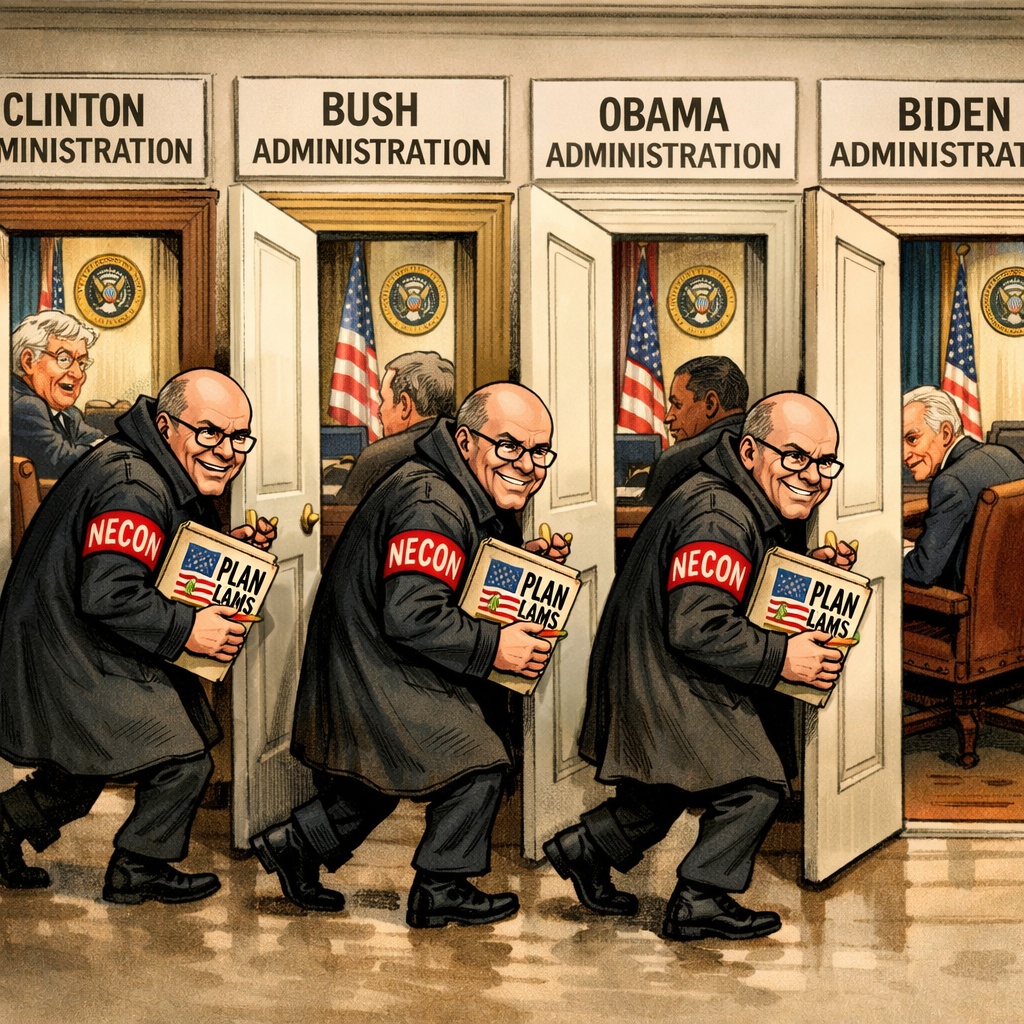
The Democrats are taking to the media to declare that war could have been prevented has Kamala Harris won the election. That narrative is convenient politically, but it ignores what the politicians themselves actually said. The desire for confrontation with Iran has existed on both sides of the political spectrum for decades. The problem is not simply one president or one party. The problem is the bipartisan foreign policy establishment that has long treated Iran as the central strategic enemy in the Middle East. The neocons exist on both sides.
During the 2024 campaign, Kamala Harris herself made the position very clear. When asked which country she considered the United States’ greatest adversary, she replied that the answer was “Iran.” That statement alone shows how deeply the Iran war narrative had already taken hold in Washington. Once a country is publicly framed as the primary adversary, the policy direction becomes predictable. Sanctions escalate, proxy conflicts expand, and eventually military confrontation becomes increasingly likely.
Yet now many of the same politicians who previously described Iran as America’s top enemy are suddenly condemning the war. Harris has recently criticized the Trump administration’s actions toward Iran, arguing against the escalation of the conflict. The shift in tone is typical Washington politics. When out of power, politicians oppose the war. When in power, the same establishment often supports it. “Let me be clear,” Harris wrote in a statement shared on the social platform X. “I am opposed to a regime-change war in Iran, and our troops are being put in harm’s way for the sake of Trump’s war of choice.”
This is not new. Hillary Clinton made similar statements long before the current crisis. She repeatedly warned that Iran could not be allowed to obtain nuclear weapons and stated she would use military force if necessary. Clinton said directly that she would “not hesitate to use military force if Iran attempts to obtain a nuclear weapon.” She also famously warned that if Iran attacked Israel, the United States could “totally obliterate” Iran. Those statements were not coming from a fringe figure. They were coming from a former Secretary of State and a leading presidential candidate within the Democratic Party.
Congress has also been moving in the same direction for years. In 2007, the Senate passed a resolution targeting Iran and its Revolutionary Guard Corps that encouraged the use of “all instruments of United States national power” against Iran and its proxies. That resolution passed with broad bipartisan support. The point is simple: the groundwork for confrontation with Iran has been building inside Washington for a long time.
Even figures like Chuck Schumer have consistently taken a hard line against Tehran. Schumer publicly opposed the Obama administration’s nuclear agreement with Iran and warned that the deal posed a danger to U.S. and Israeli security. He argued that the Iranian regime could not be trusted and that stronger pressure was necessary to contain it. That position aligned him with a coalition of hawkish policymakers in both parties who have long advocated a much tougher strategy toward Iran.
The idea that only Republicans support confrontation with Iran is historically false. The reality is that the foreign policy establishment in Washington, the neoconservative wing, has long existed across both political parties. Some supported wars in Iraq and Afghanistan. Others supported aggressive sanctions, regime-change policies, and military pressure against Iran.
What is troubling today is that this same mindset appears to be re-emerging inside the current administration as well. Many observers expected Trump to pursue a more restrained foreign policy after criticizing the wars of the past two decades. Yet, elements of the traditional interventionist establishment have gradually found their way back into positions of influence. When that happens, the policy outcomes often begin to resemble the very strategies Trump once criticized.
The uncomfortable truth is that the pressure for war with Iran has been bipartisan for a very long time. The neocon belief that American power should reshape the Middle East never belonged to only one party. It has existed across the entire political establishment. That is why the debate over who would or would not have gone to war with Iran misses the larger point. The forces pushing the United States toward conflict have been operating in Washington for decades, regardless of which party happens to occupy the White House.
Posted originally on Mar 12, 2026 by Martin Armstrong |
The latest CPI report for February 2026 came in largely as expected, and, on the surface, Washington will likely celebrate the numbers. Consumer prices rose 0.3% for the month and 2.4% year-over-year. Core CPI, excluding food and energy, rose 0.2% for the month and is running at 2.5% annually. By the standards of the past few years, this appears relatively calm.
If we step back and look at the trend, inflation has certainly cooled from earlier levels. Throughout much of 2025, CPI was closer to the 2.7%–3% range. By January 2026, it had eased to 2.4%, and February simply held that same pace. That slowdown is exactly what the Federal Reserve has been trying to achieve with higher interest rates.
Yet when you dig beneath the headline numbers, the story becomes far less convincing. The cost of living continues to rise in the areas that impact people the most. Shelter prices are still increasing at roughly a 3% annual pace. Medical care costs have risen about 3.4% over the past year. Household furnishings and equipment are climbing near 4%. Even personal care products are rising faster than overall inflation. None of these categories shows any meaningful sign of reversing.
Food prices also rose again in February, up roughly 0.4% for the month, while apparel prices jumped more than 1%. These are the everyday items people notice when they go shopping, which is why so many households still feel inflation is far worse than official statistics suggest.
The February CPI data largely reflects price conditions before the latest geopolitical tensions escalated in the Middle East. Oil prices have already started moving higher following the growing confrontation with Iran, and gasoline prices have begun rising again as we move into March. Energy has been one of the biggest drivers of secondary inflation waves. When oil rises, it raises transportation costs, manufacturing costs, and eventually the cost of food distribution. That ripple effect tends to show up in the inflation data months later. Then you have war, which propels inflation faster than any other event.
The Fed is now stuck in a difficult position. Inflation is still above its 2% target, but the economy is clearly slowing and the labor market is beginning to soften. If energy prices continue to climb into the summer, the Fed may once again find itself chasing inflation that is being driven not by monetary policy but by geopolitics. Inflation is never purely about interest rates. It is always tied to global events, supply chains, and confidence in government policy.
Posted originally on Mar 12, 2026 by Martin Armstrong |
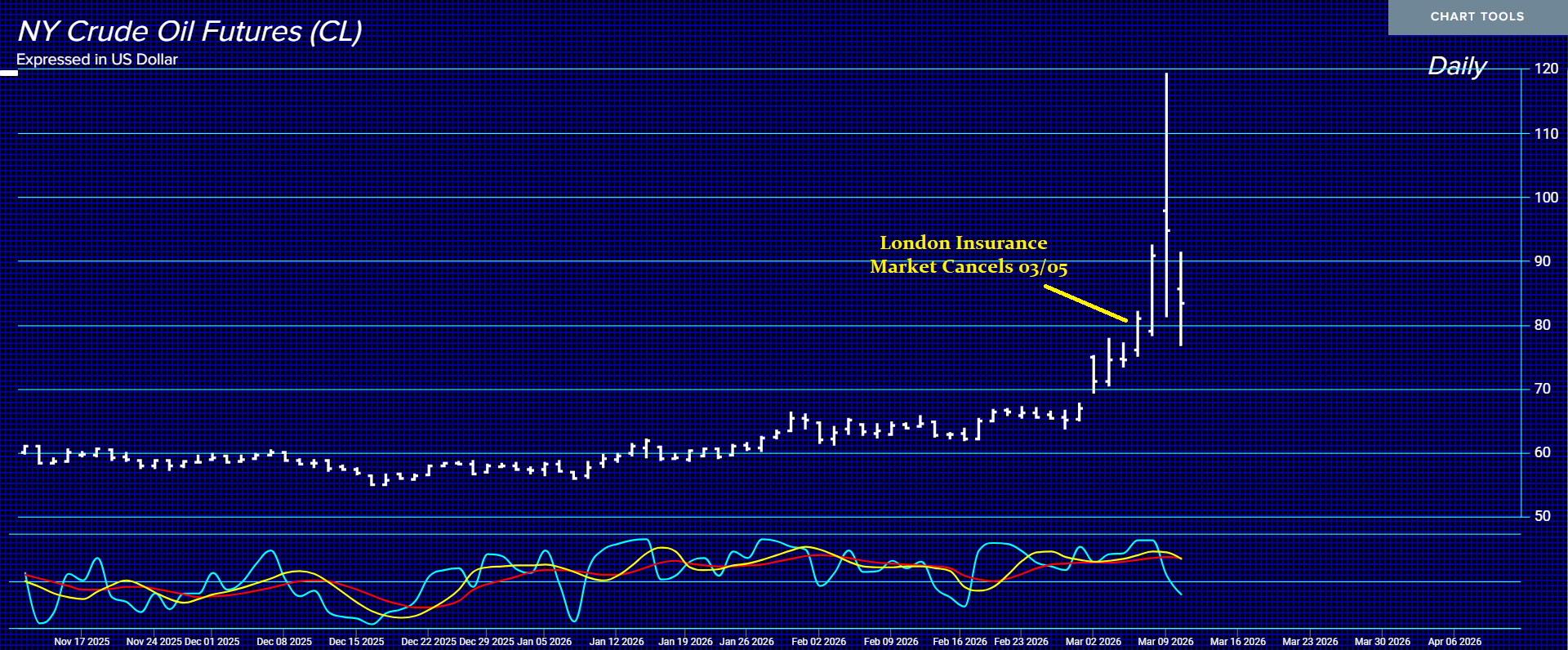
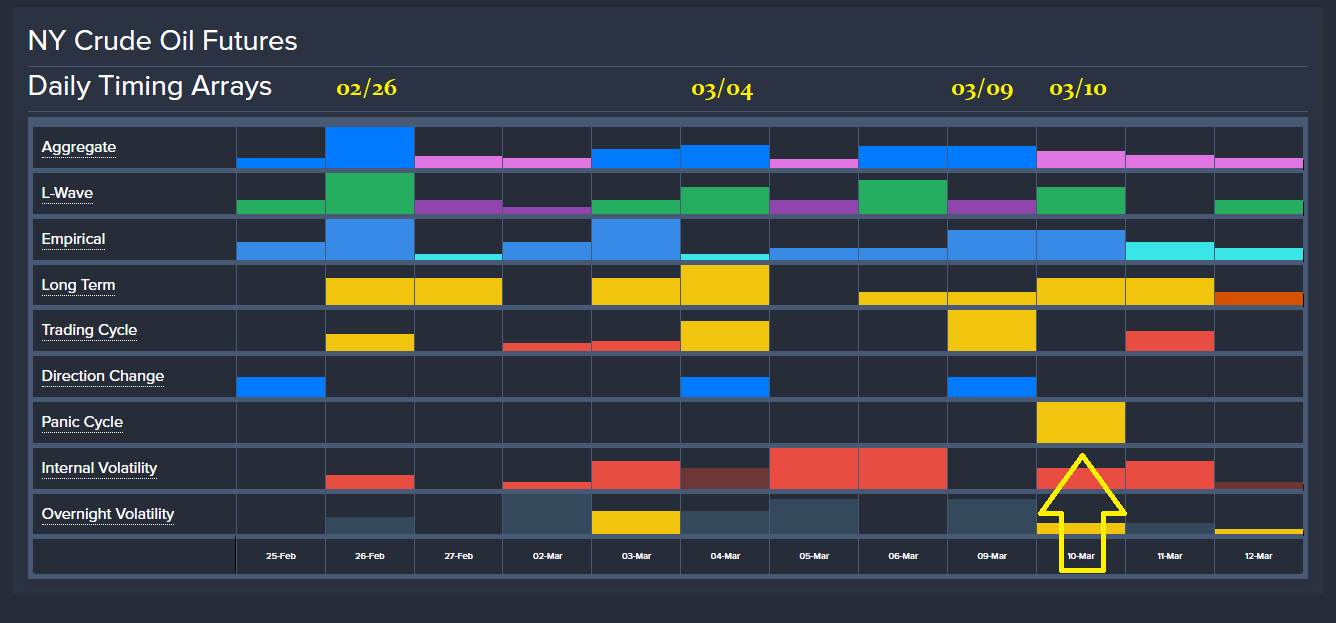
QUESTION: Do you think Trump has been subjugated by the Neocons and Israel? Socrates picked the low on the Feb 26 before the low, five days later Lloyds cancels the insurance to spike oil higher. It peaked precisely on March 9 as Socrates forecast and then the next day was a Panic Cycle when Crude crashes. Was this all orchestrated for the London houses to make a fortune again?
FG
ANSWER: It has been alleged that Trump is subservient to Netanyahu and that the Neocons were attempting to make a fortune on the oil market by instigating war with Iran. I do believe that Netanyahu will take the blame for this war that I fear may be unwinnable life Afghanistan because it also is religious. It has further been alleged that Lloyds of London killing the insurance on shipping to send oil prices to the Moon. The truth is that the International Group of P&I Clubs and its members (like Gard, Skuld, and NorthStandard) are NOT part of Lloyd’s of London. They are two entirely separate and distinct institutions in the London insurance market, though they have a close and long-standing working relationship.
The 26th was the low and crude began yielding buy signals two days in advance. Yes, Socrates picked the high and the crash with the Panic Cycle on the 10th. The computer clearly picked up in advance that the capital was flowing in anticipation of war in the Middle East. There was a Direction Change on the 25th, the day before the spike low ahead of the attack on the 28th.
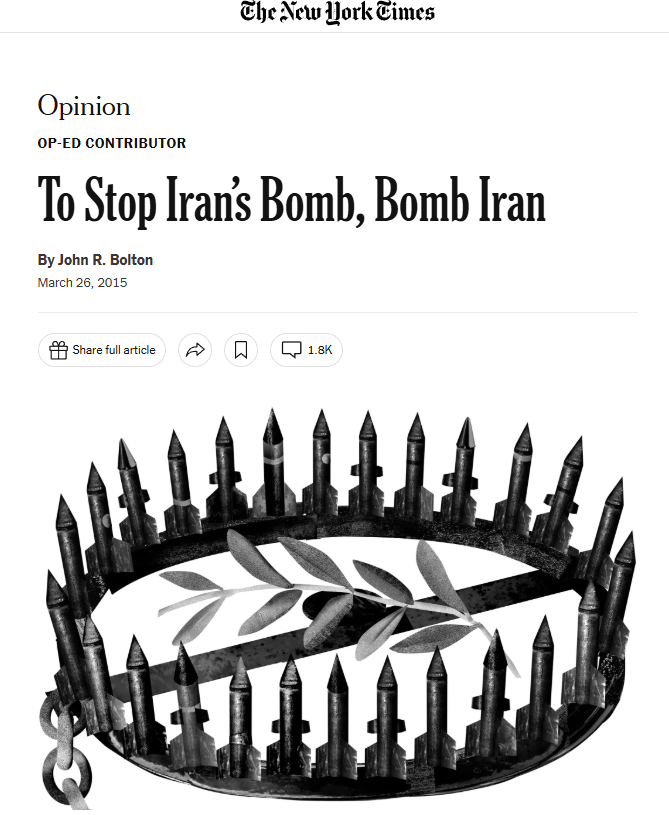
The Neocons in the USA are not rejoicing for Trump suddenly becoming a warmonger. Killing the Ayatollah has been on Netanyahu’s wish list for probably longer than Trump has every thought of becoming President. This no doubt Netanyahu’s war but that does not make it antiemetic. As I said, Netanyahu went to school in Philadelphia and hung out with the Kristols when in fact Irving Kristol is the godfather of the Neocons. This is an op-ed from John Bolton in the NY Times from 2015 Before Trump was president and it advocated bombing Iran.
That said, Bolton and other Neocons are not so happy because Trump is not actually listening to them and he is not using their playbook. There is another twist here and that is the businessman coming into this theatre.
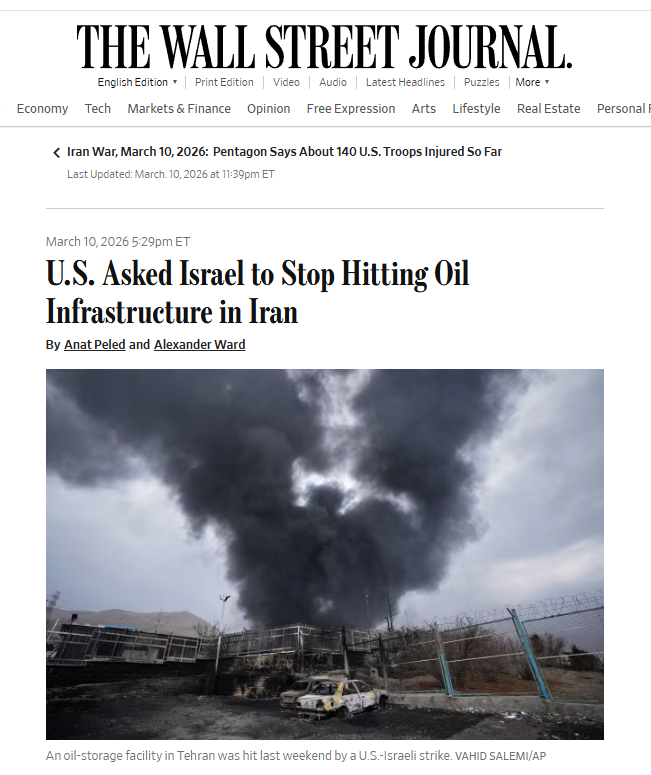
Trump has told Netanyahu to stop targeting Iran’s oil infrastructure. Why? Trump is planning ahead despite what Bolton is saying. Trump knows with the hote of a regime change, he wants Iran to be able to enter the world economy and supply oil. That will be an economic incentive to replace the government. But more than just that, China gets about 80% of Iran’s oil. Taking out that capacity may invite China into the mix for their national security perspective.
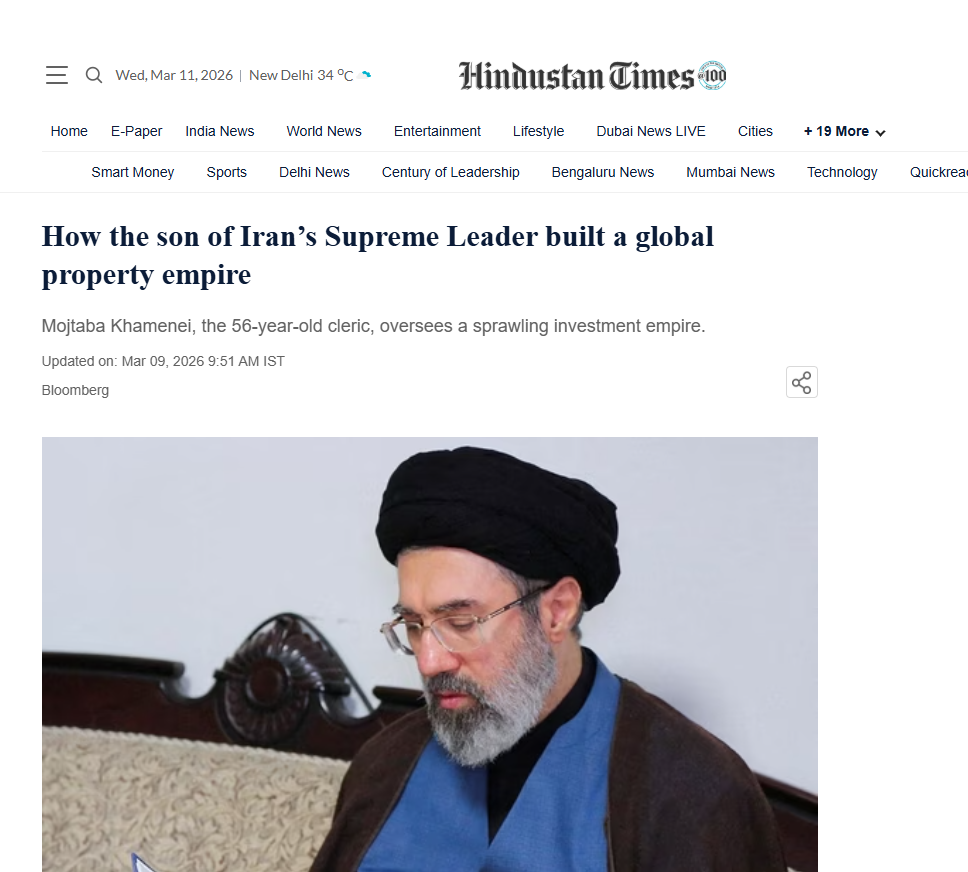
It has been reported that the ne Ayatollah has been the man behind a major property investor including house on Billionaire’s Row in London. He seems to have tried to hide his name directly but this goes back at least as far as 2011. The ties to London among the Islamic organizations have been there for decades.
Indeed, Trump keeps shifting his argument for why the war is happening, and how long it will last. Meanwhile, he understands that this can become a proxy war against the United States a drain our military assets rapidly. He is forced to into lifting sanctions on Russian oil and has said that he is defending the Strait of Horuz for everyone, including China, which is the largest oil importer and it takes about 80% of China’s oil.
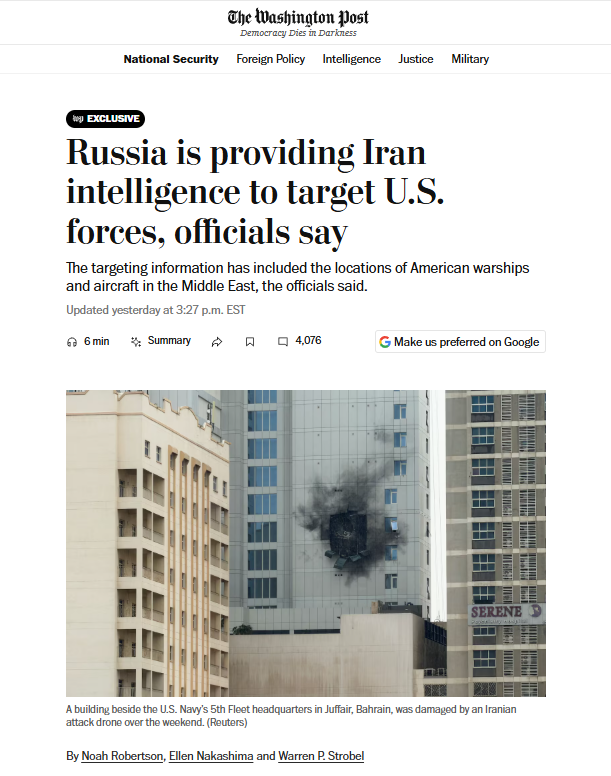
The greatest danger here is not just that Iran causes a Middle East War with sleeper cells and proxies, but that Russia is also ready providing tactical info to Iran as the USA has been doing with Ukraine, and on to of that, destroying the Iranian infrastructure clearly runs the risk of bringing in China and even Pakistan.
Posted originally on CTH on March 11, 2026 | Sundance
Today, President Trump is travelling to Kentucky to deliver remarks at Verst Logistics in Hebron Kentucky to promote and emphasize the MAGAnomic manufacturing revitalization. The anticipated start time for his remarks is approximately 4:30pm ET, with livestream links below:
Posted originally on CTH on March 11, 2026 | Sundance
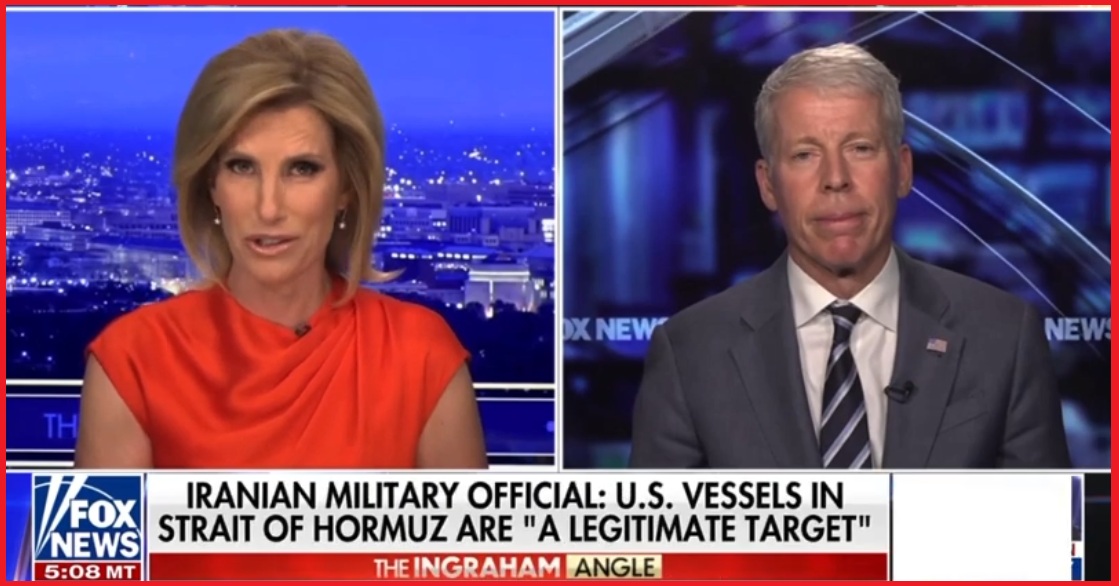
Tanker ships in the Gulf region continue to be targeted by various Iranian munitions including air and sea drones. Three tanker ships were hit today. Secretary of Energy Chris Wright appears on Fox News to discuss the issues with Iran and the decision to release oil from the SPR. WATCH:
WASHINGTON—U.S. Secretary of Energy Chris Wright released the following statement regarding the International Energy Agency (IEA) and the U.S. Strategic Petroleum Reserve (SPR):
“Earlier today, 32 member nations of the International Energy Agency unanimously agreed to President Trump’s request to lower energy prices with a coordinated release of 400 million barrels of oil and refined products from their respective reserves.
“As part of this effort, President Trump authorized the Department of Energy to release 172 million barrels from the Strategic Petroleum Reserve, beginning next week. This will take approximately 120 days to deliver based on planned discharge rates.
“President Trump promised to protect America’s energy security by managing the Strategic Petroleum Reserve responsibly and this action demonstrates his commitment to that promise. Unlike the previous administration, which left America’s oil reserves drained and damaged, the United States has arranged to more than replace these strategic reserves with approximately 200 million barrels within the next year—20% more barrels than will be drawn down—and at no cost to the taxpayer.
“For 47 years, Iran and its terrorist proxies have been intent on killing Americans. They have manipulated and threatened the energy security of America and its allies. Under President Trump, those days are coming to an end. “Rest assured, America’s energy security is as strong as ever.”
UPDATE: 2 oil tankers are on fire after being attacked in the Persian Gulf off Iraq, according to Reuters. It's unclear who carried out the attack. pic.twitter.com/6pHBKn6zcv
Posted originally on CTH on March 11, 2026 | Sundance
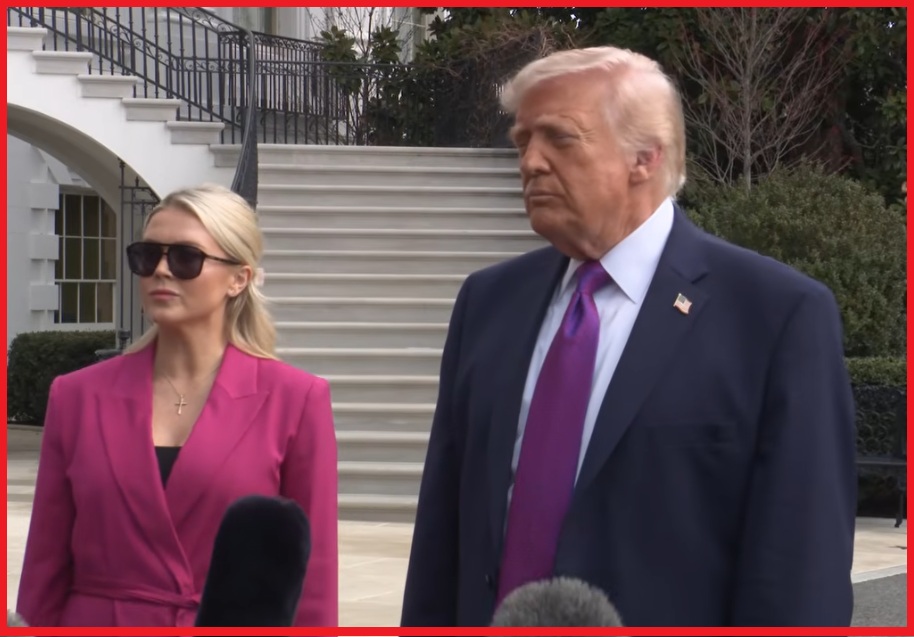
President Trump answers questions from the media as he departs the White House for Ohio and Kentucky. The majority of the questions surrounded Iran and the SAVE America Act. WATCH:
Posted originally on CTH on March 11, 2026 | Sundance
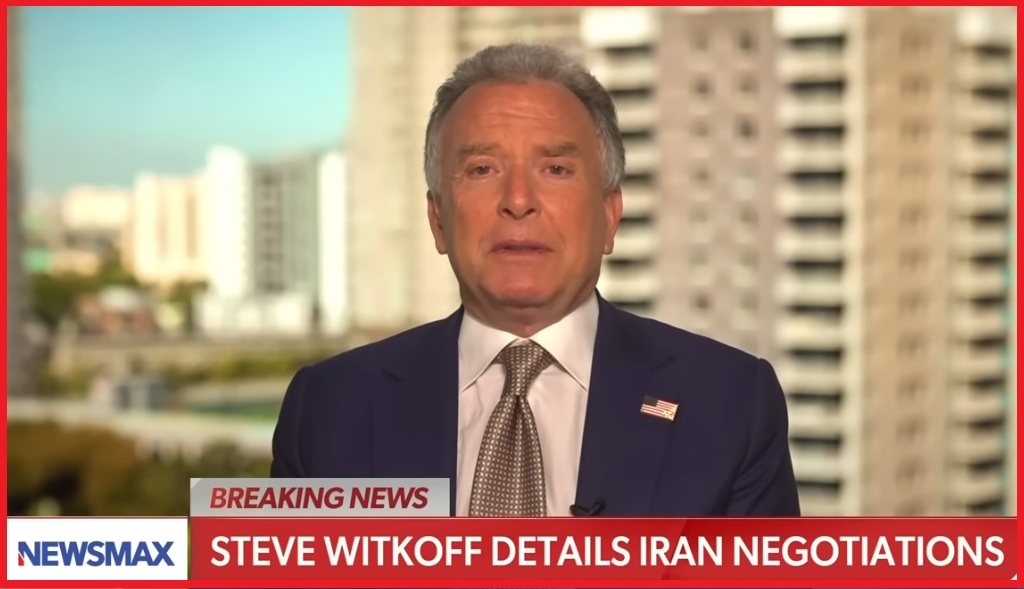
President Trump’s U.S. Special Envoy, Steve Witkoff, recently sat down with Greta Van Susteren to outline the point of diplomatic discussions with Iran’s Foreign Minister Abbas Araghchi when things broke down.
The Witkoff explanation is interesting as he outlines Iran’s unwillingness to even consider a cease to their ballistic missile program as part of the expanded security talks. According to Envoy Witkoff, Foreign Minister Araghchi was intransigent on several key points of concern; even becoming loud and aggressive as he was pushed to explain why seeking ballistic missiles would be needed.
It’s an interesting background perspective that gives context to the decision that President Trump ultimately reached. WATCH:
Posted originally on CTH on March 11, 2026 | Sundance |
Despite the Trump administration pushing maximum transparency, there is a lot of noise and wrong information surrounding the U.S. military operation ‘Epic Fury’ against Iran. Much of the false or incorrect information is coming from consultants to sell their opinions to corporate media.
Whenever the fog of war surrounds military activity that takes place against national security information, it is best practice to listen to the leadership who control and command the actual activity being reported on. CENTCOM Commander Bradley Cooper provides updates on strategic missions. The information is shared via CENTCOM’s X Account. WATCH:
I have created this site to help people have fun in the kitchen. I write about enjoying life both in and out of my kitchen. Life is short! Make the most of it and enjoy!
This is a library of News Events not reported by the Main Stream Media documenting & connecting the dots on How the Obama Marxist Liberal agenda is destroying America

 Centinel2012