Secretary Bessent Announces “Narrowly Tailored, Short Term Sanction Relief” for Russia


Posted originally on CTH on March 13, 2026 | Sundance |

Trump, you magnificent bastard, I read your book!’

President Trump and Treasury Secretary Scott Bessent are facing mounting criticism for creating a window for Russia to sell oil and gas to the global market via “narrowly tailored, short-term” sanction relief.  However, few people are putting the issue into context, and the background here is exceptionally interesting.

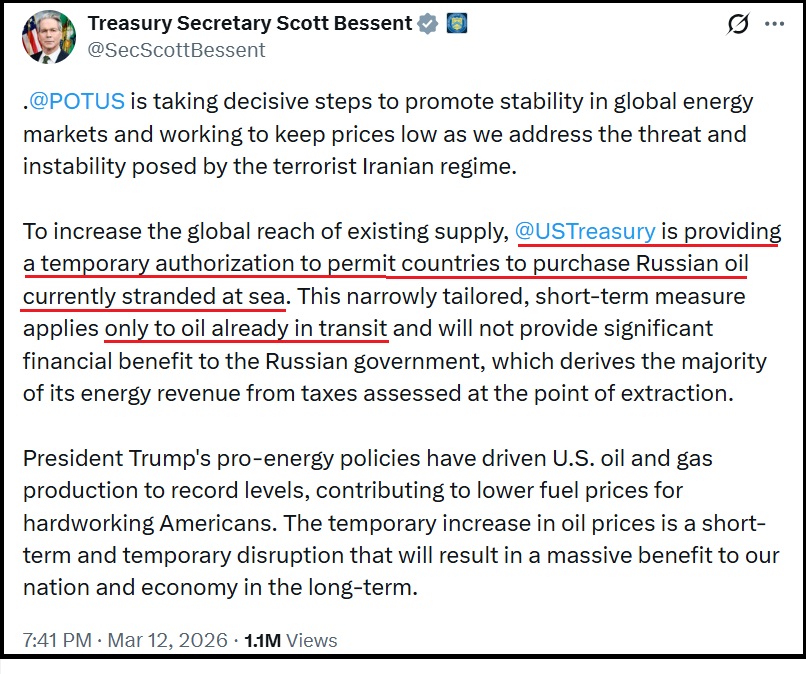
According to the terms announced by Secretary Bessent, the license to sell applies solely to Russian crude or petroleum products loaded onto vessels as of March 12 and is valid through midnight Washington time on April 11. [Treasury Notice Here – OFAC Technical Details Here]

[source]

The sanction relief license to sell will be done in globally recognized petrodollars and applies only to preexisting oil and petroleum products that are already in transit at sea.  However, here’s where it gets very interesting and the ramifications are significant.

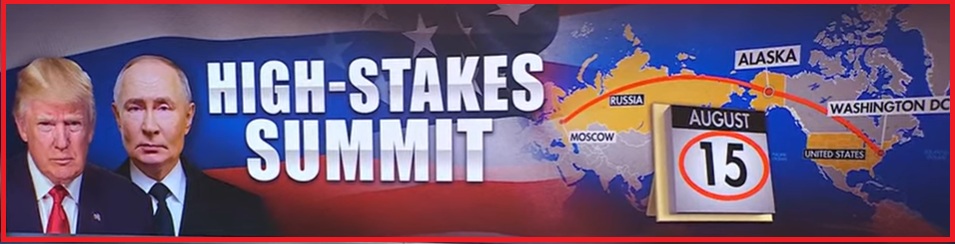
Immediately following the Alaska summit between Russian President Vladimir Putin and President Trump, Russia restarted Arctic-2 LNG terminals and began increasing oil production for storage on ‘floating platforms.’  President Trump met with Putin on August 15, 2025, and the curious increase in Russian production began on August 18, 2025.

In the past six months Russia has been pumping sanctioned oil and gas and storing it on ships and mobile sea platforms, seemingly (at the time) with no customers.  Suddenly, against the background of the Iran conflict, all of that previously stored ‘on the water‘ production, now worth double, is authorized for global sale (in petrodollars).

Either Russian President Putin is the luckiest guy in the world, or Russia knew something.

In 2025 what Russia did following the Alaska summit did not make sense; now it does and the ramifications are stunning.

President Trump was looking for a way to organize a strategic partnership with Russia on the issue of energy production but was hampered by the preexisting sanction regime and strong opposition from domestic and international politics.

The ‘coincidental’ timing’ of Trump meeting with Putin and then subsequently Russia producing massive amounts of oil and gas for storage on the water suddenly starts to take on an entirely new light.  Did Putin know something was coming, something that would eventually make the Russian over production and ‘on the sea’ storage worth billions.

The implications here are quite remarkable; however, they simultaneously explain most of the behaviors since the Iran confrontation began.

Media reports highlight that Vladimir Putin was asked about a previous joint agreement for military support between Iran and Russia and why Russia did not respond when Iran was attacked.  Foreknowledge would explain that reaction.

Additionally, the Russian Federation president never responded to the Trump operation to take down Venezuelan dictator Maduro and seize control over Venezuela’s oil production.

If there was some discussion inferring that a ‘limited sanction relief’ protocol might be possible, that would explain why Russia began storing oil and gas at sea.

This fact pattern would also indicate that President Trump’s decision toward Iran was made at least six months ago, with a set of geopolitical events planned between the Alaska summit and the eventual confrontation with Iran.

TIMELINE: Trump and Putin meet. Three days later Russia begins pumping oil/gas and storing it at sea. President Trump then triggers the Venezuela western hemisphere security operation; Russia stays silent.  President Trump then triggers the confrontation with Iran; Russia rejects involvement. And then two weeks after the Iran confrontation begins, Trump removes sanctions on Russian oil/gas “in transit” at sea.

Suddenly all of the Russian produced and stored product ‘on the water’ has greater value and new customers.

Just a coincidence?  No way.

The United States needs the oil/gas market stability that Russia can provide.

Venezuela was/is to Trump as Ukraine was/is to Putin.

We’ll keep watching.

Enjoy the rest of your day.

.

.

Witkoff and Kushner Meet Russian Delegation in Florida – Reports Indicate Discussions of Strategic Economic Cooperation on Oil


Posted originally on CTH on March 12, 2026 | Sundance 

The fact that Team Russia and Team USA would be discussing a strategic economic alliance on the issue of energy is not a surprise to those who watched both President Putin and President Trump outline that same content discussion in Alaska last August.  However, given the current conflict with Iran and the escalating oil price issue, Russia and the USA discussing Russian oil capacity and U.S. sanctions therein takes on a new angle.

It has been obvious that domestic U.S. politics, in combination with the Russia-Ukraine war, has impeded President Trump from organizing a strategic reset with Russia pulling away from historic conflicts.  However, CTH is also clear-eyed on the longer-term ramifications for Eastern Europe when contrast with Putin’s ambitions to fix what he perceives as prior Russian Federation mistakes regarding the West (more on that at the end).

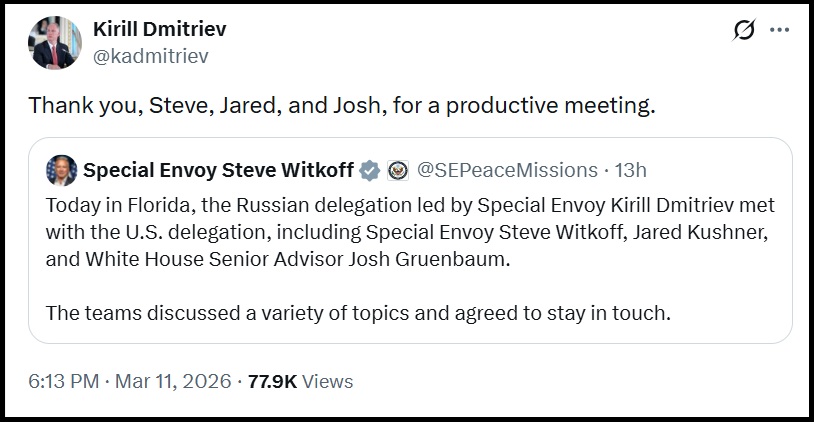
As noted in social media exchanges from Witkoff and Dmitriev, the discussion was productive.

[SOURCE]

All indications of this meeting give the appearance of less focus on progress in the Ukraine-Russia conflict, and a higher focus on current economic conditions -created by the Iran conflict- that could be enhanced with cooperation between the U.S. and Russia. {GO DEEP BACKGROUND}

According to Kirill Dmitriev, Russian special presidential envoy for investment and economic cooperation with foreign countries and director general of the Russian Direct Investment Fund (RDIF), relayed through the Russian News Agency (TASS), “he visited the US upon orders from Russian President Vladimir Putin, taking part in a meeting of the heads of a working group on economic cooperation between the two countries.”

According to the envoy, the meeting addressed both promising projects that can help restore Russia-US relations and the current crisis on global energy markets.

The US is becoming increasingly aware of the role of Russian oil and gas in ensuing the stability of the world economy, as well as of the [in]effectiveness of sanctions against Russia, Dmitriev said after the meeting. (source)

“We discussed promising projects that could contribute to the restoration of Russian-American relations and the current crisis on global energy markets,” Dmitriev also wrote in a Telegram post.

“Today, many countries, primarily the United States, are beginning to better understand the key, systemic role of Russian oil and gas in ensuring the stability of the global economy, as well as the ineffectiveness and destructive nature of sanctions against Russia.”

With the strong likelihood that Russia’s restart of their flagship LNG terminal Arctic-2 was directly related to the August summit in Alaska {SEE HERE}, there is already a baseline established for strategic cooperation.

President Trump would have no problem with Russia introducing millions of barrels of oil into the global market given the issues created by conflict in/around the Strait of Hormuz.  However, obviously the issues for streamlined Russia oil exports surround (1) preexisting sanctions, (2) domestic U.S. anti-Russia politics and (3) the political and economic position of the anti-Russia European Commission leadership.

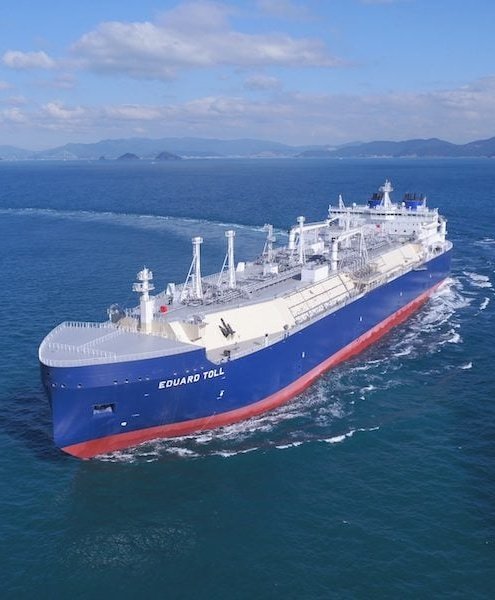
As we previously outlined with the Liquified Natural Gas (LNG) benefit, Russia previously extracted, liquified and pumped massive amounts of LNG into floating storage platforms from Arctic-2.  Those LNG supplies doubled and tripled in value in a few days once Qatar shut down their production facilities and are now being sold to various Asian countries.

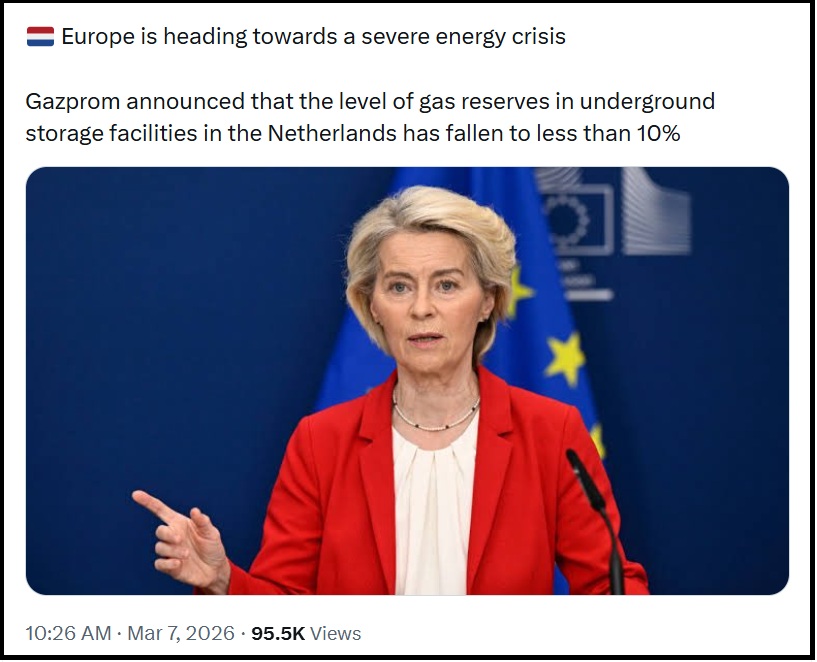
Europe has a massive energy problem with severely low LNG storage rates and now a shortage of oil, with EU gasoline prices rising much higher & faster than the rest of the world.  Europe is facing a severe energy crisis overall and now their preexisting economic troubles are being amplified.

More than ever Europe needs the Russian oil/gas, but ridged ideologues will never compromise on their anti-Russia position.  They have even steeper sanctions against Russian oil/gas scheduled to trigger at the end of this month.

It will be interesting to see how President Trump navigates the potential benefit from Russian energy products into the global market against the backdrop of all the geopolitical angst and political opposition against Russia.

…. AND that brings me to a point of discussion that I’ve had with a few dialed-in people.

When you look at the long term, and when you overlay the mindset of Russian President Vladimir Putin, almost everyone in Russia/Eastern Europe who evaluates the future can see the potential for Putin to exploit the EU’s self-created economic vulnerabilities for his own expansionist objectives.

Yes, some elements of the U.S. banter about further Russian expansion are not propaganda.  Most of it is, but there is an element to the future forecast -beyond the Ukraine conflict- that could see Russia in a much stronger position, and the EU in a position of significant weakness.

The MAGA-minded European and Russian people, the ones who have strong wisdom on the issues, can all see a specific set of dominos falling that could place Putin in a position to recapture the remaining pro-Russian geographies in Europe back into an expanded Russian Federation.

Given the highly unstable mindset and friction points within European leadership, that would be a very bad combination to contemplate.

A strategic USA reset with the Russian Federation is a reasonable and pragmatic goal.  There is no reason for America and Russia to be in conflict or opposition and pulling Russia away from a relationship with China has massive benefits for both countries.

The Russian people are not affectionate toward China at all, not even a little bit.  In reality, China is a necessary ally for Russia but not a choice they would select if other options were available and variables were changed.  The Russian people are exceptionally independent, incredibly strong and brutally proud; however, they are also more Western-minded (European, without self-flagellation) than Eastern-minded (Asian).

Here’s where/why Trump is being careful and pragmatic.  President Trump doesn’t want to see an outcome where Russia is eventually stronger than Europe.  There’s not enough frictionless history between the USA and Russia to trust Putin when he says the Federation has no plan to expand into Europe.

The USA can/should be strategic allies with Russia. However, it would be much better if a strong Europe existed at the same time.  Hence, Vice President Vance and Secretary of State Rubio continuing to emphasize that Europe needs to stop cowering in politically correct wokeness.  The EU is destroying itself at the same time Russia is getting stronger.

.

Last point, the Lyndon LaRouche team, Promethean Action PAC, are very happy with the ongoing fracture of the USA away from the UK/EU group.  However, be cautious around Political Action Committees who say, “President Trump needs people to understand what he is doing” and we are here as his official policy interpreters.

Remember, President Trump doesn’t need policy interpreters.

Volkswagen Loses Half Their Profit, Now Plan to Cut 50,000 Jobs Over Next Four Years


Posted originally on CTH on March 10, 2026 | Sundance

The origin of this issue goes back to 2021 and the relaunch of the Build Back Better European green energy program to fight the non-existent climate change problem.  We have been highlighting the consequences within the EU auto sector.

We noted in October of last year, the EU’s mandated fines against auto manufacturers who do not hit their production goals for electric vehicle sales began in 2025.  EU automakers unable to meet the regulatory compliance goal began purchasing carbon credits to avoid stiff EU fines.  Many of those carbon credits were purchased from Chinese EV automakers, who then turned around and started using the extra EU revenue to discount Chinese cars sold in Europe.

At the same time as Chinese autos hit record highs in Europe, EU car sales are flat or declining.  Now, Volkswagen is announcing they lost half their profits in one year and will be cutting 50,000 jobs in the next four years.

(MSM – Europe) – Volkswagen just revealed its operating profit sank like a stone last year, dropping by more than half as tariffs, Chinese competition, and shifting strategies took a serious bite out of the bottom line. And that performance now has the VW Group’s execs reaching for the cost-cutting scissors, including plans to shed 50,000 jobs by the end of the decade.

The German automaker reported an operating profit of €8.9 billion ($10.3 bn at current rates) for 2025. That’s down a hefty 53 percent from the year before and well below what analysts were expecting. Revenue, meanwhile, barely moved, slipping only slightly to around €322 billion ($374 bn). (read more)

This was very predictable. In essence, EU car companies buy Chinese car company carbon credits, to avoid the EU fines.  The Chinese car companies then use the carbon credit revenue to subsidize lower priced Chinese EVs to the European car market, thereby undercutting the European EV car companies.

The EU tariff applied to gasoline powered cars or hybrids from China is 10%.  That tariff is not enough to stop the imports. The Chinese hybrid autos are substantially less than European car brands, and there’s no financial incentive for China to build auto plants in the EU zone especially when you consider the EU is subsidizing those cars by purchasing carbon credits.

When analyzed from a cost and consequence, the entire EU dynamic toward car companies is a little funny.  However, for Germany this is a serious issue, and with the German industrial economy already stagnant – every impact to their auto industry only makes the situation worse.

When you overlay the big picture of their expensive “green energy” costs, the EU find themselves in an unescapable downward spiral.  Quite literally, all commonsense seems to have been lost in their green energy chase.

By focusing on energy targets, specifically by trying to force production of European electric vehicles that are not favored by European car purchasers, the EU is shrinking their economy to the benefit of Beijing exploitation.

German Chancellor Friedrich Merz recently travelled to China for a discussion with Chairman Xi Jinping.  Chancellor Merz returned to German with a stark message about how the nation needed to quickly get productive in order to meet the far superior work ethic he saw in China.

At the same time, the EU has destroyed its energy sector by chasing windmills and solar farms instead of maintaining the much cheaper coal and gas alternatives.  Overall, Europe has made a series of really bad decisions, but those consequences will surface the hardest within the largest industrial economy, Germany.

They’ve got major problems now.

Part II – Europe and China Have an Energy Problem


Posted originally on CTH on March 7, 2026 | Sundance 

When President Donald Trump and President Vladimir Putin met in Alaska on August 15, 2025, the focus of the geopolitical world was on discussions surrounding Ukraine.  Unfortunately, it didn’t take long, merely a few hours, for both the U.S. and Russia to say that no progress was made.  However, also noted at the time was both the USA and Russia saying sideline discussions took place surrounding the possibility for a strategic relationship surrounding energy development.

What follows below is a review of the current energy dynamic, specifically surrounding LNG, against the backdrop of the Iran war with a hindsight review of that previous discussion between Putin and Trump.

What most people are missing in their current analysis was something that took place immediately following that Alaska summit six months ago.  Something that did not make any sense until now. {GO DEEP PART I HERE}

Three days after that summit meeting, on August 18, 2025, Russia announced they were restarting Russia’s Arctic-2 LNG production facility.  Russia would be more than doubling their capacity to generate and store liquified natural gas (LNG).

It absolutely did not make sense that Russia would start producing even more LNG considering the previously imposed western sanctions against them, and the fact that Russia was already overproducing LNG. As noted by analysts at the time:

AUGUST 18, 2025 – Russia’s Arctic LNG 2 export facility, which is sanctioned by the United States, is coming back to life after a year of no activity and is looking for buyers in Asia.

[…] The U.S. and EU sanctions on Russia’s Arctic LNG 2, which was billed as Russia’s flagship LNG project, have effectively frozen the start-up of the export facility in the Gydan Peninsula.

[…] Last year, Russia started shipping LNG from its flagship Arctic LNG 2 project—but not to customers. The shipments were made from the Arctic project to floating storage units either in Russia or in European waters, as potential customers were unwilling to buy the sanctioned LNG. {SOURCE}

In August of 2025, Russia was essentially producing more LNG than they could sell into the available market.  Russia was storing the overproduction from Arctic-1 on floating storage units and slowly selling to countries that did not align with the sanctions, specifically China and some Asian buyers.  Then suddenly, after the Trump summit, Russia decides to bring Arctic-2 online and produce even more LNG.  You can see how this did not make sense.

If they could not even sell all the Arctic-1 LNG output, then why would Russia bring Arctic-2 LNG production online?

That was six months ago.

Suddenly, with the war in Iran being triggered, and with Qatar almost immediately announcing they were shutting down all LNG production, there are dozens of new markets for liquified natural gas. And that current LNG is now worth 50% more than it was when Russia inextricably decided to start producing and storing it.

Apply some hindsight to this timeline.  Did Russia know or discover something in August of 2025 that the world would not discover until six months later?

Russia’s behavior in increasing LNG production, then storing that LNG in strategic venues, during a time when there was no reasonable incentive to trigger an LNG output increase, would seem to answer that question in the affirmative.

One thing is certain, all of that previously produced LNG is now worth double what it was when Russia created it, and now the global market is scrambling to get it.

Here is where it gets really interesting….

In October 2025, do you remember me asking why President Trump decided to fly East, to go West to the ASEAN summit in Asia?  It just didn’t make sense.

Previously in 2017 when President Trump went to the ASEAN summit, he flew West; Airforce One refueled in Guam.  This time in 2025, a few weeks after the meeting with President Putin in Alaska, President Trump flew East, to go West.

Where did he refuel?

That’s correct.  President Trump refueled in Qatar, and during the ‘unexpected’ stop he met, yet again, with Qatari leadership.

♦ In May 2025 President Trump traveled to Qatar and had numerous and lengthy conversations, signing multiple strategic defense and trade deals.  ♦ In August 2025, President Trump meets with Vladimir Putin, who then begins ramping up production of LNG.  ♦ In October 2025, President Trump travels back to Qatar for a curious and unexpected visit.

Less than 36 hours after President Trump began “Operation Epic Fury” Qatar announces they are halting the production of LNG, and as a consequence the price of LNG jumped and a massive supply shift in global trade was created.

The Financial Times – […] The global battle for gas is underway, with Europe on the front lines. Since Wednesday, March 4, at least four liquefied natural gas (LNG) tankers – factory ships with large, refrigerated tanks used to transport LNG over long distances – suddenly changed course. Initially headed for France, Belgium or Spain from Africa and the United States, they rerouted for Asia, according to data from the maritime analytics company Kpler. (read more)

MOSCOW, March 4 (Reuters) – Russia could halt gas supplies to Europe right now amid a spike in energy prices triggered by the Iran crisis, President Vladimir Putin warned on Wednesday, linking the possible decision to the European Union wanting to ban purchases of Russian gas and liquefied natural gas. (read more)

MOSCOW, March 6 (Reuters) – “Our companies are considering opportunities, ​without waiting for ​further restrictions from Europe, to conclude ‌new long-term contracts with ​our partners ​and redirect some of the gas from Europe to other countries, including India, Thailand, ​the Philippines and ‌the People’s Republic of China,” Russian Deputy Prime Minister Alexander Novak ​said.

Next announcement:

[SOURCE]

Six months ago, following a summit in Alaska with President Trump, President Vladimir Putin began producing and storing LNG at a scale and capacity that did not make sense.   Six months later, the now massive Russian inventory is worth twice as much as it was, AND the number of global buyers for the Russian LNG has exploded.

Meanwhile, “while China would suffer from oil outages, a Middle East crisis with disproportionate LNG outages might benefit the PRC. Natural gas accounts for a relatively small share of China’s primary energy consumption, the country enjoys substantial domestic production, and it can tap pipeline imports from Russia, Central Asia, and Myanmar. Significantly, many of the PRC’s competitors or rivals—the European Union, Japan, South Korea, and Taiwan—are substantially or even wholly reliant on LNG imports for their natural gas consumption. Dutch TTF natural gas prices are up more than 50 percent against last Friday’s close, fueling concerns of an energy-induced inflationary spike.”

Where is President Trump scheduled to go next?

WASHINGTON/BEIJING, March 3 (Reuters) – The U.S. military campaign against Iran has put Chinese leader Xi Jinping on the back foot ahead of an expected summit with U.S. President Donald Trump, who for the second time in as many months has turned America’s military against one of Beijing’s close partners.

Trump is set to arrive in Beijing at the end of March following the ​U.S. capture of Venezuelan President Nicolas Maduro in a risky Caracas raid in January and the U.S.-Israeli air war that on Saturday killed Iran’s Supreme Leader Ayatollah Ali Khamenei, the former ‌leaders of two countries that have been major oil suppliers for China.

[…] Xi now faces the awkward prospect of feting Trump on the world stage or backing out of the proposed March 31 to April 2 ​meeting. Beijing has yet to confirm the summit dates. (read more)

.

Huh, imagine that….

Division, Derision and the Economics of the Thing


Posted originally on CTH on March 6, 2026 | Sundance

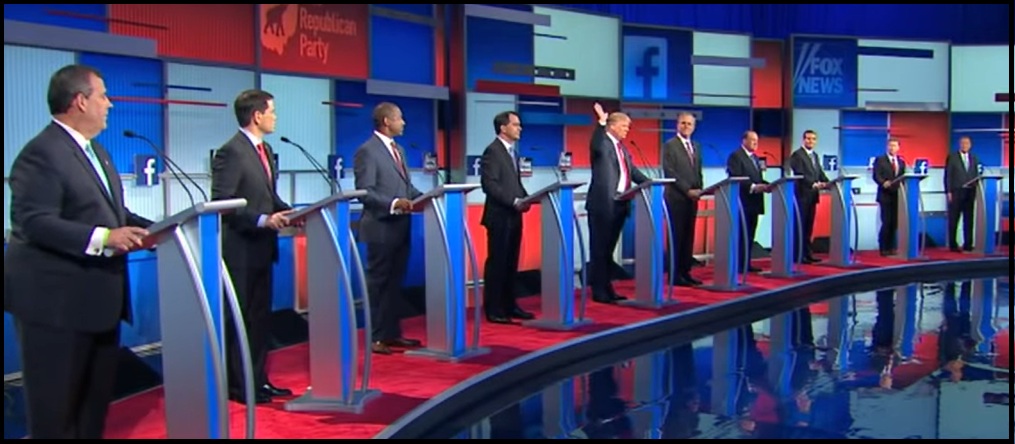
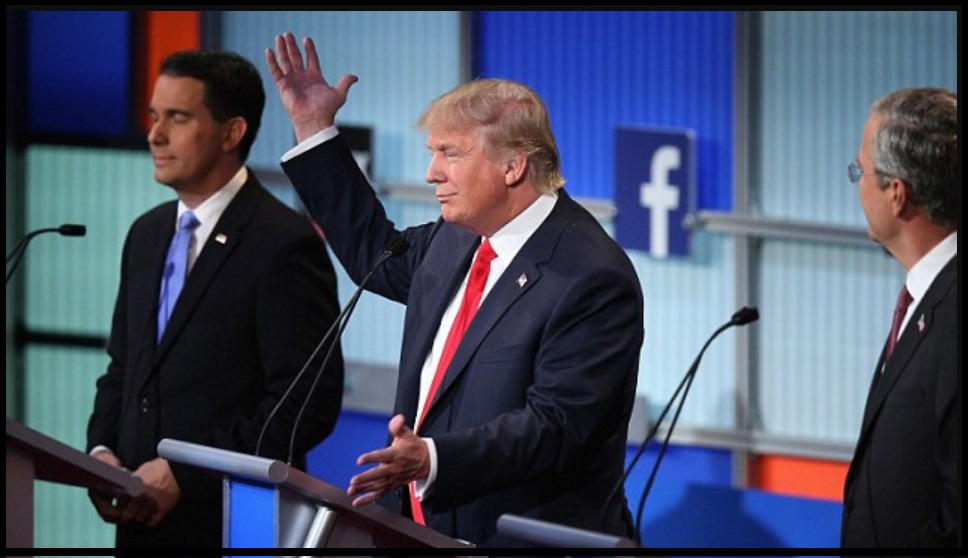
Do you remember this moment during the 2015 republican presidential debates when all of the candidates were on stage and leading control outlet Fox News (Bret Baier) purposefully asked the candidates:

…”is there anyone on stage, unwilling tonight, to pledge your support to the eventual nominee of the republican party, and pledge to not run an independent campaign against that person.  Again, we are looking for you to raise your hand now if you won’t make that pledge tonight.”

[The moment in video is here] The need for control is a reaction to fear.  The question was intentionally constructed to create both an optic and a narrative Fox News, Rupert Murdoch and the republican party were purposefully shaping.  Collectively the professional republicans were desperately afraid Donald Trump would run as an independent candidate.

I bring us back to that moment because it is the key to understand where we are even today.  This was the core of the matter. This is the “trillions at stake” aspect.  This is the economics of the thing as it first manifest.

Why did Donald J Trump stand against them all?

For many years before that moment, a small group of us had been outlining why it was urgent for MAGAnomics to take charge of the U.S. economy; because underneath both wings of the UniParty in Washington DC was a system that few understood.

♦ Prior to 2016, the United States Chamber of Commerce (U.S CoC), a private K-Street lobbying consortium, were the negotiators for every single trade deal done from the office of the United States Trade Representative (USTR).

The U.S. government (USTR, POTUS and Congress) was the trade stakeholder who signed the agreements; however, the actual nuts and bolts of what the trade deal included, the terms and conditions, were negotiated by the US CoC.

The U.S. Chamber of Commerce represented the corporate interests of their Wall Street clients. After all, the corporations paid the CoC and the business model of the CoC is dependent on the corporations.

This is the larger background for how decades of trade agreements ended up with offshoring, the Rust Belt, diminished domestic manufacturing, and increased corporate profits. This is the core mechanics of how a U.S. manufacturing economy was shifted to a “service driven economy.”

The U.S. Chamber of Commerce was writing the trade deals. The CoC would then fund the politicians who would approve the trade deals. The CoC would also finance the presidential candidates.

When President Trump ran for office in 2016, his trade, manufacturing and economic policies were against the interests of the entire business network that controlled trade. The U.S. CoC poured money into Hillary Clinton’s campaign and their main GOP partner in the enterprise, Mitch McConnell.

When Trump won the election, he completely shut out the CoC from any involvement in U.S. trade negotiations. Trump literally put himself, Wilbur Ross, and Robert Lighthizer in control.

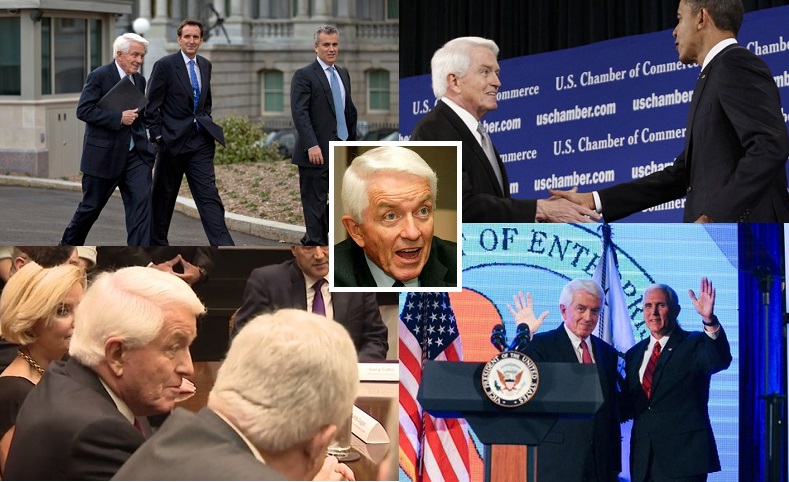
The CoC was apoplectic but powerless to stop this action. CoC President Tom Donohue could not even get an appointment to see President Trump in the White House.

The only thing the CoC and Tom Donohue could do was to fund anyone who would assist them in removing the existential threat that Trump represented. That’s what they did.

With the CoC removed from influence, President Trump, Wilbur Ross and Robert Lighthizer began the painstaking process of taking the Wall Street profit tentacles off U.S. trade policy.

In essence, President Trump put the interests of the American citizens back into the top priority of the U.S. govt, as it pertained to the biggest of all big picture items, the U.S. economy. That’s why in 2018 and 2019 the U.S. economy was on fire with growth.

All of that MAGAnomic background remained in place when President Trump retook control in 2025, and now we are starting to see the positive economic effects again resurface.  However, that collective UniParty opposition still remains, albeit significantly diminished by the refusal of President Trump to move away from America-first policy.

The core of the opposition to all of President Trump’s actions, remains almost exclusively an outcome of the economics of policy the DC system no longer controls.  It’s about the money.  It will always be about the money.  The division we are encountering in the MAGA ranks, is specifically driven by those same financial interests who opposed candidate Donald Trump a decade ago.

When it came to trade policy, economic policy, tariff policy and the confrontation with China, there was not one iota of difference between any of the 17 republican candidates in that 2016 election.

There was not one degree of divergence from the traditional corporate economic policy of the 30 years that preceded that moment on stage.  Every one of the republican candidates aligned with the CoC message.

♦ CTH had previously identified our assembly as “The Last Refuge” specifically because there was no information space, no website, no organized group, no podcast, no functional assembly who understood the basic problem and simultaneously rejected the noisy pontificating baseline notion that our status was doomed to remain as a “service driven economy.”

We rejected that notion here.  So too did Donald J Trump, and subsequently we championed him.

His intention in this MAGAnomic regard has never wavered, flinched or diminished.  President Trump has focused on delivering real, actionable economic benefits due to a radically shifted policy approach toward jobs, trade and the underlying blue-collar economy.

As President, Donald Trump has never stopped being Main Street First in all policy outcomes.

What we are witnessing now with the division, derision and conflict goes right back to that original set of policy distinctions.

In 2016 we did not use the term “influencers,” but they existed inside every team for every republican candidate.  Dick Cheney’s daughter worked for Ben Carson. Mark Levin’s son worked for Ted Cruz. The daughter of Fox News Executive Producer for Political Content, Bill Sammon, worked for Marco Rubio.

All of those campaigns and every person in the professional republican apparatus that worked inside those campaigns had one very unique thing in common, they all adhered to the U.S. Chamber of Commerce constructs of economic policy.

Not a single candidate ever mentioned China as a strategic economic threat until Donald Trump kept hammering it.  Not a single Republican ever said economic security was national security, until Donald Trump made it core policy.

Remember this core difference when you see all of these voices who backbite, bitch, complain and protest that Donald Trump is not focused enough on American interests; it’s bullshit. It is all bullshit.

Not a single republican candidate ever cared about any of this stuff until Donald J Trump made it his mission in life to fundamentally restructure the economics of everything.  This is still his primary focus, and if you watch him work you will see it unfold in the outcomes of every single policy, even the foreign policy engagements.

President Trump is delivering a global shift, a multigenerational shift, in the return of U.S. power and financial WEALTH to our nation.  And, he’s unbelievably good at it.

MAGAnomics! The rest is just noise.

Newsmax Carl Higbie Outlines the Stakes for China from Operation Epic Fury


Posted originally on CTH on March 5, 2026 | Sundance

I’m working on a deep explainer for the behavior of China as it relates to ongoing U.S. strategic military operations.  More to come soon.  In the interim, Carl Higbie from Newsmax outlines how China is spending domestically inside the USA in order to try and stimulate opposition to the Iran confrontation.  WATCH:

.

Hemispheric Boss Level: Epic – Venezuela Edition


Posted originally on CTH on March 5, 2026 | Sundance

Sometimes you have to sip coffee slowly, while taking in the landscape.

About a month ago President Donald J Trump bombed Caracas, engaged the U.S. military with a direct firefight against Venezuela military & security forces, then snatched regime dictator Nicholas Maduro out of the country to face criminal charges in the United States.

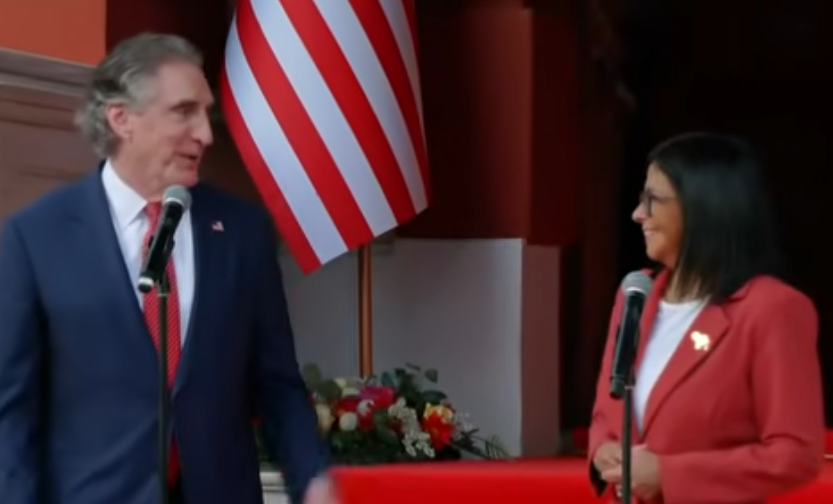
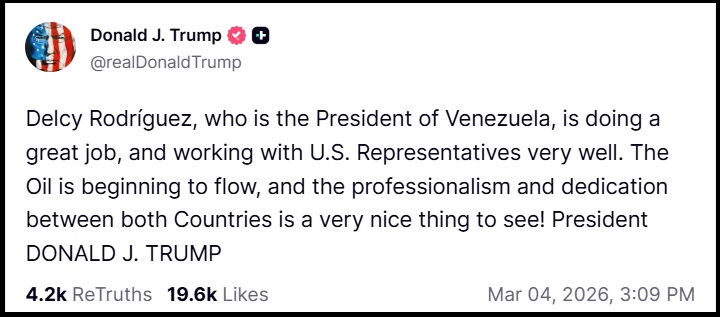
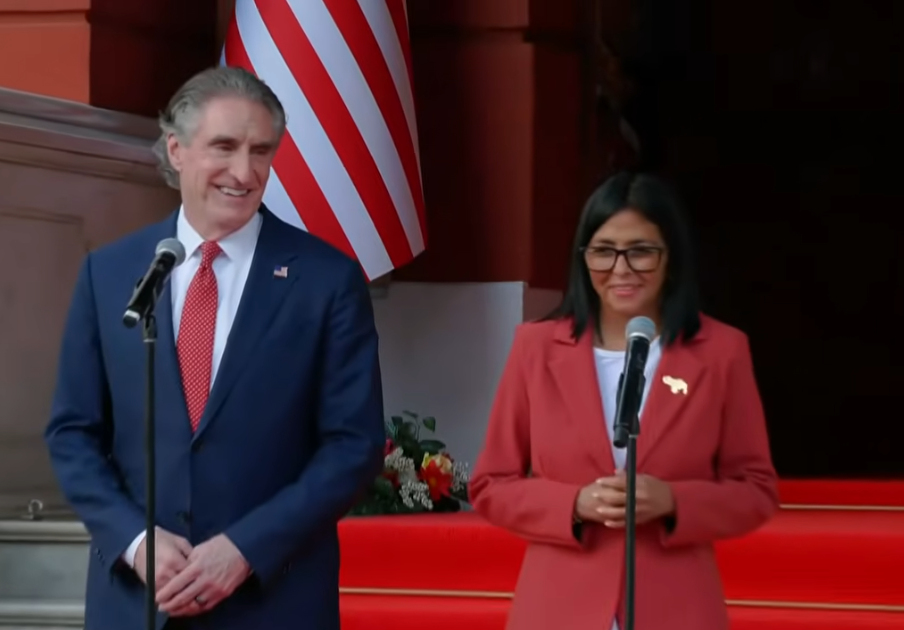
Yesterday, Maduro’s replacement, President Delcy Rodriquez, stood on the steps to the Venezuela presidential office and publicly thanked Interior Secretary Doug Bergum for the kindness and support of President Donald Trump.

That reality represents a level of hemispheric ‘ultimate boss’ that boggles the mind.  But wait, it gets better. There’s video (prompted):

Before going further to current events, let us remind ourselves of a few details.

Sandwiched between the Venezuela Maduro operation and the recent Operation Epic Fury in Iran, approximately three weeks ago, Gen. Dan Caine, chairman of the Joint Chiefs of Staff, and Defense Secretary Pete Hegseth convened a gathering in Washington of all the defense chiefs and senior military officials from 34 Western Hemisphere countries.

As most of you will remember, securing the national security of the entire Western Hemisphere, was outlined in the national defense strategy document [SEE HERE] released by President Trump. In addition to setting the priorities for the United States focus, the report details the Trump administration perspective on the world as broken down into specific regions.  The report is a brutally honest review of the current state of geopolitical benefits, risks and threats as they pertain to vital U.S. interests. The report outlines a critically renewed focus on the Western Hemisphere.

Now, back to Secretary Bergum’s visit.

At the same time as Interior Secretary Bergum is meeting with key government and private sector partners to discuss strategic mineral development (ie. deconflict dependency on China via independent development), oil production for U.S. hemispheric security (Iran output offsets), Venezuela announced the transfer of 1,000 kilos (more than a ton) of gold reserves for sale on the U.S. market {SOURCE}.

Venezuela needs stability.  Hemispheric Boss President Trump wants Venezuela to have stability.  Venezuela needs dollars and both the coordinated sale of Venezuela oil and Venezuela gold (47 tonnes in strategic reserve) will provide those dollars to retain stability and seed economic growth projects.

This coordinated approach secures the economic future of Venezuela and simultaneously secures the energy security of the Western Hemisphere while geopolitical operations continue in other regions, like the confrontation with Iran.

In essence, President Trump is isolating the Western Hemisphere from collateral economic damage that is likely to happen as the U.S. begins to take down the leading sponsors of global conflict.  As things are in flux, the close and controlled partnership with Venezuela can offset/mitigate a lot of chaos.

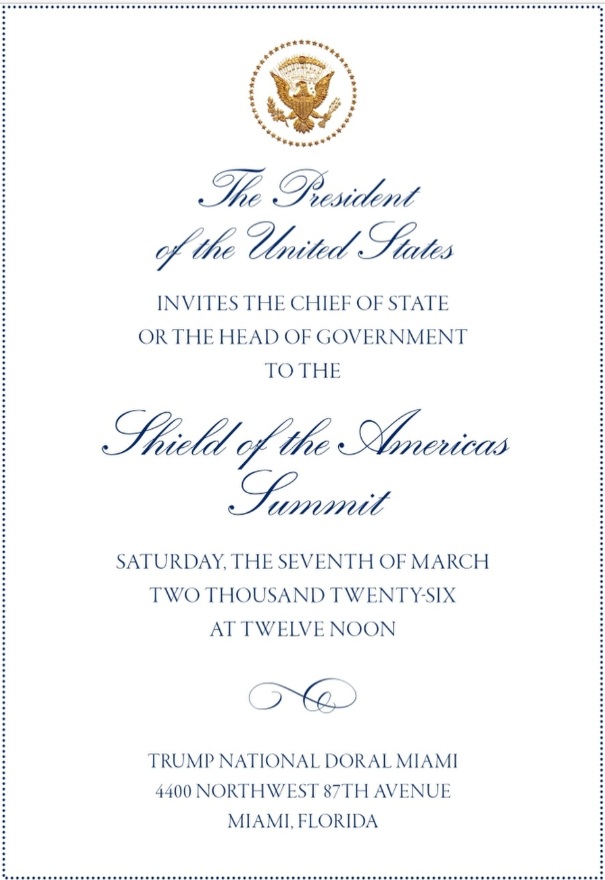
While the ongoing Iran confrontation happens in the middle east, and in combination with the priority of the National Security Strategy, President Trump then convenes a meeting of hemispheric leaders in Florida this weekend.

The Latin-America meeting in Doral is being called the “Shield of the Americas Summit.”  The Trump administration has made it a priority to assert dominance over the Western Hemisphere, where China previously built influence through massive loans and expansive trade.

Yesterday, White House Press Secretary Karoline Leavitt announced President Trump will host heads of state from “Argentina, Bolivia, Chile, Costa Rica, the Dominican Republic, Ecuador, El Salvador, Honduras, Panama, Paraguay, Trinidad and Tobago, and maybe some others as well.”

So, let’s put it all together.

President Trump proactively secured the border, targeted narcotraffickers, confronted narcoterrorists, targeted Mexican drug cartel leadership, leveraged the DOJ to indict regional actors, pushed China out of control in the Panama Canal, took out Nicholas Maduro, took control of Venezuela oil production – both for the security of the U.S. and benefit of the Venezuelan people, removed the discounted oil benefit for China and reasserted stability in the Western hemisphere.

Then, with all that in place, he turned toward Iran…. but, proactively planned for a ‘Shield of the Americas Summit’ before the Iran operation began and scheduled it while Operation Epic Fury continues.

Jumpin’ ju-ju bones.  That outline and timeline is not supposition; it is what took place.

And, yeah, we just watched “interim” Venezuela President Delcy Rodriquez react to what she is witnessing happening all around her.

Accepting all of this, I would not be in the least surprised to see President Rodriquez in Doral this weekend.

[SOURCE]

This my friends, is a level of strategic boss maneuvering beyond anything we have ever witnessed before.

[…] – “Interior Secretary Doug Burgum landed in Venezuela on Wednesday to begin talks about a potential rare earth minerals partnership, just weeks after the U.S. arrested former Venezuelan President Nicolás Maduro.

FOX Business exclusively joined Burgum on the trip. President Donald Trump‘s administration views Venezuela’s untapped resources as a potential alternative to relying on China for critical minerals, FOX Business has learned.

While in Venezuela, Burgum will also help expand the relationship between U.S. oil companies and the Venezuelan government. The secretary will meet with the current Venezuelan President Delcy Rodríguez to continue the growing relationship between the two countries.

Burgum is the first member of Trump’s Cabinet to leave the country since the U.S. launched Operation Epic Fury against Iran on Saturday.” (read more)

China Halts Refiners from Exporting Diesel and Gasoline


Posted originally on CTH on March 5, 2026 | Sundance 

An interesting reaction from Beijing highlights an evaluation of risk from the lack of oil flowing from Iran.

According to most evaluated data, China was buying more than 80% of Iran’s shipped oil. That’s according to data from 2025 as analyzed by Kpler and published in January by Reuters.

Iranian oil always had limited buyers due to U.S. sanctions. However, China purchased on average 1.38 million barrels per day of Iranian oil last year, according to Kpler. That represented about 13.4% of the total 10.27 million bpd of oil it imported by sea.

With President Trump previously cutting of discounted oil from Venezuela, two things unfolded.  First, the Venezuela oil was no longer sold with non-petrodollar currencies; Venezuela oil is now being sold on the standard oil market.  Secondly, with the Venezuela oil disrupted China would become even more dependent on Iranian oil shipments if they wanted to retain the discounted rate.

How big is the financial difference?  According to Reuters, “Iranian Light crude has traded at around $8 to $10 a barrel below ICE Brent on a delivered basis to China since December.” … “That means Chinese refiners save about $8 to $10 a barrel if they buy Iranian Light rather than non-sanctioned oil.”

Additionally, as noted before Operation Epic Fury began, “Iran has a record amount of oil on the water, equivalent to around 50 days of output, as China has bought less because of sanctions and Tehran seeks to protect its supplies from the risk of U.S. strikes, Kpler said.”

Buying discounted oil from Venezuela, Iran and Russia resulted in billions of dollars saved by China.  The only production venue not currently disrupted would be purchases from Moscow.  This increases the dependency, but the purchase price may no longer carry any discounted value, at least not at the previous rate.

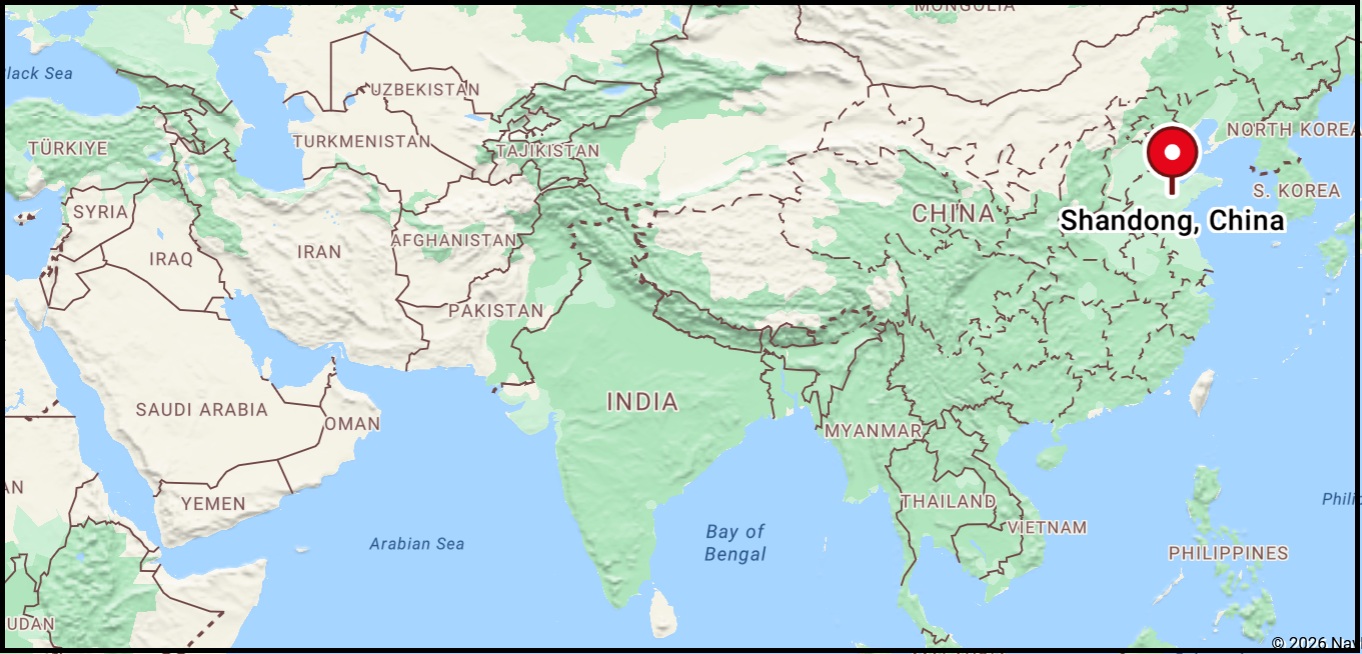
India was purchasing a significant amount of Russian oil for its own refinery use and sale back into the global market. China and India would now be bidding for what is likely a more valuable Russian export.  No more discounts put the “teapot” refining operations in Shandong, China, into a squeeze. This also highlights the decision by China to limit refined exports.

[VIA NBC] – China’s government has told the country’s largest oil refiners to suspend exports of diesel and gasoline as an escalating conflict in the Persian Gulf disrupts the arrival of crude from one of the world’s largest producing regions.

Officials from the National Development and Reform Commission, the country’s top economic planner, met refinery executives and verbally called for a temporary suspension of refined product shipments that would begin immediately, according to people familiar with the matter. They asked not to be named, as the discussions are not public.

The refiners were asked to stop signing new contracts and to negotiate the cancellation of already-agreed shipments. The people said. An exception was made for jet and bunker fuel held in bonded storage and supplies to Hong Kong and Macau, they added.

[…] China has a vast refining sector, but much of its production is funnelled to serve domestic demand, meaning it is not a critical supplier. Across Asia, it ranks third for seaborne exports, behind South Korea and Singapore. However, Beijing’s precautionary curbs reflect efforts across the import-dependent region to prioritise domestic needs as the crisis in the Middle East deepens. (read more)

Division, Derision and the Economics of the Thing


Posted originally on CTH on March 5, 2026 | Sundance

Do you remember this moment during the 2015 republican presidential debates when all of the candidates were on stage and leading control outlet Fox News (Bret Baier) purposefully asked the candidates:

…”is there anyone on stage, unwilling tonight, to pledge your support to the eventual nominee of the republican party, and pledge to not run an independent campaign against that person.  Again, we are looking for you to raise your hand now if you won’t make that pledge tonight.”

[The moment in video is here] The need for control is a reaction to fear.  The question was intentionally constructed to create both an optic and a narrative Fox News, Rupert Murdoch and the republican party were purposefully shaping.  Collectively the professional republicans were desperately afraid Donald Trump would run as an independent candidate.

I bring us back to that moment because it is the key to understand where we are even today.  This was the core of the matter. This is the “trillions at stake” aspect.  This is the economics of the thing as it first manifest.

Why did Donald J Trump stand against them all?

For many years before that moment, a small group of us had been outlining why it was urgent for MAGAnomics to take charge of the U.S. economy; because underneath both wings of the UniParty in Washington DC was a system that few understood.

♦ Prior to 2016, the United States Chamber of Commerce (U.S CoC), a private K-Street lobbying consortium, were the negotiators for every single trade deal done from the office of the United States Trade Representative (USTR).

The U.S. government (USTR, POTUS and Congress) was the trade stakeholder who signed the agreements; however, the actual nuts and bolts of what the trade deal included, the terms and conditions, were negotiated by the US CoC.

The U.S. Chamber of Commerce represented the corporate interests of their Wall Street clients. After all, the corporations paid the CoC and the business model of the CoC is dependent on the corporations.

This is the larger background for how decades of trade agreements ended up with offshoring, the Rust Belt, diminished domestic manufacturing, and increased corporate profits. This is the core mechanics of how a U.S. manufacturing economy was shifted to a “service driven economy.”

The U.S. Chamber of Commerce was writing the trade deals. The CoC would then fund the politicians who would approve the trade deals. The CoC would also finance the presidential candidates.

When President Trump ran for office in 2016, his trade, manufacturing and economic policies were against the interests of the entire business network that controlled trade. The U.S. CoC poured money into Hillary Clinton’s campaign and their main GOP partner in the enterprise, Mitch McConnell.

When Trump won the election, he completely shut out the CoC from any involvement in U.S. trade negotiations. Trump literally put himself, Wilbur Ross, and Robert Lighthizer in control.

The CoC was apoplectic but powerless to stop this action. CoC President Tom Donohue could not even get an appointment to see President Trump in the White House.

The only thing the CoC and Tom Donohue could do was to fund anyone who would assist them in removing the existential threat that Trump represented. That’s what they did.

With the CoC removed from influence, President Trump, Wilbur Ross and Robert Lighthizer began the painstaking process of taking the Wall Street profit tentacles off U.S. trade policy.

In essence, President Trump put the interests of the American citizens back into the top priority of the U.S. govt, as it pertained to the biggest of all big picture items, the U.S. economy. That’s why in 2018 and 2019 the U.S. economy was on fire with growth.

All of that MAGAnomic background remained in place when President Trump retook control in 2025, and now we are starting to see the positive economic effects again resurface.  However, that collective UniParty opposition still remains, albeit significantly diminished by the refusal of President Trump to move away from America-first policy.

The core of the opposition to all of President Trump’s actions, remains almost exclusively an outcome of the economics of policy the DC system no longer controls.  It’s about the money.  It will always be about the money.  The division we are encountering in the MAGA ranks, is specifically driven by those same financial interests who opposed candidate Donald Trump a decade ago.

When it came to trade policy, economic policy, tariff policy and the confrontation with China, there was not one iota of difference between any of the 17 republican candidates in that 2016 election.

There was not one degree of divergence from the traditional corporate economic policy of the 30 years that preceded that moment on stage.  Every one of the republican candidates aligned with the CoC message.

♦ CTH had previously identified our assembly as “The Last Refuge” specifically because there was no information space, no website, no organized group, no podcast, no functional assembly who understood the basic problem and simultaneously rejected the noisy pontificating baseline notion that our status was doomed to remain as a “service driven economy.”

We rejected that notion here.  So too did Donald J Trump, and subsequently we championed him.

His intention in this MAGAnomic regard has never wavered, flinched or diminished.  President Trump has focused on delivering real, actionable economic benefits due to a radically shifted policy approach toward jobs, trade and the underlying blue-collar economy.

As President, Donald Trump has never stopped being Main Street First in all policy outcomes.

What we are witnessing now with the division, derision and conflict goes right back to that original set of policy distinctions.

In 2016 we did not use the term “influencers,” but they existed inside every team for every republican candidate.  Dick Cheney’s daughter worked for Ben Carson. Mark Levin’s son worked for Ted Cruz. The daughter of Fox News Executive Producer for Political Content, Bill Sammon, worked for Marco Rubio.

All of those campaigns and every person in the professional republican apparatus that worked inside those campaigns had one very unique thing in common, they all adhered to the U.S. Chamber of Commerce constructs of economic policy.

Not a single candidate ever mentioned China as a strategic economic threat until Donald Trump kept hammering it.  Not a single Republican ever said economic security was national security, until Donald Trump made it core policy.

Remember this core difference when you see all of these voices who backbite, bitch, complain and protest that Donald Trump is not focused enough on American interests; it’s bullshit. It is all bullshit.

Not a single republican candidate ever cared about any of this stuff until Donald J Trump made it his mission in life to fundamentally restructure the economics of everything.  This is still his primary focus, and if you watch him work you will see it unfold in the outcomes of every single policy, even the foreign policy engagements.

President Trump is delivering a global shift, a multigenerational shift, in the return of U.S. power and financial WEALTH to our nation.  And, he’s unbelievably good at it.

MAGAnomics! The rest is just noise.

President Trump Announces U.S. Insurance Underwriting for “All Maritime Trade Flowing Through the Gulf” Along with U.S. Military Escorts


Posted originally on CTH on March 3, 2026 | Sundance

♦ First blow, the Trump tariffs hit Beijing hardest. ♦ Second blow, the Beijing tentacle on the Panama Canal is severed.  ♦ Third blow, global tariff threats changed the risk dynamic for southeast Asia countries who acted as transnational shippers for China. ♦ Fourth blow, cheap sanctioned oil from Venezuela was cut-off. ♦ Now, the fifth blow; cheap, sanctioned Iranian oil is disrupted.

As noted by Politico: Following USA military strikes, “ships have begun to avoid the Strait of Hormuz off the coast of Iran — a critical shipping lane for Gulf nations to export oil to Asia. China in 2025 received about half of its imported oil from the six Gulf countries that rely on the strait. Other large crude oil producers in the region — including Saudi Arabia, Iraq and the United Arab Emirates — transport almost all their crude exports through the geographic bottleneck.

[SOURCE]

It’s not just a factor of oil flow, but also the price that China will ultimately end up having to pay.  Beijing was buying oil from Venezuela, Iran and Russia at steep discounts because their purchases were skirting western sanctions.

With Iranian oil production now no longer a market option, China will seek to replace their needs with more Russian alternative. However, that diversion means the oil India was purchasing from Russia will come at a higher price, and the refined final product that was exported by India will arrive to the European Union carrying an additional cost.

Simultaneously, Vladimir Putin was asked about Russia’s lack of military support to Iran in response to the U.S. military action, to wit the Russian president noted the technical terms of their joint military agreements did not include Russia’s immediate involvement.  In shorthand, Russia is busy and is not getting involved.

Russia was/is partially dependent on receiving military supplies from Iran in exchange for oil transfers.  The military component is reported to include drones from Iran for use in the Ukraine conflict.  Now that exchange profile is shuttered.

Taking Iran’s malign influence off the geopolitical chessboard is beginning to surface in major challenges to the BRICS assembly (Brazil, Russia, India, China, South Africa).  Russia, China and India are impacted directly.

The BRICS nations were skirting western oil sanctions by trading the commodity outside the petrodollar structure.  However, President Trump now controls the flow of oil from Venezuela, and his administration controls the currency in which it is sold.

With Iranian oil removed from the non-petro supply chain, the only remaining non-petro oil producer is Russia – who is simultaneously hit with a loss in military hardware support.  China may end up as a larger oil customer to Russia, but at what price and in what payment structure.

With global oil supplies in a state of flux, and with the USA in control of the oil flow from Venezuela, North America is certainly in the best position for minimal energy disruption.

Asia is heavily dependent on oil flows through the Strait of Hormuz, and the majority of Europe has already shut themselves off from Russian oil production, putting themselves in a position of dependency to the global markets.  The short-term ramifications of this oil disruption hit China, Southeast Asia, Japan and Europe particularly hard.

“OPEC+ countries affirmed on Sunday that they would boost oil production starting in April by 206,000 barrels daily — a modest increase intended to dampen the war’s effect on prices down the road. The majority of the increase would come from Saudi Arabia and Russia.” {SOURCE}

All of a sudden, this happens: Zelenskyy not to be trusted?

“Ukraine is under pressure to let the EU inspect a damaged pipeline carrying Russian oil to Hungary and Slovakia, as the two pro-Kremlin countries accuse Kyiv of overstating the impact of an attack by Moscow — despite what Ukrainian officials say is evidence of extensive destruction,” the report said.

According to five diplomats and EU officials who spoke to the FT, even pro‑Ukrainian governments within the European Union and the European Commission have also asked Ukraine to permit a delegation to inspect the pipeline. Two sources told the newspaper that European Commission President Ursula von der Leyen requested access for EU experts during her visit to Kyiv on Feb. 24, the fourth anniversary of Russia’s full-scale invasion. The request, according to the sources, was refused.

As tensions escalated, the EU’s ambassador to Ukraine, Katarina Mathernova, reportedly asked through the presidential office for permission to inspect the damaged pipeline herself or to allow visits by other EU diplomats. Those requests were denied for security reasons, the sources said.” (link)

T