China Halts Refiners from Exporting Diesel and Gasoline


Posted originally on CTH on March 5, 2026 | Sundance 

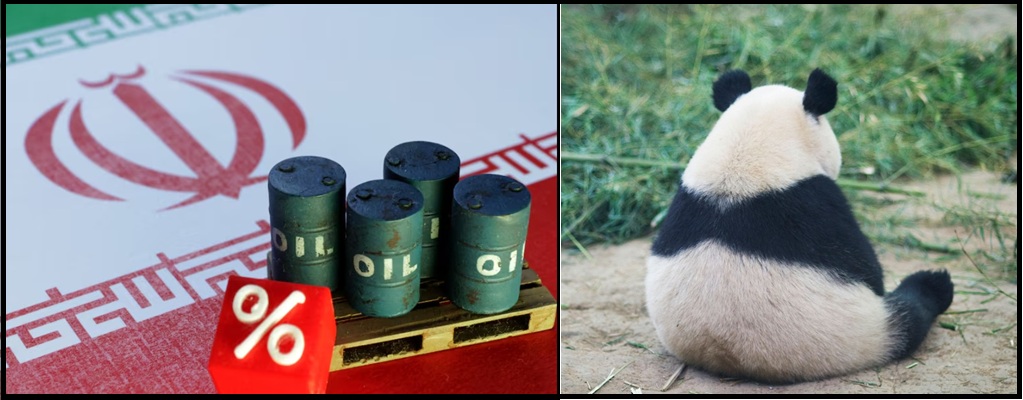
An interesting reaction from Beijing highlights an evaluation of risk from the lack of oil flowing from Iran.

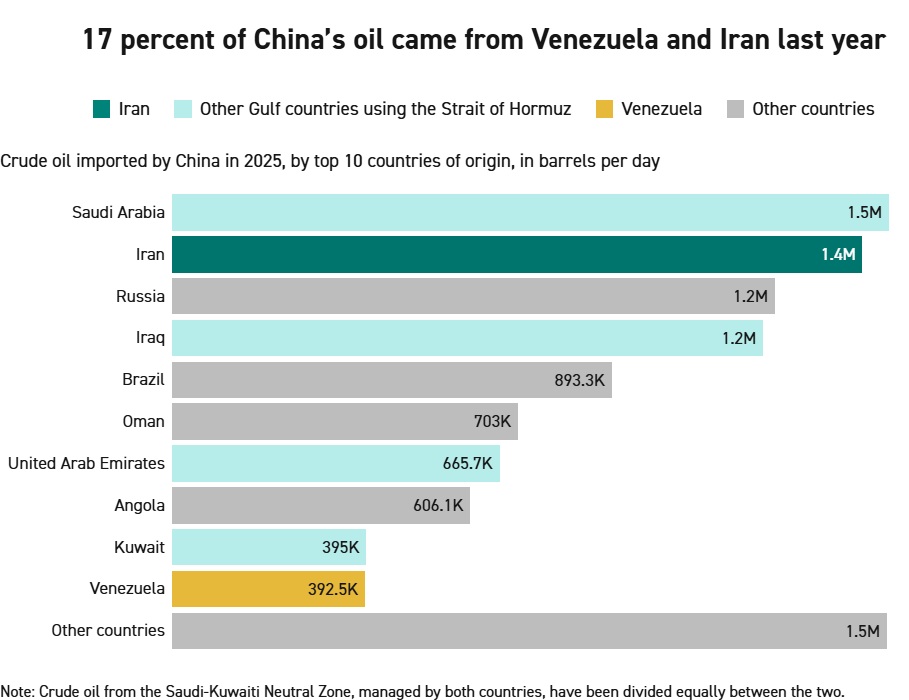
According to most evaluated data, China was buying more than 80% of Iran’s shipped oil. That’s according to data from 2025 as analyzed by Kpler and published in January by Reuters.

Iranian oil always had limited buyers due to U.S. sanctions. However, China purchased on average 1.38 million barrels per day of Iranian oil last year, according to Kpler. That represented about 13.4% of the total 10.27 million bpd of oil it imported by sea.

With President Trump previously cutting of discounted oil from Venezuela, two things unfolded.  First, the Venezuela oil was no longer sold with non-petrodollar currencies; Venezuela oil is now being sold on the standard oil market.  Secondly, with the Venezuela oil disrupted China would become even more dependent on Iranian oil shipments if they wanted to retain the discounted rate.

How big is the financial difference?  According to Reuters, “Iranian Light crude has traded at around $8 to $10 a barrel below ICE Brent on a delivered basis to China since December.” … “That means Chinese refiners save about $8 to $10 a barrel if they buy Iranian Light rather than non-sanctioned oil.”

Additionally, as noted before Operation Epic Fury began, “Iran has a record amount of oil on the water, equivalent to around 50 days of output, as China has bought less because of sanctions and Tehran seeks to protect its supplies from the risk of U.S. strikes, Kpler said.”

Buying discounted oil from Venezuela, Iran and Russia resulted in billions of dollars saved by China.  The only production venue not currently disrupted would be purchases from Moscow.  This increases the dependency, but the purchase price may no longer carry any discounted value, at least not at the previous rate.

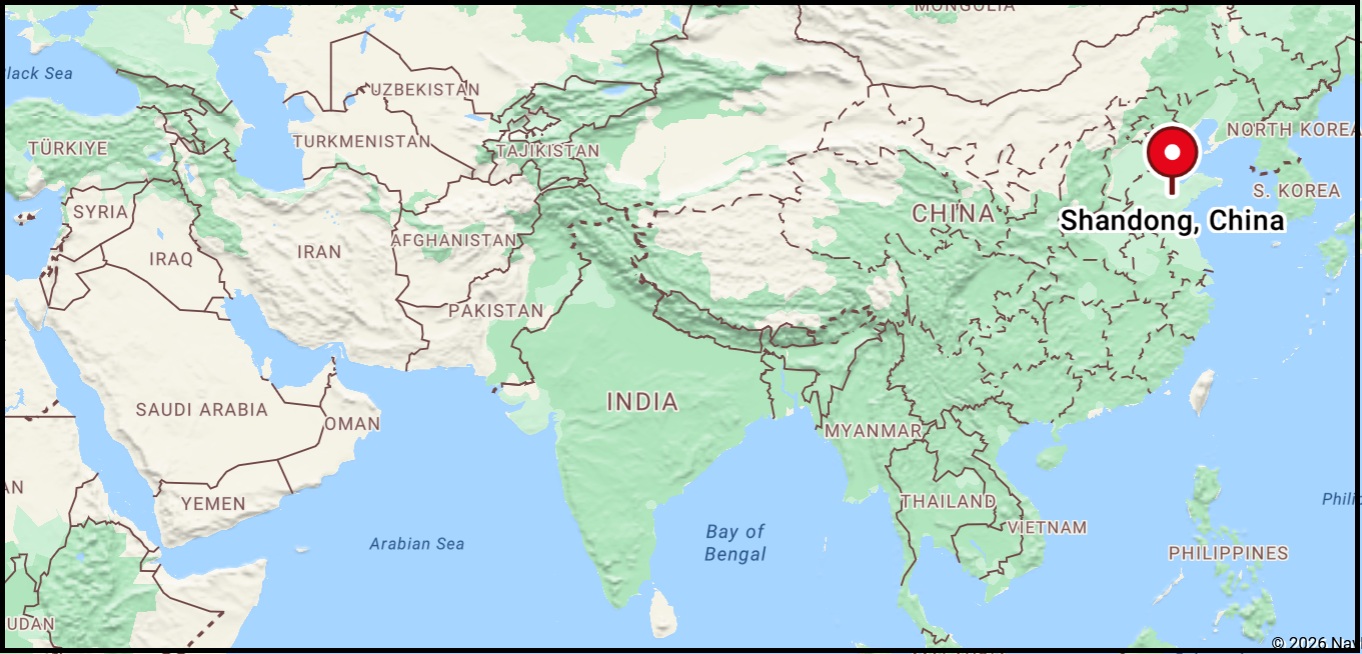
India was purchasing a significant amount of Russian oil for its own refinery use and sale back into the global market. China and India would now be bidding for what is likely a more valuable Russian export.  No more discounts put the “teapot” refining operations in Shandong, China, into a squeeze. This also highlights the decision by China to limit refined exports.

[VIA NBC] – China’s government has told the country’s largest oil refiners to suspend exports of diesel and gasoline as an escalating conflict in the Persian Gulf disrupts the arrival of crude from one of the world’s largest producing regions.

Officials from the National Development and Reform Commission, the country’s top economic planner, met refinery executives and verbally called for a temporary suspension of refined product shipments that would begin immediately, according to people familiar with the matter. They asked not to be named, as the discussions are not public.

The refiners were asked to stop signing new contracts and to negotiate the cancellation of already-agreed shipments. The people said. An exception was made for jet and bunker fuel held in bonded storage and supplies to Hong Kong and Macau, they added.

[…] China has a vast refining sector, but much of its production is funnelled to serve domestic demand, meaning it is not a critical supplier. Across Asia, it ranks third for seaborne exports, behind South Korea and Singapore. However, Beijing’s precautionary curbs reflect efforts across the import-dependent region to prioritise domestic needs as the crisis in the Middle East deepens. (read more)

Division, Derision and the Economics of the Thing


Posted originally on CTH on March 5, 2026 | Sundance

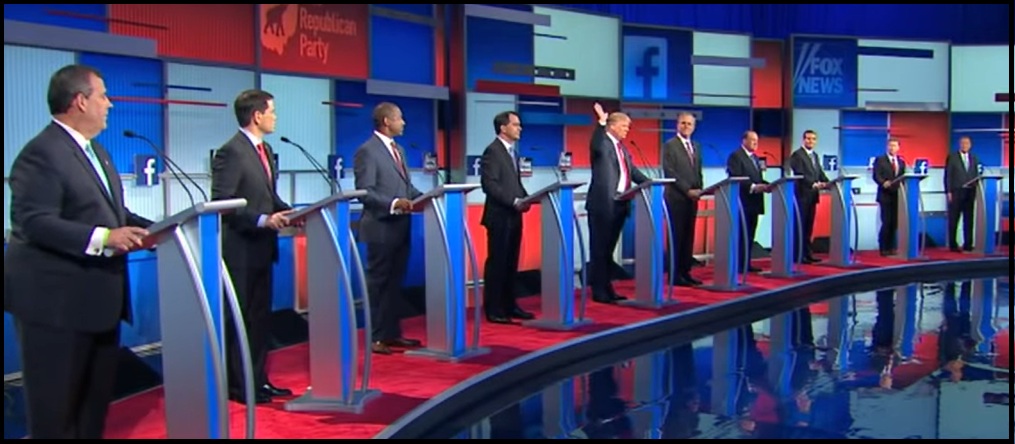
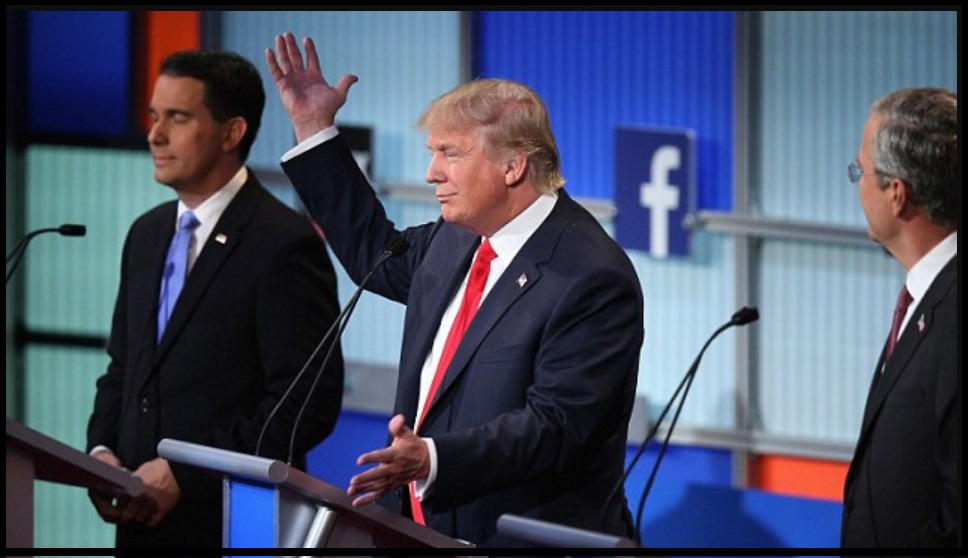
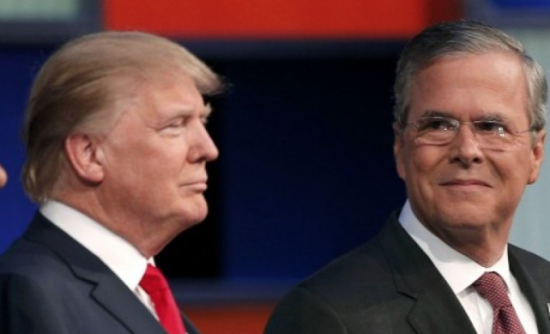
Do you remember this moment during the 2015 republican presidential debates when all of the candidates were on stage and leading control outlet Fox News (Bret Baier) purposefully asked the candidates:

…”is there anyone on stage, unwilling tonight, to pledge your support to the eventual nominee of the republican party, and pledge to not run an independent campaign against that person.  Again, we are looking for you to raise your hand now if you won’t make that pledge tonight.”

[The moment in video is here] The need for control is a reaction to fear.  The question was intentionally constructed to create both an optic and a narrative Fox News, Rupert Murdoch and the republican party were purposefully shaping.  Collectively the professional republicans were desperately afraid Donald Trump would run as an independent candidate.

I bring us back to that moment because it is the key to understand where we are even today.  This was the core of the matter. This is the “trillions at stake” aspect.  This is the economics of the thing as it first manifest.

Why did Donald J Trump stand against them all?

For many years before that moment, a small group of us had been outlining why it was urgent for MAGAnomics to take charge of the U.S. economy; because underneath both wings of the UniParty in Washington DC was a system that few understood.

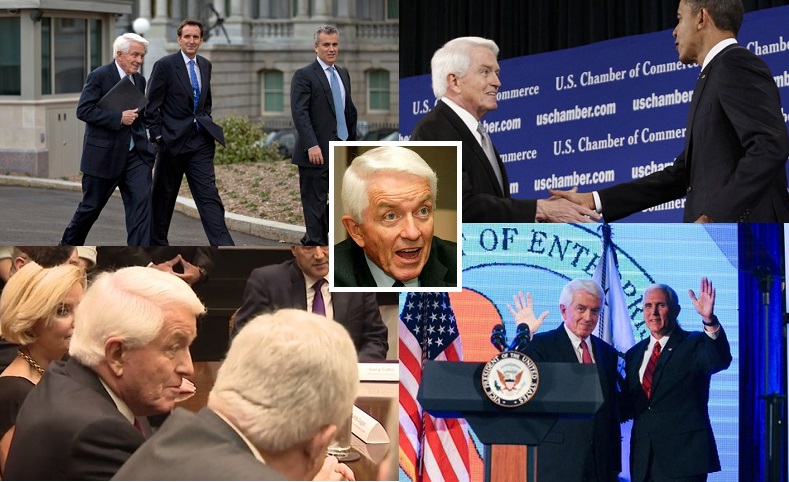
♦ Prior to 2016, the United States Chamber of Commerce (U.S CoC), a private K-Street lobbying consortium, were the negotiators for every single trade deal done from the office of the United States Trade Representative (USTR).

The U.S. government (USTR, POTUS and Congress) was the trade stakeholder who signed the agreements; however, the actual nuts and bolts of what the trade deal included, the terms and conditions, were negotiated by the US CoC.

The U.S. Chamber of Commerce represented the corporate interests of their Wall Street clients. After all, the corporations paid the CoC and the business model of the CoC is dependent on the corporations.

This is the larger background for how decades of trade agreements ended up with offshoring, the Rust Belt, diminished domestic manufacturing, and increased corporate profits. This is the core mechanics of how a U.S. manufacturing economy was shifted to a “service driven economy.”

The U.S. Chamber of Commerce was writing the trade deals. The CoC would then fund the politicians who would approve the trade deals. The CoC would also finance the presidential candidates.

When President Trump ran for office in 2016, his trade, manufacturing and economic policies were against the interests of the entire business network that controlled trade. The U.S. CoC poured money into Hillary Clinton’s campaign and their main GOP partner in the enterprise, Mitch McConnell.

When Trump won the election, he completely shut out the CoC from any involvement in U.S. trade negotiations. Trump literally put himself, Wilbur Ross, and Robert Lighthizer in control.

The CoC was apoplectic but powerless to stop this action. CoC President Tom Donohue could not even get an appointment to see President Trump in the White House.

The only thing the CoC and Tom Donohue could do was to fund anyone who would assist them in removing the existential threat that Trump represented. That’s what they did.

With the CoC removed from influence, President Trump, Wilbur Ross and Robert Lighthizer began the painstaking process of taking the Wall Street profit tentacles off U.S. trade policy.

In essence, President Trump put the interests of the American citizens back into the top priority of the U.S. govt, as it pertained to the biggest of all big picture items, the U.S. economy. That’s why in 2018 and 2019 the U.S. economy was on fire with growth.

All of that MAGAnomic background remained in place when President Trump retook control in 2025, and now we are starting to see the positive economic effects again resurface.  However, that collective UniParty opposition still remains, albeit significantly diminished by the refusal of President Trump to move away from America-first policy.

The core of the opposition to all of President Trump’s actions, remains almost exclusively an outcome of the economics of policy the DC system no longer controls.  It’s about the money.  It will always be about the money.  The division we are encountering in the MAGA ranks, is specifically driven by those same financial interests who opposed candidate Donald Trump a decade ago.

When it came to trade policy, economic policy, tariff policy and the confrontation with China, there was not one iota of difference between any of the 17 republican candidates in that 2016 election.

There was not one degree of divergence from the traditional corporate economic policy of the 30 years that preceded that moment on stage.  Every one of the republican candidates aligned with the CoC message.

♦ CTH had previously identified our assembly as “The Last Refuge” specifically because there was no information space, no website, no organized group, no podcast, no functional assembly who understood the basic problem and simultaneously rejected the noisy pontificating baseline notion that our status was doomed to remain as a “service driven economy.”

We rejected that notion here.  So too did Donald J Trump, and subsequently we championed him.

His intention in this MAGAnomic regard has never wavered, flinched or diminished.  President Trump has focused on delivering real, actionable economic benefits due to a radically shifted policy approach toward jobs, trade and the underlying blue-collar economy.

As President, Donald Trump has never stopped being Main Street First in all policy outcomes.

What we are witnessing now with the division, derision and conflict goes right back to that original set of policy distinctions.

In 2016 we did not use the term “influencers,” but they existed inside every team for every republican candidate.  Dick Cheney’s daughter worked for Ben Carson. Mark Levin’s son worked for Ted Cruz. The daughter of Fox News Executive Producer for Political Content, Bill Sammon, worked for Marco Rubio.

All of those campaigns and every person in the professional republican apparatus that worked inside those campaigns had one very unique thing in common, they all adhered to the U.S. Chamber of Commerce constructs of economic policy.

Not a single candidate ever mentioned China as a strategic economic threat until Donald Trump kept hammering it.  Not a single Republican ever said economic security was national security, until Donald Trump made it core policy.

Remember this core difference when you see all of these voices who backbite, bitch, complain and protest that Donald Trump is not focused enough on American interests; it’s bullshit. It is all bullshit.

Not a single republican candidate ever cared about any of this stuff until Donald J Trump made it his mission in life to fundamentally restructure the economics of everything.  This is still his primary focus, and if you watch him work you will see it unfold in the outcomes of every single policy, even the foreign policy engagements.

President Trump is delivering a global shift, a multigenerational shift, in the return of U.S. power and financial WEALTH to our nation.  And, he’s unbelievably good at it.

MAGAnomics! The rest is just noise.

President Trump Announces U.S. Insurance Underwriting for “All Maritime Trade Flowing Through the Gulf” Along with U.S. Military Escorts


Posted originally on CTH on March 3, 2026 | Sundance

♦ First blow, the Trump tariffs hit Beijing hardest. ♦ Second blow, the Beijing tentacle on the Panama Canal is severed.  ♦ Third blow, global tariff threats changed the risk dynamic for southeast Asia countries who acted as transnational shippers for China. ♦ Fourth blow, cheap sanctioned oil from Venezuela was cut-off. ♦ Now, the fifth blow; cheap, sanctioned Iranian oil is disrupted.

As noted by Politico: Following USA military strikes, “ships have begun to avoid the Strait of Hormuz off the coast of Iran — a critical shipping lane for Gulf nations to export oil to Asia. China in 2025 received about half of its imported oil from the six Gulf countries that rely on the strait. Other large crude oil producers in the region — including Saudi Arabia, Iraq and the United Arab Emirates — transport almost all their crude exports through the geographic bottleneck.

[SOURCE]

It’s not just a factor of oil flow, but also the price that China will ultimately end up having to pay.  Beijing was buying oil from Venezuela, Iran and Russia at steep discounts because their purchases were skirting western sanctions.

With Iranian oil production now no longer a market option, China will seek to replace their needs with more Russian alternative. However, that diversion means the oil India was purchasing from Russia will come at a higher price, and the refined final product that was exported by India will arrive to the European Union carrying an additional cost.

Simultaneously, Vladimir Putin was asked about Russia’s lack of military support to Iran in response to the U.S. military action, to wit the Russian president noted the technical terms of their joint military agreements did not include Russia’s immediate involvement.  In shorthand, Russia is busy and is not getting involved.

Russia was/is partially dependent on receiving military supplies from Iran in exchange for oil transfers.  The military component is reported to include drones from Iran for use in the Ukraine conflict.  Now that exchange profile is shuttered.

Taking Iran’s malign influence off the geopolitical chessboard is beginning to surface in major challenges to the BRICS assembly (Brazil, Russia, India, China, South Africa).  Russia, China and India are impacted directly.

The BRICS nations were skirting western oil sanctions by trading the commodity outside the petrodollar structure.  However, President Trump now controls the flow of oil from Venezuela, and his administration controls the currency in which it is sold.

With Iranian oil removed from the non-petro supply chain, the only remaining non-petro oil producer is Russia – who is simultaneously hit with a loss in military hardware support.  China may end up as a larger oil customer to Russia, but at what price and in what payment structure.

With global oil supplies in a state of flux, and with the USA in control of the oil flow from Venezuela, North America is certainly in the best position for minimal energy disruption.

Asia is heavily dependent on oil flows through the Strait of Hormuz, and the majority of Europe has already shut themselves off from Russian oil production, putting themselves in a position of dependency to the global markets.  The short-term ramifications of this oil disruption hit China, Southeast Asia, Japan and Europe particularly hard.

“OPEC+ countries affirmed on Sunday that they would boost oil production starting in April by 206,000 barrels daily — a modest increase intended to dampen the war’s effect on prices down the road. The majority of the increase would come from Saudi Arabia and Russia.” {SOURCE}

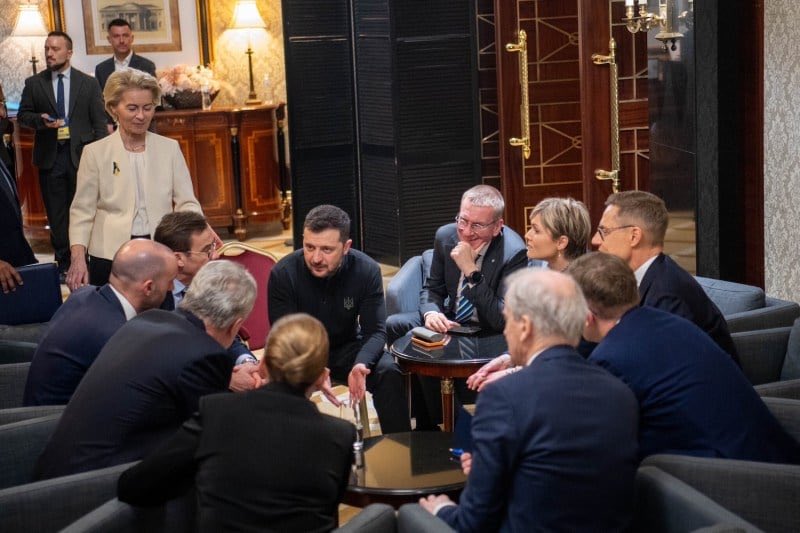
All of a sudden, this happens: Zelenskyy not to be trusted?

“Ukraine is under pressure to let the EU inspect a damaged pipeline carrying Russian oil to Hungary and Slovakia, as the two pro-Kremlin countries accuse Kyiv of overstating the impact of an attack by Moscow — despite what Ukrainian officials say is evidence of extensive destruction,” the report said.

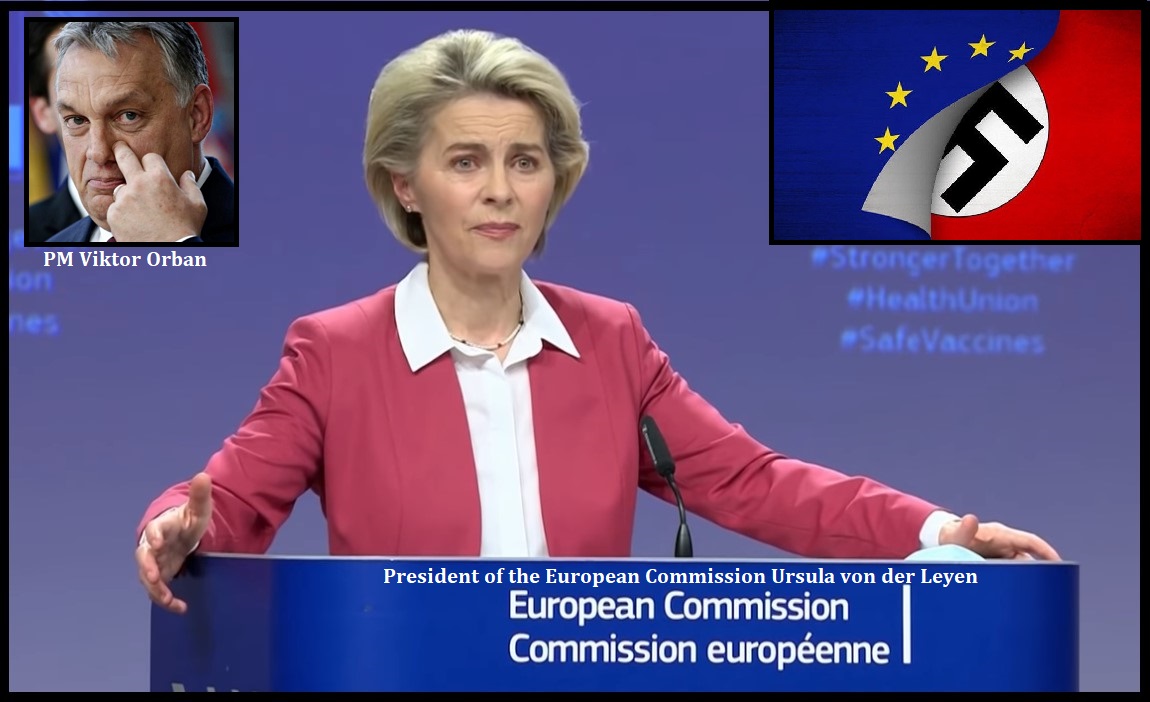
According to five diplomats and EU officials who spoke to the FT, even pro‑Ukrainian governments within the European Union and the European Commission have also asked Ukraine to permit a delegation to inspect the pipeline. Two sources told the newspaper that European Commission President Ursula von der Leyen requested access for EU experts during her visit to Kyiv on Feb. 24, the fourth anniversary of Russia’s full-scale invasion. The request, according to the sources, was refused.

As tensions escalated, the EU’s ambassador to Ukraine, Katarina Mathernova, reportedly asked through the presidential office for permission to inspect the damaged pipeline herself or to allow visits by other EU diplomats. Those requests were denied for security reasons, the sources said.” (link)

T

Iran Conflict – Oil Disruption Hits Key BRICS Members Hard


Posted originally on CTH on March 3, 2026 | Sundance

Consider the severe economic body blows to China in the past 14 months.

♦ First blow, the Trump tariffs hit Beijing hardest. ♦ Second blow, the Beijing tentacle on the Panama Canal is severed.  ♦ Third blow, global tariff threats changed the risk dynamic for southeast Asia countries who acted as transnational shippers for China. ♦ Fourth blow, cheap sanctioned oil from Venezuela was cut-off. ♦ Now, the fifth blow; cheap, sanctioned Iranian oil is disrupted.

As noted by Politico: Following USA military strikes, “ships have begun to avoid the Strait of Hormuz off the coast of Iran — a critical shipping lane for Gulf nations to export oil to Asia. China in 2025 received about half of its imported oil from the six Gulf countries that rely on the strait. Other large crude oil producers in the region — including Saudi Arabia, Iraq and the United Arab Emirates — transport almost all their crude exports through the geographic bottleneck.

[SOURCE]

It’s not just a factor of oil flow, but also the price that China will ultimately end up having to pay.  Beijing was buying oil from Venezuela, Iran and Russia at steep discounts because their purchases were skirting western sanctions.

With Iranian oil production now no longer a market option, China will seek to replace their needs with more Russian alternative. However, that diversion means the oil India was purchasing from Russia will come at a higher price, and the refined final product that was exported by India will arrive to the European Union carrying an additional cost.

Simultaneously, Vladimir Putin was asked about Russia’s lack of military support to Iran in response to the U.S. military action, to wit the Russian president noted the technical terms of their joint military agreements did not include Russia’s immediate involvement.  In shorthand, Russia is busy and is not getting involved.

Russia was/is partially dependent on receiving military supplies from Iran in exchange for oil transfers.  The military component is reported to include drones from Iran for use in the Ukraine conflict.  Now that exchange profile is shuttered.

Taking Iran’s malign influence off the geopolitical chessboard is beginning to surface in major challenges to the BRICS assembly (Brazil, Russia, India, China, South Africa).  Russia, China and India are impacted directly.

The BRICS nations were skirting western oil sanctions by trading the commodity outside the petrodollar structure.  However, President Trump now controls the flow of oil from Venezuela, and his administration controls the currency in which it is sold.

With Iranian oil removed from the non-petro supply chain, the only remaining non-petro oil producer is Russia – who is simultaneously hit with a loss in military hardware support.  China may end up as a larger oil customer to Russia, but at what price and in what payment structure.

With global oil supplies in a state of flux, and with the USA in control of the oil flow from Venezuela, North America is certainly in the best position for minimal energy disruption.

Asia is heavily dependent on oil flows through the Strait of Hormuz, and the majority of Europe has already shut themselves off from Russian oil production, putting themselves in a position of dependency to the global markets.  The short-term ramifications of this oil disruption hit China, Southeast Asia, Japan and Europe particularly hard.

“OPEC+ countries affirmed on Sunday that they would boost oil production starting in April by 206,000 barrels daily — a modest increase intended to dampen the war’s effect on prices down the road. The majority of the increase would come from Saudi Arabia and Russia.” {SOURCE}

All of a sudden, this happens: Zelenskyy not to be trusted?

“Ukraine is under pressure to let the EU inspect a damaged pipeline carrying Russian oil to Hungary and Slovakia, as the two pro-Kremlin countries accuse Kyiv of overstating the impact of an attack by Moscow — despite what Ukrainian officials say is evidence of extensive destruction,” the report said.

According to five diplomats and EU officials who spoke to the FT, even pro‑Ukrainian governments within the European Union and the European Commission have also asked Ukraine to permit a delegation to inspect the pipeline. Two sources told the newspaper that European Commission President Ursula von der Leyen requested access for EU experts during her visit to Kyiv on Feb. 24, the fourth anniversary of Russia’s full-scale invasion. The request, according to the sources, was refused.

As tensions escalated, the EU’s ambassador to Ukraine, Katarina Mathernova, reportedly asked through the presidential office for permission to inspect the damaged pipeline herself or to allow visits by other EU diplomats. Those requests were denied for security reasons, the sources said.” (link)

The EU Energy War Against Hungary Escalates – Orban Puts Military Defenses Around Critical Infrastructure


Posted originally on CTH on February 25, 2026 | Sundance

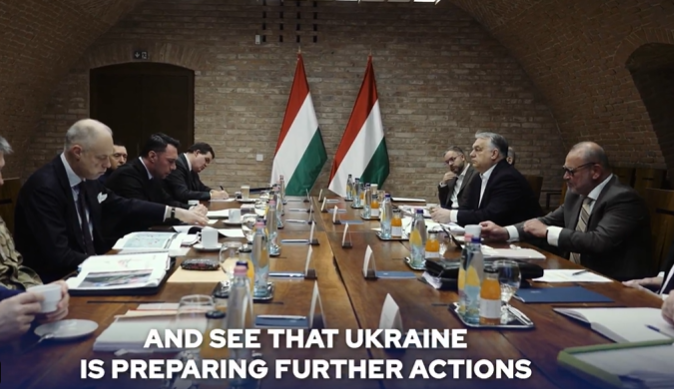
The collective war being carried out by Ukraine and Brussels against Hungarian energy systems is escalating. Hungarian Prime Minister Viktor Orban is now putting military defenses and security forces around critical infrastructure.

ORBAN: We will not give in to blackmail! I have ordered increased security for critical energy infrastructure.

The Ukrainian government is exerting pressure on the Hungarian and Slovak governments through an oil blockade. They will not stop there, as they are preparing further actions to disrupt Hungary’s energy system. Hungary cannot be blackmailed!

Cutting Through the SCOTUS Tariff Fog, USTR Jamieson Greer Discusses Baseline Tariff Reset Shifts and Reciprocity Tariffs


Posted originally on CTH on February 25, 2026 | Sundance 

The Supreme Court tariff ruling has created the need for U.S. Trade Representative Jamieson Greer and U.S. Commerce Secretary Howard Lutnick to modify the baseline tariff approach with the approvals of President Trump.

The baseline tariffs are being reset to 10% with upward adjustment to 15% as planned.  The reciprocal tariffs will not require any substantive modifications as most of the Free Trade Agreements have been cemented with reciprocity tariffs as part of the negotiated deals.

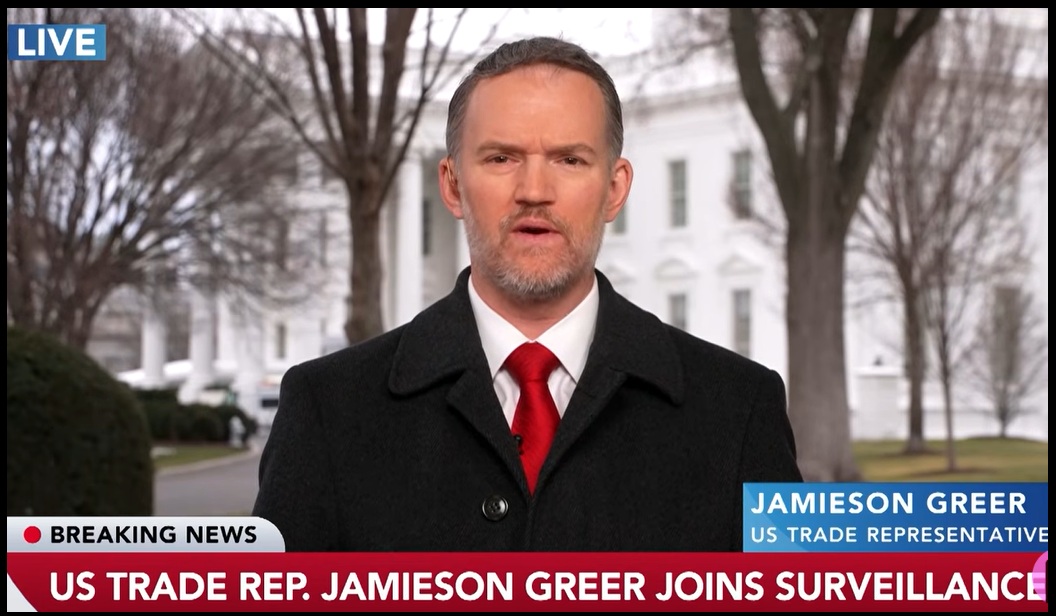
USTR Greer appears on Bloomberg to clarify the current situation and provide some information as to the transitional baseline tariffs as now modified. Additionally, and importantly, Greer begins discussing the USMCA review and his acceptance that President Trump is openly questioning the value for us. Greer notes Mexico and Canada being used as import hubs to avoid tariffs is a big issue. WATCH:

Section 232 [Steel and Aluminum examples] of the Trade Expansion Act of 1962 (19 U.S.C. §1862, as amended) authorizes the President to impose trade restrictions—such as a tariff or quota—if the Secretary of Commerce determines, following an investigation, that imports of a good “threaten to impair” U.S. national security. {SOURCE}

Section 301 tariffs are a trade enforcement mechanism established under the Trade Act of 1974. They allow the U.S. government to impose tariffs on imports from countries that are found to be engaging in unfair trade practices. The Office of the United States Trade Representative (USTR) conducts investigations to determine if a country is violating trade agreements, and if so, it can impose tariffs as a corrective measure {SOURCE}

Section 122 of the Trade Act of 1974 allows the U.S. president to impose tariffs of up to 15% to address “large and serious” balance-of-payments deficits. This authority can be exercised without prior congressional approval for a limited duration of 150 days. After this period, any tariffs must be extended by Congress. {SOURCE}

*FYI, there is a lot of distracting noise in the various social media platforms about internecine MAGA battles and ego-driven points of specific interest.  CTH chooses to focus energy and attention on the substantive policy issues that will generate substantive policy outcomes for America.

EU Schedules Permanent Ban on Russian Import Oil for Three Days After Hungarian Election


Posted originally on CTH on February 24, 2026 | Sundance

I guess we can put this in the open admission file surrounding the all-out effort by the European Union to defeat Hungarian Prime Minister Viktor Orban.

According to a leaked document received by Reuters, the European Union is scheduled to permanently ban all EU nations from importing Russian oil.  They have scheduled the ban to trigger on April 15th, three days after the Hungarian election.

BRUSSELS, Feb 24 (Reuters) – The European Commission will submit a legal proposal to permanently ban Russian oil imports on April 15, three days after Hungary’s parliamentary election, according to EU officials and a document seen by Reuters.

Two EU officials told Reuters the timing was designed to prevent the oil ban becoming a major factor in Hungary’s election campaign. Hungary and Slovakia, still reliant on Russian oil imports, are strongly opposed to any ban.

In the April 12 election, Hungarian Prime Minister Viktor Orban and his nationalist Fidesz party are facing the biggest challenge to their hold on power in 16 years.

The EU has already imposed sanctions on imports of seaborne Russian oil. But it wants to enshrine a full phase-out of Russian oil in legislation that would remain in place, even if a peace deal in the Ukraine war led to the EU lifting sanctions.

The Commission plans to propose the Russian oil ban on April 15, according to a draft agenda seen by Reuters.

Asked about the matter, a Commission spokesperson told Reuters the EU executive’s agendas were provisional and that it did not have a confirmed timeline for submitting the proposal. (read more)

Ukraine (EU) Strikes Russian Oil Pumping Station that Transmits Oil into Hungary and Slovakia


Posted originally on CTH on February 24, 2026 | Sundance

The Ukraine military, technically and non-pretendingly accepted as the EU military, has targeted a key oil pumping station in Russia that feeds into the westerly directed oil supply.  However, if you stand back from the western media, what you will notice from this attack is not the target in Russia, but the customers at the end of the pipeline in Europe, mainly Hungary and Slovakia.

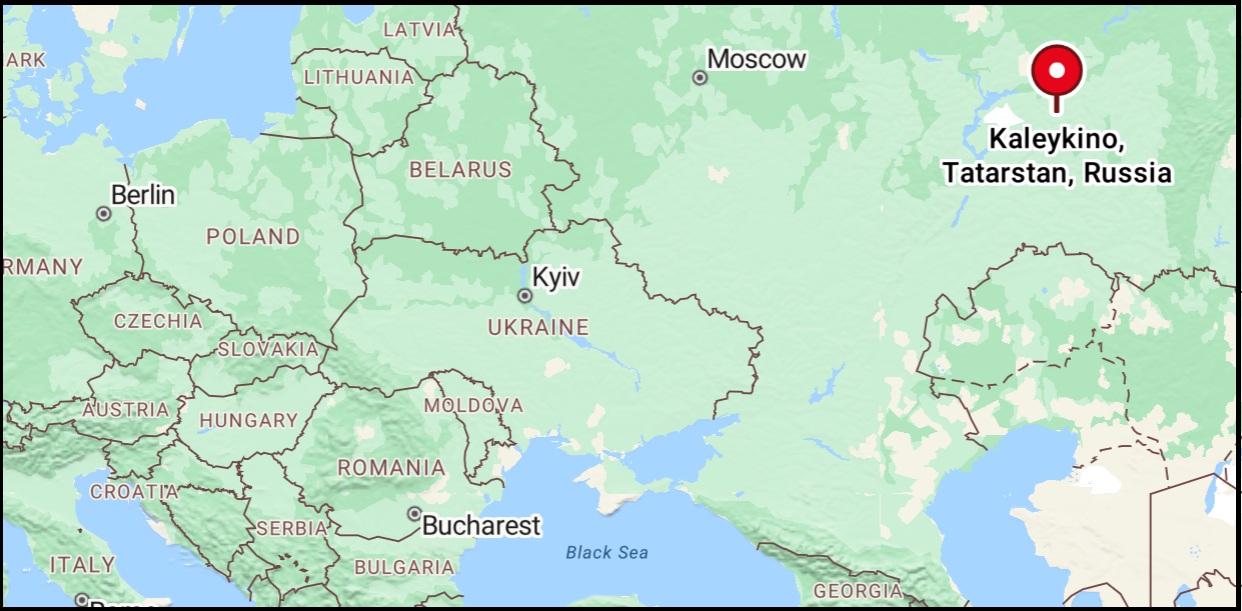
[…] Through local stations, including infrastructure around Kaleykino, oil from Tatarstan and neighboring regions feeds into the main pipeline, which runs through the Samara region and continues westward toward Belarus and further to countries in Eastern and Central Europe. […] There were also earlier reports that Ukrainian forces carried out several attacks on Druzhba pipeline infrastructure inside Russia, which at times disrupted Russian oil supplies to Hungary and Slovakia. {source}

So, what’s going on here?

Well, with the anniversary of the Russian Federation beginning the war into Ukraine, the Europeans who now control the military operations inside Ukraine are targeting European countries who do not align with their bloodlust, specifically Hungary and Slovakia.

Both Hungary and Slovakia are land locked countries without easy access seaports. Because of their geographic locations, they rely on Russian oil and gas for their energy needs.  Hungary and Slovakia have not wanted to expand the war against Russia.  The EU is demanding Hungary and Slovakia agree to expanded war.

The European ‘coalition of the willing’ is now targeting key Russian infrastructure that supplies energy products to European countries who are not in compliance with the EU dictates of war.

Putin says threats to energy pipelines sabotage peace process with Ukraine.

In his televised speech, the Russian president also accused Ukraine of threatening Russian energy ⁠pipelines with ⁠the help of Western intelligence agencies. He claimed these attacks were aimed to sabotage the peace process.

Putin ⁠also stressed it ⁠was vital for Russia ⁠to strengthen the defence of energy ‌infrastructure and other strategic sectors. {source}

This is why Secretary of State Marco Rubio travelled to Hungary and Slovakia last week.

Essentially, now we see European leaders attacking their own European “allies” through the use of Ukraine.  If you do not support the continued bloodlust, you are an enemy of the EU collective hive mind.

A picture is worth a thousand words….

Europe Retreats from Climate Change During International Energy Agency Global Meeting


Posted originally on CTH on February 21, 2026 | Sundance 

According to the Washington DC spin, the various EU energy ministers changed clean energy justification of ‘climate change’ during the International Energy Agency (IEA) summit because they were concerned the U.S. would pull out of the IEA group.  The IEA shifted to green energy as a security priority, no longer concerned with climate change.

However, given the situation with European energy costs and the severe problems they are having within their collective and individual economies, what they consider “national security” appears to be their need to control public outrage at the green energy consequences.

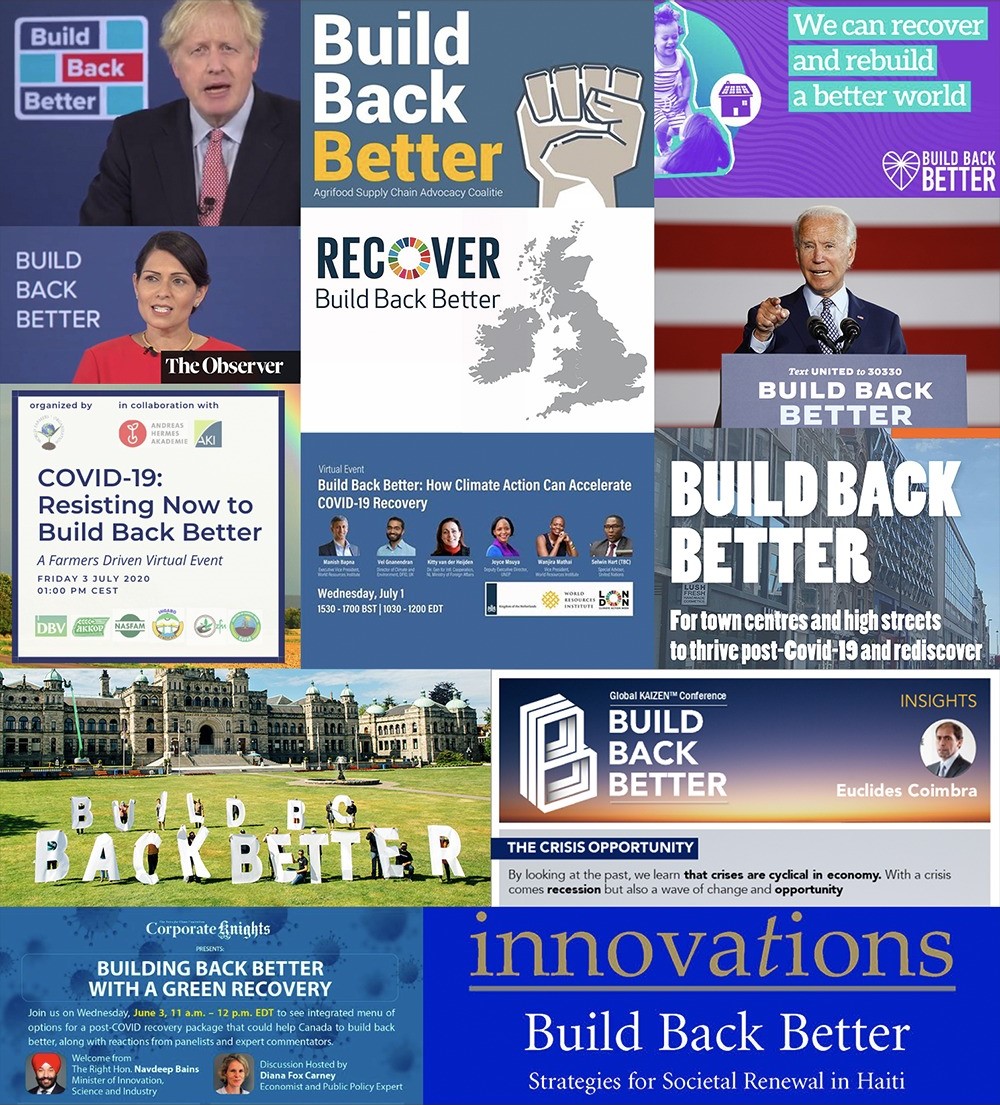
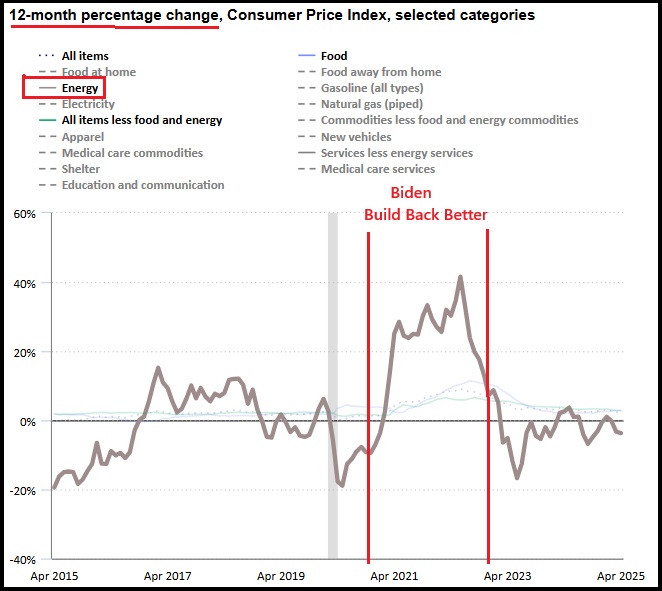
Affordable or ‘cheap’ energy production is directly linked to the underlying economy.  If energy production costs more, heating, electricity, fuel, transportation, just about everything costs more.  Energy prices drive consumer prices and that has become a serious problem for the U.K and EU who have chased the “Build Back Better” global energy reset.

With President Trump targeting reciprocity in a global trade balance, suddenly the economies of Europe, Canada and parts of Asia are feeling the impact.  Industrial manufacturing in Europe continues dropping and various sectors like the automotive manufacturing showcase the contraction.  The Gross Domestic Product (GDP) or economic output within each of the contracting nations is putting hard data behind the problem.

Suddenly, with their economies now quivering, the IEA meeting in Europe drops the climate change objective as justification for their ‘renewable’ energy programs.  They blame the USA, but in reality, they appear to be trying to save themselves from feeling the full consequences of their action.

(POLITICO) – […] Ministers, senior officials and ministerial advisers told POLITICO that the event had cemented a long-running rebranding of the green transition that emphasizes the security benefits of renewables rather than their climate-saving potential. It’s a change that has been slowly building since U.S. President Donald Trump returned to office 13 months ago, and that was turbocharged by Wright’s threats on Tuesday to quit the IEA and fears Washington might stop funding the body. The U.S. provides around 14 percent of the IEA’s funding.

“With diplomacy it’s about looking for those places where you can work together,” said one European energy ministry official present at the closed-door discussions. “If the word ‘climate change’ is a red drape for a bull then don’t use it.”

The emphasis on security — not climate change — was everywhere.

“Renewable energy is not about tackling climate change, it’s about economic growth and affordable and low energy prices,” Austrian State Secretary of Energy Elizabeth Zehetner told POLITICO on the sidelines of the event. Zehetner stressed however that Europeans wouldn’t be “blackmailed” by the U.S.

Her comments reflect that independently of the U.S., Europe has itself moved away from the climate fervor that dominated Brussels policymaking in the first part of this decade. Still, despite some backsliding on green rules, the EU remains fundamentally in favor of strong policies to tackle climate change. (read more)

People tend to forget, coming out of the COVID-19 pandemic era, the Build Back Better agenda to radically change energy policy throughout the west was the primary cause of massive jumps in consumer prices.

President Trump Expresses Disappointment and Determination


Posted originally on CTH on February 20, 2026 | Sundance 

President Trump reacts to the Supreme Court ruling with much the same perspective of many MAGA supporters.

For most of us the core of MAGA policy surrounds economics; specifically, GDP growth, jobs and wages. Economic security is national security. Immigration enforcement, border security and other priorities come after MAGAnomics.

PRESIDENT TRUMP – “The Supreme Court’s Ruling on TARIFFS is deeply disappointing! I am ashamed of certain Members of the Court for not having the Courage to do what is right for our Country. I would like to thank and congratulate Justices Thomas, Alito, and Kavanaugh for your Strength, Wisdom, and Love of our Country, which is right now very proud of you.

When you read the dissenting opinions, there is no way that anyone can argue against them. Foreign Countries that have been ripping us off for years are ecstatic, and dancing in the streets — But they won’t be dancing for long! The Democrats on the Court are thrilled, but they will automatically vote “NO” against ANYTHING that makes America Strong and Healthy Again. They, also, are a Disgrace to our Nation.

Others think they’re being “politically correct,” which has happened before, far too often, with certain Members of this Court when, in fact, they’re just FOOLS and “LAPDOGS” for the RINOS and Radical Left Democrats and, not that this should have anything to do with it, very unpatriotic, and disloyal to the Constitution. It is my opinion that the Court has been swayed by Foreign Interests, and a Political Movement that is far smaller than people would think — But obnoxious, ignorant, and loud!

This was an important case to me, more as a symbol of Economic and National Security, than anything else. The Good News is that there are methods, practices, Statutes, and other Authorities, as recognized by the entire Court and Congress, that are even stronger than the IEEPA TARIFFS, available to me as President of the United States of America and, in actuality, I was very modest in my “ask” of other Countries and Businesses because I wanted to do nothing that could sway the decision that has been rendered by the Court.

I have very effectively utilized TARIFFS over the past year to MAKE AMERICA GREAT AGAIN. Our Stock Market has just recently broken the 50,000 mark on the DOW and, simultaneously, 7,000 on the S&P, two numbers that everybody thought, upon our Landslide Election Victory, could not be attained until the very end of my Administration — Four years! TARIFFS have, likewise, been used to end five of the eight Wars that I settled, have given us Great National Security and, together with our Strong Border, reduced Fentanyl coming into our Country by 30%, when I use them as a penalty against Countries illegally sending this poison to us. All of those TARIFFS remain, but other alternatives will now be used to replace the ones that the Court incorrectly rejected.”

“To show you how ridiculous the opinion is, the Court said that I’m not allowed to charge even $1 DOLLAR to any Country under IEEPA, I assume to protect other Countries, not the United States which they should be interested in protecting — But I am allowed to cut off any and all Trade or Business with that same Country, even imposing a Foreign Country destroying embargo, and do anything else I want to do to them — How nonsensical is that? They are saying that I have the absolute right to license, but not the right to charge a license fee. What license has ever been issued without the right to charge a fee? But now the Court has given me the unquestioned right to ban all sorts of things from coming into our Country, a much more powerful Right than many people thought we had.
 
Our Country is the “HOTTEST” anywhere in the World, but now, I am going in a different direction, which is even stronger than our original choice. As Justice Kavanaugh wrote in his Dissent:
 
“Although I firmly disagree with the Court’s holding today, the decision might not substantially constrain a President’s ability to order tariffs going forward. That is because numerous other federal statutes authorize the President to impose tariffs and might justify most (if not all) of the tariffs issued in this case…Those statutes include, for example, the Trade Expansion Act of 1962 (Section 232); the Trade Act of 1974 (Sections 122, 201, and 301); and the Tariff Act of 1930 (Section 338).”
 
Thank you Justice Kavanaugh!
 
In actuality, while I am sure they did not mean to do so, the Supreme Court’s decision today made a President’s ability to both regulate Trade, and impose TARIFFS, more powerful and crystal clear, rather than less. There will no longer be any doubt, and the Income coming in, and the protection of our Companies and Country, will actually increase because of this decision. Based on longstanding Law and Hundreds of Victories to the contrary, the Supreme Court did not overrule TARIFFS, they merely overruled a particular use of IEEPA TARIFFS. The ability to block, embargo, restrict, license, or impose any other condition on a Foreign Country’s ability to conduct Trade with the United States under IEEPA, has been fully confirmed by this decision. In order to protect our Country, a President can actually charge more TARIFFS than I was charging in the past under the various other TARIFF authorities, which have also been confirmed, and fully allowed.
 
Therefore, effective immediately, all National Security TARIFFS, Section 232 and existing Section 301 TARIFFS, remain in place, and in full force and effect. Today I will sign an Order to impose a 10% GLOBAL TARIFF, under Section 122, over and above our normal TARIFFS already being charged, and we are also initiating several Section 301 and other Investigations to protect our Country from unfair Trading practices. Thank you for your attention to this matter. MAKE AMERICA GREAT AGAIN!”
 
PRESIDENT DONALD J. TRUMP