
Posted originally on CTH on February 20, 2026 | Sundance
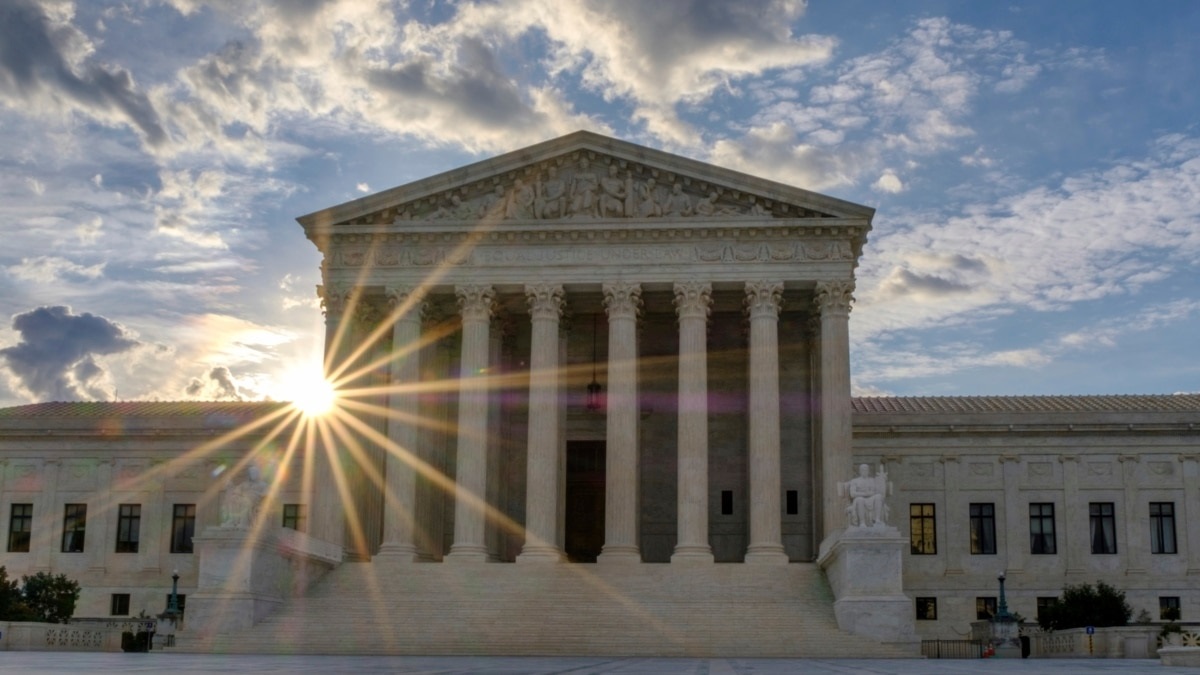
President Trump reacts to the Supreme Court ruling with much the same perspective of many MAGA supporters.
For most of us the core of MAGA policy surrounds economics; specifically, GDP growth, jobs and wages. Economic security is national security. Immigration enforcement, border security and other priorities come after MAGAnomics.
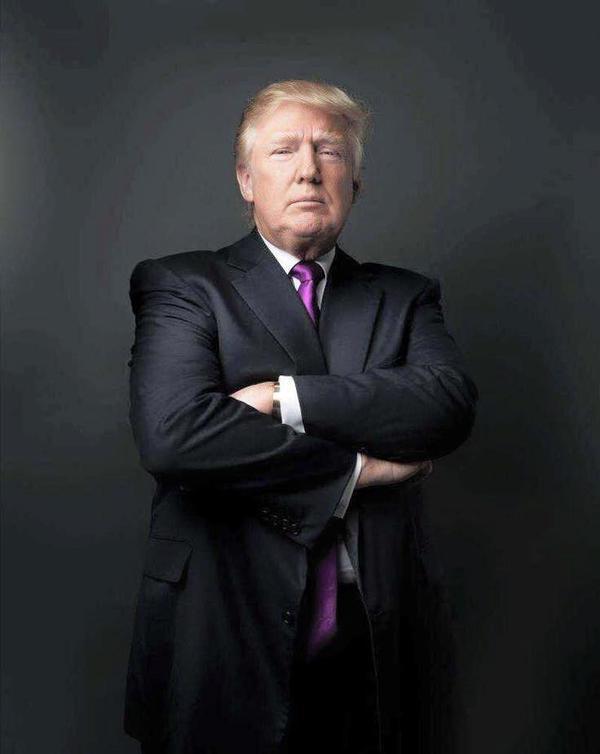
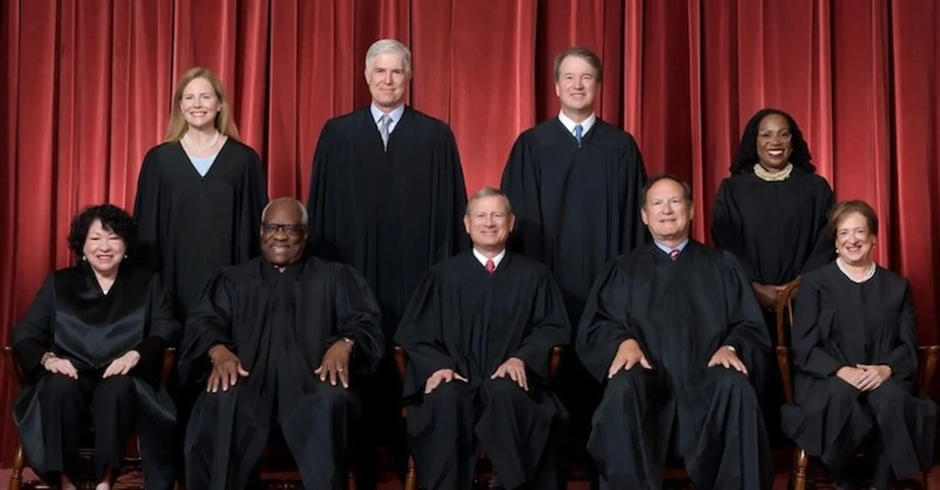
PRESIDENT TRUMP – “The Supreme Court’s Ruling on TARIFFS is deeply disappointing! I am ashamed of certain Members of the Court for not having the Courage to do what is right for our Country. I would like to thank and congratulate Justices Thomas, Alito, and Kavanaugh for your Strength, Wisdom, and Love of our Country, which is right now very proud of you.
When you read the dissenting opinions, there is no way that anyone can argue against them. Foreign Countries that have been ripping us off for years are ecstatic, and dancing in the streets — But they won’t be dancing for long! The Democrats on the Court are thrilled, but they will automatically vote “NO” against ANYTHING that makes America Strong and Healthy Again. They, also, are a Disgrace to our Nation.
Others think they’re being “politically correct,” which has happened before, far too often, with certain Members of this Court when, in fact, they’re just FOOLS and “LAPDOGS” for the RINOS and Radical Left Democrats and, not that this should have anything to do with it, very unpatriotic, and disloyal to the Constitution. It is my opinion that the Court has been swayed by Foreign Interests, and a Political Movement that is far smaller than people would think — But obnoxious, ignorant, and loud!
This was an important case to me, more as a symbol of Economic and National Security, than anything else. The Good News is that there are methods, practices, Statutes, and other Authorities, as recognized by the entire Court and Congress, that are even stronger than the IEEPA TARIFFS, available to me as President of the United States of America and, in actuality, I was very modest in my “ask” of other Countries and Businesses because I wanted to do nothing that could sway the decision that has been rendered by the Court.
I have very effectively utilized TARIFFS over the past year to MAKE AMERICA GREAT AGAIN. Our Stock Market has just recently broken the 50,000 mark on the DOW and, simultaneously, 7,000 on the S&P, two numbers that everybody thought, upon our Landslide Election Victory, could not be attained until the very end of my Administration — Four years! TARIFFS have, likewise, been used to end five of the eight Wars that I settled, have given us Great National Security and, together with our Strong Border, reduced Fentanyl coming into our Country by 30%, when I use them as a penalty against Countries illegally sending this poison to us. All of those TARIFFS remain, but other alternatives will now be used to replace the ones that the Court incorrectly rejected.”
“To show you how ridiculous the opinion is, the Court said that I’m not allowed to charge even $1 DOLLAR to any Country under IEEPA, I assume to protect other Countries, not the United States which they should be interested in protecting — But I am allowed to cut off any and all Trade or Business with that same Country, even imposing a Foreign Country destroying embargo, and do anything else I want to do to them — How nonsensical is that? They are saying that I have the absolute right to license, but not the right to charge a license fee. What license has ever been issued without the right to charge a fee? But now the Court has given me the unquestioned right to ban all sorts of things from coming into our Country, a much more powerful Right than many people thought we had.
Our Country is the “HOTTEST” anywhere in the World, but now, I am going in a different direction, which is even stronger than our original choice. As Justice Kavanaugh wrote in his Dissent:
“Although I firmly disagree with the Court’s holding today, the decision might not substantially constrain a President’s ability to order tariffs going forward. That is because numerous other federal statutes authorize the President to impose tariffs and might justify most (if not all) of the tariffs issued in this case…Those statutes include, for example, the Trade Expansion Act of 1962 (Section 232); the Trade Act of 1974 (Sections 122, 201, and 301); and the Tariff Act of 1930 (Section 338).”
Thank you Justice Kavanaugh!
In actuality, while I am sure they did not mean to do so, the Supreme Court’s decision today made a President’s ability to both regulate Trade, and impose TARIFFS, more powerful and crystal clear, rather than less. There will no longer be any doubt, and the Income coming in, and the protection of our Companies and Country, will actually increase because of this decision. Based on longstanding Law and Hundreds of Victories to the contrary, the Supreme Court did not overrule TARIFFS, they merely overruled a particular use of IEEPA TARIFFS. The ability to block, embargo, restrict, license, or impose any other condition on a Foreign Country’s ability to conduct Trade with the United States under IEEPA, has been fully confirmed by this decision. In order to protect our Country, a President can actually charge more TARIFFS than I was charging in the past under the various other TARIFF authorities, which have also been confirmed, and fully allowed.
Therefore, effective immediately, all National Security TARIFFS, Section 232 and existing Section 301 TARIFFS, remain in place, and in full force and effect. Today I will sign an Order to impose a 10% GLOBAL TARIFF, under Section 122, over and above our normal TARIFFS already being charged, and we are also initiating several Section 301 and other Investigations to protect our Country from unfair Trading practices. Thank you for your attention to this matter. MAKE AMERICA GREAT AGAIN!”
PRESIDENT DONALD J. TRUMP



 Centinel2012