Posted originally on CTH on March 25, 2026 | Sundance
The rebranded Lyndon LaRouche PAC has another good outline on the new strategic alliances assembled by President Trump as the ongoing conflict with Iran continues.
Susan Kokinda reviews how the United Kingdom and Europe have been sidelined as President Trump directly negotiates with key stakeholders in the middle east and Asia. Kokinda correctly notes the messaging from Russia indicates a strategic awareness that old systems are fracturing and the potential for new strategic alliances is rising.
“Susan Kokinda argues President Trump has opened a new diplomatic space to de-escalate the Iran conflict by working through a regional roster—Saudi Arabia, Egypt, Turkey, Pakistan, Gulf States, and back channels into Iran—while the U.K., EU, and NATO are absent and increasingly irrelevant. Citing reporting that ministers met in Riyadh and that Egypt, Turkey, and Oman carried messages, she says this “Board of Peace” architecture is isolating Iran and weakening its proxies, pointing to Lebanon’s move against Hezbollah, the Palestinian Authority’s condemnation of Iran, and Hamas considering disarmament. Kokinda links Europe’s exclusion to self-inflicted energy weakness from Green and anti-Russia policies, noting rushed LNG moves and a delayed Russian oil ban vote. She concludes Ukraine’s outlook darkens as Europe and Britain lack leverage, highlighting Zelenskyy’s scramble for support in London and Washington.” WATCH:
Posted originally on CTH on arch 13, 2026 | Sundance
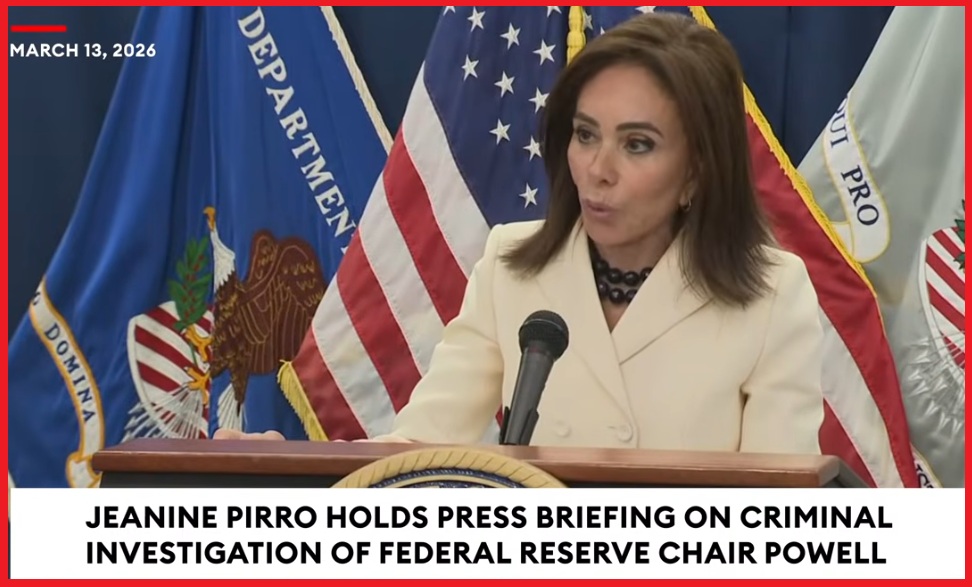
Well known activist Judge James Boasberg [SEE HERE], the same judge who granted illegal searches and seizures of congressional phone data, the same judge who has a long history of corrupt rulings to defend the interests of the DC power structures, ruled today [pdf Ruling Here] that USAO Jeanine Pirro is blocked from grand jury testimony surrounding fraud perpetrated by the Federal Reserve Board.
Boasberg ruled today that taxpayer funds used by the Federal Reserve to indulge themselves are exempt from investigative review. The ruling elite must never be challenged, and Judge Boasberg proudly stands in place to preserve and protect the interests of Washington DC. USAO Jeanine Pirro is very angry. WATCH:
Posted originally on CTH on March 4, 2026 | Sundance
Force Majeure is a common clause in contracts which essentially frees both parties from liability or obligation when an extraordinary event or circumstance beyond the control of the parties, such as a war, strike, riot, crime, epidemic, or sudden legal change prevents one or both parties from fulfilling their obligations under the contract.
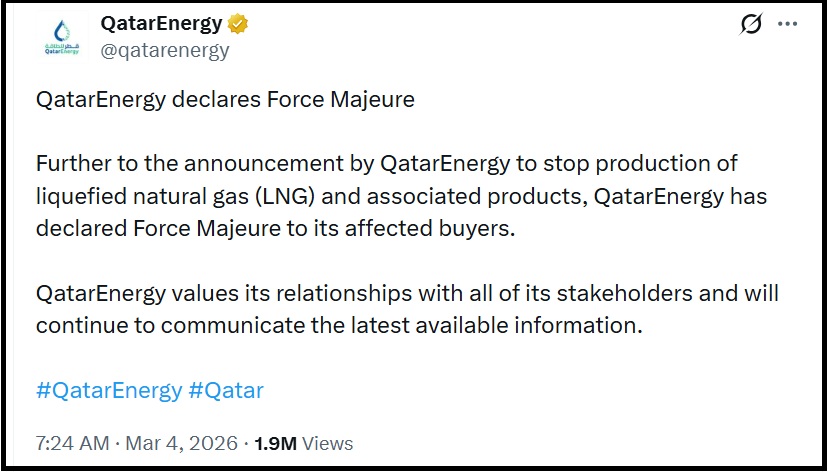
People would be well advised to wait a few days when announcements are made before jumping to immediate conclusions. The announcement by Qatar Energy of a force majeure notification did not originate from Qatar’s inability to produce contractual LNG supplies…..
…. two days prior to this announcement, India’s top gas importer Petronet LNG Ltd issued a force majeure notice to Qatar Energy and local buyers because its LNG tanker ships were unable to reach the Ras Laffan load port due to the crisis in the Middle East. Without ships arriving to take the LNG Qatar Energy cannot keep producing.
Qatar Energy operates 14 liquefied natural gas (LNG) trains with a total annual production capacity of 77 million tonnes {SOURCE}. If ships don’t reach the terminals, there’s no need for Qatar Energy to keep pumping and liquifying from well heads. It’s a downstream issue.
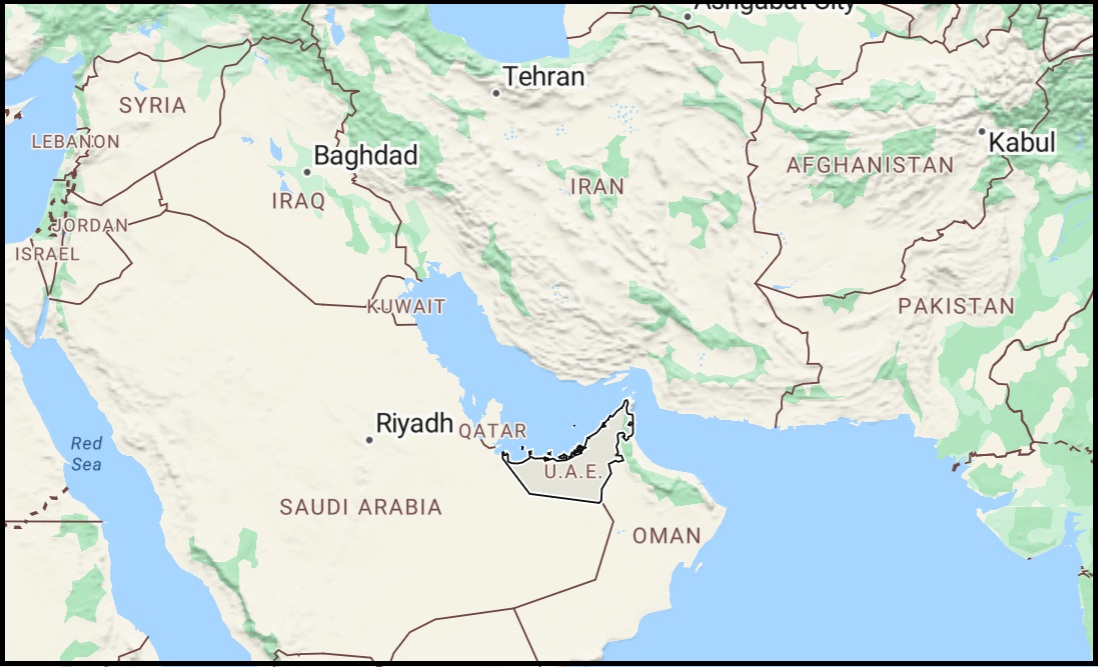
Bahrain made the same announcement for their refined aluminum exports {SOURCE}. Indonesian company Chandra Asri made the same announcement for petrochemicals {SOURCE}. Chevron made the same announcement two days ago after Israel shut down the Leviathan natural gas field {SOURCE}. Thus, we see the ramifications for the entire region around the Iran conflict zone and the downstream destinations (Asia and Europe) for energy products therein.
Dutch shipping company Maersk has also suspended operation for cargo container ships cancelling all bookings between the Indian subcontinent—India, Pakistan, Bangladesh and Sri Lanka—and the Upper Gulf. {SOURCE} German shipping group Hapag-Lloyd made the same decision.
These are not decisions being made due to maritime insurance or reinsurance rates or availability. These are decisions being made by private corporations that go beyond their actuarial risk. They simply don’t want to operate in a region where there is the potential for loss of life or cargo.
This is not solely an insurance issue and people should pause before offering analysis that only considers the financial aspect.
MAERSK -Maersk announced on Wednesday that it is temporarily suspending most cargo reservations in and out of Iraq as security worries mount throughout the Gulf.
The business said that the ban applies to shipments involving many regional nations, including the UAE, Oman, Kuwait, Qatar, Bahrain, and Saudi Arabia.
Maersk said that the measure would stay in effect until further notice. The firm did not disclose any more information on how long the disruption will endure or the scope of the operating effect.
The decision comes as increased tensions and military action in the Gulf area have prompted worries about the safety of maritime routes and logistical operations, hurting commerce flows via many Gulf nations. (LINK)
Susan Kokinda and the Lyndon LaRouche network give their perspective on the British reaction to the U.S. strikes against Iran. The analysis has some value from a review of the historic relationship of the British imperialist policy toward matters of foreign entanglement and the control mechanisms that have historically flowed from the U.K
As a consequence of British government policy much of the Kokinda analysis accurately touches on the root cause of U.K response. However, the emphasis on the modern UK government as the lead of a global control network is not always as severe or complicated as the Lyndon LaRouche network would espouse.
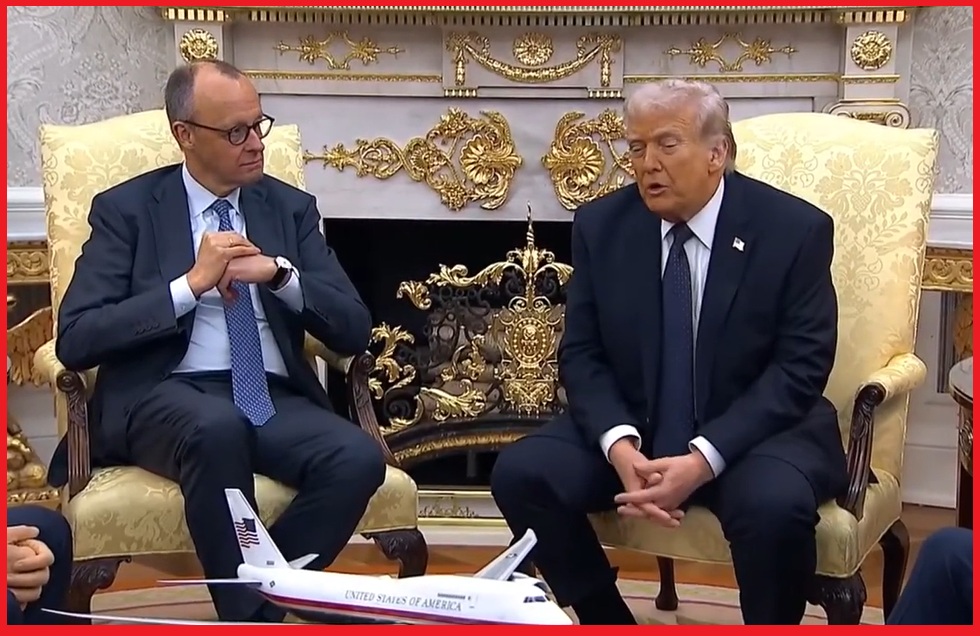
Prior to visiting the White House, German Chancellor Fredrich Merz had just returned from China and gave a press conference in Germany saying Germans need to “work harder” and “ditch the four-day week” to compete.
Merz visit to Shenzhen shocked him, and he is right to be rattled by the cold indifference of Chairman Xi Jinping. This was Merz first visit to meet Chairman Xi in person. A cold and productivity focused Merz just met an even colder and more productivity focused industrial giant.
Merz met the industrial dragon and returned home visibly shook. The Chancellor thought he represented an apex industrial nation. However, he experienced something far more industrial than he ever imagined.
As noted by Nina Schick:“Take Germany’s famous auto industry, 5% of GDP, 800,000 jobs, but losing ground fast. VW’s market share in China has plunged from 24% to 15% in four years. Chinese brands doubled their European market share in 2025 and now outsell Mercedes on the continent. Germany lost 120,000 industrial jobs last year. And cars are just the most visible example.
But it’s not just competition. Germany has some of the highest industrial energy prices in the world, nearly triple what the US pays. After shutting down nuclear and losing cheap Russian gas via Nord Stream, Berlin built its first LNG terminal in 194 days. Now 96% of the LNG arriving at those terminals comes from the US. (That LNG is even more important in light of events in the Gulf….)
The US is Germany’s second-largest trading partner (€240 billion in two-way trade last year.) German auto exports to the US fell 18% in 2025 under tariffs. Merz cannot afford a trade war with Washington. Today, he watched Trump threaten to cut off all trade with Spain, while sitting next to him in the Oval Office. He backed him up.
Now look at how Merz is positioning on Iran. Spain blocked the US from using its bases. Sánchez called the strikes “unjustified.” Starmer hesitated before eventually allowing UK bases for “defensive” strikes. Merz is the first EU leader invited to the White House for a tête-à-tête with Trump.
Days before, he said legal assessments under international law “achieve relatively little” and that now is “not the time to lecture allies.” Compare that to Sánchez insisting Spain’s agreement with the US “must operate within the framework of international law.” From a German chancellor, Merz’s position is seismic.
And none of this is separable from home. Germany’s economy is in its fourth year of industrial contraction. An aging population, a shrinking workforce, sky-high welfare costs, and an immigration debate that’s handing the AfD seats on a plate. Merz needs the US relationship, because it’s one of the levers he has left to keep the economy blowing in the right direction.
All of this points to a Germany that’s understood its critical vulnerabilities and is pursuing a hard-nosed realpolitik in response. To stay industrially competitive, they need American LNG. They need access to US compute and critical hardware. They need EU member states to spend on defense: something Trump has been remarkably effective at unleashing.
The result is an astonishingly pro-Trump German chancellor. In a country where only about 15% of the population views Trump favorably. The question isn’t whether Merz has realistically assessed Germany’s vulnerabilities (he’s starting to see the bigger picture). It’s whether this wins or loses him votes at home. And on that, my guess is it won’t. {LINK}
Fredrich Merz thought he was an apex predator, until he met Xi Jinping.
Suddenly, Merz looks at the unpredictable Trump, an apex predator who swims around Chairman Xi as if it’s just another boring Tuesday, with an entirely new perspective.
Chancellor Merz realizes that this rather unorthodox American President likely possesses the only qualified skillset that can deal with a REAL apex predator like Xi.
Fredrich Merz dismounts his EU high horse and uppishness turns into respect.
Posted originally on CTH on March 4, 2026 | Sundance |
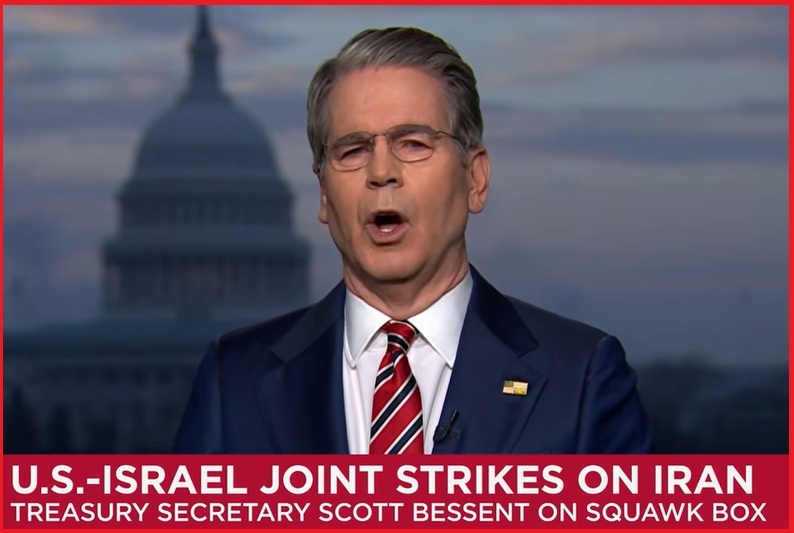
Treasury Secretary Scott Bessent appears on CNBC to discuss the Trump administration policies that were proactively deployed during Operation Epic Fury.
The goal of global financial stabilization is actually part of the strategic planning within the White House, including Treasury, Energy and Interior in alignment with the State Dept., Pentagon and national security agencies. Part of that plan was the announcement for the U.S. to underwrite maritime insurance to ensure a minimal disruption to the global energy markets.
Secretary Bessent discusses the insurance facet at the 3:00 minute mark of the video below. WATCH:
Posted originally on CTH on February 14, 2026 | Sundance
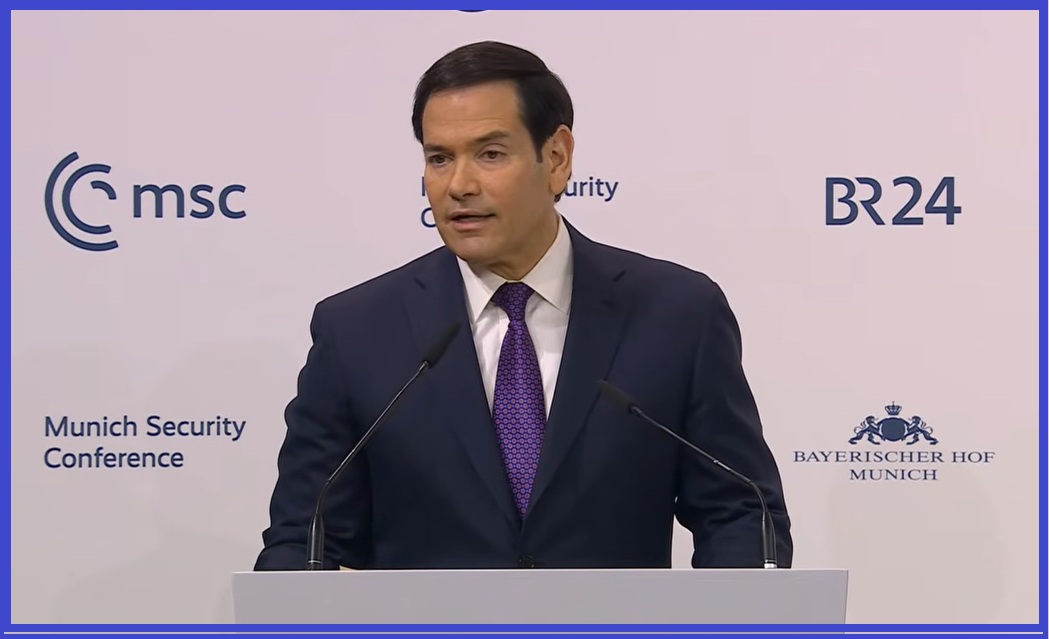
Overnight in the USA time zones, Secretary of State Marco Rubio delivered a very important speech at the Munich Security Conference [3:00am ET]. The video is below [prompted] and a FULL transcription will soon follow.
This is a critically worded speech that is very important to listen to with great deliberation. Within his remarks Rubio is telling Europe that we want to remain allied in our interests, but we are no longer going to allow the system of “globalism” to destroy our uniquely American life.
The United States is separating from the madness; this is not up for debate. The only question is whether Europe is too far gone, or whether they will join us.
The euphoria that followed the collapse of the Berlin Wall, “led us to a dangerous delusion. That we had entered quote the end of history. That every nation would now be a liberal democracy; that the ties formed by trade and by commerce alone would now replace nationhood. That the rules-based global order, an overused term, would now replace the national interest, and that we would now live in a world without borders where everyone became a citizen of the world. This was a foolish idea that ignored both human nature and it ignored the lessons of over 5,000 years of recorded human history, and it has cost us dearly.”
Posted originally on CTH on February 8, 2026 | Sundance
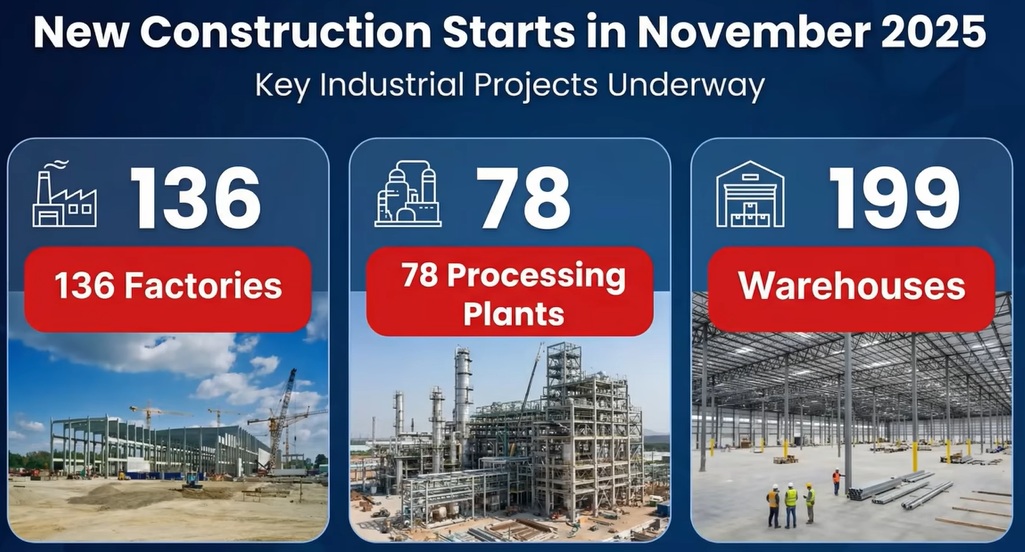
Treasury Secretary Scott Bessent appears on Fox News to discuss the current state of the U.S. economy as contrast against current growth plans and economic policy. As noted by Bessent, the future of the Main Street economy generally lags behind the forecast of the Wall Street economy. All of the domestic investment is currently building out the capacities of the underlying economy to expand.
Additionally, Bessent notes the importance of the cumulative effect of strategic energy policy, the assembly of a critical mineral reserve and the mounting growth in the industrial manufacturing center. MAGAnomics is creating expanded domestic growth by reshoring many of the industrial jobs due to tariff policy. Overall, the interview gives a big picture perspective on the short- and long-term economic program. WATCH:
Posted originally on CTH on February 7, 2026 | Sundance
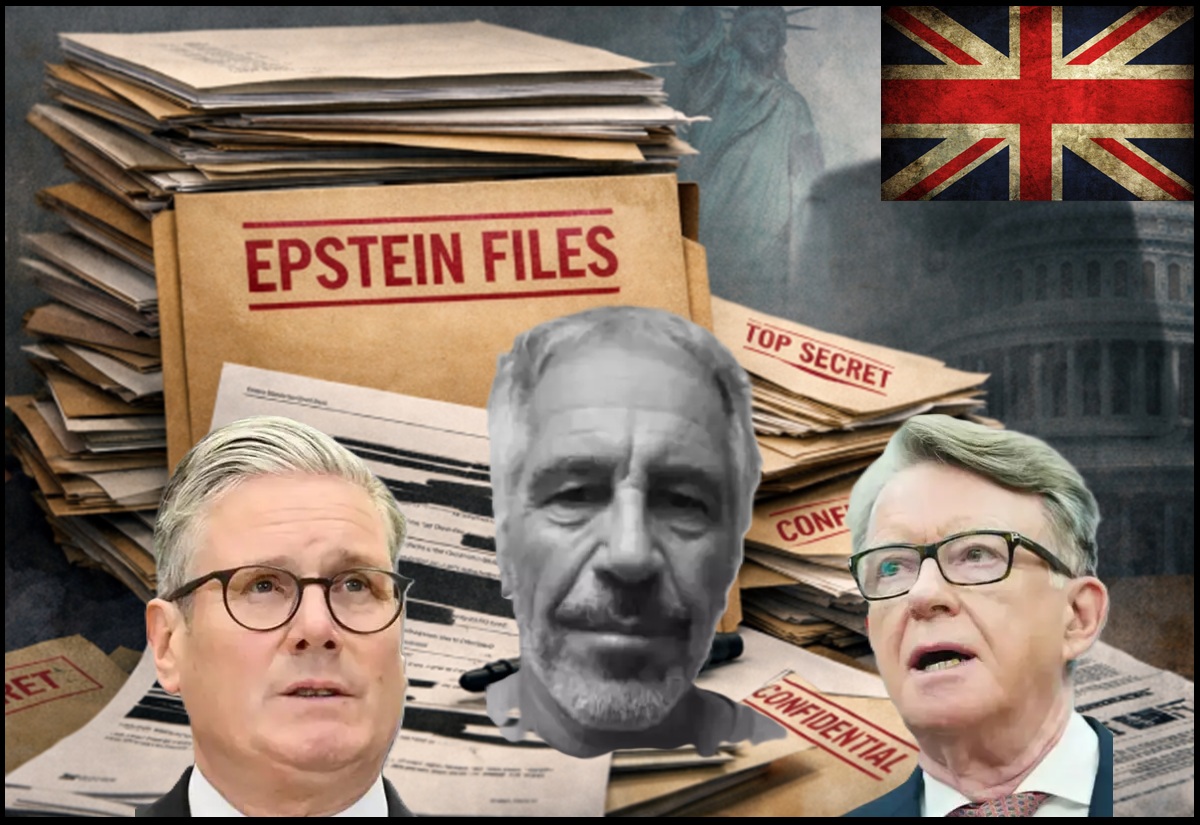
The reenergized Lyndon LaRouche team is very excited to see the Epstein file information creating great problems for Great Britian, British politicians, the London financial network and all of the people in the financial power structures of the United Kingdom.
LaRouche/Promethean’s Barbara Boyd outlines the delicious controversy surrounding British Prime Minister Keir Starmer against the background of his appointment of Lord Peter Mandelson as US Ambassador with all the ties to Jeffrey Epstein now in the headlines. Boyd reviews the links between Epstein and the U.K financial scandals, while President Trump continues promoting a revitalized American industrial economy.
Mrs Boyd then highlights the actions of the London elites calling upon U.K intelligence operative Christopher Steele who tries to cloud the British problem with Epstein by tying it all to Russia. Finally, Boyd underscores the significance of the President Trump’s economic policy in countering decades of financial abuses from the U.K and European Union.
Posted originally on CTH on February 6, 2026 | Sundance
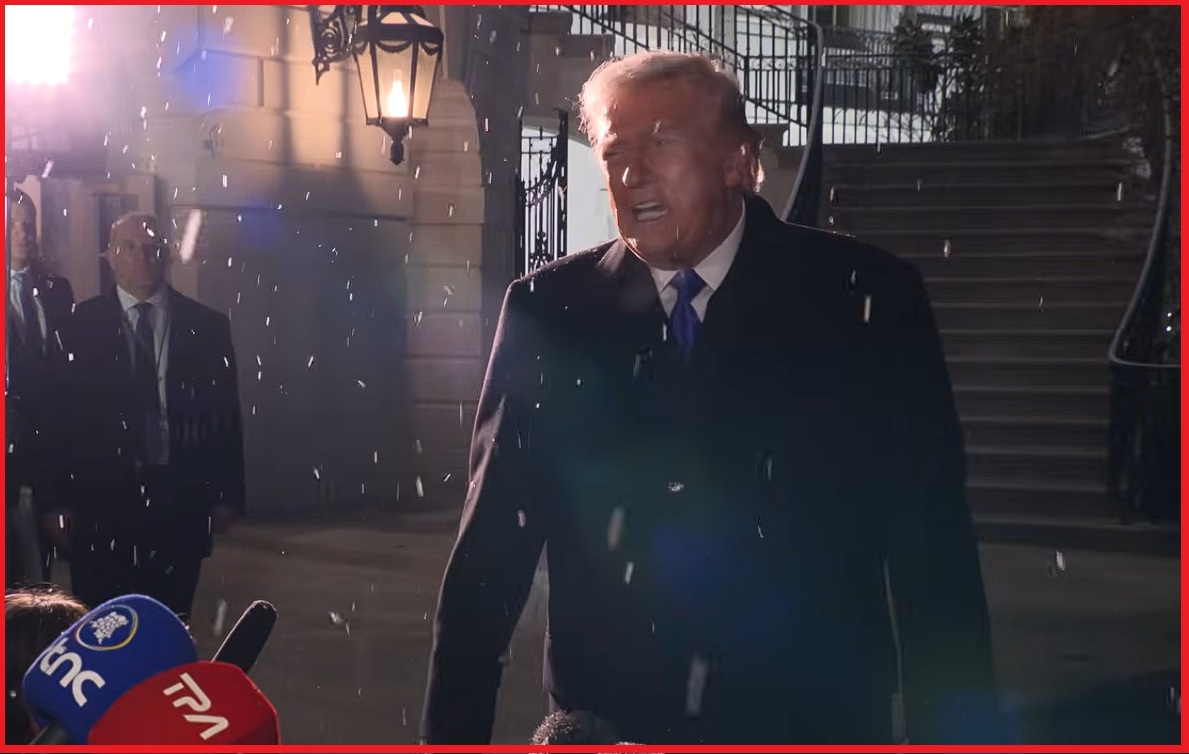
President Trump holds a brief impromptu chopper presser as he departs the White House for Palm Beach this weekend. President Trump began with remarks of the strong stock market, with the DOW closing over 50,000 much sooner than expected, highlighting the strength of the overall economy.
President Trump also noted positive crime statistics and then took questions. The first question was about the SAVE act and the need to eliminate the filibuster to get voter ID passed into law. The conversation then shifted to “affordability” with President Trump noting that prices are stable and declining due to his economic policies. WATCH:
Posted originally on CTH on January 30, 2026 | Sundance
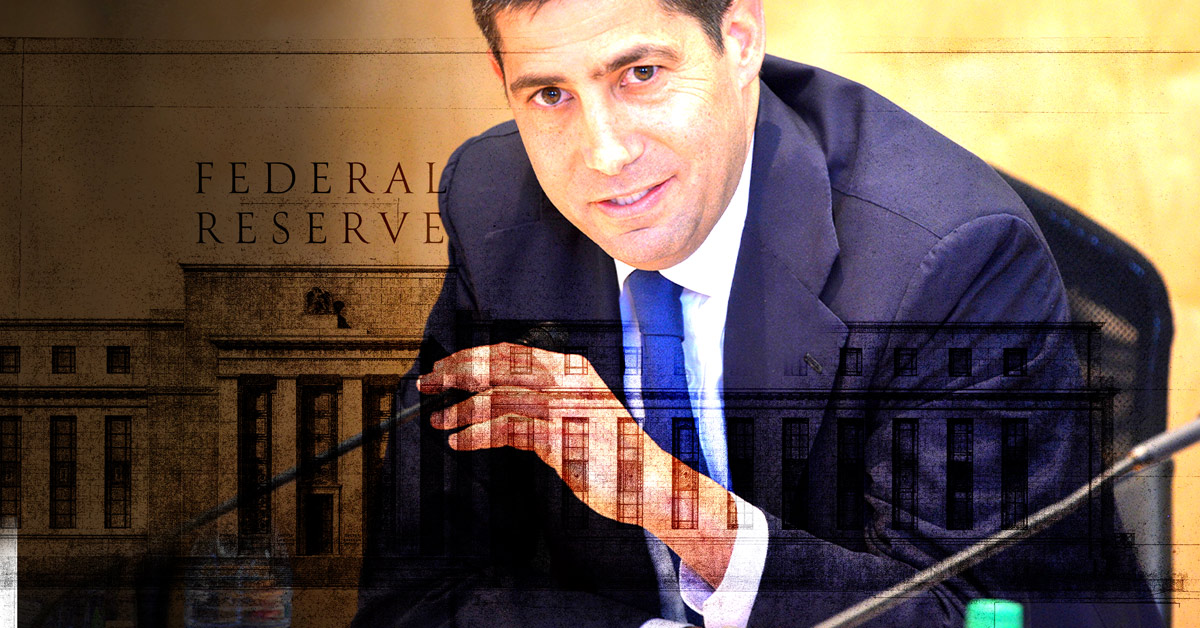
President Donald J Trump has announced his selection to take over as Federal Reserve Board Chairman, Kevin Warsh. To give perspective toward the overall viewpoint of Warsh, THIS INTERVIEW from April 2024 gives some insight.
Warsh has been highly critical of the FED monetary policy overall and directly links inflation and depressed wages to the poor decision-making of the Federal Reserve overall. More background on Kevin Warsh is HERE.
(Via Truth Social) – “I am pleased to announce that I am nominating Kevin Warsh to be the CHAIRMAN OF THE BOARD OF GOVERNORS OF THE FEDERAL RESERVE SYSTEM. Kevin currently serves as the Shepard Family Distinguished Visiting Fellow in Economics at the Hoover Institution, and Lecturer at the Stanford Graduate School of Business. He is a Partner of Stanley Druckenmiller at Duquesne Family Office LLC. Kevin received his A.B. from Stanford University, and J.D. from Harvard Law School. He has conducted extensive research in the field of Economics and Finance.
Kevin issued an Independent Report to the Bank of England proposing reforms in the conduct of Monetary Policy in the United Kingdom. Parliament adopted the Report’s recommendations. Kevin Warsh became the youngest Fed Governor, ever, at 35, and served as a Member of the Board of Governors of the Federal Reserve System from 2006 until 2011, as the Federal Reserve’s Representative to the Group of Twenty (G-20), and as the Board’s Emissary to the Emerging and Advanced Economies in Asia.
In addition, he was Administrative Governor, managing and overseeing the Board’s operations, personnel, and financial performance. Prior to his appointment to the Board, from 2002 until 2006, Kevin served as Special Assistant to the President for Economic Policy, and Executive Secretary of the White House National Economic Council.
Previously, Kevin was a member of the Mergers & Acquisitions Department at Morgan Stanley & Co., in New York, serving as Vice President and Executive Director. I have known Kevin for a long period of time, and have no doubt that he will go down as one of the GREAT Fed Chairmen, maybe the best. On top of everything else, he is “central casting,” and he will never let you down. Congratulations Kevin! PRESIDENT DONALD J. TRUMP“
Posted originally on CTH on January 28, 2026 | Sundance
Earlier this morning President Trump spoke to the audience about a new headstart program for every child born in America via a savings account called “Trump Accounts.” The money to deposit an estimated accrual rate of $3 to $4 trillion in wealth into the savings accounts for America’s children, comes from an assembly of private sector companies, corporations, donors and contributors.
Under the program the govt will create a tax-free savings account seeded with $1,000 in startup funds. No individual contributions are necessary—but families can deposit up to $5,000 per year into their child’s account to maximize growth. [DETAILS HERE] WATCH:
I have created this site to help people have fun in the kitchen. I write about enjoying life both in and out of my kitchen. Life is short! Make the most of it and enjoy!
This is a library of News Events not reported by the Main Stream Media documenting & connecting the dots on How the Obama Marxist Liberal agenda is destroying America



 Centinel2012